- LET'S PLAN YOUR SAFARI
- +256 200 921 002
- +256 793 194 703
- info@pickandtransfersafaris.com

Why is Rwanda Gorilla Trek expensive than Uganda
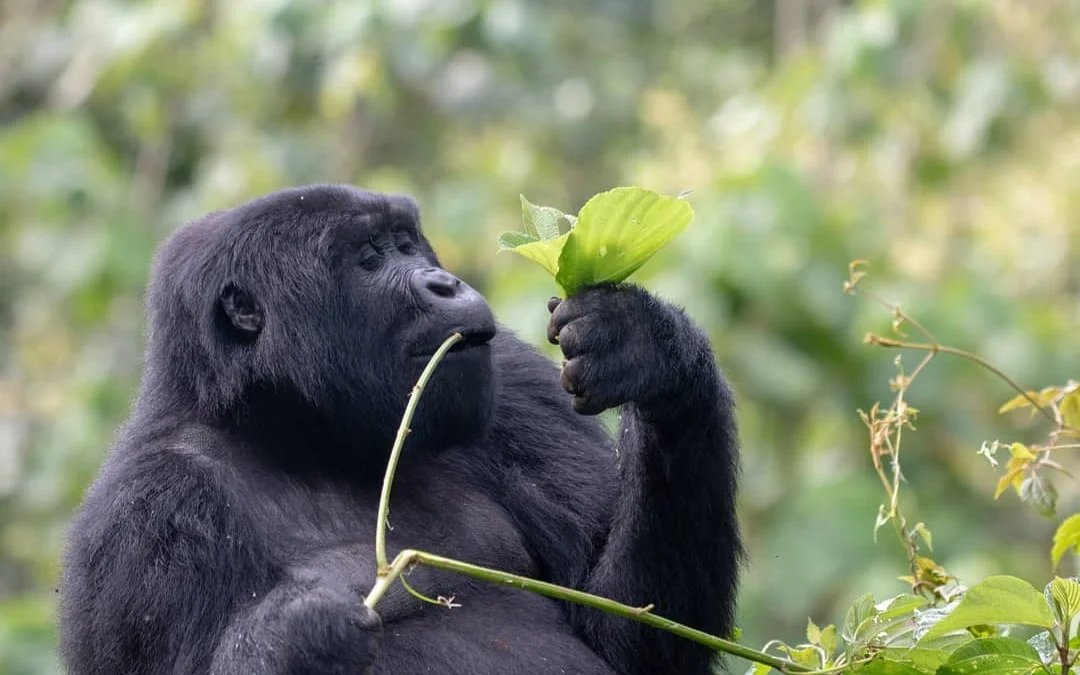
Why is Rwanda Gorilla Trek expensive than Uganda. It’s one of the most common questions we get from travelers planning a gorilla trekking trip in East Africa: why does a Rwanda gorilla permit cost nearly double what you’d pay in Uganda for what seems like the same experience? The short answer is that Rwanda has deliberately positioned itself as a premium, low-volume gorilla trekking destination, while Uganda has chosen a higher-volume, more accessible model. Both approaches work, and both protect the same endangered mountain gorillas, but they lead to very different price tags. Here’s a full breakdown of why.
The Price Difference, in Numbers
A gorilla trekking permit in Rwanda’s Volcanoes National Park currently costs USD 1,500 per person, issued by the Rwanda Development Board (RDB). In Uganda, a permit for Bwindi Impenetrable National Park or Mgahinga Gorilla National Park costs USD 800 per person, issued by the Uganda Wildlife Authority (UWA), with a discounted rate of USD 600 available during the low-season months of April, May, and November. That’s nearly double the price for what is, on paper, the same one hour spent with a habituated gorilla family.
So why the gap? It comes down to a handful of deliberate strategic and practical differences between the two countries.
1. Rwanda Made a Conscious Choice to Go High-End
Back in 2017, Rwanda doubled its gorilla permit price overnight, from USD 750 to USD 1,500, and the move was entirely intentional. Rwanda’s tourism strategy is built around attracting fewer, higher-spending travelers rather than maximizing visitor numbers. The thinking is straightforward: fewer trekkers per day means less pressure on the gorillas and their habitat, while higher per-permit revenue still funds conservation and community programs effectively. Uganda, by contrast, has kept its pricing more accessible, prioritizing wider access to the experience even if that means significantly higher visitor volumes across its parks.
2. Easier Access Around Volcanoes National Park
Rwanda’s Volcanoes National Park sits less than two hours from Kigali International Airport on largely paved roads, making it one of the most convenient gorilla trekking destinations in the world to reach. Bwindi, by comparison, is remote and requires a long drive over rougher terrain from either Entebbe or Kigali, as we’ve covered in our guides to gorilla treks starting from Kigali, Kisoro, and Kabale. That convenience comes at a cost, and Rwanda’s pricing reflects the premium of easy, low-hassle access.
3. A Smaller, More Curated Park
Volcanoes National Park is considerably smaller than Bwindi, with fewer habituated gorilla families and fewer permits released each day. Limited supply against strong demand naturally pushes prices upward. Bwindi, by contrast, spans a much larger area with four trekking sectors, Buhoma, Ruhija, Rushaga, and Nkuringo, and a greater number of habituated families, allowing UWA to issue more permits daily and spread demand across a wider base.
4. Luxury Lodge Infrastructure
Rwanda has invested heavily in high-end lodges around Volcanoes National Park, with several ultra-luxury properties charging well over USD 1,000 a night sitting right at the park boundary. This infrastructure caters specifically to the high-spending traveler Rwanda’s pricing strategy is designed to attract, and it reinforces the overall positioning of Rwanda gorilla trekking as a premium, all-inclusive luxury experience rather than a standalone activity. Uganda has plenty of excellent lodges too, but its overall accommodation range skews more toward mid-range and budget options, keeping the total cost of a Uganda trip considerably lower even before factoring in the permit price.
5. Trekking Conditions Are Often Gentler
Many of Volcanoes National Park’s gorilla families live at relatively accessible points on the lower slopes of the Virunga volcanoes, and treks here can, on average, be somewhat shorter and less physically demanding than some of Bwindi’s steeper, denser sectors, though this varies considerably by family and by day in both countries. This perceived ease of access is part of what Rwanda markets to travelers willing to pay more for a smoother overall experience.
Does That Mean Rwanda Is “Better” Than Uganda?
Not necessarily, just different. Both countries offer a genuinely world-class encounter with mountain gorillas, and the gorillas themselves are part of the same wider Virunga population in many cases. What you’re really paying for in Rwanda is convenience, exclusivity, and polish, shorter travel time from the airport, fewer trekkers on the trail, and a more curated luxury experience around the trek itself. In Uganda, your money stretches further, permits cost less, accommodation options are more varied, and you have access to a larger park with more habituated families and sectors to choose from, though you’ll generally spend more time on the road getting there.
For many travelers, especially those building a Uganda Rwanda combined itinerary, the answer isn’t choosing one over the other, but understanding what each country’s pricing reflects and deciding which trade-offs matter most for your trip.
Which Country Should You Choose?
If budget is a primary concern and you don’t mind a longer drive to the trailhead, Uganda offers excellent value, with nearly half the permit cost and a wider range of affordable accommodation, as outlined in our One Day Gorilla Trek in Uganda Starting from Kigali and 3 Days Uganda Gorilla Safari Starting from Rwanda itineraries. If your priority is convenience, shorter travel time, and a more polished, luxury-oriented trip, and budget is less of a concern, Rwanda’s Volcanoes National Park is hard to beat.
Many of our clients actually do both, crossing the border to combine a Uganda gorilla trek with a second encounter in Rwanda, or pairing either country’s gorillas with Rwanda’s chimpanzee trekking in Nyungwe Forest National Park.
Rwanda’s higher gorilla permit price isn’t arbitrary; it reflects a deliberate national strategy built around convenience, exclusivity, and luxury tourism, while Uganda has chosen to keep gorilla trekking more financially accessible across a larger park system. Neither approach is wrong, and both directly fund the conservation work that has helped mountain gorilla populations recover over the past few decades. The right choice ultimately comes down to your budget, your travel style, and how much value you place on convenience versus cost.
For official, up-to-date permit pricing, you can check directly with the Rwanda Development Board or the Uganda Wildlife Authority.
Contact us and we’ll help you decide whether a Uganda gorilla trek, a Rwanda gorilla trek, or a combination of both fits your budget and travel plans best.