- LET'S PLAN YOUR SAFARI
- +256 200 921 002
- +256 793 194 703
- info@pickandtransfersafaris.com

What can i see in Murchison Falls?
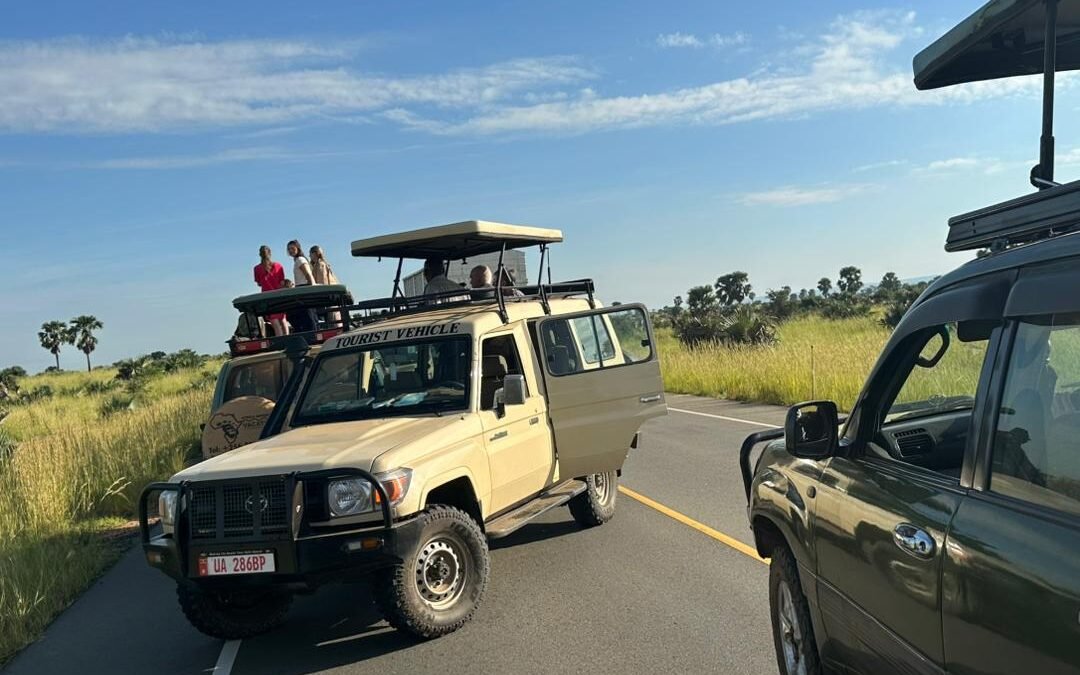
What can i see in Murchison Falls? The honest answer to this question is: more than you expect, and more than a single visit can fully contain. Murchison Falls National Park is Uganda’s largest and oldest national park, a 3,840-square-kilometre wilderness in the country’s northwest where the River Nile, the savannah, the rainforest, and some of the most spectacular wildlife in East Africa come together in a way that is genuinely difficult to find anywhere else on the continent. Whether you are a first-time visitor wondering what the fuss is about or an experienced safari traveler looking to understand what sets Murchison apart, the answer unfolds across every corner of this remarkable park.
At Pick and Transfer Safaris, Murchison Falls National Park is one of the destinations we are most passionate about sharing with travelers. Our Uganda Safaris include Murchison as a cornerstone of any wildlife-focused Uganda itinerary, and the park pairs beautifully with gorilla trekking in Bwindi Impenetrable Forest National Park or Mgahinga Gorilla National Park for travelers wanting the full range of Uganda’s extraordinary natural offerings. For itinerary planning and inquiries, email us at info@pickandtransfersafaris.com and we will be glad to help.
The Murchison Falls: Africa’s Most Powerful Waterfall
The park takes its name from its most iconic and dramatic attraction, and Murchison Falls more than justifies that honor. This is the point where the entire volume of the River Nile — the world’s longest river — is forced through a narrow gorge just seven metres wide before plunging 43 metres into the churning pool below, known as the Devil’s Cauldron. The roar of the falls is audible from a kilometre away, the mist rises above the gorge in a permanent cloud, and the sheer force of the water through that impossibly narrow gap creates one of the most visually and physically overwhelming spectacles in nature. Standing at the top of the falls and feeling the spray on your face while the Nile thunders beneath you is the kind of moment that resets your sense of what the natural world is capable of.
The falls can be reached by road and a 45-minute guided hike from Baker’s Point — named after British explorer Sir Samuel Baker, who was among the first Europeans to document the falls in the 19th century. The trail climbs through rolling hills with panoramic views of the surrounding park, the thunder of the falls growing louder with every step until the gorge opens before you. The hike costs $20 per person and can be combined with the Nile boat cruise for the full falls experience from both perspectives.
The Nile Boat Cruise: Wildlife on the Water
If the falls are Murchison’s most dramatic sight, the Nile boat cruise is its most beloved activity — and the one that most visitors describe as the unexpected highlight of their entire trip. Departing from the Paraa docks, the upstream cruise heads along the Victoria Nile toward the base of the falls, a three-hour journey through one of Africa’s most concentrated and accessible wildlife corridors.
From the boat, the Nile’s banks reveal a world that game drives cannot reach. Hippos in enormous numbers — the Nile at Murchison hosts some of the densest hippo concentrations in Africa — surface and submerge with prehistoric nonchalance. Nile crocodiles bask on the sandy banks, some of them enormous, lying completely motionless in the morning sun. Elephants come down to drink and bathe at the water’s edge, their reflections rippling in the calm stretches between rapids. Buffaloes graze the riverbank grasslands, Rothschild’s giraffes pick their way between the acacia trees above, and a staggering variety of waterbirds — herons, storks, egrets, kingfishers, and African fish eagles — line the banks at every turn.
The downstream cruise from Paraa to the Lake Albert Delta is the premier birding option, a four to five-hour return journey through the wetland mosaic where the Nile enters Lake Albert. This stretch is one of the most reliable locations in Africa for the shoebill stork — a prehistoric-looking bird with an enormous shoe-shaped bill that has become one of the most sought-after sightings in East African birding. Boat cruises depart at 9:00 AM and 2:00 PM daily and cost approximately $35 per person.
The Wildlife: Four of the Big Five and Much More
Murchison Falls National Park is home to over 76 mammal species and four members of the Big Five — lions, leopards, elephants, and buffaloes, with rhinos the only absentee from the park itself. The northern bank of the Victoria Nile, covered in open savannah grassland and acacia woodland, is where the great majority of game viewing takes place, and the wildlife diversity here is genuinely spectacular.
Lions roam the open savannahs north of the Nile and are best spotted at dawn and dusk on game drives, with the park estimated to harbor over 70 individuals across several prides. Uganda’s largest elephant population calls Murchison home, and herds of these gentle giants are commonly seen near water sources and along the Nile. The Rothschild’s giraffe — one of the world’s most endangered giraffe subspecies, distinguished by its white stockings below the knee — is a key conservation stronghold in Murchison, and towers of these impossibly elegant animals crossing the savannah at golden hour are among the park’s most photographed sights.
Jackson’s hartebeest, Uganda kob (the national animal of Uganda), waterbucks, warthogs, oribis, bushbucks, and spotted hyenas complete the cast of savannah mammals you can expect to encounter on a thorough game drive. Leopards are present but elusive — patient early morning drives along the tracks near Nyamsika Cliff and the old Pakuba area give you the best chance of a sighting. Night game drives add another dimension entirely, revealing the nocturnal world of lions hunting after dark, bush babies moving through the trees, porcupines, civets, genets, and hippos feeding on the riverbank grasses.
The Birdlife: 451 Species and Counting
Murchison Falls National Park is a world-class birding destination, with 451 recorded species including the rare shoebill stork, the African fish eagle, the goliath heron, the saddle-billed stork, the Abyssinian hornbill, the grey-crowned crane — Uganda’s national bird — and 23 Albertine Rift endemics. The Lake Albert Delta is the most productive birding location for waterbirds and the shoebill, while the forests of Budongo and Kaniyo-Pabidi harbour forest specialists including the chocolate-backed kingfisher and the Nahan’s francolin. Whether you are a serious birder with a list to tick or simply someone who appreciates beauty, the birdlife of Murchison is a constant, vivid presence throughout any visit.
Chimpanzee Trekking in Budongo Forest
One of Murchison’s less-expected offerings is chimpanzee trekking in the adjacent Budongo Central Forest Reserve, one of East Africa’s largest remaining mahogany forests and home to over 600 habituated chimpanzees. Budongo is located just 30 minutes from the main Murchison park gate, making it a natural addition to any Murchison itinerary. Morning treks beginning at 8:00 AM take you into the mahogany and ironwood forest in search of chimpanzee communities that are among the longest-studied in the world, with research dating back to a project established with the support of the Jane Goodall Institute in 1995.
Chimpanzee trekking in Budongo is a compelling complement to a Murchison game drive and boat cruise, turning a two to three-day park visit into a genuinely complete Uganda wildlife experience that covers savannah big game, Nile wildlife, and forest primates in a single itinerary.
The Ziwa Rhino Sanctuary: Completing the Big Five
While rhinos are absent from Murchison Falls National Park itself, the nearby Ziwa Rhino Sanctuary — located approximately two hours south of the park on the road from Kampala — gives travelers the chance to complete the Big Five experience with a guided walking rhino tracking safari. The sanctuary is Uganda’s only place to see white rhinos, with a population that has grown from the original six translocated animals introduced in 2005 to over 30 individuals today. Most itineraries that include Murchison incorporate a Ziwa stop on the drive up from Kampala, making it a seamless addition to the wider safari experience.
Nature Walks, Sport Fishing, and Hot Air Balloon Safaris
Beyond game drives, boat cruises, and chimpanzee trekking, Murchison offers a range of additional activities for travelers who want to explore the park in different ways. Guided nature walks take you through the forest trails of Kaniyo-Pabidi and Rabongo, where you can walk alongside the wildlife at ground level with an armed ranger — a closer, more intimate experience than the game drive offers. Sport fishing on the Nile is conducted on a strictly catch-and-release basis, targeting Nile perch — some exceeding 100 kilograms — tiger fish, catfish, and tilapia in the powerful waters below the falls. And for the most spectacular perspective of all, hot air balloon safaris operate twice daily from the park, giving you an aerial view of the savannah, the Nile, and the wildlife below that is unlike anything else in Uganda.
Plan Your Murchison Falls Safari with Pick and Transfer Safaris
Murchison Falls National Park combines beautifully with Uganda’s primate destinations for a complete Uganda safari experience. Our 10 Days Uganda Rwanda Safari includes Murchison alongside gorilla trekking and other Uganda highlights in our most comprehensive cross-border itinerary. For travelers who want to focus on Murchison alongside Bwindi’s gorillas, our team can build a custom itinerary that combines both destinations efficiently and comfortably.
Browse our Uganda Safaris and Gorilla Safaris pages for inspiration, and reach out to us at info@pickandtransfersafaris.com or our Contact Us page with your travel dates and interests. A portion of every booking we take supports the Kigezi Foundation and community development in Uganda, so your safari contributes to something that lasts. Murchison Falls National Park has been drawing travelers to the banks of the Nile for over a century — and one visit is rarely enough.