- LET'S PLAN YOUR SAFARI
- +256 200 921 002
- +256 793 194 703
- info@pickandtransfersafaris.com

2 Day Gorilla Trek Itinerary
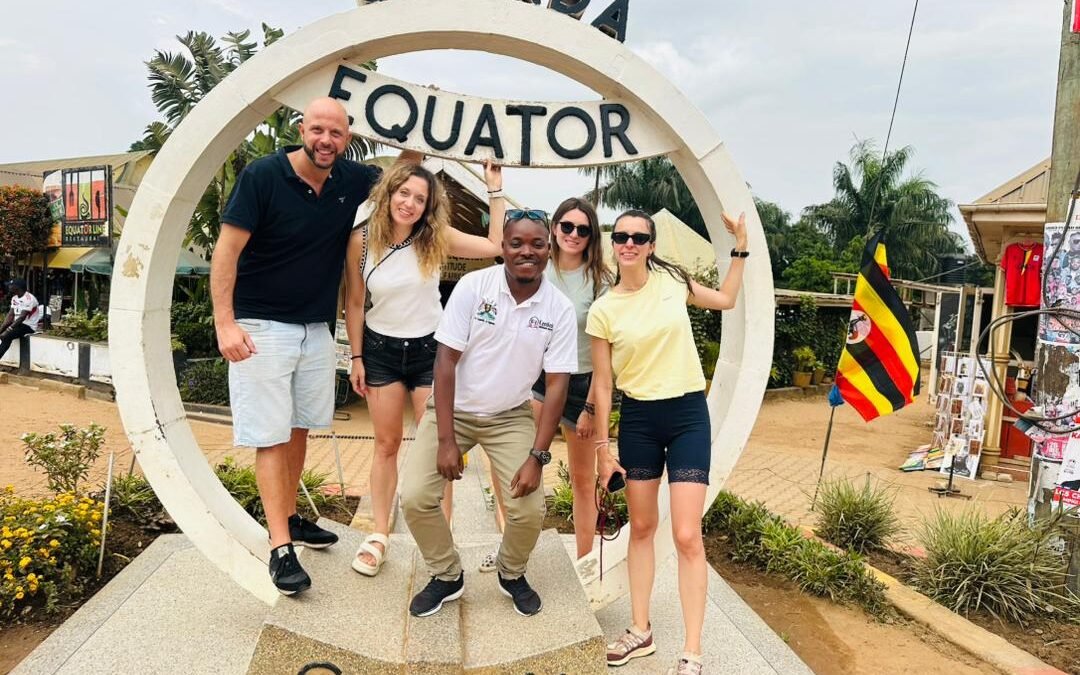
2 Day Gorilla Trek Itinerary. Planning a gorilla trek is exciting — but without a clear, well-structured itinerary, even the most thrilling wildlife experience can feel uncertain or rushed. This guide walks you through a complete 2 day gorilla trek itinerary from Kigali to Uganda’s gorilla country, hour by hour and day by day, so you know exactly what to expect, what to prepare, and how to make the most of every moment from the first morning departure to the final return to Rwanda. Two days is the ideal window for most travelers: enough time to travel comfortably, spend the night near the forest, and complete a full gorilla trek without the pressure of an extremely early predawn start or a compressed schedule.
At Pick and Transfer Safaris, this is the itinerary we recommend most consistently, and our 2 Days Uganda Gorilla Tour Starting from Kigali is designed to deliver it flawlessly — private transport, expert driver-guides, permit logistics handled end to end, and accommodation selected to place you perfectly for the trek. For permit availability and a free quote, email us at info@pickandtransfersafaris.com and we will get back to you quickly.
Day One: Kigali to Bwindi
The itinerary begins with pickup from your Kigali hotel at 6:30 to 7:00 AM. This morning departure is what distinguishes the two-day itinerary from the one-day format — instead of leaving in the dark of 3:00 AM and racing to Uganda and back in a single day, you depart at a human hour, giving yourself the entire morning to make the drive comfortably.
Your dedicated driver-guide from Pick and Transfer Safaris begins the journey northwest through Rwanda’s famous thousand hills. The scenery builds steadily as you leave Kigali behind — terraced hillsides, roadside markets waking up, the distinctive green of the Rwandan countryside catching the morning light. By around 10:00 to 10:30 AM you approach the Cyanika border crossing into Uganda, one of the most convenient and well-used crossings for travelers heading to southwestern Uganda. The crossing is efficient for travelers with the correct documentation. Many nationalities qualify for the East Africa Tourist Visa — a single document covering Rwanda, Uganda, and Kenya — with full details available on the Uganda Directorate of Citizenship and Immigration Control website.
From the Cyanika border, the drive continues through the Kigezi highlands — one of Uganda’s most beautiful landscapes, sometimes called the Switzerland of Africa for its deeply terraced hills, clear mountain air, and sweeping valley views. The town of Kisoro, set at over 1,800 metres above sea level beneath the Virunga volcanoes, is a natural stop for lunch and a short rest before the final stretch to the park area. By early to mid-afternoon, depending on which sector of Bwindi Impenetrable Forest National Park your permit is assigned to, you arrive at your accommodation.
Bwindi Impenetrable Forest National Park is a UNESCO World Heritage Site covering 321 square kilometres of ancient Afromontane rainforest that has remained largely unchanged for more than 25,000 years. It is home to nearly half of the world’s remaining mountain gorillas — a population now exceeding 1,000 individuals, as documented by the IUCN Red List — and shelters over 350 bird species, 120 mammal species, and one of the most biodiverse forest floors on earth. The accommodation options near the park range from comfortable mid-range lodges to beautifully positioned forest-edge camps, all within easy reach of the sector headquarters for an early morning departure the following day.
The afternoon and evening of day one are yours. Take a walk along the forest edge, watch the extraordinary birdlife that moves through the canopy near your lodge, and absorb the extraordinary atmosphere of one of Africa’s most ancient and important ecosystems. Dinner at the lodge is a quiet, anticipatory meal. An early bedtime is strongly recommended — the trek begins early, and the sleep you get tonight will carry you through the most memorable morning of the trip. As the forest settles into the dark and the sounds of the Bwindi night gather around you, there is a quality of stillness and expectation that most travelers find very difficult to describe but never forget.
Day Two, Morning: Briefing and Gorilla Trek
Wake at around 5:30 to 6:00 AM for breakfast at your lodge. A light but sustaining meal — porridge, eggs, toast, fruit — sets you up for the physical demands of the trek ahead. By 6:30 AM your driver-guide transfers you to the sector headquarters of your assigned trekking area. For travelers starting from Kigali, the southern Rushaga or Nkuringo sectors of Bwindi are the most conveniently positioned, and Rushaga in particular — home to eight habituated gorilla families with a near-perfect sighting success rate — is one of the most reliable gorilla trekking sectors in the world.
At the headquarters, Uganda Wildlife Authority rangers check your permits and take your temperature — a health screening that exists to protect the gorillas from human respiratory illnesses, to which they are highly susceptible given their 98% shared DNA with humans. While the group assembles, some sector headquarters offer a welcome performance from local Batwa or Bakiga cultural groups, setting a warm tone for the morning.
The morning briefing begins at around 7:30 AM and typically lasts 20 to 40 minutes. Led by the head ranger guide, the briefing covers the history of Bwindi Impenetrable Forest National Park, an introduction to gorilla biology and behavior, the specific gorilla family assigned to your group that day, and the rules of gorilla trekking in full. The key rules — maintaining a minimum distance of seven to ten metres from the gorillas at all times, keeping voices consistently low, avoiding flash photography, not eating or drinking in the gorillas’ presence, and never mimicking gorilla sounds or behavior — are covered thoroughly. These guidelines exist to protect the gorillas and to ensure that every encounter remains natural, sustainable, and safe for both visitors and animals.
After the briefing, trekking groups of up to eight are formed and assigned to specific gorilla families. The Uganda Wildlife Authority limits each family to a maximum of eight visitors per day — the restriction that ensures the intimacy and conservation integrity of every Bwindi gorilla encounter. By around 8:00 AM, the trek begins.
Your ranger and tracker lead the group into the ancient forest. A tracker team has been in the forest since dawn, following the gorilla family’s morning movements by radio from the point where they built their nests the previous evening. As your group enters the undergrowth, the tracker team communicates the family’s current position, and the ranger adjusts the route accordingly. The trek may take 45 minutes or several hours depending on how far the family has moved — both are entirely normal, and the forest walk itself is extraordinary regardless of duration. Over 350 bird species call Bwindi home, the canopy filters the morning light into the undergrowth in a way that is both beautiful and slightly otherworldly, and the sense of moving through something very old and very important is present from the first step.
When the gorilla family is located, your ranger signals the group to stop and settle quietly. The one-hour visit begins. A silverback at rest in the undergrowth, massive and completely at ease. Juveniles playing with the unselfconscious energy of creatures growing up in absolute safety. Mothers watching their infants with focused tenderness. The hour passes in a way that feels both impossibly brief and somehow outside ordinary time — most travelers describe it as the most profound wildlife encounter of their lives, and it is genuinely difficult to argue with that assessment. When the hour ends, you are guided quietly back through the forest to the trailhead.
Day Two, Afternoon: Certificate, Lunch, and Return to Kigali
Back at the sector headquarters, each member of your group receives their gorilla trekking certificate — a physical record of the experience, signed by the ranger, that most travelers display with genuine pride for years afterward. Take time to absorb the morning over lunch at the park or your lodge before your driver-guide begins the return journey to Kigali.
The afternoon drive retraces the morning’s route in reverse: through the Kigezi highlands, through Kisoro, back across the Cyanika border, and south through Rwanda’s thousand hills toward Kigali. A comfort stop along the way gives you time to stretch, buy a cold drink, and begin the pleasant process of finding words for what happened this morning. Most groups arrive back in Kigali between 6:00 and 7:30 PM, depending on traffic and border conditions — in time for dinner at one of the city’s excellent restaurants and a night of deeply satisfied rest.
What to Pack for This Itinerary
For day one, pack lightly but smartly: comfortable clothes for the drive, a light jacket for the highland evenings near Bwindi, and any overnight essentials your lodge does not provide. For day two, the gorilla trek requires sturdy waterproof hiking boots with good ankle support, long trousers and a long-sleeved shirt to protect against stinging nettles and insects, a lightweight rain jacket, a pair of gardening gloves for pushing through vegetation on the trail, sunscreen, insect repellent, a hat, and a fully charged camera with flash photography disabled. An optional porter at the park carries your bag for a locally paid fee, providing direct income to community members around the forest — warmly recommended and genuinely helpful on Bwindi’s terrain.
Extend the Itinerary
Many travelers who complete this 2 day itinerary wish they had given themselves more time. Our 3 Days Uganda Gorilla Safari Starting from Rwanda adds a second night near Bwindi for a more spacious experience, and our 5 Days Uganda Gorilla and Chimps Safari Starting from Rwanda combines gorilla trekking with chimpanzee tracking in Kibale Forest for the full Uganda primate safari from Kigali. For our most comprehensive cross-border itinerary, the 10 Days Uganda Rwanda Safari weaves Uganda wildlife highlights and Rwanda destinations into a single extended journey. Browse the full range on our Gorilla Safaris page.
A portion of every booking supports the Kigezi Foundation and community development around Uganda’s gorilla parks. Email us at info@pickandtransfersafaris.com or visit our Contact Us page with your preferred travel dates, group size, and Kigali pickup location. Gorilla trekking permits are limited and in consistent demand — the sooner you reach out, the better your chances of securing the dates you want.