- LET'S PLAN YOUR SAFARI
- +256 200 921 002
- +256 793 194 703
- info@pickandtransfersafaris.com

Batwa Visit in Kisoro Mgahinga
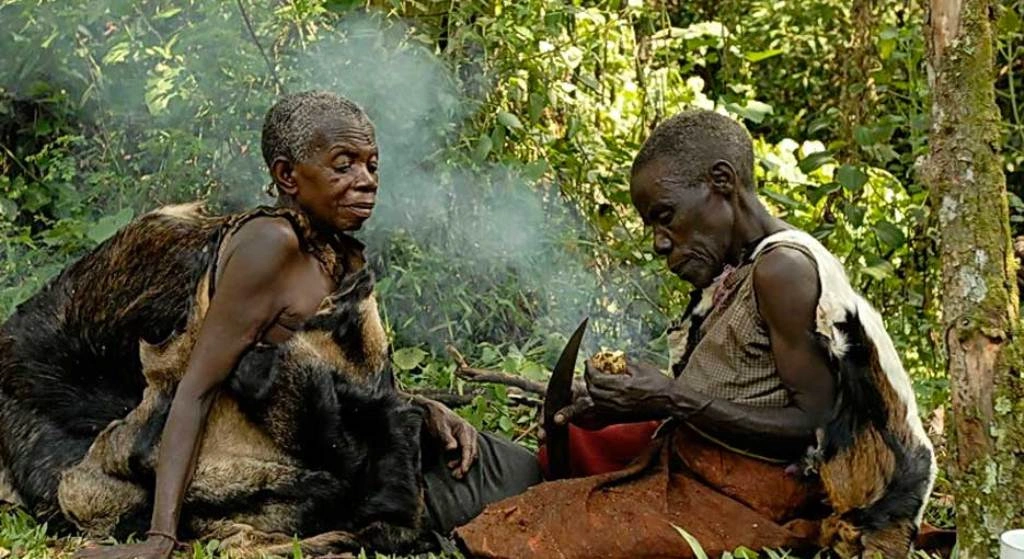
Batwa Visit in Kisoro Mgahinga. Most travelers come to Kisoro for gorillas and volcanoes, but some of the most memorable moments in the region come from a very different kind of encounter: spending time with the Batwa, the original forest people of the Virunga Mountains. A Batwa cultural visit adds depth and human history to a trip that might otherwise focus entirely on wildlife, offering a rare, guided window into a way of life that shaped this landscape for thousands of years before it became Mgahinga Gorilla National Park.
This guide covers who the Batwa are, what a visit actually involves, where to experience it, and how to make sure your visit genuinely supports the community rather than an imitation tour.
Who Are the Batwa
The Batwa, sometimes referred to by the older term “pygmies,” are considered one of Africa’s oldest indigenous peoples, with a presence in the equatorial forests of the Great Lakes region stretching back tens of thousands of years. For generations, they lived as hunter-gatherers within the forests that now make up Mgahinga Gorilla National Park and Bwindi Impenetrable National Park, surviving through hunting, fruit and honey gathering, and an intimate knowledge of medicinal plants, all while living in relative harmony with the forest’s wildlife, including the mountain gorillas.
That way of life changed abruptly in the early 1990s. When Mgahinga and Bwindi were gazetted as national parks in 1991 and 1992 to protect the endangered mountain gorilla population, the Batwa were evicted from the forest without the skills or resources to adapt easily to life outside it. Today, an estimated 3,000 or so Batwa live in settlements on the edges of these parks, in districts including Kisoro, Kabale, and Kanungu, often facing significant poverty and limited access to education and healthcare. Cultural tourism has become one of the primary ways the community sustains itself while keeping its traditions alive.
The Batwa Trail Inside Mgahinga Gorilla National Park
The most immersive way to experience Batwa culture is the Batwa Trail, a guided walking tour that takes place inside Mgahinga Gorilla National Park itself. Managed in partnership with the Uganda Wildlife Authority, the trail begins at the Ntebeko park headquarters and follows the lower slopes of Mount Muhabura and Mount Gahinga, the same terrain the Batwa once used for hunting and gathering.
Led by Batwa guides, many of them descendants of the original forest inhabitants, the walk typically lasts four to five hours and blends storytelling with hands-on demonstrations. Along the way, guides show visitors how their ancestors made fire without matches, identified and prepared medicinal herbs, gathered wild honey, and built temporary shelters from forest materials using nothing but what the land provided.
The Batwa Village Cultural Experience
A separate, shorter option is the Batwa Village Cultural Experience, run directly in a Batwa settlement bordering the park rather than inside it. This roughly two-hour visit focuses more on contemporary community life, still rooted in tradition, with demonstrations of basket weaving, traditional meal preparation, and craft-making, alongside singing and dancing performed by community members. Because this tour takes place in the village itself rather than inside the protected park, it’s typically arranged through community-based operators rather than the park authority, and revenue goes directly to Batwa households.
Both experiences are valuable in different ways: the Batwa Trail offers a closer recreation of pre-eviction forest life, while the village visit gives a clearer picture of how the community lives today.
What to Expect on a Batwa Visit
Whichever version you choose, a Batwa cultural visit tends to follow a similar arc. Guides begin with an introduction to Batwa history and their relationship with the forest, often sharing personal or family stories about life before and after eviction. From there, demonstrations typically cover:
- Traditional hunting techniques, including the use of handcrafted bows, arrows, and snares
- Fire-making using only sticks and friction, without matches or modern tools
- Honey gathering methods used to harvest wild honey from forest trees
- Herbal medicine, with guides pointing out specific plants once used to treat common ailments
- Shelter building, showing how temporary grass-thatched huts were constructed and abandoned as families moved in search of food
- Traditional music and dance, usually closing out the visit with songs and performances that carry stories of ancestry, spirits of the forest, and daily forest life
Visitors are welcome to ask questions throughout, and many guides are happy to share more personal reflections on how life has changed since the community left the forest.
Garama Cave: The Sacred Heart of the Trail
For visitors doing the full Batwa Trail inside Mgahinga, the experience typically culminates at Garama Cave, a site of deep spiritual and historical significance. Long before it became a tourist stop, the cave served as a royal residence for Batwa leaders, a training ground, a food store, and a hiding place during conflicts with neighboring communities. Inside, visitors can see remnants of old Batwa pottery and stone seating once used by community elders, while bat colonies now inhabit the cave’s upper reaches. A protective shelter was added above the cave entrance in a conservation partnership, helping preserve the site for future visitors. Many tours close with a cultural performance either at the cave mouth or shortly after emerging, a fitting final note to a morning spent walking through Batwa history.
Cost, Duration, and Booking
Pricing and duration vary depending on which version of the experience you choose. The Batwa Trail inside Mgahinga, run in coordination with the park, generally runs a half-day to nearly a full morning, roughly four to five hours, with fees typically in the range of $80 USD per person, in addition to standard park entrance fees. The shorter village-based cultural experience, run independently of the park, tends to cost less, often in the $30 to $35 USD range for a roughly two-hour visit.
Because Batwa tourism has grown in popularity, a note of caution is worth including here: some unofficial operators near the park gates have been known to charge inflated prices while offering a lower-quality, less authentic experience. Booking through a licensed tour operator, or confirming details directly at the Ntebeko park headquarters, is the safest way to ensure your visit is genuine and that the fee actually benefits the community.
Why This Visit Matters
Beyond the cultural insight, a Batwa visit has a direct economic impact. Revenue from these tours funds essential household needs, educational support for Batwa children, healthcare access, and broader community development projects in settlements that continue to face significant hardship after their displacement from the forest. Choosing to include a Batwa experience in your itinerary is one of the more tangible ways a traveler can support a specific community during a Uganda safari, rather than simply passing through the region.
The visits also serve a cultural preservation role. By sharing traditional knowledge, from plant medicine to hunting techniques to storytelling, with visitors and with their own children, Batwa guides help keep practices alive that might otherwise fade as the community continues adapting to life outside the forest.
Combining a Batwa Visit with Gorilla Trekking and Volcano Hiking
A Batwa cultural tour fits naturally alongside the other major activities in Mgahinga and Kisoro. Many travelers schedule it on the same day as gorilla trekking or golden monkey tracking, if the morning trek finishes early enough, or dedicate a separate half-day to it entirely. It also pairs well with a rest day built around a canoe trip on Lake Mutanda, giving your itinerary a mix of wildlife, culture, and relaxation. For travelers building a full southwestern Uganda itinerary, you can see how these activities come together on our gorilla safaris and safari packages pages, or explore more of the region on our destinations page.
Tips for a Respectful and Meaningful Visit
- Book through a licensed operator or directly at Ntebeko to make sure your fee supports the Batwa community rather than an unofficial imposter tour.
- Ask before photographing individuals, especially during personal or spiritual moments of the tour.
- Wear comfortable clothing and sturdy shoes, since the Batwa Trail involves a genuine forest walk with some uneven terrain.
- Bring small bills for donations or craft purchases, since many communities sell handmade baskets, jewelry, or other crafts directly to visitors as an additional source of income.
- Approach the visit with openness, and don’t hesitate to ask guides questions about their history and current lives. Most are glad to share, and it deepens the experience considerably.
Planning Your Trip
A Batwa cultural visit is one of the most rewarding half-day additions you can make to a Kisoro itinerary, whether you choose the full in-park trail through Mgahinga or the shorter village-based experience. For official information on the park-managed Batwa Trail, permits, and Mgahinga’s other activities, the Uganda Wildlife Authority is the governing body responsible for the park and a useful reference when planning your visit.
Ready to add a Batwa cultural experience to your Uganda safari? Contact our team and we’ll help you build an itinerary that balances gorilla trekking, volcano hiking, and meaningful cultural encounters in and around Kisoro.