- LET'S PLAN YOUR SAFARI
- +256 200 921 002
- +256 793 194 703
- info@pickandtransfersafaris.com

Cyanika and Katuna Boarder which is easier
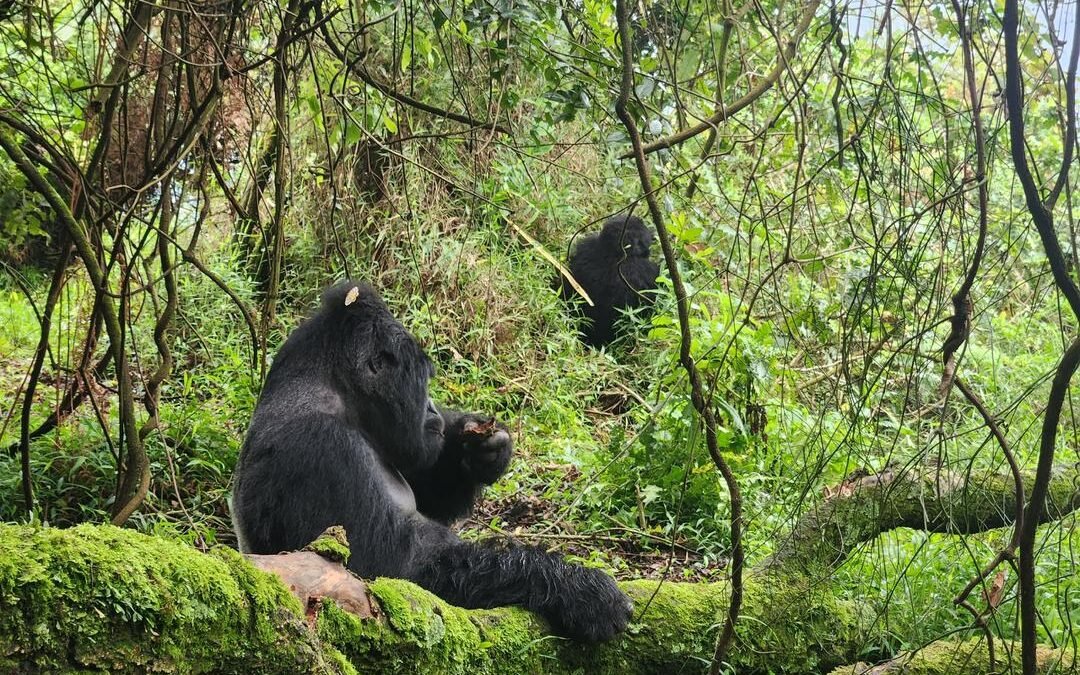
Cyanika and Katuna Boarder which is easier. Travelers crossing from Rwanda into Uganda for a gorilla trekking safari eventually ask a very practical question: which border crossing is actually easier, Cyanika or Katuna? It’s a fair question, since a smooth border crossing sets the tone for the rest of the journey, while a slow one eats into a day that is often already long. The honest answer is that Cyanika is generally the easier crossing for most travelers, but there are real exceptions worth knowing before you commit to a route. At Pick and Transfer Safaris, our drivers cross both borders regularly, and this guide breaks down what “easier” actually means at each one.
The Short Answer
For most gorilla trekking travelers, Cyanika is the easier crossing. It carries far less traffic than Katuna, processes visitors more quickly, and offers a calmer, more straightforward experience overall. Katuna, however, has one advantage Cyanika does not: it operates 24 hours a day. For travelers on a tight or unpredictable schedule, that single difference can outweigh everything else. Which border is genuinely easier for you depends on your itinerary, your arrival time, and which gorilla trekking sector or park you’re heading to.
Why Cyanika Is Usually the Smoother Crossing
The Cyanika border post sits in Kisoro district on the Uganda side and Burera district on the Rwanda side, roughly three hours from Kigali. Its biggest advantage is simply volume: Cyanika sees mostly tourist traffic rather than the heavy freight and commercial trucking that moves between Rwanda and Uganda through the main trade corridor. Fewer vehicles in line means fewer delays, shorter waits at the immigration counter, and a generally calmer atmosphere for processing passports and paperwork.
This lower traffic also makes Cyanika the natural choice if you are heading to Mgahinga Gorilla National Park, which sits only about 30 minutes from the border, or to Bwindi’s southern sectors, Rushaga and Nkuringo, both accessible via Kisoro town. When the border crossing is quick and the onward drive is short, the entire transfer feels considerably easier from start to finish.
The One Real Downside of Cyanika
Cyanika’s easier crossing experience comes with a scheduling catch: it is not open around the clock. The Uganda side typically operates from about 6:00 AM to 9:00 PM, while the Rwanda side opens slightly earlier, around 5:00 AM, and closes around 8:00 PM. If your flight into Kigali lands late in the evening, or your itinerary requires an unusually early or late crossing, Cyanika’s limited hours can turn what would otherwise be the easier option into the more complicated one. Arriving at a closed gate is a far bigger problem than a slightly longer queue, so this limitation deserves real weight in your planning, not just a footnote.
Why Katuna Can Still Be the More Practical Choice
The Katuna border, known as Gatuna on the Rwandan side, sits in Kabale district in Uganda and Gicumbi district in Rwanda, about two hours from Kigali. It is Uganda and Rwanda’s main commercial crossing, which means it carries substantially more traffic, including freight vehicles moving goods along the wider East African trade corridor. This generally makes for a busier, sometimes slower crossing, particularly during weekday business hours when commercial traffic peaks.
What Katuna offers in exchange is genuine flexibility. Because it operates 24 hours a day, there is no risk of arriving to a closed border, which matters for travelers with early morning arrivals, tight connecting itineraries, or safaris that require a late departure from Kigali. Katuna is also the correct route for anyone heading to Bwindi’s northern sectors, Buhoma and Ruhija, since routing through Cyanika instead would add real driving time on the Uganda side, offsetting whatever time might be saved at the border itself.
Timing Matters More Than the Border Itself
In practice, when a crossing is used often matters as much as which crossing is used. Katuna is at its busiest during standard commercial hours, so travelers who cross early in the morning, ideally before 7:00 or 8:00 AM, tend to find it far more manageable than a midday or afternoon crossing, when freight traffic is heaviest. Cyanika, by contrast, tends to stay relatively quick throughout its operating hours simply because tourist volume is lower and more spread out across the day.
This means a well-timed Katuna crossing can sometimes feel just as easy as Cyanika, while a poorly timed Cyanika crossing squeezed against its closing hour can feel more stressful than it needs to be. Planning your departure time from Kigali with the specific border’s rhythm in mind is often more useful than simply picking the border with the better general reputation.
Matching Ease of Crossing to Your Trekking Sector
Ease of crossing should never be considered in isolation from where you are actually going. Bwindi Impenetrable National Park, as described on the Uganda Wildlife Authority’s official page, is split across four sectors, Buhoma, Ruhija, Rushaga, and Nkuringo, each with its own access road. Choosing the technically “easier” border but the wrong one for your sector can add well over an hour of extra driving, which erases any time saved at the crossing itself and leaves you arriving at your lodge more tired than necessary before an early trekking start.
The same logic applies to Mgahinga, where the Uganda Wildlife Authority’s Mgahinga page confirms the park sits close to Kisoro town, making Cyanika the clearly shorter and generally easier route regardless of border traffic on any given day.
Documents That Make Either Crossing Easier
Regardless of which border you use, the single biggest factor in how smoothly your crossing goes is whether your documents are ready and complete. You will need a passport valid for at least six months, an approved Ugandan visa, and a physical yellow fever vaccination certificate, since digital copies are not always accepted at the counter. Most travelers on this route apply for the East African Tourist Visa, which allows multiple entries across Uganda, Rwanda, and Kenya over 90 days for 100 US dollars through Uganda’s official immigration portal, since it avoids a separate visa application if you plan to re-enter Rwanda later in your trip. A standard single-entry Uganda Tourist Visa works just as well if you are not returning to Rwanda. Having a printed visa approval letter alongside your passport and vaccination certificate consistently makes both crossings faster, regardless of how busy the border happens to be that day.
Why a Private Transfer Makes Either Border Easier
The single most reliable way to make either crossing genuinely easy is traveling with a driver-guide who crosses these borders routinely. They know which lanes to use, how to move through the paperwork efficiently, and how to time departure from Kigali so you arrive at Cyanika within its operating window or at Katuna before traffic builds up. This kind of local knowledge tends to matter more to the overall experience than which specific border you use, since the same crossing can feel effortless with the right preparation and frustrating without it.
Planning Your Border Crossing with Pick and Transfer Safaris
Deciding which border is easier ultimately comes down to your specific itinerary: your arrival time in Kigali, your chosen park and trekking sector, and how much flexibility your schedule allows. For most travelers headed to Mgahinga or southern Bwindi with a reasonable arrival window, Cyanika is the easier and faster choice. For those needing flexibility around odd-hour crossings or headed to northern Bwindi, a well-timed early morning Katuna crossing is just as manageable.
If you would like help choosing the right border for your trip, or want us to handle the full private transfer and border logistics from Kigali to your gorilla trekking destination, get in touch through our Contact Us page. We’ll plan your route and timing around your specific itinerary, not a generic recommendation, so your crossing is as easy as it can genuinely be.