- LET'S PLAN YOUR SAFARI
- +256 200 921 002
- +256 793 194 703
- info@pickandtransfersafaris.com

Gorilla Habituation During the Rainy Season
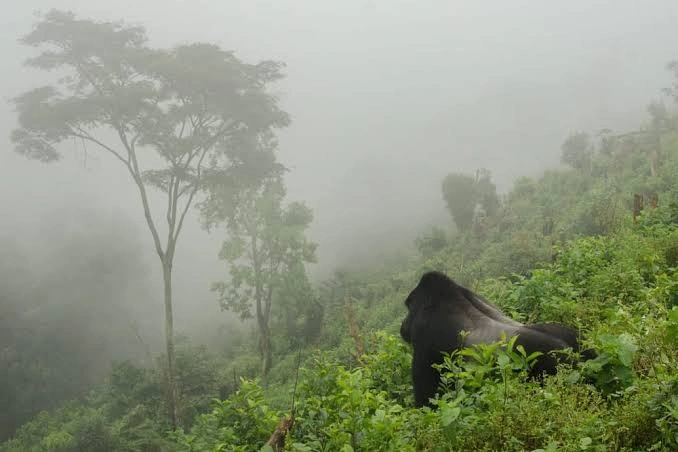
Gorilla Habituation During the Rainy Season. The Gorilla Habituation Experience is demanding enough on a dry, clear day in Rushaga. Add rain, mud, and slippery forest trails, and the natural question is whether it’s worth attempting during Uganda’s wetter months at all. The short answer is yes, and for the right traveler, the rainy season may actually be the better time to do it. At Pick and Transfer Safaris, we regularly arrange this experience across every season, and this guide covers what changes when you book it during the rains, and what stays the same.
When Uganda’s Rainy Seasons Fall
Bwindi Impenetrable National Park sits within a tropical highland climate, and rain is a genuine possibility at any time of year given its rainforest setting. That said, two distinct wetter periods stand out: a longer rainy season running roughly from March to May, and a shorter one from September to November. The dry seasons, June through September and December through February, bring firmer trails and the highest visitor numbers, while the rainy months bring heavier, more frequent downpours and noticeably quieter parks.
Because Bwindi’s altitude ranges from roughly 1,160 to 2,607 meters, conditions can shift quickly even within a single day, so regardless of season, every gorilla-related activity in this park is planned with the assumption that rain could appear at any point.
What Actually Changes During the Rains
The most obvious difference is underfoot. Rushaga’s trails, already steep and uneven in places, become muddier and more slippery during the wetter months, which slows progress and adds physical effort to what is already a demanding day. Since the Gorilla Habituation Experience involves up to four hours in the forest rather than the standard trek’s one hour, this added difficulty compounds over a longer period, and trekkers should expect a noticeably more strenuous day than the same experience in July or January.
Temperatures also shift slightly during the rains, with mornings and evenings feeling cooler and damper than the dry-season equivalent, even though daytime highs don’t change dramatically given Bwindi’s consistently mild, high-altitude climate. Mist tends to linger longer into the morning, which can delay the start of some treks slightly, though rangers and trackers are well accustomed to working around these conditions and rarely cancel a trek outright because of weather.
The upside is that gorilla families themselves tend to behave a little differently during the rains. According to guides and operators working in Bwindi, gorilla families often stay at lower elevations and closer to the park boundary during wetter periods, since food is abundant there, which can sometimes mean a shorter approach trek before locating the family, even if the walking itself is harder going.
Fewer Crowds and More Flexible Booking
Because the rainy season is Bwindi’s low season for tourism, permit demand drops considerably compared to the June-to-September and December-to-February peaks. For standard trekking permits, this translates into published low-season discounts during April, May, and November specifically, and while the Gorilla Habituation Experience has historically remained priced separately from these standard-permit promotions, the broader effect of lower demand still applies: shorter booking lead times, more flexibility on exact dates, and less risk of your preferred Rushaga dates being unavailable months out.
Given that only eight Gorilla Habituation Experience permits exist per day across the entire park, this reduced competition during the rains is one of the more compelling practical reasons to consider this season, even for travelers who would otherwise default to the dry months out of habit.
Lodges and Overall Trip Cost
Beyond permit availability, the rainy season tends to bring genuinely lower costs across the rest of the trip. Lodges near Rushaga frequently offer discounted rates during the wetter months, and with fewer visitors overall, availability at your preferred property is considerably easier to secure on shorter notice. For travelers weighing the cost of a Gorilla Habituation Experience against the rest of a Kigali-based itinerary, timing the trip for the rainy season can meaningfully offset the premium of the habituation permit itself, particularly when combined with a quieter, less rushed booking process overall.
The Photography Case for the Rains
Rainy season Bwindi looks different from its dry-season counterpart, and many photographers specifically seek out this period. Mist settles through the forest canopy, the vegetation turns a deeper, richer green, and the softer, more diffused light during overcast periods can be more flattering for forest photography than the harsher contrast of full sun. Combined with a semi-habituated family and four hours of observation time rather than one, the rainy season Gorilla Habituation Experience offers a genuinely different visual and atmospheric encounter than the same activity in peak dry season.
Preparing Properly for a Wet-Season Trek
Because the physical demands increase noticeably during the rains, preparation matters more than usual. Waterproof, sturdy hiking boots with good ankle support and solid grip are essential, ideally broken in before the trip rather than worn for the first time in the forest. A proper rain jacket, rather than a light poncho, holds up better over a four-hour day, and gardening gloves help when using vegetation for grip on steeper, muddier sections. A walking stick, provided at the park headquarters or arranged through your lodge, makes a genuine difference on slippery inclines, and hiring a porter to carry your daypack is worth considering during this season specifically, since it frees up both hands for balance.
A dry bag or waterproof cover for cameras and phones is worth packing given the extended time in the forest, and a change of clothes waiting back at the lodge makes the end of the day considerably more comfortable.
Is the Rainy Season Right for Everyone?
Not necessarily. Travelers with limited hiking experience, physical limitations, or who are simply prioritizing the most comfortable possible trekking conditions are usually better served by the dry season, given how much more demanding rainy-season terrain can be over a four-hour habituation day specifically. But for travelers who are reasonably fit, comfortable with some genuine physical challenge, and more interested in lower costs, quieter forests, and a different visual character to their trip, the rainy season is a legitimate, well-supported choice rather than a compromise.
Reaching Rushaga During the Rains
The overland route from Kigali to Rushaga via Cyanika can also be affected by heavier rainfall, since some of the connecting roads around Bwindi’s gates are dirt or murram surfaces that become harder going during wet periods. A reliable 4×4 vehicle and an experienced driver-guide familiar with the route’s seasonal conditions matter more during the rains than in the dry months, and it’s worth building in a little extra buffer time on the transfer day itself in case road conditions slow the journey.
Combining a Rainy-Season Trip with Other Activities
Because rainy season travel tends to move at a slightly gentler overall pace, given lower crowds and more flexible bookings, it also pairs well with a 3-day itinerary structure: one day to travel, one day for the habituation experience, and one day to return, with the option to extend into Mgahinga Gorilla National Park for golden monkey trekking, a lower-intensity activity well suited to a day after a demanding, muddy trek.
Visa and Border Requirements
As with any season, travel documents should be sorted before departure. Most travelers use the East African Tourist Visa, covering multiple entries across Uganda, Rwanda, and Kenya over 90 days for 100 US dollars through Uganda’s official immigration portal. A standard single-entry Uganda Tourist Visa also works if you won’t be re-entering Rwanda. A valid yellow fever vaccination certificate remains required for entry into Uganda regardless of season.
Planning Your Rainy Season Gorilla Habituation Trip with Pick and Transfer Safaris
The rainy season trades easier trails for lower costs, quieter forests, and a genuinely different atmosphere in Bwindi, a fair trade for many travelers, provided they come prepared for the physical demands. If you would like help checking Gorilla Habituation Experience availability for a rainy-season date, arranging your Rushaga lodge, or booking your private transfer from Kigali, get in touch through our Contact Us page. We’ll build the itinerary around the season you choose and make sure your vehicle, route, and gear recommendations are suited to the conditions you’ll actually encounter.