- LET'S PLAN YOUR SAFARI
- +256 200 921 002
- +256 793 194 703
- info@pickandtransfersafaris.com

Uganda Gorilla Habituation for Solo Travelers
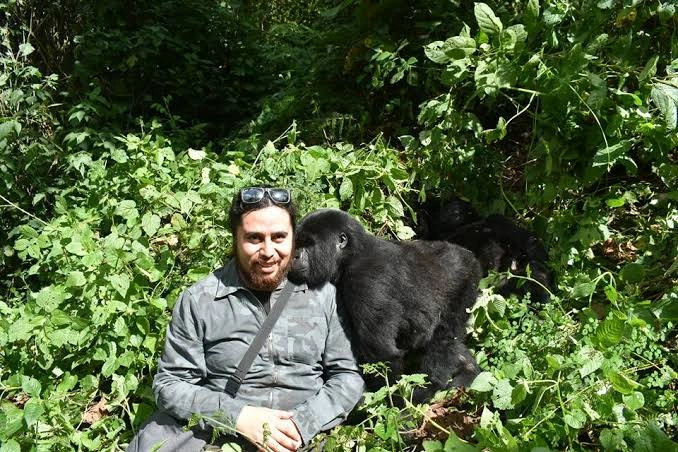
Uganda Gorilla Habituation for Solo Travelers. Solo travel and gorilla trekking might seem like an unlikely pairing, given how much of the marketing around Bwindi leans toward couples and family groups, but the Gorilla Habituation Experience actually suits solo travelers in some genuinely practical ways. With only four people per group per day, it’s already an intimate, small-group activity by design, and a solo traveler joining that group experiences something closer to a private encounter than the standard eight-person trek elsewhere in the park. At Pick and Transfer Safaris, we’ve arranged this experience for a steady number of solo travelers, and this guide covers what to expect and what to plan for specifically as one person traveling alone.
Why the Small Group Size Works in Your Favor
Standard gorilla trekking permits are issued for groups of up to eight visitors per family. The Gorilla Habituation Experience, by contrast, is capped at just four visitors per group per day, split across two semi-habituated families in Rushaga. For a solo traveler, this smaller format means less competition for viewing angles, more direct interaction with the guide and researchers, and generally a more personal pace throughout the four-hour window. Several travelers who’ve done both describe the habituation experience as feeling noticeably less crowded and rushed than a standard trek, an effect that’s amplified when you’re one of only four people rather than negotiating space among a full group of eight.
Because the group is small regardless of how it’s composed, solo travelers typically end up trekking alongside a mix of other independent travelers or couples rather than an entire family or tour group, which tends to make for easy, low-pressure company over the course of the day.
You Won’t Be Trekking Completely Alone
It’s worth being clear about what “solo travel” means in this context: you’ll be traveling independently, without a companion of your own, but you won’t be alone in the forest. Every Gorilla Habituation Experience group includes up to four visitors total, an experienced park guide, researchers working with the family, and armed ranger escorts, standard practice for any gorilla-related activity in Bwindi. Solo travelers are simply grouped with whichever other travelers have booked that day’s remaining permit slots, which in practice often means an easy, shared sense of occasion among strangers experiencing the same remarkable morning together.
The Single Supplement Reality
The most practical consideration for solo travelers isn’t the trek itself but the accommodation cost around it. Most lodges near Rushaga price rooms based on double occupancy, and solo travelers are typically charged a single supplement, an additional fee to occupy a room alone, which can meaningfully affect the overall trip budget. This is worth factoring in early, since it applies across nearly every accommodation tier from budget camps to luxury lodges, though the percentage difference tends to be more noticeable at the higher end. Some smaller, community-run lodges near Rushaga offer more forgiving single rates than the larger luxury properties, worth asking about directly when comparing options.
It’s also worth asking specifically about single-occupancy pricing before booking rather than assuming a standard percentage markup, since policies vary considerably between properties. A handful of Rushaga lodges price single travelers closer to the double-occupancy rate as a way of attracting solo bookings, while others apply a substantial supplement that can shift a mid-range stay closer to luxury pricing once the surcharge is added. Comparing a few options directly, or working with an operator who already knows which properties are more solo-friendly, can meaningfully change the overall cost of the trip.
Safety Considerations for Solo Travelers
Uganda is generally considered a safe destination for solo travelers, and the structure of any gorilla-related activity adds an extra layer of built-in safety regardless of whether you’re traveling alone or with others: armed ranger escorts, experienced guides, and a fixed, well-established route between the park headquarters and the forest. The main safety consideration for solo travelers tends to fall outside the trek itself, around transport and border crossings, particularly for those planning the popular route from Kigali via Cyanika. A private transfer with a vetted driver-guide is worth the modest extra cost for solo travelers specifically, since it removes the uncertainty of navigating unfamiliar public transport routes and border logistics alone in an unfamiliar country.
Booking the Permit as a Solo Traveler
The permit booking process works identically regardless of group size, only eight Gorilla Habituation Experience permits exist per day across Rushaga’s two habituating families, and full payment is required at the time of booking under current Uganda Wildlife Authority procedures. Solo travelers don’t need to coordinate with a travel companion’s schedule or preferences, which can actually make securing a specific date somewhat more straightforward than for couples or groups needing to align multiple people’s availability. That said, the same booking urgency applies: peak season, June through September and December through February, sells out considerably further in advance, so solo travelers with fixed dates should still book as early as possible, ideally six months to a year ahead for peak periods.
Structuring a Solo Itinerary Around Rushaga
Given the physical demands of a four-hour habituation day, most solo travelers benefit from the same three-day rhythm recommended for any traveler: one day to travel from Kigali to Rushaga, one day for the experience itself, and one day to return, without other activities crowded into the same window. Traveling solo actually offers a genuine advantage here, since the itinerary can be built entirely around your own pace and preferences without needing to negotiate a shared schedule. Solo travelers with more time often extend this structure to include Mgahinga Gorilla National Park for golden monkey trekking afterward, a lower-intensity activity that pairs well with a day of recovery following the more demanding Rushaga trek.
Meeting Other Travelers Along the Way
One underappreciated aspect of solo gorilla trekking, habituation experience or standard trek alike, is how naturally social it tends to be. Shared meals at smaller Rushaga lodges, the pre-trek briefing at park headquarters, and the four-hour window itself all create genuine opportunities to connect with fellow travelers, guides, and rangers in a way that’s harder to replicate in more anonymous tourist settings. Many solo travelers describe this as one of the unexpected highlights of the experience, offsetting some of the isolation that can come with solo travel elsewhere in a trip.
Cost Considerations Beyond the Permit
Beyond the habituation permit itself and the single supplement on accommodation, solo travelers should factor in the cost of private transport, since splitting a transfer vehicle isn’t possible when traveling alone. A private transfer from Kigali to Rushaga is generally priced per vehicle rather than per person for smaller groups, meaning a solo traveler bears the full transfer cost rather than sharing it. Some travelers offset this by joining a scheduled group transfer where available, though for a trip built specifically around a fixed permit date and demanding forest day, the flexibility of a private transfer tends to be worth the additional cost.
Visa Requirements for Solo Travel
As with any traveler on this route, documentation should be arranged before departure. Most solo travelers routing through Rwanda use the East African Tourist Visa, covering multiple entries across Uganda, Rwanda, and Kenya over 90 days for 100 US dollars through Uganda’s official immigration portal, particularly convenient if your trip involves re-entering Rwanda afterward. A standard single-entry Uganda Tourist Visa works just as well if you won’t be returning to Rwanda. A valid yellow fever vaccination certificate is required for entry into Uganda regardless of how you’re traveling.
Planning Your Solo Gorilla Habituation Trip with Pick and Transfer Safaris
Traveling alone doesn’t mean compromising on this experience, if anything, the Gorilla Habituation Experience’s small group size and the flexibility of planning entirely around your own schedule make it a genuinely well-suited activity for solo travelers. If you would like help confirming permit availability, finding accommodation with reasonable single rates near Rushaga, or arranging a private transfer from Kigali, get in touch through our Contact Us page. We’ll help you build a trip that works for one, without unnecessary compromises on comfort or safety.