- LET'S PLAN YOUR SAFARI
- +256 200 921 002
- +256 793 194 703
- info@pickandtransfersafaris.com

Gorilla Habituation and Queen Elizabeth National Park Safari
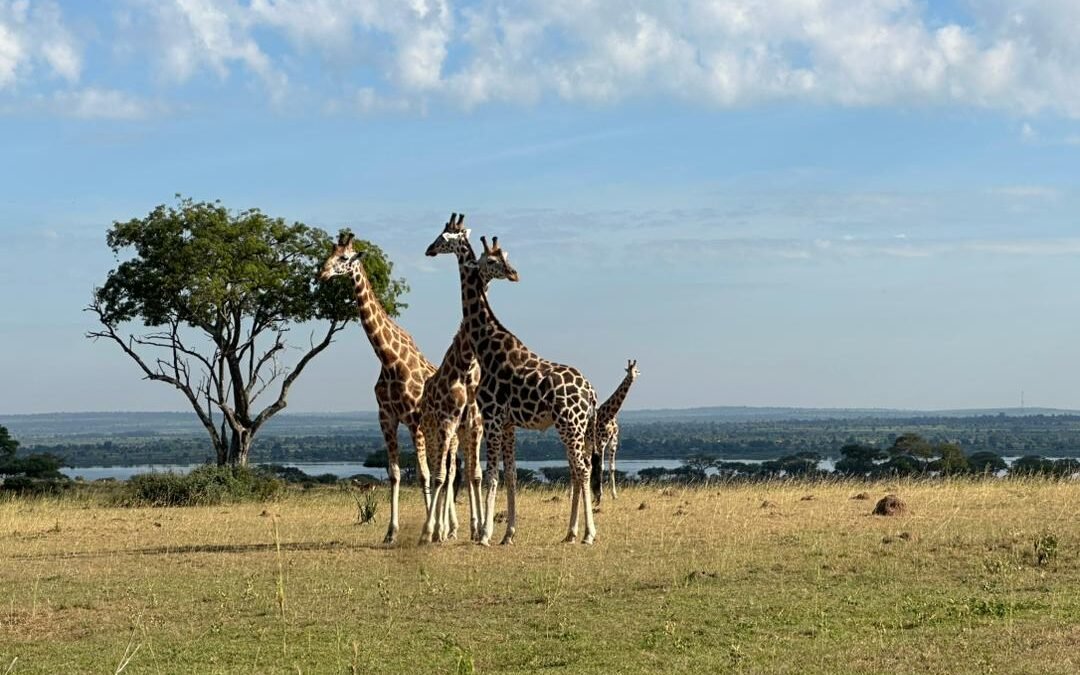
Gorilla Habituation and Queen Elizabeth National Park Safari. Rushaga’s Gorilla Habituation Experience delivers one of the most immersive wildlife encounters in East Africa, but on its own it’s a forest-only experience: dense canopy, steep trails, and the quiet, deliberate presence of gorillas. Queen Elizabeth National Park, roughly four to six hours north, offers almost the exact opposite: open savanna, tree-climbing lions, and a boat cruise past hundreds of hippos on the Kazinga Channel. Combining the two gives travelers a genuinely complete picture of Uganda’s wildlife, from ancient rainforest to open plains, within a single overland circuit. At Pick and Transfer Safaris, this is one of the more rewarding combinations we help travelers plan, and this guide covers how the two fit together.
Why These Two Experiences Work So Well Together
The Gorilla Habituation Experience is a physically and emotionally intensive day, up to four hours with a semi-habituated gorilla family on Rushaga’s steep forest trails, working alongside researchers involved in the habituation process itself. Queen Elizabeth National Park offers something structurally different: game drives across open plains, a relaxed two-hour boat cruise along the Kazinga Channel, and the chance to see tree-climbing lions draped across fig branches in the Ishasha sector, all considerably less physically demanding than a day in Rushaga’s forest.
For travelers building a longer Uganda itinerary, this contrast matters. Following a demanding forest day with several days of savanna wildlife viewing, largely done from the comfort of a vehicle or boat, gives the trip a natural rhythm: intensive immersion followed by a more relaxed, wide-open pace.
The Route Between Rushaga and Queen Elizabeth
The most common route connecting the two follows Bwindi’s southern sectors north through the Ishasha sector of Queen Elizabeth National Park, the same area famous for its tree-climbing lions, before continuing to the park’s main Mweya area for the bulk of game viewing activities. According to figures cited by operators working this route regularly, the drive from Bwindi’s southern sectors to Queen Elizabeth generally takes somewhere between four and six hours depending on road conditions and which specific point within each park you’re traveling between.
This route has a built-in advantage: because it passes directly through Ishasha, many travelers combine the transfer day itself with a stop to look for tree-climbing lions, effectively turning transit time into an activity rather than simply a long drive between destinations.
Structuring the Combined Itinerary
Given the Gorilla Habituation Experience’s physical demands, most travelers build in at least one rest day between the Rushaga forest day and the transfer north, rather than departing immediately the following morning. A reasonable structure spans six to seven days: travel from Kigali to Rushaga, the habituation day itself, a rest morning followed by the transfer to Queen Elizabeth via Ishasha, then two to three days in the park for game drives, the Kazinga Channel cruise, and any additional activities, before returning to Kigali or continuing to Entebbe for departure.
Travelers with more time sometimes extend this further to include Kibale National Park for chimpanzee trekking, connected to Queen Elizabeth by a further three-hour drive, building a genuinely comprehensive primate-and-wildlife circuit across the western half of Uganda.
What to Do in Queen Elizabeth National Park
Queen Elizabeth’s signature activity is the Kazinga Channel boat cruise, a two-hour excursion along the waterway connecting Lake Edward and Lake George, where sightings typically include hundreds of hippos, Nile crocodiles, elephants along the shoreline, and a wide range of water birds. Game drives across the Kasenyi Plains, usually scheduled at dawn or dusk, offer strong chances of spotting lions, elephants, buffalo, and Uganda kob against open grassland.
The Ishasha sector, which most travelers pass through on the way from Rushaga anyway, is the place to look for the park’s famous tree-climbing lions, a genuinely rare behavior seen in few other places in Africa. For travelers interested in a second primate encounter without adding an entirely separate destination, Kyambura Gorge within Queen Elizabeth offers chimpanzee trekking through a forested gorge cut into the surrounding savanna, a lower-cost alternative to Kibale for those who want chimps on the same circuit without the extra distance.
Booking Permits and Activities in the Right Order
The Gorilla Habituation Experience permit remains the tightest constraint in this combined itinerary by a wide margin, with only eight permits available per day across Rushaga’s two habituating families and full payment required at the time of booking. This should be confirmed first, well ahead of the rest of the trip. Queen Elizabeth’s activities are considerably more flexible: general park entry doesn’t require an advance permit, though Kyambura Gorge chimpanzee trekking does, with a limited number of daily slots issued by the Uganda Wildlife Authority. Once your habituation date is locked in, the Queen Elizabeth portion of the trip, including any chimpanzee trekking add-on, can be planned around it with considerably less pressure.
How Many Days to Allow in Queen Elizabeth
According to details published by the Uganda Wildlife Authority, the park spans roughly 1,978 square kilometers and holds over 95 mammal species and more than 600 recorded bird species across a mix of savanna, forest, and wetland habitats. Given this scale, a minimum of three to four days is generally recommended to properly experience the park, enough time for a Kazinga Channel cruise, at least one game drive, and one additional activity such as the Ishasha lion sector or Kyambura Gorge. Travelers wanting to cover both the northern Mweya area and the southern Ishasha sector should allow closer to five days within Queen Elizabeth alone.
Physical Contrast Between the Two Halves of the Trip
One of the more appealing aspects of this combination is how different the physical demands are between its two halves. Rushaga’s Gorilla Habituation Experience is genuinely strenuous: steep terrain, altitude, and up to four hours of forest hiking. Queen Elizabeth, by contrast, is largely a vehicle- and boat-based experience, with most activities requiring little more than sitting comfortably and watching wildlife from a safe, close distance. This makes the combination well suited to travelers who want one significant physical challenge in their trip without needing to sustain that level of exertion across the entire itinerary.
Where to Stay in Each Location
Rushaga has a reasonable spread of lodges given its status as Bwindi’s most visited sector, from community-run budget camps to higher-end properties with forest views. Queen Elizabeth offers considerably more variety given its larger size and longer-established tourism infrastructure, with options ranging from budget camps near the park gates to luxury lodges positioned directly on the Mweya Peninsula overlooking the Kazinga Channel. Choosing accommodation near your planned activities in each park, rather than a single central base, generally makes for a smoother trip given the distances involved within Queen Elizabeth itself.
Visa and Border Requirements
Since this itinerary typically begins in Rwanda and covers significant ground within Uganda, the East African Tourist Visa tends to be the most convenient choice, covering multiple entries across Uganda, Rwanda, and Kenya over 90 days for 100 US dollars through Uganda’s official immigration portal. A standard single-entry Uganda Tourist Visa works well for travelers not planning to re-enter Rwanda after the Uganda leg. A valid yellow fever vaccination certificate is required for entry into Uganda regardless of route.
Planning Your Gorilla Habituation and Queen Elizabeth Circuit with Pick and Transfer Safaris
Combining the Gorilla Habituation Experience with a Queen Elizabeth National Park safari gives travelers two genuinely different sides of Uganda’s wildlife within a single, well-connected route: the immersive intensity of Rushaga’s forest and the open, wide-ranging character of Uganda’s most visited savanna park. If you would like help sequencing this circuit, confirming your Gorilla Habituation Experience permit, or arranging transfers between Rushaga and Queen Elizabeth via Ishasha, get in touch through our Contact Us page. We’ll build a route that gives the forest day its proper rest afterward and makes the most of your time in the savanna that follows.