- LET'S PLAN YOUR SAFARI
- +256 200 921 002
- +256 793 194 703
- info@pickandtransfersafaris.com

Gorilla Habituation for Families – Is It Suitable?
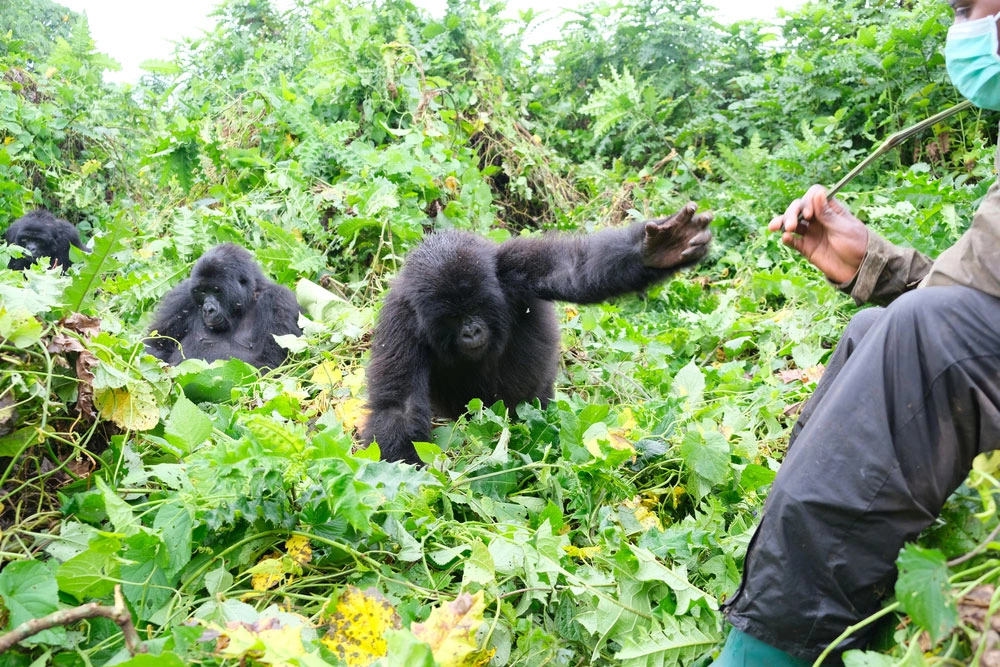
Gorilla Habituation for Families – Is It Suitable? Families planning a Uganda trip around gorillas run into one hard rule almost immediately: the minimum age for any gorilla trekking activity, including the Gorilla Habituation Experience, is 15 years old, no exceptions. This single rule shapes how a family trip needs to be structured far more than any other single factor. At Pick and Transfer Safaris, we help families plan around this constraint regularly, and this guide covers who the Gorilla Habituation Experience genuinely suits, and what younger family members can do instead.
The Age Rule Is Strict and Non-Negotiable
The Uganda Wildlife Authority enforces a minimum age of 15 for all gorilla trekking activities in both Bwindi and Mgahinga, and this applies with particular firmness to the Gorilla Habituation Experience given how much longer and more demanding it is than a standard trek. Unlike some other regulated activities where age limits occasionally flex with ranger discretion, this rule is applied consistently and without exception. The reasoning is twofold: younger children are considered more likely to make sudden noises or unpredictable movements that could disturb or provoke a still-acclimating gorilla family, and children generally carry a higher risk of common colds and other illnesses that pose a genuine danger to gorillas given how closely related the two species are genetically.
Families should treat this as a firm planning constraint from the outset rather than something to negotiate with a guide or park official on the day, since it isn’t enforced with any flexibility.
Why the Habituation Experience Specifically Isn’t Suited to Younger Teens
Even for families with teenagers who clear the age-15 threshold, it’s worth thinking carefully about whether the Gorilla Habituation Experience specifically, rather than a standard one-hour trek, is the right fit. This experience runs considerably longer, typically eight to ten hours total including briefing, approach trek, four hours of observation, and return, on Rushaga’s genuinely steep, demanding terrain. A 15- or 16-year-old in good physical condition can generally manage this without issue, but the experience does call for a meaningfully higher level of stamina and patience than the standard trek, and families should honestly assess a teenager’s fitness and temperament before committing to the longer, more expensive habituation permit over the standard alternative.
What Younger Family Members Can Do Instead
This is where family trip planning genuinely benefits from Uganda’s broader activity landscape rather than treating gorillas as the only option. Golden monkey trekking at Mgahinga Gorilla National Park has a lower minimum age in most cases, commonly cited around 12 years old, making it accessible to younger teenagers who don’t yet meet the gorilla trekking threshold, and it’s a considerably shorter, less strenuous activity overall, typically wrapping up in around three hours rather than a full day. Chimpanzee trekking in Kibale National Park generally follows a similar age threshold to golden monkeys, offering another primate encounter within reach of younger family members, though it involves a genuine additional destination and travel time to reach.
For children too young even for these age-12 activities, the Batwa cultural experience is genuinely more flexible, with community village walks near Bwindi’s sectors often suitable for children as young as five, offering guided, low-intensity cultural encounters rather than physically demanding forest treks. Gentle nature walks, community village tours, and boat-based activities like canoeing on Lake Bunyonyi or Lake Mutanda round out a genuinely broad set of options suitable for nearly any age, and several of these can be arranged for the same day as the adults’ gorilla activity, keeping the overall itinerary efficient rather than requiring separate travel days for each age group.
Structuring a Family Trip Around Mixed Age Groups
For families where some members qualify for the Gorilla Habituation Experience and others don’t, the most common structure involves splitting the group for part of the trip: older teens and adults head into Rushaga’s forest for the habituation day, while younger children and any accompanying adult spend that day on a lower-intensity activity nearby, a Batwa village walk, a gentle nature trail, or simply resting at the lodge. Many lodges near Rushaga and Mgahinga offer family rooms or interconnected suites specifically to support this kind of split-activity family structure, and some provide babysitting or supervised activities so parents can participate in the forest day without needing to bring every family member along.
Building Educational Value for Kids Who Don’t Trek
Even children who can’t join the gorilla activity itself can get genuine educational value from the surrounding trip. Conservation-focused lodge programs, community visits supported by tourism revenue, and simple photo journals or travel diaries kept during the trip all help younger family members engage meaningfully with the destination, even without a forest trek of their own. Some lodges also arrange short talks or informal Q&A sessions with rangers or guides after the adults return from their trek, giving younger family members a chance to hear firsthand accounts and ask questions rather than simply seeing photos afterward.
Framing the trip around the region’s broader wildlife and culture, rather than the gorillas as the sole focus, tends to make the experience more rewarding for the whole family rather than leaving younger members feeling like they missed the main event.
Physical Considerations for Teens Who Do Qualify
For teenagers 15 and older joining the Gorilla Habituation Experience, some advance physical preparation genuinely helps given how demanding the day is. Moderate hiking practice in the weeks before travel, comfortable, broken-in hiking boots, and a clear understanding of the briefing rules and expectations beforehand all make the actual day considerably more manageable. Parents should also have an honest conversation with teenagers about the patience the experience requires, four hours of quiet, careful observation is a different kind of demand than physical endurance alone, and not every teenager who can handle the hike will necessarily enjoy the slower, observation-focused pace of the habituation day itself.
Alternative Structures Worth Considering
Families uncertain whether the Gorilla Habituation Experience is the right fit for their specific group composition might consider the standard one-hour gorilla trek instead, a shorter, less expensive, and still genuinely rewarding alternative that makes fewer demands on both budget and stamina, while still meeting the same age-15 threshold. This can be a sensible middle ground for families with teenagers who qualify age-wise but for whom an eight-to-ten-hour forest day feels like more than the trip calls for.
Visa and Border Requirements
Since many families combine this trip with time in Rwanda, the East African Tourist Visa tends to be the most convenient choice for the whole family, covering multiple entries across Uganda, Rwanda, and Kenya over 90 days for 100 US dollars per person through Uganda’s official immigration portal. A standard single-entry Uganda Tourist Visa works just as well for families not planning to re-enter Rwanda. A valid yellow fever vaccination certificate is required for entry into Uganda for every family member regardless of age.
Planning Your Family Trip with Pick and Transfer Safaris
The Gorilla Habituation Experience genuinely suits families with teenagers 15 and older who are physically prepared for a demanding day, but the trip as a whole works best when it’s built around the full family, not just those who qualify for the forest itself. If you would like help structuring a mixed-age itinerary, confirming age-appropriate activities for younger family members, or arranging your private transfer from Kigali, get in touch through our Contact Us page. We’ll help you build a trip where every family member has something genuinely suited to them.