- LET'S PLAN YOUR SAFARI
- +256 200 921 002
- +256 793 194 703
- info@pickandtransfersafaris.com

Cheap Uganda Gorilla Trek from Kigali
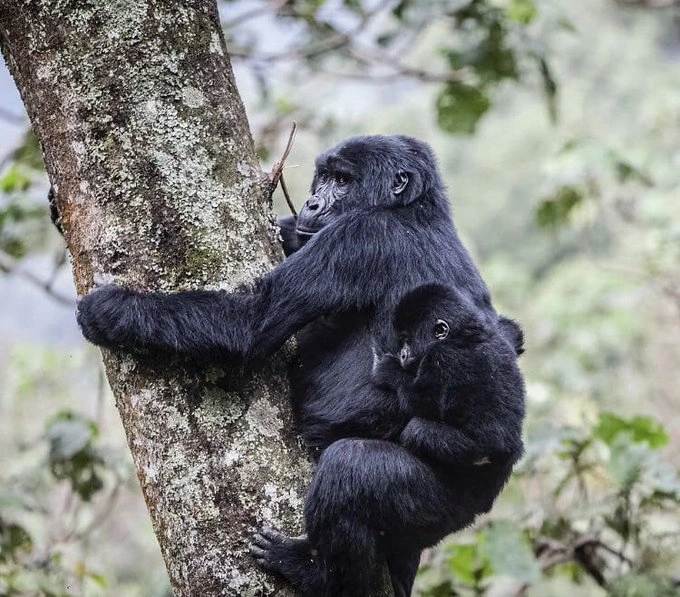
Cheap Uganda Gorilla Trek from Kigali. Gorilla trekking has a reputation for being one of the most expensive wildlife experiences on the planet, and in Rwanda, that reputation is earned — a single permit at Volcanoes National Park costs USD 1,500. What a lot of travellers don’t realize is that the same species, in the same mountain range, is available for almost half that price just across the border in Uganda, and that Kigali is actually the more convenient starting point for reaching it. If you’re trying to see mountain gorillas without spending a small fortune, starting from Kigali and trekking in Uganda is, by a wide margin, the cheapest legitimate way to do it.
The Core Saving: Permit Price
The single biggest cost difference between the two countries is the permit itself. A Uganda gorilla permit, issued by the Uganda Wildlife Authority for either Mgahinga Gorilla National Park or Bwindi Impenetrable Forest, costs USD 800 per person. Rwanda’s equivalent permit for Volcanoes National Park costs USD 1,500. That’s a difference of USD 700 per person before you’ve spent a single dollar on transport or accommodation — and for a couple or small group, that gap alone can fund the entire rest of a budget trip.
It’s worth being clear about what you’re not sacrificing for that saving: the species, the forest immersion, and the strict one-hour encounter with a habituated family are broadly comparable across both countries. The price difference reflects Rwanda’s more polished tourism infrastructure and premium positioning, not a meaningfully different wildlife experience.
Choosing Mgahinga Over Bwindi to Save on Transport
If minimising cost is the priority, Mgahinga is generally the better choice of Uganda’s two gorilla parks, and not just because of the permit. Mgahinga sits only two to three hours from Kigali, against Bwindi’s four to five, which means less fuel, a shorter vehicle hire period, and — for travellers doing this as a single day trip — the possibility of skipping an overnight stay in Uganda altogether. Bwindi offers considerably more choice, with around twenty habituated families across four sectors, but that choice comes with a longer and more expensive transfer. For a genuinely budget-focused trip, Mgahinga’s single habituated family and shorter drive time make it the more economical starting point.
Doing It as a Single Day Trip
The cheapest possible version of this trip is a one-day round trip to Mgahinga: cross the border before dawn, complete the trek, and return to Kigali the same evening. This eliminates the cost of a Uganda lodge night entirely, which is usually the second-largest expense on this route after the permit itself. It’s a demanding day — early starts, two border crossings, and a full trek all compressed into a single stretch — but for budget-conscious travellers with only one day to spare, it removes an entire category of cost from the trip.
If a single day feels too rushed, adding just one overnight near the park is still considerably cheaper than a multi-night Uganda stay, and budget guesthouses in and around Kisoro town keep this option affordable even for travellers who want the more comfortable two-day version.
Skipping the Premium Add-Ons
Uganda’s gorilla parks offer several genuinely worthwhile extras — the Gorilla Habituation Experience at Bwindi’s Rushaga sector, golden monkey tracking at Mgahinga, volcano hikes across Mgahinga’s three peaks — but none of them are necessary to have a complete gorilla trekking experience. The Habituation Experience in particular carries a significant premium over the standard permit, and golden monkey tracking, while considerably cheaper than a second gorilla permit, is still an optional add-on rather than a required part of the trip. For travellers focused purely on cost, the standard one-hour trek delivers the core experience in full, and every extra beyond it is genuinely optional rather than something you’re missing out on by skipping.
Group Travel and Shared Transport
Transport costs on this route come down meaningfully when they’re shared across a group rather than covering a private vehicle alone. Joining a group tour, or travelling with friends and splitting a private 4×4 transfer, spreads the cost of the vehicle, fuel, and driver across several people rather than one or two, and most operators running this route offer both private and shared transfer options specifically because demand for the budget end of the market is high. For solo travellers or couples, asking specifically about shared or group transfer options when booking is worth doing before defaulting to a private vehicle.
Choosing Accommodation Carefully
Accommodation near both Mgahinga and Bwindi ranges from ultra-luxury lodges to simple guesthouses and campsites, and the gap between them is considerable. Budget guesthouses in Kisoro town, or simple accommodation directly at a park’s rest camp, cost a fraction of the flagship lodges that dominate most people’s mental image of a gorilla trekking trip. For travellers prioritising cost, choosing modest accommodation for the one or two nights this trip requires makes a meaningfully bigger difference to the total budget than most people expect, since lodge costs can otherwise rival or exceed the permit itself.
Timing Your Trip Around the Seasons
Uganda’s gorilla permits are priced the same year-round, so seasonal timing won’t reduce the permit cost directly. What it does affect is accommodation pricing and availability. The June-to-September and December-to-February dry seasons are the busiest and most expensive periods for lodges across both Mgahinga and Bwindi, while the wetter months in between see quieter trails and noticeably lower accommodation rates, even though the gorilla trekking itself remains just as rewarding. Travellers with flexible dates can save meaningfully on accommodation simply by avoiding peak season, without any change to the core trekking experience.
What Not to Cut Corners On
A handful of costs on this trip aren’t worth minimising, whatever your budget. The gorilla permit itself should always be booked through a registered operator or directly with the Uganda Wildlife Authority — there is no legitimate discounted or unofficial route to a cheaper permit, and anything claiming otherwise should be treated with suspicion. Vehicle condition and driver experience also matter more on this route than the price alone suggests, given the border crossing and the sometimes rough final approach roads into both parks; a poorly maintained vehicle or an inexperienced driver can turn a budget trip into a genuinely stressful one.
Putting a Realistic Budget Together
For a single traveller doing the one-day Mgahinga version, the permit remains the dominant cost, with transport and border fees adding a comparatively modest amount on top. For the two-day version, a night at a budget guesthouse near Kisoro adds only a small amount further. Even at the more comfortable end of this budget approach, the total cost remains well below what the equivalent trip would cost trekking in Rwanda, purely because of the permit price difference.
Getting the Logistics Right Without Overspending
Because this route involves an international border crossing, the paperwork still needs the same attention regardless of budget: a valid passport, the correct Uganda visa arrangement for your nationality, and a current yellow fever certificate, all confirmed well ahead of travel. Booking through an operator experienced with this specific route is worth doing even on a tight budget, since a missed permit slot or a misaligned border crossing can end up costing far more in wasted time and rebooking fees than the modest planning fee an operator charges to coordinate it correctly the first time.
Is a Cheap Gorilla Trek Still a Good One
Absolutely. The cost savings on this route come from choosing the shorter drive, skipping optional extras, sharing transport, and picking modest accommodation — none of which touch the actual gorilla encounter itself. The permit still buys you the same strict one hour with a wild, habituated family, guided by the same rangers and trackers who work across both Mgahinga and Bwindi. A cheap gorilla trek from Kigali isn’t a compromised version of the experience; it’s simply the version that spends less money on everything around it.
If you’re planning this trip on a budget, get in touch with our travel experts and we’ll help you put together the most cost-effective version that still delivers the full experience — the right park, the right season, and the right level of accommodation for what you actually want to spend. Our destinations page has more on both Mgahinga and Bwindi if you’re still deciding between them.