- LET'S PLAN YOUR SAFARI
- +256 200 921 002
- +256 793 194 703
- info@pickandtransfersafaris.com

Rwanda Eco Tours
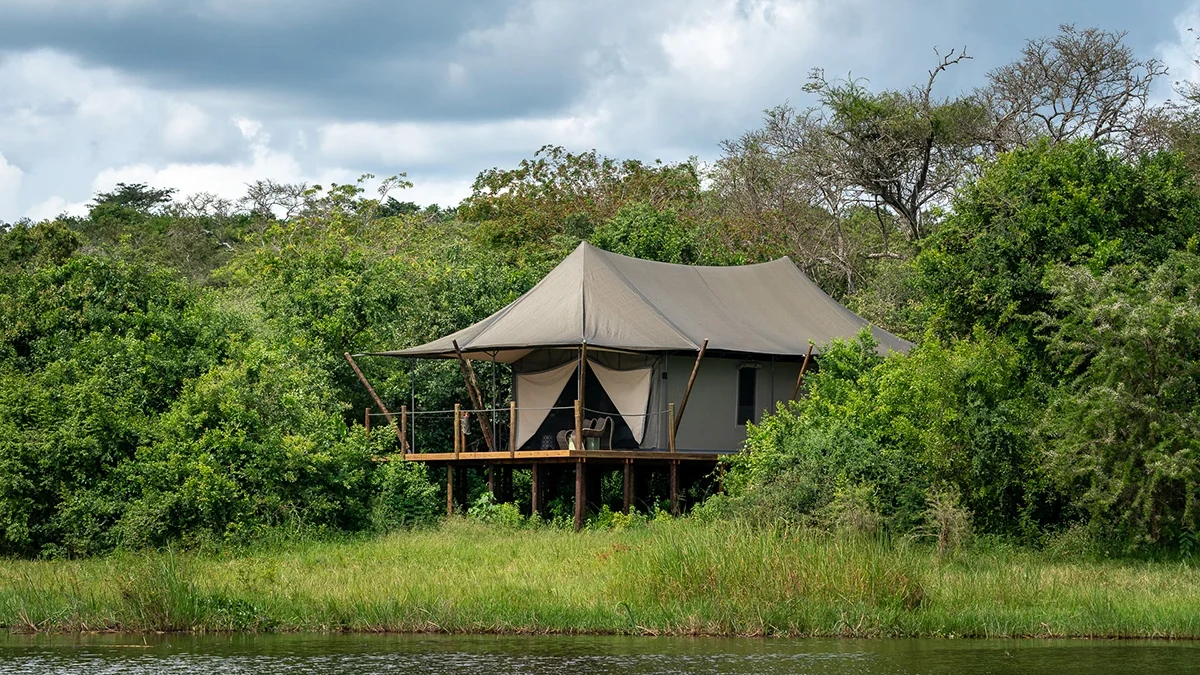
Rwanda Eco Tours. Few countries have built their tourism industry as deliberately around conservation as Rwanda has. From the gorilla permit system that directly funds anti-poaching patrols and veterinary care, to a nationwide ban on single-use plastic bags in place since 2008, sustainability isn’t a marketing angle here so much as a genuine national policy.
For travelers who want their trip to leave a positive footprint rather than just a light one, Rwanda offers some of the clearest, most tangible examples anywhere in Africa of tourism revenue translating directly into habitat protection and community development.
Rwanda Eco Tours are designed for eco-conscious travelers looking to experience the country’s breathtaking landscapes and wildlife while supporting local communities.
Gorilla Trekking as Conservation Tourism
Participating in Rwanda Eco Tours allows visitors to contribute to conservation efforts directly.
Mountain gorilla trekking in Volcanoes National Park is Rwanda’s best-known eco tourism success story. The $1,500 gorilla permit fee, managed by the Rwanda Development Board, funds ranger salaries, anti-poaching operations, veterinary monitoring of the gorilla population, and a revenue-sharing program that channels a portion of park income directly into schools, healthcare, and infrastructure in the communities bordering the park.
The results speak for themselves: Rwanda’s mountain gorilla population has grown steadily over recent decades, one of the few genuine conservation success stories involving a critically endangered great ape. This has been achieved largely because trekking revenue gave local communities a direct financial stake in the species’ survival rather than viewing the park purely as a restriction on their land.
Through Rwanda Eco Tours, travelers can engage with local communities, learning about their customs and conservation practices.
Booking Rwanda Eco Tours supports initiatives that safeguard habitats and promote biodiversity.
Rwanda Eco Tours provide an opportunity to witness the success of community-based conservation first-hand.
Rwanda Eco Tours often include guided treks through Nyungwe’s lush forests, providing insights into the local ecosystem.
Rwanda Eco Tours blend cultural immersion with wildlife experiences.
During Rwanda Eco Tours, you can partake in community-led projects that promote sustainable tourism.
Nyungwe Forest: One of Africa’s Oldest Rainforests
Choosing eco-friendly accommodations is a key aspect of Rwanda Eco Tours.
Crafting an itinerary that prioritizes sustainability is essential for Rwanda Eco Tours.
Discovering Rwanda Eco Tours: One of Africa’s Oldest Rainforests
Nyungwe Forest National Park protects one of the oldest rainforests on the continent, predating the last ice age. Its conservation model extends beyond chimpanzee trekking into genuine ecological research and rainforest protection. The park’s canopy walkway was built with minimal environmental disruption, using local materials and labor.
This now generates income that supports the forest’s ongoing protection. Nyungwe’s exceptional biodiversity, including several Albertine Rift endemic bird species found nowhere else on earth, makes it a priority conservation site independent of its tourism value.
Travelers who visit are contributing directly to a rainforest ecosystem that plays an outsized role in regional water catchment and climate regulation.
Rwanda Eco Tours encourage responsible travel practices that align with conservation goals.
Plan your Rwanda Eco Tour to maximize your impact on the local environment and community.
By joining Rwanda Eco Tours, you actively participate in protecting the country’s natural heritage.
Akagera’s Community-Based Conservation Model
Akagera National Park offers one of the more remarkable conservation turnaround stories in the region. Decades of post-genocide resettlement and poaching had reduced the park’s wildlife dramatically, including the local extinction of lions and rhinos, but a partnership between the Rwandan government and a conservation nonprofit has since reintroduced both species and rebuilt the park’s Big Five status from the ground up. Community conservation programs around Akagera now employ local residents as rangers and guides, fund schools and clinics in surrounding villages, and involve neighboring communities directly in decisions about the park’s management, making a visit here as much a lesson in conservation recovery as a conventional game drive.
Cultural and Community-Based Tourism
Eco tourism in Rwanda extends well beyond wildlife parks into community-run cultural experiences. These keep tourism revenue circulating locally rather than flowing entirely to international operators. The Iby’iwacu Cultural Village near Musanze offers traditional dance, music, and craft demonstrations run directly by the local community, founded partly by former poachers who now work in conservation and tourism instead.
Batwa cultural walks provide indigenous guides with an income tied to sharing their traditional knowledge of the forest. Tea and coffee cooperative visits near Nyungwe and around Lake Kivu offer another community-based option, connecting travelers directly with the farmers and cooperatives behind two of Rwanda’s most important agricultural exports.
Choosing Eco-Friendly Accommodation
Many lodges around Rwanda’s national parks have built genuine sustainability practices into their operations, from solar power and rainwater harvesting to locally sourced food and staff drawn primarily from surrounding communities.
When planning an eco-focused trip, it’s worth asking specifically about a lodge’s environmental practices and community employment figures rather than assuming any “eco lodge” label guarantees a particular standard, since the term isn’t formally regulated. We’re happy to recommend properties with a genuine track record on this front when planning your itinerary.
Building an Eco-Focused Itinerary
An eco tourism trip through Rwanda naturally follows the country’s flagship conservation parks: gorilla trekking in Volcanoes National Park, chimpanzee tracking and a canopy walk in Nyungwe Forest, and Big Five game drives in Akagera.
This should ideally be paired with at least one community-based cultural experience along the way. Our Rwanda Gorilla Trek and Golden Monkeys and 10 Days Uganda Rwanda Safari itineraries both incorporate several of these conservation-linked destinations already, and either can be adjusted to place more emphasis on community visits, eco-conscious lodges, and slower, less rushed pacing between activities if that’s the kind of trip you’re looking for.
Traveling Responsibly Within the Parks
Being an eco-conscious traveler in Rwanda comes down to a few practical habits: sticking closely to ranger guidance and the mandatory distance rules around gorillas and chimpanzees, which exist specifically to protect the animals from human disease transmission.
Avoiding single-use plastics in line with the country’s national ban, and choosing porters and local guides wherever the option is available, since their income is directly tied to the ongoing value of conservation to their community, is also important.
None of this requires sacrificing comfort or flexibility on your trip, but it does mean the difference between tourism that quietly reinforces Rwanda’s conservation model and tourism that simply passes through it.
Plan Your Rwanda Eco Tour
If you’d like a Rwanda itinerary built around conservation parks, community-based experiences, and genuinely sustainable lodges rather than a conventional wildlife checklist, we can put one together around your travel dates and interests.
Contact our team to start planning, or browse our full gorilla safaris and wildlife safaris collections to see how our existing itineraries already incorporate many of these conservation-focused destinations.