- LET'S PLAN YOUR SAFARI
- +256 200 921 002
- +256 793 194 703
- info@pickandtransfersafaris.com

Combining Gorilla Trekking with Big five in Uganda
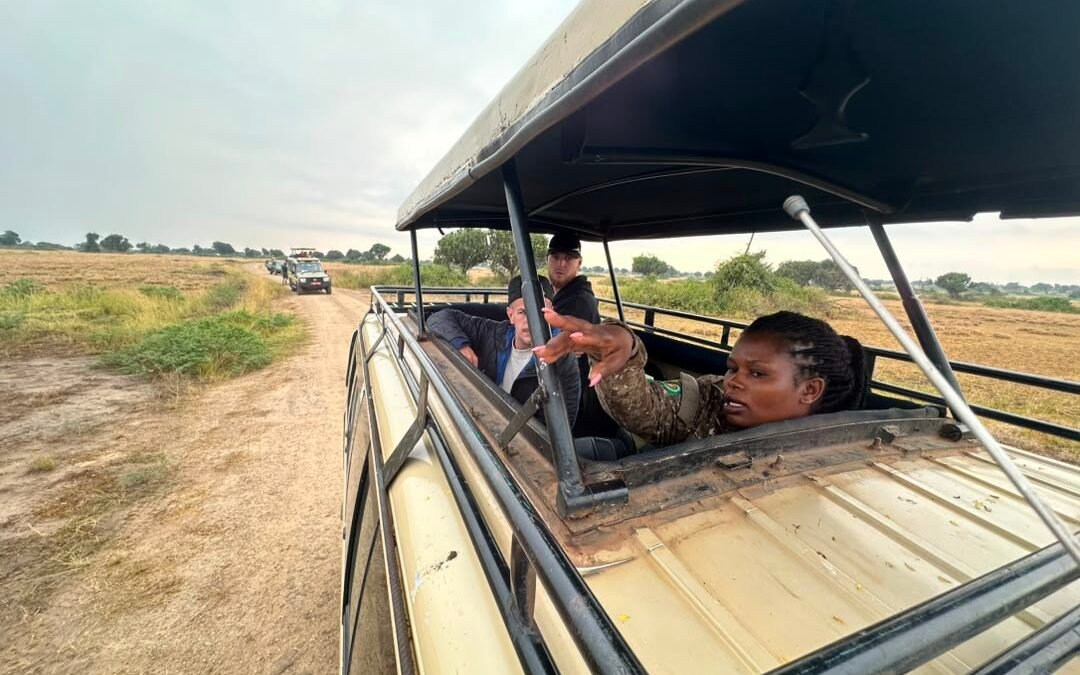
Combining Gorilla Trekking with Big five in Uganda. Uganda is one of the only places on earth where a traveler can look a mountain gorilla in the eye in a misty rainforest in the morning. A few days later, you can watch a pride of lions doze on the open savannah. Nicknamed the Pearl of Africa, Uganda packs an astonishing range of ecosystems into a country roughly the size of the United Kingdom. This compactness is what makes combining gorilla trekking with a Big Five safari not just possible but genuinely one of the smartest ways to experience East Africa.
At Pick and Transfer Safaris, we design a large share of our itineraries around this exact combination, because it consistently delivers the best value, the best variety, and the most complete picture of what Uganda and the wider region have to offer. This guide walks through everything you need to know to plan the trip well: why the combination works so naturally in Uganda, which parks to visit, how much time to budget, what a sample itinerary looks like, when to travel, what it costs, and how to choose a route that fits your schedule and budget.
Why Combine Gorilla Trekking with a Big Five Safari in the First Place
Combining Gorilla Trekking with Big five in Uganda: A Unique Adventure
Gorilla trekking and Big Five game viewing are, on the surface, two completely different wildlife encounters. Gorilla trekking is quiet, physical, and intimate. It’s a small group hiking through dense forest for hours to spend a strictly regulated hour with a habituated gorilla family. A Big Five safari, by contrast, is done from an open-sided 4×4, covering long distances across open plains and woodland in search of lion, elephant, leopard, buffalo, and rhino.
Travelers who only do one or the other often come away feeling like they saw half of Uganda. The forests where gorillas live are ecologically distinct from the savannahs where lions and elephants roam, and each biome brings its own birds, plants, cultures, and landscapes. Pairing the two means:
Travelers who only do one or the other often feel like they saw half of Uganda. The forests where gorillas live are ecologically distinct from the savannahs where lions and elephants roam. Each biome brings its own birds, plants, cultures, and landscapes. Pairing the two means:
A complete wildlife portfolio. You are not choosing between primates and megafauna. You get both. Few destinations on the continent allow this within a single, relatively short domestic circuit.
Better value on flights and logistics. Since gorilla permits and Big Five parks are often reachable on the same overland route through western Uganda, travelers avoid the cost and hassle of two entirely separate trips to Africa.
A more balanced pace. Gorilla trekking days are physically demanding. Savannah safari days, done largely from a vehicle, are more relaxed. Alternating between the two keeps the trip enjoyable rather than exhausting.
Richer storytelling and photography. A trip report or photo album that includes silverback gorillas, tree-climbing lions, elephants at a waterhole, and a Nile boat cruise is a stronger and more memorable trip than one focused around a single animal.
Conservation impact across more communities. Gorilla permit revenue and park entry fees support different regions and community programs. Visiting both means your tourism dollars reach more people.
Why Uganda Specifically Is Built for This Combination
Rwanda and the Democratic Republic of Congo also offer gorilla trekking. However, Uganda is the only one of the three that also has a strong, accessible Big Five safari circuit. This single fact is why many seasoned Africa travel planners consider Uganda the best base for combining the two experiences.
Two Gorilla Parks, Multiple Trailheads
Uganda is home to roughly half of the world’s remaining mountain gorillas, most of them in Bwindi Impenetrable National Park and a smaller population in Mgahinga Gorilla National Park. Bwindi alone has four separate trailhead sectors: Buhoma, Ruhija, Rushaga, and Nkuringo. This spreads trekking groups out and gives travelers flexibility on where to start their trek relative to their overall itinerary.
A Genuine Big Five Circuit
Queen Elizabeth National Park is directly on the route between Bwindi and western Uganda, making it the natural next stop after a gorilla trek. It holds lion (including its famous tree-climbing lions in the Ishasha sector), elephant, buffalo, leopard, and abundant plains game, plus the Kazinga Channel, one of the best boat-safari wildlife channels in Africa. For rhino, many itineraries include a stop at Ziwa Rhino Sanctuary, home to Uganda’s only wild population of white rhino and typically visited en route between Entebbe/Kampala and Murchison Falls.
Short Overland Distances
Because Bwindi, Mgahinga, and Queen Elizabeth National Park are all within a few hours’ drive of each other in western Uganda, it is realistic to trek gorillas one day and spot lions two or three days later without boarding a domestic flight. Flights are available for travelers who want to save road time.
Cross-Border Flexibility
For travelers who want to fly into Kigali, Rwanda instead of Entebbe, Uganda’s gorilla parks remain accessible. We arrange Uganda gorilla safaris starting from Kigali, since the drive from Kigali to Bwindi or Mgahinga is significantly shorter than the 9–11 hour drive from Entebbe, making it a popular entry point for many international visitors.
Understanding Gorilla Trekking in Uganda
What Gorilla Trekking Actually Involves
Trekkers gather at a park headquarters early in the morning for a briefing, are organized into groups of a maximum of eight people per habituated gorilla family, and are assigned trackers and armed rangers who already know roughly where that family spent the previous night. From there, the hike can take anywhere from 30 minutes to six or seven hours round trip, depending on how far the gorillas have moved. Terrain in Bwindi is genuinely steep and can be muddy; Mgahinga’s terrain is volcanic and involves altitude. Once the group finds the gorillas, visitors are permitted exactly one hour in their presence, watched over closely by rangers to ensure both human and gorilla safety.
What Gorilla Trekking Actually Involves
Bwindi is the crown jewel of Uganda’s primate tourism and one of the best places globally to see mountain gorillas. Its name is well earned; it is a genuinely dense, ancient rainforest that has survived the last Ice Age relatively undisturbed, which is part of why it supports extraordinary biodiversity. Beyond gorillas, Bwindi is home to over 350 bird species, numerous butterfly species, and other primates. Due to the size of the park and the number of habituated families, Bwindi offers the largest number of gorilla permits of any single destination in the region. This makes it easier to secure permits, especially at short notice, compared to Rwanda’s Volcanoes National Park.
Mgahinga Gorilla National Park
Mgahinga is smaller and quieter than Bwindi, part of the Virunga volcanic range shared with Rwanda and the Democratic Republic of Congo. It typically has only one habituated gorilla family available for trekking, which means permits are limited, but it rewards visitors with the added possibility of golden monkey trekking and, for the more adventurous, hikes up the volcanic peaks of Mount Muhabura, Mount Gahinga, or Mount Sabinyo. Because Mgahinga sits in Uganda’s extreme southwest corner near the Rwanda border, it pairs particularly well with itineraries that also touch Rwanda’s Volcanoes National Park.
Gorilla Permits: What You Need to Know
A Uganda gorilla permit currently allows one hour with a habituated gorilla family and must be booked well in advance, especially for travel during the July–September and December–February peak seasons, since only a limited number of permits are issued per family per day. Permits are non-transferable and tied to a specific date and trailhead sector, which is why itinerary planning matters — your permit date effectively anchors the rest of your route. Working with a local operator who tracks permit availability across sectors, and can secure permits for specific dates that dovetail with a Big Five leg of the trip, removes most of the stress from this part of the planning process.
Understanding the Big Five in Uganda
The “Big Five” — lion, leopard, elephant, buffalo, and rhino — is a term that originated with big-game hunters describing the five most dangerous animals to hunt on foot, and it has since become the benchmark safari-goers use to judge how complete their wildlife sightings were. Uganda can deliver all five, though not all in a single park, which is exactly why a well-planned itinerary matters.
Lion
Uganda’s lions are found in Queen Elizabeth National Park and Murchison Falls National Park. Queen Elizabeth’s Ishasha sector is famous worldwide for tree-climbing lions, a rare behavioral quirk seen in only a handful of lion populations globally, where lions lounge in the branches of fig trees during the heat of the day.
Leopard
Leopards are present across Uganda’s savannah parks but are notoriously elusive, being largely nocturnal and solitary. Queen Elizabeth National Park and Murchison Falls both offer reasonable leopard sighting chances, particularly on night game drives or with an experienced guide who knows where to look at dawn and dusk.
Elephant
Both Queen Elizabeth and Murchison Falls hold healthy elephant populations, and sightings are common on game drives, particularly near the Kazinga Channel and along the Nile’s northern bank in Murchison Falls.
Buffalo
Cape buffalo are abundant and easy to see throughout Uganda’s savannah parks, often in large herds, and are considered one of the more consistently reliable Big Five sightings on any Uganda game drive.
Rhino
Uganda’s rhinos went locally extinct due to poaching and civil conflict decades ago. Today, the country’s only wild rhino population is a reintroduced group of southern white rhinos at Ziwa Rhino Sanctuary, a private sanctuary roughly midway between Kampala and Murchison Falls National Park. A stop here, usually en route to or from Murchison, is what allows travelers to complete the full Big Five in Uganda, through guided rhino tracking on foot.
Best Combined Gorilla Trekking and Big Five Itineraries
There is no single “correct” way to combine the two experiences — the right route depends on how many days you have, your entry point, and whether you want to keep the trip entirely within Uganda or extend into Rwanda. Below are the combinations that work best, based on the itineraries we build most often at Pick and Transfer Safaris.
Short Combination (4–5 Days)
For travelers with limited time, a 4 Days Wildlife and Primate Safari or a 5-Day Uganda Gorilla and Chimpanzee Safari squeezes gorilla trekking and a condensed Queen Elizabeth National Park game drive into a single short loop from Entebbe. These trips move quickly and involve long driving days, but they are the most time-efficient way to walk away having seen both gorillas and Big Five game.
Balanced Combination (7 Days)
Our 7 Days Uganda Safari – One Week Tour is the itinerary we recommend most often for first-time visitors, because it gives each activity room to breathe. It typically covers chimpanzee tracking in Kibale Forest, gorilla trekking in Bwindi, and Big Five game drives plus a Kazinga Channel boat cruise in Queen Elizabeth National Park — essentially Uganda’s three signature wildlife experiences in a single well-paced week.
The Complete Circuit (10 Days)
For travelers who want the fullest possible picture of Uganda’s wildlife, our 10 Days Uganda Primates and Wildlife itinerary adds Murchison Falls National Park and its Nile boat cruise to the mix, along with a stop at Ziwa Rhino Sanctuary, which means travelers on this route can genuinely complete all five of the Big Five within Uganda, on top of gorilla trekking and chimpanzee tracking. It is the most comprehensive single-country wildlife itinerary we offer.
Starting from Rwanda
Many international travelers find it more convenient to fly into Kigali rather than Entebbe, particularly those coming from Europe where Kigali often has more direct connections. For these travelers, we run shorter options such as the 3 Days Uganda Gorilla Safari Starting from Rwanda and the 5 Days Uganda Gorilla and Chimps Safari starting from Rwanda, both of which can be extended with a Queen Elizabeth National Park add-on for travelers who want Big Five game viewing on top of gorillas and chimps, all starting and ending in Kigali.
Combining Uganda and Rwanda Big Five Circuits
For travelers who want the widest possible net — gorillas in two countries, plus Big Five game in two countries — our longer regional itineraries such as the 10 Days Uganda Rwanda Safari and 15 Days Rwanda Uganda Safari combine Bwindi or Mgahinga gorilla trekking with Queen Elizabeth National Park in Uganda, and Akagera National Park’s Big Five game drives and boat safaris in Rwanda. These longer trips are ideal for travelers celebrating a milestone trip, honeymooners, or serious wildlife photographers who want maximum variety.
A Sample Day-by-Day Itinerary: 7 Days, Gorillas and Big Five
To make the combination concrete, here is what a well-paced week looks like in practice.
Day 1 — Arrival and transfer toward Kibale. Arrive at Entebbe International Airport, meet your guide, and begin the drive west toward the Kibale Forest area, often with a stop at the Equator line for photos.
Day 2 — Chimpanzee tracking in Kibale Forest. An early-morning trek through Kibale Forest National Park, the primate capital of Africa, in search of habituated chimpanzee communities, followed by an afternoon transfer south toward Queen Elizabeth National Park.
Day 3 — Queen Elizabeth National Park game drive and Kazinga Channel cruise. A morning game drive in search of lion, elephant, buffalo, and Uganda kob, followed by an afternoon boat cruise along the Kazinga Channel, one of the highest-density wildlife waterways in Africa, home to hippos, crocodiles, elephants, and prolific birdlife.
Day 4 — Transfer to Bwindi via the Ishasha sector. Depart Queen Elizabeth National Park through the Ishasha sector, famous for tree-climbing lions, before continuing south to Bwindi Impenetrable National Park.
Day 5 — Gorilla trekking in Bwindi. The highlight of the trip: an early park briefing followed by a trek, of variable length and difficulty, to spend one unforgettable hour with a habituated mountain gorilla family.
Day 6 — Community visit or Lake Bunyonyi. A lighter day, often spent visiting a local Batwa or Bakiga community, or relaxing at nearby Lake Bunyonyi, one of Uganda’s most scenic lakes, before the return journey begins.
Day 7 — Return to Entebbe or onward to Rwanda. Depending on the routing, either a full-day return drive to Entebbe for departure, or a short transfer across the border to Kigali for onward travel.
This structure — primates first, savannah wildlife in the middle, gorillas as the emotional peak, and a gentler final day — tends to produce the best-reviewed trips, because it avoids stacking two physically demanding days back to back.
Best Time of Year to Combine Gorilla Trekking with a Big Five Safari
Uganda’s equatorial location means it does not have the dramatic seasonal temperature swings found further from the equator, but it does have distinct dry and wet seasons that affect both trekking difficulty and game viewing.
Dry Seasons (June–September and December–February)
These are the most popular months for good reason. Trails in Bwindi and Mgahinga are less muddy and easier underfoot, and savannah parks like Queen Elizabeth and Murchison Falls see game concentrate more predictably around permanent water sources, making sightings more reliable. These months are also peak booking periods, so gorilla permits and lodge availability should be secured several months in advance.
Wet Seasons (March–May and October–November)
The rains bring lush green scenery, fewer crowds, and often discounted lodge rates, along with newborn wildlife and excellent birdwatching. Gorilla trekking is still very much possible year-round, since gorillas do not migrate and permits remain available, but trails are muddier and trekking gear becomes more important. For photographers, the dramatic light and green landscapes of the wet season can actually be a strong draw rather than a drawback.
Our Recommendation
If your schedule is flexible, the short dry spells in January–February or June–July tend to offer the best balance of good trekking conditions, strong game viewing, and slightly thinner crowds than the absolute peak of August. Whatever month you choose, book gorilla permits early — Uganda Wildlife Authority issues a fixed number per day, and they do sell out, especially around Christmas, New Year, and the northern hemisphere summer holidays.
What to Pack for a Combined Gorilla and Big Five Safari
Packing for this combination means preparing for two quite different environments in the same suitcase.
For gorilla trekking: waterproof hiking boots with good ankle support, gardening or trekking gloves for grabbing vegetation, a rain jacket, long trousers and long sleeves tucked into boots and gloves (protection against nettles and safari ants), a walking stick (often provided free at the trailhead), and a daypack with water and snacks. Porters are available to hire at each trailhead and are genuinely worth engaging, both for the practical help over difficult terrain and for the direct income it brings to local communities.
For Big Five game drives: neutral-colored clothing (khaki, olive, tan), a wide-brimmed hat, sunglasses, sunscreen, and binoculars. Layers matter, since early-morning game drives can be cool while afternoons are warm.
General essentials: a good camera or phone with a zoom lens, a portable charger, insect repellent, a basic first-aid kit, and any personal medication. Yellow fever vaccination is a mandatory entry requirement for Uganda, and malaria prophylaxis is strongly recommended — consult a travel clinic before departure.
Where to Stay: Lodging Along the Combined Route
Accommodation options along the Bwindi–Mgahinga–Queen Elizabeth corridor range from budget guesthouses to high-end luxury lodges, and the route is well served at every price point.
Near Bwindi, lodges cluster around each of the four trailhead sectors — Buhoma, Ruhija, Rushaga, and Nkuringo — so where you stay often depends on which sector your gorilla permit is assigned to. In Queen Elizabeth National Park, most lodges sit either near the Kazinga Channel for easy access to the boat cruise, or in the Ishasha sector for travelers prioritizing tree-climbing lions. Because Pick and Transfer Safaris specializes in trips designed for budget and mid-range travelers, our itineraries default to comfortable, well-reviewed properties that keep the overall cost of the trip reasonable without sacrificing the quality of the experience — though upgrades to luxury lodges are always available on request.
Budgeting for a Combined Gorilla and Big Five Trip
Cost is one of the biggest factors that shapes how travelers plan this trip, and it is worth being upfront about where the money goes.
Gorilla permits are the single largest fixed cost in Uganda, priced per person per trek and set by the Uganda Wildlife Authority. These fees fund park conservation and community revenue-sharing programs, so while they represent a real expense, they are directly tied to protecting the gorillas travelers come to see.
Park entry fees and game drive costs for Queen Elizabeth and Murchison Falls National Parks are considerably lower than gorilla permits and are usually bundled into the daily rate of an organized safari.
Accommodation varies enormously, from simple guesthouses to five-star lodges, and is typically the second-largest cost after permits.
Transport — whether a private 4×4 with driver-guide, a shared group vehicle, or a self-drive rental — affects both cost and flexibility. At Pick and Transfer Safaris we also operate a dedicated self-drive service through our partner platform for travelers who want maximum independence on the road.
The good news is that because Uganda’s gorilla parks and Big Five parks sit close together, combining the two experiences into one trip is usually more cost-effective than treating them as two separate journeys. Travelers spread the cost of international flights and overland logistics across a fuller itinerary rather than two shorter ones.
Responsible and Sustainable Tourism Along the Way
Gorilla trekking is, by design, one of the most tightly regulated wildlife tourism activities in the world, and for good reason — mountain gorillas share close to 98% of human DNA, which makes them susceptible to many of the same illnesses. Strict rules exist to protect them: a minimum distance is maintained at all times, visitors with contagious illnesses are asked not to trek, group sizes are capped, and time with each family is limited to one hour. Following these rules is not a bureaucratic formality; it is the reason these gorilla populations have grown rather than shrunk in recent decades, one of the genuine conservation success stories in modern Africa.
The same principle extends to the Big Five parks. Staying on designated tracks during game drives, keeping a respectful distance from animals, and choosing lodges and operators that employ local staff and support community projects all compound into a more sustainable tourism model. At Pick and Transfer Safaris, part of our profits goes toward supporting orphans through community projects in the areas we operate in, reflecting a broader commitment across the region to make sure tourism revenue actually reaches the communities living alongside these parks.
Choosing the Right Local Operator
Combining Gorilla Trekking with Big five in Uganda ensures a holistic experience, allowing travelers to appreciate the diversity of Uganda’s wildlife and landscapes.
Combining gorilla trekking with a Big Five safari involves more moving parts than a single-focus trip — permit timing, overland logistics between very different ecosystems, and lodge bookings that need to line up across multiple parks. This is where working with an experienced local operator pays off, since permit availability, road conditions, and seasonal park access all shift year to year in ways that are hard to track from abroad.
Beyond the operators travelers book their safaris through directly, it is also worth engaging with organizations that support tourism training and hospitality standards across the region — bodies like the kenlinktours.com institute play a role in developing the guiding and hospitality talent that keeps East African safari experiences professional and safe, which ultimately benefits every traveler who treks for gorillas or drives out to spot lions in Uganda.
A Sample Day-by-Day Itinerary: 10 Days, the Complete Circuit
For travelers who want the fullest version of this combination — gorillas, chimpanzees, the full Big Five including rhino, and the Nile — the 10-day route adds two extra pieces to the 7-day structure above: Murchison Falls National Park and Ziwa Rhino Sanctuary.
Day 1 — Arrival in Entebbe. Meet your guide and overnight near Lake Victoria, or begin the transfer north depending on flight arrival time.
Day 2 — Ziwa Rhino Sanctuary and onward to Murchison Falls. A guided rhino tracking walk at Ziwa, Uganda’s only wild rhino population, followed by the continued drive north into Murchison Falls National Park.
Day 3 — Murchison Falls game drive and Nile boat cruise. A morning game drive across the park’s northern savannah in search of elephant, buffalo, lion, and giraffe, followed by an afternoon boat cruise to the base of the falls themselves, where the entire Nile River is forced through a gap only a few meters wide.
Day 4 — Transfer south toward Kibale Forest. A long but scenic drive south, often broken up with stops in small towns and views over the Rift Valley escarpment.
Day 5 — Chimpanzee tracking in Kibale Forest. An early trek through Kibale in search of habituated chimpanzee communities, part of the highest primate density found anywhere in Africa.
Day 6 — Queen Elizabeth National Park. Transfer to Queen Elizabeth National Park with an afternoon game drive, watching for lion, elephant, buffalo, and the park’s large herds of Uganda kob.
Day 7 — Kazinga Channel boat cruise and transfer via Ishasha. A morning boat cruise along the Kazinga Channel, followed by an afternoon drive south through the Ishasha sector, keeping watch for the famous tree-climbing lions, before continuing to Bwindi.
Day 8 — Gorilla trekking in Bwindi. The heart of the trip: a full day built around trekking to a habituated mountain gorilla family, with the exact duration depending on where the gorillas are that morning.
Day 9 — Community experience or Lake Bunyonyi. A recovery day, often used for a Batwa cultural encounter, a visit to a local coffee or tea plantation, or simply relaxing at Lake Bunyonyi.
Day 10 — Return to Entebbe. A full-day drive back north to Entebbe for departure, or a shorter transfer to the Rwanda border for onward travel.
This longer version is the itinerary that lets travelers genuinely complete the Big Five within Uganda’s own borders — lion, leopard, elephant, buffalo, and rhino — alongside gorillas and chimpanzees, all in a single trip. It is the route we build most often for travelers who want one trip to Africa to feel complete rather than partial.
Cultural Experiences Along the Route
A combined gorilla and Big Five itinerary is not only about wildlife. The western Uganda corridor between Kibale, Queen Elizabeth, and Bwindi passes through some of the country’s most culturally rich regions, and most itineraries build in at least one cultural stop.
Batwa cultural encounters. The Batwa people were traditional forest-dwellers who lived alongside the gorillas in Bwindi and Mgahinga for generations before the parks were gazetted for conservation. Many communities now run guided cultural walks and performances near the park boundaries, offering visitors a chance to learn about traditional forest life, medicinal plants, and music, while directly supporting a community that lost access to its ancestral land when the parks were created.
Bakiga and Bafumbira communities. Around Kabale and Kisoro, homestead visits and craft cooperatives give travelers a window into the daily agricultural life of the terraced hillsides that define this part of Uganda.
Tea and coffee estates. The rolling hills between Kibale and Queen Elizabeth National Park are home to numerous tea plantations, and several offer short tours explaining the journey from leaf to cup — a relaxed, scenic break between wildlife-focused days.
Building one of these cultural stops into a gorilla-and-Big-Five itinerary rounds out the trip, gives travelers a break from early wake-up calls, and puts tourism revenue directly into the hands of communities living alongside the parks.
Building one of these cultural stops into a gorilla-and-Big-Five itinerary rounds out the trip, gives travelers a break from early wake-up calls, and puts tourism revenue directly into the hands of communities living alongside the parks.
Health, Safety, and Entry Requirements
Uganda is a well-established, safe safari destination, but a few practical requirements are worth planning around well before departure.
Yellow fever vaccination is mandatory for entry into Uganda, and travelers should carry their International Certificate of Vaccination. Many neighboring countries, including Rwanda, also require proof of yellow fever vaccination for travelers arriving from Uganda.
Malaria prevention is strongly recommended throughout Uganda, including in and around the national parks. Consult a travel clinic or doctor about appropriate prophylaxis well ahead of your trip, and pack a reliable insect repellent for evenings.
Visas for Uganda are generally available as an e-visa applied for online in advance, and many travelers combining Uganda with Rwanda take advantage of the East Africa Tourist Visa, which allows travel between Uganda, Rwanda, and Kenya on a single visa — worth checking against your specific nationality and itinerary before booking flights.
Gorilla trekking health rules are strict and non-negotiable: travelers displaying symptoms of a cold, flu, or other contagious illness on the morning of their trek will not be permitted to join, both to protect the gorillas and the rest of the group. It is worth building a little flexibility into your schedule in case a reschedule is needed.
Physical fitness for gorilla trekking varies by individual, but a reasonable baseline level of fitness makes the experience considerably more enjoyable. Travelers with mobility concerns should mention this when booking, since some trailhead sectors and gorilla families are known to involve gentler terrain than others, and porters are always available to help.
Photography Tips for a Gorilla and Big Five Trip
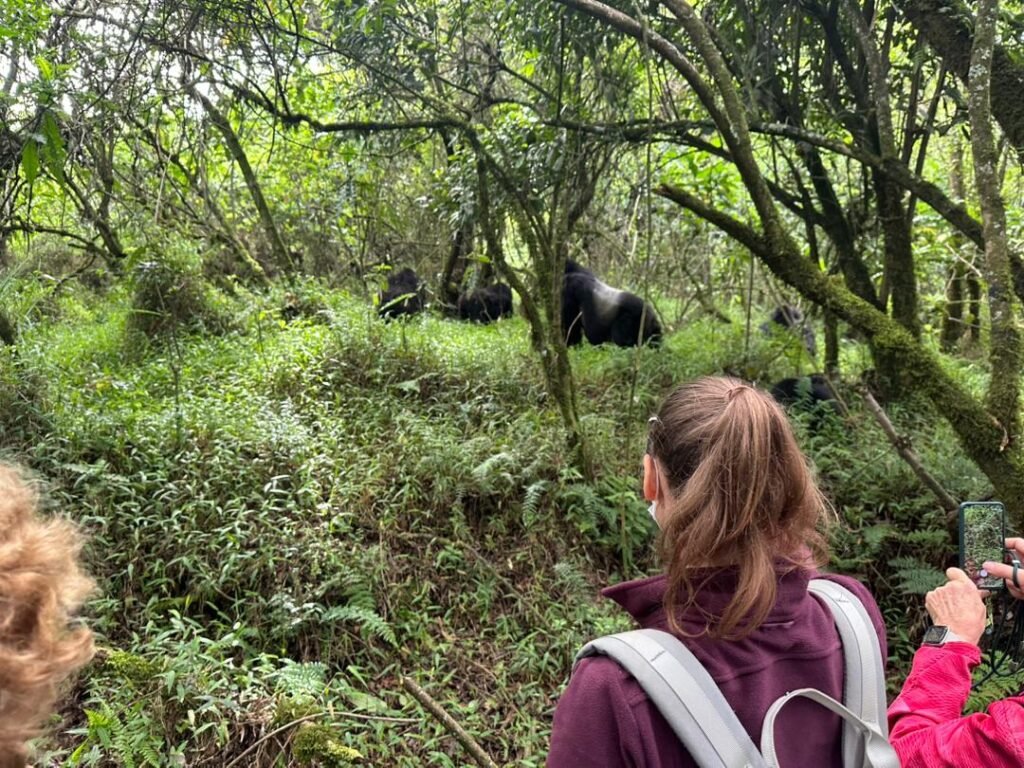
Combining two very different wildlife environments in one trip means packing and shooting strategy needs to flex accordingly.
In the forest: light levels under Bwindi’s or Mgahinga’s canopy are low even at midday, so a lens with a wide maximum aperture and the ability to shoot comfortably at higher ISOs matters more than raw zoom reach. Since minimum distance rules keep visitors several meters from gorillas, a mid-range zoom, something in the 70–200mm range, tends to be more useful than an ultra-telephoto lens, which can actually be too long to frame a nearby gorilla comfortably.
On the savannah: a longer telephoto lens, ideally 300mm or more, pays off for lion, leopard, and distant elephant sightings on Queen Elizabeth or Murchison Falls game drives, where animals are often much further from the vehicle than gorillas are on a trek.
General advice: bring more memory cards and batteries than you think you need, since charging opportunities can be limited at remote lodges, and dust and humidity both take a toll on gear across a trip that moves between rainforest and savannah environments. A simple rain cover or dry bag for camera equipment is worth the small extra weight, particularly during the wetter shoulder seasons.
Comparing Uganda, Rwanda, and the DR Congo for This Combination
Since all three Virunga-region countries offer gorilla trekking, it is worth understanding briefly why Uganda tends to be the strongest base specifically for combining it with a Big Five safari.
Rwanda offers excellent, highly organized gorilla trekking in Volcanoes National Park and does have its own Big Five park, Akagera National Park, in the east of the country. The combination works well, and many of our longer itineraries include both Uganda and Rwanda for exactly this reason. However, gorilla permits in Rwanda are priced considerably higher than in Uganda, and Rwanda has only one habituated gorilla trekking destination compared with Uganda’s two.
The Democratic Republic of Congo offers gorilla trekking in Virunga National Park at a lower permit cost than either Uganda or Rwanda, and even offers the rare opportunity to trek both mountain gorillas and Grauer’s gorillas. However, ongoing regional instability has made DR Congo a far less consistent and less recommended option for international travelers in recent years, and it lacks an equivalent, easily paired Big Five circuit.
Uganda, by contrast, combines a lower gorilla permit cost than Rwanda, two separate gorilla trekking destinations, and a well-developed, stable Big Five circuit across Queen Elizabeth and Murchison Falls National Parks, all reachable by road within the same trip. For travelers whose priority is genuinely experiencing both gorillas and the Big Five without unnecessary cost or complexity, Uganda consistently comes out as the strongest single-country choice.
Common Mistakes to Avoid When Planning This Trip
Underestimating driving distances. Uganda’s roads have improved significantly in recent years, but distances between parks can still take longer than a quick look at a map suggests, especially during the rainy season. Build realistic travel days into the itinerary rather than trying to see too much in too little time.
Booking gorilla permits too late. Permits for popular trekking dates, particularly around major holidays, can sell out months in advance. Confirm your gorilla trekking date early and build the rest of the itinerary around it, not the other way around.
Skipping travel insurance. Given the physical nature of gorilla trekking and the remote nature of some of the parks, comprehensive travel insurance that covers trekking activities and medical evacuation is strongly recommended.
Packing too light for the forest, too heavy for the savannah. Forest trekking calls for layers, rain protection, and sturdy boots; savannah game drives call for lighter, breathable clothing. Reviewing a proper packing list before departure avoids discovering the gap mid-trip.
Choosing an operator based on price alone. Because this combination involves coordinating permits, multiple parks, and overland logistics across different regions, the value of working with an experienced, responsive local operator is considerably higher than on a simpler single-park trip.
Beyond Gorillas and the Big Five: What Else You’ll See
One of the underrated benefits of combining these two experiences is everything you encounter along the way that isn’t gorillas, lions, or elephants at all.
Chimpanzees and other primates. Kibale Forest National Park alone hosts 13 primate species, including chimpanzees, and Bwindi and Mgahinga add golden monkeys, several colobus species, and baboons to the list. Travelers who add a chimpanzee tracking day to their itinerary often say it rivals the gorilla trek itself for sheer entertainment value, since chimpanzees are considerably more vocal and active than gorillas.
Birdlife. Uganda is one of Africa’s premier birding destinations, with over 1,000 recorded species thanks to its position where East and Central African bird ranges overlap. Bwindi alone accounts for well over 350 species, while the Kazinga Channel and Murchison Falls delta are two of the best wetland birding spots on the continent, home to species like the prehistoric-looking shoebill stork.
Hippos and crocodiles. The Kazinga Channel is said to hold one of the highest concentrations of hippos anywhere in Africa, and both it and the Nile stretch near Murchison Falls offer close, safe boat-based sightings of large Nile crocodiles basking on the banks.
Scenery. From the terraced green hills around Kabale and Kisoro, to the crater lakes scattered through the Queen Elizabeth region, to the thundering drop of Murchison Falls itself, the landscapes connecting the gorilla and Big Five legs of the trip are, for many travelers, just as memorable as the wildlife.
Uganda kob, giraffe, and antelope species. Away from the marquee Big Five sightings, Uganda’s savannah parks support large populations of Uganda kob (the country’s national animal), Rothschild’s giraffe in Murchison Falls, and a wide range of smaller antelope species, all of which add texture and volume to any game drive.
Building even one extra activity — a chimpanzee trek, a birding walk, a crater lake stop — into a gorilla-and-Big-Five itinerary is usually a small addition in terms of both time and cost, but it substantially deepens the overall wildlife experience of the trip.
Why Book This Trip with Pick and Transfer Safaris
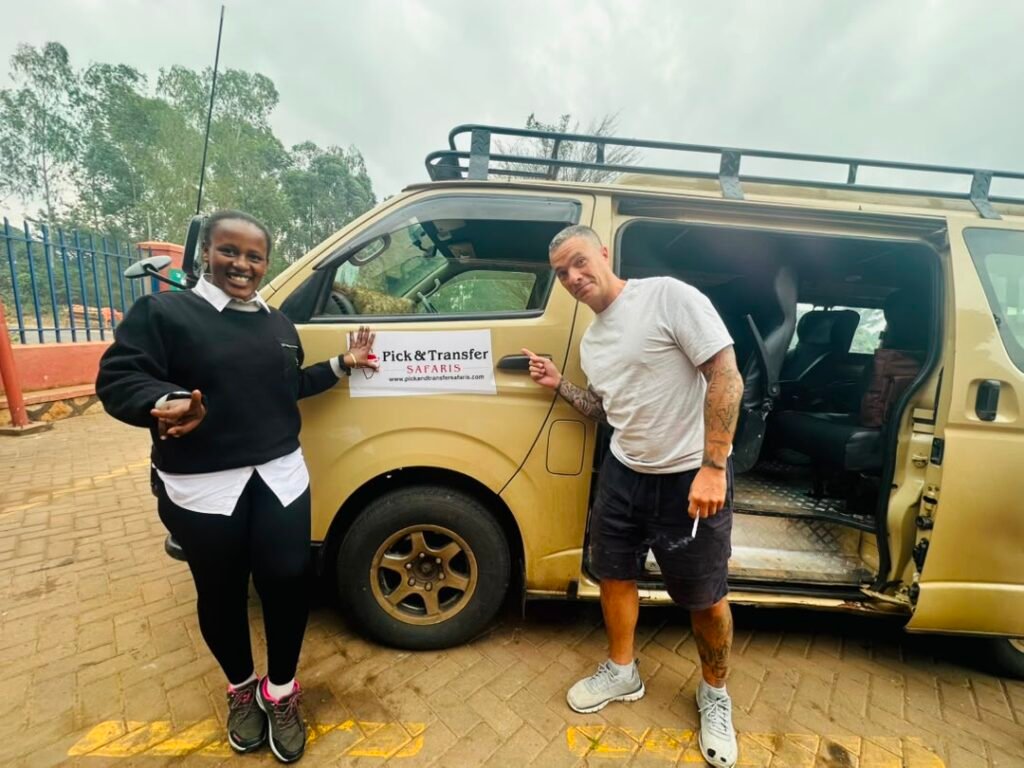
Combining gorilla trekking with a Big Five safari well requires more than simply stringing two activities together on a calendar — it requires understanding permit timing, seasonal road conditions, sensible pacing between physically demanding and more relaxed days, and which lodges genuinely suit each leg of the route. This is the kind of planning we specialize in at Pick and Transfer Safaris.
We were founded around a simple idea: exploring Uganda and Rwanda should not be out of reach financially for travelers who want a genuine, well-run safari rather than a bare-bones budget trip or an unnecessarily expensive luxury package. Every itinerary referenced in this guide, from the 7 Days Uganda Safari to the 10 Days Uganda Primates and Wildlife circuit, is built with mid-range and budget-conscious travelers in mind, without cutting corners on the quality of guiding, vehicles, or lodge selection.
Because we are based in the region, with an office along the Kabale–Kisoro road at the doorstep of Bwindi and Mgahinga, we track gorilla permit availability, seasonal park access, and road conditions directly rather than relying on secondhand information. We also offer flexible entry points — whether you are flying into Entebbe, Uganda, or Kigali, Rwanda — and can tailor any of the itineraries in this guide to your available dates, fitness level, and budget. For travelers who prefer full independence on the road, we also operate a dedicated self-drive safari service, giving you the option of a guided trip, a self-drive adventure, or a hybrid of the two.
Part of what makes us different is what happens after the safari itself: a portion of our profits goes directly toward supporting local community and orphan-care projects in the areas where we operate, so that the revenue from your trip continues to benefit the region long after you have gone home. Whether you are planning a short 4-day highlights trip or the full 10-day circuit through gorillas, chimpanzees, and the complete Big Five, our team can help you build an itinerary that fits your time frame and turns two of Africa’s greatest wildlife experiences into a single, seamless journey.
Frequently Asked Questions
Can I really see gorillas and the Big Five on the same trip? Yes. Uganda is one of the few countries where this is realistically possible within a single, relatively short overland itinerary, typically anchored around Bwindi or Mgahinga for gorillas and Queen Elizabeth National Park (with an optional Murchison Falls and Ziwa Rhino Sanctuary extension) for the Big Five.
How many days do I need? A minimum of 4–5 days can technically cover both, but 7–10 days allows a far more comfortable pace, room for a boat cruise, and time to add chimpanzee tracking or a rhino tracking stop. Our 7 Days Uganda Safari and 10 Days Uganda Primates and Wildlife itineraries are built specifically around this balance.
Do I need to book gorilla permits far in advance? Yes, ideally 3–6 months ahead for peak season travel (June–September, December–February), since permits per family per day are strictly limited.
Is gorilla trekking physically difficult? It can be. Terrain is steep, sometimes muddy, and treks can last several hours. Porters can be hired at the trailhead to help, and travelers with fitness concerns can request an easier trailhead sector or a shorter typical trek time where possible.
Can I see rhinos in Uganda? Yes, but only at Ziwa Rhino Sanctuary, a dedicated reintroduction site between Kampala and Murchison Falls National Park, since Uganda’s wild rhino population went extinct decades ago and has not yet been reintroduced into the national parks themselves.
Should I start my trip from Entebbe or Kigali? Either works well. Entebbe suits travelers focused mainly on Uganda; Kigali is often more convenient for international flight connections and shortens the drive to Bwindi and Mgahinga considerably, which is why we offer several gorilla safaris starting from Rwanda.
Can this trip be combined with Rwanda’s own Big Five park? Yes. Longer itineraries such as our 15 Days Rwanda Uganda Safari add Akagera National Park in Rwanda, giving travelers gorilla trekking plus two separate Big Five circuits across two countries.
What is the best age for children to join this kind of trip? Uganda Wildlife Authority sets a minimum age of 15 for gorilla trekking, largely for the gorillas’ own health protection, since young children are more likely to be carrying common colds or other illnesses. Big Five game drives, by contrast, have no strict minimum age and tend to work well for families with children of almost any age, which is why some families choose to split the group, with older teens and adults trekking while younger children enjoy an extra game drive or a lodge-based activity that day.
Is it better to book gorilla trekking and the Big Five safari as one combined package, or separately? Booking as a single combined itinerary is almost always more efficient and often more affordable, since it avoids duplicate transfers, allows one operator to coordinate permit dates against lodge and vehicle availability, and typically works out cheaper per day than two shorter, separately booked trips.
Will I definitely see lions, elephants, and gorillas? Gorilla sightings are effectively guaranteed once trekking begins, since rangers track each family’s location daily before groups set out, and virtually all treks succeed in finding their assigned family. Big Five sightings on a game drive are never 100% guaranteed, since these are genuinely wild animals in an open landscape, but lion, elephant, and buffalo sightings are highly likely across a 2–3 day stay in Queen Elizabeth or Murchison Falls National Park, particularly with an experienced local guide.
How far in advance should I start planning? For peak season travel (June–September or December–February), start planning at least 4–6 months ahead to secure gorilla permits and preferred lodges. For shoulder or low season travel, 2–3 months is usually sufficient, though earlier is always safer for a trip involving multiple parks and permit-dependent activities.
Why This Is the Trip to Book
Few destinations on earth let you experience two of Africa’s most iconic wildlife encounters — a face-to-face meeting with a mountain gorilla family and a classic Big Five game drive — within a single, well-organized trip. Uganda’s geography, its network of accessible national parks, and its comparatively affordable permit and lodging costs make it arguably the best base on the continent for exactly this kind of combined adventure.
Whether you have four days or two weeks, whether you are flying into Entebbe or Kigali, and whether you want a fast-paced highlights trip or a slow, immersive circuit through western Uganda’s forests and savannahs, there is a route that fits. Explore our full range of Gorilla Safaris and Wildlife Safaris, browse our Destinations page to see each park in more detail, or get in touch with our team to start building a gorilla-and-Big-Five itinerary tailored to your budget, travel dates, and sense of adventure. At Pick and Transfer Safaris, we plan — you explore.