- LET'S PLAN YOUR SAFARI
- +256 200 921 002
- +256 793 194 703
- info@pickandtransfersafaris.com

Starting my Gorilla Safari in Uganda from Kigali
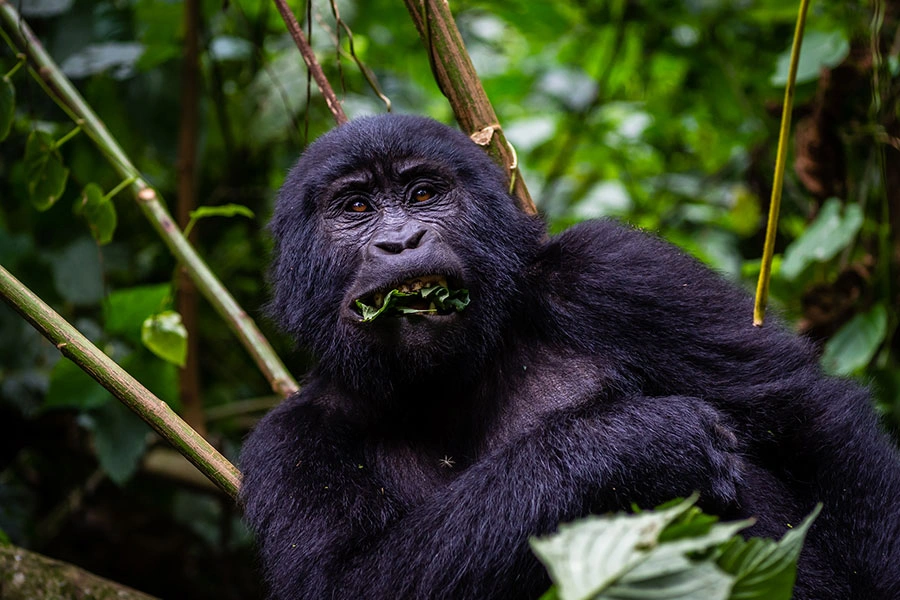
If you’ve landed on this page, you’ve likely already made one of the smartest decisions in Uganda gorilla safari planning: starting your trip from Kigali rather than Entebbe. It’s a choice more and more travelers are making, and for good reason — Rwanda’s capital sits far closer to Uganda’s gorilla parks than Uganda’s own international airport does, which means less time on the road and more time actually doing what you came for. Starting my Gorilla Safari in Uganda from Kigali offers unparalleled convenience.
But starting a Uganda safari from a different country’s capital naturally raises questions. How does the border crossing actually work? Which visa do you need? How long does the drive really take? Which trip length suits your schedule? This guide answers all of it, walking through everything involved in planning and executing a Uganda gorilla safari that begins and ends in Kigali, Rwanda, ensuring you are well-prepared for your journey starting my Gorilla Safari in Uganda from Kigali.
Why Kigali Has Become the Preferred Gateway
The logic behind starting a Uganda gorilla safari from Kigali comes down to simple geography. Uganda’s two gorilla trekking parks, Bwindi Impenetrable National Park and Mgahinga Gorilla National Park, both sit in the country’s extreme southwest corner, tucked against the Rwanda and Congo borders. Uganda’s main international airport, Entebbe, sits on the opposite side of the country near Kampala, meaning the drive from Entebbe to Bwindi or Mgahinga typically takes nine to eleven hours.
Kigali International Airport, by contrast, sits only a few hours from the same parks. The drive from Kigali to Mgahinga typically takes two to three hours, while the drive to Bwindi’s various trekking sectors generally takes three to five hours depending on which sector your permit is allocated to. For travelers whose primary goal is gorilla trekking rather than a broader Uganda itinerary, this difference in transfer time is often decisive.
Beyond the shorter drive, Kigali offers its own advantages as a starting point: a well-connected international airport with direct flights from Europe, the Middle East, and increasingly North America, a clean, safe, and easy-to-navigate capital city, and the option to combine your Uganda gorilla trek with Rwanda’s own attractions — Volcanoes National Park, Akagera National Park, or Kigali’s genocide memorial and cultural sites — without needing to fly in and out of two separate countries. Our Uganda Safaris Starting from Rwanda collection was built specifically around this growing preference for Kigali-based itineraries.
The experience of starting my Gorilla Safari in Uganda from Kigali gives travelers easy access to both Ugandan parks and Rwandan attractions, making it a unique and fulfilling adventure.
Kigali International Airport: What to Expect on Arrival
Kigali International Airport (KGL) is modern, efficient, and generally easy for first-time visitors to navigate, particularly compared to some of the region’s busier airports. Most nationalities can obtain a Rwanda visa on arrival or through an online application beforehand, and the process at immigration is typically straightforward provided your documentation is in order.
If your gorilla safari itinerary begins the same day you land, it’s worth building in a reasonable buffer between your flight’s scheduled arrival and your safari departure time, particularly for early-morning trekking itineraries that require a pre-dawn pickup. International flight delays are common enough that scheduling your first gorilla trek for the day immediately after arrival, rather than the day of arrival itself, is generally the safer choice, especially if your itinerary involves the tighter timing of a one- or two-day trip.
Most operators offer a private airport pickup as part of their package, meeting you directly at arrivals with a name board and transferring you either to a Kigali hotel for the night or straight toward the border, depending on your specific itinerary’s timing. Confirming this pickup detail — the exact meeting point, the driver’s contact information, and what happens if your flight is delayed — before you depart is one of the simplest ways to start your safari with confidence rather than confusion.
The Two Border Crossings: Cyanika and Katuna
Every Kigali-based Uganda gorilla safari involves crossing an international land border at some point, and understanding the two main crossing options in advance removes much of the uncertainty first-time travelers feel about this part of the trip. Cyanika, near Kisoro, is the crossing used for virtually all trips heading to Mgahinga Gorilla National Park and the southern sectors of Bwindi, such as Rushaga and Nkuringo. Katuna, further east near Kabale, tends to serve itineraries heading toward Bwindi’s other sectors, though route choice ultimately depends on your specific trekking sector and operator.
Both crossings are generally efficient and well used by tour operators experienced in cross-border logistics, and the process itself typically involves a straightforward exit stamp on the Rwanda side followed by an entry stamp on the Uganda side, or the reverse on your return journey. Travelers using the East African Tourist Visa, which permits multiple entries between Uganda and Rwanda under a single application, often find this crossing considerably simpler than managing two separate single-entry visas.
Kenlink Tours’ overview of starting a trip from Rwanda to Uganda walks through both crossings in more detail, and their piece on a Uganda gorilla safari starting from Kigali breaks down the exact distances and road conditions for each route, which is worth reviewing regardless of which operator you ultimately book with.
Visa Requirements for Starting in Rwanda, Trekking in Uganda
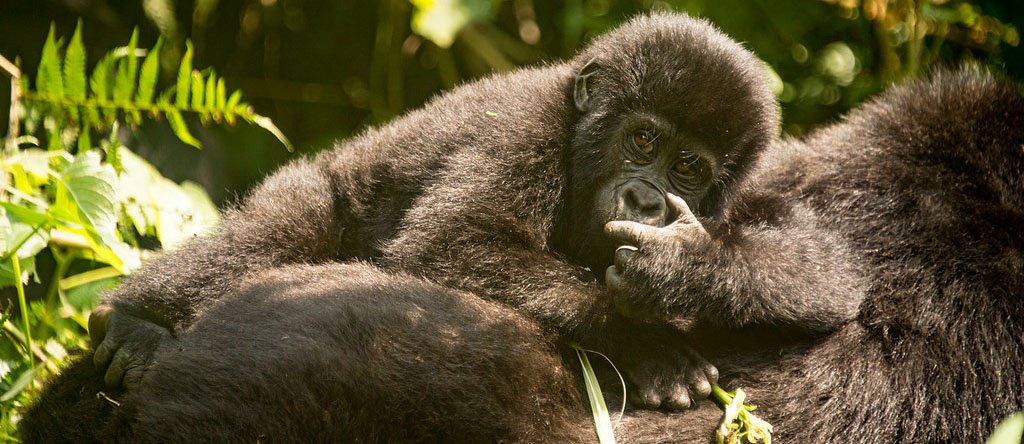
Because a Kigali-based Uganda gorilla safari involves entering two countries, understanding the visa requirements for both is essential before you book flights. Most nationalities need a visa for Rwanda, generally available on arrival or through an online application, and a separate visa for Uganda, which can be obtained online in advance or, for many nationalities, on arrival at a land border crossing.
The East African Tourist Visa is specifically designed to simplify exactly this kind of cross-border itinerary. It covers Rwanda, Uganda, and Kenya under a single application, allows multiple entries between the three countries, and is typically valid for 90 days from issuance. For travelers planning a Kigali-based gorilla safari, particularly a same-day or short cross-border trip, this visa is generally the simpler and more cost-effective option compared to arranging two separate single-entry visas.
A yellow fever vaccination certificate is also required for entry into Uganda, and it’s worth carrying a physical copy of this document alongside your passport, since border officials at land crossings sometimes request to see it directly. Confirming all of your visa and health documentation well before departure, rather than assuming it can be sorted out at the border, prevents one of the most common sources of stress on a Kigali-based itinerary.
Choosing Your Trip Length from Kigali
One of the genuine advantages of starting your Uganda gorilla safari from Kigali is the sheer range of trip lengths available, from a single intense day to a full week or more combining Uganda and Rwanda’s wildlife destinations. Understanding your options helps you match the trip to your actual schedule rather than defaulting to whatever the first search result suggests.
A one-day itinerary is the fastest option, crossing into Uganda, trekking, and returning to Kigali the same day — ideal for travelers with genuinely no room for an overnight stay. A two-day version removes the same-day round-trip pressure by adding one night near the park, offering a noticeably more relaxed pace for a modest increase in trip length. A three-day itinerary opens up access to Bwindi’s wider range of trekking sectors rather than Mgahinga’s single habituated family, giving travelers more permit flexibility. Longer itineraries, from five days upward, allow travelers to combine gorilla trekking with chimpanzee tracking, golden monkey trekking, or a broader wildlife safari across multiple parks.
Our 1 Day Uganda Gorilla Safari Starting from Kigali, 2 Days Uganda Gorilla Tour Starting from Kigali, and 3 Days Uganda Gorilla Safari from Rwanda cover the most common short-trip formats, while our 5 Days Uganda Gorilla and Chimps Safari starting from Rwanda extends into a fuller primate-focused itinerary for travelers with more time to work with.
Bwindi vs Mgahinga When Starting from Kigali
A question nearly every Kigali-based traveler eventually faces is which Uganda gorilla park to trek in — Bwindi Impenetrable National Park or Mgahinga Gorilla National Park. Both are reachable from Kigali, but they suit different itineraries and priorities.
Mgahinga sits closer to the Cyanika border, making it the only realistic choice for a genuine same-day round trip, and it hosts a single habituated gorilla family alongside the bonus option of golden monkey trekking. Bwindi sits somewhat further from Kigali, generally requiring at least a two- or three-day itinerary to reach comfortably, but it offers access to four separate trekking sectors and a much larger number of habituated gorilla families, which often translates into better permit availability, particularly during peak booking periods.
For travelers with only a single day, Mgahinga is effectively the only option. For travelers with two or more days, the choice becomes more genuinely open, and factors like permit availability on your specific travel dates, your interest in golden monkey trekking, and your preferred trekking terrain all come into play. Our Mgahinga Gorilla National Park and Bwindi Impenetrable National Park destination guides lay out the differences in more detail to help you decide.
Booking Your Gorilla Permit from Kigali
Regardless of which park or trip length you choose, a gorilla permit issued by the Uganda Wildlife Authority is mandatory, and booking it correctly is the single most important step in planning a Kigali-based safari. The permit costs USD 800 for foreign non-residents, grants access to one specific habituated gorilla family on one specific date, and is strictly capped at eight visitors per family per day.
Because permits are allocated by date and sector rather than by nationality or starting point, there’s no difference in the booking process itself between a Kigali-based itinerary and an Entebbe-based one — the only difference is which park and sector make logistical sense given your route. What does matter is booking early, particularly for Mgahinga’s single-family allocation or Bwindi’s more popular sectors during July through September and the December holiday period, when demand consistently outpaces available permits.
Most operators handle the full permit reservation on your behalf as part of the booking process, typically requiring the permit cost as part of your deposit once dates are confirmed. It’s worth confirming this specific detail with whichever operator you choose, since a Kigali-based itinerary’s tight cross-border timing leaves little room to discover a permit issue close to your travel dates.
What a Typical Kigali-Based Itinerary Looks Like
While the specifics vary by trip length, most Kigali-based gorilla safaris follow a similar underlying structure. Your trip begins with an airport pickup in Kigali, followed by either an immediate departure toward the border (for same-day itineraries) or an overnight stay in Kigali before setting off the following morning. The drive to the border and onward to your trekking park follows, with the exact duration depending on whether you’re heading to Mgahinga or Bwindi.
Trekking day itself follows the same format regardless of starting point: an early briefing at park headquarters, a trek lasting anywhere from one to seven hours depending on the gorilla family’s location, and a single regulated hour observing the family once trackers locate them. For multi-day itineraries, additional days might include a second trekking activity, a cultural visit, or simply rest and recovery time before the return journey to Kigali.
The trip concludes with a transfer back across the border and on to Kigali, either for a same-day return or an additional night before your onward flight. Throughout the entire itinerary, a good operator manages every border crossing, permit confirmation, and transfer detail, so that your only real responsibility is showing up prepared and ready to trek.
Where to Stay in Kigali Before and After Your Trek
Kigali offers a wide range of accommodation options, from budget guesthouses to internationally branded hotels, making it easy to find a comfortable base regardless of your overall trip budget. For travelers on a one-day itinerary with a pre-dawn departure, choosing a hotel reasonably close to your pickup route, rather than one deep in traffic-heavy parts of the city, can save valuable time on an already tight schedule.
For travelers spending a night or two in Kigali before or after their Uganda trek, it’s worth considering hotels that offer flexible early breakfast options or packed breakfasts for guests departing before standard service hours, given how common pre-dawn departures are across nearly every Kigali-based gorilla itinerary. Many travelers also use a Kigali stay at the end of their trip specifically for rest and recovery after a physically demanding trek, before facing a long-haul flight home.
If your itinerary includes any time in Kigali beyond a simple overnight stay, it’s worth building in at least a half-day to explore the city itself — the Kigali Genocide Memorial, in particular, is widely regarded as an essential, if sobering, part of understanding Rwanda’s modern history, and most travelers find it a meaningful addition to an otherwise wildlife-focused trip.
Combining Rwanda Experiences with Your Uganda Trek
Because your trip already begins and ends in Kigali, it makes practical sense to consider whether a Rwanda-based activity belongs in your itinerary alongside your Uganda gorilla trek. Rwanda’s own Volcanoes National Park offers gorilla trekking within the same broader Virunga population, and some travelers choose to trek in both countries on the same trip specifically to compare Uganda’s denser Bwindi-style forest against Rwanda’s gentler volcanic terrain.
Beyond gorilla trekking itself, Akagera National Park, Rwanda’s only savannah park, offers classic big-game viewing and boat safaris within a relatively short drive of Kigali, while Nyungwe Forest National Park provides excellent chimpanzee tracking and canopy walks for travelers who want a primate experience beyond gorillas alone. Our 2 Days Volcanoes Gorilla Trek from Kigali and 2 Days Nyungwe Chimps Tracking Trip both work well as standalone add-ons or as extensions to a longer Uganda-based itinerary.
Kenlink Tours’ overview of Uganda Rwanda connecting safaris offers a useful second perspective on how these cross-border combinations typically get structured, particularly for travelers weighing how much time to allocate to each country within a single trip.
Packing List for a Kigali-Based Gorilla Safari
Packing correctly matters more on a Kigali-based itinerary than it might on a domestic Uganda trip, since a same-day or short cross-border crossing offers little opportunity to sort out a gear gap once you’re on the road. Sturdy, broken-in hiking boots with good ankle support are essential regardless of which park you trek in, since both Bwindi and Mgahinga involve uneven, occasionally slippery terrain.
A waterproof, breathable rain jacket belongs in every daypack, since mountain weather in this region can shift quickly regardless of season. Long sleeves and trousers in neutral colors protect against stinging nettles and biting insects, and lightweight trekking or gardening gloves make a noticeable difference on steep, vegetation-heavy sections. Beyond trekking gear, it’s worth packing all of your travel documents — passport, visa confirmation, yellow fever certificate, and permit confirmation — together in one easily accessible bag, since you’ll need quick access to them at each border crossing.
Cash in small denominations, in both US dollars and local currency, is worth carrying for tipping rangers, trackers, porters, and drivers, since ATM access can be limited once you’re away from Kigali itself.
Health and Fitness Requirements
Gorilla trekking is physically demanding, and starting your safari from Kigali doesn’t change the underlying fitness requirements of the trek itself, though it does add travel time and, on shorter itineraries, less opportunity to rest before or after. Visitors displaying symptoms of a cold, flu, or other communicable illness may be asked to sit out their trek, since gorillas are highly susceptible to human respiratory infections.
A yellow fever vaccination certificate is required for entry into Uganda, and travelers should consult a travel health clinic regarding malaria prophylaxis and any other destination-specific health advice well before departure. Physical fitness matters more on same-day or two-day itineraries specifically, since the combination of long transfer times and the trek itself asks more of your stamina than a longer, more leisurely itinerary would. Travelers with any mobility concerns should discuss their specific itinerary honestly with their operator when booking, since trip length and pacing can often be adjusted to better suit individual fitness levels.
Costs: Budgeting a Kigali-Based Uganda Gorilla Safari
A Kigali-based gorilla safari’s total cost depends heavily on trip length and accommodation tier, but a few core costs remain consistent regardless of how you structure your trip. The Uganda gorilla permit itself costs USD 800 per person and represents the single largest fixed cost on any itinerary. Ground transportation in a private 4×4 vehicle, along with a professional driver-guide, typically forms the second major cost, and this expense is generally similar whether you’re trekking for one day or five, since the vehicle and driver are engaged for the full trip regardless of length.
Accommodation costs scale with both your trip length and your chosen tier, from budget guesthouses to luxury eco-lodges, and represent the most flexible line item in your overall budget. Visa fees, travel insurance, tips, and any optional add-on activities such as golden monkey trekking or a cultural visit round out the remaining costs.
Because fixed costs like the permit and vehicle hire are spread across fewer days on a short itinerary, the per-day cost of a one- or two-day Kigali-based trip tends to be higher than a longer itinerary, even though the total trip cost is lower. Understanding this trade-off helps set realistic expectations when comparing quotes across different trip lengths.
Choosing a Tour Operator for Cross-Border Logistics
Because a Kigali-based Uganda gorilla safari involves an international border crossing, choosing an operator with genuine cross-border experience matters more than it would for a purely domestic Uganda itinerary. Look specifically for operators who can clearly explain their border crossing process, confirm they handle permit reservations directly with the Uganda Wildlife Authority, and provide transparent pricing that separates the permit fee from transportation, accommodation, and other costs.
It’s also worth asking directly how an operator handles contingencies — what happens if your flight into Kigali is delayed, if the border crossing takes longer than expected, or if your gorilla trek runs significantly longer than planned. A well-prepared operator will have clear answers to all of these questions rather than vague reassurances, and this clarity is often the best indicator of how smoothly your actual trip will run.
At Pick and Transfer Safaris, we specialize specifically in this Kigali-to-Uganda routing, having built our short and medium-length gorilla safari itineraries around exactly this cross-border logistics chain. You can learn more about our approach and experience on our About Us page.
Common Mistakes First-Timers Make
A handful of avoidable mistakes tend to complicate Kigali-based gorilla safaris more often than any other type of Uganda trip. The most common is booking flights before confirming permit availability, which can leave travelers with confirmed Kigali arrival and departure dates but no available permit for their chosen park and dates. Always confirm permit availability, or at minimum verify it directly with your operator, before finalizing flights.
A second common mistake is underestimating border crossing and transfer times when planning connecting flights or onward travel, particularly on same-day or two-day itineraries where the schedule is already tight. Building in a buffer day, where your travel schedule allows it, significantly reduces stress if any part of the day runs longer than expected.
A third mistake is failing to research visa requirements for both countries in advance, assuming a Rwanda visa alone will suffice for the full trip. And finally, some first-time travelers underestimate the physical demands of the day, particularly on one- and two-day itineraries that combine early starts, cross-border travel, and a genuinely strenuous trek all within a compressed timeframe — arriving well-rested and realistically prepared makes a meaningful difference to how the entire experience feels.
Best Time of Year to Start from Kigali
Uganda’s gorilla trekking parks operate year-round, and this holds true regardless of whether you’re starting your trip from Kigali or Entebbe. The two dry seasons, roughly December through February and June through September, offer the firmest trekking conditions and the most predictable road conditions for border crossings, making them the most popular booking windows, particularly for shorter itineraries where there’s little room to absorb weather-related delays.
The rainier stretches, roughly March through May and October through November, bring muddier trails but often easier permit availability and better lodge rates, making them worth considering for travelers with flexible dates. Because Kigali-based itineraries frequently involve tighter timing than longer Entebbe-based trips, many travelers specifically favor the drier months to minimize the risk of unexpected delays affecting an already tightly scheduled cross-border day.
Regardless of season, booking your permit and confirming your itinerary well in advance remains the single most important factor in a smooth Kigali-based gorilla safari, particularly given how quickly Mgahinga’s single-family permit allocation and Bwindi’s most popular sectors can sell out during peak periods.
Money Matters: Currency, Cards, and Cash Across the Border
Handling money across two countries is a detail first-time travelers often overlook until it becomes an inconvenience. Rwanda uses the Rwandan franc, while Uganda uses the Ugandan shilling, and both countries widely accept US dollars for tourism-related expenses, particularly gorilla permits, lodge bills, and larger purchases. That said, US dollar bills need to be recent, clean, and undamaged — both countries’ banks and vendors are notably strict about rejecting older or worn notes, so it’s worth requesting newer bills specifically when withdrawing or exchanging currency before your trip.
ATMs are widely available in Kigali and generally reliable, but they become considerably sparser once you’re near the Uganda border and inside the national parks themselves. It’s wise to withdraw enough cash in Kigali to cover your entire trip, including tips, before you depart, rather than assuming you’ll find a working ATM somewhere along the route. Credit cards are accepted at many hotels and lodges in Kigali and at some of the larger lodges near Bwindi and Mgahinga, but cash remains essential for tipping, small purchases, and any unexpected expenses along the way.
Because your itinerary spans two currencies, many travelers find it simplest to carry a mix of US dollars for larger expenses like tips and permit-related costs, alongside a smaller amount of local currency in both Rwandan francs and Ugandan shillings for day-to-day purchases on either side of the border.
A First-Timer’s Day-by-Day Walkthrough
For travelers who have never crossed an international border as part of a wildlife safari, walking through a typical multi-day Kigali-based itinerary in sequence can make the whole process feel considerably less daunting. On arrival day, your driver-guide meets you at Kigali International Airport and transfers you to your hotel, where you’ll typically receive a briefing covering the following day’s schedule, border crossing expectations, and a final packing check.
On trekking day, an early departure — often before dawn for shorter itineraries — takes you toward the Cyanika or Katuna border crossing, where your guide manages the immigration paperwork on both sides while you simply present your documents as needed. Once through, the drive continues to your chosen park’s headquarters, where you’ll join the standard morning briefing before setting off into the forest with rangers and trackers.
Following the trek and your hour with the gorilla family, most itineraries include a return to a nearby lodge for rest and a hot meal, or, for same-day trips, an immediate return journey back across the border to Kigali. For multi-day itineraries, subsequent days might include a second activity such as golden monkey trekking, a cultural visit, or simply a relaxed morning before beginning the return journey. This same basic rhythm — border, briefing, trek, return — repeats in slightly different forms across nearly every trip length covered in this guide.
Cultural Experiences to Add Onto Your Kigali-Based Trip
Because your itinerary already involves meaningful travel time between Kigali and Uganda’s gorilla parks, it’s worth considering which cultural experiences might fit naturally into your route rather than requiring significant extra time. On the Rwanda side, the Kigali Genocide Memorial offers a profound, if sobering, introduction to the country’s modern history, and most travelers who visit describe it as one of the most meaningful parts of their entire trip, wildlife included.
Closer to the Uganda border, near both Bwindi and Mgahinga, Batwa community visits offer a window into the forest-dwelling communities who lived across this region for generations before the national parks were established. These guided walks and cultural performances, often built directly into two- and three-day itineraries, provide income for former Batwa communities while sharing traditional knowledge of forest medicine, hunting techniques, and storytelling that predates the conservation-focused tourism industry entirely.
For travelers with slightly more time, Iby’Iwacu Cultural Village near Rwanda’s Volcanoes National Park offers a similar cultural immersion experience on the Rwanda side, often combined with a Volcanoes gorilla trek for travelers extending their Kigali-based trip to include both countries’ primate experiences. None of these additions require significant restructuring of a standard itinerary, making them worth discussing with your operator as a way to add depth to an otherwise wildlife-focused trip.
Booking Timeline: When to Start Planning
Because Kigali-based gorilla safaris often involve tighter scheduling than domestic Uganda trips, particularly for one- and two-day itineraries, starting the planning process early pays real dividends. For travel during peak season — roughly July through September and the December holiday period — aim to confirm your permit and overall itinerary at least three to four months in advance, particularly if you’re trekking in Mgahinga, where a single habituated family means less flexibility if your first-choice date is unavailable.
For shoulder or low season travel, six to eight weeks’ notice is often sufficient, though earlier remains safer given how many moving pieces a cross-border itinerary involves. Flights into Kigali should ideally be booked only after your permit is confirmed, not before, since permit availability is the one element of your trip least within your control and most likely to force a date change if left until the last minute.
Once your permit and flights are confirmed, the remaining planning — accommodation, visa applications, and final packing preparations — typically takes considerably less lead time, meaning the permit itself is genuinely the linchpin around which the rest of your Kigali-based itinerary should be built.
Safety Considerations for a Cross-Border Safari
Travelers occasionally ask whether crossing an international border as part of a wildlife safari introduces meaningful safety concerns, and the honest answer is that both Rwanda and Uganda are well-established, tourist-friendly destinations with border crossings used daily by tour operators, and the process itself is considerably more routine than it might sound to a first-time visitor. That said, a few sensible precautions apply to any cross-border trip.
Keep your passport, visa documentation, and any permit confirmations in a single, easily accessible bag rather than distributed across multiple pieces of luggage, since you’ll need quick access to them at each crossing. Avoid carrying large amounts of cash loosely, and instead keep it secured in a money belt or similarly discreet location, particularly during the border crossing itself when you’re naturally more distracted by paperwork and logistics. Comprehensive travel insurance that includes medical evacuation coverage is strongly recommended for any Uganda gorilla trekking itinerary, given both the physical demands of the activity and the relatively remote location of the parks relative to major hospitals.
Beyond these standard precautions, the single best safety measure for a Kigali-based gorilla safari is simply choosing an experienced, reputable operator who handles this specific cross-border route regularly, since familiarity with the crossing, the roads, and the local logistics reduces the kind of uncertainty that tends to create genuine safety risk on unfamiliar routes.
Comparing Package-Based vs. Custom Itineraries
Travelers planning a Kigali-based gorilla safari generally choose between two approaches: booking a fixed, pre-designed package, or working with an operator to build a fully custom itinerary from scratch. Fixed packages, like the specific trip lengths covered throughout this guide, offer the advantage of clear, upfront pricing and a proven itinerary structure that’s already been refined based on previous travelers’ experiences.
Custom itineraries offer more flexibility, allowing you to adjust trip length, swap activities, choose specific lodges, or combine elements from multiple standard packages into something tailored precisely to your schedule and interests. This flexibility comes with a trade-off: custom itineraries typically require more advance planning time and back-and-forth communication with your operator before dates and pricing are finalized.
For most first-time travelers, starting with a fixed package and requesting specific adjustments — an extra night, a different lodge tier, an added cultural activity — tends to strike the best balance between planning simplicity and personalization. Nearly every itinerary referenced throughout this guide can be adjusted in exactly this way once you’ve shared your priorities and travel dates directly with our team.
What the Gorilla Encounter Itself Actually Feels Like
After all the planning, permits, and border logistics, it’s worth pausing on the part of the trip that actually matters most: the hour you spend with the gorillas themselves. Regardless of which park you trek in or how you got there, the encounter follows a similar rhythm. Once trackers locate the family, rangers guide your group forward quietly, and you leave backpacks and walking sticks behind for the final approach.
What follows tends to surprise even well-prepared travelers. The scale of a full-grown silverback, often weighing over 400 pounds, is genuinely startling at close range, and the family’s social behavior — juveniles wrestling and playing, mothers grooming infants, the silverback occasionally beating his chest to assert dominance — unfolds with a naturalness that no wildlife documentary fully captures. Many travelers describe the hour passing far faster than expected, and it’s common to feel a mix of adrenaline, awe, and unexpected emotion once the encounter concludes.
This is, ultimately, the reason so much planning goes into a trip that, on paper, revolves around a single hour. The border crossings, the permits, the early mornings, and the physical exertion of the trek all exist in service of that hour, and travelers who arrive well-prepared, both logistically and mentally, tend to find it lives up to — and often exceeds — the expectations that brought them to Kigali in the first place.
Traveling Responsibly on Your Kigali-Based Safari
Every gorilla permit fee directly funds conservation and community development around Uganda’s national parks, but responsible tourism extends beyond the permit itself. Choosing an operator who pays fair wages to guides, porters, and drivers, respects UWA’s trekking guidelines strictly, and genuinely supports the communities surrounding Bwindi and Mgahinga ensures that more of your trip’s value reaches the people and conservation efforts that make this experience possible in the first place.
Simple choices during your trip reinforce this same principle: hiring a local porter for your trek, purchasing crafts or supporting cultural visits organized by former Batwa communities, and tipping fairly for the genuine skill and effort that rangers and trackers bring to every trek. None of these add significant cost or complexity to your itinerary, but collectively they shape whether gorilla tourism continues to function as the conservation success story it has become over the past several decades.
At Pick and Transfer Safaris, this commitment shapes how we design every itinerary in this guide, from the operators and lodges we work with to the ongoing community projects we support around the parks our travelers visit.
Frequently Asked Questions
Is it cheaper to start my Uganda gorilla safari from Kigali than from Entebbe? The gorilla permit fee itself is identical regardless of starting point, but a Kigali-based itinerary generally reduces overall transfer time and can lower transportation costs on shorter trips, since you’re not covering the much longer distance from Entebbe.
Do I need two separate visas to start my trip in Kigali and trek in Uganda? In most cases, yes, unless you obtain the East African Tourist Visa, which covers both Rwanda and Uganda under a single application and simplifies exactly this kind of cross-border itinerary.
How early should I arrive in Kigali before my gorilla trek? For same-day or next-morning departures, it’s generally safer to arrive in Kigali at least one full day before your trek begins, rather than scheduling a trek for the same day as an international flight arrival.
Can I trek in both Uganda and Rwanda on the same Kigali-based trip? Yes. Many travelers combine a Uganda gorilla trek with a separate Rwanda-based trek in Volcanoes National Park, particularly if they want to compare the two countries’ trekking terrain directly.
What’s the best trip length for a first-time Kigali-based gorilla safari? For most first-time travelers, a two- or three-day itinerary offers the best balance between a manageable trip length and a comfortable, unhurried pace, though a one-day trip remains available for those with genuinely no additional time to spare.
Is Mgahinga or Bwindi better for a Kigali-based safari? Mgahinga is the only realistic choice for a same-day round trip due to its proximity to the Cyanika border, while Bwindi suits travelers with two or more days who want access to a wider range of trekking sectors and habituated gorilla families.
Can I fly directly from Kigali to a domestic airstrip near the parks instead of driving? Some operators can arrange chartered flights to airstrips near Kisoro, close to both Bwindi and Mgahinga, which can shorten your ground transfer time considerably, though this typically adds cost compared to a standard road transfer and is more commonly used on longer, higher-budget itineraries.
What currency should I bring for tipping across two countries? US dollars, in clean, recent bills, are widely accepted for tipping on both sides of the border and are generally the simplest option, though carrying some local currency in both Rwandan francs and Ugandan shillings is useful for smaller day-to-day expenses.
Do I need a different operator for the Rwanda and Uganda portions of my trip? No. A single experienced operator can typically manage the entire itinerary, including both countries’ logistics, permits, and border crossings, which is generally simpler and more reliable than coordinating separate operators for each leg.
How do I know if my chosen operator is experienced with this specific route? Ask directly how many Kigali-based Uganda gorilla safaris they run, how they handle the border crossing process, and whether they can walk you through a typical day’s timing in detail. Vague or generic answers are a signal to look elsewhere.
Is it worth extending my trip to include Rwanda’s own gorilla trekking? For travelers who specifically want to compare Uganda and Rwanda’s trekking terrain, or who simply have the extra time and budget, adding a Rwanda-side trek is a natural extension of a Kigali-based itinerary and doesn’t require significant additional cross-border logistics beyond what your Uganda trek already involves.
Ready to Start Planning Your Kigali-Based Gorilla Safari?
Starting your Uganda gorilla safari from Kigali is, for most travelers, the smarter route — shorter transfer times, a well-connected international airport, and the option to combine your trip with Rwanda’s own wildlife and cultural attractions. The logistics of a cross-border safari can feel complicated on paper, but with the right operator managing the permit, the border crossing, and the transfers, the reality is considerably smoother than it sounds.
Whether you’re drawn to a fast one-day trek, a more relaxed two- or three-day itinerary, or a longer combination trip covering both Uganda and Rwanda, the route you’re considering already exists as a well-tested itinerary. Browse our full Gorilla Safaris collection, or reach out directly through our Contact Us page to start planning your Kigali-based Uganda gorilla safari today. Your mountain gorilla encounter is closer than you think — often just a few hours’ drive from where your flight lands.