- LET'S PLAN YOUR SAFARI
- +256 200 921 002
- +256 793 194 703
- info@pickandtransfersafaris.com

3 Days Gorilla Trek Uganda From Kigali
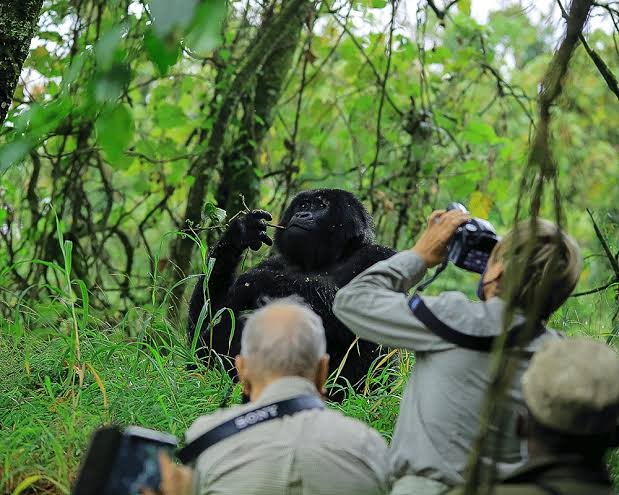
3 Days Gorilla Trek Uganda From Kigali. Three days. That’s all it takes to fly into Kigali, cross into Uganda, and stand face to face with a wild mountain gorilla family in Bwindi Impenetrable Forest. It sounds almost too efficient to be true, but it’s become one of the most popular ways to experience gorilla trekking precisely because it works so well in practice. This guide walks through what a 3-day gorilla trek in Uganda from Kigali involves, day by day, so you know what to expect before you book — the driving, border crossing, the trek itself, costs, and the small details that make the difference between a rushed trip and a genuinely memorable one.
Why a 3-Day Gorilla Trek from Kigali Hits the Sweet Spot
Experience the 3 Days Gorilla Trek Uganda From Kigali
Of all the short gorilla safari options available from Kigali, the 3-day version tends to be the one most travelers choose. The 1-day option is thrilling but relentless — an early departure, a long trek, and a late return, all in a single stretch with no room for delay. The 2-day version softens that, but still keeps things tight. Three days adds just enough slack to turn the trip from an endurance exercise into an actual travel experience: a relaxed drive in on day one, a full trekking day with time to recover afterward on day two, and a return journey on day three that doesn’t feel like a mad dash back to the airport.
That extra breathing room matters more than it might seem. Mountain roads, border formalities, and unpredictable East African weather can all introduce small delays, and a 3-day itinerary has enough built-in slack to absorb them without jeopardizing your trekking slot. It also allows for a proper night’s sleep before the physically demanding trek itself, rather than tackling Bwindi’s steep, muddy trails after a pre-dawn drive. For travelers who can spare three days rather than one or two, it’s consistently the itinerary length that delivers the best balance of pace, comfort, and value.
That extra breathing room matters more than it might seem. Mountain roads, border formalities, and unpredictable East African weather can all introduce small delays. A 3-day itinerary has enough built-in slack to absorb them without jeopardizing your trekking slot. It also allows for a proper night’s sleep before the physically demanding trek itself, rather than tackling Bwindi’s steep, muddy trails after a pre-dawn drive.
How the 3-Day Itinerary Is Structured, Day by Day
A typical 3-day gorilla trek from Kigali follows a simple, well-tested rhythm: travel day, trekking day, return day. Day one is dedicated to the overland journey from Kigali to Bwindi. You cross the Rwanda-Uganda border and arrive at your lodge with enough daylight left to settle in and rest. Day two is the main event — an early breakfast, the trekking briefing at park headquarters, the gorilla trek itself, and a free afternoon to recover or explore nearby. Day three retraces the route back to Kigali, often with a stop in Kigali city before a late-afternoon or evening drop-off in time for onward flights.
This structure has become the industry standard for good reason: it’s simple enough to plan around confidently, flexible enough to absorb minor delays, and short enough to fit into almost any traveler’s schedule, whether it’s a standalone trip or an add-on to a longer journey through the region. Below, we break each day down in more detail.
This structure has become the industry standard for good reason: it’s simple enough to plan around confidently, flexible enough to absorb minor delays, and short enough to fit into almost any traveler’s schedule, whether it’s a standalone trip or an add-on to a longer journey through the region. Below, we break each day down in more detail.
Day 1: Kigali to Bwindi — the Journey In
Your first day begins with a mid-morning pickup from your Kigali hotel or the airport, giving you time to settle in the night before if you’ve just landed on a long-haul flight rather than rushing straight from arrivals into a full day of driving. From there, the drive heads southwest through Rwanda’s terraced hills — the scenery alone is worth the trip, with tea plantations, small trading towns, and layered green valleys rolling past the window for much of the journey.
The border crossing, at either Cyanika or Katuna depending on which Bwindi sector you’re headed to, is typically reached in the early afternoon. It’s a routine, well-used crossing for tourism traffic, and your driver-guide handles the paperwork while you step out briefly for passport stamping on each side. From the border, it’s a shorter final stretch to your lodge near the park, arriving with daylight still left to enjoy the surrounding scenery, have dinner, and get an early night ahead of tomorrow’s trek. The full driving day typically runs four to five hours in total, broken up by the border stop and usually a lunch or coffee break along the way.
Day 2: Gorilla Trekking Day in Bwindi Impenetrable Forest
This is the day the entire trip is built around. It starts early, with breakfast at the lodge followed by a short transfer to park headquarters for the trekking briefing, usually around 7:30 or 8:00 a.m. Rangers organize visitors into small groups of no more than eight people, each assigned to a specific habituated gorilla family, and share updates from trackers who have already located the family’s overnight position in the forest.
The trek to see the gorillas varies in length and difficulty, ranging from a thirty-minute walk to a challenging six- or seven-hour round trip through tough terrain. Once at the gorillas, visitors have a strict one-hour to observe their natural behaviors at a respectful distance, which many consider the highlight of their trip. Afterward, travelers can relax at the lodge, enjoy the views, or participate in an optional nearby cultural visit.
Day 3: Return to Kigali — City Time and Departure
Your final day retraces the route back across the border to Kigali. Because there’s no trekking pressure on this leg, the pace is naturally more relaxed, and many itineraries build in a stop in Kigali city — lunch at a local restaurant, a quick visit to a craft market, or a stop at the Kigali Genocide Memorial for travelers who haven’t yet had a chance to see it — before the final drop-off at the airport or your hotel. Timing is arranged around your onward flight, so if you have an evening departure, you’ll typically have a few extra hours in the city; if your flight is earlier, the drive is planned to get you there comfortably in advance.
This final day is also where the value of the 3-day format becomes most obvious in hindsight: rather than a rushed sprint back to catch a flight, it’s an unhurried close to the trip, with enough time built in to reflect on the previous day’s trek and see a bit more of Rwanda’s capital before heading home.
Which Bwindi Sector Is Best for a 3-Day Trip from Kigali
Bwindi Impenetrable National Park is divided into four trekking sectors — Buhoma, Ruhija, Rushaga, and Nkuringo — each with its own habituated gorilla families and its own access road. For travelers coming from Kigali, Rushaga and Nkuringo, in the park’s southern section, are the most practical choice, since they sit closest to the border crossing and shave meaningful time off the overall drive. These two sectors also happen to host some of Bwindi’s largest concentration of habituated families, which generally means better permit availability, particularly during busier months.
Buhoma and Ruhija, in the northern and central parts of the park, are reachable from Kigali as well, but add extra driving time that eats into the relaxed pacing a 3-day trip is meant to offer. A good operator will default to Rushaga or Nkuringo for a Kigali-based itinerary specifically to keep the drive efficient, though it’s worth confirming which sector your permit is booked for in advance, since permits are sector- and family-specific and can’t be swapped on the day.
Mgahinga as an Alternative: A Shorter Drive, Fewer Permits
For travelers who want an even shorter drive, Mgahinga Gorilla National Park is worth considering as an alternative to Bwindi. Sitting directly in the Virunga volcano range shared with Rwanda’s own gorilla park, Mgahinga is the closest Ugandan gorilla trekking destination to Kigali of all, often reachable in well under four hours. Its dramatic volcanic scenery is also genuinely different from Bwindi’s dense rainforest, appealing to travelers who want a change of landscape.
The trade-off is permit availability. Mgahinga typically has only one habituated gorilla family available for trekking at a time, compared to Bwindi’s several families spread across four sectors, so booking early is even more important here than for Bwindi. For a 3-day itinerary specifically, the shorter drive to Mgahinga can free up extra time for a relaxed second day or an additional activity, so it’s worth discussing with your operator whether Bwindi or Mgahinga better suits your priorities.
Gorilla Permits: Cost, Booking, and Availability for 2026
The gorilla permit is the single largest cost of the trip and the item that must be secured furthest ahead of travel. Uganda’s permit currently costs around USD 800 per person, purchased through the Uganda Wildlife Authority, and grants access to one trek and one hour with a habituated gorilla family. Permits are limited daily per family and per sector, and they do sell out — particularly during the June–September and December–February peak seasons — so booking three to six months in advance is strongly recommended, and even earlier for travel during those peak windows.
Because a 3-day Kigali-based itinerary depends on the permit date, the sector, and the cross-border logistics all lining up correctly, this is one part of the trip best left to an experienced local operator rather than attempted independently. Getting the permit booked for the wrong date or sector can unravel an otherwise well-planned itinerary, so confirm your permit booking details in writing before you travel.
Visa and Border Crossing Requirements for This Route
Most travelers can secure visas for Rwanda and Uganda through visa-on-arrival or e-visa systems. The border crossing at Cyanika or Katuna is a well-established route used daily by tourism vehicles. For travelers planning to spend time in both countries, the East Africa Tourist Visa — a single multi-entry visa valid across Rwanda, Uganda, and Kenya — is often the cleanest option, removing the need for two separate visas.
It’s worth confirming current visa requirements for your specific nationality before departure, since rules and fees are updated periodically, and applying for an e-visa in advance where possible reduces any friction on arrival. Your driver-guide will handle the practical logistics of the border crossing itself, but the visa is your own responsibility to sort out ahead of time.
What Makes 3 Days Better Than 1 or 2 Days
It’s worth being direct about the trade-offs between the different Kigali-based itinerary lengths, since the right choice depends entirely on how much time you have. The 1-day Uganda gorilla safari starting from Kigali packs the entire experience — drive, border crossing, trek, and return — into a single very long day, which is remarkable for travelers with almost no spare time, but leaves no margin for delay and can be physically exhausting. The 2-day Uganda gorilla tour starting from Kigali adds one overnight near the park, easing the pressure somewhat while keeping the trip short.
The 3-day version goes a step further by giving both the outbound and return journeys their own dedicated day, rather than compressing travel and trekking together. That means arriving at your lodge rested rather than road-weary, trekking on a fresh morning rather than after a pre-dawn drive, and returning to Kigali at a comfortable pace with time to spare, sometimes with a bit of the city thrown in. For travelers who can spare the extra day, it consistently delivers a noticeably more comfortable and less rushed experience than the shorter alternatives.
How It Compares to Doing the Same Trek from Entebbe
For context, it’s worth comparing this itinerary to the traditional route through Uganda’s main airport. A gorilla trek from Entebbe typically requires a nine- to eleven-hour drive each way to reach Bwindi, which on its own consumes almost the entire length of a 3-day trip, leaving little to no time for the trek itself without extending the itinerary considerably. A comparable Entebbe-based trip covering the same single gorilla trek usually needs four or five days minimum once the extra driving is accounted for.
The Kigali route, by contrast, cuts that drive to roughly four to five hours each way, which is precisely what makes the compact 3-day format possible in the first place. This isn’t an argument against flying into Entebbe altogether — for travelers building a longer, multi-park Uganda safari, an Entebbe-based route often still makes more sense — but for a trip built specifically and only around gorilla trekking, the Kigali route delivers the same core experience in roughly half the time.
Where You’ll Stay: Lodges in Kigali and Near Bwindi
Accommodation shapes the comfort of a 3-day trip almost as much as the drive itself. In Kigali, options range from simple guesthouses to comfortable mid-range hotels and boutique properties, most clustered conveniently near the airport or in the central Kiyovu and Kimihurura neighborhoods, making early departures and late arrivals easy to manage. Since the 3-day itinerary includes only one night in Kigali at most — often none at all, if your flight timing allows a same-day pickup — the choice of city hotel matters less than the lodge near the park.
Near Bwindi, lodges range from simple, budget-friendly guesthouses to comfortable mid-range properties with forest or valley views, up to high-end luxury lodges for travelers wanting to extend the experience. Given that day two’s trek is physically demanding, a lodge with a genuinely comfortable bed, hot water, and a decent evening meal matters more here than it might on a purely city-based trip — a detail worth discussing directly with your operator rather than leaving to chance.
What to Pack for a 3-Day Gorilla Trek
Packing well makes a real difference to how much you enjoy the trekking day specifically. Sturdy, broken-in hiking boots are essential for Bwindi’s often muddy, uneven trails, and long trousers and long sleeves in lightweight, quick-drying fabric help protect against nettles and insects in the undergrowth. A light rain jacket is worth packing regardless of season — Bwindi’s name is a fair description of just how thick and often damp the forest can be — along with a hat and sunscreen for the drier stretches of trail.
Garden gloves are a small, often-overlooked addition that make a real difference when grabbing onto vegetation for balance on steep sections, and a daypack with water, snacks, and a camera with a spare battery rounds out the trekking essentials. Porters are available to hire at the trailhead for a modest fee, and hiring one is worth doing both for the practical help on steep terrain and as direct support for the local community that depends on gorilla tourism.
Physical Preparation and What the Trek Itself Feels Like
Gorilla trekking happens at altitude — Bwindi’s trailheads sit anywhere from roughly 1,400 to 2,600 meters above sea level — and involves genuine physical exertion on uneven, sometimes steep terrain. You don’t need to be an athlete to manage it, but a reasonable baseline of fitness and comfort walking for several hours makes a meaningful difference to how much you enjoy the day. The 3-day format helps here too, since arriving rested the night before, rather than after a long drive that same morning, puts you in noticeably better shape for the climb.
Travelers with knee or mobility concerns shouldn’t rule the trek out — hiring a porter, using a free walking stick provided at most trailheads, and requesting a less mobile gorilla family that day are all reasonable accommodations rangers are used to making. It’s worth mentioning any relevant health conditions to your operator in advance so your sector assignment and pacing can be planned around them, and travel insurance that specifically covers trekking and evacuation is strongly recommended for any gorilla safari.
Adding a Cultural Encounter: The Batwa Community Visit
One of the advantages of the extra time a 3-day itinerary provides is the option to add a short cultural visit alongside the trek itself. Many lodges near Bwindi offer visits to nearby Batwa communities, the forest’s traditional indigenous inhabitants, who share stories, traditional dance, and demonstrations of forest survival skills that were once central to their way of life before the park’s establishment. It’s a meaningful addition for travelers interested in understanding more of the human context surrounding the park, and it directly supports the local community through visit fees and craft sales.
This kind of add-on is much easier to fit into the more relaxed afternoon of day two on a 3-day itinerary than it would be on the tighter 1-day or 2-day formats, where there’s simply less spare time in the schedule. If a cultural visit interests you, it’s worth flagging with your operator when booking so it can be built into the day-two schedule alongside the trek.
Optional Add-Ons: Golden Monkeys, Lake Bunyonyi, Kigali City Tour
Travelers with a little extra flexibility sometimes extend or adjust the standard 3-day format to include a nearby highlight. Golden monkey trekking, available on the Rwandan side of the Virunga range, is a considerably shorter and more affordable primate trekking experience that pairs naturally with a Kigali-based itinerary, since it’s reachable without the Uganda border crossing at all. Lake Bunyonyi, one of Uganda’s most scenic lakes, sits close enough to the Bwindi region that some itineraries add a half-day stop for a canoe ride or simply to enjoy the view.
Back in Kigali, a dedicated city tour — the Genocide Memorial, Kimironko Market, the Inema Arts Center — is easy to slot into day one or day three if your flight timing allows a few extra hours. None of these add-ons are necessary to enjoy a 3-day gorilla trek, but they’re worth knowing about if you want to build a slightly richer trip around the same core itinerary.
Budget Breakdown for a 3-Day Gorilla Trek from Kigali
It helps to know roughly where the money goes when budgeting for this trip. The gorilla permit itself, at around USD 800 per person, is the largest single cost. Ground transportation — the 4×4 vehicle, driver-guide, fuel, and border logistics — is typically quoted as a per-person package rate covering all three days, and tends to be more efficient on this route than an equivalent Entebbe-based trip simply because there’s less total driving distance involved.
Accommodation adds two nights to the total cost: one near Bwindi on the trekking night, and sometimes one in Kigali depending on your flight timing, usually quoted inclusive of meals as part of the overall package. Porter fees at the trailhead, if you choose to hire one, are a small additional cost, generally paid in cash directly to the porter. Altogether, a well-planned 3-day gorilla trek from Kigali tends to be more cost-efficient than longer, Entebbe-based alternatives covering the same single trek, simply because fewer travel days mean fewer paid nights and less fuel and vehicle time overall.
Best Time of Year for This Itinerary
Gorilla trekking happens year-round in Uganda, so a 3-day trip can be planned for almost any month, but timing does affect the experience. The two dry seasons, roughly June through September and December through February, offer the firmest trail conditions and the most predictable weather, and are correspondingly the busiest and most heavily booked months — permits for these windows should be secured well in advance.
The wetter months, particularly March through May and October through November, see fewer crowds and sometimes better lodge and flight pricing, though the trails can be muddier and rain more frequent. Because Bwindi’s forest holds moisture and cloud cover regardless of season, some rain is always a possibility on any 3-day trip, so packing a rain jacket is worth doing no matter which month you travel.
Responsible Trekking: Gorilla Rules You Should Know
Mountain gorillas are an endangered species, and the rules governing trekking exist specifically to protect them. Visitors are required to stay at least seven meters from the gorillas at all times, though the gorillas themselves don’t always respect that boundary. Anyone feeling unwell, particularly with a respiratory illness, is asked not to trek that day, since gorillas share enough genetic similarity with humans to be vulnerable to many of the same infections.
Flash photography is prohibited, eating and drinking are not allowed in the gorillas’ immediate presence, and groups are capped at eight visitors per gorilla family per day to limit stress on the animals. These rules are enforced by the rangers who accompany every trek, and a reputable operator will brief you on them clearly before the trek begins on day two. Respecting these guidelines directly supports the long-term survival of Uganda’s mountain gorilla population, one of conservation’s genuine success stories.
Why Book This Trip with Pick and Transfer Safaris
At Pick and Transfer Safaris, the 3-day gorilla trek from Kigali is one of our most requested itineraries, and it’s built specifically around the logistics described in this guide — efficient border crossings, experienced driver-guides who know the Kigali-Bwindi corridor well, comfortable 4×4 vehicles, and lodge selections matched to your budget and comfort expectations. Our broader Gorilla Safaris starting from Kigali collection includes this 3-day format alongside shorter and longer alternatives, so if your available time shifts, we can adjust the itinerary rather than starting from scratch.
We handle the coordination that makes this route work smoothly — securing the right permit for the right sector and date, planning realistic timing around the border crossing, and building in sensible buffers so a delay doesn’t put your trekking slot at risk. As a small, locally rooted operator focused on mid-range and budget travelers, we’re able to keep this itinerary genuinely affordable without cutting corners on safety or comfort, and part of our proceeds support local community and orphan-care projects in the areas we operate. You can also read more about who we are and how we work on our About Us page.
For travelers comparing options across the industry, it’s worth noting how established this route has become more broadly — Kenlink Tours’ 3-day Bwindi gorilla safari starting from Kigali follows a similar day-by-day structure to the one outlined here, and their 2-day Uganda gorilla safari starting from Kigali is a useful comparison point for travelers deciding between the shorter and slightly longer formats.
Arriving at Kigali Airport: What to Expect Before Day One Begins
For many travelers, this trip starts before day one officially does, with the arrival into Kigali International Airport itself. The terminal is compact, generally efficient, and well signposted, and most travelers clear immigration and baggage claim within thirty to forty-five minutes, even on busier flights. If your flight lands the evening before your itinerary begins, spending that first night at a hotel near the airport or in central Kigali is the simplest option, allowing a comfortable start the next morning rather than heading straight into a multi-hour drive after a long-haul flight.
If your schedule is tight enough that your international flight lands the same morning your itinerary begins, it’s worth discussing timing carefully with your operator in advance. A same-day start is workable if your flight arrives early enough, but building in even a few hours of buffer at the start of day one protects against the kind of minor flight delay that can otherwise cascade into a missed connection with your trekking schedule two days later. This is a small planning detail, but it’s one of the most common questions first-time travelers have, and getting it right at the booking stage avoids unnecessary stress once you’ve landed.
Group Size, Private Vehicles, and What to Expect on the Road
Most 3-day gorilla trek itineraries from Kigali are run as private trips rather than large group tours, typically in a comfortable 4×4 vehicle seating anywhere from two to six passengers depending on your party size. This matters for a few practical reasons: a private vehicle means your schedule isn’t dictated by other travelers’ preferences, stops can be added or skipped based on what your group wants, and the driver-guide can adjust pacing on trekking day around your group’s fitness level rather than a fixed group average.
For solo travelers or couples, joining a small shared group is sometimes offered as a lower-cost alternative, and can also be a pleasant way to meet other travelers along the route, though it does mean less flexibility in timing. Either way, the vehicles used for this route are specifically chosen for comfort over both the paved Rwandan roads and the sometimes rougher terrain closer to the park, with experienced driver-guides who’ve made the Kigali-Bwindi crossing many times and know how to pace the journey comfortably rather than rushing between stops.
Weather Through the Year: What to Expect Month by Month
Because weather affects both the drive and the trek itself, it’s worth understanding how conditions shift across the year in a bit more detail than a simple wet-versus-dry breakdown. December through February tends to bring the driest, clearest conditions, with firm trails and good visibility, making it one of the most popular and heavily booked windows. June through September, the long dry season, offers similarly reliable conditions and is Uganda’s busiest tourist period overall, so both permits and lodge space should be booked well ahead for travel in these months.
March through May, the long rains, brings the wettest conditions of the year, with trails at their muddiest and rainfall most frequent, though also some of the lushest, greenest scenery and noticeably fewer crowds. October and November, a shorter rainy season, sits somewhere in between — a reasonable compromise for travelers wanting lower prices and fewer crowds without the heaviest rains of April and May. Regardless of which month you travel, Bwindi’s rainforest canopy means a shower is always possible even in the driest months, so packing for rain is sensible advice no matter your travel dates.
Photography Tips for Your Gorilla Trekking Day
Because the one hour with the gorillas is the centerpiece of the entire 3-day trip, it’s worth preparing your camera gear properly in advance. Flash photography is prohibited to avoid startling the gorillas, so a camera or phone that performs reasonably well in Bwindi’s low, filtered forest light is worth having — a lens with a wider aperture helps considerably given the dim conditions under the canopy. A lightweight zoom lens, or simply a phone with a good zoom function, is useful for capturing detail without needing to close the mandatory seven-meter distance.
Because the trek itself can involve steep, muddy terrain, a camera strap or secure bag is worth using rather than carrying gear loosely in your hands, especially on sections requiring both hands free for balance. Bring at least one spare battery and enough memory card space, since there’s no opportunity to charge equipment mid-trek, and the excitement of the encounter tends to produce far more photos than travelers initially expect. A dry bag or simple plastic sleeve for your camera is a small, inexpensive way to protect gear if rain sets in partway through the hour.
Extending Beyond Bwindi: Pairing This Trip with Wildlife Elsewhere
While the 3-day format described here is built specifically around a single gorilla trek, travelers with a little extra flexibility sometimes use it as a launching point for a longer wildlife-focused extension. From the Bwindi area, it’s a manageable additional drive north to Queen Elizabeth National Park, known for its tree-climbing lions and boat cruises along the Kazinga Channel, making it a popular add-on for travelers who want both primates and classic savannah game viewing without an entirely separate trip. Itineraries such as our 5-Day Uganda Gorilla and Chimpanzee Safari build on the same Kigali-based logistics described here while adding chimpanzee tracking and further wildlife viewing for travelers with a few extra days to spare.
On the Rwandan side, Akagera National Park, Rwanda’s own Big Five savannah reserve, sits within a few hours of Kigali in the opposite direction from the gorilla parks, and can be added either before or after the 3-day Uganda leg for travelers wanting a broader wildlife trip. None of these extensions are necessary to enjoy the core 3-day gorilla trek, but they’re worth knowing about if your schedule has room for a few extra days either side of the standard itinerary.
Health, Vaccinations, and Travel Insurance for This Trip
Beyond the physical fitness considerations already covered, it’s worth planning for the standard health requirements of travel to this region. A yellow fever vaccination certificate is required for entry into both Rwanda and Uganda for travelers arriving from, or having transited through, countries with risk of yellow fever transmission, and is worth arranging well ahead of your trip regardless, since requirements are checked on arrival. Malaria prophylaxis is commonly recommended for travel to this part of East Africa, and it’s worth discussing options with a travel clinic or doctor before departure, alongside routine vaccinations.
Comprehensive travel insurance that specifically covers trekking activities and medical evacuation is strongly recommended for any gorilla trekking trip, given the remote, forested terrain involved and the physical demands of the trek itself. It’s also sensible to carry a basic personal first-aid kit with blister plasters, rehydration salts, and any personal medication, since pharmacies near Bwindi are limited compared to what travelers might be used to at home. None of this should be intimidating — thousands of travelers complete this exact trip safely every year — but a little preparation goes a long way toward a smooth, worry-free three days.
Getting to Know Bwindi’s Mountain Gorillas
Understanding a little about the gorillas themselves adds real depth to the day-two encounter that this entire trip is built around. Bwindi is home to roughly half of the world’s remaining mountain gorilla population, split across dozens of family groups, though only a portion of these are habituated for tourist trekking, meaning they’ve been gradually accustomed to human presence over years of careful, patient work by park staff. Each habituated family is led by a dominant silverback, typically a mature male recognizable by the distinctive band of silver-gray hair across his back, who oversees the group’s movements, resolves disputes, and protects the family from threats.
Family groups of gorillas typically consist of several adult females, their young, and sometimes subordinate males, varying in size from a few to over twenty individuals. They primarily feed on abundant vegetation, occasionally including fruit and insects, rest in nests during the heat, and move together through their territory. Observing this dynamic, with infants playing and silverbacks watching, is considered one of the most remarkable wildlife experiences. Rangers are knowledgeable about the families’ unique personalities and history, often sharing insights during encounters.
Why Solo Travelers, Couples, and Families All Choose This Length
Part of what makes the 3-day format so consistently popular is how well it adapts to very different types of travelers. Solo travelers often choose it as a self-contained, standalone trip, appreciating that three days is short enough to fit around other commitments but long enough not to feel like a blur — and the presence of an experienced driver-guide throughout the journey provides real reassurance for anyone trekking without companions. Couples, particularly those marking a honeymoon or anniversary, frequently favor this length because it allows for a relaxed, unhurried pace without stretching the trip into a full week, and the overnight lodge stay near Bwindi often becomes a memorable part of the experience in its own right.
Families traveling with older teenagers — the Uganda Wildlife Authority sets a minimum trekking age of fifteen — tend to appreciate the 3-day structure specifically because it avoids back-to-back long travel days, giving everyone a chance to rest between the drive in and the physically demanding trek itself. Across all of these traveler types, the appeal is the same: three days is long enough to do the experience justice, without demanding a week or more of vacation time that not everyone has available.
Money, Currency, and Tipping on This Trip
Handling money smoothly across two currencies is a small but practical detail worth planning for before you travel. Rwanda uses the Rwandan franc and Uganda uses the Ugandan shilling, though US dollars are widely accepted for major payments in both countries, including gorilla permits, lodge bills, and tour packages — most operators, including ours, quote and accept payment in US dollars for exactly this reason, which simplifies budgeting across a cross-border trip considerably. It’s worth bringing US dollar bills that are newer than 2009 and in good, unmarked condition, since older or damaged notes are sometimes refused by banks and vendors in this region.
Having smaller local currency is helpful for incidental purchases like coffee, crafts, and tips, which can be exchanged at the airport or in Kigali. While tipping your driver-guide, trekking rangers, and porters is customary and appreciated, it is not mandatory. General guidelines suggest tipping around USD 15–20 per day for a driver-guide, USD 10–15 per group for trekking rangers, and USD 15–20 for a porter, but these are flexible. Your tour operator can provide advice on local tipping norms if needed.
Comparing This Itinerary Across Operators
Because the 3-day Kigali-to-Bwindi format has become such a well-established route, it’s offered by a wide range of operators across the region, and it’s worth understanding what tends to separate a smooth version of this trip from a stressful one. The most important factor is how an operator handles the permit and sector coordination — a well-run itinerary confirms your specific gorilla family and trekking date well before travel, rather than leaving it vague until arrival. The second factor is the vehicle and driver-guide arrangement, since a comfortable, well-maintained 4×4 and an experienced guide familiar with the border crossing make a meaningful difference to how the two travel days feel.
Pricing across operators for this route varies, largely based on lodge selection near Bwindi and whether the trip is run privately or as part of a shared group. It’s worth asking directly how each quote breaks down — permit, transport, accommodation, and meals — rather than comparing headline prices alone, since two similarly priced quotes can differ significantly in lodge quality or group size once the details are laid out. A transparent, itemized quote from a licensed, experienced operator is generally a better sign than the lowest price on its own.
Frequently Asked Questions
Is 3 days enough time to see the gorillas properly? Yes — the trek itself grants the same one hour with the gorilla family regardless of your overall itinerary length. What the extra time buys you is a more comfortable, less rushed journey around that hour, not a longer visit with the gorillas themselves.
Do I need to be very fit? No, but a reasonable level of fitness and comfort walking for a few hours over uneven terrain makes the day considerably more enjoyable. Porters and walking sticks are available for anyone who wants extra support.
Can I combine this with Rwanda’s own gorilla trekking? Yes, though that typically requires extending the trip to four or five days to fit both a Uganda and a Rwanda gorilla trek comfortably, since each requires its own permit and trekking day.
What happens if it rains on trekking day? Treks proceed rain or shine — the forest is, after all, a rainforest — so a good rain jacket and waterproof boots are essential regardless of season. Rangers adjust pacing as needed for trail conditions.
Understanding a little about the gorillas themselves adds depth to the encounter. Bwindi is home to roughly half of the world’s remaining mountain gorilla population, split across dozens of family groups. Only a portion of these are habituated for trekking, meaning they’ve been accustomed to human presence over years of careful work by park staff. Each habituated family is led by a dominant silverback, typically a mature male recognizable by the distinctive band of silver-gray hair across his back.
Is the border crossing complicated? Not for travelers on an organized tour. Your driver-guide manages the paperwork process at Cyanika or Katuna, and most crossings take well under an hour.
Conclusively,
A 3-day gorilla trek in Uganda from Kigali manages to squeeze a genuinely world-class wildlife experience into a remarkably short window, without making the trip feel rushed. The extra day compared to the 1-day and 2-day alternatives buys real comfort — a proper rest before the trek, a relaxed return journey, and room in the schedule to absorb the odd delay without anxiety. For travelers who can spare three days but not much more, it remains one of the most efficient, well-supported ways to experience mountain gorillas in the wild anywhere in the world. 3 Days Gorilla Trek Uganda From Kigali
The default recommendation for gorilla trekking itineraries is often three days, as a single trek requires at least one day for travel and one for the trek itself. While one- or two-day options are compact and suitable for those with limited time, they offer little flexibility for unexpected issues. Adding a third day not only provides a buffer against delays but also enhances the overall experience, allowing travelers to appreciate the Rwandan countryside, enjoy a lodge evening with forest views, and have a relaxed morning in Kigali before departing. This additional day proves to be worthwhile for most travelers without needing an extra week of vacation.
If you’re ready to plan your own 3-day gorilla trek from Kigali, our team can walk you through permit availability, sector options, and lodge choices to match your dates and budget — reach out through our contact page and we’ll put together an itinerary built around your travel dates rather than a generic template.
If you’re interested in organizing a 3-day gorilla trek departing from Kigali, our team is here to assist you with permit availability, sector selections, and accommodation options tailored to your schedule and budget. Contact us via our website, and we’ll create a personalized itinerary based on your travel dates instead of using a standard template. Get a quote now