- LET'S PLAN YOUR SAFARI
- +256 200 921 002
- +256 793 194 703
- info@pickandtransfersafaris.com

Fly to Kigali & drive to Bwindi gorillas
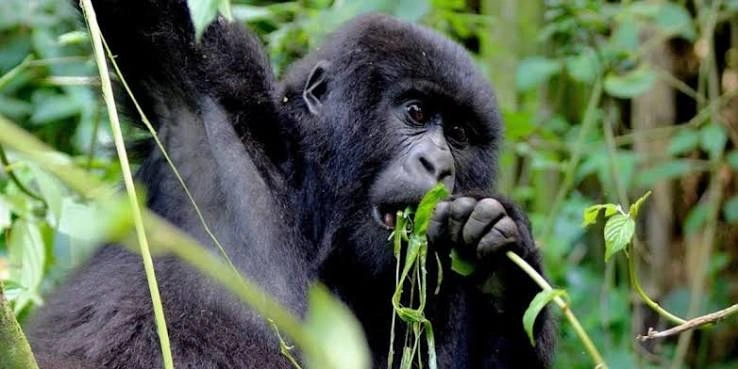
Fly to Kigali & drive to Bwindi gorillas. For travelers planning a mountain gorilla trek in Uganda, the question of how to actually get there matters just as much as the trek itself. Flying into Kigali and driving overland to Bwindi Impenetrable National Park has become the go-to route for exactly this reason — it’s faster than flying into Uganda directly, it’s scenic in its own right, and the drive itself has become part of the experience rather than just a means to an end. This guide walks through the entire road trip from touchdown in Kigali to arrival at the park gate, covering the route, the road conditions, what the drive actually feels like, and how to plan it well.
Why Driving From Kigali Beats Flying Into Uganda
Fly to Kigali & drive to Bwindi gorillas: A Scenic Route
Uganda’s main international airport, Entebbe, sits roughly nine to eleven hours by road from Bwindi, which makes it a genuinely long haul for travelers whose primary goal is gorilla trekking. Kigali, by contrast, puts you within three to five hours of the park depending on which route and border crossing you use. That difference alone is often enough to tip travelers toward flying into Rwanda even when their trek is entirely in Uganda.
There’s also the road quality itself to consider. The Rwandan side of this drive runs almost entirely on well-paved, well-maintained tarmac, a reflection of the country’s significant investment in its road network over the past two decades. This makes for a smoother, faster, and generally more comfortable journey than the longer alternative routes within Uganda, some of which include stretches of unpaved road regardless of which direction you approach Bwindi from.
The Route, Stage by Stage
Kigali to the Rwanda-Uganda Border
Leaving Kigali, the drive heads north through Rwanda’s Northern Province toward Musanze, the gateway town for Rwanda’s own Volcanoes National Park. This stretch of road climbs steadily through terraced hillsides and small trading towns, with the volcanic peaks of the Virunga range becoming visible well before you reach Musanze itself. From Musanze, the road continues toward the border, generally taking a combined three to four hours from Kigali to reach the crossing at Cyanika, the most commonly used border post for travelers headed to southern Bwindi.
Crossing Into Uganda
At the border, the process itself is usually efficient: passport control on the Rwandan side, a short walk or drive across to the Ugandan post, and immigration processing on the Uganda side, where your visa and yellow fever certificate are checked. The whole process typically takes 20 minutes to an hour depending on how busy the crossing is. Cyanika keeps more limited hours than some border posts, generally open from around 5:00–6:00am to 9:00–10:00pm, so it’s worth timing your drive to avoid arriving outside those hours.
The Uganda Side: Kisoro to Bwindi
Once across the border, the character of the drive shifts. The road winds through Uganda’s Kigezi highlands, an area of steep, terraced hills often compared to alpine scenery, passing through the town of Kisoro before climbing toward Bwindi’s various sectors. This final stretch includes narrower roads and, for some sectors, unpaved sections, particularly for the more remote Ruhija and Nkuringo areas. From the border, the drive to southern Bwindi’s Rushaga or Nkuringo sectors takes roughly one to two hours, making the total journey from Kigali to your lodge somewhere between four and six hours depending on your exact destination.
Choosing Your Route Based on Your Bwindi Sector
Which route makes the most sense depends heavily on which Bwindi sector your gorilla permit is booked for.
For Rushaga and Nkuringo, the southern sectors, the Cyanika border crossing is the clear choice, keeping the overall drive from Kigali to around four to six hours.
For Buhoma and Ruhija, the northern sectors, the Katuna/Gatuna border crossing further north is more direct, though the total driving time is generally longer given the additional distance to reach these more remote parts of the park.
Booking your permit and planning your route together avoids the common and costly mistake of crossing at the wrong border post and adding hours of unnecessary driving to reach your assigned sector. Our 3 Days Uganda Gorilla Safari from Rwanda is built around the Cyanika route specifically, since it’s the fastest option for most Kigali-based travelers heading to southern Bwindi.
What the Drive Actually Feels Like
This isn’t a monotonous transfer — it’s genuinely one of the more scenic overland routes in East Africa. The Rwandan stretch offers sweeping views over terraced hillsides that locals have farmed for generations, with the volcanic cones of the Virunga Mountains providing a dramatic backdrop for much of the drive toward Musanze. Small roadside markets and trading towns offer glimpses of daily Rwandan life along the way, and the paved, well-graded road makes for a comfortable ride even over the longer stretches.
Once across into Uganda, the landscape becomes even more dramatic in places, with the road climbing and dropping through the folded, terraced hills of the Kigezi region. This is a part of Uganda many travelers never see if they fly directly to Entebbe and take the more standard route into the southwest, which is one of the underrated benefits of choosing the Kigali approach: you get an authentic look at rural Rwanda and southwestern Uganda that a flight simply skips over.
Vehicle Types and What to Expect on Board
Most private transfers along this route use 4×4 vehicles, which handle the mix of paved and unpaved sections comfortably, particularly on the approach to Bwindi’s more remote sectors. A private vehicle with a dedicated driver-guide is by far the most common way travelers make this journey, since it allows for flexibility around rest stops, photo opportunities, and adjusting the pace if border processing runs longer than expected.
An experienced driver-guide familiar with current road and border conditions also adds real value beyond simply getting you from point A to point B — they can time the crossing to avoid queues, know which stretches of road need extra caution during the wetter months, and can generally answer questions about the landscape and communities you’re passing through.
Self-Drive: Is It an Option?
For travelers who prefer complete independence, self-drive is technically possible along much of this route, particularly the well-paved Rwandan stretch. That said, most first-time visitors to the region find a guided transfer considerably less stressful, especially once the drive shifts to the mixed paved and unpaved roads on the Uganda side, and especially at the border itself, where an experienced driver can navigate vehicle paperwork and customs formalities more efficiently than a first-time visitor unfamiliar with the process. If self-drive genuinely interests you, it’s worth discussing the specifics with your operator well before booking, since vehicle rental, cross-border permits, and insurance all need to be arranged in advance.
How Weather Affects the Drive
Weather has a real, if generally modest, effect on this journey. The Rwandan side of the drive, running almost entirely on paved roads, is affected relatively little by seasonal rainfall. The Uganda side, particularly the final stretch into Bwindi’s more remote sectors, can be affected more noticeably during the heaviest rains of March through May, when localized flooding or slippery unpaved sections can add time to the journey. During Uganda’s drier months, June through August and December through February, the entire route is generally at its fastest and most predictable.
If you’re traveling during the wetter months, building in extra buffer time before your scheduled trek isn’t just a nice-to-have — it’s a genuinely sensible precaution given the possibility of a slower final stretch of road.
A Typical Day-by-Day Drive Itinerary
Day one: Depart Kigali in the early morning, drive to the Cyanika border via Musanze, cross into Uganda, and continue to your lodge near Rushaga or Nkuringo, arriving with daylight to spare for an early night before trekking.
Day two: Gorilla trekking day, followed by either an overnight near the park or the beginning of the return drive, depending on your overall itinerary length.
Day three (if included): Return drive to Kigali, retracing the same route, with time built in for your onward flight or connection.
This structure mirrors our own 2 Days Uganda Gorilla Tour Starting from Kigali for a more compressed version, or the fuller 5 Days Uganda Gorilla and Chimps Safari starting from Rwanda for travelers who’d like additional stops built into the drive.
Stops Worth Making Along the Way
Because this drive already covers such varied terrain, it’s worth considering a few stops rather than treating it purely as a transfer. Musanze, roughly halfway between Kigali and the border, makes a natural break for lunch or a short stretch of the legs, with views of the Virunga volcanoes as a backdrop. On the Uganda side, Lake Bunyonyi, though more convenient from the Katuna route than Cyanika, is a worthwhile detour for travelers with a flexible schedule and an appetite for one of the region’s most beautiful lakes.
For travelers combining Rwanda and Uganda gorilla trekking on the same trip, a stop at Volcanoes National Park itself, near Musanze, is a natural addition before continuing on to Uganda. Our 2 Days Volcanoes Gorilla Trek from Kigali can be paired with a Uganda-bound itinerary for travelers wanting to compare both countries’ trekking experiences within a single trip.
What to Pack for the Drive Itself
Beyond your general trekking gear, a few items make the drive more comfortable specifically. A neck pillow or cushion helps on the longer stretches, particularly if you’re prone to motion sickness on winding mountain roads. Snacks and a refillable water bottle are worth having on hand rather than relying entirely on roadside stops, and a fully charged phone or camera makes it easy to capture the scenery along the way. Cash in small US dollar denominations is worth carrying for the border crossing itself and any small purchases at roadside markets or trading towns.
Documents to Have Ready for the Border
Regardless of how comfortable the drive itself is, the border crossing still requires the same core documents every time: a passport valid for at least six months, either the East Africa Tourist Visa or a standalone Uganda visa, a valid Yellow Fever Vaccination Certificate, and a printed or digital copy of your gorilla trekking permit confirmation. Having these ready and easily accessible, rather than buried in checked luggage, keeps the border crossing itself quick and stress-free.
Comparing This Route to Other Ways of Reaching Bwindi
Travelers researching how to reach Bwindi typically weigh this Kigali-based drive against flying into Entebbe and driving the length of Uganda, or flying into Entebbe and taking a shorter domestic flight to an airstrip near the park. The full overland drive from Entebbe, while considerably longer, does allow for stops at other Ugandan attractions along the way. The domestic flight option is the fastest overall but comes at a significantly higher cost. For travelers whose main priority is reaching Bwindi efficiently while still experiencing a genuinely scenic overland journey, the Kigali route consistently offers the best combination of speed, cost, and road quality.
Frequently Asked Questions
How long does the full drive from Kigali to Bwindi actually take? Typically four to six hours to southern Bwindi via Cyanika, including the border crossing itself, or somewhat longer to reach the northern sectors via Katuna.
Is the road safe to drive at night? It’s not recommended. Winding mountain roads on both sides of the border are best driven in daylight, and the Cyanika border itself closes by around 9:00–10:00pm in any case.
Do I need a 4×4 vehicle for this route? A 4×4 is recommended, particularly for the final stretch into Bwindi’s more remote sectors, where roads can be narrower and occasionally unpaved.
Can I break the drive into two days instead of doing it in one? Yes, and many travelers do exactly this, overnighting in Musanze or near the border before continuing on to Bwindi the following day, which reduces fatigue and adds flexibility.
Is it cheaper to drive myself instead of hiring a driver-guide? Self-drive can reduce costs in some cases, but most travelers find the value of an experienced driver-guide, particularly for the border crossing and the unpaved sections in Uganda, outweighs the modest savings of going it alone.
Planning Your Drive
Flying to Kigali and driving to Bwindi isn’t just a practical routing decision — it turns the journey itself into part of the safari, offering views of Rwanda’s terraced hills and volcanic peaks before descending into the misty forests where mountain gorillas live. With the right documents, a sensible route matched to your Bwindi sector, and a bit of buffer time built in, this drive comes together smoothly and comfortably. Get in touch with our team to arrange your private vehicle and driver-guide for the full Kigali-to-Bwindi journey, or browse our Gorilla Safaris collection for itineraries already built around this exact route.
For a second perspective on route planning, Kenlink Tours’ 5-Day Gorilla Trekking Safari from Kigali to Uganda offers a useful comparison, and Gorilla Tracking Tours’ 1 day Uganda Gorilla Safari Starting from Kigali is worth a look if you’re weighing a same-day option against a more relaxed multi-day drive.
Continue planning your trip with more of our Kigali-based safaris: 3 Days Uganda Gorilla Safari from Rwanda, one-day gorilla safari from Kigali, and Bwindi Impenetrable National Park for a fuller look at the park itself.