- LET'S PLAN YOUR SAFARI
- +256 200 921 002
- +256 793 194 703
- info@pickandtransfersafaris.com

Everything You Need to Know About Short Gorilla Tracking Safaris from Kigali
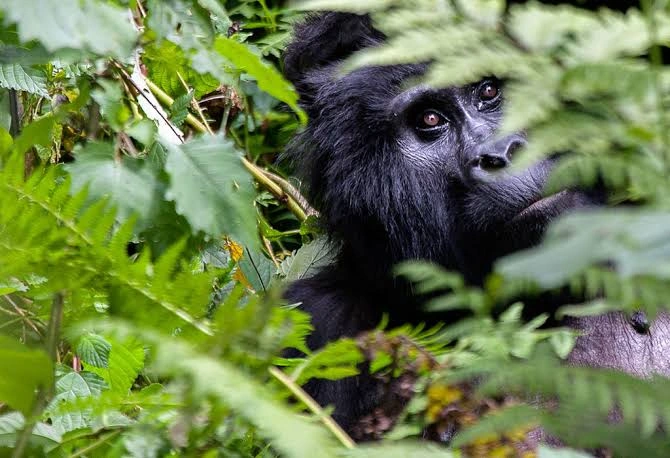
Everything You Need to Know About Short Gorilla Tracking Safaris from Kigali. Not every traveler has two weeks to give to an African safari, and mountain gorillas don’t require one. Thanks to Kigali’s proximity to Uganda’s gorilla trekking parks, it’s entirely possible to build a complete, unforgettable gorilla encounter into a trip of one, two, or three days — without an internal flight, without a week away from work, and without compromising the quality of the trek itself. This guide is the single place to understand how short gorilla tracking safaris from Kigali actually work: what “short” really means in practice, which itinerary length suits which traveler, what everything costs, and every practical detail in between.
Think of this as the overview that ties together everything else we’ve published on this topic — wherever it makes sense, we link out to the detailed, itinerary-specific guides so you can go deeper on whichever option fits your trip.
What Counts as a “Short” Gorilla Tracking Safari?
In the context of Kigali-departure gorilla trekking, “short” generally means anywhere from a single day to about three days — long enough to include a complete, unrushed gorilla trekking permit and encounter, but short enough to fit into a limited travel window without requiring the kind of multi-park, multi-activity itinerary that a full Uganda safari involves.
This is a genuinely distinct category from Uganda’s longer wildlife and primate safaris, which typically run five days or more and combine gorilla trekking with chimpanzee tracking, Big Five game drives, and multiple national parks. Short gorilla tracking safaris exist specifically because Kigali’s geography makes them possible — Uganda’s gorilla parks sit close enough to the Rwandan border that a same-day or near-same-day round trip is realistic, something that simply isn’t achievable starting from Uganda’s own main airport in Entebbe, 9 to 11 hours from the same trailheads.
Our full range of short options lives within our Gorilla Safaris collection, alongside the longer combination itineraries for travelers who eventually want to extend their trip.
Why Kigali Is the Gateway for Short Gorilla Safaris
The entire short-safari category exists because of one geographic fact: Kigali International Airport puts you within 2.5 to 4.5 hours by road of Uganda’s gorilla trekking sectors, depending on which park and which border post your route uses. Two crossings serve this route — Cyanika, leading to Mgahinga Gorilla National Park, and Katuna, leading to Bwindi Impenetrable National Park‘s southern Rushaga and Nkuringo sectors.
Beyond the shorter distance, Uganda’s gorilla permit itself is significantly cheaper than Rwanda’s — USD 800 per person through the Uganda Wildlife Authority, compared with USD 1,500 for the equivalent permit in Rwanda’s own Volcanoes National Park. That combination of proximity and price is what has made Kigali, rather than Entebbe, the preferred starting point for a growing share of gorilla trekkers, even though the gorillas themselves live in Uganda. Our broader guide to Uganda Gorilla Trekking Safaris from Kigali covers this reasoning in more depth if you’d like the full picture beyond just the short-itinerary category.
Everything You Need to Know About Short Gorilla Tracking Safaris from Kigali
The Three Short Itinerary Lengths, Compared
Every short gorilla safari from Kigali falls into one of three structures, and choosing between them is really the central decision this guide exists to help with.
One day. The most compressed version: a pre-dawn departure from Kigali, a same-day border crossing in each direction, the trek itself, and a return to Kigali that same evening — roughly 16 to 18 hours door to door. It’s the lowest-cost option, since it avoids an overnight stay in Uganda entirely, but it’s also the most physically demanding, reserved for travelers with exactly one free day and a realistic tolerance for a long, tightly scheduled day. Full details are in our Express Gorilla Trek guide, and we address the “is this actually possible” question directly in Can You Do a Gorilla Trek in 1 Day from Rwanda?
Two days, one night. The most popular structure for first-time short-safari travelers: cross the border the afternoon before, sleep at a lodge near the trailhead, trek fresh the next morning, and return to Kigali that evening. It removes the single-day version’s pre-dawn wake-up and post-trek exhaustion for a modest increase in cost and time. Our 2-Day Bwindi Gorilla Safari from Kigali covers this structure in full detail.
Three days. The most relaxed of the short options, adding a second night and genuine breathing room on both ends of the trip — often enough to fit in a stop at Lake Bunyonyi or a Batwa cultural visit on the return leg. See our 3-Day Rwanda to Uganda Gorilla Express for the complete itinerary.
If you’re not certain which length is right for you, our general guidance is simple: match the itinerary to your actual comfort with early starts and long driving days, not to the smallest number that technically fits your calendar. An extra night is rarely a large cost, and it consistently makes for a more enjoyable trip.
Gorilla Permits: The Core Cost of Every Short Safari
Regardless of which of the three lengths you choose, the gorilla trekking permit itself is identical — USD 800 per person, issued by the Uganda Wildlife Authority, capping each habituated gorilla family at eight visitors per day and each visit at a strict maximum of one hour. This fee doesn’t vary between operators and doesn’t change based on itinerary length; what changes across the three short options is purely the transport and accommodation built around that same core permit and trek.
Because daily permits are capped, and popular travel dates — June through September and December — sell out three to six months ahead, booking your permit early is the single most important step in planning any short gorilla safari, regardless of which length you eventually choose. We handle this directly as part of every itinerary, coordinating your permit date against your Kigali travel plans.
Bwindi vs. Mgahinga: Which Park Fits a Short Itinerary Best
The choice between Uganda’s two gorilla parks matters more on short itineraries than on longer ones, since every extra half hour of driving has a proportionally larger effect on a tightly scheduled trip.
Mgahinga, reached via the shorter Cyanika crossing, is generally the better fit for the one-day version specifically, since its shorter drive leaves the most schedule buffer. It sits within the Virunga volcanic range and currently has one habituated gorilla family, along with the option to add golden monkey trekking.
Bwindi’s southern sectors, reached via Katuna, offer a much wider selection of habituated gorilla families — an advantage for permit availability, and the sector most two and three-day short safaris are built around, since the extra night in those itineraries comfortably absorbs the longer drive.
We match travelers to whichever park and sector gives the most realistic timing for their chosen itinerary length and travel date.
What a Short Gorilla Safari Costs, Beyond the Permit
A complete short safari budget includes the largest fixed cost, the permit, and several other components. Private 4×4 transport is charged per vehicle, reducing costs for couples or small groups, while accommodations, applicable only for two- and three-day trips, range from USD 150–350 per night for mid-range lodges, with simpler guesthouses and luxury options available. Meals are generally included, with packed lunches for trekking days. Additionally, budget USD 10–20 per day for porters and guides, plus Uganda visa fees and travel insurance, which are not included in most packages.
Fitness, Terrain, and What the Trek Itself Involves
Every short gorilla safari, regardless of length, involves the same physical trek: Bwindi and Mgahinga’s steep, often muddy forest terrain, at elevations between roughly 1,400 and 2,700 meters, with no fixed distance or duration since gorilla families move through the forest overnight and trackers locate them fresh each morning. Some groups reach their family within 45 minutes; others trek for four hours or more.
A reasonable baseline fitness — comfortably walking briskly uphill for an hour without stopping — makes for a meaningfully more enjoyable day on any itinerary length, and hiring a porter at the trailhead is worth doing regardless of fitness level, both for the physical support and as direct income for the local community. The one-day itinerary asks more of your body than the two or three-day versions simply because the trek happens after a pre-dawn start and a long drive rather than a full night’s rest — worth weighing honestly when choosing between the three lengths.
Crossing the Border: What Every Short Safari Has in Common
Because every short gorilla safari from Kigali involves crossing into Uganda, the border-crossing logistics are shared across all three itinerary lengths, and preparing properly for this step is one of the most valuable things you can do regardless of which length you choose. A valid Uganda visa — ideally arranged in advance through the e-visa portal — and a current yellow fever vaccination certificate are both mandatory and checked at the border, alongside your passport. A private, experienced driver-guide familiar with either the Cyanika or Katuna crossing typically has both crossings handled within 30 to 60 minutes.
For a complete, step-by-step breakdown of how to prepare for this part of the trip specifically, our guide on How to Plan a Seamless Cross-Border Gorilla Trek from Rwanda to Uganda covers the full document checklist, timing considerations, and a backward-planning timeline that applies to any of the three short itinerary lengths.
Best Time of Year for a Short Gorilla Safari
Uganda’s gorilla parks are open for trekking year-round, but trail conditions vary with the seasons. The dry seasons from June to September and December to February offer firmer trails and are popular booking times, making it advisable to secure permits early. In contrast, the rainy seasons from March to May and October to November feature short, heavy showers, lush scenery, and fewer crowds, but muddier trails can lead to longer treks, especially impacting one-day itineraries with limited schedule flexibility.
What to Pack, Regardless of Itinerary Length
The packing list is essentially identical across all three short safari lengths, since the trek itself doesn’t change:
- Waterproof hiking boots with solid ankle support, already broken in.
- Long trousers and a long-sleeved shirt in neutral colors, tucked into boots and gloves against nettles and safari ants.
- Gardening gloves for gripping vegetation on steep sections.
- A lightweight rain jacket, regardless of season.
- Gaiters to keep mud and insects out of your boots.
- A small daypack for water, snacks, and camera gear on trekking day.
- A hat and sunscreen for open sections of trail.
- A camera or phone with a capable low-light lens — flash photography is prohibited near the gorillas.
- Cash in small denominations, both US dollars and a modest amount of Ugandan shillings, for porter tips and trailhead purchases.
- Passport, Uganda visa confirmation, yellow fever certificate, and printed permit confirmation, kept easily accessible.
The main packing difference across itinerary lengths is simply how much you bring: the one-day trip works best with everything fitting in a single daypack, while the two and three-day versions allow a slightly larger flexible bag for the overnight stay.
Choosing Between a Private Tour and a Group Departure
Because gorilla permits are allocated per person rather than per vehicle, private and group-based short safaris both end up standing with the same gorilla family for the same one-hour visit — the difference lies entirely in the transport and pacing around that encounter. We run every short safari as a private tour by default, since it allows the schedule to flex around your specific flight times, preferred pace, and any optional stops, which matters more on tightly timed short itineraries than it would on a longer, more flexible trip. Scheduled group departures, such as those offered through Kenlink Tours’ group tours, remain a reasonable lower-cost option for solo travelers who’d rather not absorb a full vehicle’s transport cost alone, though at the cost of some scheduling flexibility.
Extending a Short Safari Into Something Longer
Many travelers who book a short gorilla safari eventually want to add on rather than plan a separate trip. A short Uganda gorilla trek pairs naturally with a Rwanda-side extension into Akagera National Park for Big Five game drives, covered in our 5 Days Rwanda Wildlife and Gorillas itinerary, or extended deeper into Uganda to add chimpanzee tracking, as in our 5 Days Uganda Gorilla and Chimps Safari Starting from Rwanda. Travelers curious about comparing gorilla trekking in both countries sometimes add a Rwanda-side trek in Volcanoes National Park to a short Uganda trip — our 2 Days Volcanoes Gorilla Trek from Kigali covers that Rwanda-only equivalent.
How Short Safaris From Kigali Compare to Uganda-Based Alternatives
Starting a gorilla trek from Entebbe involves a long 9 to 11-hour drive to Bwindi, making short itineraries impractical, while beginning in Kigali allows for a shorter itinerary of as little as one day and saves about USD 700 on permits, despite requiring an international border crossing. For those considering this route, Kenlink Tours’ About Uganda page and their 3 Days Bwindi Gorilla Safari from Kigali provide helpful comparisons.
Health, Safety, and Travel Insurance for a Short Safari
A short trip still deserves the same basic health preparation as a longer one. Malaria risk is present in the lower-elevation stretches of both Rwanda and Uganda, so antimalarial medication and insect repellent are worth packing regardless of how many days your trip covers. Trailhead elevations around Bwindi and Mgahinga sit high enough — roughly 1,400 to 2,700 meters — that travelers arriving directly from sea level may notice mild breathlessness on steep sections, though genuine altitude sickness is uncommon at this height.
Comprehensive travel insurance that explicitly covers trekking activities and emergency medical evacuation is worth arranging before any of the three short itineraries, not just the longer ones — the remoteness of Bwindi and Mgahinga means an injury on the trail is a logistical event regardless of how many days your trip spans, and evacuation coverage removes a genuine source of worry from what should be one of the highlights of your trip. It’s also worth confirming your policy covers activities across both Rwanda and Uganda, given that every short safari crosses between the two.
Responsible Tourism on a Short Safari
Gorilla trekking relies on tourism revenue to fund conservation efforts that have helped mountain gorillas recover from near extinction, with strict guidelines like an eight-person group limit, one-hour visits, and a seven-meter distance to protect both gorillas and humans from disease transmission. Guides will require visibly unwell trekkers to stay behind, emphasizing the importance of health regardless of trip investment.
Beyond the trek itself, permit revenue funds ranger salaries, anti-poaching patrols, and community revenue-sharing schemes in the villages bordering the parks. At Pick and Transfer Safaris, part of our profits also supports local orphans through our community foundation, and we prioritize guides, porters, and lodges drawn from the communities around Bwindi and Mgahinga on every itinerary we run, short or long — meaning a one-day express trip contributes to the same conservation and community systems as a longer trip, just compressed into a shorter visit.
Common Questions First-Time Short Safari Travelers Ask
Is a short safari a “lesser” version of the full gorilla trekking experience? No — the permit, the forest trek, and the one-hour gorilla encounter are identical regardless of itinerary length. What differs is only the amount of time and rest built in around that same core experience.
Which of the three lengths should I choose if I’m not sure? If you have any doubt, choose the longer option your schedule allows. The two-day version resolves the single biggest stress point of the one-day trip — trekking without a night’s rest — for a modest cost increase, and the three-day version adds further comfort on top of that.
Do I need to decide on Bwindi or Mgahinga before booking, or can my operator help? We confirm sector and park assignment as part of permit booking, matching your itinerary length and travel dates to whichever option has realistic timing and availability.
Can I combine a short Uganda gorilla trek with time in Kigali itself before or after? Yes — since every short safari begins and ends in Kigali, adding a day or two in the city itself, visiting sites like the Kigali Genocide Memorial or the city’s craft markets, fits naturally on either end of the trip.
Is booking a short safari significantly harder than booking a longer one? Not in practice — the main extra planning step is coordinating a border crossing, which our cross-border planning guide covers in full, and which an experienced operator handles directly as part of the itinerary.
Planning Your Short Gorilla Tracking Safari From Kigali
Whether you have one day or three, a short gorilla tracking safari from Kigali delivers the same complete, unforgettable encounter as a longer trip — a private walk through ancient forest, ending in an hour spent a few meters from a wild mountain gorilla family. At Pick and Transfer Safaris, we run all three short itinerary lengths regularly, with permit booking, border-crossing assistance, and lodge selection all handled directly so your trip runs as one seamless experience rather than a series of separate logistics to manage yourself.
To start planning, compare our full range of options in the Gorilla Safaris collection, or reach out through our contact page with your travel dates, group size, and how much time you have to give — we’ll recommend the itinerary length that fits your trip best and handle everything from there.