- LET'S PLAN YOUR SAFARI
- +256 200 921 002
- +256 793 194 703
- info@pickandtransfersafaris.com

Best sector for gorilla trek in Bwindi
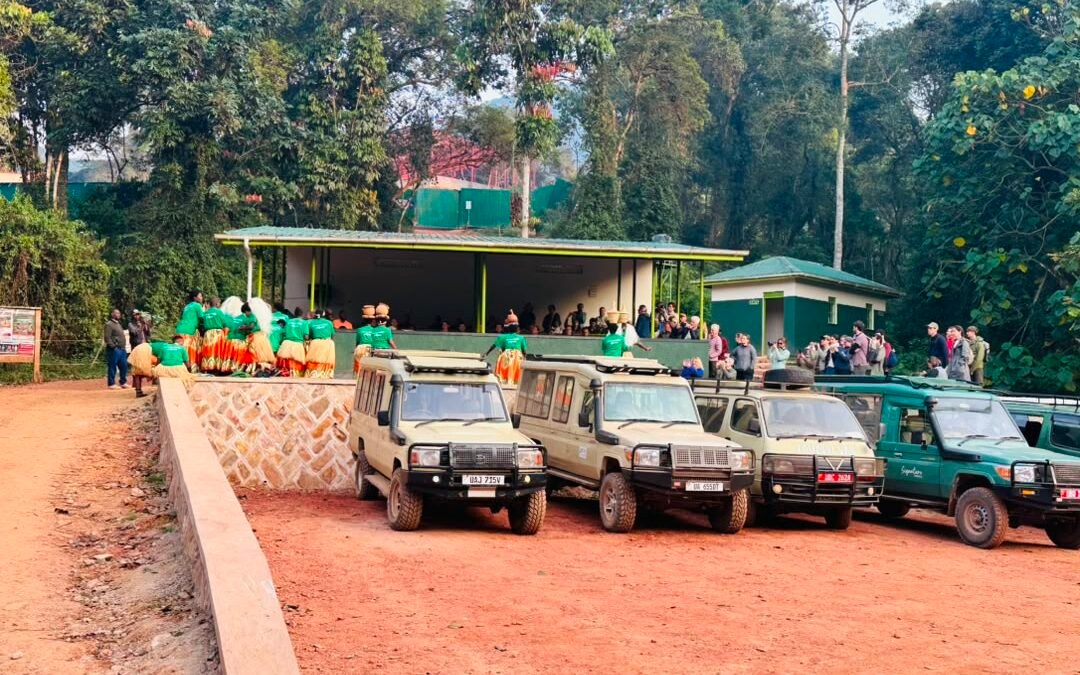
Best sector for gorilla trek in Bwindi. Bwindi Impenetrable Forest isn’t a single trekking destination — it’s four separate sectors, each with its own headquarters, road network, and set of habituated gorilla families, spread across roughly 320 square kilometres of dense, ancient rainforest. Choosing between Buhoma, Ruhija, Nkuringo, and Rushaga is one of the first real decisions in planning a Uganda gorilla safari, and it shapes everything from your drive time to your permit availability to how many gorilla families you’ll have to choose from.
After years of routing gorilla safaris through all four sectors, our answer for most travellers — and especially anyone planning a Kigali to Rushaga gorilla trek — is straightforward: Rushaga is the best overall sector for gorilla trekking in Bwindi, and the reason comes down to one decisive factor above all others: it has more habituated gorilla families than any other sector in the park. This guide walks through exactly why that matters, how Rushaga compares to Bwindi’s other three sectors on every practical dimension, and how to plan a trip around it. At Pick and Transfer Safaris, Rushaga is the sector we route the majority of our gorilla safaris starting from Kigali through, for exactly the reasons laid out below.
Whether you’ve already heard Rushaga recommended and want to understand why, or you’re comparing all four sectors from scratch, this guide is written to lay out the full case honestly — including where Buhoma, Ruhija, and Nkuringo genuinely hold their own, and where Rushaga’s advantages become decisive.
The Quick Answer: Why Rushaga Is the Best Sector
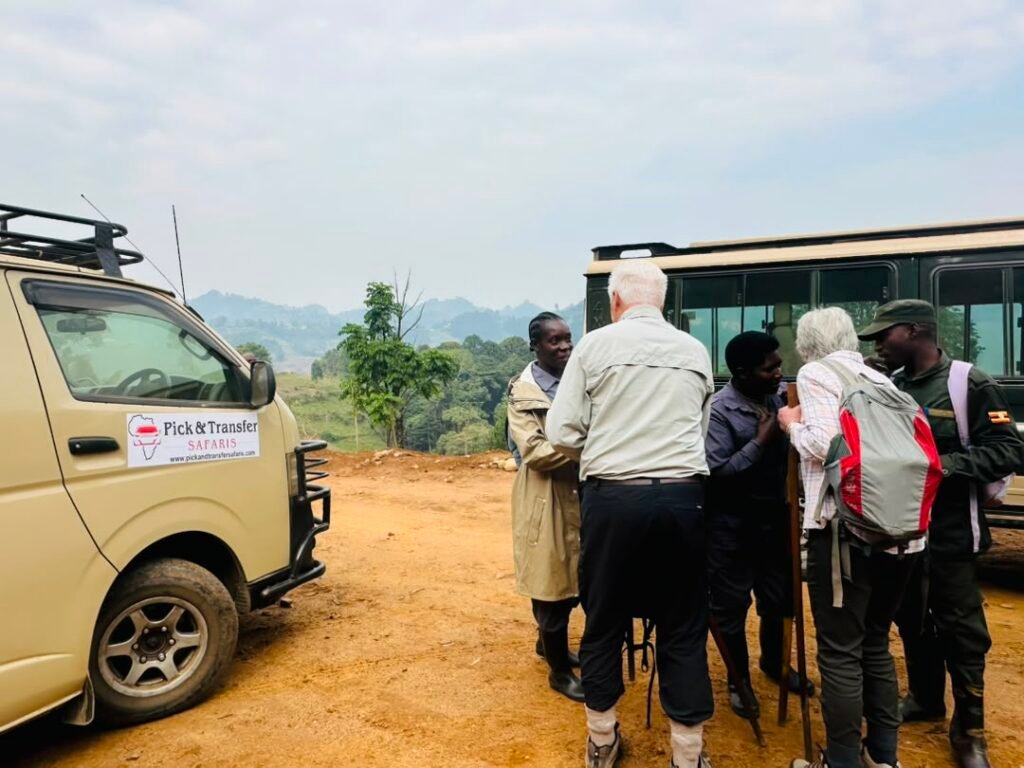
If you only read one section of this guide, this is the one that matters. Rushaga currently hosts eight or more habituated gorilla families — more than double what most of Bwindi’s other sectors offer — spread across several trailheads within the sector. That single fact cascades into nearly every other advantage Rushaga holds over Buhoma, Ruhija, and Nkuringo: stronger permit availability during peak season when smaller sectors sell out weeks in advance, a wider range of trekking distances and family personalities to be matched against, and the exclusive option, within Uganda, of the extended gorilla habituation experience.
Rushaga also happens to sit in Bwindi’s south, within a genuinely manageable drive of Kigali, Rwanda — a geographic bonus that has made it the default recommendation for travellers approaching Uganda’s gorillas from Rwanda’s capital rather than from Entebbe or Kampala. The combination of the largest family count in the park and convenient access from Kigali is what consistently puts Rushaga at the top of our recommendations, and why so much of our own itinerary planning is built around it.
Bwindi’s Four Trekking Sectors, Explained
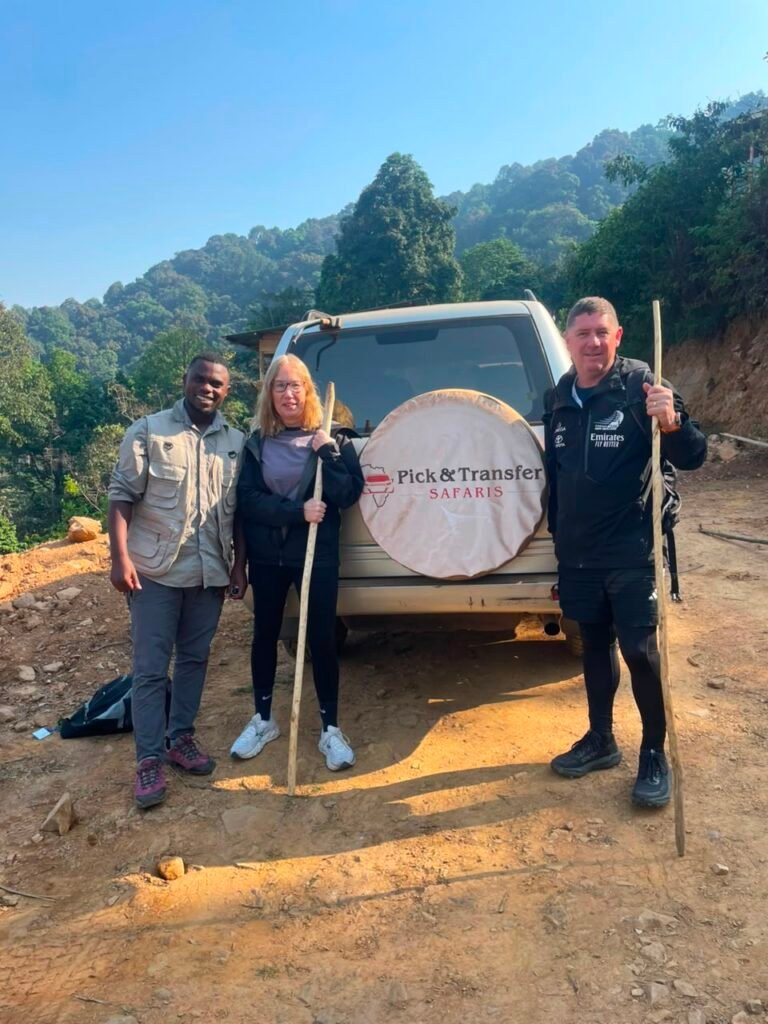
Before comparing them directly, it’s worth understanding what actually differentiates Bwindi’s four sectors, since the park’s single “Bwindi Impenetrable Forest” name can obscure just how differently each area functions in practice.
Buhoma, in the park’s north, was the first sector opened to tourism and remains the most established, with the broadest range of lodges, from budget guesthouses to high-end luxury camps, and the park’s original research station. Ruhija, also in the north, sits at higher altitude and is known for cooler temperatures and excellent birding alongside gorilla trekking, with a quieter, less-visited feel than Buhoma. Nkuringo, in the south, is often cited as the most scenic of the four, with a ridge-top headquarters offering dramatic views over the Virunga volcanoes on a clear day. Rushaga, Nkuringo’s southern neighbour, is the newest and largest of the four sectors by gorilla family count, and has grown rapidly precisely because it had room to habituate more families than the older, more established sectors.
Each sector operates its own morning briefing, its own team of rangers and trackers, and its own network of habituated families — trekking in one sector has no bearing on availability in another, which is exactly why comparing them properly, rather than treating “Bwindi” as one interchangeable block, matters so much when you’re planning a trip.
Buhoma Sector: The Original, But Not the Closest to Kigali
Buhoma remains an excellent choice for travellers approaching Bwindi from Entebbe or Kampala rather than Kigali, given its established infrastructure and the widest range of accommodation of any sector. It typically hosts a handful of habituated families — fewer than Rushaga, but with decades of habituation experience behind them, and gentler average terrain than some of the park’s steeper southern trails.
The drawback for Kigali-based travellers is distance: Buhoma sits 6–7 hours from Kigali by road, well outside the range of a comfortable one- or two-day itinerary from Rwanda’s capital. For anyone planning a gorilla trek from Kigali specifically, Buhoma’s strengths are largely offset by this extra drive time, which is the main reason it rarely features in our own Kigali-departure itineraries.
Ruhija Sector: Quiet, Scenic, But Limited in Choice
Ruhija offers a genuinely different atmosphere from Bwindi’s busier sectors — fewer visitors, cooler high-altitude air, and a reputation among birders as one of the best sites in Uganda for forest bird species alongside gorilla trekking. Its handful of habituated families offer a good, if more limited, trekking experience for travellers who value quiet over choice.
Like Buhoma, Ruhija sits in Bwindi’s north and shares the same significant drawback for Kigali-based travellers: a long drive, generally in the 6–7 hour range from Rwanda’s capital, that puts it outside realistic range for anyone building a one- or two-day itinerary from Kigali. Ruhija is best suited to travellers already based in Uganda’s southwest, or those building a longer, more leisurely circuit that doesn’t hinge on a fast Kigali departure.
Nkuringo Sector: Rushaga’s Closest Competitor
Nkuringo is genuinely the sector most worth comparing directly against Rushaga, since both sit in Bwindi’s south within comfortable range of Kigali, both share the same border crossing at Cyanika, and both offer broadly similar drive times of roughly 4–4.5 hours from Rwanda’s capital. Many travellers cite Nkuringo as the most visually spectacular of Bwindi’s sectors, with its ridge-top headquarters looking out over the Virunga range on clear days, and its trails often considered among the most physically rewarding in the park for travellers who enjoy a proper hike.
Where Nkuringo falls short of Rushaga is family count. Nkuringo currently hosts a smaller number of habituated families than Rushaga’s eight-plus, which translates directly into tighter permit availability during peak season — a real consideration for travellers booking closer to their travel dates, or for groups larger than a couple who need multiple permits on the same day. Nkuringo remains an excellent choice when Rushaga is unavailable, or for travellers specifically drawn to its scenery and terrain, but on the single metric that matters most for flexibility and availability, Rushaga holds a clear advantage.
Rushaga Sector: The Deep Dive
Rushaga’s defining strength, as covered above, is choice. Its eight-plus habituated families are spread across several trailheads within the sector — Nyakagyezi, Bikingi, Kashasha, Bweza, Mucunguzi, and others — each with its own typical trekking distance and terrain profile, which means the specific family your group is assigned to on a given morning can genuinely change how the trek itself feels, from a relatively gentle lower-slope walk to a more demanding climb further into the forest.
This depth of choice gives Rushaga a structural advantage that smaller sectors simply can’t match: even when the most convenient, closest-to-headquarters families are fully booked on a given date, Rushaga usually still has capacity somewhere within the sector, whereas a single-family or two-family sector has nowhere else to turn. Rushaga is also, within Uganda, the exclusive home of the gorilla habituation experience — a specialised, longer encounter covered in detail below — giving it an activity option unavailable at any other Bwindi sector or, for that matter, in Rwanda’s Volcanoes National Park.
Combined with its position in Bwindi’s south, within a genuinely manageable 4–4.5 hour drive of Kigali via the Cyanika border post, Rushaga offers the strongest overall combination of accessibility and choice of any sector in the park — which is precisely why it’s the sector we recommend most often, and the one our Kigali-departure itineraries are most frequently built around.
What Happens on a Rushaga Trekking Day
A trekking day at Rushaga follows the same broad structure as any Bwindi sector, with a few details specific to its scale and terrain. After an early breakfast and a short transfer to Rushaga’s headquarters, rangers divide the day’s trekkers into groups of up to eight and assign each group to one of the sector’s many habituated families, following a briefing on safety procedures and trekking etiquette.
From there, a ranger and guide lead the group into the forest, following trackers who located the family’s approximate position earlier that morning. Because Rushaga hosts so many separate families across different trailheads, multiple groups typically set out in different directions from headquarters on the same morning — a level of activity you won’t see at a smaller, single-family sector, but one that’s managed smoothly by Rushaga’s experienced ranger team. Trekking time can run anywhere from 45 minutes to several hours depending on which family your group has been assigned. Once located, the same standard one-hour encounter applies as at any Bwindi sector, followed by the hike back to headquarters and a trekking certificate presented on return.
What to Pack for a Rushaga Trek
Rushaga’s genuinely varied and often steep terrain makes proper gear especially important here.
- Sturdy, broken-in hiking boots with strong ankle support, given the elevation change across Rushaga’s trailheads.
- Long trousers and a long-sleeved shirt, tucked in, to guard against nettles and biting insects in the dense undergrowth.
- Gardening or trekking gloves for gripping vegetation on steeper sections.
- A waterproof, breathable rain jacket — Rushaga’s forest interior stays humid and rain-prone regardless of season.
- A warm mid-layer for the cool early-morning briefing.
- A daypack with a rain cover, for water, snacks, and camera gear.
- At least 2 litres of water and energy-dense snacks, given Rushaga’s potentially longer trekking times.
- Trekking poles, either brought from home or rented at headquarters, genuinely useful on the sector’s inclines.
- Cash in US dollars for porter tips (around $15–20), well worth hiring given the terrain.
Gorilla Trekking Rules and Etiquette at Any Sector
The same standard rules apply regardless of which Bwindi sector you trek in, and they’re worth restating here given how many families and trekking groups operate through Rushaga on a typical morning.
- Maximum group size of eight visitors per gorilla family per day (four for the habituation experience).
- Maximum time with the gorillas of one hour for standard treks, up to four hours for the habituation experience.
- Minimum distance of roughly 7 metres, though gorillas frequently close that gap on their own.
- No trekking while unwell, and no flash photography or loud voices near the gorillas.
- No eating, drinking, or smoking in the gorillas’ presence.
- Minimum age of 15 for standard trekking permits.
Rangers and guides manage each encounter closely, and following their instructions is what keeps every trek — regardless of sector — safe for visitors and gorillas alike.
Why Number of Gorilla Families Matters So Much
It’s worth spelling out exactly why family count is the single biggest factor separating Rushaga from Bwindi’s other sectors, since it isn’t simply a matter of bragging rights.
Each habituated gorilla family can host a maximum of eight visitors per day, by strict UWA policy. In a sector with only two or three habituated families, that caps total daily visitor capacity at 16–24 people across the entire sector — a number that fills up fast during peak season, particularly around July–August and the December holidays, when demand for Uganda gorilla permits is at its highest. In a sector like Rushaga, with eight or more families, that same capacity multiplies to 64 or more visitors per day, giving considerably more room for last-minute bookings, larger groups, and travellers whose exact travel dates aren’t fully flexible.
This isn’t just a statistic — it’s the practical difference between securing a permit for your preferred dates without stress, and discovering three weeks before your trip that every family in your chosen sector is fully booked. For any traveller who values planning flexibility, family count should be one of the first things considered when choosing a sector, and on this measure, Rushaga is simply in a different category from Buhoma, Ruhija, or Nkuringo.
Comparing Permit Availability Across Sectors
Building on the family-count advantage above, Rushaga’s permit availability holds up noticeably better than the other three sectors specifically during peak booking windows. Travellers booking two to three months ahead — the general minimum recommendation for any Bwindi sector — will usually find reasonable choice across all four sectors. But for travellers booking closer to their dates, or trying to secure permits for a larger group on the same day, Rushaga’s depth becomes the deciding factor: where Buhoma, Ruhija, or Nkuringo might already show full family bookings for a given date, Rushaga very often still has capacity somewhere within its eight-plus families.
This dynamic is especially relevant for anyone planning around a fixed travel window — a stopover, a specific holiday period, or a trip already locked in around flights — where the ability to actually get a permit for the dates you need outweighs any other consideration. If Rushaga specifically is unavailable on your dates, Nkuringo is generally the next best option given its similarly convenient location from Kigali, with Buhoma and Ruhija as further fallbacks for travellers with more flexible drive-time tolerance.
Comparing Distance from Kigali Across All Four Sectors
For travellers approaching Bwindi from Kigali rather than Entebbe or Kampala, drive time is nearly as decisive a factor as family count, and it further reinforces Rushaga’s position at the top of the list.
Rushaga and Nkuringo, both in Bwindi’s south and both accessed via the Cyanika border post, sit roughly 4 to 4.5 hours from Kigali — comfortably within range of a one-day round trip for travellers willing to accept an early departure, and an easy, relaxed drive for a two-day itinerary. Buhoma and Ruhija, in the north, typically require 6 to 7 hours or more from Kigali, often via the Katuna/Gatuna border crossing, which puts them outside realistic range for a same-day round trip and adds meaningful extra driving time even to a multi-day itinerary.
For any traveller whose trip begins in Kigali — which describes the large majority of our own clients — this alone would be reason enough to favour Rushaga or Nkuringo over Bwindi’s northern sectors. Combined with Rushaga’s clear advantage in family count, the case for Rushaga as the best overall choice for Kigali-based trekkers becomes very difficult to argue against.
Terrain and Trekking Difficulty by Sector
Terrain varies meaningfully across all four sectors, and it’s worth factoring into your decision alongside accessibility and family count. Buhoma is generally considered to have the gentlest average terrain of the four, making it a popular choice for travellers prioritising an easier hike above all else. Ruhija’s high altitude adds a different kind of challenge — thinner air rather than particularly steep trails. Nkuringo is widely regarded as the most physically demanding sector in the park, with a notoriously steep descent to reach the forest and an equally steep climb back out, appealing to travellers who specifically want a serious hike. Rushaga’s terrain sits between these extremes — genuinely steep in places, with real elevation change, but varied enough across its many trailheads that both a relatively accessible trek and a more demanding one are possible depending on which family your group is assigned.
This variability is, again, a point in Rushaga’s favour rather than a drawback: because the sector hosts so many families across different trailheads, guides have more room to match a group’s fitness level and preferences to an appropriate trek than in a sector with only one or two options available on a given day. Travellers with specific concerns about difficulty are worth raising them at booking, since Rushaga’s range of trailheads genuinely allows for some accommodation that a smaller sector simply can’t offer.
Rushaga’s Gorilla Habituation Experience: A Sector Exclusive
One further advantage sets Rushaga apart from every other Bwindi sector, and from Rwanda’s Volcanoes National Park as well: it’s the only place in Uganda offering the gorilla habituation experience, a specialised permit allowing a maximum of four visitors to spend up to four hours with researchers and trackers working to habituate a gorilla family that isn’t yet fully accustomed to human presence.
This is a fundamentally different experience from the standard one-hour trek — slower-paced, more observational, and genuinely educational, offering insight into the habituation process itself rather than simply a sighting of an already-habituated family. It’s priced considerably higher than a standard permit, reflecting both the extended duration and the smaller group size, and it’s generally better suited to a two-day or longer itinerary from Kigali than a compressed one-day trip, given the additional time required. For travellers with a genuine interest in gorilla behaviour and conservation research, this single activity is, on its own, a strong argument for choosing Rushaga over any other sector in the park.
Accommodation Options Near Each Sector
Lodge quality and choice vary across all four sectors, and it’s worth a brief comparison here too. Buhoma offers the widest range by far, from simple guesthouses to some of Uganda’s most celebrated luxury lodges, reflecting its status as the park’s original tourism hub. Ruhija’s accommodation is more limited but includes several excellent mid-range options taking advantage of its cooler climate and forest views. Nkuringo’s lodges are known for spectacular volcano views from its ridge-top setting, though options remain fewer than in Buhoma.
Rushaga’s accommodation has grown considerably in recent years alongside its expanding number of habituated families, now ranging from community-run guesthouses to well-appointed mid-range and luxury eco-lodges, several sitting directly on the forest edge near the sector’s Nyakagyezi headquarters. For a two-day or longer itinerary, choosing a lodge with genuine proximity to Rushaga’s specific headquarters — rather than one simply marketed as “near Bwindi” — matters considerably, since the morning transfer to the 7:00–7:30 am briefing needs to be short and reliable.
Best Time of Year to Trek at Rushaga
Gorilla trekking at any Bwindi sector runs year-round, since gorilla families don’t migrate and permits are available every month, but seasonal timing still shapes the experience at Rushaga specifically.
The dry seasons — roughly June to September and December to February — offer the firmest conditions on Rushaga’s partly unpaved access road and the least slippery trails once you’re in the forest, making them the most popular and heavily booked months. Given Rushaga’s stronger permit availability relative to other sectors, booking two to three months ahead is usually sufficient even during these peak periods, though the most convenient, closest-to-headquarters families can still sell out closer to July–August and the December holidays.
The wet seasons — roughly March to May and October to November — bring heavier rain, a slower final approach road into Rushaga, and muddier, more physically demanding trekking conditions in Bwindi’s dense forest interior. In exchange, they offer noticeably quieter trails, lower lodge rates, and lush, dramatic scenery on both the Rwandan and Ugandan stretches of the drive from Kigali.
What If Rushaga Isn’t Available on Your Dates?
Even with its stronger permit availability, Rushaga can occasionally sell out during the busiest weeks of peak season, particularly for larger groups needing several permits on the same date. In that case, Nkuringo is the clear next choice for Kigali-based travellers, sharing a similarly convenient drive time and the same Cyanika border crossing, with the trade-off of fewer habituated families and generally steeper average terrain.
If both southern sectors are unavailable, Buhoma or Ruhija remain options, though they require accepting a considerably longer drive from Kigali — 6–7 hours rather than 4–4.5 — which usually means these become realistic only as part of a longer, multi-day itinerary rather than a fast one- or two-day trip. A fourth alternative worth considering is shifting your trekking dates by a few days if your schedule allows any flexibility at all, since Rushaga’s larger family count means availability often opens up again within a week or two even during busy periods.
Health, Safety, and Responsible Tourism at Rushaga
Beyond the yellow fever certificate required for entry into Uganda, standard travel health precautions apply regardless of which Bwindi sector you choose. Malaria is present at the elevations surrounding all four sectors, though risk is somewhat lower than in lowland regions, and most travel health advisories recommend antimalarial prophylaxis for the trip. Because mountain gorillas are vulnerable to many human respiratory illnesses, park authorities strictly enforce the no-trekking-while-unwell rule at every sector, including Rushaga — a detail worth planning for given how far in advance permits typically need to be booked.
Rushaga’s growth in habituated families has been managed alongside meaningful community revenue-sharing arrangements, channeling a share of permit fees into schools, clinics, and infrastructure in the villages bordering its trailheads — part of the broader conservation story that has helped grow Uganda’s mountain gorilla population substantially over recent decades. Hiring a local porter for your trek, genuinely useful given Rushaga’s varied terrain, is one of the most direct ways an individual visitor supports that local economy, regardless of which specific family or trailhead your group is assigned to.
Wildlife and Birding Beyond Gorillas
While gorilla trekking is the headline activity at every Bwindi sector, it’s worth noting the differences in secondary wildlife experiences when weighing your options. Ruhija’s high altitude and dense old-growth forest make it widely regarded as the best sector in Bwindi for birding, with species like the African green broadbill drawing dedicated birdwatchers specifically to this sector. Buhoma offers guided nature walks along the Munyaga River trail and access to some of the park’s most established forest walking trails beyond gorilla trekking itself.
Rushaga and Nkuringo, while less renowned for birding specifically, offer their own forest walks and community-based cultural activities, particularly visits with the local Batwa community, whose guided walks and performances give insight into life in the forest before it became a protected park. For travellers whose primary interest is the gorilla trek itself, with additional activities as a secondary consideration, Rushaga’s broader family choice and closer proximity to Kigali generally outweigh the more specialised wildlife draws of Buhoma or Ruhija.
Group Bookings and Larger Parties
Rushaga’s family count advantage becomes especially pronounced for travellers booking as part of a larger group. A family of four, a group of friends, or a tour group of eight or more needs enough available slots across enough families to accommodate everyone on the same date — a straightforward request at Rushaga, where multiple families offer multiple sets of eight slots each, but a genuine constraint at a smaller sector where only sixteen or twenty-four total slots exist across the entire area on a given day.
If you’re planning a gorilla trek for a larger group, it’s worth flagging the group size explicitly when booking, since your operator may need to split the group across two or more of Rushaga’s families rather than keeping everyone together — worth discussing in advance rather than discovering on the morning briefing itself, particularly if travelling companions specifically want to trek together.
Rushaga’s Growth and Why It Continues to Expand
Rushaga’s position as Bwindi’s largest sector by family count isn’t accidental — it reflects a deliberate expansion strategy by Uganda Wildlife Authority over the past decade, habituating additional families specifically in Rushaga to meet growing demand for gorilla permits without overcrowding the park’s older, more established sectors. This ongoing expansion is part of why Rushaga’s advantage over Buhoma, Ruhija, and Nkuringo has grown rather than narrowed in recent years, and why it’s likely to remain the strongest choice for the foreseeable future rather than a temporary advantage.
For travellers planning well ahead, it’s worth checking with your operator whether any newly habituated families have been added to Rushaga’s roster close to your travel dates, since this can occasionally open up additional availability beyond what standard booking platforms show.
Cost Comparison Across Bwindi’s Sectors
The standard gorilla permit price is identical across all four Bwindi sectors, currently around $800 per person for foreign non-residents, $700 for foreign residents, and a discounted rate for East African citizens — the sector itself does not change the permit fee. What does vary between sectors is transport cost, since drive time from Kigali directly affects fuel and vehicle costs: expect $150–350 per person for ground transport to Rushaga or Nkuringo from Kigali, rising somewhat for the longer drive to Buhoma or Ruhija.
Rushaga’s exclusive gorilla habituation experience carries a separate, higher permit price of roughly $1,500 per person, reflecting its extended four-hour format and smaller group size — an option unavailable at any other sector, so travellers specifically interested in that activity have no cost comparison to make elsewhere in the park. For a standard two-day Rushaga itinerary from Kigali, including permit, transport, and one night’s accommodation, expect an all-in total in the region of $1,000–$1,400 per person.
Combining a Rushaga Trek with Other Experiences
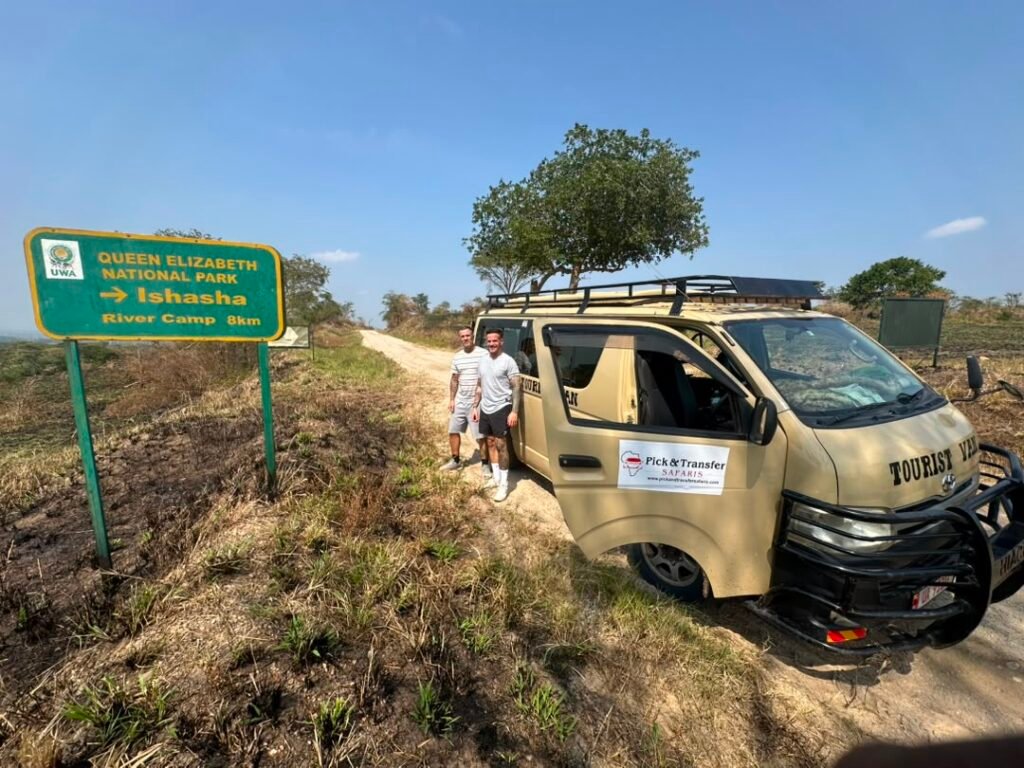
Rushaga’s southern location makes it a natural anchor point for a broader Uganda-Rwanda itinerary. A cultural visit with the local Batwa forest community, offering guided walks and traditional performances, pairs naturally with a trek here and often fits into the afternoon following a standard trek. For travellers with more time, Rushaga also connects reasonably well toward Uganda’s wider wildlife circuit, including Queen Elizabeth National Park for a Big Five game drive, or onward to Kibale Forest for chimpanzee tracking.
Our 3 Days Uganda Gorilla Safari from Rwanda and 5 Days Uganda Gorilla and Chimps Safari starting from Rwanda are both structured around a Rushaga-based trek as the anchor activity, extended with these additional experiences. If time is genuinely tight, our One Day Uganda Gorilla Safari Starting from Kigali and 2 Days Uganda Gorilla Tour Starting from Kigali both route through Rushaga as their default sector. For an independent perspective comparing Uganda’s Bwindi sectors against Rwanda’s Volcanoes National Park, Kenlink Tours also publish useful detail on permit costs and trekking terrain worth reading alongside this guide.
Choosing the Right Operator for a Rushaga Trek
Because Rushaga’s advantage depends partly on an operator’s ability to actually secure a permit within its many families — rather than defaulting you to whichever sector happens to be easiest to book — the operator you choose matters as much as the sector itself. Worth confirming before booking: whether the operator can name Rushaga specifically as your assigned sector, rather than a vague “Bwindi” placeholder; whether they can explain which of Rushaga’s trailheads your permit is likely to fall under; whether the lodge quoted is genuinely close to Rushaga’s Nyakagyezi headquarters; and whether they run this specific route from Kigali regularly.
At Pick and Transfer Safaris, Rushaga is the sector our Kigali-departure itineraries are built around by default, precisely because of the advantages covered throughout this guide — get in touch with our team if you’d like help securing a Rushaga permit for your travel dates.
Common Mistakes When Choosing a Bwindi Sector
A handful of avoidable mistakes account for most of the sector-related confusion travellers run into when planning a Bwindi trek.
Assuming all of “Bwindi” is one place. The park’s four sectors differ enormously in drive time, terrain, and family count — never book based on the word “Bwindi” alone without confirming the specific sector.
Choosing a sector based on lodge marketing rather than trekking logistics. A beautifully marketed lodge “near Bwindi” may in fact be hours from your actual trekking sector — always confirm genuine proximity to the specific headquarters you’ll be trekking from.
Overlooking family count when comparing sectors. Scenery and lodge quality matter, but permit availability — driven directly by how many habituated families a sector hosts — is what determines whether you can actually get the dates you want.
Booking Buhoma or Ruhija for a fast Kigali-departure trip. Both are excellent sectors, but their 6–7 hour drive from Kigali makes them a poor fit for anyone planning a one- or two-day itinerary from Rwanda’s capital specifically.
Not asking about the gorilla habituation experience. Travellers with a genuine interest in an extended forest encounter sometimes book a standard Rushaga trek without realising the longer habituation experience is available at the same sector — worth asking about at the booking stage if it appeals to you.
Frequently Asked Questions
Which sector in Bwindi is the best overall for gorilla trekking? Rushaga, primarily because it hosts more habituated gorilla families than any other sector — eight or more — giving it the strongest permit availability and trekking variety in the park.
Why does the number of gorilla families matter so much when choosing a sector? Each family caps at eight visitors per day; a sector with more families has proportionally more total daily capacity, which translates directly into better permit availability, especially during peak season.
Is Rushaga also the closest sector to Kigali? Rushaga and Nkuringo are roughly tied as the closest Bwindi sectors to Kigali, both around 4–4.5 hours away via the Cyanika border crossing, considerably closer than Buhoma or Ruhija in the north.
What’s the second-best sector if Rushaga is unavailable? Nkuringo, given its similarly convenient distance from Kigali and comparable access via Cyanika, despite hosting fewer habituated families than Rushaga.
Is Rushaga’s trekking terrain harder than other sectors? Rushaga’s terrain is genuinely steep in places, though its many trailheads offer some variation in difficulty; Nkuringo is generally considered the most physically demanding sector overall, and Buhoma the gentlest.
Does the permit cost more at Rushaga than other Bwindi sectors? No — the standard gorilla permit price is identical across all four sectors, currently around $800 for foreign non-residents; only the gorilla habituation experience, exclusive to Rushaga, carries a separate, higher price.
Can I do the gorilla habituation experience at any Bwindi sector? No — it’s currently offered exclusively at Rushaga, making it a unique reason to choose this sector specifically over Buhoma, Ruhija, or Nkuringo.
Should I choose a sector based on scenery or on practical logistics? Both matter, but for most travellers — particularly those on a tighter schedule or booking closer to their travel dates — permit availability and drive time from Kigali should weigh more heavily than scenery alone, which is where Rushaga consistently comes out ahead.
Finally
Of Bwindi’s four trekking sectors, Rushaga offers the strongest overall combination of factors that matter most to travellers starting from Kigali: the largest number of habituated gorilla families in the park, consistently stronger permit availability, a manageable drive time, and the exclusive option of the gorilla habituation experience for anyone wanting more than the standard hour. Buhoma, Ruhija, and Nkuringo each have genuine strengths — established infrastructure, quiet birding, or dramatic scenery — but none match Rushaga’s combination of choice and accessibility for a Kigali-based trip.
The core lesson worth carrying into any Bwindi booking is that “which sector” matters just as much as “which park” — the four sectors genuinely function as separate trekking destinations under one park name, and understanding those differences is what allows you to book with confidence rather than simply accepting whichever sector an operator finds easiest to fill. If you’re planning a gorilla trekking safari from Kigali and haven’t yet settled on a sector, Rushaga is very often where you’ll end up, and for good reason.
Get in touch with our team and we’ll help you secure a Rushaga permit and build the right itinerary around it.