- LET'S PLAN YOUR SAFARI
- +256 200 921 002
- +256 793 194 703
- info@pickandtransfersafaris.com

What to do after gorilla tour in Bwindi
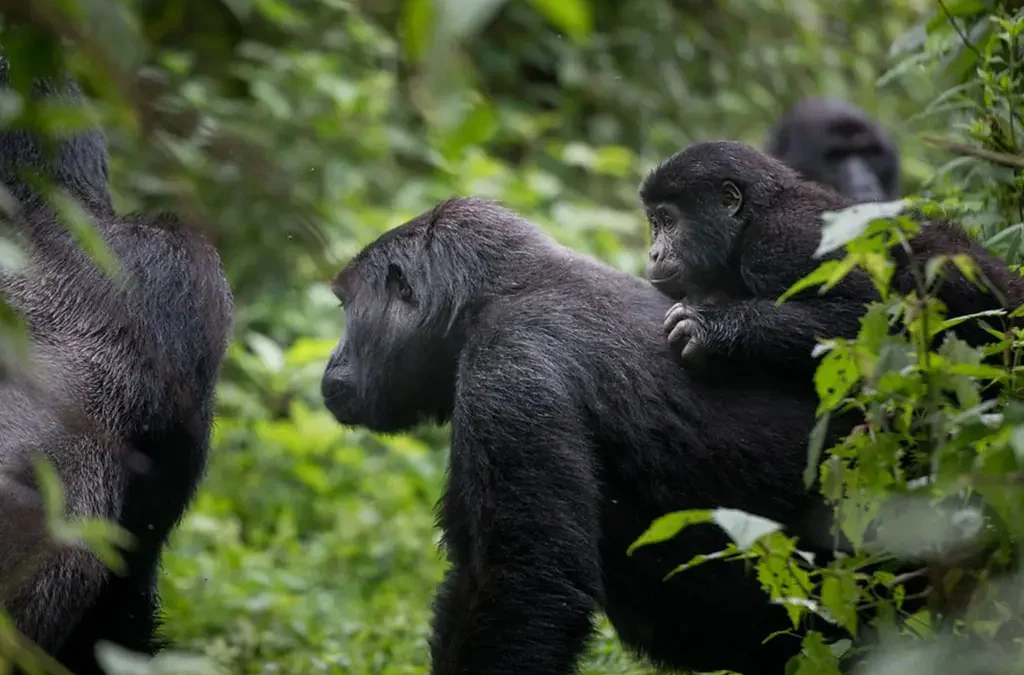
What to do after gorilla tour in Bwindi. The hour with the gorillas is over, your trekking certificate is in hand, and you’re back at your lodge by early-to-mid afternoon with the rest of the day — or several more days — still ahead of you. For many travellers, the question of what comes next is barely considered while planning a gorilla safari from Kigali, simply because the trek itself takes up so much of the planning attention beforehand. But Bwindi Impenetrable Forest and the hills surrounding it offer a genuine range of things worth doing once the main event is behind you, whether you have a spare afternoon or several extra days.
This guide covers exactly that: what to do after your gorilla tour in Bwindi, from a short afternoon activity near your lodge to multi-day extensions that turn a single trek into a full Uganda-Rwanda circuit. At Pick and Transfer Safaris, most of our multi-day itineraries are built specifically around these post-trek options, so this guide draws directly on what we recommend to our own clients once the trekking certificate is in their hands.
Whether your trip wraps up within hours of the trek or continues for several more days, this guide is organised to help you match your remaining time and energy to the options that genuinely suit them — from the lowest-effort choices to the more involved multi-day extensions.
First: What Your Afternoon Actually Looks Like Right After the Trek
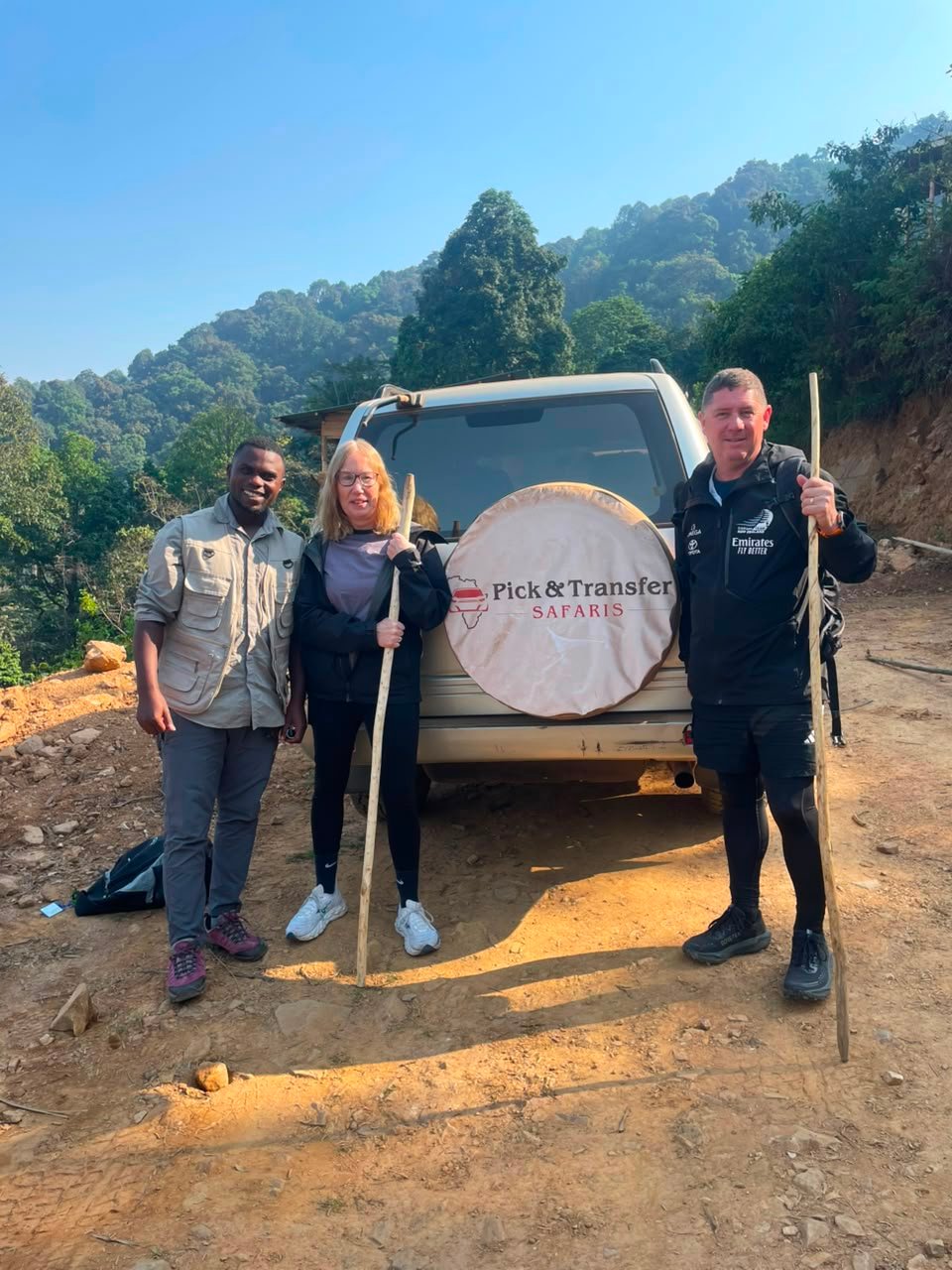
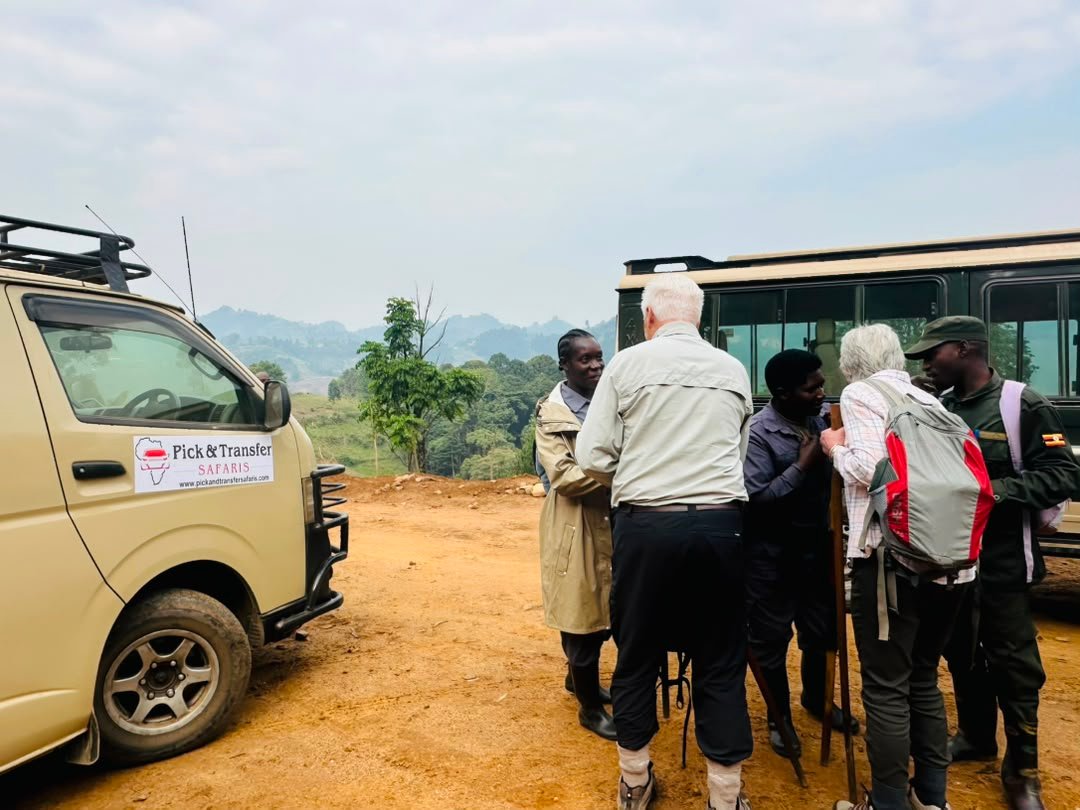
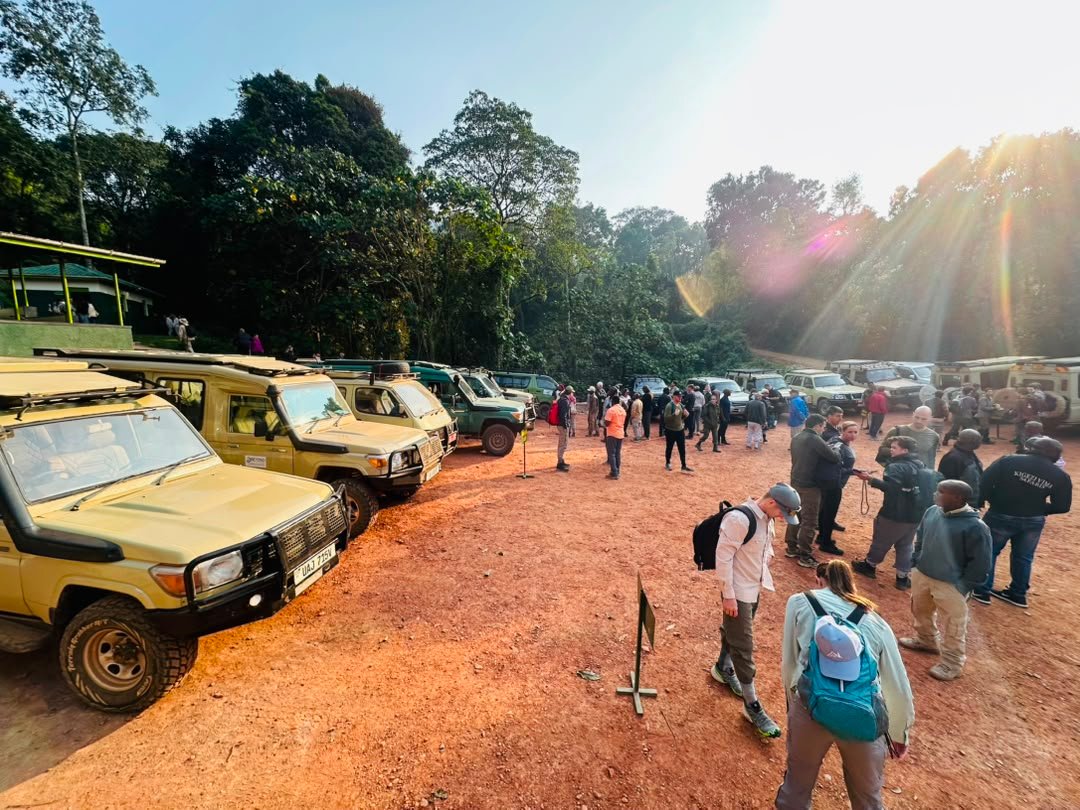
Exploring What to Do After Gorilla Tour in Bwindi
Before getting into longer-term options, it’s worth being realistic about the hours immediately following your trek. Most gorilla treks conclude with a return to park headquarters by early-to-mid afternoon, where trekking certificates are typically issued, followed by lunch near the park. By the time lunch is finished, most travellers have a genuine window of free time from mid-afternoon through the evening, whether their itinerary continues the next day or ends there.
This window is enough for a short activity close to your lodge, some quiet time to process what was, for most people, a genuinely emotional and physically demanding morning, or simply a nap before dinner. Trekking is more tiring than it looks on paper — even a “short” trek involves real elevation change at altitude — and it’s worth building in permission to do nothing at all for at least part of this afternoon rather than scheduling it wall to wall.
A Cultural Visit with the Batwa Community
One of the most popular and meaningful things to do in the hours or days after a Bwindi trek is a guided visit with the local Batwa community, the forest’s original inhabitants before it became a protected national park. Batwa guides — many of whom lived in Bwindi’s forest themselves before resettlement — lead walks demonstrating traditional hunting and gathering techniques, medicinal plant knowledge, and forest survival skills passed down over generations, often followed by traditional song and dance performances.
This activity typically runs two to three hours, fits comfortably into the afternoon or the following morning, and offers a meaningful counterpoint to the gorilla trek itself: where the trek is about observing wildlife, the Batwa visit is about understanding the human history of the same forest. It’s also a direct, tangible way to support a community whose relationship with Bwindi changed fundamentally when the park was established, and it’s worth booking in advance through your operator rather than assuming it can be arranged on arrival. Our 3 Days Uganda Gorilla Safari from Rwanda builds a Batwa cultural visit directly into its itinerary for exactly this reason.
Visitors consistently describe this activity as one of the most memorable parts of their entire trip, sometimes rivalling the gorilla trek itself in emotional impact — hearing directly from Batwa elders about life in the forest before resettlement offers a perspective on Bwindi that no wildlife encounter alone can provide, and it’s worth allocating genuine time and attention to it rather than treating it as a brief add-on between more “headline” activities.
A Second Trek: The Gorilla Habituation Experience
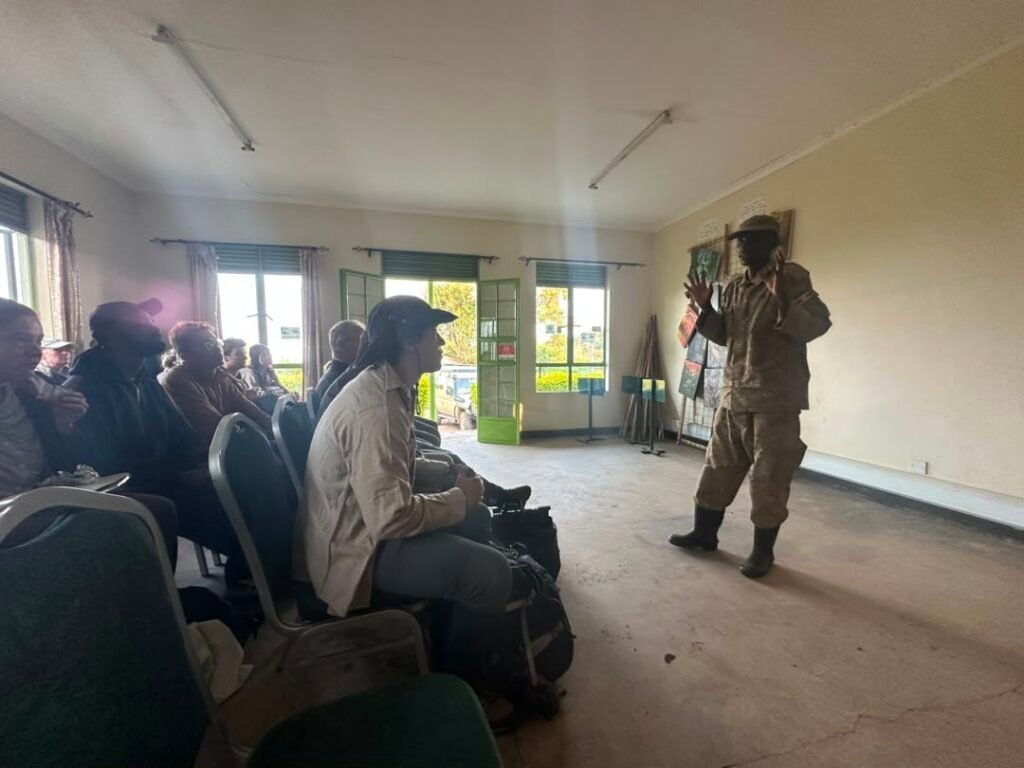
If your standard trek left you wanting more time in the forest, and your permit was for Bwindi’s Rushaga sector specifically, the gorilla habituation experience is worth considering as a genuinely different follow-up activity rather than a repeat of the same trek. This specialised permit allows a maximum of four visitors to spend up to four hours with researchers and trackers working to habituate a gorilla family not yet fully accustomed to human presence — a slower-paced, more observational encounter than the standard one-hour trek, and currently offered exclusively at Rushaga within Uganda.
Because it requires a separate permit, booked well in advance, this isn’t something you can typically add on the same day as your standard trek — it needs to be planned as part of your itinerary from the outset, usually on a different day during a multi-day trip. For travellers with a genuine interest in gorilla behaviour and conservation research, it’s one of the most rewarding “what’s next” options available anywhere near Bwindi.
Golden Monkey Tracking Nearby
If your Bwindi itinerary includes time near Mgahinga Gorilla National Park, or you’re extending your trip toward Rwanda’s Volcanoes National Park, golden monkey tracking is a natural, lower-key follow-up to a gorilla trek. It’s shorter and considerably less physically demanding, typically running one to two hours, and offers a lighter, more playful wildlife encounter — golden monkeys are notably more active and acrobatic than gorillas, making for a genuinely different kind of forest experience.
At roughly a fraction of the cost of a gorilla permit, golden monkey tracking is an easy add-on for travellers who want a second primate encounter without a second major expense, and it pairs particularly well with an itinerary that includes Mgahinga Gorilla National Park or a stop at Rwanda’s own Volcanoes National Park on the way back toward Kigali.
Nature Walks and Waterfall Trails Within Bwindi
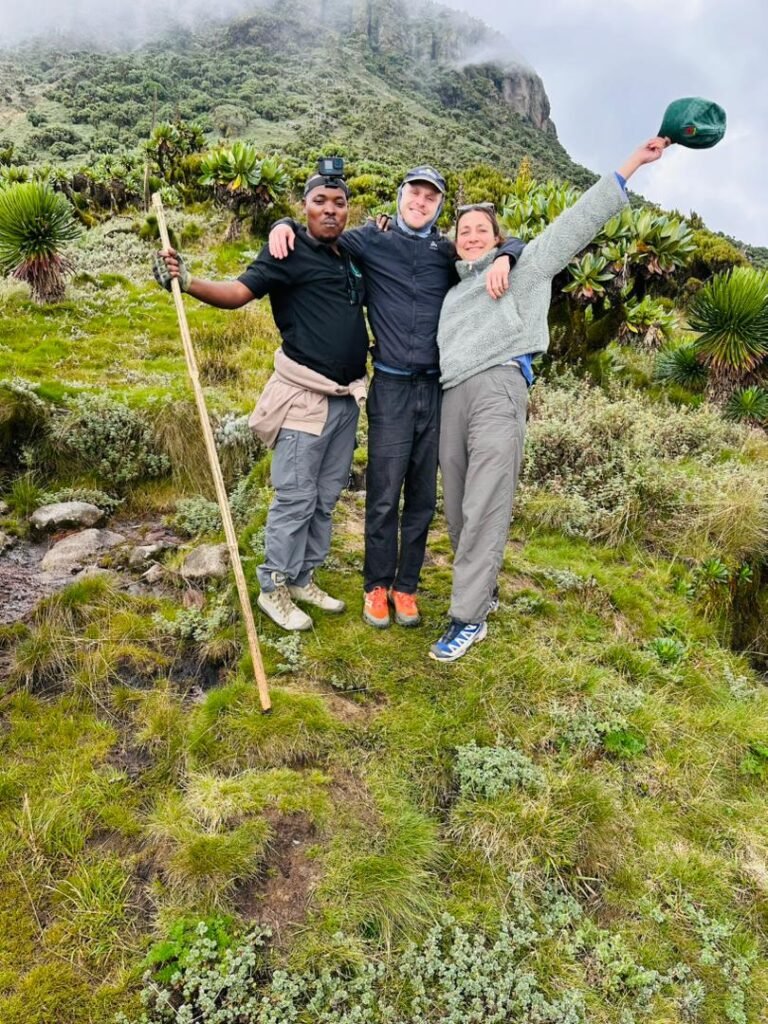
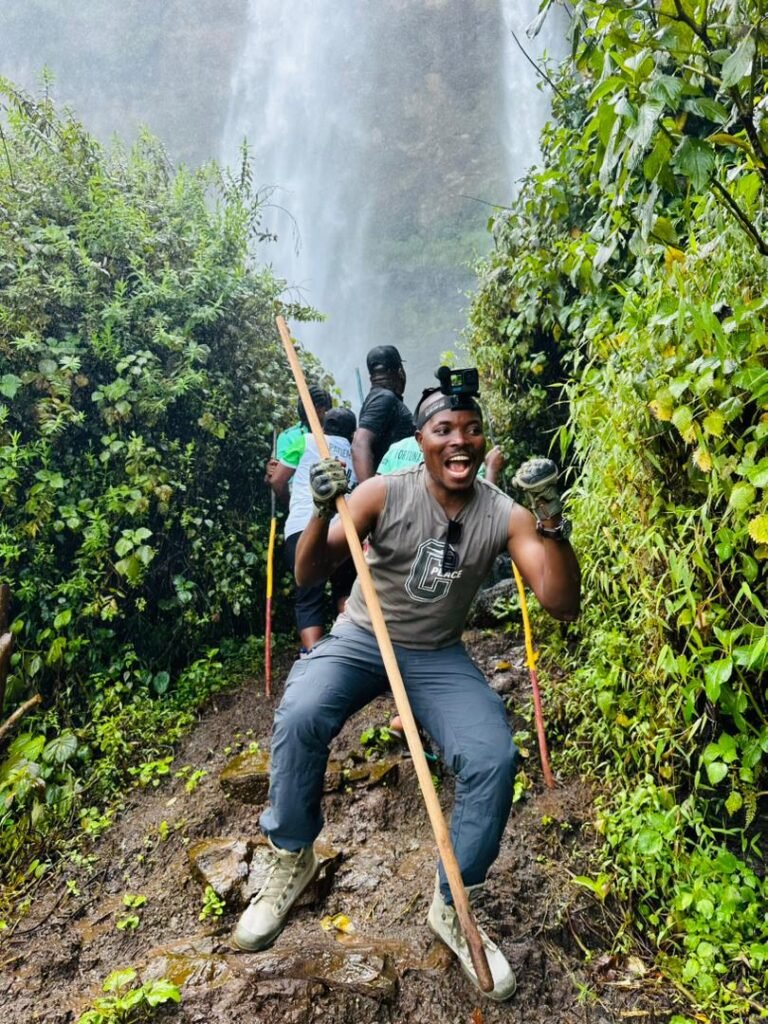
Beyond gorilla trekking, Bwindi Impenetrable Forest maintains an extensive network of guided nature trails, ranging from gentle one-hour walks to full-day hikes, offering a completely different pace and perspective on the same forest. The Munyaga River Trail, popular near Buhoma, and various waterfall walks near several sectors, lead through dense forest to cascading falls, with genuinely good odds of spotting forest birds, butterflies, and smaller primates like black-and-white colobus monkeys along the way.
The walks in Bwindi are less strenuous than gorilla treks and offer a gentler option for post-trek recovery, making them ideal for those with tired legs. Birding is a key attraction, with over 350 bird species, including many endemic to the Albertine Rift. A guided birding walk is recommended for anyone interested in wildlife, and serious birders often extend their stay to explore Bwindi’s diverse avian offerings, benefiting from the expertise of local guides to enhance their experience.
Community Walks and Local Village Visits
Beyond the specifically Batwa-focused cultural visit, many lodges near Bwindi organise broader community walks through nearby villages, offering a look at local agriculture, traditional homestead life, and small-scale craft production. These walks are typically shorter and more relaxed than the Batwa forest experience, often including a stop at a local market or a demonstration of banana beer or basket weaving, and make a pleasant, low-effort activity for an afternoon when a longer excursion feels like too much after a demanding morning trek.
Many of these visits also support local schools or health initiatives directly through visitor fees, extending the same community-benefit principle that underpins gorilla permit revenue itself — worth asking your lodge or guide about specifically if community-based tourism interests you.
Extending Toward Queen Elizabeth National Park
For travellers with two or more extra days, Queen Elizabeth National Park is one of the most popular extensions from Bwindi, reachable by road in a few hours depending on which trekking sector you started from. It offers a completely different wildlife experience from the forest — open savannah and wetland habitat supporting elephants, buffalo, hippos, and the park’s famous tree-climbing lions in the Ishasha sector, along with a boat cruise on the Kazinga Channel that reliably delivers some of the best hippo and bird viewing in East Africa.
Combining a Bwindi gorilla trek with a Queen Elizabeth game drive turns a primate-focused trip into a genuine Big Five-adjacent safari, and it’s one of the most natural “what’s next” extensions for travellers who want their trip to cover more than forest wildlife alone. The contrast in scenery alone makes this extension worthwhile beyond the wildlife itself — trading Bwindi’s dense, enclosed canopy for Queen Elizabeth’s wide-open crater lakes and rolling savannah is, for many travellers, as memorable as any specific animal sighting along the way. Our longer combined itineraries, including the 5 Days Uganda Gorilla and Chimps Safari starting from Rwanda, can be adapted to include a Queen Elizabeth stop for travellers with the extra time.
Chimpanzee Tracking as a Second Primate Encounter
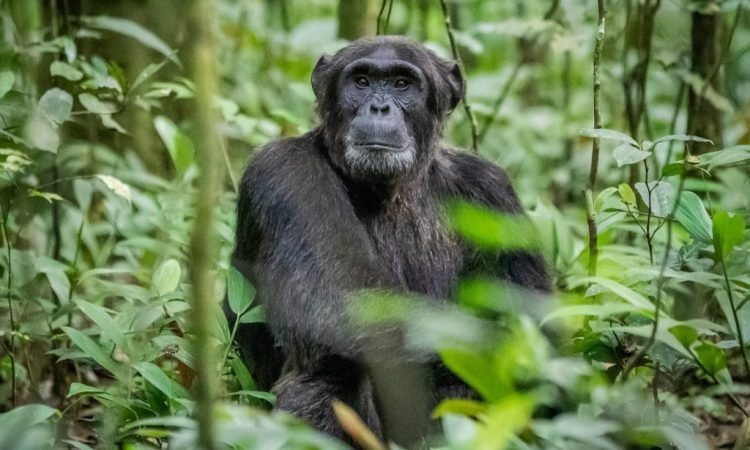
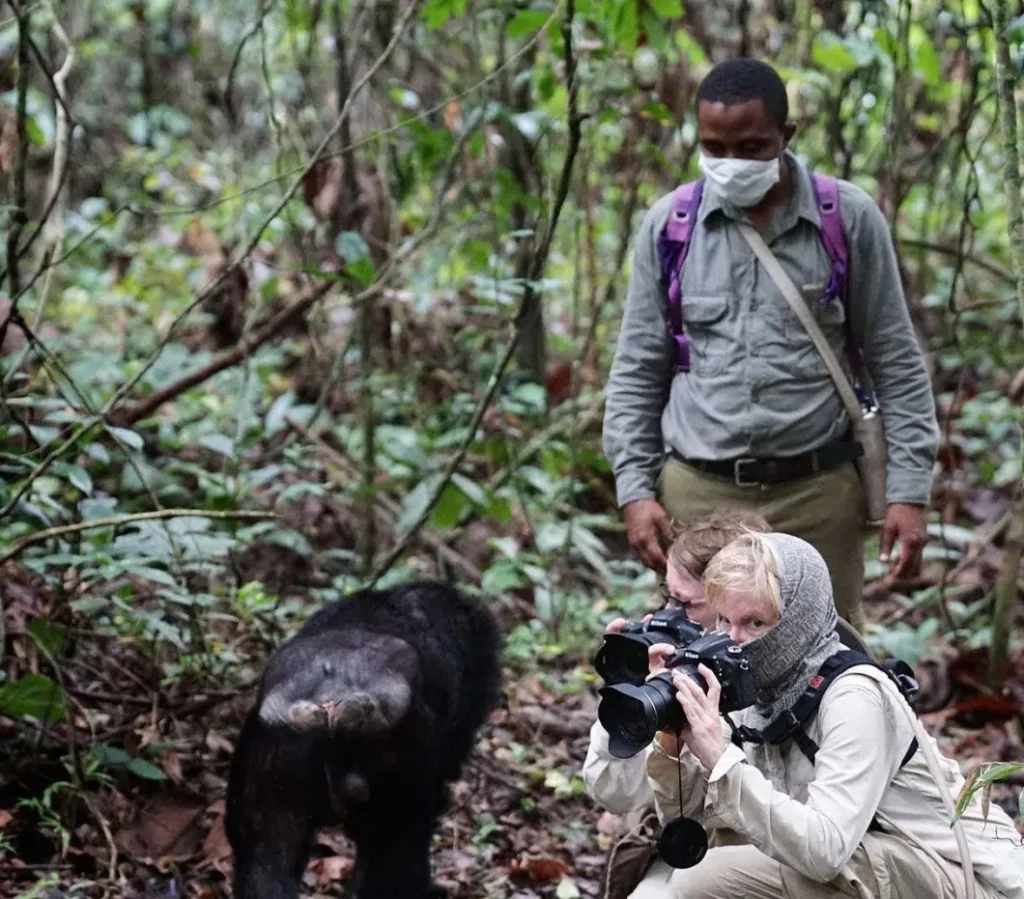
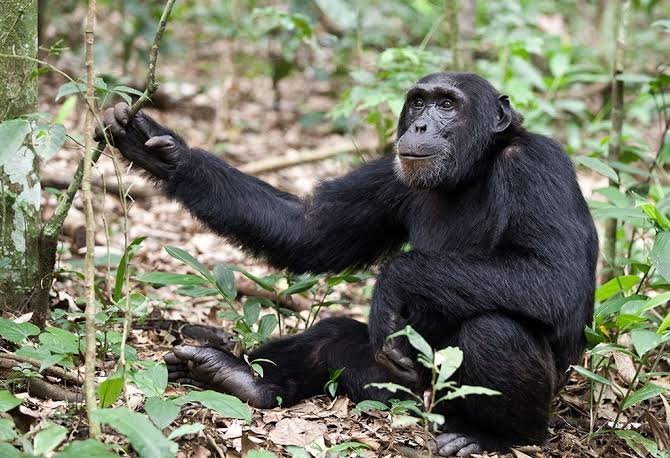
For travellers who want a second, entirely different primate trekking experience after gorillas, chimpanzee tracking in Uganda’s Kibale Forest — often called the primate capital of the world — is one of the most rewarding follow-up activities available. Chimpanzees behave very differently from gorillas: more vocal, more active, and often moving quickly through the canopy rather than resting on the forest floor, making for a genuinely different kind of encounter even though the format (a guided trek, a limited viewing window, similar group-size rules) will feel familiar.
Kibale sits further from Bwindi than Queen Elizabeth National Park, so this extension generally suits travellers with three or more extra days rather than a single spare afternoon. Our 5 Days Uganda Gorilla and Chimps Safari starting from Rwanda is built specifically around pairing these two primate treks in a single well-paced week.
Relaxing at Your Lodge
It’s worth stating plainly: doing nothing at all is a completely legitimate answer to “what to do after a gorilla trek.” Many of Bwindi’s lodges are built specifically to take advantage of forest-edge or valley views, with verandas, pools, or spa facilities designed for exactly this kind of decompression after a physically demanding morning. Given how early most trekking days start and how much physical effort the trek itself requires, an afternoon spent simply resting — reading, napping, or watching the forest from a veranda — is not wasted time; it’s a genuinely appropriate way to close out one of the more intense days of most travellers’ entire trip.
If your itinerary includes a second night near Bwindi rather than an immediate departure, this downtime also gives you a natural buffer against the unpredictability of trekking duration — if your trek ran long that morning, a quiet afternoon rather than a packed schedule means nothing else gets disrupted.
Shopping for Local Crafts and Souvenirs
Several community cooperatives and craft centres operate near Bwindi’s main trekking sectors, selling handwoven baskets, wood carvings, and other crafts produced by local artisans, often including groups specifically supporting families affected by the park’s establishment. These make for a straightforward, low-effort activity — an hour or two browsing and buying directly supports the local economy in a way that’s easy to fit into even a short window between the trek and dinner.
It’s worth asking your guide or lodge specifically about community-run outlets rather than generic tourist shops, since pricing and the share of proceeds reaching artisans directly can vary considerably between the two.
Extending Toward Nyungwe Forest in Rwanda
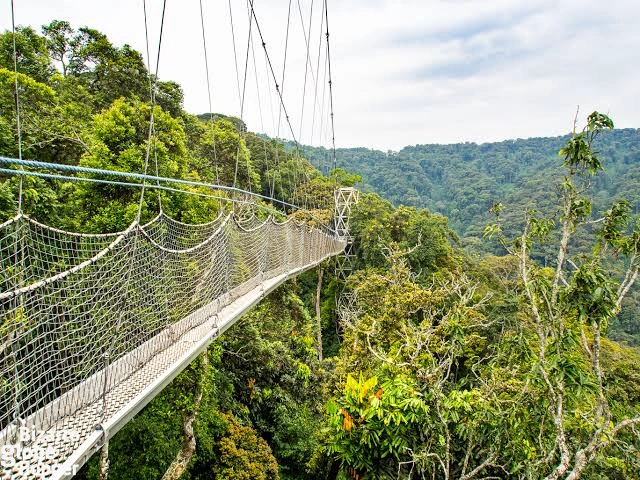
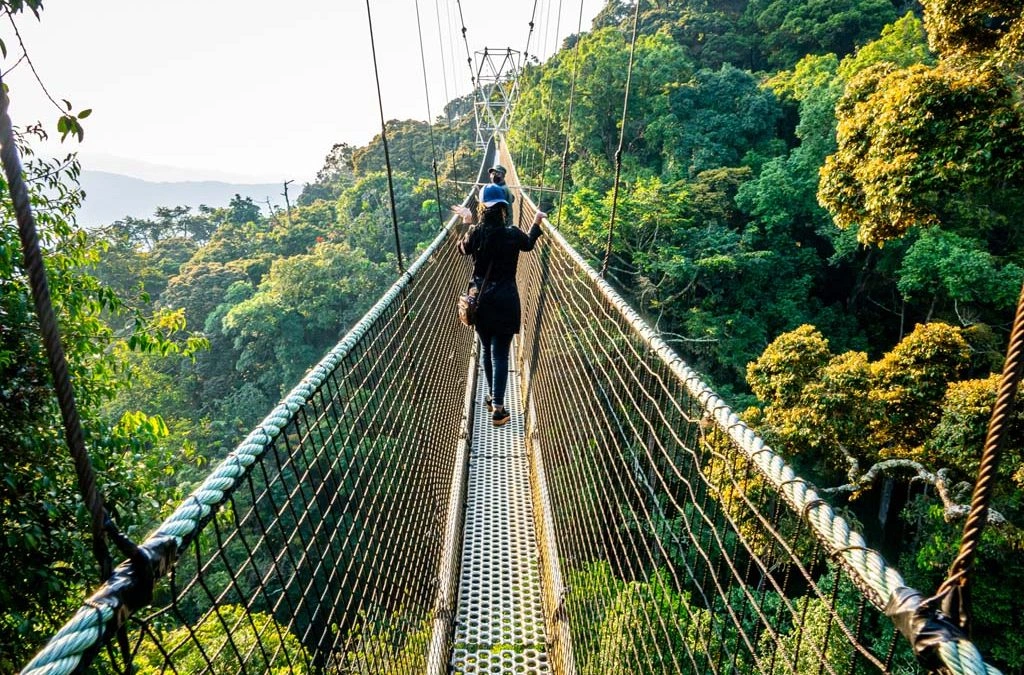
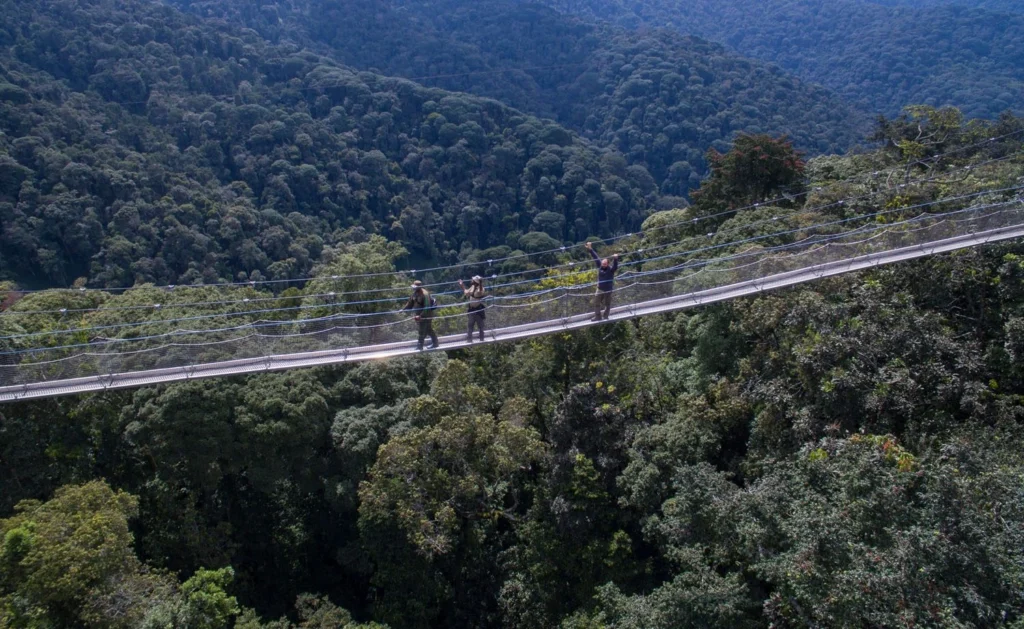
For travellers whose trip loops back through Rwanda rather than continuing deeper into Uganda, Nyungwe Forest National Park offers another strong post-Bwindi extension, particularly for anyone drawn to chimpanzee tracking but unable to fit in Uganda’s Kibale Forest given the extra distance involved. Nyungwe is one of Africa’s oldest rainforests, home to habituated chimpanzee troops alongside a well-regarded canopy walkway offering a genuinely different vantage point over the forest than anything available at Bwindi.
Because Nyungwe sits within Rwanda rather than requiring a second Uganda border crossing, it fits naturally into a Bwindi-to-Kigali return journey for travellers with an extra day or two, and it pairs well with our 3 Days Rwanda Gorilla Tracking and Cultural Tour for anyone building a broader Rwanda-based itinerary around their Bwindi trek.
A Sample Post-Trek Itinerary: Two Extra Days
To make the options above concrete, here’s roughly how a well-paced two-day post-trek extension from Bwindi actually unfolds for many of our clients.
Afternoon of trekking day — Lunch near the park, a rest at your lodge, followed by a shorter, lower-intensity activity such as a guided nature walk or a visit to a nearby community craft centre before dinner and an early night.
Day after trekking — A morning Batwa cultural visit, offering guided walks and traditional performances, followed by a scenic drive toward Lake Bunyonyi in the afternoon, with a night at a lakeside lodge offering canoeing or a relaxed boat tour of the lake’s islands.
Final day — A leisurely morning at Lake Bunyonyi before the drive back to Kigali, arriving with enough time for a stop in Kigali City itself before an evening flight or a final night in the capital.
This structure scales up naturally — swap the Lake Bunyonyi stop for a Queen Elizabeth National Park game drive, or extend it further with Kibale Forest chimpanzee tracking, depending on how much additional time your trip allows.
Extending Toward Lake Bunyonyi
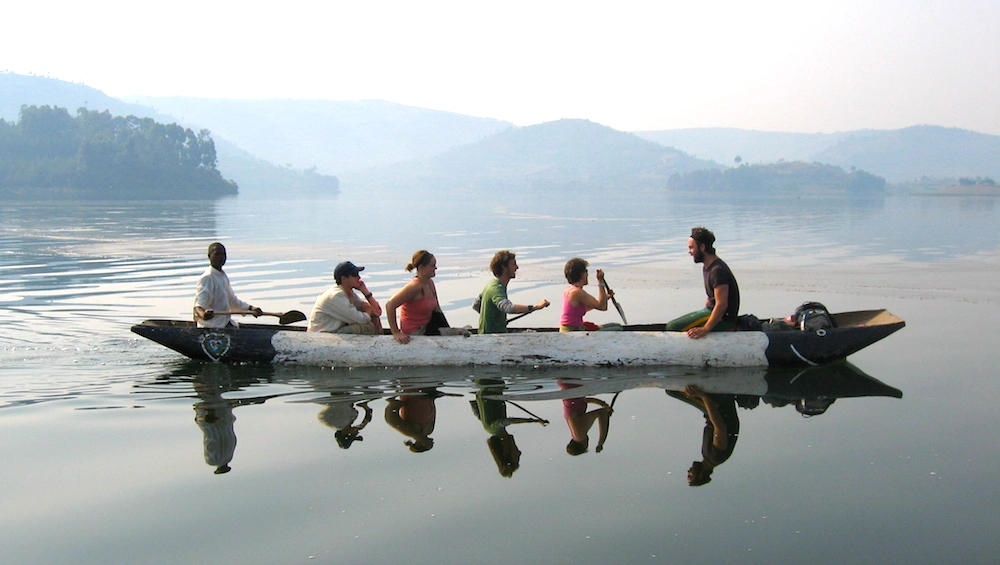
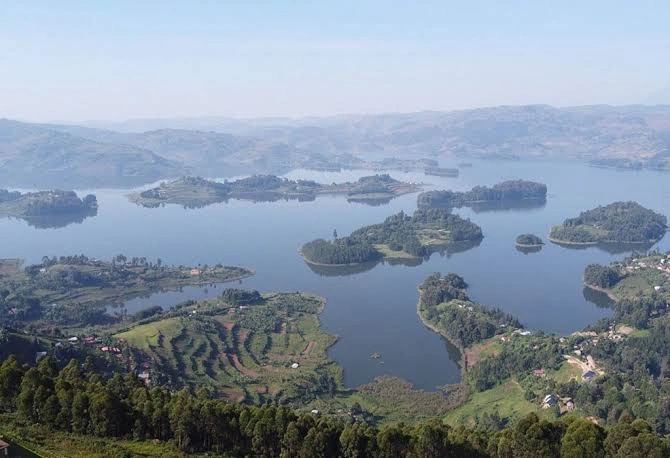
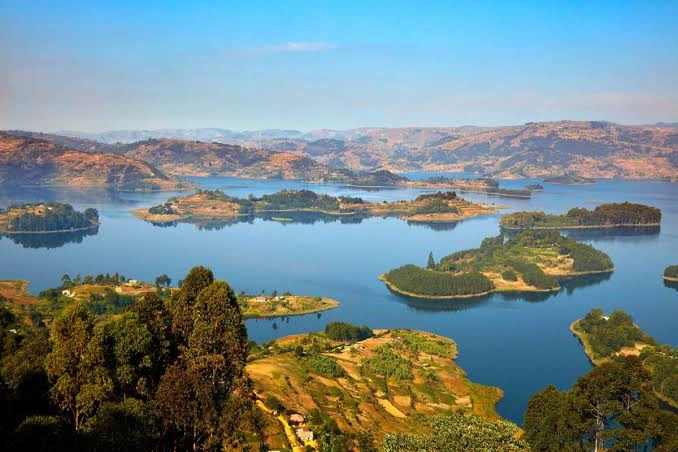
For travellers heading back toward Kigali via a slightly different route, or simply wanting a scenic, restful stop between Bwindi and the border, Lake Bunyonyi — one of Uganda’s most picturesque lakes, dotted with small islands and surrounded by terraced hills — is a popular stop roughly an hour or two from several Bwindi trekking sectors. Activities here are deliberately low-key: canoeing, a boat tour of the lake’s islands, or simply relaxing at a lakeside lodge, making it an excellent decompression stop after the intensity of gorilla trekking and before the long drive back to Kigali.
This kind of stop works particularly well as a night’s stay between your trek and your return journey, breaking up what would otherwise be a long single drive and adding a genuinely different scenic experience to the trip.
Ethical Considerations for Post-Trek Activities
Just as the gorilla trek itself operates under strict conservation-minded rules, it’s worth applying the same thinking to whatever you choose next. Community visits, whether Batwa-focused or general village walks, are most valuable — both to you and to the community — when booked through an operator who works directly with a recognised local cooperative, ensuring fees genuinely reach the people involved rather than an intermediary. It’s worth asking this question directly rather than assuming any community activity offered near your lodge operates on the same basis.
The same principle applies to wildlife-focused extensions: choosing licensed operators and permit-based activities over informal arrangements protects both the animals involved and the long-term sustainability of tourism in the area. None of the activities covered in this guide require compromising on this standard — Bwindi’s surrounding tourism infrastructure has matured enough that reputable, community-benefiting options exist for nearly everything on this list, provided you ask the right questions before booking.
Returning to Kigali: What to Do Once You’re Back
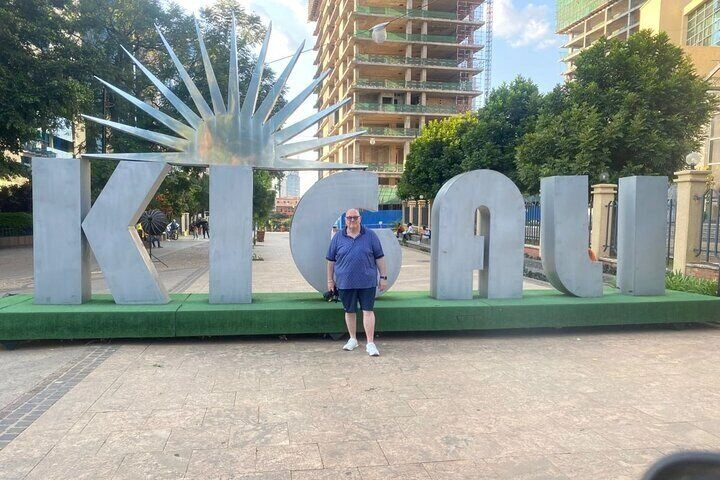
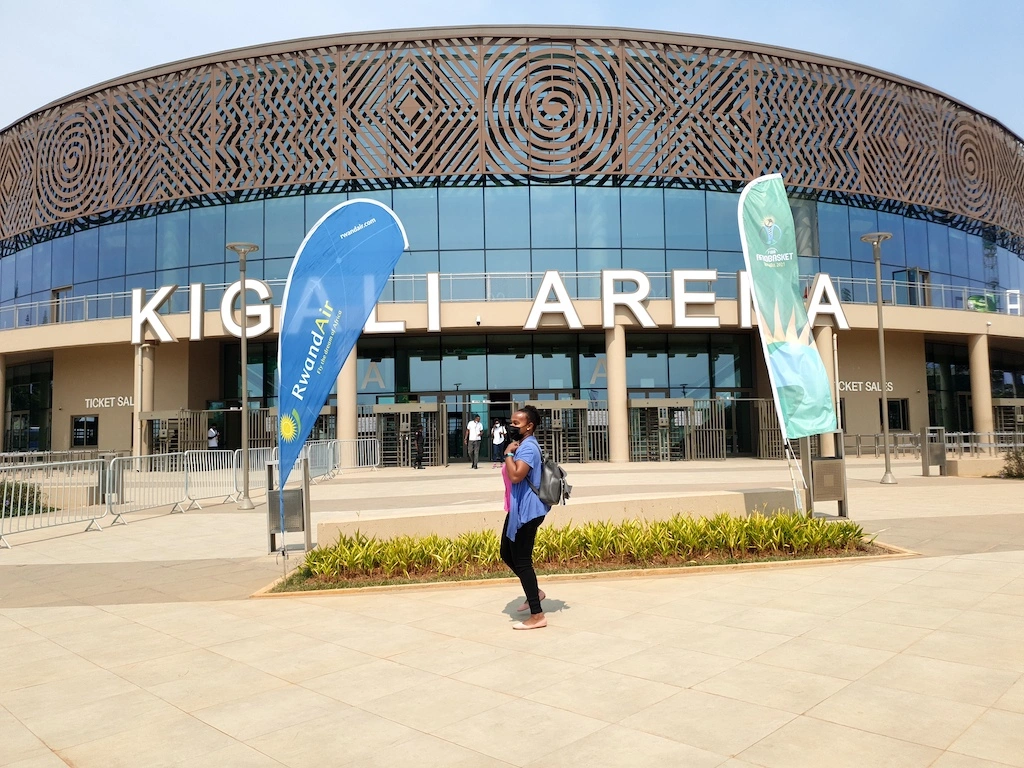
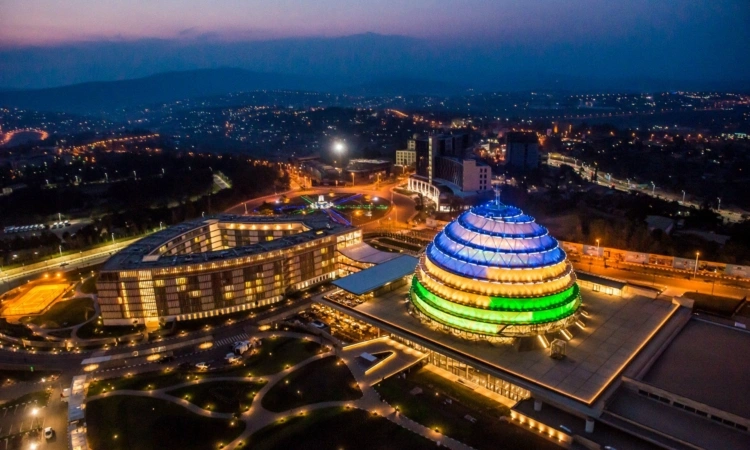
If your Bwindi trek is the final activity of your Uganda leg before returning to Rwanda, it’s worth planning what happens once you’re back in Kigali City itself, particularly if you have a night or more before an onward flight. Kigali offers a genuinely worthwhile change of pace from the forest — the Kigali Genocide Memorial, a walkable, café-filled city centre, and a range of excellent restaurants make for a good final day or two, especially for travellers who spent their Bwindi days entirely focused on trekking and forest activities.
If your trip continues within Rwanda rather than ending in Kigali, extending toward Volcanoes National Park for golden monkey tracking, or Akagera National Park for a savannah game drive, are both worth considering as further additions — our 5 Days best of Rwanda Primate Safari combines exactly this kind of Rwanda-based extension with a Bwindi-adjacent gorilla trek.
Planning Your Post-Trek Days by Itinerary Length
How much of this list is realistic depends heavily on how many days your overall trip has left after the trek itself, so it’s worth thinking about post-trek activities by available time rather than trying to fit everything in regardless of your schedule.
If your trip ends the same day or the next morning (as on our One Day Uganda Gorilla Safari or 2 Days Uganda Gorilla Tour), your realistic post-trek options are limited to a short afternoon activity — a nature walk, a community visit, or simply resting at the lodge before the return drive to Kigali.
If you have one to two extra days, a Batwa cultural visit, golden monkey tracking, or a stop at Lake Bunyonyi on the way back to Kigali all become genuinely comfortable additions without requiring a full itinerary rebuild — this is roughly the scope covered by our 3 Days Uganda Gorilla Safari from Rwanda.
If you have three or more extra days, a full extension toward Queen Elizabeth National Park for game drives, or Kibale Forest for chimpanzee tracking, becomes realistic, turning a gorilla-focused trip into a genuine multi-activity Uganda safari — this is the territory our 5 Days Uganda Gorilla and Chimps Safari starting from Rwanda is built around.
Rest and Recovery: Don’t Underestimate the Physical Toll
Whatever else you plan, it’s worth taking seriously how physically demanding gorilla trekking actually is, even on a “good” day when the family was found quickly. Steep, uneven terrain at altitude, several hours on your feet, and — for many travellers — an early start beforehand all add up to real fatigue that doesn’t always announce itself until the adrenaline of the encounter has worn off.
Scheduling at least one genuinely low-effort activity, or simply unstructured rest, somewhere in the 24 hours following your trek is worth treating as a planning priority rather than an afterthought, particularly if you have another physically demanding activity — a second trek, a long hike, or an early departure — coming up soon after. Hydration, a proper meal, and a full night’s sleep do more for how you’ll feel the next day than any single activity choice covered in this guide.
Photography and Reviewing Your Trek
For many travellers, part of “what to do after” a gorilla trek is simply the practical business of dealing with the photos and footage captured during the encounter — backing up memory cards, charging batteries for whatever comes next, and, if you have a quiet afternoon, actually reviewing what you captured rather than rushing straight into another activity. Given how quickly the hour with the gorillas passes, and how much of it is often spent behind a viewfinder, many travellers find real value in simply sitting with their photos afterward, in a way that helps the experience settle rather than blur into the next thing on the itinerary.
If you’re travelling with a professional or semi-professional camera setup, this downtime is also a practical opportunity to back up files to a laptop or portable drive before continuing your trip, particularly if further activities — a second trek, a dusty game drive, or more travel days — put your equipment at further risk.
Health and Practical Considerations After Trekking
A few practical matters are worth addressing in the hours after your trek, regardless of which activities you choose next. Rehydrating properly, especially if your trek ran long or the day was hot, matters more than travellers sometimes realise, and it’s worth prioritising water over any other single post-trek need. If you hired a porter, settling their tip promptly, in cash, before leaving the trailhead is standard practice and easy to overlook amid the excitement of the encounter itself.
It’s also worth checking in with yourself honestly about minor aches, blisters, or insect bites picked up during the trek — Bwindi’s dense vegetation means nettle stings and biting insects are a routine, if minor, part of most treks, and addressing them with basic first aid before they worsen is a small task worth doing before moving on to the next activity on this list.
Choosing the Right Follow-On Activity for Your Trip
With so many options covered in this guide, it’s worth a final word on how to actually choose between them. If your priority is cultural depth, the Batwa community visit is the strongest single option. If it’s a second wildlife encounter without much extra time, golden monkey tracking or a shorter nature walk fits best. If you have real time to spend and want your trip to cover more than primates, Queen Elizabeth National Park or Kibale Forest chimpanzee tracking are the more substantial extensions worth planning for from the outset rather than adding as an afterthought.
Whatever you choose, it’s worth discussing your priorities with your operator before your trip begins rather than trying to arrange additional activities on the ground in Bwindi itself, since permits, guides, and transport for some of these options — particularly the gorilla habituation experience or a Queen Elizabeth extension — need to be booked well in advance. Get in touch with our team if you’d like help building a post-trek itinerary around your specific interests and available time, and for an independent perspective on how other operators structure post-trek extensions from Bwindi, Kenlink Tours also publish useful detail worth comparing.
Spa Treatments and Wellness at Lodge Level
A number of Bwindi’s mid-range and luxury lodges now offer basic spa services — massages, in particular — specifically marketed toward gorilla trekkers dealing with sore legs and general fatigue after a demanding morning on steep terrain. Where available, this is a genuinely well-matched activity for the hours immediately following a trek, and it’s worth asking your lodge in advance whether this service is offered and whether it needs to be booked ahead rather than assumed available on arrival.
Even at lodges without formal spa facilities, many are designed with relaxation specifically in mind — outdoor seating areas overlooking the forest, fireplaces for cool highland evenings, and quiet common areas where the day’s trekking stories tend to get shared over dinner with other guests who trekked different gorilla families that same morning. This social element is itself worth mentioning as a low-key “activity” in its own right: comparing notes with other travellers who spent the same morning with a different gorilla family is a small but genuine part of many people’s post-trek experience.
What Guides and Porters Often Recommend
It’s worth asking your ranger, guide, or porter directly what they’d suggest for the rest of your day — these are people who watch travellers move through the same post-trek decision every single day, and their recommendations are often more specific and current than general guidebook advice. Many will know, for instance, which nearby waterfall trail is least crowded that particular week, which community craft cooperative is genuinely community-run versus more commercially oriented, or whether a specific lodge’s spa services are currently operating.
This kind of on-the-ground local knowledge is one of the underrated benefits of trekking with an experienced guide rather than approaching Bwindi as a purely self-directed destination, and it costs nothing beyond simply asking the question during the walk back to the trailhead.
Frequently Asked Questions
What’s the most popular activity to do right after a gorilla trek in Bwindi? A cultural visit with the local Batwa community is one of the most consistently recommended follow-up activities, offering a meaningful, relatively short addition that fits into the same afternoon or the following morning.
Can I do a second gorilla trek the day after my first one? Not a standard repeat trek, but the gorilla habituation experience at Rushaga offers a genuinely different, longer encounter and can be booked as a separate permit on a different day of a multi-day itinerary.
Is golden monkey tracking worth adding after a gorilla trek? Yes, if your itinerary passes near Mgahinga or Rwanda’s Volcanoes National Park — it’s shorter, less demanding, and considerably cheaper than a gorilla permit, making it an easy, worthwhile addition.
How much extra time do I need to visit Queen Elizabeth National Park after Bwindi? At least two extra days is realistic, given the drive time and the value of at least one full day for game drives and a boat cruise once you arrive.
Is it okay to just rest after my gorilla trek instead of doing another activity? Absolutely — gorilla trekking is more physically demanding than it appears, and a quiet afternoon or evening at your lodge is a completely reasonable way to spend the time afterward.
What should I do with my photos and camera gear after the trek? Back up memory cards and charge your batteries as soon as practical, particularly if further activities are coming up — many travellers also find real value in reviewing their photos during a quiet afternoon rather than rushing on immediately.
Can I combine a Bwindi trek with chimpanzee tracking on the same trip? Yes, though it generally requires three or more extra days given Kibale Forest’s distance from Bwindi — our 5-day itineraries are built around exactly this combination.
What if I only have a few hours after my trek before heading back to Kigali? A short nature walk, a visit to a nearby community craft centre, or simply resting at your lodge before the drive are all realistic options within a limited afternoon window.
Are spa or massage services available near Bwindi after a trek? Many mid-range and luxury lodges near Bwindi offer massage services specifically aimed at trekkers, though availability varies by lodge — it’s worth asking in advance whether booking ahead is required.
Is Lake Bunyonyi worth visiting if I’m short on time? If your route back to Kigali passes near it, even a few hours can be worthwhile given the scenery, though a full night’s stay allows for canoeing or a proper island boat tour rather than just a brief stop.
Can I combine a Bwindi gorilla trek with Rwanda’s Nyungwe Forest for chimpanzee tracking? Yes, particularly for travellers whose route loops back through Rwanda — Nyungwe avoids a second Uganda-focused extension and fits naturally into a Bwindi-to-Kigali itinerary with an extra day or two.
Should I ask my guide for activity recommendations, or plan everything in advance? Both — planning major additions like a Queen Elizabeth extension or the gorilla habituation experience in advance is essential, but it’s also worth asking your guide or porter for on-the-ground recommendations for smaller, spontaneous activities.
Is it disrespectful to skip cultural activities and just relax at the lodge instead? Not at all — while community visits are meaningful and worth considering, resting after a demanding trek is a completely legitimate choice, and no single post-trek activity is obligatory.
A Quick Planning Checklist for Your Post-Trek Days
Pulling everything in this guide together, here’s a simple way to think through your own post-trek planning before you travel. First, confirm how much time you actually have after your trek — the same afternoon, one extra day, or several — since this single factor determines which of the options above are realistic rather than aspirational. Second, decide whether cultural depth, a second wildlife encounter, or genuine rest is your priority for that time, since trying to fit all three into a short window usually means doing none of them properly.
Third, book anything requiring advance arrangement — the gorilla habituation experience, a Queen Elizabeth National Park extension, or specific community visits — before you arrive in Bwindi, since same-day arrangement is often unreliable or unavailable entirely for these specific activities. Finally, build in genuine slack for fatigue: even the most efficiently planned post-trek itinerary works better with room for an unplanned rest than one scheduled to the hour with no buffer at all.
Finally,
The hour with the gorillas is often the headline of a Bwindi trip, but what you do in the hours and days that follow can meaningfully shape how the whole experience is remembered — whether that’s a meaningful cultural encounter with the Batwa, a second, different wildlife experience nearby, or simply the rest your body has earned after a demanding morning. The right choice depends entirely on how much time and energy you have left, and it’s worth planning for at least one of these options rather than leaving the rest of your Bwindi day or trip entirely unstructured.
What ties every option in this guide together is that none of them require you to leave Bwindi’s immediate surroundings entirely, or to sacrifice the rest and recovery your body genuinely needs after a demanding trek. Whether your post-trek plan is an elaborate multi-day extension or nothing more than a quiet afternoon on a lodge veranda, the goal is the same: making sure the rest of your trip feels as considered and worthwhile as the trek that brought you to Bwindi in the first place.
If you’d like help building a full itinerary around your Bwindi trek — from a single extra afternoon to a week-long extension across Uganda and Rwanda — get in touch with our team and we’ll match the right post-trek activities to your travel dates.