- LET'S PLAN YOUR SAFARI
- +256 200 921 002
- +256 793 194 703
- info@pickandtransfersafaris.com

Do I Need a Visa to Cross from Rwanda to Uganda?
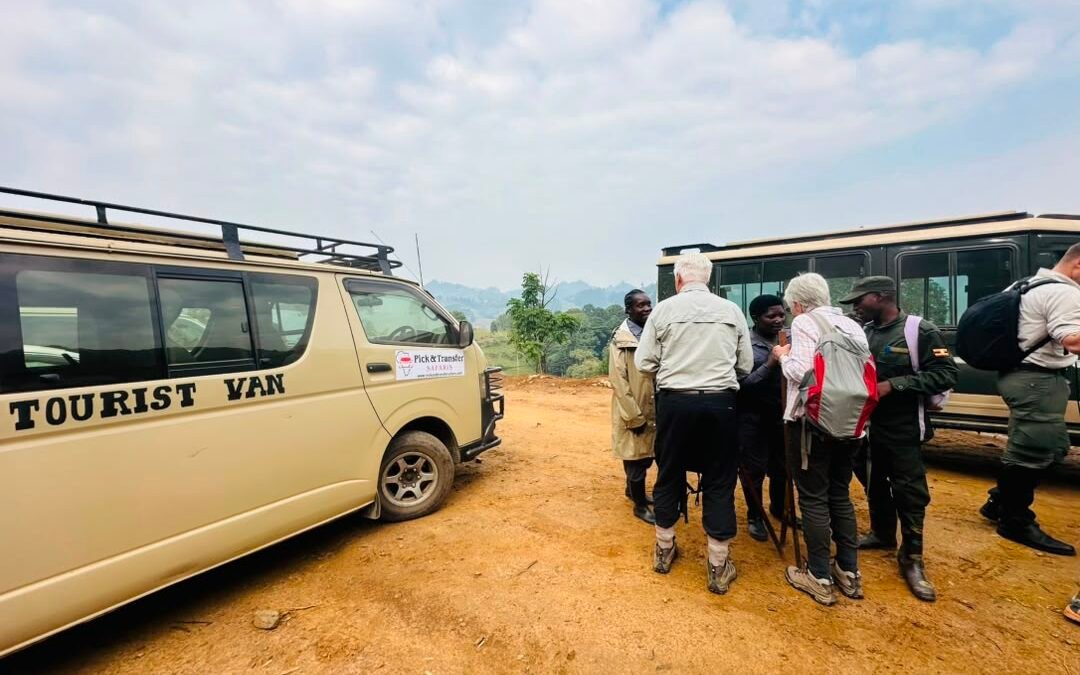
Do I Need a Visa to Cross from Rwanda to Uganda? Every traveler stitching together a Rwanda and Uganda safari eventually lands on the same question: “do I need a visa to cross from Rwanda to Uganda?” It’s a fair question, because the answer hinges on a mix of nationality rules, a regional visa scheme, and two very different border posts, and getting any one of them wrong can cost you a gorilla trekking morning you can’t get back. This guide lays out the current 2026 picture in plain terms — who crosses free, who needs paperwork, which visa is worth paying for, and exactly what happens when your vehicle rolls up to Cyanika or Katuna.
For anyone wondering, Do I Need a Visa to Cross from Rwanda to Uganda? is a vital question that can determine your travel plans.
We wrote this from the Uganda side of the border, where our team runs cross-border transfers every week between Rwanda’s Volcanoes National Park and Uganda’s gorilla parks. If you’d rather browse ready-made itineraries than plan the crossing yourself, our gorilla safaris and wildlife safaris pages cover most of the routes referenced throughout this article, and the team at Gorilla Tracking Tours has published similar route notes worth cross-checking as you plan.
The Short Answer, Before the Details
Do I Need a Visa to Cross from Rwanda to Uganda?
Before embarking, clarify Do I Need a Visa to Cross from Rwanda to Uganda? for a smoother journey.
Many travelers ask, Do I Need a Visa to Cross from Rwanda to Uganda? It’s essential to have accurate information on this topic.
Most travelers do need some form of visa to cross from Rwanda into Uganda. The exceptions are citizens of East African Community states — Rwanda, Uganda, Kenya, Tanzania, Burundi, South Sudan and the DR Congo — who move between the two countries visa-free, and a growing list of African Union nationals who now qualify under Uganda’s expanded 2026 waiver. Everyone else, including travelers from the United States, the United Kingdom, the European Union, Australia and most of Asia, needs a Uganda visa, a Rwanda visa, or the East Africa Tourist Visa that covers both. The rest of this guide walks through exactly where each nationality lands, and which visa route makes the most sense for a Rwanda–Uganda itinerary.
Asking yourself, Do I Need a Visa to Cross from Rwanda to Uganda? can save you from potential hassles during your trip.
It’s wise to clarify, Do I Need a Visa to Cross from Rwanda to Uganda? to ensure you have the proper documentation.
The question persists: Do I Need a Visa to Cross from Rwanda to Uganda? This guide aims to clarify that for you.
If you’re unsure, Do I Need a Visa to Cross from Rwanda to Uganda? is a starting point for your travel plans.
Why This Particular Border Crossing Gets So Much Traffic
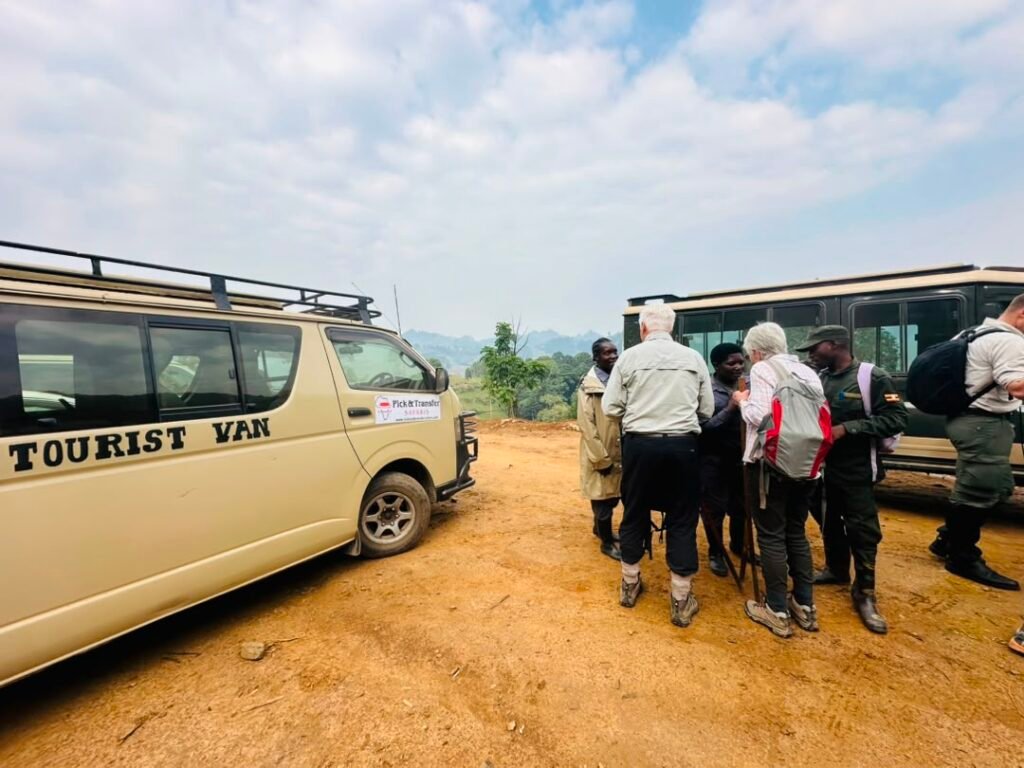
Always consider, Do I Need a Visa to Cross from Rwanda to Uganda? when planning your cross-border travels.
Few land borders in Africa see as many tourists per square kilometer as the Rwanda-Uganda frontier, simply because of what sits on either side of it. Rwanda’s Volcanoes National Park and Uganda’s twin gorilla parks — Bwindi Impenetrable National Park and Mgahinga Gorilla National Park — are separated by little more than a couple of hours’ drive, so travelers routinely trek gorillas in one country and cross overland to trek again, or continue on to chimpanzees, savannah wildlife, or Lake Kivu. That popularity is exactly why immigration procedures at this border are well practiced, even though the underlying visa rules are decided independently in Kigali and Kampala and shift more often than most travelers expect.
It also helps that the road infrastructure on both sides has improved substantially over the past decade. What used to be a rougher, dustier drive between Musanze and Kisoro, or Kigali and Kabale, is now largely smooth tarmac the whole way, which is part of why same-day border crossings paired with an afternoon gorilla trek briefing have become a realistic option rather than a logistical gamble. None of that changes the paperwork you need in hand, but it does mean the physical act of crossing is far less of an obstacle than it might have been for travelers a decade ago.
East African Community Passport Holders Cross Freely
Understanding whether Do I Need a Visa to Cross from Rwanda to Uganda? applies to your situation is crucial for planning.
If your passport is Rwandan, Ugandan, Kenyan, Tanzanian, Burundian, South Sudanese, or Congolese (DRC), you do not need a visa for this crossing. EAC partner-state nationals receive a free Visitor’s Pass at the border, and for shorter visits a national identity card is often accepted in place of a passport altogether. The pass permits single entry and does not authorize employment, but for a straightforward gorilla trekking trip it means you’ll clear immigration faster than you’ll finish your coffee. This is also the arrangement that keeps cross-border staff, drivers and guides — including many of our own team members — moving daily between Musanze and Kisoro without a second thought.
Travelers frequently inquire, Do I Need a Visa to Cross from Rwanda to Uganda? and the answer depends on various factors.
If you haven’t asked yet, Do I Need a Visa to Cross from Rwanda to Uganda? should be on your mind.
The answer to Do I Need a Visa to Cross from Rwanda to Uganda? can significantly affect your itinerary.
With so many options, knowing Do I Need a Visa to Cross from Rwanda to Uganda? is vital for your trip.
To answer the question Do I Need a Visa to Cross from Rwanda to Uganda?, consider your nationality and travel plans.
Rwandans in Uganda, Ugandans in Rwanda: A Long-Standing Arrangement
Many travelers booking gorilla treks wonder, Do I Need a Visa to Cross from Rwanda to Uganda?
Independent of the wider EAC framework, Rwanda and Uganda have maintained reciprocal visa-free travel for each other’s citizens for years. A Rwandan crossing into Kisoro or Kabale, or a Ugandan heading the other way into Musanze, can expect a simple stamp at both immigration desks rather than any prior application. The only two things worth double-checking are that your travel document has enough validity remaining and that you’re carrying a yellow fever certificate if requested — both covered in more detail further down.
Determining Do I Need a Visa to Cross from Rwanda to Uganda? can help avoid unforeseen issues.
Uganda’s Expanded 2026 Visa-Free List, and Where Rwanda Sits On It
In addition to the older EAC arrangement, Uganda introduced a considerably wider visa waiver in 2026, extending visa-free entry to roughly forty nationalities, most of them African Union member states. Rwanda appears on that list, so Rwandan travelers now benefit from visa-free Uganda entry twice over — once through EAC membership, and again through this newer policy. The expanded list also names Kenya, Tanzania, Burundi, South Sudan, Zambia, Zimbabwe, Malawi, Mozambique, Botswana, Ghana and several more African nations, though it stops short of covering the United States or European Union. Because this kind of policy can be revised with little warning, travelers from any African country not already mentioned should verify their status through Uganda’s official immigration channels close to their departure date rather than assuming.
If You’re Flying In From the US, UK, Europe, Asia or Australia
This is the group the visa question matters most for. None of these passports currently qualify for visa-free entry into either Rwanda or Uganda, which means you’re choosing between three real options: a Uganda-only visa, a Rwanda-only visa, or the East Africa Tourist Visa that spans both. For any itinerary that actually crosses this border — which describes the majority of our international guests booking something like the 7 Days Uganda Rwanda Safari Adventure or the 15 Days Rwanda Uganda Safari — the regional visa is almost always the smarter pick, both financially and logistically. Gorilla Tracking Tours runs a nearly identical 15 Days Rwanda Uganda Safari itinerary if you’d like a second operator’s take on how the pacing works.
Addressing the inquiry Do I Need a Visa to Cross from Rwanda to Uganda? is essential for travelers.
What Exactly Is the East Africa Tourist Visa?
The East Africa Tourist Visa (EATV) is a joint scheme run by Kenya, Uganda and Rwanda to let visitors move across all three countries on a single application. One approval buys you multiple entries anywhere within the zone during its validity window — fly into Kigali, trek gorillas at Volcanoes, cross to Uganda for Bwindi or Mgahinga, then continue on to Kenya if your route calls for it, all without reapplying. It’s the exact structure behind combined trips such as our 18 Days Kenya Rwanda Uganda Safari and the longer 20 Days East Africa Tour. One important limit: step outside the three-country zone — a flight to Zanzibar, for instance — and the visa is void the moment you leave, with no partial refund or reactivation on return.
It’s also worth understanding what the EATV is not. It doesn’t grant residency rights, doesn’t permit employment, and doesn’t extend automatically if your trip runs long — you’re still bound by its ninety-day window from first entry. Nor does holding an EATV exempt you from the yellow fever certificate or six-month passport validity requirements discussed later in this guide; it solves the visa question specifically, not every other entry requirement. Travelers sometimes conflate “I have the regional visa” with “I’m fully cleared to travel,” and the two aren’t quite the same thing.
For clarity on travel requirements, continue to ask Do I Need a Visa to Cross from Rwanda to Uganda?
Applying for the East Africa Tourist Visa, Step by Step
You apply through the official portal of whichever of the three countries you’ll enter first, not through a generic “East Africa” website. Landing in Kigali before crossing overland to Uganda means applying via Rwanda’s Irembo government portal; flying into Entebbe first means applying through Uganda’s own e-visa system instead. Expect to submit a scanned passport, a passport-style photo, a rough travel itinerary and proof of yellow fever vaccination, with processing usually taking three to seven working days. We tell every guest to apply two to three weeks ahead of a Rwanda-Uganda gorilla trip, and to be wary of third-party sites charging inflated “service fees” for what is otherwise a straightforward government application — check the domain carefully before paying anything.
How Much the East Africa Tourist Visa Costs, and How Long It Lasts
The EATV is priced at 100 USD per traveler and covers multiple entries into Rwanda, Uganda and Kenya for ninety days from your first entry date. Visiting all three countries makes the savings obvious compared with three separate visas, but even a Rwanda-and-Uganda-only itinerary usually comes out cheaper and simpler than two individual applications, since you’re only dealing with one set of paperwork and one validity window to track. Fees are set by government policy rather than fixed forever, so confirm the current number on the official portal before you pay.
Comparing Your Three Visa Options at a Glance
Here’s how the three routes stack up against each other for a Rwanda-Uganda trip. As with any government fee, treat the figures below as a planning guide and reconfirm the exact numbers on the relevant official portal before applying.
| Visa Type | Covers | Typical Cost | Entries | Best For |
| Uganda e-Visa (single country) | Uganda only | ~50 USD | Single entry | Uganda-only trips with no Rwanda leg |
| Rwanda Tourist Visa | Rwanda only | ~50–70 USD | Single or multiple | Rwanda-only trips with no Uganda leg |
| East Africa Tourist Visa (EATV) | Rwanda, Uganda & Kenya | ~100 USD | Multiple, within the 3-country zone | Any trip that crosses the Rwanda-Uganda border |
For nearly everyone reading this specifically because they’re crossing the Rwanda-Uganda border, the bottom row of that table — the EATV — is the one built for your exact situation.
Single-Country Visa or Regional EATV: How to Decide
If Uganda is your only stop, with no Rwanda or Kenya leg planned, a standard single-entry Uganda e-visa is the leaner choice — you’re not paying for coverage you won’t use. The calculus flips the moment your route includes a Rwanda-Uganda crossing, which covers most gorilla trekking travelers pairing Volcanoes with Bwindi or Mgahinga. In that case the EATV saves you a second application, avoids the risk of your two visas’ validity windows not lining up, and gives you room to re-cross the border more than once if your route loops back and forth, as it does on itineraries like our 20 Days Uganda Rwanda Burundi Combo Safari.
Sorting a Uganda e-Visa Before You Reach the Border
If a standalone Uganda visa fits your trip better than the regional option, know that Uganda runs a fully online e-visa system with no visa-on-arrival for nationalities that need one — a detail that catches out a surprising number of first-time visitors. Approval has to be secured before you ever reach Cyanika or Katuna. The application itself asks for passport details, travel dates, accommodation information and a yellow fever certificate upload, with approval typically arriving within a few business days. Keep a saved or printed copy of the approval letter; border staff will want to see it alongside your passport.
Sorting a Rwanda Visa Before You Reach the Border
Rwanda tends to be more flexible than Uganda on this front, offering visa-on-arrival at official border posts and airports for a long list of nationalities, alongside the Irembo online portal for travelers who’d rather have everything settled in advance. A standard single-entry Rwanda tourist visa runs around 50 USD for thirty days, or roughly 70 USD for a multiple-entry version valid up to ninety days. If your trip starts in Rwanda — say, landing in Kigali ahead of a transfer to Volcanoes National Park — and Uganda is already on your route, applying for the EATV from the start usually saves you from a second application once you reach the frontier.
The Document Checklist for Crossing Day
Whatever visa category applies to you, expect immigration staff at both Cyanika and Katuna to ask for the same core set of documents: your original passport, a printed or offline copy of your visa or EATV approval, your yellow fever certificate, and something showing your onward plans, such as a lodge or safari booking confirmation. A printed gorilla trekking permit is worth carrying too, since officers sometimes ask about the purpose of your visit, and having a full itinerary from a licensed operator like Pick and Transfer Safaris on hand tends to move things along faster.
The Six-Month Passport Rule Nobody Wants to Discover Late
Both countries require at least six months of passport validity beyond your entry date, and land border officers enforce this rule strictly. Airlines sometimes let a passport with four or five months left board an international flight, but that same passport can still be turned away at a land crossing — a gap that has stranded more than a few travelers mid-safari. Check your expiry date the moment you start planning, not the week before departure, and renew early if there’s any doubt.
Yellow Fever Certificates Are Checked, Not Optional
Both Rwanda and Uganda require proof of yellow fever vaccination, recorded on the International Certificate of Vaccination — the familiar “yellow card.” Officers at both Cyanika and Katuna do check for it, especially for travelers arriving from outside East Africa. Vaccination needs to have happened at least ten days before arrival, and under current international health rules a single dose protects for life, so an old certificate from years ago is still generally valid as long as you still have it. Arrive without one and you risk an on-the-spot vaccination, a delay, or in some cases being denied entry — not a risk worth taking for a document that fits in a passport sleeve.
Does It Matter Whether You Enter by Air or by Land?
Before you set off, ensure you have clarity on Do I Need a Visa to Cross from Rwanda to Uganda?
Not for the visa itself — a Uganda visa or an East Africa Tourist Visa is valid whether you present it at Entebbe International Airport or at a land post like Cyanika or Katuna, and the same is true on the Rwanda side at Kigali International Airport. What changes is the sequence of your application. Remember that the EATV must be applied for through the portal of whichever of the three countries you enter first, so if you’re flying into Kigali before driving overland into Uganda, your application goes through Rwanda’s system even though Uganda is the country you’ll spend more nights in. Getting this sequencing backwards is a common source of confusion, and it’s worth double-checking against your actual flight itinerary before you submit anything.
Two Border Posts Serve Two Different Routes
Tourist traffic between Rwanda and Uganda funnels through two main posts, and which one you use should be dictated by where you’re headed next. Cyanika links Musanze — the gateway to Volcanoes National Park — with Kisoro District, home to Mgahinga Gorilla National Park and the southern sectors of Bwindi Impenetrable National Park. Katuna-Gatuna, further north on the main Kigali-Kampala highway, connects Kigali with Kabale District, the launch point for Bwindi’s Buhoma sector, Lake Bunyonyi, and onward routes to Queen Elizabeth National Park. Both posts run daily with Rwandan and Ugandan officials stationed side by side.
Crossing at Cyanika: The Kisoro Route
Cyanika — sometimes written Kyanika — suits anyone pairing Volcanoes National Park with Mgahinga or Bwindi’s Rushaga and Nkuringo sectors. The drive out from Musanze takes well under an hour on good tarmac, and lodges around Kisoro are typically one to two hours beyond the post itself. It’s also the quieter and more scenic of the two crossings, threading through terraced hills with volcano views on both sides. Anyone following a route close to our 2 Days Volcanoes Gorilla Trek from Kigali before continuing into Uganda will almost certainly pass through here, and the Gorilla Tracking Tours team runs a comparable 2 Days Volcanoes Gorilla Trek from Kigali route worth comparing notes against.
Crossing at Katuna-Gatuna: The Kabale Route
Katuna, called Gatuna on the Rwandan side, sits on the main Kigali-Kampala highway and handles considerably more commercial traffic than Cyanika. It’s the right call if Buhoma — Bwindi’s original and most developed trekking sector — is on your itinerary, or if you’re continuing on toward Lake Bunyonyi or Queen Elizabeth National Park. Because cargo trucks queue here for customs clearance, especially on weekday mornings, tourist vehicles arranged through operators such as Pick and Transfer Safaris typically use a faster lane set aside for passenger traffic rather than sitting behind freight.
What Actually Happens at the Immigration Counter
The process is less complicated than most first-timers expect. You stop first at Rwandan immigration to have your passport checked and stamped out, confirming your visa or visa-free status was used correctly during your stay. From there it’s a short walk — often just a few hundred meters — to the Ugandan side, where an officer checks your passport, your visa or EATV approval, and your yellow fever certificate before stamping you in. A driver-guide, if you’re traveling with one, usually handles vehicle documentation and temporary import permits in parallel, so the two processes finish around the same time.
For vehicles crossing with tourists aboard, there’s typically a separate customs step covering the car itself — a temporary vehicle import permit and, for foreign-registered vehicles, proof of cross-border insurance. Passengers are rarely involved in this part directly; it’s handled by the driver while guests complete their own passport formalities a few counters away. This is one more reason a licensed, experienced operator tends to move through the post noticeably faster than an unfamiliar self-drive party working through the paperwork for the first time.
How Long the Crossing Actually Takes
Budget twenty minutes to an hour under normal conditions — the exact time depends on the hour of day, the season, and how many vehicles happen to be crossing alongside you. Early mornings and midweek days move fastest; weekends, public holidays, and the June-to-September peak trekking season tend to bring slightly longer queues, particularly at busier Katuna. The single biggest factor within your control is having documents ready to hand over rather than digging through luggage at the counter.
Timing a Crossing Around a 7 am Gorilla Briefing
If your Uganda trekking permit requires an early check-in — most sectors brief guests around 7:00 or 7:30 am — plan to cross the afternoon or evening before rather than the same morning. A pre-dawn departure from Rwanda can work in theory, but it leaves no margin if the border is unexpectedly slow, and missing a briefing window can mean forfeiting an already-paid permit. Experienced operators build this buffer into every cross-border itinerary as a rule, not an afterthought.
Many travelers find themselves questioning, Do I Need a Visa to Cross from Rwanda to Uganda? and rightly so.
The essence of travel planning often hinges on Do I Need a Visa to Cross from Rwanda to Uganda?
Always keep in mind Do I Need a Visa to Cross from Rwanda to Uganda? as part of your travel prep.
Handling Currency on Both Sides of the Line

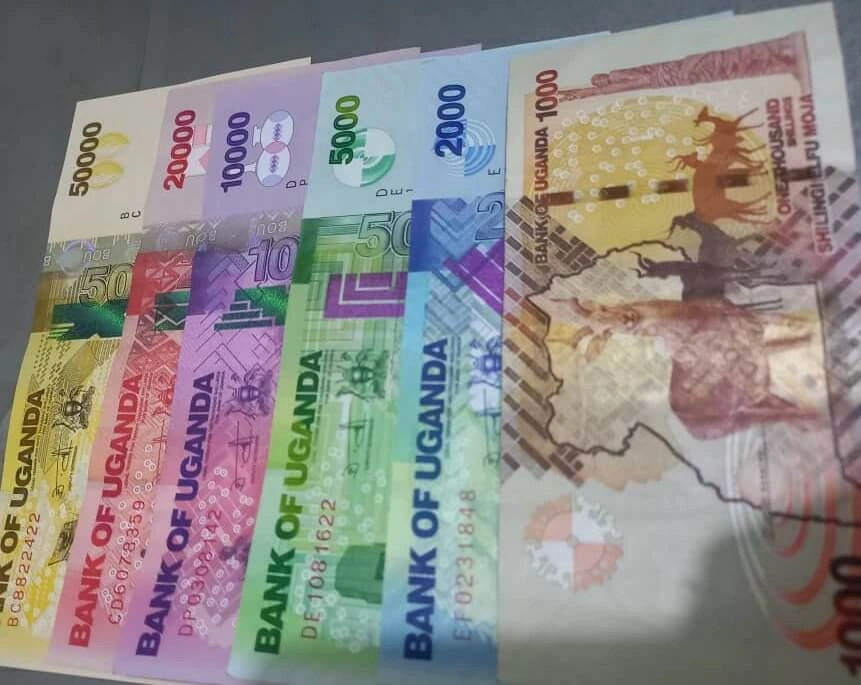
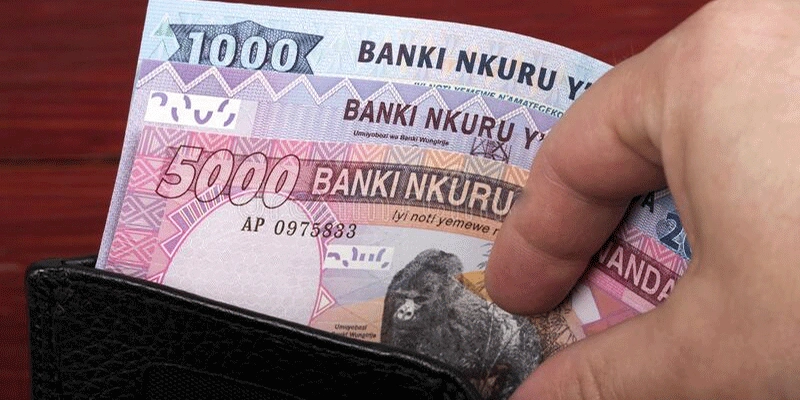
Rwanda transacts in Rwandan Francs and Uganda in Ugandan Shillings, and while informal money changers sometimes hover near the border, a licensed bank or forex bureau in Musanze, Kigali, Kisoro or Kabale is the safer place to exchange cash. US Dollars are widely accepted at lodges and for visa fees on both sides, but small purchases — snacks, local transport, tips — go more smoothly with local currency in your pocket. ATMs are available in both Kabale and Kisoro just past the crossing, so withdrawing after you’ve entered Uganda is a perfectly reasonable alternative to carrying a large sum across the border.
A Realistic Crossing-Day Timeline
Guests trekking gorillas can easily travel between Rwanda and Uganda with a private transfer departing from Kigali or Musanze between 5:30 and 6:30 am, reaching the border in one to two hours. Immigration typically takes 20 minutes to an hour, followed by an additional one to two-hour drive to Uganda lodges in Kisoro, Buhoma, or Bwindi, ensuring arrival with daylight for an early trekking briefing the next morning. This itinerary is the basis for multi-day trips like the 5 Days Uganda Gorilla and Chimps Safari Starting from Rwanda, which can also be done in reverse.
Dry Season and Wet Season: Does the Crossing Change?
East Africa’s two dry stretches — roughly June to September and December to February — bring the heaviest visitor numbers to both Volcanoes and Bwindi, so expect marginally busier queues at Cyanika and Katuna during these months, especially around holidays. The long rains from March to May and shorter rains in November see fewer tourists and generally faster processing, though muddy mountain roads on either side can eat into the time saved at immigration. The paperwork itself never changes with the seasons — only the volume of traffic and, occasionally, the road conditions leading up to the post.
What to Have in Your Bag on Crossing Day
Keep your passport, visa or EATV confirmation, and yellow fever card together in one easily reachable pouch rather than buried in checked luggage — you’ll need all three at both immigration counters within a short walk of each other. Carry a modest amount of both Rwandan Francs and Ugandan Shillings for small purchases, a pen for any arrival forms not already completed online, and a printed or downloaded copy of your safari itinerary or gorilla permit. Guests booked through Pick and Transfer Safaris get a pre-departure checklist covering this exact list before the trip starts.
In your planning, don’t forget to address Do I Need a Visa to Cross from Rwanda to Uganda?
How Gorilla Trekking Adds a Layer to the Visa Question
Gorilla trekking travelers face one extra wrinkle beyond the standard visa question: permit timing. Uganda Wildlife Authority permits and Rwanda Development Board permits are entirely separate documents tied to a specific date, sector and gorilla family, and neither immigration desk checks them directly — but your operator absolutely has to sequence the border crossing so you land at the right trailhead with time in hand. That’s why cross-border routes such as our 3 Days Uganda Gorilla Safari from Rwanda and our combined 5 Days Rwanda Wildlife and Gorillas itinerary are built around the border schedule first, with trekking logistics layered on afterward.
Matching Your Border Post to Your Permit Sector
Because Uganda’s gorilla sectors sit in two different pockets of the southwest, your permit location — not personal preference — should decide your border post. A permit for Rushaga, Nkuringo, or Mgahinga Gorilla National Park points squarely to Cyanika, sometimes saving two to three hours over routing through Katuna. A Buhoma or Ruhija permit points to Katuna instead. Any operator based on the Uganda side of this border should confirm your sector before finalizing the crossing plan — one of the practical upsides of booking with a team headquartered right on the Kabale-Kisoro Road rather than remotely.
Single-Entry vs Multiple-Entry: A Detail Worth Getting Right
Travelers should be aware that a single-entry Uganda or Rwanda visa only allows one entry, which can complicate itineraries that require crossing the border twice. To avoid issues, it’s advisable to obtain a multiple-entry visa for either country or the East Africa Tourist Visa, which permits multiple entries. Checking the visa type before traveling takes just a few seconds and can help prevent problems at subsequent border crossings.
Specifically for your itinerary, understanding Do I Need a Visa to Cross from Rwanda to Uganda? is key.
The Mistakes We See Most Often at This Border
The single most common and entirely avoidable error is assuming Uganda offers visa-on-arrival at land posts the way Rwanda does — it generally doesn’t for nationalities that require a visa, and travelers who show up without pre-approval sometimes face hours of delay while emergency arrangements get sorted. A close second is letting an EATV lapse by leaving the three-country zone mid-trip without realizing a side trip to Tanzania voids it. Round out the list with passports under six months’ validity, missing yellow fever certificates, and underestimating how early to leave the hotel before a scheduled trek. An experienced transfer operator who crosses this border weekly removes nearly all of that risk on your behalf.
If Your Visa Is Still “Pending” as Travel Day Approaches
Don’t attempt the crossing hoping a pending application gets approved on the way — border officers can only act on an approved visa, never a submitted one. Reach out to the relevant immigration authority directly, or lean on your tour operator to chase it, since delays often trace back to something fixable, like a blurry photo or an unreadable yellow fever scan. This is the whole reason we push guests to apply two to three weeks ahead of a Rwanda-Uganda trip rather than in the final days — it leaves room to fix a hiccup without threatening the trekking date itself.
Traveling With Children Across This Border
Kids need their own passport and, where relevant, their own visa or EATV — traveling with a parent doesn’t create an exemption. Officers on either side may ask for proof of the parental relationship or written consent, particularly when a child travels with only one parent or with a non-parent guardian, so a birth certificate or notarized consent letter is worth carrying even if it isn’t always requested. Families should also factor in that both countries set a minimum gorilla trekking age of fifteen, which shapes the itinerary well before the border crossing itself becomes a question.
In summary, whether Do I Need a Visa to Cross from Rwanda to Uganda? is essential for your travel plans.
Beyond Gorillas: Building a Wider Wildlife Route Around This Border
Travelers extending their trip after gorilla trekking can explore Akagera National Park in Rwanda for savannah game viewing and Nyungwe Forest National Park for chimpanzee tracking and canopy walks. In Uganda, many continue to Queen Elizabeth National Park for boat cruises and tree-climbing lions or to Kibale Forest for more chimpanzee tracking. It’s important to consider visa requirements, as the East Africa Tourist Visa or Uganda entry rules apply; planning your route may necessitate a multiple-entry visa for longer trips.
Self-Drive or a Guided Transfer — Which Makes This Easier?
Renting a vehicle for a self-drive Rwanda-Uganda route, through an outfit like Self Drive Safaris Uganda, means juggling both your own immigration paperwork and vehicle formalities — temporary import permits and cross-border insurance, often called a COMESA yellow card. A guided transfer shifts that entire load onto a driver-guide who crosses this exact border routinely, knows both immigration offices on a first-name basis, and can see seasonal bottlenecks coming before they cost you time. For most first-time visitors juggling gorilla permits on both sides of the frontier, a guided transfer remains the lower-stress choice — precisely the service Pick and Transfer Safaris specializes in, and one Gorilla Tracking Tours also offers through its own wildlife safaris and extended safaris listings.
You may find yourself asking, Do I Need a Visa to Cross from Rwanda to Uganda? and it’s a smart question to consider.
Planning tip: If gorilla trekking on both sides of the border is already the plan, compare multi-day combined routes before booking two single-country tours separately — itineraries like the 10 Days Uganda Rwanda Safari or its close counterpart, the 10 Days Uganda Rwanda Safari from Gorilla Tracking Tours, are built specifically around efficient border timing so you’re never rushing a trailhead straight off a long immigration queue.
Frequently Asked Questions About the Rwanda-Uganda Border and Visas
Can I get a Uganda visa on arrival at the Rwanda-Uganda border?
No. Nationalities that need a visa must apply and get approval online before arrival — there’s no visa-on-arrival facility at Cyanika or Katuna. Rwanda, on the other hand, does offer visa-on-arrival for many nationalities, so the rule isn’t symmetrical between the two sides.
As you embark on your travels, remember the importance of Do I Need a Visa to Cross from Rwanda to Uganda?
Is the East Africa Tourist Visa worth it if I’m skipping Kenya entirely?
Usually, yes. Even without a Kenya leg, the EATV is typically cheaper than two separate single-country visas and spares you a second application partway through the trip — which is why most of our cross-border gorilla trekking guests choose it over two standalone visas.
Ultimately, you must answer: Do I Need a Visa to Cross from Rwanda to Uganda? to avoid delays.
Reflect on Do I Need a Visa to Cross from Rwanda to Uganda? as you prepare for your journey.
Do East African Community citizens need a passport, or does a national ID work?
A national ID is often accepted for shorter visits at designated crossings, but a passport remains the safer, more universally recognized option, especially for longer stays or if a rule changes without much notice.
How early before a gorilla trek should I actually cross?
Cross the afternoon or evening before your trekking day, not the same morning. That overnight buffer means an unexpectedly slow queue at immigration never threatens a 7:00 am briefing.
What happens if my passport has less than six months of validity left?
You risk being turned away at either side of the border. Check your expiry date early in the planning process and renew ahead of time if there’s any doubt — this is not a rule border officers bend.
Does the yellow fever rule apply to children too?
Yes, generally regardless of age — make sure every traveler in your group, kids included, carries a valid yellow fever certificate before the trip.
Which border post is better for a Kigali-to-Buhoma trip?
Katuna-Gatuna is the more direct route to Buhoma, while Cyanika suits Rushaga, Nkuringo and Mgahinga better. Confirm with your operator based on your specific trekking sector.
Can a visa be extended if the trip runs longer than planned?
Extensions happen in some circumstances but aren’t guaranteed and can add fees and processing time. It’s more reliable to apply for the right validity period from the outset, based on your full itinerary.
Can the East Africa Tourist Visa be applied for after arriving in the region?
No — it has to be approved before you reach your first port of entry into Rwanda, Uganda or Kenya. There’s no on-the-spot application at any land border, Cyanika and Katuna included.
Is Cyanika or Katuna the faster crossing?
Cyanika tends to be quieter with less commercial traffic, while Katuna, sitting on the main Kigali-Kampala highway, sees more trucks and can run slower, particularly on weekday mornings. Either post is usually manageable within an hour for a tourist vehicle.
Is travel insurance required to cross the border?
It isn’t checked as part of immigration formalities at either post, but given the remote terrain on both sides of this trip, comprehensive travel insurance with medical evacuation cover is strongly recommended regardless of the visa question.
Where can I read more about specific gorilla trekking sectors before booking?
Our destination pages for Bwindi Impenetrable National Park, Mgahinga Gorilla National Park and Volcanoes National Park go deeper into each sector, and Gorilla Tracking Tours’ own destinations section covers the same parks from a second operator’s perspective if you’d like to compare.
Can I combine this border crossing with a Kenya safari on the same visa?
Yes — that’s precisely what the East Africa Tourist Visa is designed for. As long as you stay within the Rwanda-Uganda-Kenya zone, one EATV covers all three legs of the trip, which is how routes like the 18 Days Kenya Rwanda Uganda Safari are structured.
Does crossing at Cyanika instead of Katuna cost anything extra?
No, there is no difference in visa fees or immigration charges based on which of the two posts you use. Your choice should be based purely on which sector or town you’re headed to next, not cost.
Do I need a separate visa if I’m only transiting through Uganda without stopping?
Uganda does not offer a blanket visa-free transit exemption for nationalities that otherwise require a visa, so even a short pass-through generally still requires a valid Uganda visa or an East Africa Tourist Visa covering the day of transit.
What’s the most reliable way to double-check current requirements for my specific nationality?
Check your country’s listing directly on Uganda’s official e-visa portal or Rwanda’s Irembo portal rather than relying on general guides, since exemptions are added and removed by nationality and can change between the time an article is published and the date you travel.
The Bottom Line on Crossing from Rwanda to Uganda
Whether you need a visa to cross from Rwanda to Uganda comes down to your passport and your route, but for most international travelers the East Africa Tourist Visa is the simplest, most cost-effective answer — particularly for anyone combining gorilla trekking across both Volcanoes National Park and Bwindi Impenetrable Forest. Pair the right visa with a valid passport, a yellow fever certificate, and a realistic time buffer at Cyanika or Katuna, and this crossing turns into one of the more memorable legs of an East Africa safari rather than a source of stress.
For a second, independent read on cross-border logistics before you book, Gorilla Tracking Tours publishes its own route notes across Volcanoes National Park, Bwindi Impenetrable Forest and Mgahinga Gorilla National Park, and their own team can be reached through their about us page.
Official Sources to Bookmark Before You Travel
Because visa policy shifts with little public notice, confirm current requirements directly with official sources shortly before departure rather than relying on any single article, this one included. Rwanda’s immigration authority publishes current visitor visa policy at migration.gov.rw, the Rwanda leg of the East Africa Tourist Visa is processed through the Irembo government portal, and Uganda’s official e-visa applications run through visas.immigration.go.ug. Bookmark all three and check them two to three weeks before travel — Uganda’s expanded 2026 visa-free list is a good reminder that East African immigration rules can shift meaningfully within a single year, and a five-minute check costs nothing next to a lost trekking day.
Let Pick and Transfer Safaris Handle Your Rwanda-Uganda Border Crossing
Based right on the Kabale-Kisoro Road, minutes from both major border posts, our team crosses between Rwanda and Uganda for gorilla trekking guests every single week. We help you choose the right visa, time your crossing around your gorilla permit, and handle every document check at Cyanika or Katuna so you can focus on the volcanoes, the forest, and the gorillas.
Browse our destinations, explore Rwanda-Uganda combined safaris, or contact us directly to start planning your cross-border gorilla trekking trip today.