- LET'S PLAN YOUR SAFARI
- +256 200 921 002
- +256 793 194 703
- info@pickandtransfersafaris.com

Top Selling Uganda Safaris
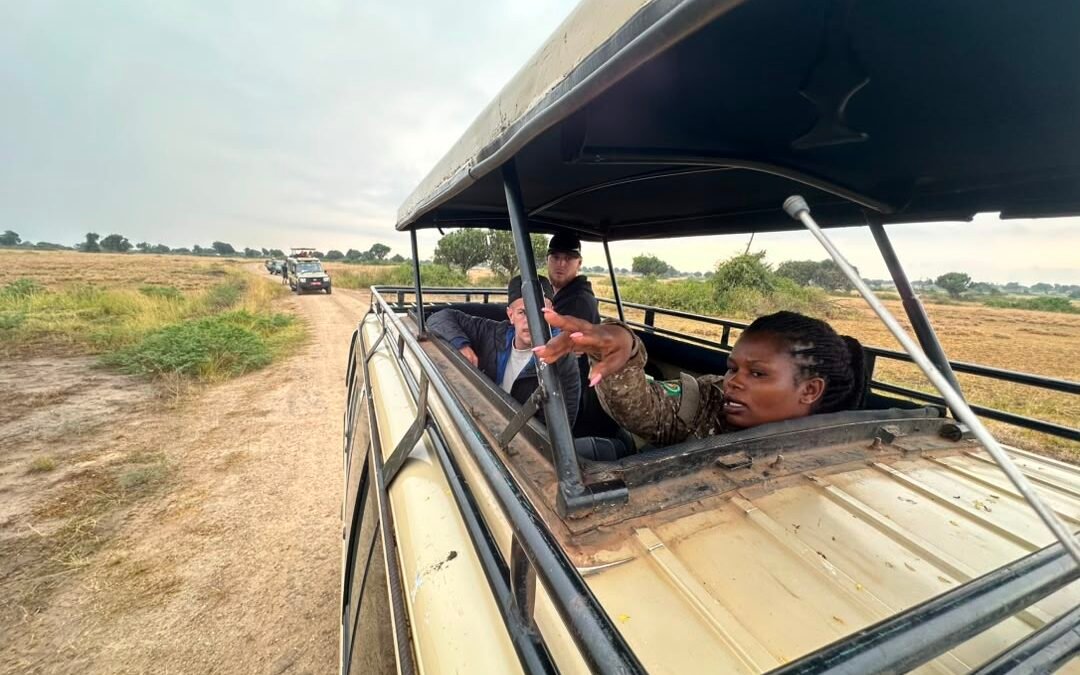
Top Selling Uganda Safaris. Uganda is often introduced to travelers as “the gorilla country,” and while that reputation is well earned, it undersells what actually fills up our booking calendar. Alongside gorilla trekking, a steady rotation of wildlife-focused safaris consistently draws the bulk of our confirmed trips — itineraries built around the Nile at Murchison Falls, the tree-climbing lions of Queen Elizabeth National Park, chimpanzee tracking in Kibale Forest, and multi-park circuits that treat Uganda as the complete wildlife destination it actually is. This guide runs through the Uganda safaris that sell best, across both wildlife-first itineraries and the primate tours that still dominate demand, and explains what makes each one a repeat performer rather than a one-off booking.
You can browse everything at once on our wildlife safaris page, and where it’s useful for comparison we’ve linked out to matching itineraries on Gorilla Tracking Tours, a sister operator running the same routes under a different name.
How This List Was Put Together
Top Selling Uganda Safaris: A Comprehensive Overview
Nothing here is a guess. This ranking reflects the safaris our team actually confirms most often, based on real booking volume across a full season rather than which itineraries look best on paper. A few patterns show up immediately once you look at the data this way: shorter, single-park safaris built around one headline experience sell in the highest numbers, while longer multi-park circuits sell in smaller volume but carry a much higher average trip value. Both categories matter, and both show up on this list. It’s also worth noting that Uganda’s safari market doesn’t split cleanly into gorilla tourism and wildlife tourism the way brochures sometimes suggest — a large share of our bookings mix the two deliberately, and even guests arriving with a single-minded focus on gorillas often add a day of savannah game viewing once they realize how close Queen Elizabeth or Murchison Falls sits to a typical trekking sector.
Uganda’s Single Best-Selling Safari Remains the 3 Days Uganda Gorilla Safari
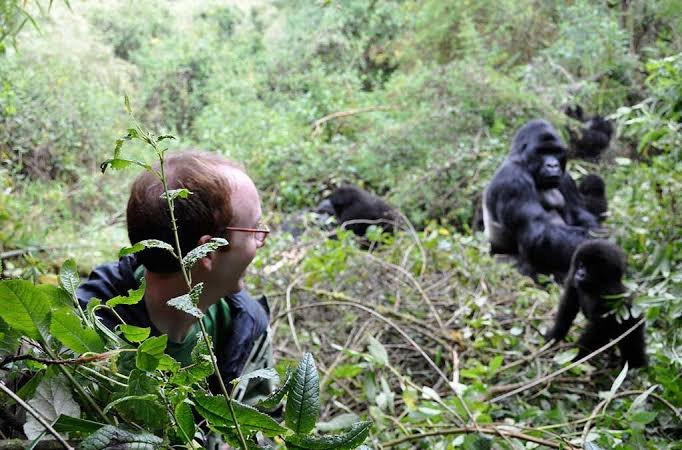
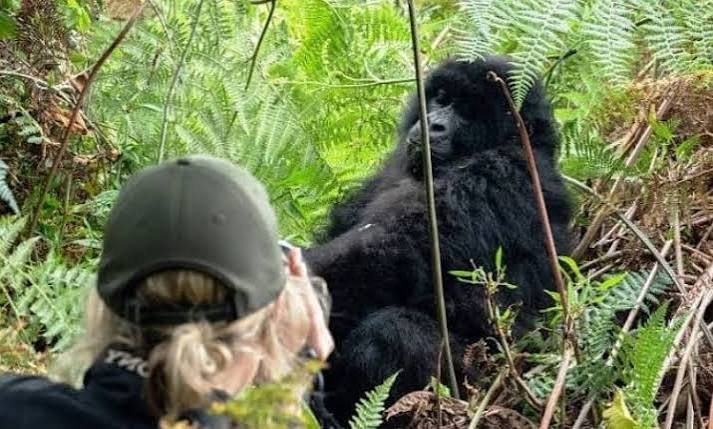
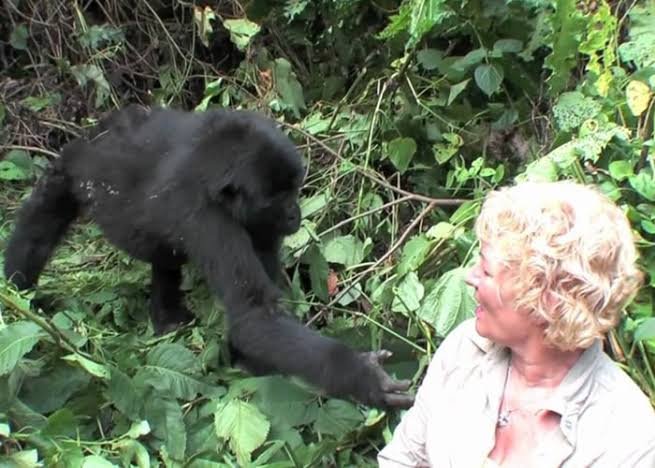
It would be misleading to talk about Uganda’s top-selling safaris without starting here. The 3 Days Uganda Gorilla Safari outsells every other itinerary in our catalog, wildlife or primate, by a wide margin. It compresses a full Bwindi gorilla trek into a tight three-day window with no wasted travel days, which is exactly what the largest share of first-time Uganda visitors are looking for. Gorilla Tracking Tours lists a comparable 3 Days Uganda Gorilla Safari if you’d like to see how a second operator prices the same three-day structure.
3 Days Safari to Queen Elizabeth National Park — Uganda’s Classic Wildlife Circuit
Among safaris that don’t involve a primate trek at all, nothing sells better than the 3 Days Safari to Queen Elizabeth National Park. It packages game drives across the park’s savannah plains, a boat cruise along the Kazinga Channel, and a chance at the tree-climbing lions of the Ishasha sector into a compact, efficient three-day trip. It’s the itinerary we recommend most often to travelers who want a genuine Big Five-style safari experience without the primate trekking permit cost attached. A similarly built 3 Days Safari to Queen Elizabeth National Park is listed on Gorilla Tracking Tours as well.
3 Days Safari to Murchison Falls — The Nile and the Big Game
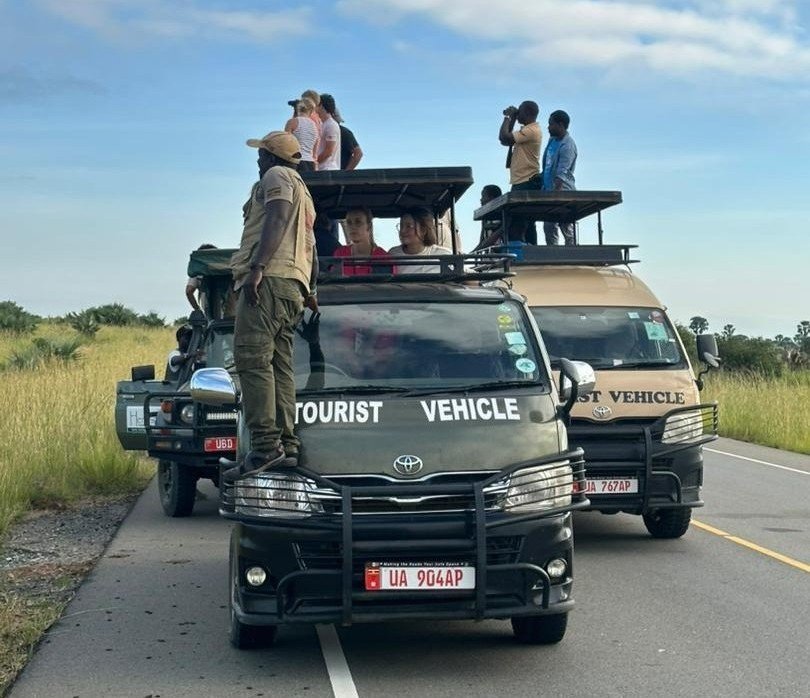
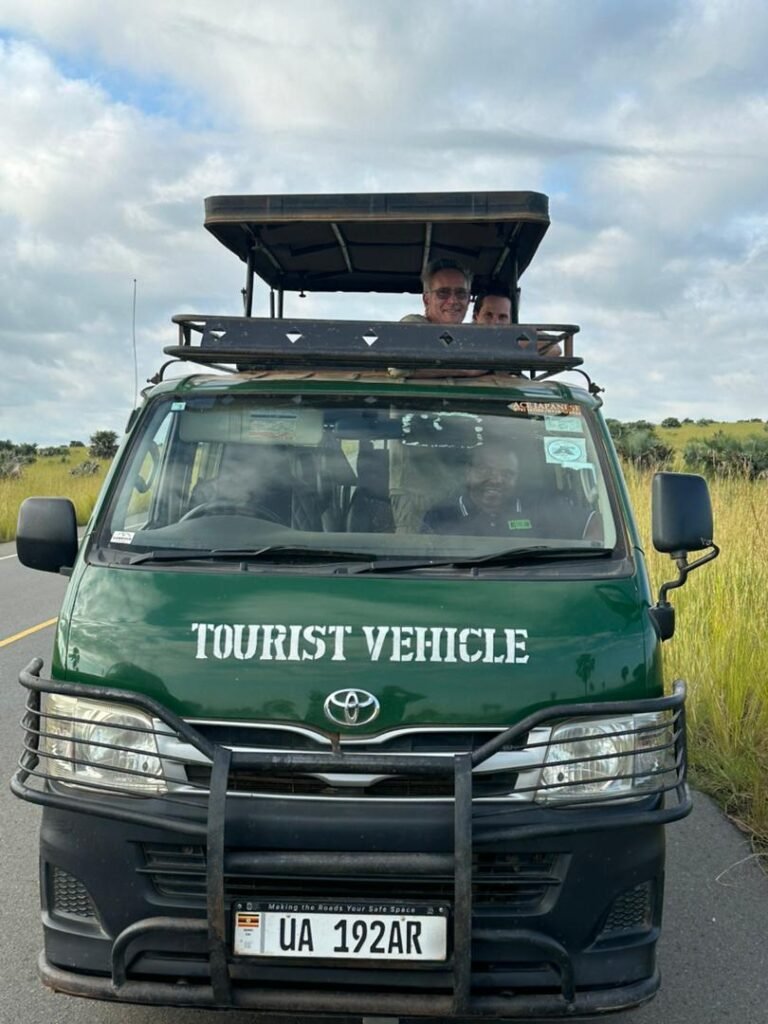
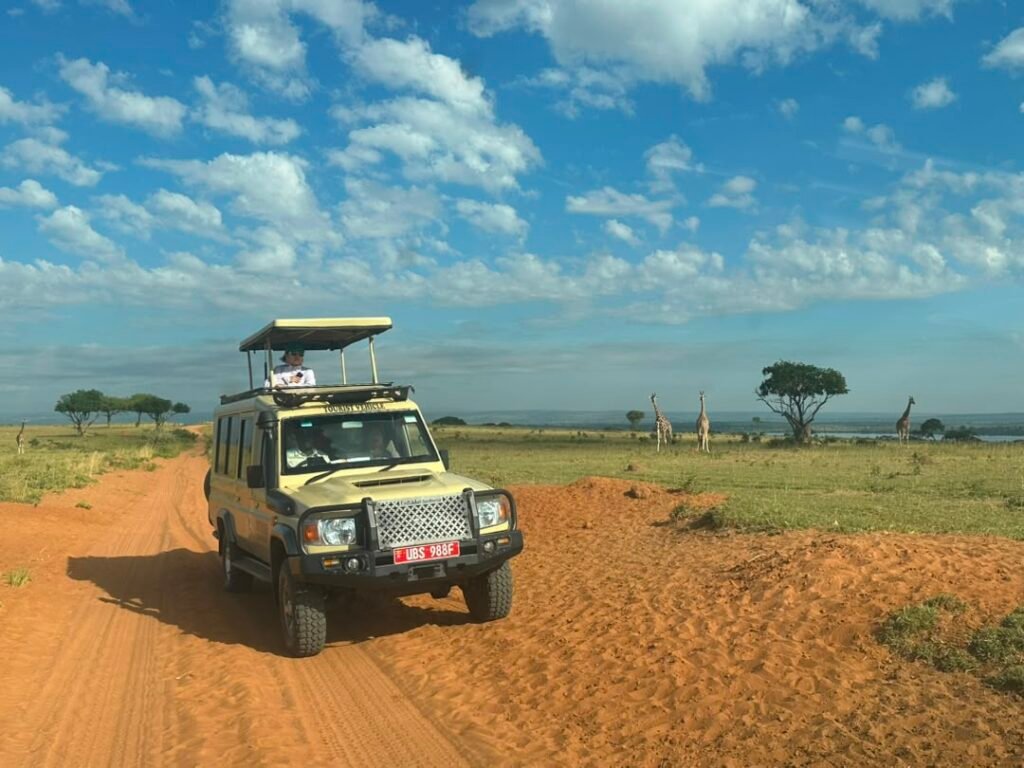
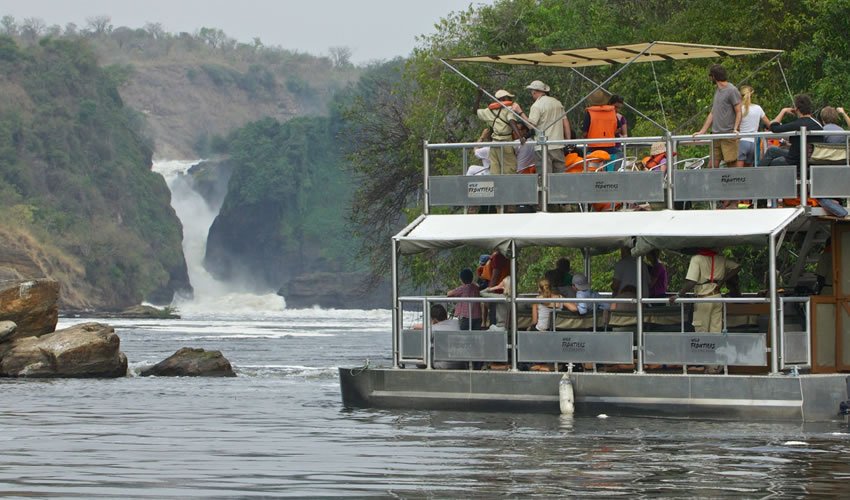
Murchison Falls National Park anchors our other major three-day wildlife seller, the 3 Days Safari to Murchison Falls. The draw here is the Nile itself — a launch cruise to the base of the falls, where the entire river forces itself through a gap barely seven meters wide, paired with game drives across the park’s northern plains for elephants, giraffes, and lions. It’s a strong pick for travelers based in or near Kampala who want a wildlife-heavy trip without traveling all the way to the southwest. Gorilla Tracking Tours runs a comparable 3 Days Safari to Murchison Falls itinerary worth comparing.
4 Days Wildlife and Primate Safari — Chimps and Savannah in One Trip
For travelers who don’t want to choose between wildlife viewing and primate tracking, the 4 Days Wildlife and Primate Safari blends chimpanzee tracking in Kibale Forest with game drives in Queen Elizabeth National Park, all inside a manageable four-day window. It’s become one of our steadiest mid-length sellers precisely because it avoids the two extremes — it’s neither a single-park day trip nor a sprawling two-week circuit — and gives travelers a genuine taste of both sides of Uganda’s wildlife in one trip. Gorilla Tracking Tours offers a similar 4 Days Wildlife and Primate Safari if you’d like a second quote to compare.
7 Days Uganda Safari (One Week Tour) — Our Top Full-Country Pick
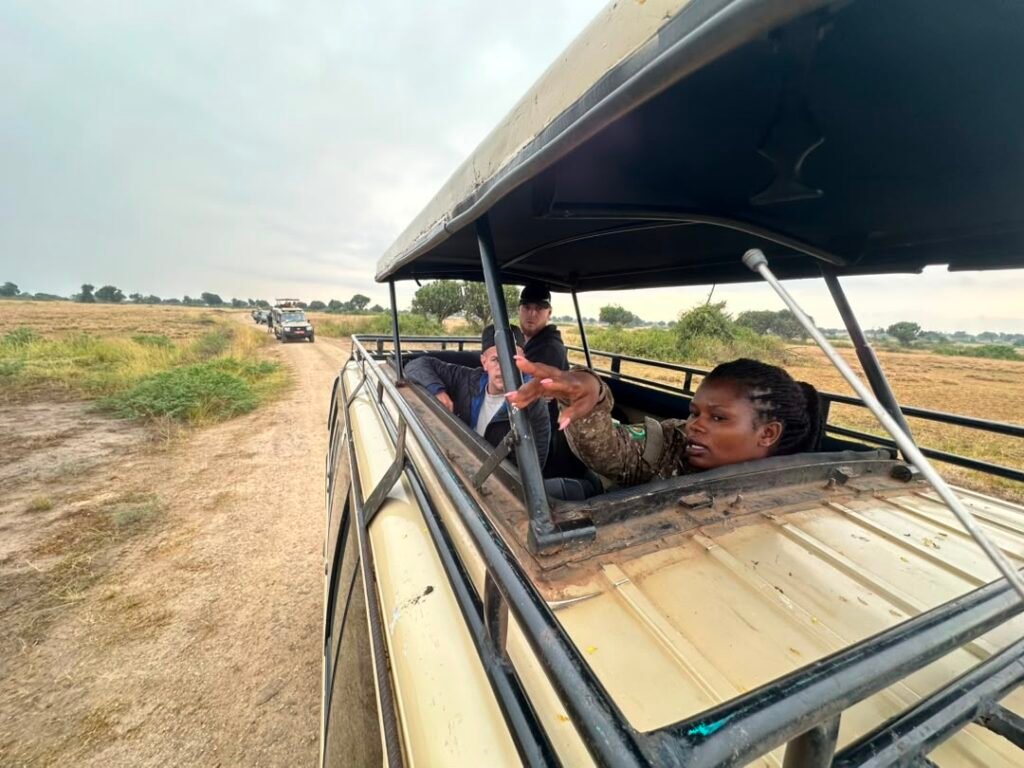
Travelers who’ve cleared a genuine week specifically for Uganda gravitate toward the 7 Days Uganda Safari One Week Tour, which layers savannah wildlife viewing across multiple parks alongside a gorilla trek rather than treating either as the sole focus. It’s consistently one of our best-performing week-long itineraries, and it’s the safari we point most first-time visitors toward when they want a broad, well-rounded introduction to the country instead of a single-park trip. A similarly structured 7 Days Uganda Safari One Week Tour is available through Gorilla Tracking Tours as well.
10 Days Uganda Primates and Wildlife — The Complete Circuit
Once travelers are ready to go beyond a single week, the 10 Days Uganda Primates and Wildlife safari is our best-selling ten-day option by a comfortable margin. It threads together gorilla trekking, chimpanzee tracking, and savannah game drives at Queen Elizabeth or Murchison Falls into one continuous circuit, and it draws heavily from repeat East Africa travelers who’ve already done a shorter Uganda trip and are back for the fuller version. Gorilla Tracking Tours lists a comparable 10 Days Uganda Primates and Wildlife route to weigh against ours.
14 Days Uganda Wildlife and Primates — Two Weeks Safari
At the upper end of trip length, the 14 Days Uganda Wildlife and Primates Two Weeks Safari is a smaller-volume but dependable seller, booked almost exclusively by travelers treating Uganda as a complete, standalone destination in its own right. It covers nearly every major park in the country, and while it accounts for a smaller share of total bookings than the shorter safaris on this list, it carries one of the highest average trip values in our catalog, since guests booking this one are generally planning a once-in-a-lifetime trip rather than a first taste of the region.
18 Days Uganda Birding and Wildlife Safari — For Serious Birders
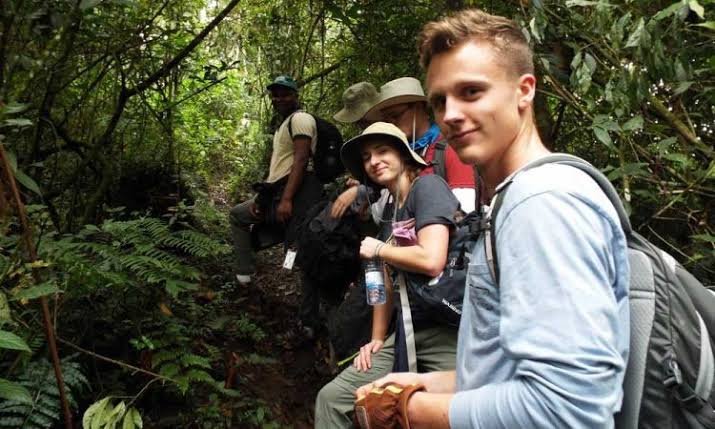
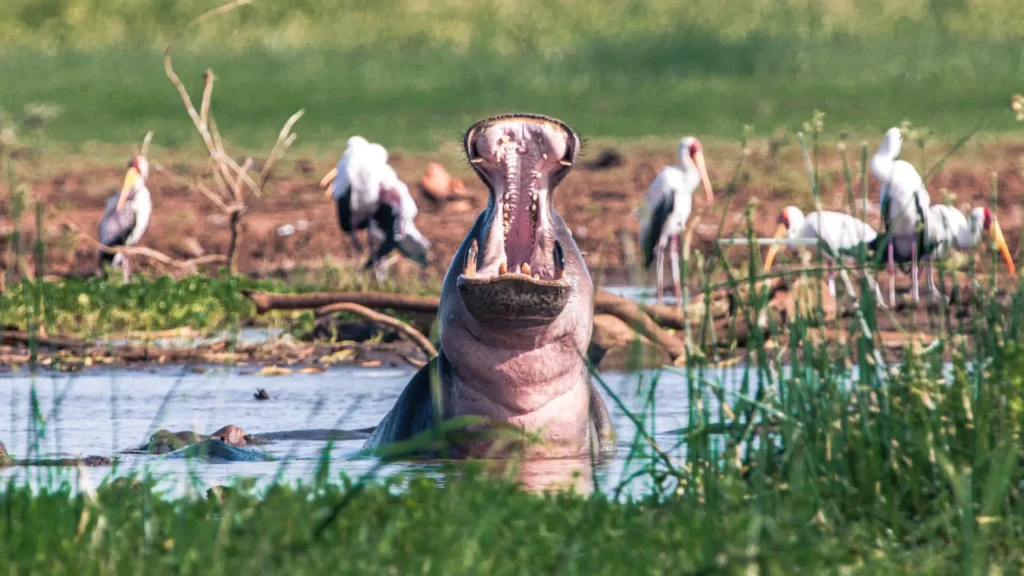
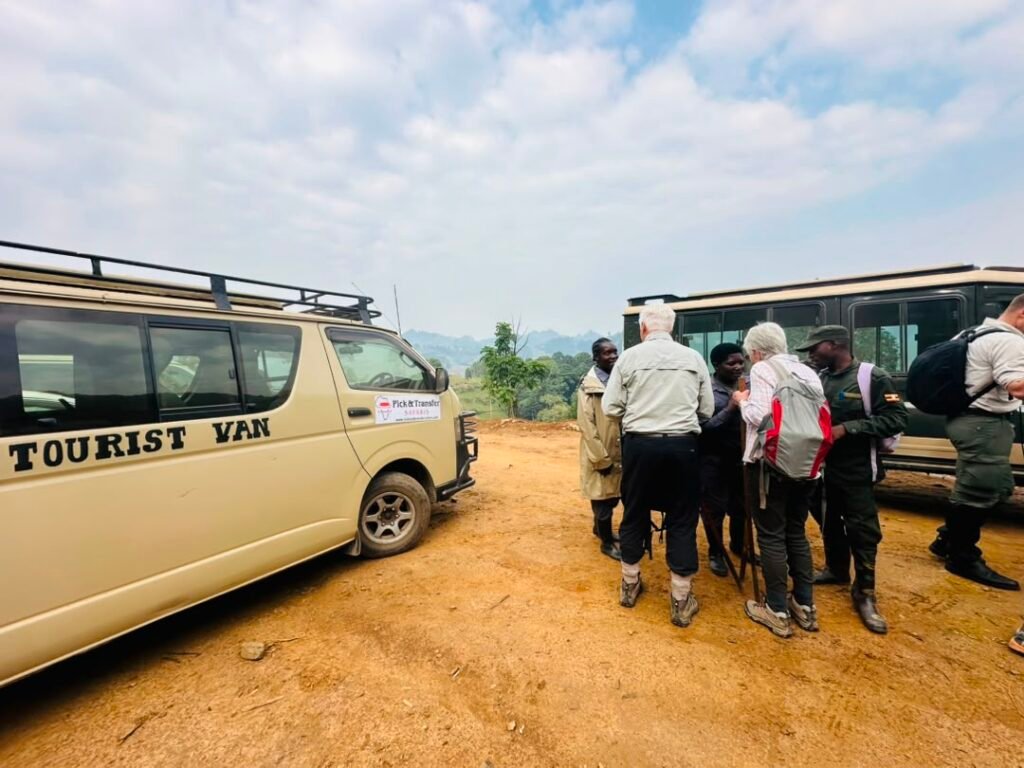
Uganda hosts over 1,000 recorded bird species, more than almost anywhere else in Africa, and the 18 Days Uganda Birding and Wildlife Safari is our top-performing itinerary built specifically around that fact. It’s a niche safari compared to the shorter wildlife trips on this list, but it sells consistently within that niche, drawing dedicated birders and wildlife photographers who plan trips a year or more in advance and want unhurried access to Uganda’s forest and wetland birding sites rather than a rushed pass through them. A comparable 18 Days Uganda Birding and Wildlife Safari is listed by Gorilla Tracking Tours as well.
7 Days Uganda Rwanda Safari Adventure — Our Top Cross-Border Seller
Among safaris that span two countries, nothing outsells the 7 Days Uganda Rwanda Safari Adventure. It pairs Uganda’s gorilla trekking and wildlife viewing with a Volcanoes National Park trek in Rwanda, structured around a single Cyanika border crossing, and it consistently draws travelers who’d rather experience both countries’ gorilla populations than pick one over the other. Gorilla Tracking Tours runs a similarly built 7 Days Uganda Rwanda Safari Adventure if you’d like to compare pacing between operators.
10 Days Uganda Rwanda Safari — A Longer Two-Country Circuit
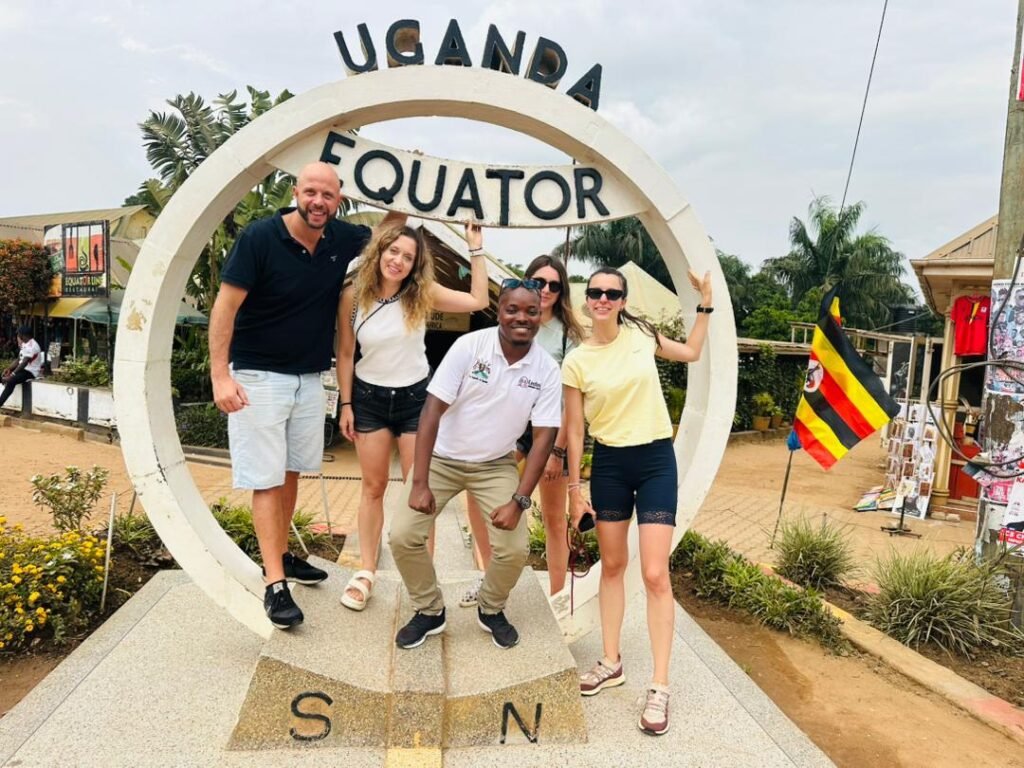
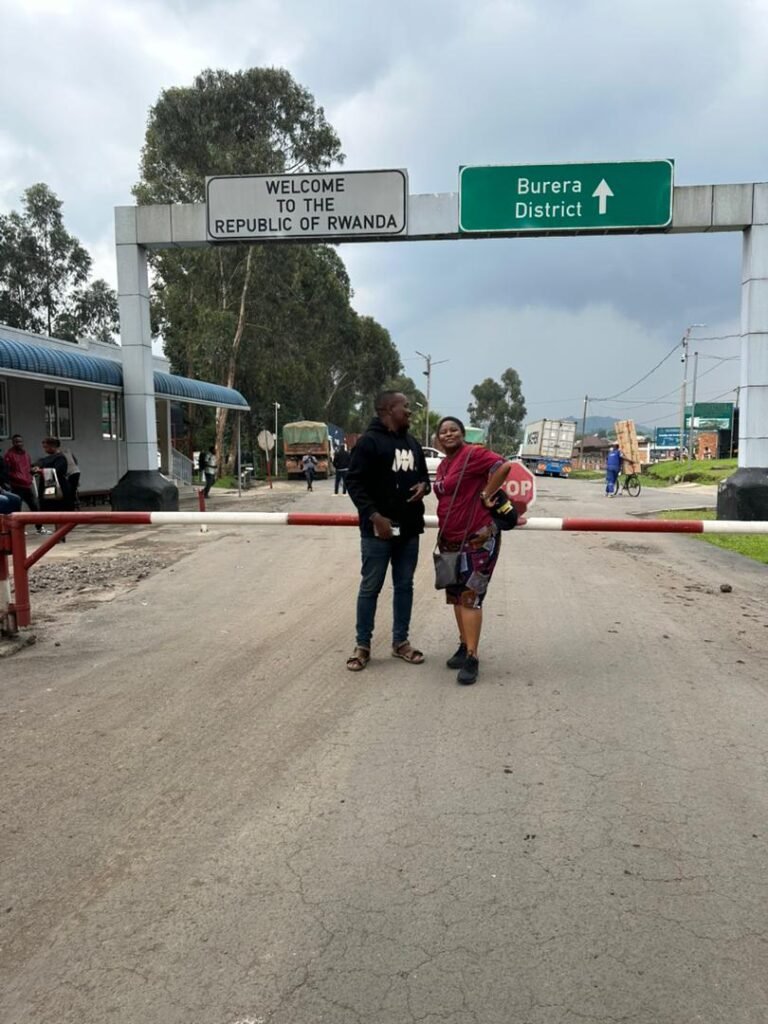
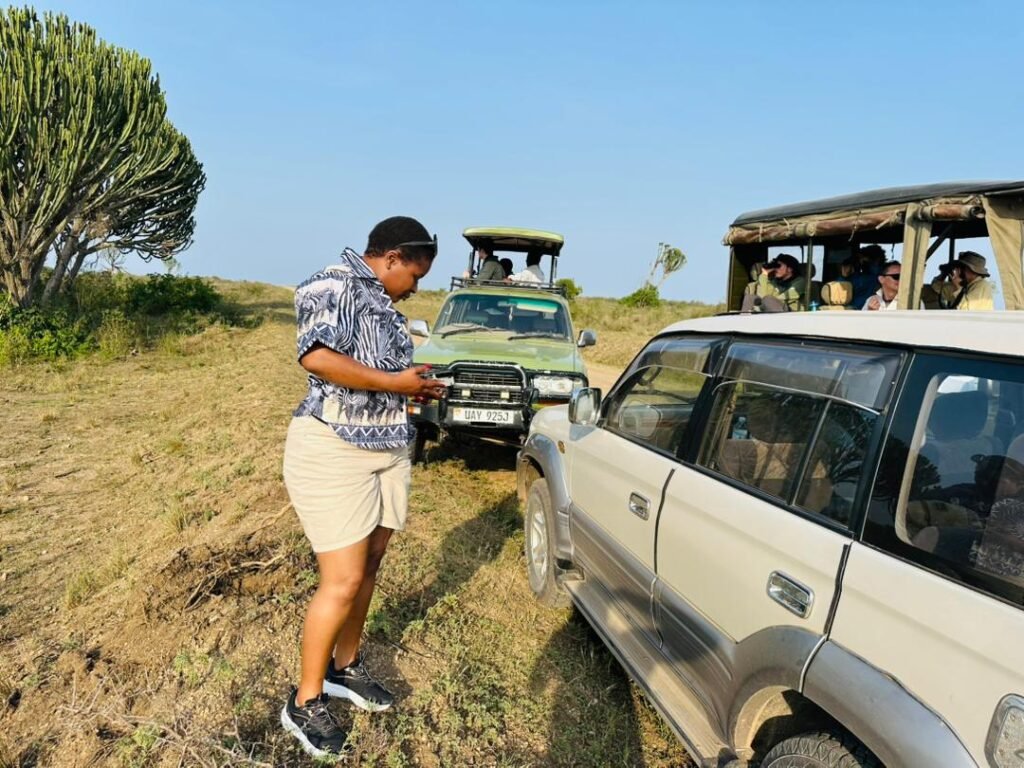
For travelers who want the same two-country concept with more room to breathe, the 10 Days Uganda Rwanda Safari extends the cross-border formula with additional wildlife viewing time on both sides of the border. It sells to a smaller but steady segment of travelers who’ve decided early on that they want both countries properly covered rather than compressed into a single week, and it remains one of our most-requested longer combination itineraries. A comparable 10 Days Uganda Rwanda Safari route is available through Gorilla Tracking Tours.
Our Top Sellers Side by Side
| Safari | Duration | Core Focus | Best For |
|---|---|---|---|
| 3 Days Uganda Gorilla Safari | 3 days | Gorilla trekking, Bwindi | First-timers wanting gorillas only |
| 3 Days Queen Elizabeth NP Safari | 3 days | Savannah wildlife, boat cruise | Classic Big Five-style safari |
| 3 Days Murchison Falls Safari | 3 days | Nile cruise, savannah game | Travelers based near Kampala |
| 4 Days Wildlife and Primate Safari | 4 days | Chimps plus savannah wildlife | A taste of both wildlife and primates |
| 7 Days Uganda Safari (One Week) | 7 days | Multi-park plus gorillas | A broad first visit to Uganda |
| 10 Days Uganda Primates and Wildlife | 10 days | Full primate and wildlife circuit | Repeat visitors wanting everything |
| 14 Days Uganda Wildlife and Primates | 14 days | Comprehensive standalone trip | A once-in-a-lifetime Uganda visit |
| 18 Days Uganda Birding and Wildlife | 18 days | Birding plus wildlife | Dedicated birders and photographers |
| 7 Days Uganda Rwanda Safari Adventure | 7 days | Gorillas in two countries | Travelers wanting both countries |
| 10 Days Uganda Rwanda Safari | 10 days | Extended two-country circuit | A fuller two-country trip |
What Uganda’s Best-Selling Safaris Have in Common
Look across this list and a few shared traits stand out. Every safari near the top matches a realistic amount of vacation time rather than assuming travelers can clear two or three weeks. Most are anchored around one or two headline experiences — a gorilla trek, the Nile at Murchison Falls, the Kazinga Channel at Queen Elizabeth — rather than trying to cram in every park at once. And nearly all of them build in a sensible buffer around long drive days between parks, since Uganda’s parks sit hours apart and an itinerary that underestimates transfer time rarely gets booked twice.
What Drives Uganda Safari Pricing in 2026/2027
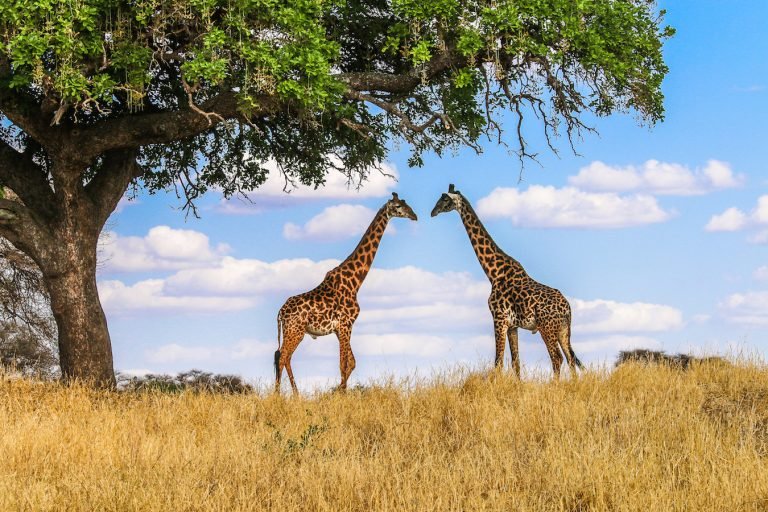
Pricing across these safaris comes down to a handful of consistent factors: park entry fees, which vary by park and are set by the Uganda Wildlife Authority; ground transport in a 4×4 safari vehicle with a driver-guide; accommodation, which can range from simple guesthouses to high-end lodges; and, for the primate-inclusive itineraries, the trekking permit itself. Gorilla permits run 800 USD per person for foreign non-residents in high season and 600 USD in the April, May and November low season, while chimpanzee permits cost considerably less, which is part of why wildlife-only safaris like the Queen Elizabeth and Murchison Falls trips are often the most budget-friendly options on this list.
Best Time of Year to Book One of These Safaris
The June-to-September and December-to-February dry seasons see the heaviest booking volume across every safari on this list, thanks to easier road conditions and more predictable wildlife viewing. The wetter months of April, May, and November bring lower gorilla permit pricing and noticeably thinner crowds at both wildlife parks and trekking sectors, which makes them a smart target for travelers more interested in value and quiet trails than guaranteed dry footing.
Which National Parks Anchor Each of These Safaris
The wildlife-first safaris on this list center on two parks in particular: Queen Elizabeth National Park in the southwest, known for its Kazinga Channel boat cruise and tree-climbing lions, and Murchison Falls National Park in the north, built around the Nile itself. The primate-inclusive itineraries add Bwindi Impenetrable National Park for gorilla trekking and Kibale Forest National Park for chimpanzee tracking, and the longer circuits typically string together three or four of these parks in a single trip.
Extending a Uganda Safari into Rwanda or Kenya
For travelers who want Uganda as the anchor of a wider regional trip rather than the whole trip itself, several longer combination itineraries build outward from the parks on this list. The 18 Days Kenya Rwanda Uganda Safari strings together Uganda’s gorilla and wildlife circuit with Kenya’s classic savannah parks and a Rwanda primate leg, while the 20 Days East Africa Tour goes even further, covering the region’s headline wildlife and primate experiences across three countries in a single, continuous booking. These sell in far smaller numbers than the shorter safaris on this list, but they consistently attract a specific traveler: someone who has already decided this is likely their only trip to the region and would rather see it properly than budget a return visit.
Wildlife-Only Safaris vs Primate-Inclusive Safaris: Which Sells Better?
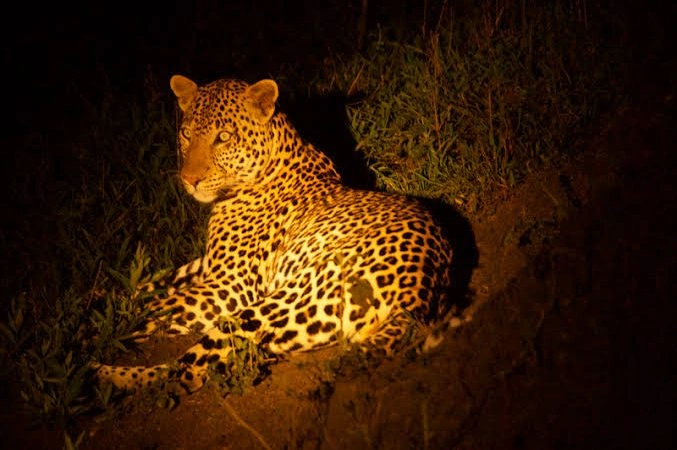
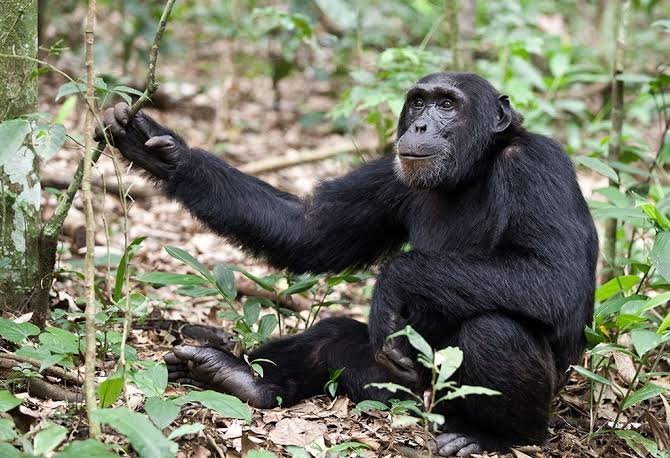
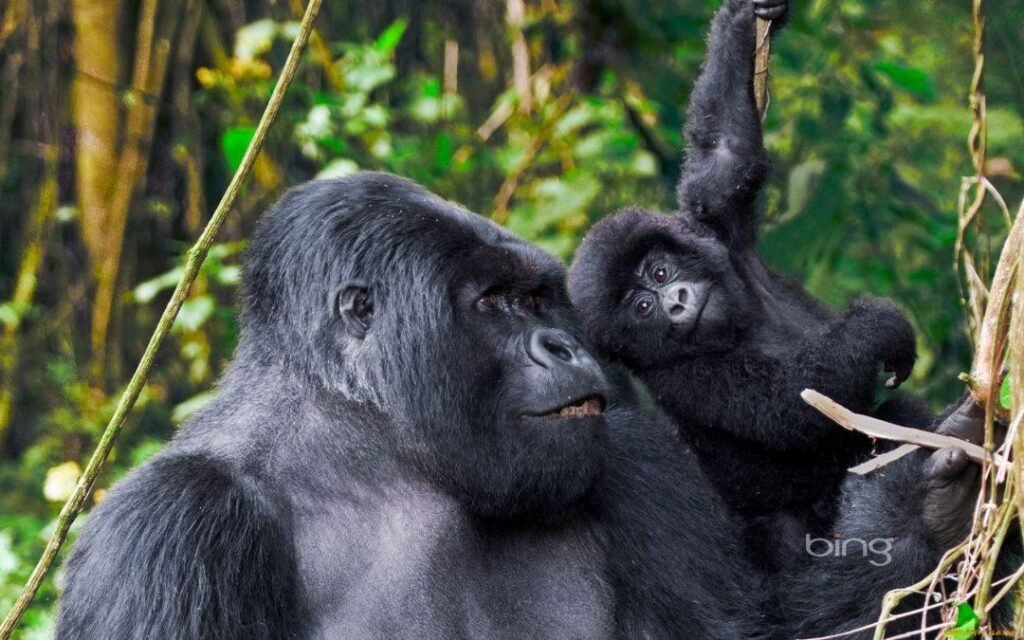
Primate-inclusive itineraries, led by the 3 Days Uganda Gorilla Safari, still outsell pure wildlife safaris in raw volume, since gorilla trekking remains the single biggest draw bringing travelers to Uganda in the first place. But wildlife-only safaris like the Queen Elizabeth and Murchison Falls trips sell extremely well within their own category, largely because they cost noticeably less without a trekking permit attached, and they appeal strongly to travelers who’ve already trekked gorillas on a previous visit and want a different kind of Uganda trip this time around.
Visa Requirements Across These Safaris
Every safari on this list that stays entirely within Uganda requires a standard Uganda visa or East Africa Tourist Visa for most non-East African nationalities, applied for online in advance since Uganda’s land borders don’t offer visa-on-arrival for nationalities that need one. The cross-border itineraries, including the 7 Days Uganda Rwanda Safari Adventure and the 10 Days Uganda Rwanda Safari, are best paired with the East Africa Tourist Visa specifically, since a single 100 USD application covers both countries rather than requiring two separate visas.
What’s Usually Included in These Packages
Across our catalog, these safaris typically include ground transport in a 4×4 safari vehicle with a driver-guide, park entry fees for each park visited, accommodation for the length of the trip, boat cruise fees where relevant, and most meals depending on the lodge tier selected. Any gorilla or chimpanzee trekking permit is included on the itineraries that feature one. International flights, visa fees, gratuities, and personal travel insurance sit outside that bundle on nearly every operator’s listings in the region, ours included.
How Far in Advance to Book
Wildlife-only safaris like the Queen Elizabeth and Murchison Falls trips are generally more flexible on booking timelines than the gorilla-inclusive ones, since they don’t depend on a limited permit allocation. Even so, we recommend booking any of the safaris on this list at least two to three months ahead for the shorter wildlife trips, and three to six months ahead for anything involving a gorilla permit, pushing that out further still for July, August, and the December holiday period when permits for the popular sectors can sell out early.
Weather and Road Conditions Between Parks
Uganda’s parks sit hours apart by road, and drive days are a real part of nearly every safari on this list rather than an afterthought between highlights. The transfer from Kampala or Entebbe to Murchison Falls typically runs four to five hours, while Queen Elizabeth and Bwindi sit further southwest, often requiring a full driving day or a domestic flight to connect comfortably within a shorter itinerary. Rain during the wetter months can extend these transfer times on unpaved sections, which is exactly why itineraries built by teams unfamiliar with current road conditions tend to run into scheduling trouble that well-planned ones avoid.
Group Size and Private vs Joining a Safari
Every safari on this list can run as a fully private trip for a solo traveler, a couple, or a family, and most can also accommodate a small joining group to reduce the per-person vehicle cost. Wildlife game drives themselves have no fixed group size restriction the way gorilla trekking does, so a private wildlife safari genuinely means having the vehicle and pace entirely to yourself, while gorilla treks still cap out at eight visitors per gorilla family regardless of how the rest of your trip is booked.
Planning tip: If you’re deciding between a wildlife-only safari and one that includes a gorilla trek, think about budget before itinerary length — dropping the gorilla permit from a trip can cut the total cost substantially without shortening the trip itself. Our contact us page is the fastest way to get a recommendation matched to your budget and dates.
Planning tip: If you’re deciding between a wildlife-only safari and one that includes a gorilla trek, think about budget before itinerary length — dropping the gorilla permit from a trip can cut the total cost substantially without shortening the trip itself. Our contact us page is the fastest way to get a recommendation matched to your budget and dates.
What a Typical Day Looks Like on a Wildlife Safari
Days on the wildlife-focused safaris in this list generally follow a similar rhythm: an early morning game drive while animals are most active, a midday break at the lodge during the heat, and either a second late-afternoon game drive or a boat cruise, depending on the park. Murchison Falls and Queen Elizabeth both offer boat cruises as a core part of their itineraries — the Nile launch trip at Murchison Falls and the Kazinga Channel cruise at Queen Elizabeth — and both are considered highlights rather than optional add-ons on the tours that include them.
The pacing differs meaningfully from a trekking day. Where a gorilla trek revolves around a single fixed appointment — the 7 or 7:30 am briefing — a wildlife safari day is built around light and temperature instead, with drivers timing game drives to when animals are most active and retreating to the lodge during the hottest hours. That flexibility is part of why wildlife-only safaris tend to feel more relaxed than trekking-inclusive trips, even on itineraries covering the same number of days.
Fitness and Health Considerations
Wildlife safaris are considerably less physically demanding than gorilla or chimpanzee trekking, since most of the day happens seated in a safari vehicle or on a boat rather than hiking forest terrain. That makes the wildlife-only itineraries on this list a strong option for travelers with mobility limitations or those simply looking for a lower-intensity trip. The primate-inclusive safaris still carry the same fitness considerations as any gorilla trek — uneven, sometimes steep terrain, with porters available at every trekking sector for those who want the extra support.
Ways to Cut Costs Across These Safaris
The clearest way to lower the cost of any safari on this list is to drop or delay a primate trekking permit, since it’s consistently the single largest line item on any itinerary that includes one. Beyond that, traveling as part of a small joining group rather than fully private spreads vehicle and driver costs across more people, and choosing a mid-range lodge tier over a luxury one can meaningfully reduce the accommodation portion of the trip without changing the game drives, boat cruises, or trekking itself.
Budget, Mid-Range, and Luxury Versions of the Same Safari
Every safari on this list can be built at different accommodation tiers without changing the core route — the 3 Days Safari to Queen Elizabeth National Park, for instance, can run through a simple guesthouse, a solid mid-range lodge, or a high-end property overlooking the Kazinga Channel. The game drives, boat cruise, and park access stay identical across all three tiers; only accommodation, some meal inclusions, and vehicle comfort change, which is worth remembering before assuming a cheaper quote means a lesser wildlife experience.
Adding a Gorilla Trek to a Wildlife-Only Safari
Several of the wildlife-only safaris on this list can be extended with a gorilla trek given enough advance notice, since Bwindi Impenetrable National Park sits within reach of most Uganda safari circuits. A traveler booking the 3 Days Safari to Murchison Falls, for example, can often extend south to Bwindi with a few additional days and the right permit lead time, effectively building a longer combined itinerary around a wildlife trip they’d already chosen for other reasons.
What to Pack for a Uganda Wildlife Safari
Packing for the wildlife-only safaris on this list is noticeably lighter than packing for a gorilla trek: neutral-colored clothing, a light jacket for early morning game drives, sun protection, binoculars, and a camera with a reasonable zoom lens cover most of it. For itineraries that combine wildlife viewing with a primate trek, the same wildlife essentials apply, plus sturdy waterproof hiking boots, gardening-style gloves, and long trousers and sleeves for the trekking days specifically.
Family-Friendly Options Among These Safaris
Because gorilla trekking has a minimum age of fifteen in both Uganda and Rwanda, families with younger children tend to lean toward the wildlife-only or wildlife-heavy safaris on this list — the Queen Elizabeth and Murchison Falls trips in particular, along with the longer 7 and 10-day circuits, where game drives and boat cruises give children of any age something to enjoy without an age restriction attached. Families with teenagers old enough to trek can add a gorilla component to any of these itineraries without changing the core wildlife structure.
Adding Birding or Cultural Experiences to Any of These Safaris
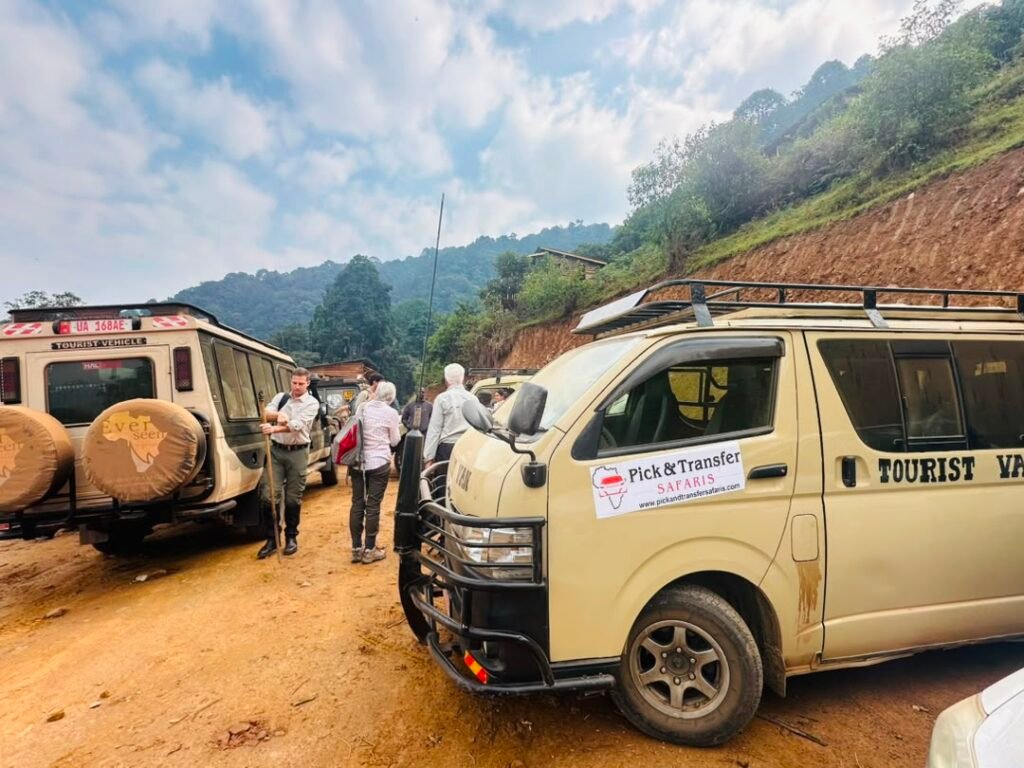
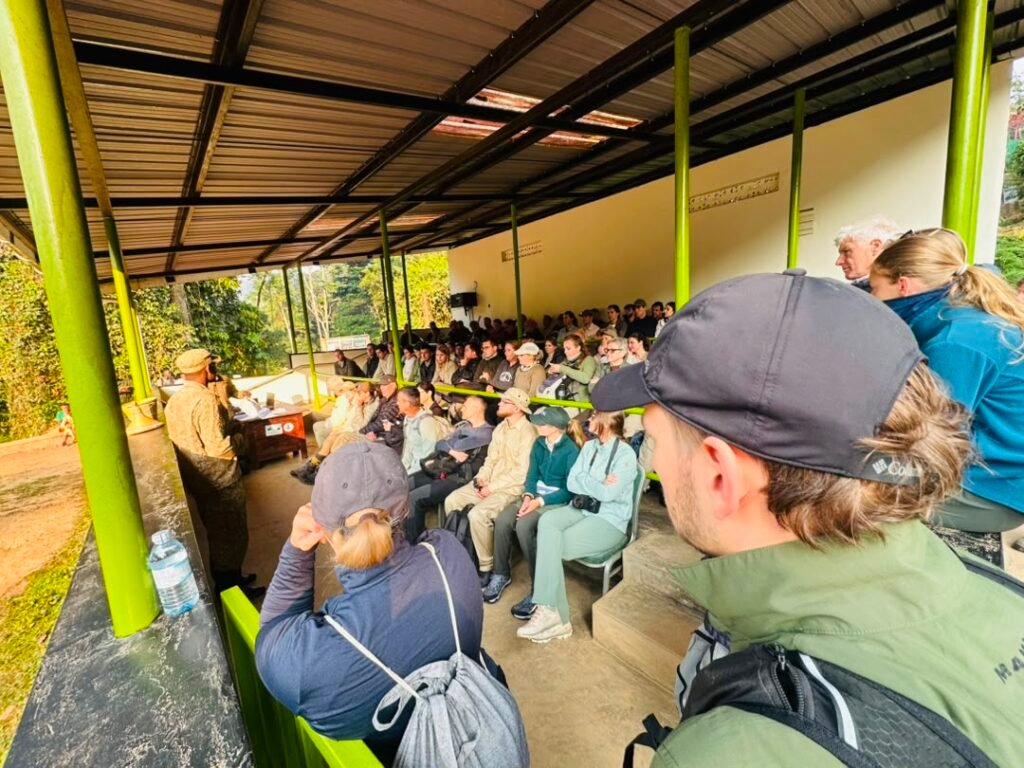
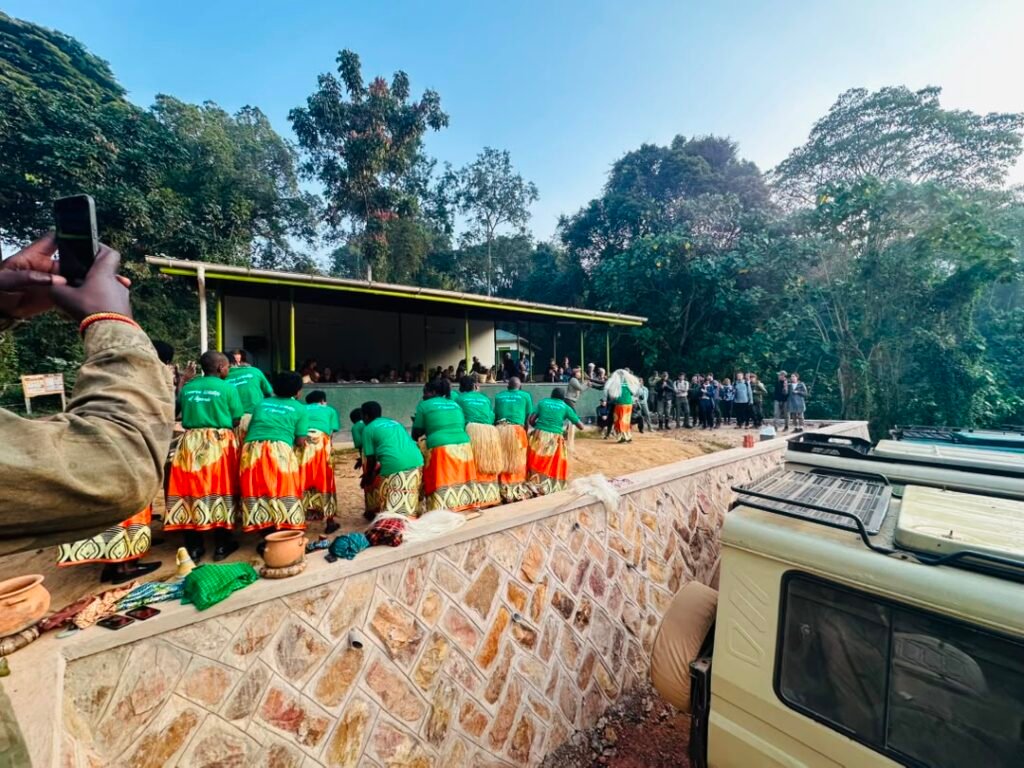
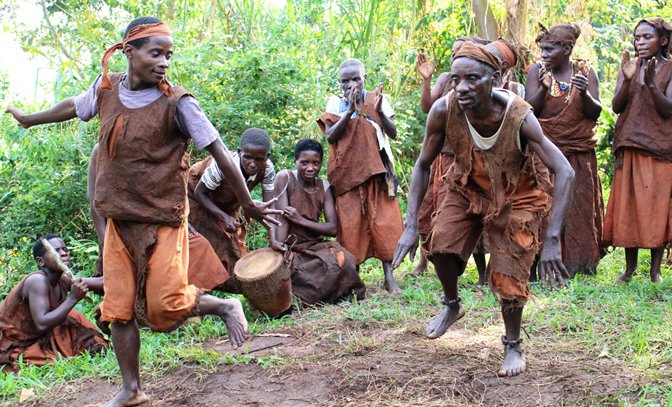
Uganda’s reputation as one of Africa’s premier birding destinations shows up throughout this list, not just on the dedicated 18-day birding safari. Queen Elizabeth’s Kazinga Channel, Murchison Falls’s riverine forest, and Kibale’s forest edges all support strong half-day birding add-ons that can be layered onto most itineraries here with advance notice. Cultural visits to local communities near Bwindi or Kibale are similarly easy additions, giving non-trekking travel companions something worthwhile to do during rest days.
How Pricing Breaks Down Across These Safaris
Every quote for the safaris above breaks into the same core components: park entry fees for each park on the route, ground transport and driver-guide costs, accommodation for the length of the trip, boat cruise fees where applicable, most meals, and any trekking permit for itineraries that include one. Because park fees and permit costs are fixed regardless of operator, the real price differences between companies quoting an identical itinerary usually come down to vehicle quality, lodge tier, and driver-guide experience rather than the underlying wildlife access itself.
A Rough Booking Timeline by Safari Type
| Safari Type | Recommended Booking Window |
|---|---|
| Short 3-4 day wildlife-only safaris | 2-3 months ahead |
| Safaris including one gorilla or chimp trek | 3-6 months ahead |
| 7-14 day multi-park circuits | 5-8 months ahead |
| Cross-border Uganda-Rwanda safaris | 6+ months ahead, permits needed in both countries |
| 18-day birding and wildlife safari | 8-12 months ahead |
What Separates a Well-Planned Safari from a Generic Itinerary
A safari name and duration only tell part of the story. The itineraries on this list sell consistently because the parks, lodges, and drive times behind each one have actually been matched to the trip length rather than assembled without regard for how far apart Uganda’s parks really are. A three-day trip that underestimates the drive between Kampala and Queen Elizabeth, or a wildlife circuit that skips a rest day between long transfers, looks identical on paper to a properly planned one but plays out very differently on the road. That planning layer sits behind every safari here, handled by a team based directly on the route.
Solo Travelers on These Safaris
Solo travelers book every safari on this list, and wildlife game drives are naturally solo-friendly since there’s no fixed group size the way gorilla trekking has. The main cost consideration for solo travelers is vehicle and driver expense, which isn’t split across multiple people, though joining a small group tour on any of the wildlife-only safaris can bring that per-person cost down considerably compared to booking fully private.
Why Guests Come Back for a Second Uganda Safari
A meaningful share of the bookings behind this list come from returning guests, often moving from a first gorilla-focused trip toward a wildlife-only safari on a second visit, or the reverse — starting with Queen Elizabeth or Murchison Falls and coming back later for the gorilla trek they skipped the first time. It’s a pattern worth knowing if you’re deciding how much to fit into a first trip: there’s no need to combine everything Uganda offers into one visit, since a well-run first safari is often exactly what brings people back for a second, different kind of trip.
Frequently Asked Questions About Uganda’s Top-Selling Safaris
Which Uganda safari genuinely sells the most overall?
The 3 Days Uganda Gorilla Safari outsells every other itinerary in our catalog. Among wildlife-only safaris with no primate trekking, the 3 Days Safari to Queen Elizabeth National Park sells best.
Is a wildlife-only safari cheaper than one that includes gorilla trekking?
Yes, substantially. Dropping the gorilla permit, which runs 800 USD per person in high season, is the single biggest way to reduce the cost of a Uganda trip without shortening it.
Can I combine a wildlife safari with a gorilla trek later in the trip?
Yes. Several of the wildlife-only safaris on this list can be extended toward Bwindi with additional days and the right permit lead time, effectively building a combined itinerary.
Which park should I choose if I only have time for one wildlife stop?
Queen Elizabeth National Park suits travelers who want the Kazinga Channel boat cruise and tree-climbing lions, while Murchison Falls suits those drawn to the Nile itself and northern savannah game viewing.
Do any of these safaris run year-round?
Yes, all of them run year-round. Wildlife viewing continues through the rainy season, and while trails and roads can be muddier in April, May, and November, that same window brings lower gorilla permit pricing and thinner crowds.
How many parks are typically included in the longer safaris?
The 7-day itinerary usually covers two to three parks, the 10 and 14-day circuits often cover three to four, and the 18-day birding safari covers the widest spread of forest, wetland, and savannah sites in the country.
Are these safaris suitable for travelers with limited mobility?
The wildlife-only safaris are considerably more accessible than the trekking-inclusive itineraries, since most of the day is spent in a vehicle or on a boat rather than hiking forest terrain.
Do longer safaris cost proportionally more than shorter ones?
Not always in a straight line — longer safaris spread fixed costs like flights and initial transfers across more days, so the per-day cost often drops slightly the longer the trip runs, even as the total cost rises.
How do I know if a quoted safari price is reasonable?
Check that park entry fees and any trekking permit are correctly included at their fixed rates, then compare what’s left against similar lodge tiers from other operators — that remainder covers transport, accommodation, and guiding, which is where genuine price differences show up.
Can these safaris be customized to add or drop a park?
Yes. These are our most-booked starting points rather than fixed templates, and parks, lodge tiers, and add-on days can all be adjusted around your dates and interests.
How to Choose the Right Safari for Your Trip
Start with whether gorilla trekking is a must-have or a nice-to-have. If it’s a must-have and time is short, the 3 Days Uganda Gorilla Safari is the clear choice. If you’d rather prioritize savannah wildlife and keep costs lower, the Queen Elizabeth or Murchison Falls three-day safaris deliver a full wildlife experience without the permit cost. Travelers with a week or more who want it all should look at the 7 or 10-day circuits, and anyone drawn to Uganda specifically for its birdlife should look hardest at the 18-day birding and wildlife safari.
Comparing Prices Across Different Safari Operators
Because park entry fees and trekking permits are fixed regardless of operator, comparing quotes for an identical itinerary from different companies is more straightforward than it first appears. Strip out those fixed costs, and what’s left is transport, accommodation, and guiding — exactly where operators genuinely differentiate themselves. A noticeably cheaper quote for the same safari usually points to a lower lodge tier or a less experienced guide rather than a hidden discount, since the underlying park access costs the same no matter who books it.
Why an Operator’s Location on the Ground Matters
Operators based directly along Uganda’s safari circuit — rather than coordinating everything remotely from a capital city or overseas — tend to have a far more current read on road conditions, which lodges are performing well, and how wildlife sightings are trending season to season. That local, ground-level knowledge matters more for multi-park wildlife safaris than it might seem, since so much of what makes a long circuit run smoothly comes down to current, small details a remote booking agent has no way of verifying firsthand.
A Note on Travel Insurance for Any of These Safaris
None of the safaris on this list include travel insurance by default, and given the remote parks and long drive days involved, comprehensive coverage with medical evacuation is worth arranging independently before any trip on this list, wildlife-only or otherwise. For itineraries that include a gorilla or chimpanzee permit, it’s also worth asking about optional trip-cancellation-style protection tied to the permit fee specifically, given how costly a missed or forfeited permit can be to rebook.
Book Your Uganda Safari
Every safari on this list is run by a team based right on the Kabale-Kisoro Road, minutes from the Cyanika border, with direct experience matching parks, permits, and transfer timing to whichever itinerary fits your trip.
Browse our full wildlife safaris lineup, explore our gorilla safaris for primate-focused options, check our destinations page for a park-by-park breakdown, or contact us directly to start booking one of Uganda’s top-selling safaris today.