- LET'S PLAN YOUR SAFARI
- +256 200 921 002
- +256 793 194 703
- info@pickandtransfersafaris.com

Best 1 Day Gorilla Trek from Kigali to Bwindi
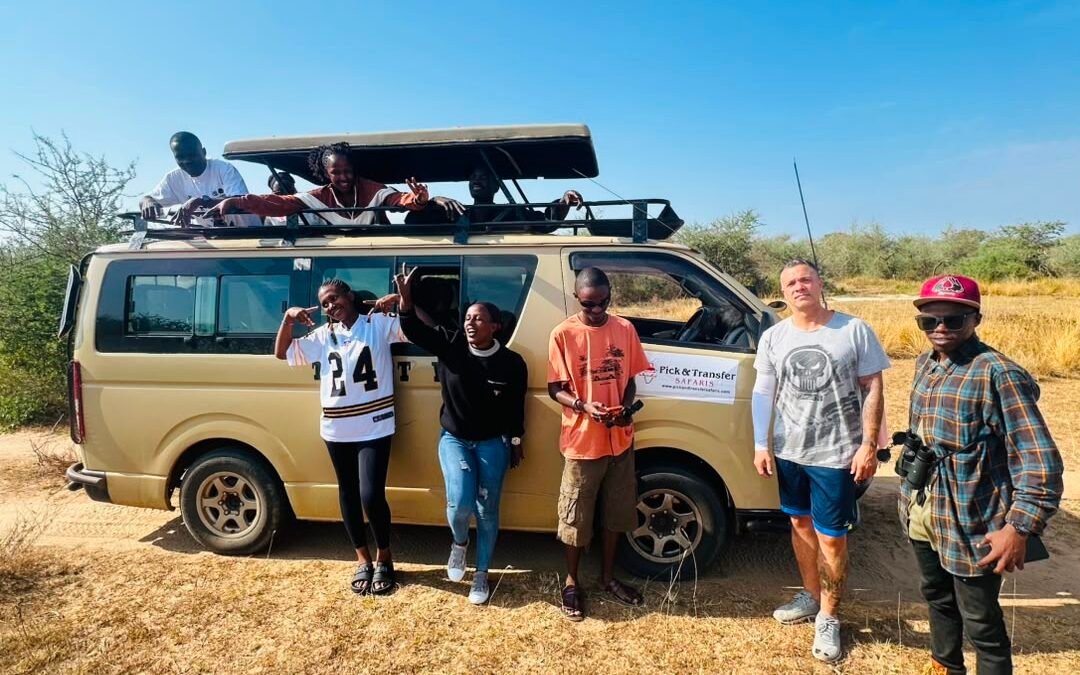
Best 1 Day Gorilla Trek from Kigali to Bwindi. Bwindi Impenetrable National Park holds nearly half of the world’s remaining mountain gorillas, spread across four trekking sectors and dozens of habituated families, which is exactly why so many travelers researching gorilla trekking from Kigali ask whether they can reach Bwindi, and not just the closer Mgahinga Gorilla National Park, in a single day. The honest answer is yes, but it takes real planning, a very early start, and a realistic understanding of just how long the day will be.
Experience the Best 1 Day Gorilla Trek from Kigali to Bwindi
This guide gives you the straightforward version of that plan: which Bwindi sector actually makes a one-day trip possible, the true drive times involved, permit costs for 2026, and an hour-by-hour itinerary that does not gloss over how demanding this day really is. We also cover Pick and Transfer Safaris’ own 2 Days Uganda Gorilla Tour from Kigali, since for most travelers it turns out to be the smarter way to trek in Bwindi from a Kigali base, and we explain exactly why toward the end of this article.
Why Bwindi Is Different from a Standard One-Day Gorilla Trek
Most one-day gorilla treks from Kigali are built around Mgahinga Gorilla National Park, which sits close enough to the Cyanika border to make a same-day round trip genuinely comfortable. Bwindi Impenetrable National Park is a different proposition entirely. Even its closest trekking sectors sit noticeably further from the Rwanda border than Mgahinga does, which means a one-day Bwindi trip involves meaningfully more time in the vehicle on both legs of the journey.
That extra distance is also Bwindi’s biggest draw. The park holds four separate trekking sectors, Buhoma, Ruhija, Rushaga, and Nkuringo, and dozens of habituated gorilla families between them, compared to Mgahinga’s single Nyakagezi group. If you have researched our companion guide to the 1 Day Uganda Gorilla Safari from Kigali via Mgahinga, this article covers the alternative version of that same idea, built around Bwindi’s greater choice of gorilla families instead.
Which Bwindi Sector Is Reachable in a Single Day
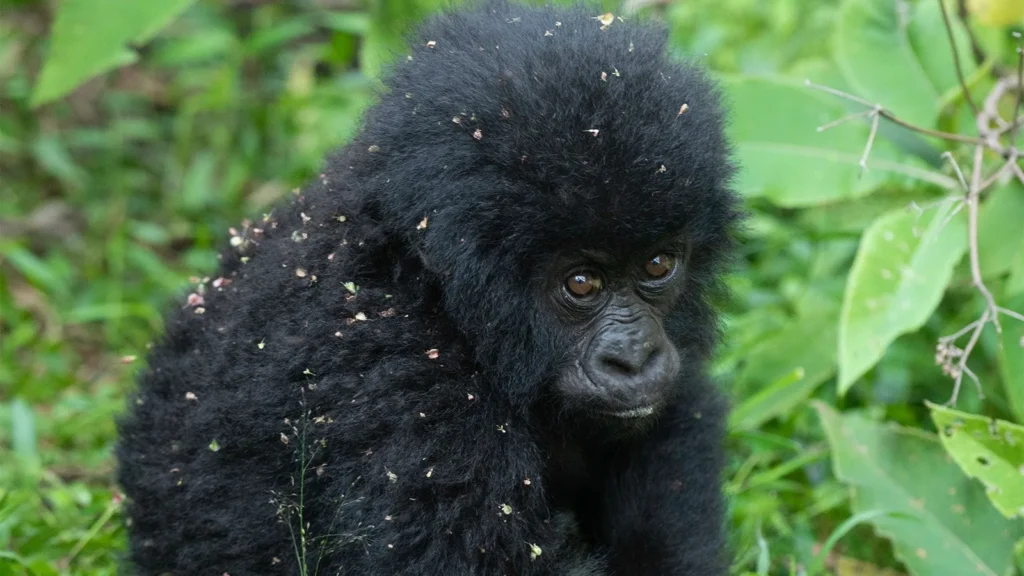
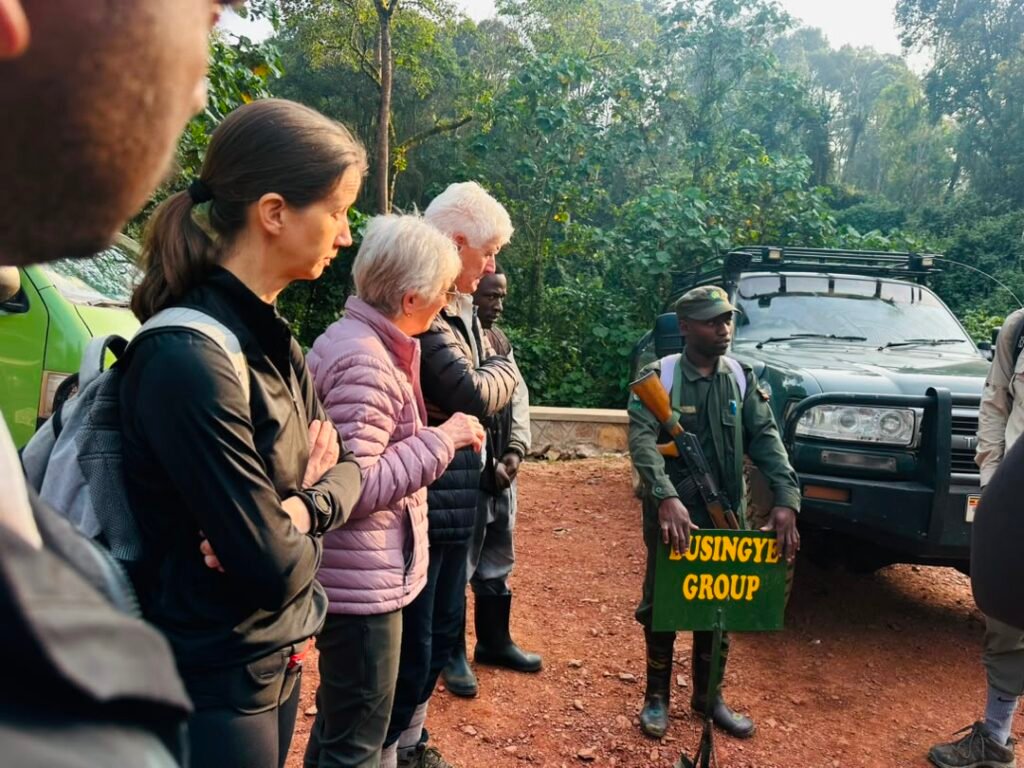
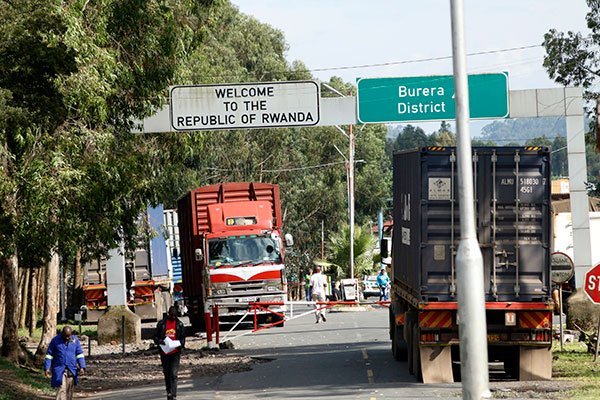
Of Bwindi’s four sectors, only two are realistically reachable from Kigali and back within one day: Rushaga and Nkuringo. Both sit in the southern part of the park, closest to the Cyanika border crossing, while Buhoma in the north and Ruhija in the east add several additional hours of driving on top of an already long day, putting them out of reach for a genuine one-day itinerary.
Between the two realistic options, Rushaga is generally the stronger choice for a one-day trip. It holds the greatest number of habituated gorilla families of any Bwindi sector, which improves your odds of a shorter search time on the day, and it sits marginally closer to the border than Nkuringo. Nkuringo is a close second, known for dramatic views of the Virunga volcanoes from the ridge above the park, but its terrain is widely regarded as Bwindi’s most physically demanding, which is worth weighing carefully if your day is already going to be a long one.
The Real Drive Times: Kigali to Rushaga and Nkuringo
Getting the numbers right here matters more than almost anything else in planning this trip. The drive from Kigali to the Cyanika border typically takes 3 to 4 hours, covering roughly 130 to 150 kilometers of paved road through Rwanda’s Northern Province. That part of the journey is nearly identical whether you are headed to Mgahinga or continuing on into Bwindi.
The difference appears once you cross into Uganda. From Cyanika, Rushaga sector is a further 1.5 to 2 hours of driving, much of it on unpaved mountain roads, while Nkuringo adds closer to 2.5 hours given its more remote position within the park. Added together, a realistic one-way drive time from Kigali to Rushaga runs 4.5 to 6 hours, and to Nkuringo closer to 5.5 to 6.5 hours, before you have even begun the trek itself. Doubling that for the return journey is why this itinerary asks so much of a single day.
Full Itinerary: An Honest Hour-by-Hour Breakdown
A one-day Bwindi trek to Rushaga sector, built around Uganda Wildlife Authority’s standard 7am trekking briefing, looks roughly like this:
- 12:00-1:00am – Pickup from your Kigali hotel in a private 4×4, departing while the roads are quiet.
- 1:00-4:30am – Drive to the Cyanika border, arriving well before dawn.
- 4:30-5:00am – Rwanda exit and Uganda entry formalities at Cyanika.
- 5:00-7:00am – Continue to Rushaga sector headquarters, arriving in time for registration.
- 7:00-7:30am – Ranger briefing and group assignment.
- 7:30am-1:00pm – The gorilla trek, including search time and one hour of observation once your assigned family is located.
- 1:00-2:00pm – Lunch near the trailhead and a short rest.
- 2:00-8:30pm – Return drive to Kigali, including the reverse border crossing.
Even in a best-case scenario, this puts you back in Kigali around 8 or 9pm, roughly 20 hours after you left your hotel, and search time for the gorillas can easily add another hour or two if the assigned family has moved deep into the forest overnight. This is materially longer and more physically taxing than the Mgahinga route, and it is worth going into the day with your eyes fully open about that.
A candid note: Because of how long and demanding this day genuinely is, most experienced operators, ourselves included, recommend the 2 Days Uganda Gorilla Tour from Kigali instead, which spreads this same driving across two days with a comfortable overnight near Rushaga or Nkuringo. We cover the full comparison later in this guide so you can decide which fits your trip.
Crossing the Cyanika Border for a Bwindi-Bound Trek
The Cyanika border post, linking Rwanda’s Burera district to Uganda’s Kisoro district, is the same crossing used for both the Mgahinga and Bwindi routes out of Kigali. On a one-day Bwindi itinerary, your driver-guide manages the practical side of the crossing, including vehicle paperwork, while you handle your own passport and visa formalities at the immigration windows.
Because a Bwindi-bound day involves a pre-dawn crossing rather than the mid-morning crossing typical of the Mgahinga route, the post itself tends to be very quiet at that hour, which usually keeps the crossing efficient. Even so, building in a buffer for the crossing, rather than assuming it will take exactly the estimated 20 to 30 minutes, is sensible given how tightly the rest of the day is scheduled.
Gorilla Permit Costs for Bwindi in 2026
Uganda’s 2026 gorilla permit pricing applies equally whether you trek in Bwindi or Mgahinga. Foreign non-resident visitors pay 800 US dollars per permit in high season, dropping to 600 US dollars in the low season months of April, May, and November. Foreign residents pay 700 US dollars in high season and 500 US dollars in low season, and East African citizens pay a discounted rate of roughly 80 US dollars year-round. As of March 2026, Uganda Wildlife Authority requires full payment at the time of booking, with no reservation hold available, which makes early booking essential for a Bwindi day trip given how far in advance Rushaga’s permits in particular tend to sell out.
Rushaga sector also offers the separate Gorilla Habituation Experience, priced at roughly 1,500 US dollars per person, which allows up to four hours with a gorilla family that is still being habituated to human presence rather than the standard one hour with a fully habituated group. Worth knowing, but not realistic for a one-day itinerary from Kigali, since the extra three hours in the forest would push your return drive dangerously late; it is a better fit for the 3 Days Uganda Gorilla Safari instead, where an overnight stay absorbs the extra time comfortably.
What’s Included When You Book Through Pick and Transfer Safaris
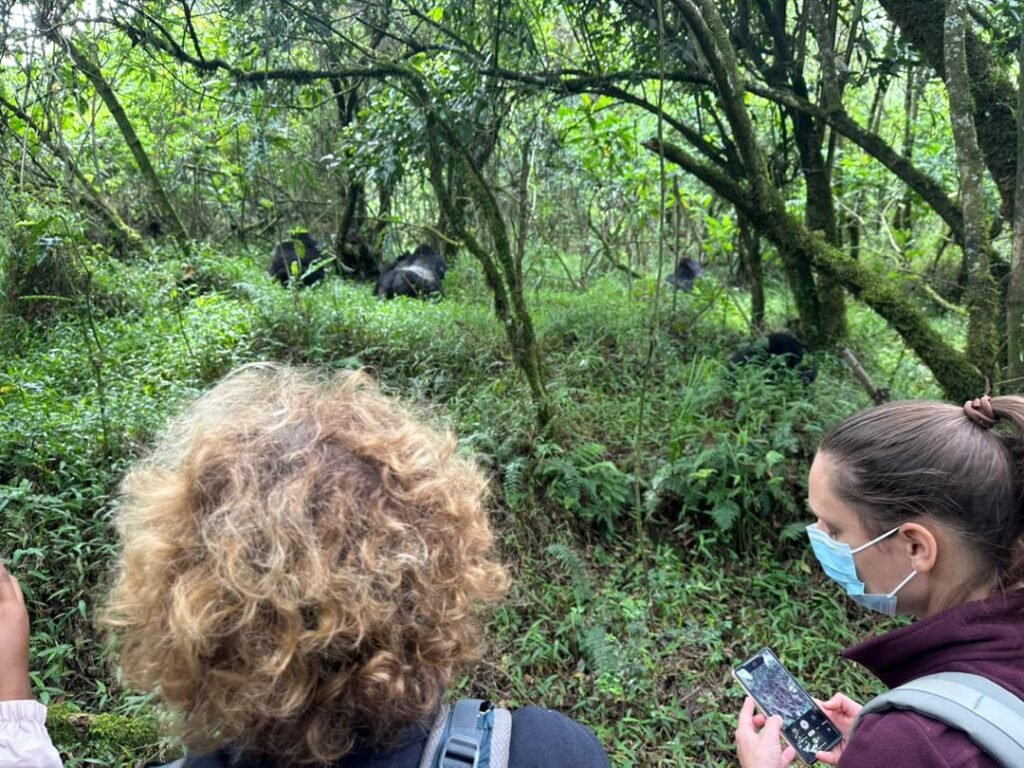
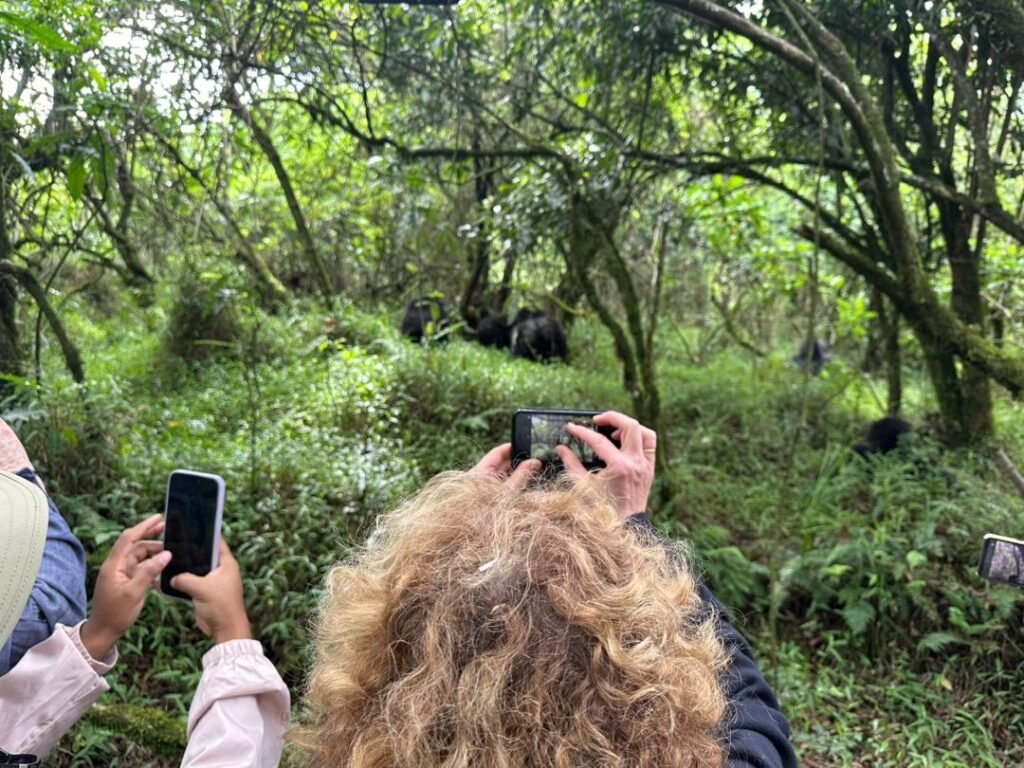
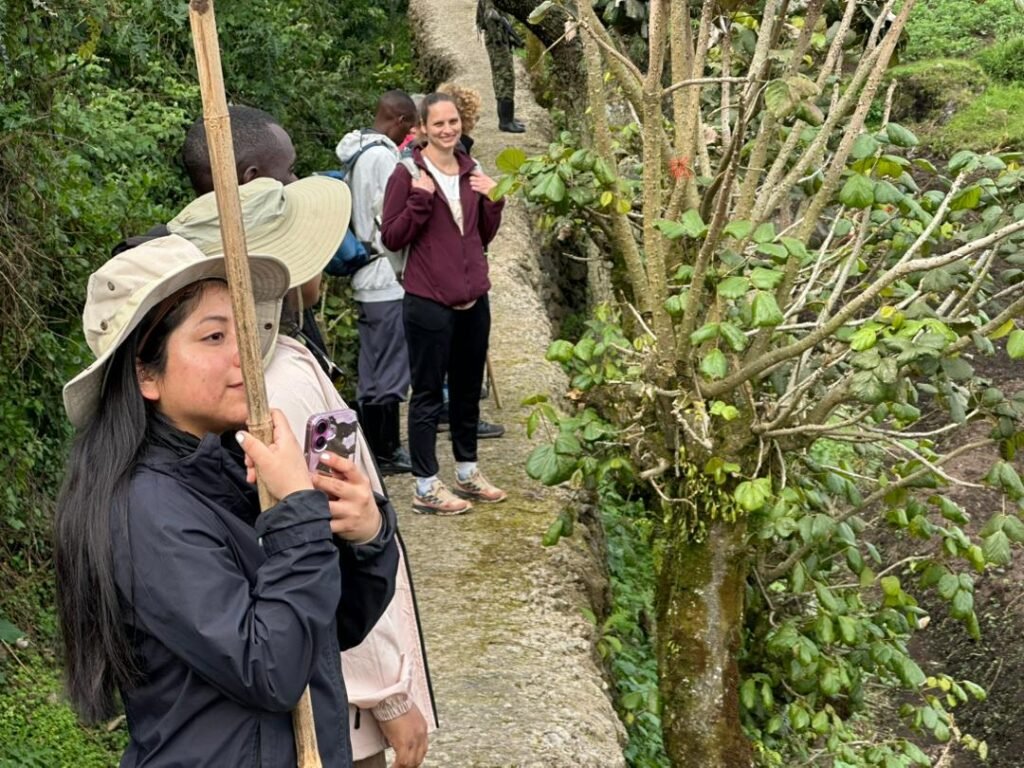
A one-day Bwindi gorilla trek booked through our team bundles your standard gorilla trekking permit, round-trip private 4×4 transport with an English-speaking driver-guide, fuel and ground transport, bottled water, and a packed lunch, in the same structure as our established 1 Day Uganda Gorilla Safari from Kigali itinerary to Mgahinga. Rwanda and Uganda visa fees, travel insurance, tips, and porter fees are handled separately, the same as on any of our gorilla trekking packages.
Given the length and intensity of a one-day Bwindi day, we walk every traveler through the realistic time commitment before confirming a booking, and we are candid when the 2 or 3 day alternative would suit their trip better. You can review pricing and inclusions for all of our gorilla safari options on our main gorilla safaris page.
One Day Bwindi vs One Day Mgahinga: Which Should You Choose
If you are deciding between the two one-day options out of Kigali, the choice really comes down to what you value more: convenience or choice of gorilla family. Mgahinga’s Nyakagezi family is reached in roughly half the driving time of Rushaga or Nkuringo, and the whole day, while still long, is noticeably more manageable than the Bwindi version. Its trade-off is that only one habituated family exists in the entire park, with just eight permits issued per day.
Bwindi’s Rushaga sector, by contrast, offers several habituated families and the largest permit allocation of any single sector in the region, but at the cost of two to three additional hours of driving each way. Travelers who have a specific interest in Bwindi’s forest ecosystem, or who were unable to secure a Mgahinga permit for their date, tend to choose the Bwindi route despite the longer day. For a full breakdown of the Mgahinga option, including its own hour-by-hour itinerary and permit costs, see our companion guide to 1 Day Gorilla Trekking from Kigali.
Rwanda’s Volcanoes National Park as a Third Option
It is worth mentioning the third possibility travelers sometimes overlook: staying entirely within Rwanda and trekking in Volcanoes National Park, which sits much closer to Kigali than either Ugandan option and involves no border crossing at all. Rwanda’s gorilla permit costs considerably more at 1,500 US dollars per person, nearly double Uganda’s high-season rate, and Rwanda does not currently structure its permit system around same-day trips from Kigali the way Uganda’s border-adjacent sectors allow, which is why most true one-day gorilla itineraries from Kigali are built around Uganda rather than Rwanda’s own park.
If your priority is minimizing travel time over minimizing cost, our 2 Days Volcanoes Gorilla Trek from Kigali is worth comparing against the Bwindi options covered in this guide, and our Volcanoes National Park destination page has more detail on that park specifically.
Rushaga’s Gorilla Families: What You Might Encounter
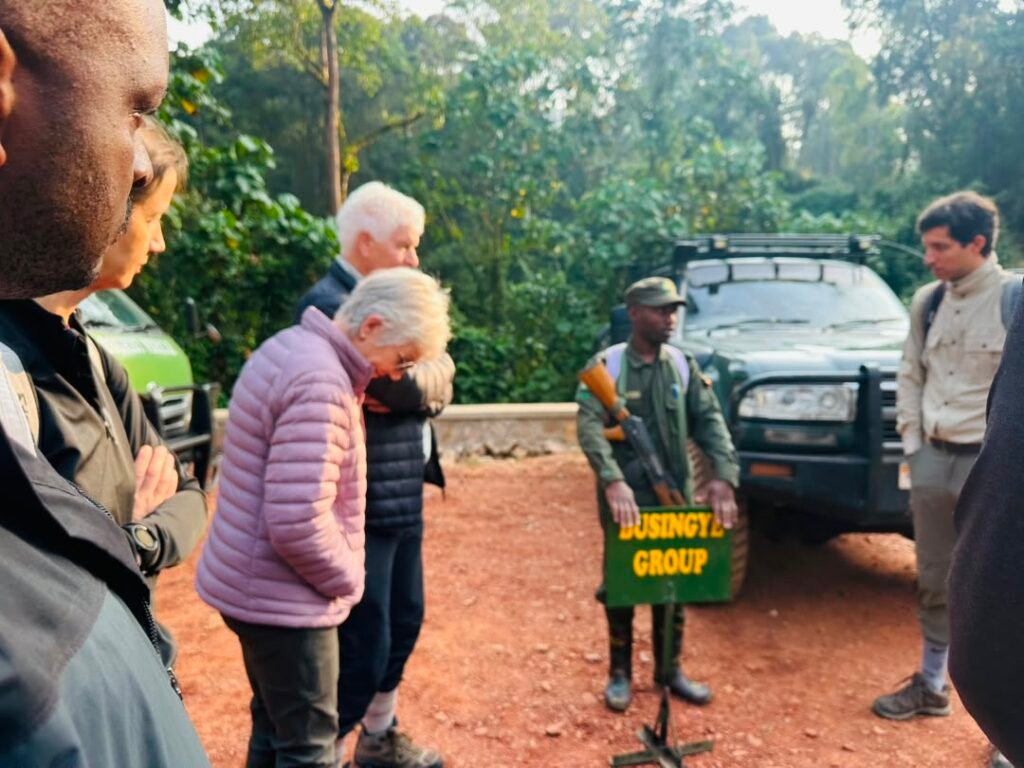
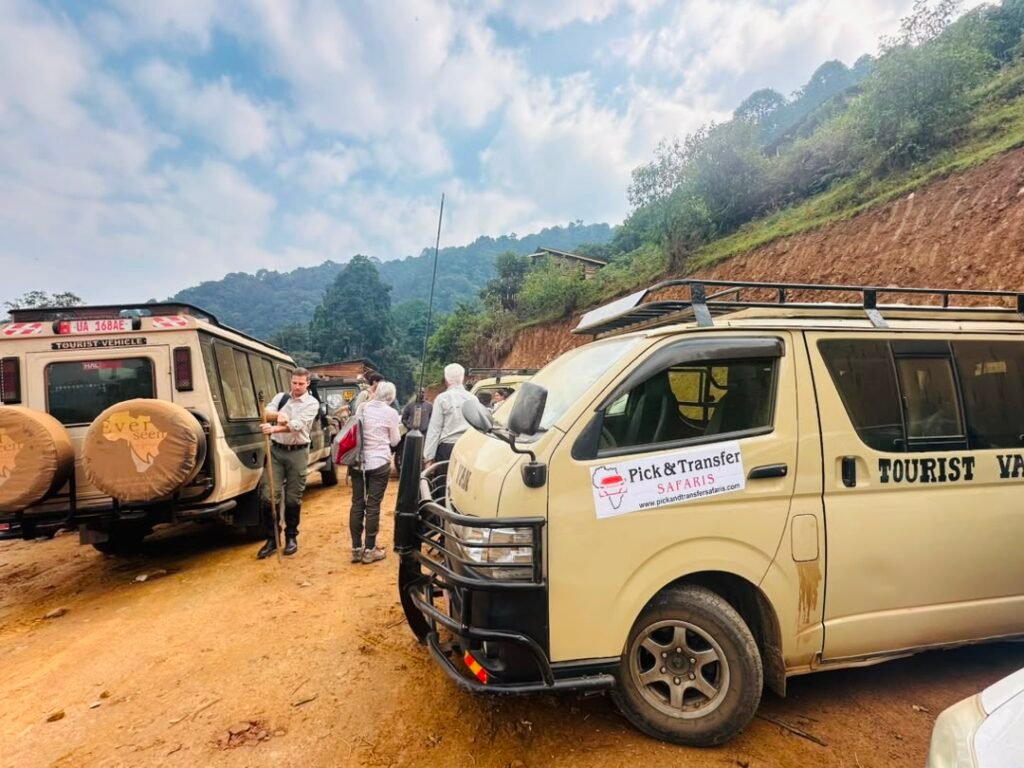
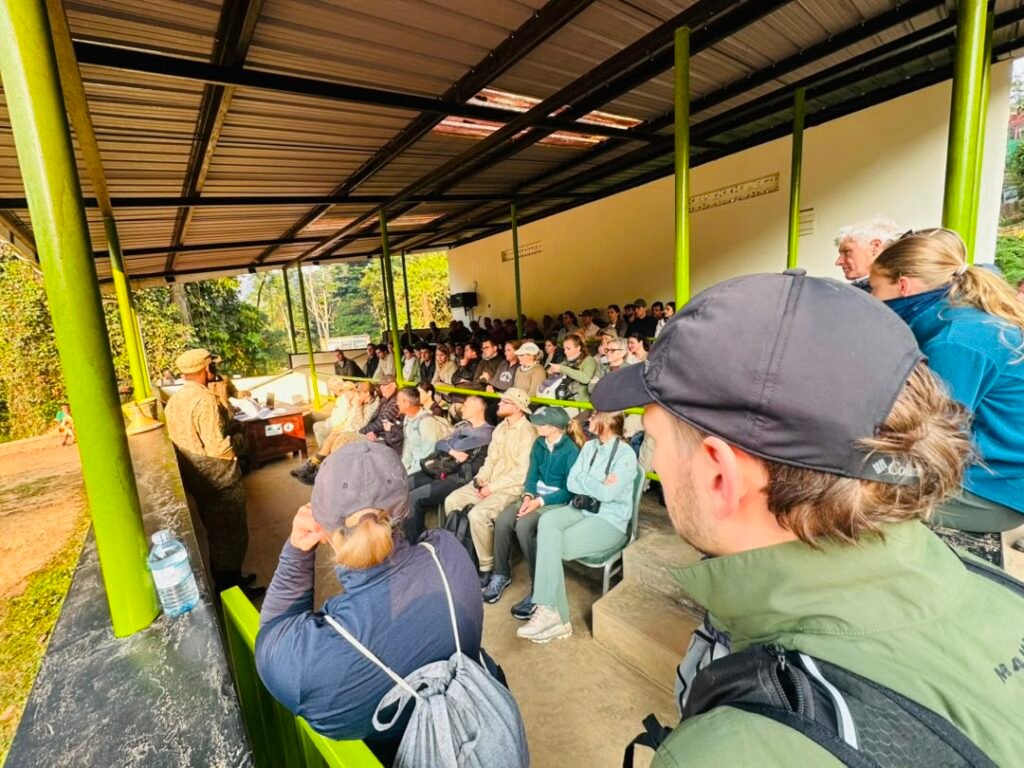
Rushaga sector is home to several habituated gorilla families, more than any other single sector in Bwindi, which is precisely why it is the sector most one-day itineraries are built around. Groups such as Nshongi, one of the larger habituated families in the park, and Mishaya, known historically for a particularly assertive dominant silverback, are among those regularly trekked from Rushaga headquarters, alongside several other families that rotate in availability depending on the season and current ranger assignments.
Which specific family you are assigned to is decided by rangers on the morning of your trek, based on where each group was last located and the fitness level and preferences of that day’s trekking parties, so it is not something you can request in advance with certainty. What is consistent across all of Rushaga’s families is the one-hour observation window once you reach them, and the same seven-meter minimum distance rule that applies throughout Bwindi and Mgahinga alike.
Nkuringo Sector: The More Scenic, More Demanding Alternative
Nkuringo sector sits a little further from the Cyanika border than Rushaga, adding roughly half an hour to an hour of additional drive time, but it offers something Rushaga cannot: sweeping views over the Virunga volcano range from the ridge above the park, since Nkuringo occupies genuinely elevated terrain along Bwindi’s southwestern boundary. Its habituated families, including the well-known Nkuringo group the sector is named after, are trekked through steeper, more rugged terrain than most of Rushaga’s trails.
For travelers who are confident in their fitness and want the more dramatic landscape, Nkuringo is a legitimate choice for a one-day itinerary, though the combination of its longer drive time and tougher trekking terrain makes it a noticeably harder day than the Rushaga route. Given that a one-day Bwindi trip is already demanding by design, most travelers attempting it for the first time are better served choosing Rushaga and saving Nkuringo’s more rugged trails for a future, less rushed visit.
Best Time of Year for a One-Day Bwindi Trek
Bwindi’s trails are open for trekking year-round, but seasonal conditions affect both comfort and permit availability. Uganda’s two dry seasons, roughly June through September and December through February, bring firmer trails and are the most popular and expensive months to trek, meaning Rushaga’s most in-demand permits can sell out especially far in advance during these windows.
The shoulder and wetter months of April, May, and November bring lower permit prices and noticeably thinner crowds, though the unpaved sections of road between Cyanika and Rushaga or Nkuringo can become considerably harder going in heavy rain, which matters more on a tightly scheduled one-day trip than it would on a multi-day itinerary with more flexibility built in. If your schedule allows any flexibility at all, avoiding the heaviest rains in March and April specifically is worth prioritizing for a single-day Bwindi attempt.
Physical Fitness and Age Requirements
Uganda Wildlife Authority sets a minimum trekking age of 15 for all of Bwindi’s sectors, consistent with the rule at Mgahinga. There is no upper age limit, but Bwindi’s terrain, and Nkuringo’s in particular, is widely regarded as more physically demanding than Mgahinga’s, with steep, often muddy trails through dense forest that can involve genuinely strenuous climbs and descents.
Combined with the far longer drive time involved in a one-day Bwindi itinerary, this is not a trip to take lightly from a fitness standpoint. Trekkers who are not confident in their hiking fitness, or who are simply unsure how their body will handle a 20-hour day on top of a demanding hike, should seriously weigh the 2 day alternative, which removes the single greatest source of fatigue by splitting the driving across two calmer days. Hiring a local porter, a modest cost paid directly at the park, is worth doing on this route more than almost any other, given how much a long day beforehand can affect balance and stamina on the trail itself.
What to Pack for a Long Bwindi Day
Because this itinerary combines a full night of driving with a demanding forest hike, packing thoughtfully matters even more here than on the Mgahinga route. At minimum, bring:
- Waterproof, ankle-supporting hiking boots that are already broken in
- Long-sleeved shirts and long trousers in neutral colors, to protect against nettles, thorns, and biting insects
- A proper rain jacket, since Bwindi’s forest canopy holds moisture and weather shifts quickly
- Gardening-style gloves for gripping vegetation on steep sections
- A small travel pillow or neck support for the long overnight drive
- A headlamp or torch, useful for the pre-dawn portions of the journey and the border crossing
- Insect repellent and sunscreen
- Your passport, yellow fever certificate, and visa documentation, kept easily accessible
- Snacks and extra water for the long stretches of driving between meals
Laying everything out the evening before, rather than packing at midnight before departure, will make a genuine difference to how the day feels once the fatigue of the drive sets in.
Visa Requirements for This Route
As with any Kigali-to-Uganda gorilla trekking route, the East Africa Tourist Visa, covering Rwanda, Uganda, and Kenya, is the simplest option for eligible nationalities, allowing a same-day crossing at Cyanika without a separate Ugandan visa application. Travelers without this visa will need a standalone Uganda visa arranged in advance or, depending on nationality, at the border itself.
Because this itinerary crosses the border in the very early hours of the morning, confirm with your operator well in advance exactly which documents you need and whether your specific visa type allows for an overnight-adjacent crossing time, since visa rules and eligible nationalities can change and this is not a detail worth discovering for the first time at 4am at the border post. Reach out through our contact page when you book so we can confirm your specific requirements ahead of time.
Health and Safety on a Bwindi Day Trip
A yellow fever vaccination certificate is required for entry into both Rwanda and Uganda for most travelers, and it is worth carrying the physical certificate rather than relying on a digital copy, since border officials do check it. Malaria prophylaxis is strongly recommended for this region generally, and worth discussing with a travel health professional several weeks ahead of your trip.
Bwindi’s gorilla trekking rules mirror those at Mgahinga: a minimum seven-meter distance from the gorillas at all times, no flash photography, and a requirement to disclose any cough, cold, or contagious illness to rangers before the trek begins, since mountain gorillas are highly susceptible to human respiratory illnesses. On a one-day itinerary specifically, fatigue from the long drive is also worth taking seriously; pace yourself on the trek itself and communicate clearly with your guide if you are struggling, since pushing through exhaustion on Bwindi’s steeper trails carries real risk of injury.
What to Expect on the Trek Itself
After registration and the ranger briefing at Rushaga headquarters, you set off with your ranger team, and a porter if you have hired one, following radio updates from trackers who left earlier to locate your assigned family’s position. Rushaga’s terrain moves through dense, humid forest with a mix of established trails and steeper, less defined sections, and the walk to reach the gorillas can range from under an hour to well over three, depending on how far the family has ranged overnight.
The hour spent with the gorillas, once you reach them, tends to pass quickly regardless of how tired the drive has left you; trekkers consistently describe the encounter itself as making the entire exhausting day worthwhile. The walk back to the trailhead is usually shorter in perceived length than the walk in, and by the time you reach the vehicle for the return drive, most trekkers are running on adrenaline as much as anything else.
Photography Tips for Bwindi’s Denser Forest
Bwindi’s forest canopy is thicker than Mgahinga’s bamboo-dominated terrain, which means light levels during the trek itself are often lower still, making a camera capable of clean images at a higher ISO especially valuable here. A mid-range zoom lens in the 70-200mm equivalent range again strikes a good balance between full-body shots and closer portraits without needing to breach the mandatory seven-meter distance.
Given how long the day already is before you even reach the gorillas, keep your camera gear as light and simple as possible, and make sure batteries are fully charged before departure, since charging opportunities disappear entirely once you leave Kigali. A rain cover for your bag is worth having regardless of forecast, given how quickly Bwindi’s weather can turn.
Conservation: What Your Permit Supports in Bwindi
Bwindi’s gorilla population represents close to half of all mountain gorillas left in the wild, making it one of the most consequential conservation sites for the species anywhere on earth. Permit revenue funds ranger salaries, anti-poaching patrols across the park’s four sectors, and veterinary monitoring of habituated families, alongside a community revenue-sharing program that channels a portion of tourism income directly to villages bordering the park.
That local investment has been central to Bwindi’s conservation success, since communities living alongside the park historically bore real costs from proximity to wildlife, including crop damage, and giving them a direct financial stake in the gorillas’ survival has measurably strengthened local support for the park’s protection. Every permit booked for a Rushaga or Nkuringo trek, in a very direct way, funds that system.
Tipping Guide for This Route
Tipping conventions on a Bwindi day trip mirror those elsewhere in the region. Most trekkers tip their lead ranger guide between 15 and 20 US dollars, with a smaller amount for trackers if they join the group. Porters, typically hired locally near Rushaga or Nkuringo headquarters, are usually tipped between 10 and 15 US dollars, and given how demanding this particular itinerary is, hiring one is worth the modest cost for the practical support alone.
Your driver-guide, who manages an unusually long day of overnight driving, the border crossing, and the return journey, is generally tipped separately at the end of the trip, with 15 to 25 US dollars being a reasonable range given the length of the day compared to shorter itineraries. Carrying small denomination US dollars in cash for all of these tips is worth arranging before you leave Kigali.
Private Vehicle, Driver Rest, and Overnight Driving Safety
Because this itinerary involves several hours of driving through the middle of the night, the quality and safety of your vehicle and driver arrangement matters more here than on almost any other gorilla trekking route from Kigali. A private 4×4 with a driver-guide experienced specifically on the Cyanika route, rather than a generic hire vehicle, is worth insisting on, since night driving conditions, occasional fog in Rwanda’s Northern Province highlands, and the unpaved sections of road beyond Cyanika all call for local knowledge and a well-maintained vehicle.
It is also worth asking your operator directly how driver fatigue is managed on this specific route, since a single driver covering the entire round trip without rest is a legitimate safety concern given the length of the day. At Pick and Transfer Safaris, our driver-guides are scheduled with this route’s unusual demands in mind, including planned rest stops on the return leg, and we would encourage you to ask the same question of any operator you are considering for this itinerary.
Group Size and Booking as a Couple, Family, or Solo Traveler
Bwindi’s Rushaga and Nkuringo sectors accommodate solo travelers, couples, and small groups equally well, and because Rushaga in particular offers several habituated families, larger groups traveling together can often be split across two or three permits for the same morning without needing separate trekking dates. Solo travelers should expect to be paired with other trekkers for their assigned gorilla family, which is standard practice throughout Bwindi and rarely detracts from the experience.
Families traveling with children under 15 face the same restriction that applies throughout Uganda’s gorilla parks, since children below that age are not permitted to trek. On a one-day Bwindi itinerary specifically, this is worth thinking through carefully, since a 20-hour day is a difficult ask even for accompanying family members who are not trekking, and a shorter activity closer to Kigali may be a better fit for younger children while other family members complete the trek.
Common Mistakes on a One-Day Bwindi Attempt
The most common and consequential mistake is underestimating the drive time to Rushaga or Nkuringo, treating it as roughly equivalent to the Mgahinga route when it is meaningfully longer on both legs of the journey. Travelers who plan around Mgahinga-length driving times can end up rushing the return journey or arriving back in Kigali well past midnight, exhausted and, in the worst case, missing onward travel plans the following morning.
A second mistake is booking a Bwindi permit for Buhoma or Ruhija without realizing these sectors are simply not compatible with a one-day itinerary from Kigali, a mix-up that can only be caught by confirming your specific sector assignment with your operator before the date is locked in. A third is skipping a porter to save a small amount of money, only to struggle badly on Rushaga’s steeper sections after a night with little or no sleep. Working with an operator who is upfront about all of this before you book, rather than one who simply sells the itinerary without the caveats, is the single best way to avoid a genuinely miserable day.
Packing List Recap: What to Lay Out the Night Before
Given the pre-midnight departure this itinerary requires, it is worth doing a final equipment check the evening before rather than trying to organize anything once you are already tired. Beyond the hiking gear covered earlier, confirm your passport, yellow fever certificate, and visa documentation are together in one easily accessible pouch, since you will be producing them at the border in the dark and fumbling through luggage at that hour is best avoided entirely.
Charge your phone, camera, and any spare battery packs fully, and consider downloading offline maps or entertainment for the long drive, since mobile signal along parts of the route between Cyanika and Rushaga or Nkuringo can be patchy. A neck pillow and an eye mask, while not essential, make a real difference to how much rest you can get during the overnight driving legs, and a flask of coffee or tea for the pre-dawn hours is a small comfort many past trekkers mention appreciating.
Cost Comparison: One Day Versus Two Days, in Real Terms
It helps to see the two options side by side rather than in the abstract. A one-day Bwindi trek’s core cost is the gorilla permit itself, from 800 US dollars in high season, plus private transport and driver-guide fees that your operator typically bundles into a single package price. Because there is no accommodation cost, since you never actually stay overnight near the park, the headline price can look lower than the 2 day alternative at first glance.
Once you factor in the value of an actual night’s rest, a calmer pace, and the option to add a short forest walk or cultural visit on the afternoon of arrival, our 2 Days Uganda Gorilla Tour from Kigali, from 1,200 US dollars per person with a night’s accommodation included, often represents better overall value for the modest price difference, particularly for travelers who are not specifically trying to minimize their total trip length at all costs. We lay out both prices plainly so you can make that trade-off with full information rather than being steered toward whichever option happens to cost more.
How Weather Along the Route Affects Your Specific Day
Because a one-day Bwindi trek covers considerably more unpaved road than the Mgahinga route, weather has an outsized effect on how the day actually unfolds. Heavy rain in the hours before your border crossing can turn the stretch beyond Cyanika into slow, occasionally difficult driving, which is precisely the kind of delay a tightly scheduled one-day itinerary has little room to absorb. Your driver-guide will generally have the clearest real-time sense of road conditions and may adjust timing slightly on the day itself to account for it.
Rain during the trek itself is far less of a concern, since gorilla trekking proceeds in light to moderate rain as standard practice across both Rushaga and Nkuringo, and a good rain jacket is really all that is needed to keep going comfortably. It is really the driving portions of this specific itinerary, not the forest itself, where weather has the most potential to disrupt an already tightly timed day.
Step-by-Step Booking Timeline
Booking a one-day Bwindi trek starts with contacting our team with your preferred date, group size, and nationality, so we can check Rushaga or Nkuringo permit availability and confirm your visa requirements against Uganda Wildlife Authority’s current rules. Once a date is confirmed, full payment for the permit is required immediately, since the 2026 rule change removed the previous reservation hold entirely.
From there, we confirm your exact pickup time, which for this route is typically in the very early hours of the morning, and walk you through the full realistic itinerary one more time before your date is locked in, since we would rather a traveler switch to the 2 day version at this stage than discover the demands of the one-day route for the first time on the day itself. In the days before departure, confirm your yellow fever certificate, visa documents, and packing list are all in order, and get as much rest as possible the night before your very early start.
Ready to plan your trip? Get in touch through our contact page with your preferred dates, or compare this itinerary against our 2 Days Uganda Gorilla Tour from Kigali before deciding which fits your trip. You can also read more about how we run our safaris on our about us page.
Why the 2 Day Version Is Usually the Better Choice
We would rather be honest about this than oversell the one-day option: for the great majority of travelers, the 2 Days Uganda Gorilla Tour from Kigali, priced from 1,200 US dollars per person, is simply the better way to trek in Bwindi from a Kigali base. It spreads the same drive to Rushaga or Nkuringo across two calmer days, includes a night’s accommodation near the park, and removes the single biggest source of fatigue and risk in the one-day version, which is attempting the trek itself after a full night of driving with little or no sleep.
The one-day option remains genuinely worthwhile for a specific traveler: someone with a single free day in an otherwise packed schedule, in good physical condition, who understands exactly how long the day will be and has decided it is worth it anyway to see Bwindi’s gorillas without adding a night away from Kigali. If that describes you, this guide has given you the realistic version of what to expect. If it does not, our 2 day itinerary or the shorter 1 Day Uganda Gorilla Safari to Mgahinga are both worth a closer look, and our partner site’s one-day Kigali gorilla safari overview and broader gorilla safaris guide are useful additional references while you compare options.
What Past Trekkers Say About the One-Day Bwindi Route
Travelers who complete this itinerary tend to describe it in two distinct parts: the drive, which nearly everyone agrees is genuinely exhausting, and the hour with the gorillas, which most say fully justified the effort regardless. The specific detail that comes up again and again is how quickly the fatigue of the overnight journey faded once the first gorilla came into view, replaced by an adrenaline that carried many trekkers through the rest of the day.
The most common piece of advice past trekkers offer to future ones is blunt: sleep as much as possible in the days leading up to the trek, and be honest with your operator about your fitness level so the itinerary and sector recommendation genuinely match your capability. Those who followed that advice consistently report a difficult but manageable day, while those who treated the drive time casually, or skipped a porter to save a small amount of money, were more likely to describe the day as harder than they expected.
Combining Bwindi with Other Rwanda and Uganda Experiences
Given how much a one-day Bwindi trek asks of your body, most travelers plan lighter activities for the day immediately before and after it, such as a relaxed Kigali city tour, a visit to the genocide memorial, or time at a coffee or tea plantation in the surrounding hills. Loading a demanding activity onto either side of this itinerary is generally not advisable.
If the trip leaves you wanting more wildlife time without another overnight border crossing, golden monkey trekking in Rwanda’s own Volcanoes National Park is a shorter, gentler half-day activity that stays entirely within Rwanda. You can browse that option, along with our full range of Rwanda and Uganda itineraries, on our destinations page, and our Bwindi Impenetrable Forest National Park destination page has more background on the park’s four sectors if you want to explore beyond the one-day option covered here. Our partner site’s Bwindi destination overview is another useful reference if you want a second perspective on the park’s sectors and habituated families before deciding which one to trek. For travelers who want to add chimpanzee tracking to a longer Uganda itinerary afterward, our 5-Day Uganda Gorilla and Chimpanzee Safari and 5 Days Uganda Gorilla and Chimps Safari starting from Rwanda are both worth comparing.
Frequently Asked Questions About the One-Day Bwindi Route
Is a one day gorilla trek from Kigali to Bwindi actually possible? Yes, though it is the most demanding version of gorilla trekking from Kigali, typically running 18 to 20 hours door to door once you account for the drive to Rushaga or Nkuringo, the trek itself, and the return journey.
Which sector should I choose? Rushaga is generally the better choice, given its larger number of habituated families and marginally shorter drive time from the border compared to Nkuringo.
How much does it cost? Budget from roughly 800 US dollars for the Uganda gorilla permit in high season, plus private transport and driver-guide costs. Our 2 day alternative, from 1,200 US dollars per person, includes a night’s accommodation and is often better value once the full costs are compared.
Can I do the Gorilla Habituation Experience in one day? No. The habituation experience allows up to four extra hours with the gorillas, which is not compatible with the tight timing of a one-day itinerary. It is better suited to our 3 Days Uganda Gorilla Safari.
What visa do I need? Most travelers use the East Africa Tourist Visa, covering Rwanda, Uganda, and Kenya for same-day crossings. Confirm your specific requirements with our team before booking.
Should I really attempt this in one day? Only if you are in good physical condition, have no flexibility for a second day, and fully understand the length of the drive involved. For most travelers, we recommend the 2 day version instead.
Will I definitely see the gorillas? Sightings across Rushaga’s and Nkuringo’s habituated families are highly reliable, since rangers track each group’s general location daily, though the exact search time on your specific day can never be guaranteed in advance.
Is it safe to drive through the night for this route? Yes, provided you book with an operator experienced on this specific road, since the journey does involve overnight driving through Rwanda’s Northern Province and an unpaved stretch beyond Cyanika. Ask your operator directly how they manage driver rest on this route before booking.
Can I skip the border crossing and trek in Rwanda instead? Yes, our 2 Days Volcanoes Gorilla Trek from Kigali stays entirely within Rwanda, though at a higher permit cost of 1,500 US dollars per person and without Bwindi’s larger choice of habituated families.
What if the weather turns bad on the day? Light to moderate rain rarely disrupts the trek itself, but can slow the unpaved driving sections beyond Cyanika. Your driver-guide will adjust timing where needed, and severe conditions may occasionally require rebooking your permit through Uganda Wildlife Authority.
Final Thoughts: Is the One-Day Bwindi Route Right for You?
A one-day gorilla trek from Kigali to Bwindi is achievable, but it is not a decision to make lightly. The reward, an encounter with mountain gorillas in the park that holds nearly half the world’s remaining population, is exactly as extraordinary as it sounds, and for travelers with a single free day and the physical readiness for a genuinely long journey, it is a legitimate and rewarding way to experience Bwindi without an extra night away from Kigali.
For everyone else, and honestly that is most travelers, our 2 Days Uganda Gorilla Tour from Kigali delivers the same Rushaga or Nkuringo trekking experience with a far more comfortable pace. Whichever route fits your trip, our team handles the permit booking, border logistics, and transport from end to end. Get in touch through our contact page, or browse our full range of gorilla safari itineraries to start planning.