- LET'S PLAN YOUR SAFARI
- +256 200 921 002
- +256 793 194 703
- info@pickandtransfersafaris.com

Kigali Gorilla Trek Itinerary
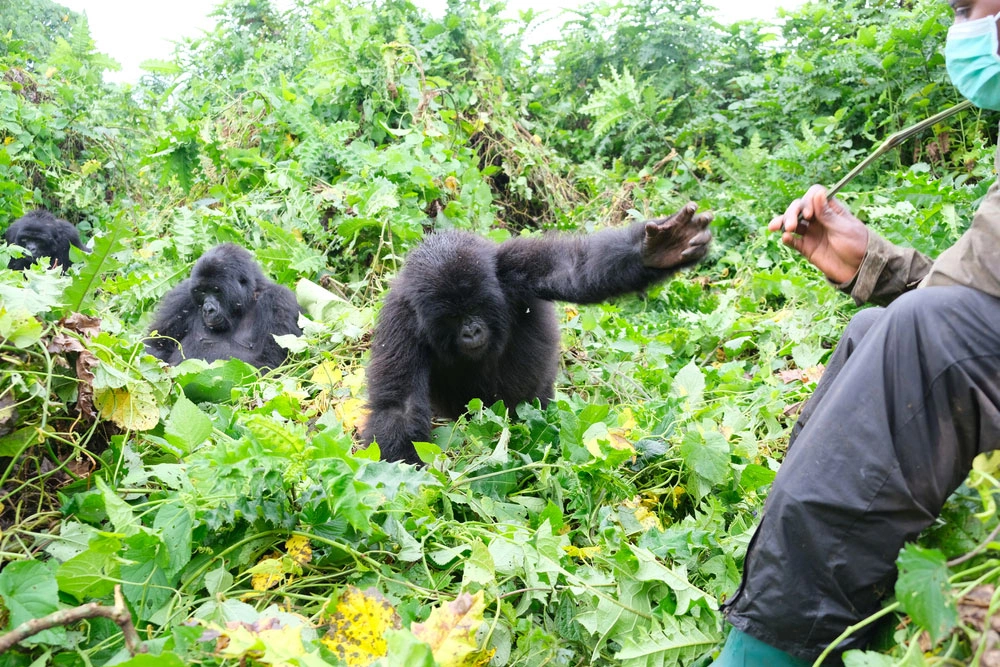
Kigali Gorilla Trek Itinerary. Once you have decided to trek gorillas starting from Kigali, the next practical question is simple: what does each day actually look like? This guide lays out complete day-by-day itineraries for every common trip length, from a single compressed day at the trailhead to a full two-week Uganda-Rwanda combination, so you can see exactly how the pieces fit together before you book anything. Every itinerary below assumes the same core structure — arrival in Kigali, a private transfer across the border to Bwindi, the trek itself, and a return leg — adjusted for however much time you actually have.
If you already know your trip length, jump straight to the matching section below. If you are still deciding, our full range of Kigali gorilla safari packages covers every itinerary in this guide as a bookable trip, and each section links through to its specific package page for exact pricing and inclusions.
One thing worth setting straight before diving in: there is no single “correct” number of days for this trip. The right itinerary length depends entirely on how much vacation time you have, whether you want the gorillas to be the entire focus or one stop among several, and how much of Rwanda or Uganda’s wider wildlife circuit you want to see along the way. What follows is organized from the shortest realistic option up through genuinely long, multi-country circuits, so you can find the length that matches your actual trip rather than working backward from a generic template.
How This Itinerary Guide Works
Each itinerary below is built around the same fixed constraints: the $800 gorilla trekking permit, a 4 to 6 hour transfer each way depending on your Bwindi sector, and the Cyanika or Katuna border crossing. What changes between itineraries is how much buffer time, additional activities, and extra destinations you layer around that fixed core. Shorter itineraries compress everything into the bare minimum; longer ones spread the same core trek across a much richer overall trip.
Before You Go: What Every Kigali Gorilla Itinerary Needs
Regardless of length, every itinerary in this guide assumes you have already secured your gorilla permit, arranged your East Africa Tourist Visa or Uganda single-entry visa, and confirmed a private transfer and accommodation booking. Our contact page is the starting point for coordinating all three together, since building an itinerary around a permit and transfer that have not actually been confirmed yet is a common planning mistake worth avoiding from day one.
1-Day Kigali Gorilla Trek Itinerary
This is the tightest structure realistically possible: Day 1 begins with an early transfer from Kigali to your Bwindi lodge, arriving with enough daylight to settle in before an early night, since trek day begins with an early ranger briefing the following morning. In practice this itinerary actually spans two overnights — arrival night and the night after trekking — but is marketed as a “1-day” trek because it contains a single trekking day sandwiched by transfer time on either side. Our 1-day Uganda gorilla safari starting from Kigali follows exactly this structure, and Kenlink Tours’ 2-day Uganda gorilla safari from Kigali is a useful comparison for a similarly compressed alternative.
2-Day Kigali Gorilla Trek Itinerary
Day 1: transfer from Kigali to Bwindi via Cyanika or Katuna, arriving at your lodge by early evening with time to rest. Along the way, most itineraries build in a short stop in Musanze or Kisoro to stretch, use a restroom, or grab a coffee before continuing on. Day 2: an early gorilla trek in the morning, followed by a transfer back to Kigali the same afternoon, arriving in time for dinner or an evening flight. This is the most popular itinerary length for travelers with tight schedules who still want a single overnight buffer before trekking, since it removes the pressure of trekking the same day you cross an international border. Our 2-day gorilla tour from Kigali is built around this exact structure.
3-Day Kigali Gorilla Trek Itinerary
Day 1: transfer to Bwindi and settle into your lodge, with enough daylight left on arrival to enjoy the forest views before your early trek-day start the following morning. Day 2: gorilla trek in the morning, followed by a free afternoon for rest, a short nature walk, or simply enjoying your lodge’s surroundings — many travelers use this time to review their photos, relax by a fireplace, or take a short guided walk near the trailhead. Day 3: transfer back to Kigali, arriving with time for a final dinner in the city or an evening departure. This extra buffer day is what most first-time trekkers end up recommending in hindsight, since it removes the rushed feeling of the 2-day version without adding much extra cost or time. Our 3-day Uganda gorilla safari from Rwanda and Kenlink Tours’ 3-day Bwindi gorilla safari from Kigali both follow this same three-day shape.
4-Day Kigali Gorilla Trek Itinerary with a Cultural Add-On
Day 1: transfer to Bwindi. Day 2: gorilla trek in the morning, with the afternoon free. Day 3: a Batwa community walk or nature walk around your sector, giving you a lower-intensity second activity beyond the trek itself. Day 4: transfer back to Kigali. This structure suits travelers who want more than a single day near Bwindi but are not ready to commit to a full second permit or a second destination. Our Bwindi Impenetrable Forest destination guide covers these local add-on activities in more detail.
5-Day Itinerary: Gorillas and Chimpanzees Combined
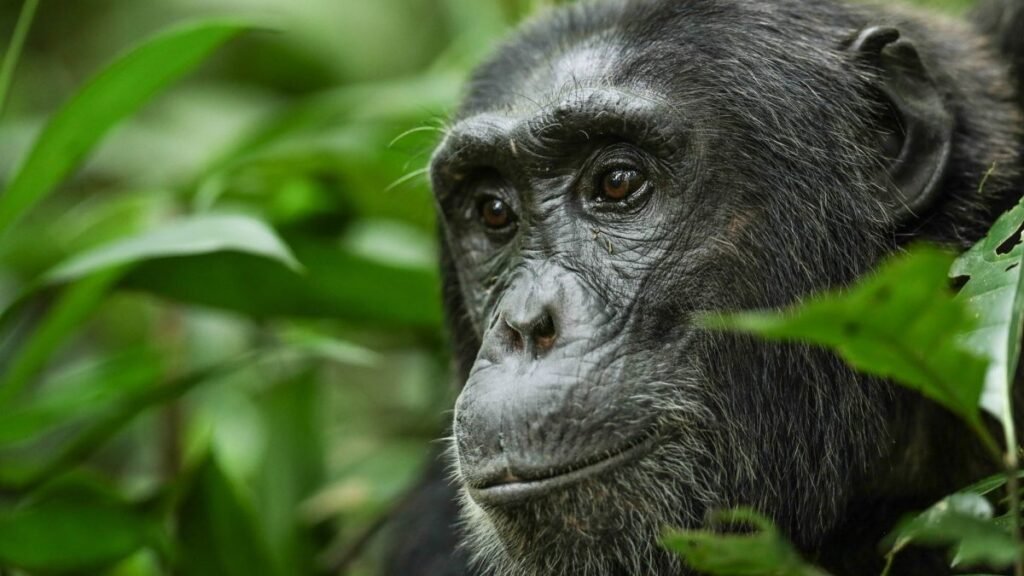
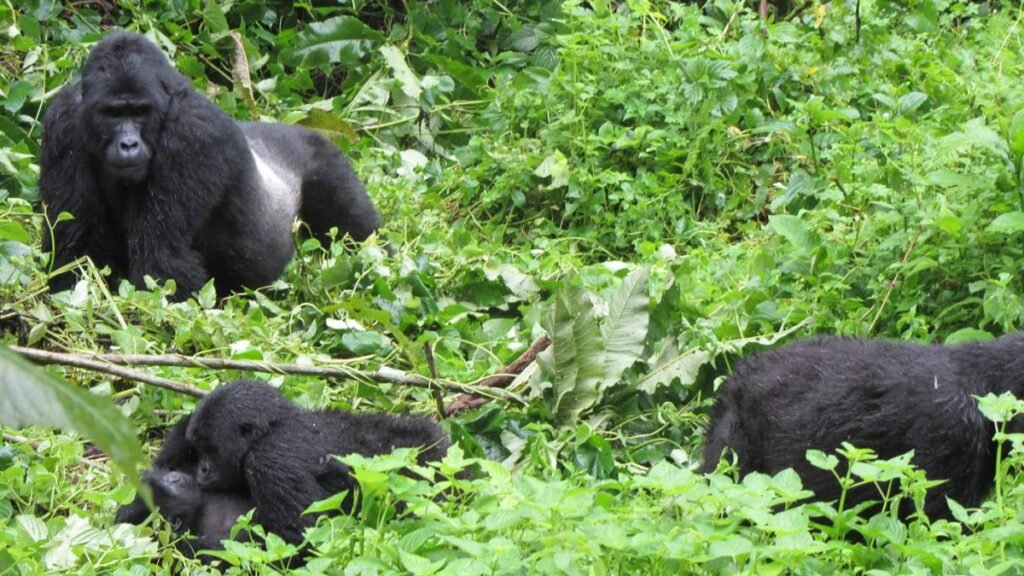
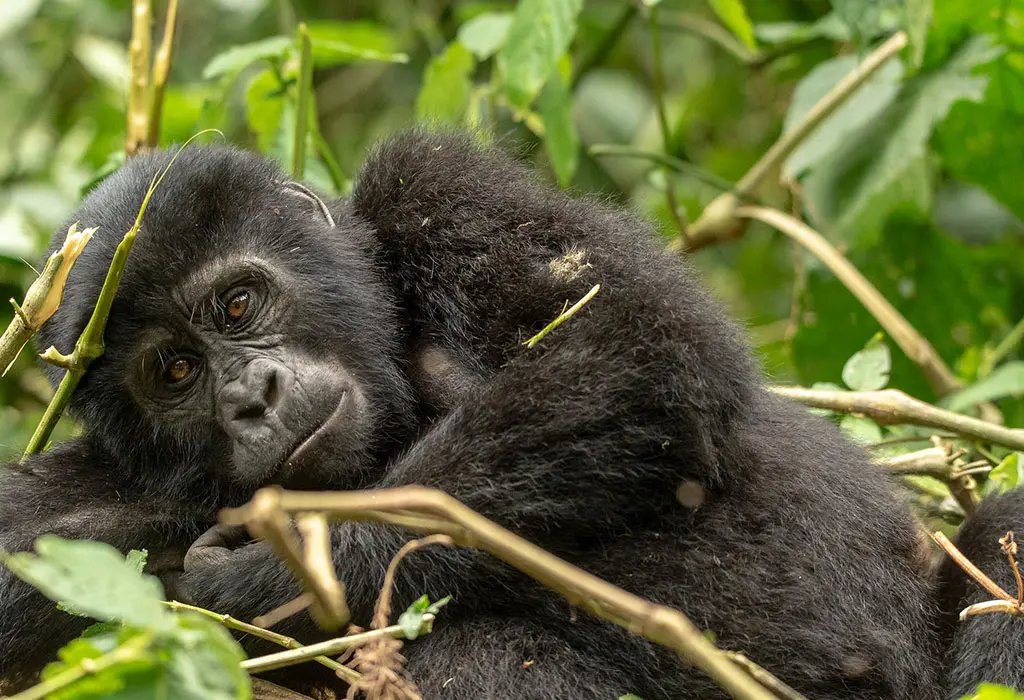
Day 1: transfer to Bwindi. Day 2: gorilla trek. Day 3: transfer toward Kibale Forest or Uganda’s chimpanzee tracking areas. Day 4: chimpanzee tracking. Day 5: return transfer to Kigali. This is the itinerary of choice for travelers wanting both of East Africa’s great ape experiences on a single trip without needing a full week. Our 5-day gorilla and chimps safari from Rwanda and Kenlink Tours’ 5-day gorilla trekking safari from Kigali to Uganda both illustrate this combined structure.
6-Day Itinerary: Bwindi Gorillas Plus Volcanoes National Park
Day 1: transfer to Bwindi. Day 2: gorilla trek in Uganda. Day 3: transfer back toward Musanze and Rwanda’s Volcanoes National Park area. Day 4: gorilla or golden monkey trekking in Volcanoes National Park. Day 5: return to Kigali with time to explore the city. Day 6: departure or an extra buffer day if your flight allows. This itinerary lets you compare Uganda’s and Rwanda’s gorilla trekking experiences directly, and our 2-day Volcanoes gorilla trek from Kigali and 3-day Rwanda gorilla tracking and cultural tour both show how the Volcanoes portion is typically structured on its own.
7-Day Uganda-Rwanda Combination Itinerary
Day 1: arrive Kigali, rest. Day 2: transfer to Bwindi. Day 3: gorilla trek. Day 4: transfer back toward the Volcanoes area. Day 5: gorilla or golden monkey trekking in Rwanda. Day 6: return to Kigali with time for city sightseeing. Day 7: departure. This full-week structure is one of the most popular longer itineraries for travelers who want a genuinely rounded two-country trip without an extended commitment. Our 7-day Uganda-Rwanda safari adventure is built around exactly this route, and Kenlink Tours’ 7-day gorilla and wildlife safari in Uganda offers a Uganda-focused alternative worth comparing.
7-Day Alternative: Adding Queen Elizabeth National Park Instead of Rwanda
Travelers who would rather stay in Uganda for their full week than cross back into Rwanda can substitute a Queen Elizabeth National Park game drive and boat cruise for the Volcanoes leg above. Day 1 through 3 remain the same — Kigali arrival and Bwindi gorilla trek — before Day 4 and 5 shift to Queen Elizabeth National Park, followed by a return transfer to Kigali on Day 6 and departure on Day 7. Our 3-day safari to Queen Elizabeth National Park shows how this leg is typically structured on its own.
10-Day Itinerary: A Fuller Uganda-Rwanda Circuit
A 10-day itinerary generally adds either an extra wildlife park or a genuine rest day into the 7-day structure above, spreading the two countries’ highlights across a noticeably more relaxed pace. Our 10-day Uganda-Rwanda safari package shows one common way this longer structure is built, typically weaving in Akagera National Park or Nyungwe Forest alongside the core Bwindi and Volcanoes gorilla treks. Kenlink Tours’ 10-day Rwanda-Uganda tour offers a comparable longer route for reference.
15-Day and Longer Itineraries
Travelers with two weeks or more typically build a fuller East Africa circuit, adding Uganda’s Murchison Falls or Kibale Forest, Rwanda’s Akagera or Nyungwe, and sometimes a third country entirely. Our 15-day Rwanda-Uganda safari and 18-day Kenya-Rwanda-Uganda safari both illustrate how far this kind of itinerary can be extended once the core gorilla trekking piece is treated as one stop among several rather than the entire trip’s focus.
Sample Itinerary for the Gorilla Habituation Experience
Travelers building an itinerary specifically around the extended $1,500 gorilla habituation experience, available only in Rushaga, typically structure it as: Day 1, transfer to Bwindi via Cyanika into Rushaga sector specifically. Day 2, the habituation experience itself, spending up to four hours with a semi-habituated family rather than the standard one hour, followed by a relaxed evening given how physically demanding the extended day can be. Day 3, transfer back to Kigali. Because this permit is capped at four visitors daily, this itinerary needs to be locked in months ahead of your travel dates rather than adjusted on short notice.
Budget Snapshot Across Itinerary Lengths
| Itinerary Length | Core Focus | Approx. Cost Per Person |
|---|---|---|
| 2 days | Bwindi gorillas only | $1,000 – $1,400 |
| 3 days | Bwindi gorillas, buffer day | $1,500 – $2,200 |
| 5 days | Gorillas and chimpanzees | $2,200 – $3,200 |
| 7 days | Bwindi and Volcanoes National Park | $3,200 – $4,400 |
| 10+ days | Full Uganda-Rwanda circuit | $4,500 – $7,000+ |
These ranges assume a midrange private transfer and accommodation, standard permits rather than the habituation experience, and typical tipping across the trip. Exact costs vary by season, sector, and lodge tier, as covered in more detail in our broader gorilla safari packages pricing.
What to Pack for Each Day of Your Itinerary
Trek day itself calls for waterproof hiking boots, a rain jacket, gardening gloves, gaiters, and a daypack with water and snacks. Transfer days benefit from comfortable layered clothing given the temperature swing between Kigali’s mild climate and Bwindi’s cooler, higher-altitude conditions. Buffer and rest days near your lodge need little beyond casual clothing, though a swimsuit is worth packing if your itinerary includes a luxury lodge with a pool. Packing with each specific day’s activity in mind, rather than one generic packing list for the whole trip, keeps your bag lighter and better organized.
Visa and Border Timing Within Your Itinerary
Your visa should be arranged either online in advance or on arrival at Kigali International Airport on Day 1 of every itinerary in this guide, well before your border crossing into Uganda later in the trip. Build 30 to 60 minutes of border processing time into whichever day includes your Cyanika or Katuna crossing, and avoid scheduling anything time-sensitive, like a same-day onward flight, directly after a border crossing day given the inherent variability in processing time.
Health Documentation Timeline Within Your Itinerary
Your yellow fever vaccination certificate needs to be valid before Day 1 of any itinerary in this guide, ideally administered at least ten days before travel if you do not already hold one. This is worth sorting out during your initial trip planning, well before finalizing the day-by-day schedule, since it is the one document that cannot be arranged once your itinerary is already underway.
Airport Arrival Timing and Your Itinerary’s Day One
Every itinerary in this guide effectively begins the moment you land at Kigali International Airport, and your specific flight arrival time shapes how the rest of Day 1 unfolds. An early morning arrival allows a same-day push to Bwindi on the shorter itineraries; a later arrival generally means an overnight in Kigali before departing the following morning, which is worth building into your itinerary explicitly rather than assuming you can always push straight through regardless of landing time.
What a Rest Day Actually Looks Like Near Bwindi
A rest day built into any of the itineraries above typically includes a late breakfast, a short guided nature walk or Batwa community visit lasting an hour or two, and an otherwise unstructured afternoon to relax at your lodge, read, or simply enjoy the forest views. This is deliberately unstructured by design — the point of a buffer or rest day is recovery and flexibility, not a second packed activity schedule layered on top of an already physically demanding trip.
Itinerary Considerations for Solo Travelers vs Groups
Solo travelers following any of the itineraries above absorb the full private transfer cost alone, while couples and groups split it, meaningfully changing the per-person cost math discussed in the budget snapshot earlier. Group itineraries also benefit from slightly more scheduling flexibility for add-on activities, since group discounts often apply to cultural walks, additional permits, or extended stays that a solo traveler would otherwise pay full price for individually.
Extending Your Itinerary Once You’re Already in the Region
It is not unusual for travelers to arrive planning a 3-day itinerary and leave having extended it to 5 or 7 days once they are already in Rwanda or Uganda and realize how much else is within easy reach. If this might describe you, it is worth checking permit and lodge availability for a few extra days before you travel, even if you do not commit to the extended itinerary until you are already on the ground, so that extending is a real option rather than something you discover is fully booked once you actually want it.
Choosing the Right Itinerary Length for You
If your only goal is seeing gorillas and your vacation time is limited, the 2 or 3-day itinerary delivers the core experience efficiently. If you want a fuller sense of the region without an enormous time commitment, the 5 to 7-day range strikes a good balance, typically adding either chimpanzees or Rwanda’s Volcanoes National Park. If this is a once-in-a-lifetime trip and you have the vacation days to spare, 10 days or more lets you build a genuinely comprehensive East Africa circuit rather than a narrowly focused gorilla trip.
Sample Hour-by-Hour Schedule for Trek Day
Regardless of itinerary length, trek day itself follows a fairly consistent schedule: an early wake-up around 5:30 to 6 a.m., breakfast at your lodge, arrival at the sector briefing point by 7:30 or 8 a.m. for ranger orientation and gorilla family assignment, departure into the forest shortly after, a trek lasting anywhere from 30 minutes to several hours depending on where the gorilla family is located, one hour with the gorillas once found, the return hike, and arrival back at your lodge sometime in the afternoon, often between 1 and 4 p.m. Building this rhythm into your expectations helps you plan the rest of your itinerary’s timing around it realistically.
Building in a Buffer Day: Why It Matters
Every itinerary above that includes a buffer day, whether before or after the trek, does so deliberately. A buffer day before trekking gives you recovery time from international travel and the long transfer; a buffer day after gives you flexibility to rest or explore before the return journey, and both provide a margin of safety against flight delays, border queue variability, or simple travel fatigue. Compressing an itinerary to its bare minimum works, but it leaves essentially no room for anything to go even slightly off schedule.
Itinerary Considerations by Season
Dry-season itineraries, June through August and December through February, should be planned and booked further in advance given higher demand for both permits and lodges. Rainy-season itineraries, March through May and September through November, offer more last-minute flexibility and often discounted lodge rates, but should build in slightly more transfer buffer time given the potential for muddier roads to slow down border-area driving.
Itinerary Adjustments for Families
Families traveling with children aged 15 and above, the minimum age for gorilla trekking permits, often benefit from adding an extra buffer day compared to the itineraries above, giving everyone more recovery time around the long transfer and the physically demanding trek itself. Choosing a gentler sector like Buhoma over Nkuringo, discussed in our dedicated Bwindi destination guide, is also worth considering specifically for family itineraries.
Itinerary Adjustments for Photographers
Photographers often prefer itineraries with at least one extra day near Bwindi beyond the trek itself, allowing time for a second nature walk or simply photographing the surrounding landscape in better light than the rushed pace of a bare 2-day itinerary allows. If your itinerary includes a stop in Rwanda’s Volcanoes National Park as well, our Volcanoes National Park destination guide is worth a look for planning golden-hour timing around that leg of the trip too.
Itinerary Adjustments for Honeymooners
Honeymooners typically favor the 3 to 5-day range, pairing a private transfer with a luxury lodge and, where budget allows, the extended gorilla habituation experience in Rushaga. Building in a genuine rest day at a top-tier lodge, rather than compressing straight through the trip, tends to make the difference between an itinerary that feels rushed and one that actually feels like a celebration.
What You’ll See Along the Drive Each Day
Transfer days on any of these itineraries are rarely dead time. The Rwandan stretch of the drive winds through the country’s famous terraced hillsides, small trading towns, and tea plantations, while the approach to Bwindi itself, especially near Ruhija, offers some of the most dramatic misty forest views in the region. Many drivers are happy to stop briefly for photos at scenic points along the way, so it is worth mentioning to your operator in advance if photography is a priority for your trip, rather than assuming the drive is purely functional transit.
Currency and Cash Needs Day by Day
Withdraw or exchange the bulk of your trip cash at Kigali on Day 1 of any itinerary, since ATMs become unreliable past Kisoro or Kabale. Trek day itself requires cash for tipping your ranger guide and porter, typically $25 to $40 combined, while transfer days require little beyond small amounts for incidental purchases at rest stops. Longer itineraries that include a second country or additional parks should budget an extra $50 to $100 in incidental cash for each additional major activity day.
Tipping Schedule Across a Multi-Day Itinerary
On any itinerary above, plan to tip your driver-guide $10 to $15 per day at the end of the full trip rather than daily, your ranger guide $10 to $20 immediately after the trek, and your porter $15 to $20 at the trailhead before you leave the park. For itineraries including a second guided activity, such as chimpanzee tracking or a cultural walk, budget a similar $10 to $20 tip for that day’s specific guide as well, separate from your core trekking tips.
Sample 8 to 9-Day Itinerary: Filling the Gap Between a Week and Two Weeks
Travelers with slightly more than a week often ask how to fill an extra day or two beyond the standard 7-day structure without committing to a full 10-day trip. A common solution adds a single extra wildlife day, either an additional night in Rwanda’s Akagera National Park or an extra day in Uganda’s Queen Elizabeth National Park, layered onto the 7-day Uganda-Rwanda combination described earlier. Our 4-day Rwanda wildlife and city tour and 5-day Rwanda wildlife and gorillas packages both illustrate how this kind of extra day is typically built into a slightly longer itinerary.
How Itinerary Length Affects Your Choice of Bwindi Sector
Shorter itineraries, 2 to 3 days, tend to favor Rushaga or Nkuringo specifically because their faster Cyanika border route leaves more usable time for the trek itself relative to transfer time. Longer itineraries have more flexibility to include Buhoma or Ruhija, since the extra hour of drive time via Katuna matters proportionally less across a week or more of total travel. If your itinerary is on the shorter end, it is worth discussing sector preference with your operator specifically with transfer efficiency in mind.
Common Itinerary Mistakes to Avoid
The most frequent mistake is underestimating transfer time and scheduling a trek the morning immediately after a long-haul international flight with no buffer day in between. Another common error is failing to confirm which Bwindi sector your permit is assigned to before finalizing transfer timing, since Buhoma and Rushaga differ by an hour or more in drive time. Overpacking a short itinerary with too many add-on activities, leaving no genuine rest time, is a third common issue, particularly on 2 to 3-day trips where the core trek and transfer already consume most of the available time.
How to Customize Any of These Itineraries
Every itinerary in this guide is a starting template rather than a fixed script. Swapping Bwindi’s default sector, adding an extra wildlife park from our wildlife safaris range, extending a lodge stay by an extra night, or inserting a Kigali city day using our Kigali City destination guide are all straightforward adjustments an operator can make to any of the base structures above once you share your specific priorities.
Adding Nyungwe Forest or Akagera National Park to a Longer Itinerary
Travelers building a 7-day or longer itinerary often ask about adding Rwanda’s Nyungwe Forest for chimpanzee tracking and canopy walks, or Akagera National Park for a big-five game drive. Our 3-day Nyungwe safari and 3-day Akagera National Park safari from Kigali both show how naturally these extensions slot onto the base itineraries described earlier in this guide.
Adding Murchison Falls or Kibale Forest for a Uganda-Heavy Itinerary
For travelers whose itinerary leans more heavily toward Uganda’s own parks, our 3-day safari to Murchison Falls and 3-day chimpanzee tour in Uganda illustrate how these two popular Uganda destinations typically extend a Kigali-anchored gorilla trekking itinerary into a fuller, multi-park Uganda circuit without needing to add a second country.
Comparing Our Itineraries to Kenlink Tours’ Options
It is always worth comparing a proposed itinerary against how other operators structure a similar trip length, both for pricing sanity checks and for spotting inclusions you may not have considered. Kenlink Tours’ Uganda safaris overview and group tours pages are useful references alongside the itineraries in this guide, particularly if you are weighing a private itinerary against a scheduled group departure for the same trip length.
Itinerary Considerations If You Fly Into Entebbe Instead of Kigali
All of the itineraries in this guide assume a Kigali arrival, but the same basic day-by-day structures can be adapted for an Entebbe-based trip as well, with two adjustments. First, add roughly 3 to 4 extra hours to any transfer day to Bwindi given Entebbe’s longer overland route, or budget for a domestic flight instead. Second, an Entebbe-anchored itinerary more naturally extends into Uganda’s other parks — Queen Elizabeth, Kibale, or Murchison Falls — rather than crossing back into Rwanda, since it avoids an unnecessary second border crossing. If you are still deciding which airport to use, it is worth settling that question before finalizing your day-by-day plan.
Day-by-Day Cost Breakdown Example for the 3-Day Itinerary
Breaking the 3-day itinerary down by day helps illustrate where your budget actually goes. Day 1 costs are mostly transfer-related, roughly $150 to $200 of your shared vehicle fee, plus your first night’s accommodation. Day 2, trek day, carries the bulk of your fixed costs: the $800 permit, porter fee, and ranger and porter tips, alongside your second night’s accommodation. Day 3 covers the return transfer portion of your vehicle fee and any final meals before departure. Seeing the costs mapped to specific days makes it easier to spot where a longer or shorter itinerary would add or remove expense.
Weather-Proofing Your Itinerary: What to Do If It Rains
Since gorilla treks proceed regardless of rain, it is worth building a small amount of flexibility into any itinerary for a muddier, slower-than-expected trek day. If your itinerary has a buffer day immediately after trekking, a rain-delayed return simply pushes your rest day activities slightly later rather than threatening your onward transfer. Itineraries with zero buffer day, like the bare 2-day structure, carry more risk of a tight connection if trek day runs unusually long, which is worth weighing honestly against the cost savings of the shorter structure.
Sample Itinerary for Repeat Visitors
Travelers who have already trekked Bwindi once and are returning for a second visit often build a deliberately different itinerary the second time around — trekking a different sector, adding the gorilla habituation experience, or focusing entirely on activities they skipped on their first trip, such as a Batwa community walk or an extended stay at a luxury lodge they could not justify the first time. If this describes you, it is worth explicitly telling your operator this is a repeat visit, since the itinerary recommendations often shift meaningfully once “seeing gorillas for the first time” is no longer the primary goal.
How to Request a Fully Custom Itinerary
If none of the templates in this guide quite match what you have in mind, the fastest way to get a custom itinerary built is to share your total number of days, your rough budget, and your top two or three priorities — a specific sector, a specific park, a particular pace — with your operator directly. Our contact page is the place to start that conversation, and most custom itineraries can be built from the templates in this guide with a handful of targeted adjustments rather than starting from a blank page.
What Happens If Your Itinerary Needs to Change Mid-Trip
Flight delays, weather, or simply falling in love with a particular lodge and wanting to extend your stay are all common reasons an itinerary shifts once you are already on the ground. A well-organized operator builds in enough flexibility to adjust the remaining days of your itinerary in response, particularly if you booked privately rather than as part of a fixed group departure, which is generally far less able to accommodate mid-trip changes.
How Lodge Check-In and Check-Out Times Shape Your Daily Schedule
Most Bwindi lodges operate on a standard check-in from early-to-mid afternoon and check-out by around 10 or 11 a.m., which matters for how tightly you can schedule transfer days. Arriving in the very early afternoon after a long drive means you have time to settle in before dinner; arriving right at or after check-in time with no buffer can mean a slightly awkward wait if your room is not quite ready. On departure days, since your trek typically returns to the lodge in the early-to-mid afternoon, most itineraries schedule the return transfer to Kigali for that same afternoon rather than the following morning, meaning your lodge stay for trek night is genuinely just one night rather than two.
Coordinating Itineraries for Groups Trekking Different Sectors
Larger groups or families sometimes end up split across two gorilla families, or even two sectors, simply due to permit availability on a specific date. When this happens, your itinerary needs a slightly more coordinated structure — typically a shared lodge base with two separate trek-day departure times and pickup points rather than the simpler single-sector itineraries described throughout this guide. If your group is large enough that this is a realistic possibility, it is worth discussing sector and family allocation with your operator explicitly before finalizing your day-by-day schedule, rather than assuming everyone will automatically trek together.
Itinerary Timing Around Uganda and Rwanda Public Holidays
Both Rwanda and Uganda observe national holidays that can affect availability at popular lodges and, occasionally, border crossing wait times if your itinerary happens to fall during a major local holiday period. It is worth a quick check of the calendar for your specific travel dates, particularly if your itinerary is on the shorter end and has little buffer to absorb an unexpectedly busy border crossing or a fully booked lodge on a date you had not realized was a local public holiday.
Reviewing Your Itinerary Two Weeks Before Departure
Regardless of which itinerary length you choose, it is worth doing a final review with your operator roughly two weeks before departure: confirming your flight details are still accurate, your permit and lodge bookings are all still in place, your visa arrangements are settled, and your yellow fever certificate is valid and easily accessible. This final check catches the small logistical details that are easy to overlook when an itinerary was originally booked months earlier, and it is a normal, expected part of the planning process rather than an extra imposition on your operator.
Why Book Your Kigali Gorilla Trek Itinerary with Pick and Transfer Safaris
Every itinerary in this guide can be booked as-is or adjusted to fit your exact dates, interests, and budget. Pick and Transfer Safaris coordinates your permit, transfer, and accommodation as a single package rather than separate bookings, and our team can walk through which of these itinerary lengths genuinely fits your available time before you commit to flights. Browse our full gorilla safari packages or reach out through our about us page and contact page to start building your itinerary.
How many days do I actually need for a Kigali gorilla trek?
A minimum of 2 days is realistic for the trek alone, but 3 days is the most commonly recommended length for first-time trekkers, since it adds a genuine buffer without extending the trip unnecessarily. Longer itineraries of 5 days or more are worth considering if you want to combine gorillas with chimpanzee tracking, Rwanda’s Volcanoes National Park, or additional wildlife parks.
Can I combine two gorilla treks — Uganda and Rwanda — in one itinerary?
Yes, this is a popular structure for itineraries of 6 days or more, typically trekking Bwindi first, then transferring back toward Musanze for a Volcanoes National Park trek before returning to Kigali. Our 6-day and 7-day itineraries above both illustrate this combined structure in detail.
Is it better to book a fixed package or build a custom itinerary?
Both work well, and most of our packages are themselves adjustable once booked. A fixed package is a faster starting point if your trip closely matches a common length and structure; a custom itinerary is worth requesting if your dates, interests, or add-on activities differ meaningfully from the standard templates in this guide.
What is the single most popular itinerary length among first-time trekkers?
The 3-day itinerary is the most commonly booked among first-time trekkers, since it adds a genuine buffer day around the trek without extending the trip or budget as significantly as a 5-day or longer combination itinerary would.
Do I need to decide my full itinerary before booking my flights?
It helps considerably to at least settle your total trip length and rough structure before booking flights, since your return flight date needs to align with your itinerary’s final day, including a reasonable buffer for the return transfer to Kigali. The specific day-by-day details, such as which additional park or activity fills a longer itinerary, can often be finalized after flights are booked.
Can I mix and match pieces from different itineraries in this guide?
Yes, and this is in fact how most longer itineraries are actually built in practice — a 10-day trip, for example, is often just the 3-day Bwindi core itinerary with a Volcanoes National Park leg and an Akagera or Nyungwe extension stitched on afterward, rather than a single pre-designed 10-day template.
How far in advance should I finalize my itinerary?
Three to six months ahead is recommended for dry-season travel, given how far ahead permits and popular lodges can sell out. Rainy-season itineraries can often be finalized on a shorter timeline, sometimes just four to eight weeks out.
Final Thoughts on Planning Your Kigali Gorilla Trek Itinerary
Whether you have a single free day or two full weeks, there is a workable Kigali gorilla trek itinerary that fits your schedule, and the structures in this guide are meant as starting points rather than rigid scripts. The permit and the trek itself stay constant across every version; what you build around them is entirely up to how much time, budget, and curiosity about the wider region you bring to the trip.
If you take away one piece of practical advice from this entire guide, let it be this: whichever length you choose, build in at least one buffer day somewhere in the schedule if your budget allows it at all. Every itinerary above that skips a buffer day works, but it also runs closer to the edge of what a single flight delay, a longer-than-expected trek, or a slow border crossing can absorb without cascading into the rest of your trip. The extra day rarely costs as much as travelers expect, and it is consistently the detail past trekkers say they wish they had added. When you are ready to turn one of these itineraries into an actual booking, reach out through our contact page and we will confirm your permit, transfer, and accommodation around the exact days you have available.