- LET'S PLAN YOUR SAFARI
- +256 200 921 002
- +256 793 194 703
- info@pickandtransfersafaris.com

Gorilla Trek from Kigali for Americans
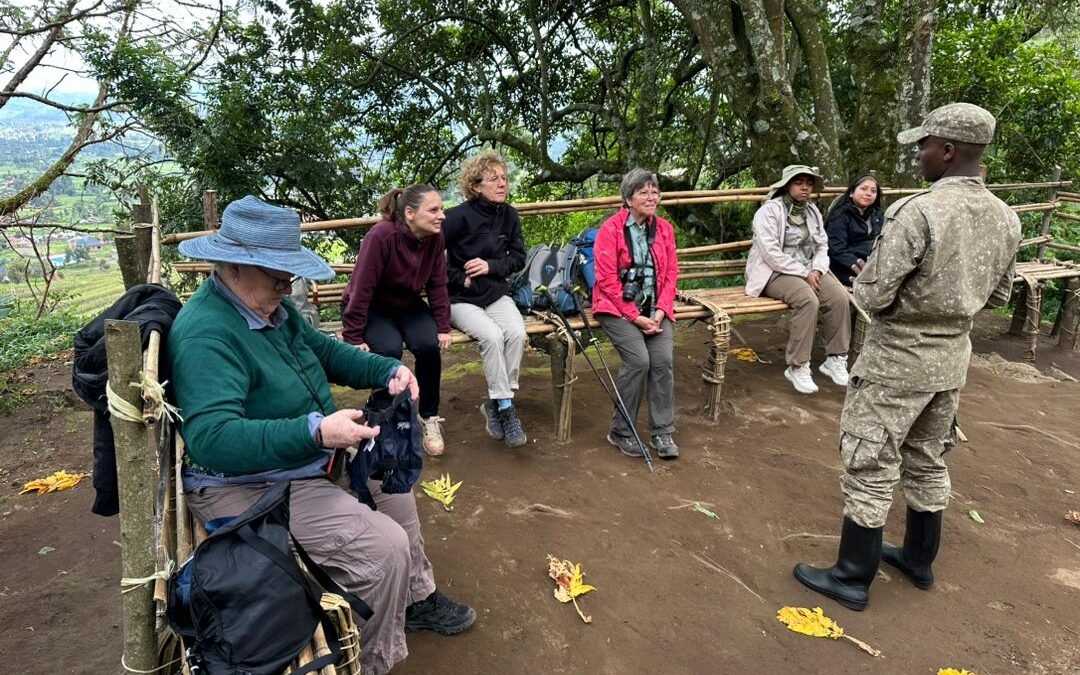
Gorilla Trek from Kigali for Americans. Trekking mountain gorillas from Kigali involves a handful of considerations that are specific to American travelers and rarely covered in generic gorilla trekking guides: which US airports connect most easily to Kigali, what the CDC and State Department currently say about travel to the region, how US health insurance and travel insurance actually work once you leave the country, and small but real differences in currency, electrical outlets, and tipping culture. This guide pulls all of that together in one place, alongside the standard permit, transfer, and itinerary information covered elsewhere on our site.
If you already have your logistics sorted and just want a bookable itinerary, our Kigali gorilla safari packages cover every trip length. This guide focuses specifically on the pieces of the trip that look different from the perspective of a US passport holder.
Much of the general gorilla trekking advice available online applies equally to travelers from anywhere in the world, and we cover that broader planning in our other guides. What follows here is deliberately narrower: the questions we hear most often from American travelers specifically, many of which come up precisely because this trip differs from a typical US domestic vacation in ways that are easy to underestimate until you are already mid-flight.
Current Health and Safety Situation: What Americans Should Check Before Booking
Planning Your Gorilla Trek from Kigali for Americans
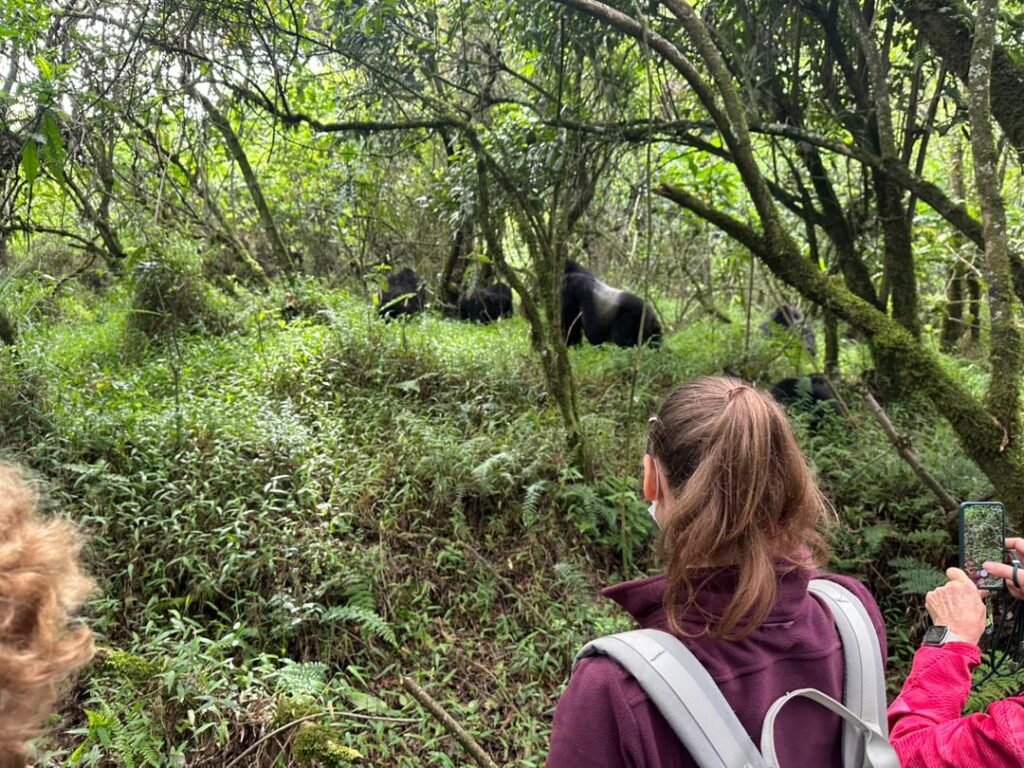
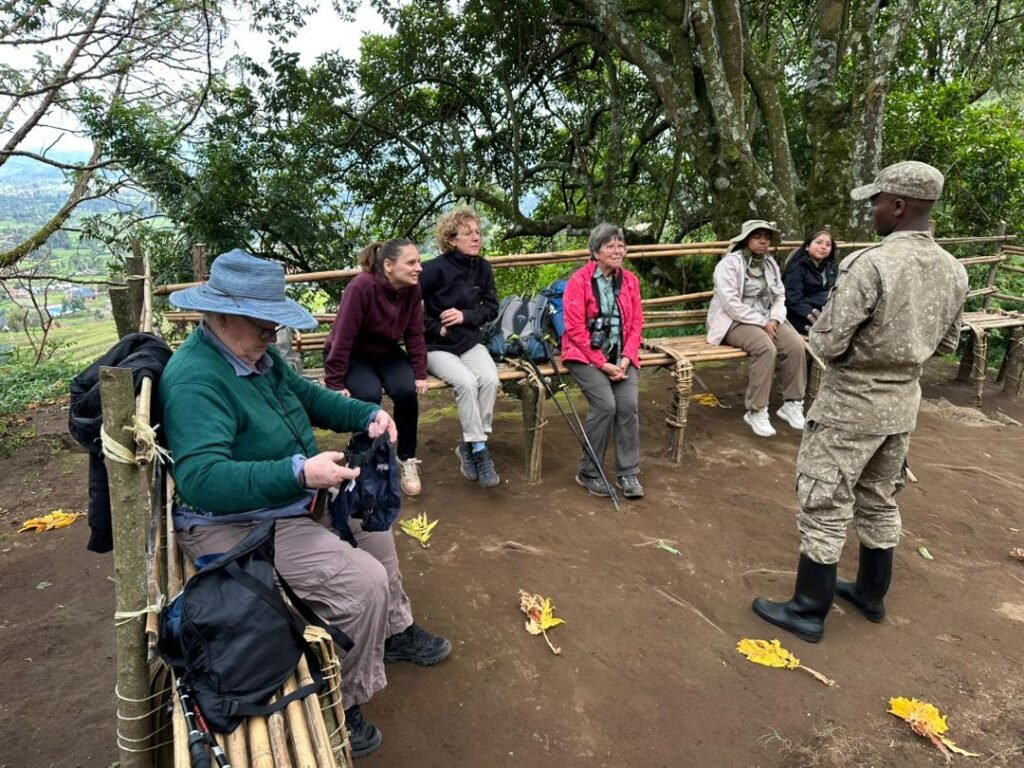
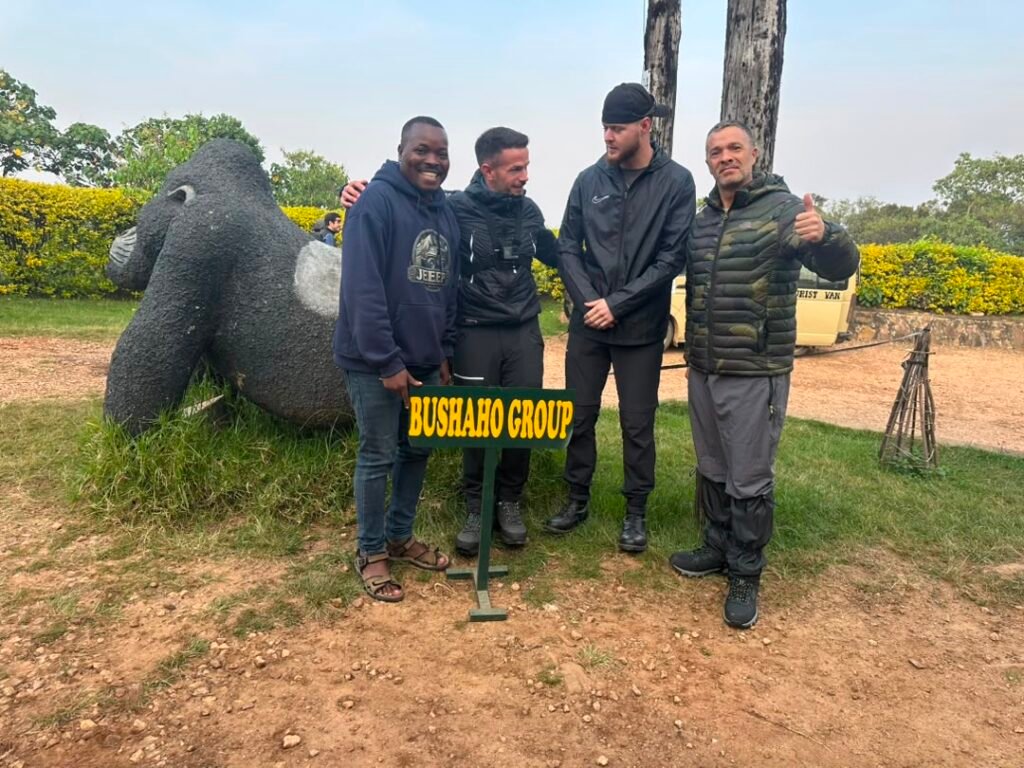
2026 has been an unusually active year for health and security advisories in this region, and it is worth addressing directly rather than glossing over. The World Health Organization declared a Public Health Emergency of International Concern on May 17, 2026 for an Ebola outbreak affecting the Democratic Republic of Congo and Uganda, which led the US State Department to raise Uganda’s travel advisory. Uganda’s Ministry of Health declared its own outbreak over on July 28, 2026, after 20 confirmed cases and a 42-day monitoring period following the last patient’s discharge, though the Democratic Republic of Congo’s own outbreak, a separate and much larger cluster, was still active as of that announcement. None of the confirmed Ugandan cases were linked to the southwestern Bwindi region where gorilla trekking takes place. Advisory levels for both Rwanda and Uganda have changed more than once this year, so rather than quoting a specific level here that may already be outdated by the time you read this, we strongly recommend checking the official, continuously updated pages at travel.state.gov’s Uganda advisory and the equivalent Rwanda page directly before booking, and again shortly before departure.
Why This Matters More for a Kigali-Based Itinerary Than You Might Expect
Because a Kigali-based gorilla trek involves crossing into Uganda for the trek itself, American travelers on this specific route should check advisory guidance for both Rwanda and Uganda, not just one or the other. The CDC maintains its own separate travel health notices, distinct from the State Department’s security-focused advisories, and it is worth checking both the CDC’s Uganda travel health page and its Rwanda equivalent, since a country can carry a stable security advisory while still having an active health notice, or vice versa.
Talking to Your Operator About Current Conditions
An experienced ground operator working this route daily is generally aware of the latest advisory changes well before they make international news, and a quick conversation before booking is worth having regardless of what the official pages currently say. Reach out through our contact page if you want a candid, current read on conditions along the Kigali-to-Bwindi route specifically before committing to dates.
Flights from the United States to Kigali
Direct and one-stop connections between the US and Kigali have expanded in recent years, with RwandAir operating routes connecting through European hubs like Brussels alongside seasonal or previously operated direct service from cities such as Washington, D.C. Beyond RwandAir’s own network, one-stop itineraries via Doha on Qatar Airways, via Addis Ababa on Ethiopian Airlines, via Amsterdam on KLM, or via Istanbul on Turkish Airlines are all commonly booked options from major US gateway cities. Because specific routes and direct service availability change from season to season, it is worth checking current schedules directly with RwandAir or a travel agent close to your booking date rather than assuming a specific direct routing will still be operating.
Typical Flight Cost and Duration from US Cities
Round-trip fares from major US cities to Kigali typically run $900 to $1,800 depending on your departure city, the season, and how far ahead you book, with total travel time, including a layover, generally running 16 to 22 hours each way. Booking three to six months ahead and staying flexible on your connecting hub tends to produce the best combination of price and convenience, particularly for dry-season travel dates when demand across the whole route is higher.
Booking Flights: Which US Gateway Cities Connect Best
Travelers departing from major East Coast hubs like New York, Washington D.C., and Atlanta generally find the most one-stop options via Brussels, Amsterdam, or Doha, while West Coast travelers from cities like Los Angeles or San Francisco typically route through a Middle Eastern or European hub given the lack of direct Pacific-side connections to East Africa. Chicago and other central US hubs sit roughly in between, with reasonable connection options through both European and Gulf carriers. Comparing two or three different connecting hubs before booking, rather than defaulting to whichever airline your domestic flights already use, often surfaces a meaningfully shorter or cheaper overall itinerary.
US Credit Cards and Foreign Transaction Fees
Many US credit cards charge a foreign transaction fee of around 3 percent on purchases made abroad, which adds up over a trip involving permit deposits, lodge payments, and incidental purchases. Checking whether your card charges this fee before you travel, and switching to a no-foreign-transaction-fee card if it does, is a small piece of pre-trip homework that can save a meaningful amount on a trip of this cost.
US-Specific Travel Insurance Providers Worth Comparing
Several US-based travel insurance providers specifically market adventure and safari-specific policies that cover activities like gorilla trekking, medical evacuation from remote areas, and trip cancellation, distinct from the more basic trip-protection add-ons sold alongside a standard US domestic flight booking. It is worth comparing at least two or three policies specifically for their medical evacuation coverage limits and any exclusions around trekking at altitude, rather than assuming a generic US travel insurance add-on automatically covers this kind of remote, physically demanding activity.
Jet Lag Recovery Strategies for the Kigali Route
The 7 to 10-hour time difference from the continental United States, combined with 16 or more hours of total flight time, produces genuine jet lag that is worth planning around rather than ignoring. Scheduling a full rest day in Kigali before departing for Bwindi, staying hydrated throughout the flight, and avoiding scheduling your gorilla trek for the very first morning after arrival all meaningfully reduce the risk of attempting a physically demanding hike while still significantly jet-lagged.
US Holidays and Peak Booking Windows to Avoid
American travelers frequently plan this trip around Thanksgiving week, the December holidays, or summer school breaks, all of which coincide with East Africa’s own dry-season peak demand, making early booking especially important if your travel dates are fixed around a US holiday calendar. Shifting even slightly outside these windows, where your schedule allows, generally means easier permit and lodge availability without sacrificing much in the way of trekking conditions.
Do Americans Need a Visa for Rwanda and Uganda?
Yes, but the process is straightforward. Rwanda offers visa on arrival to travelers of every nationality, including US citizens, at $50 for a single-entry 30-day visa. For a Kigali-based gorilla trek that also crosses into Uganda, the East Africa Tourist Visa at $100 covers Uganda, Rwanda, and Kenya for 90 days with multiple crossings, and is available both online in advance and on arrival, making it the more practical choice for the vast majority of American travelers doing this specific route.
Passport Requirements for US Travelers
Your US passport needs at least six months of remaining validity from your date of entry and at least one blank visa page. Given how far in advance many Americans book international trips, it is worth checking your passport’s expiration date the same day you book your flights rather than assuming it will still be valid, since passport renewal processing times have fluctuated significantly in recent years.
CDC Vaccine and Health Recommendations for Americans
A yellow fever vaccination certificate is mandatory for entry into both Rwanda and Uganda and is checked at border crossings, so this is non-negotiable regardless of what else you decide to get vaccinated against. Beyond that, the CDC generally recommends being up to date on routine vaccines, along with hepatitis A, typhoid, and in some cases hepatitis B and rabies depending on your specific itinerary and activities, and malaria prophylaxis is strongly advised for the region. Check the CDC’s Rwanda traveler page directly for the most current, complete recommendations before your appointment with a travel clinic.
Finding a Travel Clinic in the US Before You Go
Most major US cities have dedicated travel clinics, separate from a standard primary care office, that specialize in exactly this kind of pre-trip vaccination and medication planning. Booking this appointment four to six weeks before departure gives enough time for the yellow fever vaccine to become valid for border entry purposes and for any recommended course of malaria prophylaxis to be started appropriately before you travel.
Does US Health Insurance Cover You in Rwanda and Uganda?
In most cases, no. Standard US health insurance plans, including Medicare, typically do not provide coverage outside the United States, meaning any medical treatment received in Rwanda or Uganda would need to be paid out of pocket and potentially reimbursed later, if your plan allows it at all. This is one of the most commonly overlooked gaps for American travelers specifically, since domestic US healthcare habits do not translate to international trips the way many travelers assume.
Why Travel Insurance Matters Even More for Americans
Given the health insurance gap above, dedicated travel insurance covering medical treatment, medical evacuation, and trip cancellation is arguably more important for American travelers than for travelers from countries with more portable healthcare coverage. A policy costing $60 to $150 for a two-week trip is a small price relative to the cost of an uninsured medical evacuation from a remote area like Bwindi, which can run into the tens of thousands of dollars without coverage.
The US Embassy in Kigali: What It Can and Cannot Help With
The US Embassy in Kigali provides American Citizens Services including emergency passport replacement, guidance following a serious illness, accident, or crime, and general assistance for US citizens in difficulty, though it cannot pay your medical bills, act as your insurance company, or get you out of jail. It is worth saving the embassy’s contact details in your phone before you travel, alongside your travel insurance provider’s emergency line, so both are accessible even without an internet connection.
Registering with STEP Before You Travel
The State Department’s Smart Traveler Enrollment Program, known as STEP, is a free service that lets US citizens register their trip with the nearest embassy, which then sends updates on safety conditions and can contact you in an emergency. Given the advisory volatility discussed earlier in this guide, registering with STEP before a Kigali-based gorilla trek is a genuinely useful, low-effort precaution specific to American travelers that costs nothing and takes only a few minutes online.
Currency: Using US Dollars in Rwanda and Uganda
US dollars are widely accepted for gorilla permits, lodge payments, and larger purchases throughout the trip, though smaller local transactions are generally handled in Rwandan francs or Ugandan shillings. Notes should be in good condition and, ideally, printed in 2013 or later, since older or damaged bills are frequently refused by banks, lodges, and permit offices in both countries — a detail that surprises many American travelers used to domestic cash simply being accepted regardless of its physical condition.
ATMs and Card Payments: What Actually Works
Kigali has abundant, reliable 24-hour ATMs accepting major US-issued Visa and Mastercard debit cards, making it the best place to withdraw the bulk of your trip cash before heading toward Bwindi, where ATMs become scarce. Notify your US bank of your travel dates and destinations before departure to avoid a fraud-related card freeze mid-trip, a precaution that matters more for this specific route than for travel to more commonly visited destinations your bank’s fraud algorithms may already expect.
Time Zone Difference from the United States
Rwanda operates on Central Africa Time, UTC+2, while Uganda operates one hour ahead on East Africa Time, UTC+3, meaning your phone’s clock will actually shift by an hour partway through a Kigali-based gorilla trek once you cross the border. Relative to the continental United States, this puts Rwanda 7 hours ahead of US Eastern Time and 10 hours ahead of Pacific Time during their respective standard time periods, a jet lag adjustment worth planning a buffer day around given how significant it is for a trip already involving 16 or more hours of total flight time.
Electrical Outlets and Voltage: What to Pack
Rwanda and Uganda both use type C, E, F, or G plug sockets at 230V and 50Hz, entirely different from the US standard of type A/B plugs at 120V and 60Hz. Every American traveler needs a plug adapter regardless of what they are charging, and most modern phones, laptops, and camera battery chargers are dual-voltage rated, meaning they work fine with just an adapter, but it is worth checking each specific device’s label for “INPUT: 100-240V” before assuming a separate voltage converter is unnecessary.
Mobile Phone and Data Plans for American Travelers
US carriers’ international roaming plans tend to be considerably more expensive than simply buying a local SIM card on arrival at Kigali International Airport, where MTN and Airtel kiosks sell data packages inexpensively. An unlocked phone is required to use a local SIM, which is worth confirming with your US carrier before departure if you are unsure whether your device is carrier-locked.
Tipping Culture: How It Differs from the US
Americans are accustomed to tipping servers, drivers, and service staff as a significant, often expected component of their income, and gorilla trekking follows a broadly similar logic, though the specific amounts differ. Tip your ranger guide $10 to $20 per person after the trek, your porter $15 to $20, and your driver-guide $10 to $15 per day, all paid directly in cash rather than added to a bill or processed through a card the way most US tipping works. Unlike US restaurant tipping, there is no expected percentage-of-bill calculation here — these are flat, per-person amounts regardless of your total trip cost.
Language: Why English Makes This Trip Easier for Americans
English is an official language in both Rwanda and Uganda and is widely spoken by guides, lodge staff, and immigration officers, removing a language barrier that complicates many other international trips for American travelers. Learning a handful of basic Kinyarwanda or Luganda greetings is still a genuinely appreciated gesture, but it is not a practical necessity the way it would be in many other international destinations.
Cultural Etiquette Tips Specific to American Travelers
American travelers sometimes bring an informality that can read differently in Rwanda and Uganda’s somewhat more formal social norms, particularly around greetings and addressing older guides or officials. Taking a moment for a proper greeting before launching into a request, and dressing slightly more conservatively than typical American casual travel wear, especially away from your lodge, tends to smooth interactions throughout the trip.
Comparing This Trip to a US National Park Visit
American travelers accustomed to US national park fees, typically $20 to $35 per vehicle for a week’s access, often need a moment to recalibrate around Bwindi’s $800 per-person permit fee. The comparison that tends to land better is with a genuinely exclusive, small-group wildlife experience rather than a standard park entrance fee — the closer domestic equivalent might be a premium guided backcountry trip with a capped group size, rather than a typical national park day visit, given how tightly gorilla trekking groups are limited and how directly the fee funds conservation and community programs around the park.
US Dietary Considerations and Food Availability
Most Bwindi lodges catering to international travelers, including the many Americans who visit, offer familiar Western-style meals alongside local Rwandan and Ugandan dishes, and vegetarian, vegan, and common allergy accommodations are generally available with advance notice given to your lodge. Specialty dietary needs less common internationally, such as specific American gluten-free or keto-style requests, are worth flagging explicitly to your operator well before travel, since smaller lodges near Bwindi have more limited grocery access than a Kigali city hotel would.
What to Tell Family Back Home: A Communication Plan
Given the time difference and patchy connectivity in parts of Bwindi, it is worth setting expectations with family back home before you leave about when they can expect to hear from you, particularly on trek day itself when you may be out of contact for several hours in the forest. Sharing your itinerary, your operator’s emergency contact number, and your STEP registration confirmation with a family member before departure gives them a clear point of contact if they need to reach you or the embassy in an emergency.
Solo American Travelers: Special Considerations
Solo American travelers make up a meaningful share of Kigali-based gorilla trekkers, and the trip is genuinely manageable solo given how well-organized the permit, transfer, and lodge system is. The main practical consideration is cost, since a solo traveler absorbs the full private transfer fee alone rather than splitting it, making it worth asking your operator whether any other travelers are booked on similar dates to potentially share a vehicle and reduce that specific cost.
American Families Trekking Together
American families traveling with teenagers aged 15 and above, the minimum age for gorilla permits, often find this trip works well as a milestone family experience, particularly when paired with a slightly longer itinerary that includes a genuine rest day for jet lag recovery given how much further this trip travels than a typical US family vacation. Booking a private rather than group transfer, discussed in more detail in our dedicated guide to private and group gorilla safari options, tends to suit family groups better than joining a scheduled departure with unrelated travelers.
Combining with Other US-Popular East Africa Destinations
Many American travelers extend their trip beyond Rwanda and Uganda entirely, adding Kenya’s Masai Mara or Tanzania’s Serengeti for a broader East Africa safari given how far they have already traveled from the US. Kenlink Tours’ Kenya safaris overview is a useful starting point if you are considering this kind of extension, and our own 18-day Kenya-Rwanda-Uganda safari shows how a three-country itinerary is typically structured for travelers making the most of a long-haul trip from the United States.
US Photography Gear: Batteries, Customs, and Practical Tips
Standard DSLR and mirrorless camera gear from US retailers passes through Rwandan and Ugandan customs without issue for personal use, and it is worth packing spare batteries and memory cards given limited camera shop availability once you are near Bwindi. Lithium battery restrictions for air travel apply the same way on this route as on any international flight from the US, so keep spare batteries in your carry-on rather than checked luggage per standard airline rules.
How US Trip Costs Compare to a Domestic American Vacation
For American travelers mentally benchmarking against domestic trip costs, a 3-day Kigali gorilla trek, at roughly $1,500 to $2,200 per person including the permit, transfer, accommodation, and tips, lands in a similar range to a moderately priced US domestic vacation package once international airfare is added, while delivering a genuinely once-in-a-lifetime wildlife experience rather than a repeatable one. This framing is worth keeping in mind when the $800 permit fee alone initially looks steep by comparison to typical US park entrance fees.
Packing List Considerations for American Travelers
Standard American outdoor retailers carry all the trekking gear needed for this trip — waterproof hiking boots, a rain shell, gardening gloves, and gaiters — making pre-trip shopping straightforward for US-based travelers, unlike some destinations where specialized gear is harder to source at home. Bringing gear from a trusted US retailer rather than buying locally in Kigali or Kisoro is generally the more reliable option given the wider selection and sizing available domestically.
Booking Timeline: Aligning US Vacation Schedules with Permit Availability
American travelers often have less vacation flexibility than travelers from countries with more generous statutory leave, making early booking especially important given how far ahead gorilla permits sell out during peak dry seasons. Booking permits, transfers, and flights together four to six months ahead of a fixed US vacation window meaningfully reduces the risk of your specific dates being unavailable once you have already committed time off work.
Combining a Gorilla Trek with a Longer US-Style Vacation
Given the long flight and significant jet lag involved, many American travelers extend a Kigali-based gorilla trek into a longer 7 to 10-day trip to justify the travel time, often combining Bwindi with Rwanda’s Volcanoes National Park or Uganda’s other wildlife parks. Our 7-day Uganda-Rwanda safari adventure and 10-day Uganda-Rwanda safari are both popular choices among American travelers making the most of a long-haul flight, and Kenlink Tours’ 10-day Rwanda-Uganda tour offers a comparable longer route for reference.
Checked Baggage and Airline Weight Limits Across Multiple Carriers
A US-to-Kigali itinerary typically involves at least one connecting flight, and baggage allowances can differ between your domestic US carrier and the international airline handling the long-haul leg, occasionally catching travelers off guard at check-in. Confirming the specific baggage weight and size allowance for the most restrictive leg of your itinerary, rather than assuming your usual domestic airline’s rules apply throughout, avoids an unexpected excess baggage fee at the airport.
Understanding Layover Visa Requirements for Connecting Flights
Depending on your specific routing, a connection through certain hubs may require a transit visa even if you never leave the airport, particularly for longer layovers that involve exiting security. Checking your specific connecting airport’s transit visa policy for US passport holders before booking, especially for layovers exceeding a few hours, prevents an unpleasant surprise during a trip that already involves enough moving pieces.
Comparing This Trip’s Physical Demands to Popular US Hiking Destinations
American travelers who regularly hike in places like the US national parks system often ask how Bwindi’s terrain compares. Bwindi’s trails are generally comparable in difficulty to a moderately strenuous US day hike, though the equatorial humidity, altitude, and unpredictable mud add a dimension that dry, well-maintained US trail systems typically do not. Travelers who regularly complete multi-hour hikes at home, even at lower elevations, are generally well prepared for a standard Bwindi trek, though Nkuringo specifically runs noticeably more demanding than a typical US day hike given its steep, sustained elevation change.
US Wildlife Photography Permits and Rules Compared
Unlike many US national parks and wildlife areas that allow relatively unrestricted photography, Bwindi enforces a strict no-flash rule during gorilla encounters specifically to protect the animals, and permits do not include a separate “photography fee” the way some US commercial photography permits require for professional shoots. Standard personal photography, even with professional-grade equipment, requires no special permit beyond your standard $800 trekking permit, which is generally a simpler system than many American photographers are used to navigating domestically.
What American Reviewers and Bloggers Often Get Wrong
A number of US-based travel blogs and forums repeat outdated information about this route, particularly around visa costs, permit prices, and the current health and safety situation discussed earlier in this guide, since these details change more frequently than most older blog posts get updated to reflect. When researching this trip, prioritizing official government sources like travel.state.gov and the CDC, along with your operator’s current pricing, over aggregated blog content of uncertain publication date will save you from planning around numbers or advisories that may no longer be accurate.
Sample Itinerary Tailored for American Travelers
A common structure for US travelers runs: Day 1, arrive Kigali after a long-haul flight and rest for the remainder of the day given jet lag. Day 2, transfer to Bwindi via Cyanika. Day 3, gorilla trek. Day 4, transfer back to Kigali with a buffer for any flight delay on departure day. This four-day minimum, rather than the tighter three-day version some travelers attempt, specifically accounts for the jet lag adjustment that a 16-plus hour journey from the US typically requires. Our 3-day Uganda gorilla safari from Rwanda can be adjusted with this extra arrival day for American travelers specifically.
Return to the US: Customs Declarations and Bringing Back Souvenirs
US Customs and Border Protection requires declaring items purchased abroad above the standard personal exemption, and certain wildlife-related souvenirs, including anything made from animal products, can be restricted or prohibited entirely under US and international wildlife trade law, regardless of how it was sold locally. Craft items like woven baskets, textiles, and carved wooden pieces are generally fine to bring home, but it is worth asking your guide or lodge specifically before purchasing anything involving animal products to avoid a problem at US customs on your return.
Malaria Medication Options Available in the US
US travel clinics typically offer several malaria prophylaxis options, including atovaquone-proguanil, doxycycline, and mefloquine, each with different dosing schedules, side effect profiles, and costs, generally ranging from $30 to $80 for a two-week trip depending on the specific medication and your insurance coverage. Discussing your itinerary length and any personal medical history with a US travel medicine specialist, rather than a general practitioner unfamiliar with the specific route, tends to produce a better-matched recommendation.
US Cell Carrier International Plans Compared
Major US carriers each offer their own international day-pass or plan add-ons for travel to Rwanda and Uganda, typically priced at $5 to $12 per day, which can add up considerably over a week or more compared to a one-time local SIM purchase costing a fraction of that for an equivalent amount of data. Checking your specific carrier’s current international rates for both countries before departure, since coverage and pricing differ between Rwanda and Uganda even on the same US plan, helps you decide whether a local SIM is worth the minor hassle of swapping it in.
A Note on Trip Costs and Tax Considerations
Some American travelers combining this trip with legitimate business activities, a conference, research, or volunteer work, ask whether any portion of the cost might be tax-deductible. This is a genuine question worth asking a qualified US tax professional or financial advisor familiar with your specific situation, since the rules around international business travel deductions are detailed and highly dependent on individual circumstances — this guide is not a substitute for that kind of personalized advice.
Working with a US-Based Travel Agent vs Booking Directly with a Ground Operator
Some American travelers prefer working through a US-based travel agent for the familiarity of dealing with someone in their own time zone and currency, while others book directly with a ground operator based in Rwanda or Uganda for potentially lower costs and more direct, day-to-day communication about permit and lodge availability. Both approaches work, though a US-based agent booking this specific route often still ultimately works through the same ground operators, meaning direct booking can sometimes remove a layer of cost without losing meaningful support.
Understanding Group Tours Marketed Specifically to American Audiences
Several operators run scheduled group departures marketed specifically toward American travelers, often bundled with domestic connecting flights from major US cities and priced as an all-inclusive package. These can simplify planning considerably for a first-time international traveler, though it is worth comparing the all-inclusive price against booking the permit, transfer, and accommodation separately, since bundled US-marketed packages sometimes carry a meaningful markup over booking the same components directly with a regional operator. Kenlink Tours’ group tours and scheduled departure safari pages are useful references for comparing what a fixed-date, shared-cost alternative typically looks like against a private booking built specifically around your own US travel dates.
Why Book Your Kigali Gorilla Trek with Pick and Transfer Safaris
Coordinating a permit, cross-border transfer, and accommodation from thousands of miles away is considerably easier with an operator who understands the specific questions American travelers tend to have, from insurance gaps to current advisory guidance. Browse our full range of gorilla safari packages or reach out through our contact page, and we will walk through the logistics specific to booking this trip from the United States.
Is it safe for Americans to go gorilla trekking from Kigali right now?
This depends on current, continuously updated advisory guidance that can change on short notice, so rather than answering this definitively here, check the official State Department Uganda advisory and Rwanda’s equivalent page directly before booking and again shortly before departure. As of Uganda’s outbreak declaration ending on July 28, 2026, no confirmed cases were linked to the southwestern Bwindi region, but conditions and official guidance can shift, so verifying current status yourself is essential rather than relying on any single source, including this one.
Do I need a visa before I leave the United States?
No advance visa application is required for most American travelers. Rwanda’s visa-on-arrival policy and Uganda’s e-visa or on-arrival East Africa Tourist Visa can both be handled at the airport or border, though applying online in advance for the East Africa Tourist Visa is also an option if you prefer to have it settled before you fly.
Will my US cell phone plan work in Rwanda and Uganda?
It depends on your carrier’s international roaming coverage and pricing, which varies significantly between US providers. In most cases, purchasing a local SIM card on arrival at Kigali International Airport is considerably cheaper than US carrier roaming rates for a trip of this length.
What is the biggest mistake American travelers make on this trip?
Assuming their US health insurance covers them abroad is the single most common and costly misunderstanding, followed closely by underestimating jet lag by planning too tight an itinerary immediately after a long-haul flight from the US.
How much should I budget in total as an American traveler?
Including international airfare from the US, typically $900 to $1,800 round trip, alongside the permit, transfer, accommodation, and tips covered in our broader gorilla safari packages, a solo American traveler should budget roughly $2,500 to $4,000 total for a 3 to 4-day trip, with couples and groups paying somewhat less per person once shared costs like the transfer and lodge room are split.
Can I use points or miles from a US airline to book this trip?
It depends on your specific program and its partner airlines. RwandAir, Qatar Airways, Ethiopian Airlines, and other carriers serving Kigali each have different partnership arrangements with US frequent flyer programs, so checking your specific program’s partner airline list before assuming a redemption is possible is worth doing well before you plan to book.
Is it worth buying a data or voice plan before I leave the US, or waiting to buy a SIM in Kigali?
For most American travelers, waiting to buy a local SIM at Kigali International Airport on arrival works out considerably cheaper than a pre-purchased US carrier international plan, provided your phone is unlocked. The exception is if you need connectivity the moment you land, before reaching the SIM kiosk, in which case a short-term US carrier day pass for your arrival day only can bridge that gap.
Final Thoughts for American Travelers Planning a Kigali Gorilla Trek
A Kigali-based gorilla trek is entirely achievable for American travelers once you account for the details that differ from a domestic trip: a genuinely long flight, a real health insurance gap that US travel insurance needs to fill, current advisory guidance that requires an independent check rather than assuming last year’s information still holds, and small but real adjustments around currency, voltage, and tipping. None of these are reasons to avoid the trip; they are simply the specific homework worth doing before you go.
If there is one theme running through everything above, it is that this trip rewards travelers who do a bit more upfront verification than a typical US vacation requires — checking the current advisory rather than trusting last year’s version, confirming your travel insurance actually covers medical evacuation, checking your device’s voltage rating rather than assuming it works everywhere. None of this is complicated, and all of it can be done in an evening at home well before you fly. It is simply the specific homework this particular trip asks of an American traveler that a trip to a more commonly visited destination might not. When you are ready to plan your itinerary, reach out through our contact page and we will help you build a trip that accounts for all of it.