- LET'S PLAN YOUR SAFARI
- +256 200 921 002
- +256 793 194 703
- info@pickandtransfersafaris.com

Kigali to Bwindi Road Trips
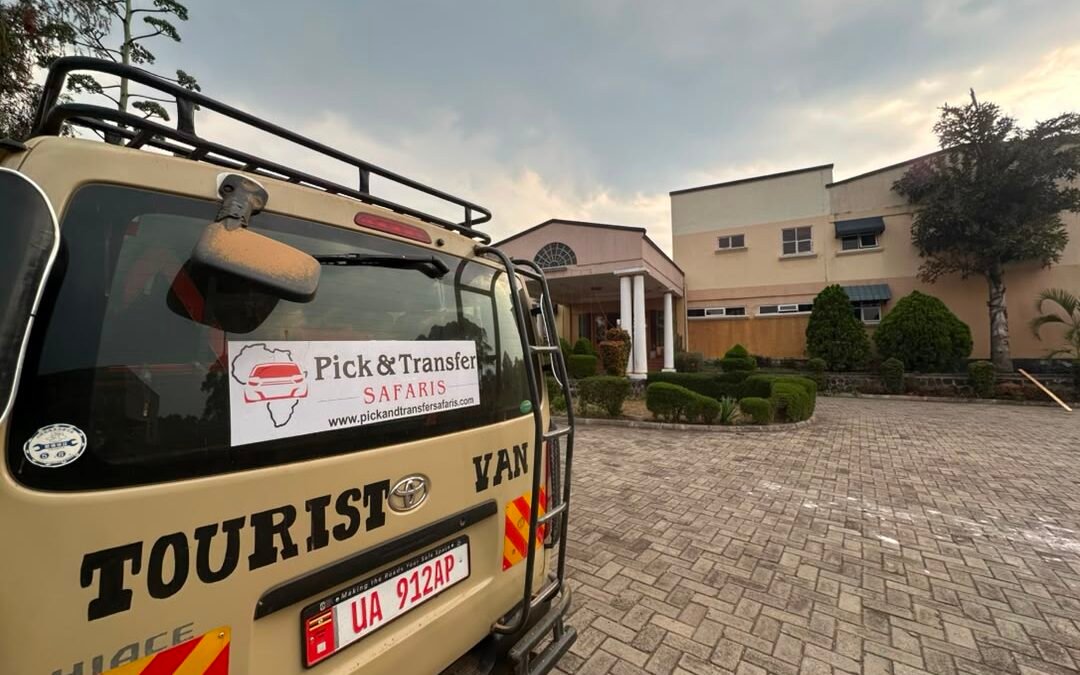
Kigali to Bwindi Road Trips. Some journeys exist purely to get you somewhere. The drive from Kigali to Bwindi Impenetrable Forest is not one of them. Long before you reach the trailhead and hear your first ranger briefing, you’ll have already crossed an international border on foot, wound through some of the most dramatically terraced hillsides on the continent, skirted the base of volcanoes that look close enough to touch, and possibly stopped for a coffee overlooking a lake so still it barely seems real. A Kigali to Bwindi road trip is, in its own right, one of the great overland drives in East Africa — and treating it that way, rather than as a transit chore to be endured, changes the entire trip.
This guide is written for travelers who want to actually enjoy the drive, not just survive it: the two route options and how they differ as road trips rather than just as logistics, the scenic stops worth building time around, self-drive versus chauffeur-driven considerations, road conditions, vehicle choice, and how to stretch a straightforward transfer into a proper multi-day road trip if your schedule allows. Pick and Transfer Safaris runs this route constantly and has learned exactly where it’s worth slowing down.
Whether you’re behind the wheel yourself or being driven, this corridor rewards curiosity. Treat it as a single, connected journey rather than a series of disconnected transfers, and the several hours between Kigali and the forest edge become part of the story you tell afterward, not just the fine print before it.
Why Drive From Kigali to Bwindi Instead of Flying
Flying between Kigali and the airstrips near Bwindi is possible and, for travelers with very limited time, sometimes the right call. But it skips almost everything that makes this particular corner of Africa special. The overland route passes through Rwanda’s terraced “land of a thousand hills” countryside, offers direct views of the Virunga volcanic range, and drops you into small towns like Musanze and Kisoro that you’d never otherwise see from a plane window. For many travelers, the drive itself becomes one of the most memorable parts of the entire trip, not simply the means of reaching it.
There’s also a practical case for driving: it’s considerably cheaper than a charter flight, it allows you to carry more luggage without the weight restrictions of small aircraft, and it gives you complete control over timing, stops, and pacing. A well-planned gorilla safari built around the road trip, rather than around flights, tends to feel less like a series of transfers and more like a single, continuous journey.
Charter flights are also weather-dependent in a way road travel simply isn’t. Small aircraft serving the airstrips near Bwindi can face delays or cancellations during heavy cloud cover or rain, which is a real risk on a schedule with a fixed gorilla permit date. A road trip, while occasionally slowed by weather, is rarely stopped outright by it, which gives overland travelers a meaningful reliability advantage on top of the scenery and cost benefits.
Two Road Trip Routes: Katuna vs. Cyanika Compared
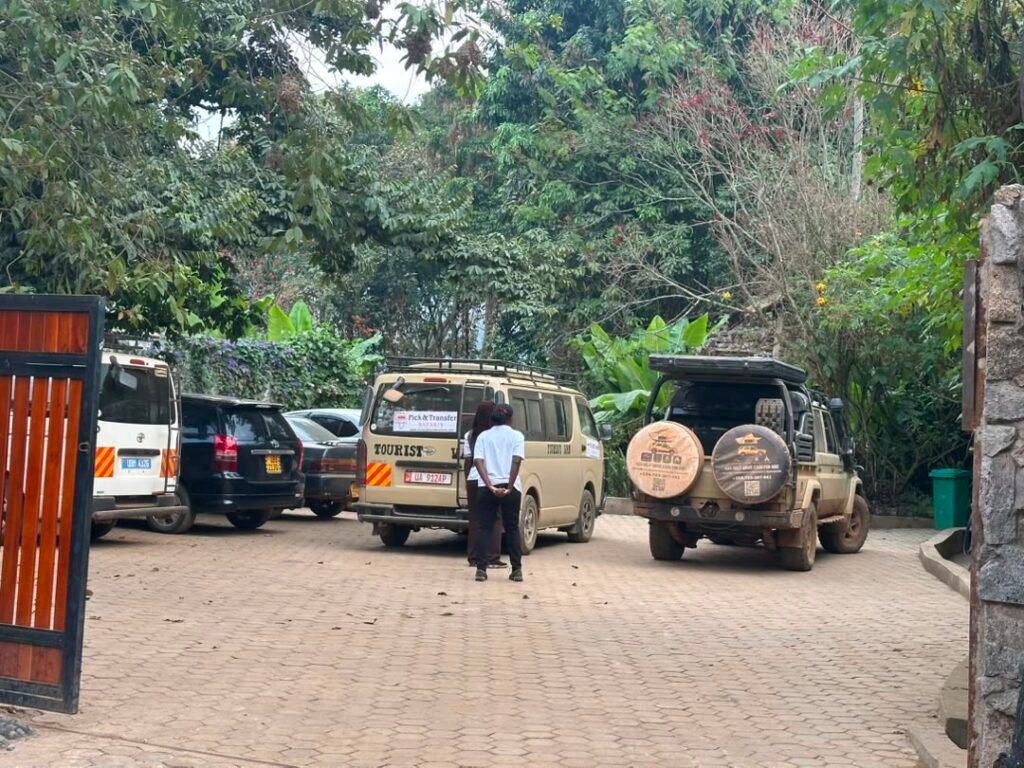
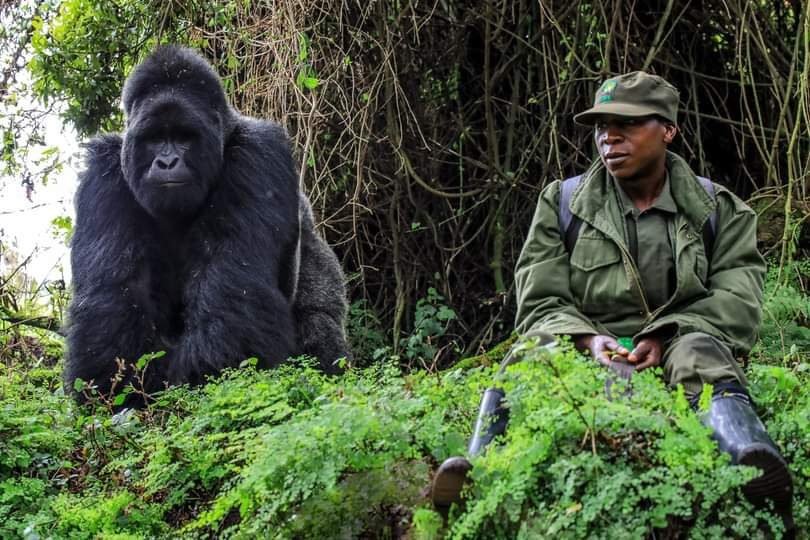
Every Kigali to Bwindi road trip runs through one of two border crossings, and as road trips, not just as routes, they offer genuinely different experiences. The Katuna/Gatuna route runs north through Rwanda’s Northern Province to the border, then continues through Kabale and past Lake Bunyonyi into Uganda, delivering you to the Buhoma sector after roughly 230 to 250 kilometers and six to seven hours of driving. It’s the longer of the two but arguably the more scenic, with a wider variety of landscape changes along the way.
The Cyanika route runs through Musanze to the base of the Virunga volcanoes, crosses into Uganda near Kisoro, and delivers you to the southern Bwindi sectors of Rushaga and Nkuringo after roughly 170 to 200 kilometers and four to five hours. It’s shorter and arguably more dramatic in its scenery, with the volcanoes dominating the skyline for a large portion of the drive. Neither route is objectively better as a road trip — the choice usually comes down to which Bwindi sector you’re trekking in, though travelers purely road-tripping without a fixed gorilla permit sometimes choose based on scenery preference alone.
The Katuna Route Road Trip: Kigali, Musanze, Kabale, and Buhoma
Leaving Kigali on the Katuna route, the road climbs steadily north through Rwanda’s iconic terraced hillsides, a landscape so thoroughly cultivated that barely a slope goes unused. Musanze, gateway town to Volcanoes National Park, makes a natural first stopping point roughly ninety minutes in, with cafes and craft shops worth a quick pause even if you’re not stopping for the gorillas on the Rwandan side.
After the border crossing, the Ugandan stretch of this route passes through Kabale, often nicknamed the “Switzerland of Africa” for its cool climate and terraced hills reminiscent of the Rwandan side you just left. Shortly after Kabale, the road skirts Lake Bunyonyi, one of the most photogenic stops on the entire journey, before continuing through Kanungu district into the Bwindi Impenetrable Forest region and on to Buhoma. This route rewards travelers who build in at least one overnight stop rather than pushing straight through, since both Musanze and the Lake Bunyonyi area justify more than a passing glance.
The Cyanika Route Road Trip: Kigali, Musanze, Kisoro, and Southern Bwindi
The Cyanika route shares its opening stretch with the Katuna route as far as Musanze, then diverges south toward the Cyanika border post, threading directly along the base of the Virunga volcanic chain. This is arguably the most visually dramatic stretch of driving in the entire Kigali-Bwindi corridor, with volcanic peaks rising directly beside the road for long stretches.
After crossing into Uganda, the road continues to Kisoro, a small, welcoming town that makes an excellent lunch or overnight stop, before the final push to the Rushaga or Nkuringo trailheads. Along the way, Mgahinga Gorilla National Park sits directly on this corridor, offering an easy detour for golden monkey trekking if your road trip has any flexibility built in. Because this route is shorter overall, it’s the one most commonly chosen by travelers who want maximum scenery packed into minimum driving time.
Road Conditions and What Driving in Rwanda and Uganda Is Really Like
Road quality on both routes is generally good by regional standards, though the character of the driving changes noticeably as you cross the border. Rwanda’s roads tend to be smoothly paved and well-maintained, winding tightly through hillside terrain with frequent switchbacks that reward a patient, steady pace rather than speed. Traffic in and around Kigali itself is orderly and relatively light compared to many African capitals, making the initial stretch of the drive an easy, low-stress start.
On the Ugandan side, the main roads toward Kabale and Kisoro are similarly well-paved, though the final approach to Bwindi’s trailheads — particularly Buhoma — transitions to good all-weather murram road for the last stretch, which can be slower and, during wet months, noticeably muddier. Neither country’s roads present serious hazards for an alert, moderately experienced driver, but both reward caution around blind corners, shared use by pedestrians and cyclists in rural stretches, and occasional livestock crossing the road unexpectedly.
Signage varies more than many first-time visitors expect, with clear, modern road markers common on Rwanda’s main highways but occasionally sparse on some of the smaller connecting roads in rural Uganda. This is one of the more understated reasons experienced travelers lean toward a driver-guide over self-navigating with a phone map alone, since mobile signal can also drop out for short stretches in the hillier sections of both countries, right when a wrong turn would otherwise be easiest to make. A driver who has run the route dozens of times simply doesn’t need signage or signal to know where the next junction is.
Self-Drive vs. Chauffeur-Driven: Which Is Right for Your Road Trip
The self-drive-versus-chauffeur decision matters more on this route than it might on a simpler domestic trip, largely because of the international border crossing involved. Self-driving gives you complete freedom over pacing and stops, appealing to travelers who genuinely want the “road trip” experience of being behind the wheel themselves. It does, however, require navigating cross-border vehicle permits, unfamiliar left-hand driving conventions if you’re used to the right, and roads where signage isn’t always as clear as travelers from home might expect.
A chauffeur-driven trip, by contrast, removes all of that friction while still delivering the same scenic experience — you simply sit back and watch the landscape change rather than manage the logistics of doing so. Most travelers on this specific route choose a driver-guide rather than self-driving, both because of the cross-border paperwork involved and because an experienced local driver knows exactly where the best photo stops are, how to time the border crossing to avoid queues, and how to adjust the day’s pacing if road or weather conditions shift. Pick and Transfer Safaris provides exactly this kind of guided road trip experience as standard across its wildlife safaris.
There’s also an insurance and liability dimension worth weighing. A self-drive rental crossing an international border typically requires specific cross-border permission from the rental company, additional insurance coverage, and sometimes a separate temporary import permit for the vehicle itself — paperwork that takes time to arrange and that many rental agencies simply don’t offer for this particular corridor. A chauffeur-driven trip sidesteps all of this, since the vehicle, insurance, and border documentation are already sorted by an operator who does this crossing routinely, which is a large part of why guided road trips remain the dominant choice on this specific route even among travelers who happily self-drive elsewhere.
Scenic Stops Along the Way: Musanze, Lake Bunyonyi, and Lake Mutanda
The single biggest difference between treating this as a road trip versus a transfer is whether you build in time to actually stop. Musanze, roughly ninety minutes from Kigali on either route, offers views of the Virunga volcanoes, a lively local market, and craft shops selling Rwandan basketry and textiles — a worthwhile ten-to-twenty-minute pause even on a tight schedule. Further along the Katuna route, Lake Bunyonyi is genuinely worth more than a photo stop; its terraced shoreline and scattered islands make it one of the most beautiful lakes in the region, and many road-trippers choose to break their journey with a night at a lakeside lodge here.
On the Cyanika route, Lake Mutanda near Kisoro offers a similarly striking, quieter alternative, framed by volcanic peaks and popular for a short canoe trip if time allows. Both lakes sit close enough to the main road that detouring to them adds relatively little driving time relative to how much they add to the overall experience — exactly the kind of trade-off that separates a genuine road trip from a straight transfer.
Border Crossing Tips for a Smooth Road Trip
Crossing between Rwanda and Uganda by road is straightforward, but a handful of habits make it noticeably smoother. Both the Katuna/Gatuna and Cyanika posts operate daily from roughly 6:00 a.m. to 6:00 p.m., so timing your arrival within those hours is essential; arriving even slightly outside this window can mean a frustrating and entirely avoidable delay. Processing itself typically takes fifteen minutes to an hour, faster on weekday mornings than on busy weekend afternoons.
Keep your passport, visa documentation, and yellow fever certificate together and easily accessible rather than packed away in checked luggage, since digging through bags at the border slows down everyone behind you as well as yourself. Weekday mornings tend to move fastest at both crossings, while Friday afternoons and Sunday evenings see noticeably more traffic as regional travelers cross for the weekend, so timing your crossing outside those peak windows where your itinerary allows can save a meaningful chunk of time. The East African Tourist Visa, priced around US$100, is particularly well-suited to a road trip itinerary because its multiple-entry validity across Uganda, Rwanda, and Kenya means you can cross back and forth without additional visa fees or paperwork if your road trip loops back through Rwanda afterward. Confirm current requirements before departure through Contact Us.
What Vehicle You Need for This Road Trip
Vehicle choice affects comfort more than it affects feasibility on this route, since both the Katuna and Cyanika roads are passable in a standard saloon car for most of the year. That said, a 4×4 with reasonable ground clearance is the more comfortable and reliable choice, particularly for the final unpaved stretches near Bwindi’s trailheads and especially during the wetter months when murram roads can turn soft and rutted.
For a genuine road trip rather than a purely functional transfer, a higher-riding vehicle also simply makes the scenery easier to appreciate, with better sightlines over roadside vegetation and terraced hillsides than a low sedan offers. Operators running this route regularly typically use well-maintained 4×4 safari vehicles with experienced drivers, a combination that handles both the paved sections and the rougher final approach without requiring travelers to think about it at all.
Group size also shapes the right vehicle choice. Solo travelers and couples are often comfortable in a standard 4×4 saloon or small SUV, while groups of four or more typically fare better in a safari-style land cruiser or minivan, both for legroom on the longer stretches and for the extra clearance and stability those vehicles offer once you’re past the paved sections. If your itinerary includes an overnight stop at Musanze or Lake Bunyonyi, ask your operator whether the same vehicle continues the whole way or whether a transfer happens at the border — most reputable operators run a single vehicle and driver for the entire journey, which avoids the small but real friction of switching vehicles and re-loading luggage partway through the trip.
Fuel, Rest Stops, and Practical Driving Logistics
Fuel stations are reasonably well spaced along both routes, with reliable options in Kigali, Musanze, and Kabale or Kisoro depending on which border you cross, so running low on fuel is rarely a genuine concern if you top up at these natural stopping points rather than waiting until the tank runs low. It’s worth noting that fuel quality and availability can vary slightly once you’re well off the main routes, so filling up before the final stretch into Bwindi itself is a sensible habit.
Rest stops line up naturally with the scenic points already mentioned — Musanze, the border crossing itself, and either Kabale or Kisoro depending on your route — meaning a well-planned road trip rarely needs an awkward, purely functional pause on the roadside. Cash in both Rwandan francs and Ugandan shillings is useful to carry in small denominations for roadside purchases, though most fuel stations and larger stops in towns accept cards or mobile payment.
Mobile connectivity is generally reliable in Kigali, Musanze, Kabale, and Kisoro, with occasional gaps in the more mountainous stretches between towns. A local SIM card for either country, purchased on arrival, is inexpensive and worth having if you want to stay connected for navigation, photo sharing, or simply peace of mind during the longer driving segments — though if you’re traveling with a guided operator, none of this is strictly necessary since your driver will already know the way.
Best Time of Year for a Kigali to Bwindi Road Trip
Road conditions shift meaningfully with the seasons, which makes timing worth factoring into your road trip planning beyond just gorilla trekking considerations. The dry seasons, June through September and December through February, offer the firmest roads, the clearest mountain views, and the most predictable driving conditions on both routes — ideal if photography and scenery are a priority alongside the destination itself.
The wetter months, March to May and October to November, bring lusher, greener landscapes that many photographers actually prefer, along with quieter roads and fewer other travelers at the scenic stops. The trade-off is slower going on the unpaved final stretches near Bwindi and a higher chance of a rain delay somewhere along the route, so building a little extra time into a wet-season road trip is a sensible precaution rather than a strict necessity.
Turning the Drive Into a Multi-Day Road Trip Itinerary
If your schedule allows it, stretching the Kigali to Bwindi drive across two or three days rather than completing it in one long push transforms the experience considerably. A first night in Musanze or at Lake Bunyonyi breaks up the journey naturally and allows time to properly explore either stop rather than glimpsing it through a car window. A 2 Days Volcanoes Gorilla Trek from Kigali can even be woven into the early part of a longer road trip for travelers who want to combine Rwandan and Ugandan gorilla trekking on the same overland journey.
Multi-day road trip itineraries also open the door to detours that a straight transfer wouldn’t accommodate — an extra half-day at Volcanoes National Park, a relaxed morning at Lake Bunyonyi before continuing to Buhoma, or a stop at Mgahinga for golden monkey trekking on the Cyanika route. The 3 Days Uganda Gorilla Safari from Rwanda itinerary is built with exactly this kind of paced, multi-stop road trip structure rather than a rushed direct transfer.
Photography Tips for the Drive
The Kigali to Bwindi corridor offers some of the best roadside photography in the region, and a little planning goes a long way toward capturing it well. Early morning light on Rwanda’s terraced hillsides is dramatically better than the flat midday sun, so an early departure pays off in photography quality as much as in schedule buffer. The Virunga volcano views along the Cyanika route are best captured with a wide-angle lens to convey scale, while the Lake Bunyonyi and Lake Mutanda stops reward a slightly longer lens for compressing the layered island and shoreline views.
Ask your driver to flag good pull-off points in advance rather than trying to photograph through a moving vehicle’s window — most experienced guides on this route know exactly where the safe, scenic stopping points are and are usually happy to pause briefly for a well-composed shot. A polarizing filter is a small addition that noticeably improves shots of the lakes and distant volcanic peaks by cutting glare and haze.
Midday light, by contrast, tends to flatten the terraced hillside patterns that make this drive so distinctive in photographs, washing out the shadow contrast that gives the landscape its depth. If your schedule allows any flexibility at all, timing the Musanze-to-border stretch for either the first two hours after sunrise or the last two before sunset produces noticeably richer images than the same view photographed at noon. Travelers serious about photography sometimes deliberately build a Musanze overnight into their itinerary specifically to catch the volcano views in that golden early-morning light before continuing the drive.
Road Safety Tips for Kigali to Bwindi
Both countries maintain reasonably disciplined road cultures by regional standards, but a few habits are worth keeping in mind regardless of who’s driving. Mountain roads on both routes involve frequent switchbacks and blind corners, so patience with slower vehicles ahead — trucks in particular — matters more than making up time by overtaking on a blind bend. Rural stretches see significant pedestrian, cyclist, and occasionally livestock traffic, especially near villages and markets, so reduced speed through populated areas is both courteous and genuinely safer.
Night driving on either route is best avoided where possible, since road markings and lighting are inconsistent once you’re outside the main towns, and wildlife or livestock crossings become harder to spot in the dark. Planning your departure time to complete the bulk of the drive in daylight, with only a short final stretch after dusk if unavoidable, is the single most effective safety habit for this route.
Seatbelts, though sometimes treated casually on short local trips, are worth insisting on for every passenger on a drive of this length and terrain, and a well-maintained vehicle with good brakes and tires matters considerably more here than on flat, straight highway driving. If you’re booking with an operator, it’s entirely reasonable to ask about vehicle age, maintenance schedules, and driver experience on this specific route before committing — a road trip this scenic deserves a vehicle and driver you genuinely trust.
Driving Etiquette and Local Customs Along the Route
A road trip through rural Rwanda and Uganda passes through dozens of small communities, and a little cultural awareness goes a long way toward making the drive pleasant for everyone involved, not just the travelers inside the vehicle. Slowing down noticeably through villages and trading centers isn’t just a safety measure — it’s a basic courtesy in places where the road doubles as a market street, a school route, and a social gathering point all at once.
Waving back at children who wave at passing vehicles, a near-universal habit along both routes, costs nothing and is warmly appreciated. If you stop to photograph people, farms, or homes along the way, asking first, either directly or through your driver-guide, is both respectful and often rewarded with a friendlier, more genuine photo than one taken candidly. Small courtesies like these don’t just make you a better guest in the communities you pass through — they’re consistently what travelers remember as fondly as the volcano views once the trip is over.
Combining the Drive With a Weekend or Short-Safari Format
A road trip doesn’t have to mean a long, leisurely commitment — the same corridor works just as well as the backbone of a tightly run weekend or short safari for travelers with less time to spare. A 2 Days Uganda Gorilla Tour Starting from Kigali still passes every one of the scenic stops described above; it simply moves through them more briskly, with photo stops measured in minutes rather than hours.
Travelers weighing a compressed version of this route sometimes compare notes against similar short itineraries such as Kenlink Tours’ 2-Day Uganda Gorilla Safari Starting from Kigali to gauge realistic pacing, or check scheduled group departures if joining a pre-arranged road trip with fixed dates suits their calendar better than arranging a fully custom one. Either way, the corridor itself doesn’t change — only how much time you choose to spend enjoying it.
Sample 4-Day Road Trip Itinerary
For travelers who want to properly experience the drive rather than rush it, a four-day structure works well. Day one covers Kigali to Musanze, with time to explore the town and enjoy views of the Virunga volcanoes before an overnight stay. Day two continues via the Cyanika or Katuna border into Uganda, arriving at your lodge near Bwindi in the afternoon with time to rest before trekking day. Day three is the gorilla trek itself, followed by a relaxed evening at the lodge. Day four retraces the route back to Kigali, with a stop at Lake Bunyonyi or Lake Mutanda depending on which border you used, arriving back in the city by early evening.
This pacing turns what could be a purely functional two-day round trip into a genuine road trip with room to actually enjoy the landscape along the way. Full versions of this kind of paced itinerary, adjustable to your exact dates, are available through the 5 Days Uganda Gorilla and Chimps Safari and can be shortened or extended after a conversation through Contact Us.
Travelers with a fifth day to spare sometimes extend this structure further, adding an extra night at Lake Bunyonyi or Lake Mutanda on the return leg rather than driving straight back to Kigali. This small addition rarely changes the total cost of the trip meaningfully, since accommodation around both lakes tends to be reasonably priced, but it does add a genuinely restful close to what is otherwise a fairly active few days of driving and trekking. It’s a detail worth discussing with your operator when the itinerary is first being planned, since lodges around both lakes can book up during peak season just like the trailhead lodges themselves.
Combining the Road Trip With Other Uganda and Rwanda Parks
Because this corridor runs so close to several other major parks, an extended road trip rarely needs to stop at Bwindi alone. Continuing north from Buhoma opens the door to Queen Elizabeth National Park for savannah wildlife and boat cruises along the Kazinga Channel, while a loop back through Kigali offers easy access to Kigali City itself for a final day of culture and cuisine before flying home.
Travelers building a longer overland circuit often extend into multi-country itineraries such as the 7 Days Uganda Rwanda Safari Adventure or the 10 Days Uganda Rwanda Safari, both of which are essentially extended versions of the same road trip corridor with additional stops woven in. For travelers researching how far a similar road trip could reasonably stretch, independent itineraries like Kenlink Tours’ 5-Day Gorilla Trekking Safari from Kigali to Uganda offer a useful comparison point for pacing a longer overland route.
What to Pack for a Long-Distance Road Trip
Packing for a multi-day drive is different from packing for a flight-based safari, since you’ll have more flexibility with luggage but also more hours spent in a vehicle to plan comfort around. A neck pillow and a light layer for cooler mountain stretches make the long driving segments noticeably more comfortable, and a phone or camera charger that works with a car adapter is worth confirming before departure. Motion sickness remedies are sensible to pack given the winding mountain roads on both routes, even for travelers who don’t normally experience it.
Beyond driving comfort, pack the same essentials any Bwindi trip requires: sturdy hiking boots, weather-appropriate trekking clothes, your permit and visa documentation, and a basic first-aid kit. Snacks and a refillable water bottle make the drive itself more pleasant and reduce how often you need to stop purely out of necessity rather than choice.
Frequently Asked Questions About Kigali to Bwindi Road Trips
How long does the drive from Kigali to Bwindi actually take? Between four and five hours via the Cyanika border to southern Bwindi, or six to seven hours via Katuna to Buhoma, not including stops. Building in scenic pauses reasonably adds one to two hours to either route.
Is it better to self-drive or hire a driver for this route? Most travelers choose a driver-guide because of the cross-border paperwork, unfamiliar road conventions, and local knowledge of the best stops and timing — self-driving is possible but adds complexity most road-trippers prefer to avoid.
What’s the most scenic stop along the way? Lake Bunyonyi on the Katuna route and the Virunga volcano views along the Cyanika route are consistently the two most photographed and most loved stops on this corridor.
Do I need a 4×4 for this drive? A standard vehicle can manage most of the route, but a 4×4 with good ground clearance is more comfortable, especially on the final unpaved stretch into Bwindi and during the wetter months.
Can this road trip be combined with other parks? Yes — many travelers extend the same corridor to include Queen Elizabeth National Park, Volcanoes National Park, or a longer multi-country circuit across Uganda and Rwanda.
Is the drive safe for families with children? Generally yes, though the winding mountain roads and long driving hours are worth factoring into expectations for younger children prone to motion sickness. Building in more frequent stops than a typical adult itinerary, and choosing the shorter Cyanika route where possible, tends to make the drive noticeably more comfortable for families.
How much does a guided road trip cost compared to flying? A chauffeur-driven road trip is typically significantly less expensive than a charter flight covering the same route, particularly for groups of two or more where the vehicle cost is shared, while also including the value of the scenic stops and flexibility a flight simply can’t offer.
Why Book Your Kigali to Bwindi Road Trip With Pick and Transfer Safaris
A road trip is only as good as the driver behind the wheel and the planning behind the itinerary, and this is exactly where local experience makes the difference between a memorable drive and a merely functional one. Pick and Transfer Safaris has run the Kigali to Bwindi corridor for years, with driver-guides who know both the Katuna and Cyanika routes intimately — where to stop, when to pause for photographs, and how to pace a long day so it feels like an adventure rather than an ordeal.
Whether you want a direct, efficient transfer or a properly paced multi-day road trip with stops at Musanze, Lake Bunyonyi, or Lake Mutanda along the way, the team can design the drive around exactly what you want to see. Browse Destinations to explore the parks and towns along this corridor, review the full Our Safaris lineup for ready-made itineraries, or reach out through Contact Us to start planning a Kigali to Bwindi road trip built around the journey, not just the destination.
Most travelers who book a gorilla trek from Kigali spend far more time thinking about the hour with the gorillas than the hours spent getting there — understandably, since that hour is the whole reason for the trip. But talk to anyone who has actually made this drive slowly, with a good driver and a willingness to stop when something catches their eye, and the road itself tends to feature just as prominently in how they describe the trip afterward. Plan the drive with the same care you’d give the trek, and Kigali to Bwindi stops being a logistics problem to solve and becomes the first chapter of the story.