- LET'S PLAN YOUR SAFARI
- +256 200 921 002
- +256 793 194 703
- info@pickandtransfersafaris.com

Gorilla Safari Deals from Kigali
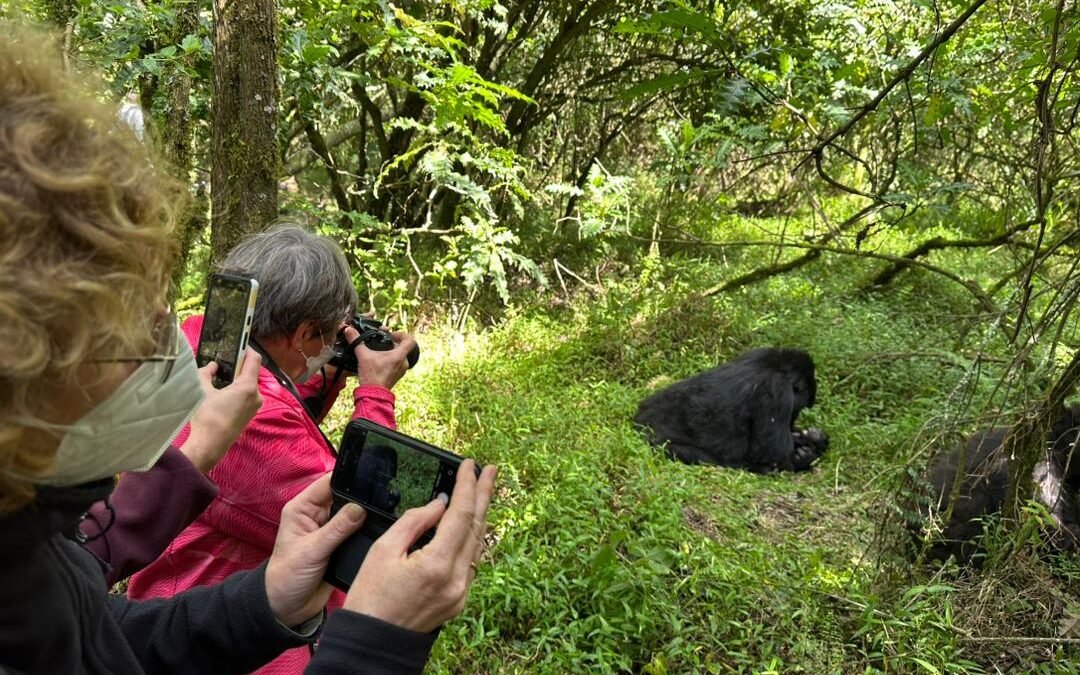
Gorilla Safari Deals from Kigali. Gorilla trekking has a well-earned reputation as one of the more expensive wildlife experiences on the planet, and at first glance the headline permit number does little to dispel that reputation. But “expensive” and “no room to save” are not the same thing, and travelers who plan carefully around a Kigali departure can genuinely cut hundreds of dollars off their total trip cost without touching the one thing that actually matters: the hour spent with a wild mountain gorilla family. This guide walks through every real, legitimate way to find a gorilla safari deal from Kigali in 2026 — from a substantial government-announced permit discount most travelers don’t know exists, to smarter group bookings, package structuring, and timing choices that quietly protect your budget.
This isn’t a guide to bargain-basement corner-cutting, and it deliberately steers away from anything that compromises safety, park regulations, or the quality of your trek. Pick and Transfer Safaris prices its Kigali-based gorilla safaris around exactly the savings opportunities described here, and this article lays out how to recognize a genuine deal versus one that only looks like one on paper.
We’ll cover the single biggest legitimate discount currently available — a 2026 government pricing decision most independent travelers never hear about — alongside group booking strategy, package structuring, seasonal timing, and the warning signs that separate an honest deal from a scam. By the end, you should be able to build a genuinely lower-cost itinerary with total confidence in exactly why it’s cheaper.
What “Gorilla Safari Deals” Actually Means
It’s worth being upfront about a structural reality of gorilla trekking: the permit itself, the single largest cost in any trip, is a fixed government fee set by the Uganda Wildlife Authority or its Rwandan equivalent, and no operator can discount it below the official published rate. Any offer claiming a discounted permit price that undercuts the government rate should be treated as a red flag rather than a bargain, a point worth returning to later in this guide.
Real savings on a gorilla safari come from three places instead: the permit’s own seasonal pricing structure, which genuinely does fluctuate; the efficiency of how transport, accommodation, and group size are combined around that fixed permit cost; and simple timing decisions that avoid the premium pricing of peak season without sacrificing anything about the trek itself. Understanding this distinction is the difference between finding a legitimate deal and falling for a misleading one.
It also reframes what “deal-hunting” should actually look like for this particular kind of trip. Rather than searching for a coupon code or a flash sale, a serious cost-conscious traveler is really doing three things: checking the current government permit calendar for a favorable date, structuring the surrounding trip to share fixed costs across a group or a longer itinerary, and choosing an operator transparent enough to show exactly where each dollar of the quote goes. None of that requires luck, and all of it is available to anyone willing to plan a few weeks ahead rather than book on impulse.
The Biggest Deal of All: Uganda’s 2026 Low-Season Permit Discount
The single most impactful deal available to gorilla trekkers in 2026 isn’t a marketing promotion from any tour company — it’s an official Uganda Wildlife Authority pricing decision. Standard, high-season gorilla permits in Uganda remain priced at US$800 per person for foreign non-residents. But for permits used specifically in April, May, or November, UWA has introduced a discounted low-season rate of US$600 per person for foreign non-residents, with a further reduced rate for foreign residents — a savings of US$200 per person, simply by choosing the right three months of the year.
This is a genuinely significant discount, and it applies to trekking in any Bwindi sector, including Buhoma, Rushaga, and Nkuringo, all easily reached from Kigali. There are conditions worth knowing before you book: low-season permits must be paid in full at the time of booking, and unlike standard permits they generally cannot be rescheduled once confirmed, so this deal rewards travelers with fixed, certain dates rather than those who want maximum flexibility. For a family or group of four, that US$200-per-person saving adds up to US$800 back in your pocket — often enough to fully cover an extra night’s accommodation or a meaningful chunk of your ground transport from Kigali.
It’s worth understanding why this discount exists in the first place, since that context helps explain why it’s genuinely reliable rather than a temporary marketing gimmick. April, May, and November fall within Uganda’s wetter months, when visitor numbers to Bwindi traditionally drop and lodges see noticeably lower occupancy. Rather than let permit demand simply fall along with the weather, the Uganda Wildlife Authority introduced this pricing structure to smooth demand across the calendar year — filling low-season capacity with a meaningful discount rather than leaving trekking slots unused. That’s a sustainable, structural reason for the discount to exist, not a short-term promotion likely to disappear without notice, which is part of why it’s worth building serious travel plans around.
Why Trekking From Kigali Is Already a Built-In Deal
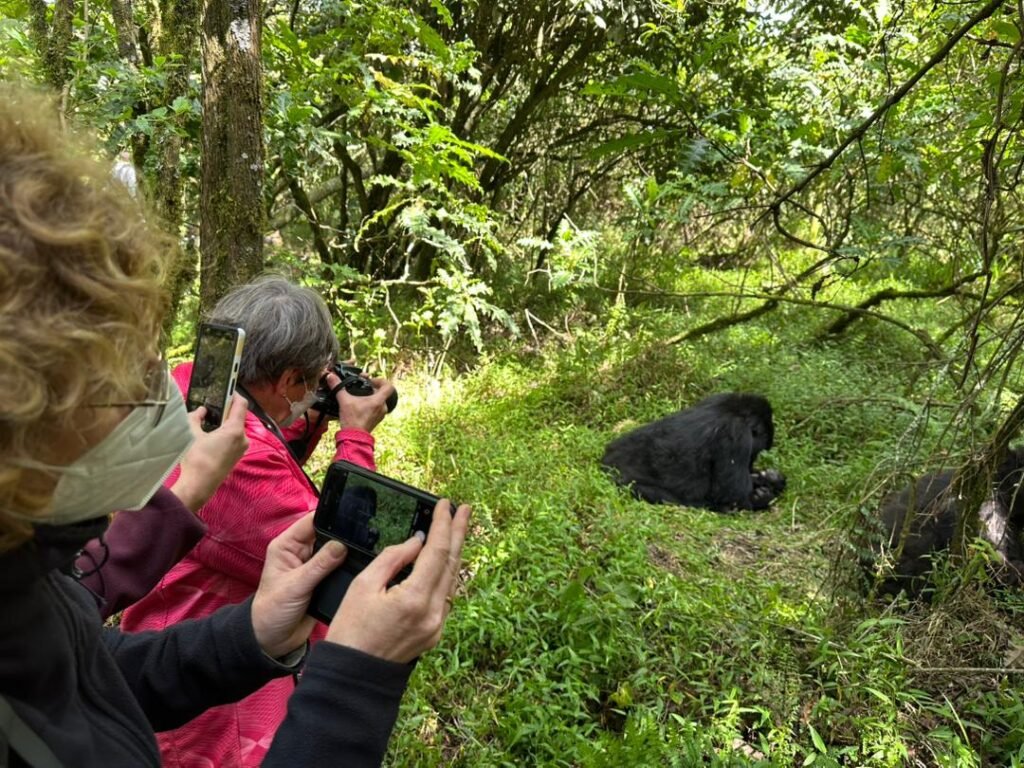
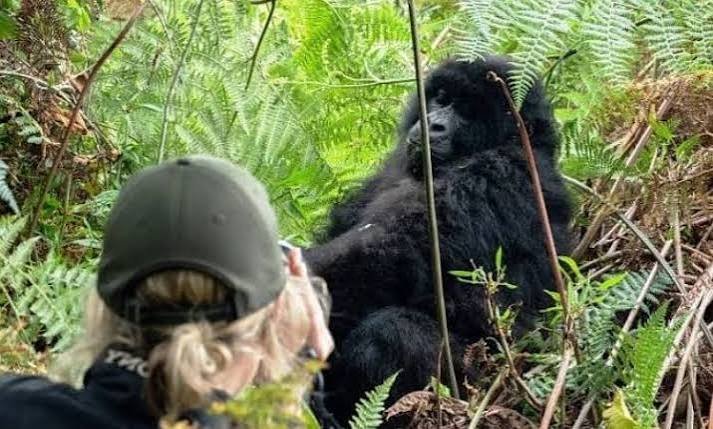
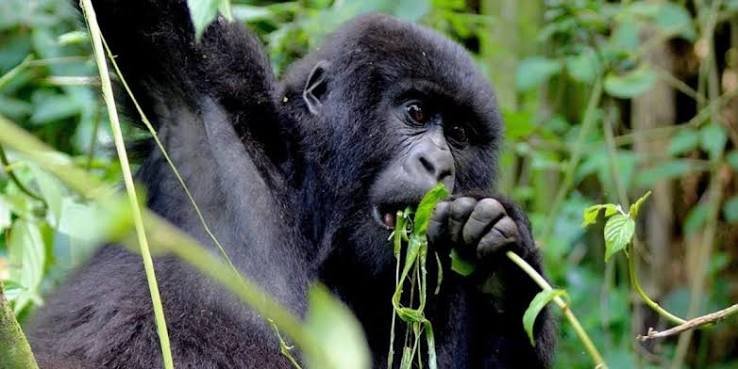
Even without the low-season discount, choosing to trek in Uganda from a Kigali base is itself one of the best-value decisions in East African gorilla tourism. Rwanda’s own gorilla permits in Volcanoes National Park are priced at US$1,500 per person year-round, with no equivalent seasonal discount structure. Against Uganda’s US$800 standard rate — or US$600 during the low season — that’s a difference of US$700 to US$900 per person simply by crossing the border to trek rather than staying on the Rwandan side.
This is precisely why so many travelers base themselves in Kigali, take advantage of Rwanda’s excellent flight connections and safe, walkable capital, and then cross into Uganda specifically for the trekking itself. A gorilla safari built this way effectively captures the best of both countries: Kigali’s convenience as an entry point, and Uganda’s considerably friendlier permit pricing, without asking travelers to compromise on either.
Group Discounts: How Traveling Together Cuts Your Cost
While the gorilla permit price is fixed per person regardless of group size, almost everything else in a Kigali-based safari scales favorably with more travelers. Ground transport from Kigali is typically quoted as a package rate for the vehicle and driver rather than per person, meaning a group of four sharing one vehicle pays a fraction per head of what two solo travelers each booking separately would pay. Accommodation follows a similar pattern, with many lodges offering double or triple room rates that bring the per-person nightly cost down noticeably compared to a single traveler booking a room alone.
Group tour pricing structures illustrate this scaling clearly, often showing a meaningful per-person price drop once a booking moves from two to four or more travelers. If you’re planning to trek solo or as a couple, it’s worth asking your operator whether joining a small existing group — rather than booking an entirely private vehicle — could bring your transport cost down without changing your permit price or trekking experience at all.
Package Deals: What Should Be Bundled, and What to Watch For
A well-structured package deal bundles the gorilla permit, ground transport from Kigali, accommodation, and often meals into a single quoted price, which simplifies budgeting and often works out cheaper than booking each component separately. The best packages are transparent about exactly what’s included — permit type and sector, number of nights, meal plan, and vehicle type — rather than presenting a single bottom-line number with no breakdown.
There’s a useful mental test for evaluating any package: if you asked the operator to itemize the quote into its component parts — permit cost, transport cost, per-night accommodation cost, and any service fee — could they answer within a minute, with numbers that add up to the total you were quoted? A transparent, well-run operator can do this instantly, because that’s genuinely how the price was built. An operator who hesitates, becomes vague, or gives a number that doesn’t quite reconcile is one worth treating with additional caution, regardless of how attractive the headline figure looked.
Watch for packages that look unusually cheap relative to competitors; the most common way operators cut corners is on accommodation quality, vehicle condition, or driver experience, none of which are obvious from a price list alone. A legitimate deal saves you money on genuine efficiencies — shared transport, negotiated lodge rates, off-peak timing — not on quietly downgrading the parts of the trip that affect your safety and comfort. When comparing package deals, request the full itemized breakdown through Contact Us rather than relying on a single advertised figure.
Shoulder-Season Value: Savings Beyond the Permit Discount
Even outside the specific April, May, and November low-season permit window, the broader shoulder seasons around peak dry-season months offer meaningful value. Lodges throughout the Bwindi region typically drop their rates during quieter periods, sometimes by 20 to 30 percent compared to the June–September and December–February peaks, since occupancy is naturally lower and properties compete harder for bookings.
This shoulder-season value compounds nicely with the official low-season permit discount, since April, May, and November all sit within these quieter stretches. A traveler booking a trek during one of these months can realistically combine a US$200 permit saving with a meaningfully discounted lodge rate, adding up to a substantially cheaper total trip than the same itinerary booked in August or January — without any change to the gorilla encounter itself.
Last-Minute and Join-a-Group Deals: When They Work
Gorilla permits themselves rarely go on genuine last-minute discount, since demand for popular dates typically outpaces supply rather than the reverse. Where real last-minute value does occasionally appear is in join-a-group or scheduled departure formats, where an operator has already secured permits for a fixed date and is filling remaining seats in a shared vehicle. Because the permit and base transport costs are already committed, filling those last seats sometimes comes with a modest discount to incentivize a quick booking.
Checking scheduled group departures with pre-confirmed dates and permits is the most reliable way to find this kind of opportunistic value, particularly for solo travelers or couples with flexible dates who would otherwise pay a premium for a fully private vehicle. It’s worth treating this as an occasional bonus rather than a primary planning strategy, since availability depends entirely on what other travelers have already booked.
How the Uganda-vs-Rwanda Price Gap Plays Out on a Combined Trip
Some travelers assume that choosing Uganda for its lower permit price means giving up on Rwanda’s own gorilla trekking experience entirely, but that’s not actually the trade-off many make. A popular value strategy is trekking in Uganda for the primary, budget-conscious permit, then adding a shorter Rwanda-side experience if time and budget allow, rather than choosing one country exclusively. A 2 Days Volcanoes Gorilla Trek from Kigali can be added onto a Uganda-based trip for travelers who want to compare both countries without committing their entire budget to the pricier Rwandan permit alone.
For travelers weighing exactly how the numbers work out on a combined itinerary, independent comparisons such as Kenlink Tours’ 2-Day Rwanda to Uganda Gorilla Trekking Safari are a useful reference point for understanding how a cross-border itinerary prices out in practice. The core logic holds regardless of exactly how you structure it: every dollar spent on the Uganda side stretches roughly twice as far in permit terms as the same dollar spent on the Rwandan side, which is worth weighing carefully if your total gorilla trekking budget is the primary constraint on your trip.
Multi-Park Bundle Deals: Better Per-Day Value on a Longer Trip
Counterintuitively, one of the most effective ways to reduce your average daily cost is to extend your trip rather than shorten it, spreading the fixed costs of international flights and the gorilla permit itself across more days of touring. A standalone two-day gorilla trek concentrates all its fixed costs into a short window, while a longer itinerary combining Bwindi with Queen Elizabeth National Park or chimpanzee tracking in Kibale Forest spreads that same fixed cost across a richer, longer experience.
Multi-park itineraries such as the 5 Day Uganda Gorilla and Chimpanzee Safari or the more extensive 7 Days Uganda Rwanda Safari Adventure often deliver noticeably better value per day of travel than a bare-bones gorilla-only trip, simply because more of the itinerary’s fixed costs — particularly transport — are shared across additional wildlife experiences rather than concentrated into a single short window.
Red Flags: How to Spot a Gorilla Safari “Deal” That Isn’t Real
Because the gorilla permit price is government-set and publicly published, any offer significantly undercutting the official US$800 standard rate — or the US$600 low-season rate in its qualifying months — deserves serious scrutiny. Common red flags include permits priced suspiciously below the official rate, payment requested through unofficial or untraceable channels rather than a licensed operator’s standard booking process, and vague itineraries that don’t specify the exact Bwindi sector, lodge names, or vehicle type included.
Vague or shifting itinerary details after the initial quote are another common warning sign — a sector that changes, a lodge name that turns out to be a placeholder, or a departure date that gets “confirmed” only after payment rather than before. Another common pattern is a deal that bundles an unusually low headline price with hidden mandatory add-ons revealed only after booking — a “compulsory” tip structure, an unexpected park entry fee, or a transport surcharge that erases the apparent savings once added up. A genuine deal from a licensed, reputable operator is transparent about every cost from the first quote; reviewing background on any operator through resources like Kenlink Tours’ About Uganda page or a direct conversation about exactly what’s included is a reasonable and expected part of vetting a safari deal before paying anything.
Fake permit documents are a real, if less common, risk worth knowing about specifically because gorilla permits are high-value and issued by a government authority. A legitimate operator books your permit directly through the Uganda Wildlife Authority using your passport details and can typically provide a permit reference or confirmation you can independently verify before your trek. Any operator unwilling or unable to provide this basic verification, particularly for an unusually cheap booking, is a serious warning sign rather than a minor inconvenience — a fraudulent or duplicated permit can mean being turned away at the park gate on trekking day itself, with no meaningful recourse once you’ve already made the full journey out to Bwindi.
Comparing Quotes: What to Look at Besides the Bottom-Line Price
When two operators quote noticeably different prices for what looks like the same trip, the difference almost always lives in the details rather than in one operator simply being more generous. Compare the specific gorilla permit type and sector, the exact number of nights and which lodges are named, whether meals and park entry fees are included or additional, the vehicle type and whether transport is private or shared, and what happens if your trek runs long or a delay affects your schedule on either end of the trip.
A slightly higher quoted price that includes a private 4×4 vehicle, a well-reviewed lodge, and a clear cancellation policy is very often better overall value than a lower quote that turns out to bundle a shared minivan and an unnamed budget guesthouse. Request a full written itemization from every operator you’re comparing, and treat that itemization — not the single headline number — as the actual basis for your decision, since the cheapest number on the page is rarely the same thing as the cheapest trip once every real cost is accounted for.
Sample Deal Breakdown: A Low-Season 2-Day Kigali-Buhoma Trip Priced Out
To make this concrete, here’s how a well-structured low-season deal actually adds up for a two-person trip trekking in Buhoma during April, May, or November. The gorilla permit comes to US$600 per person, or US$1,200 for two — a US$400 total saving compared to the same trip booked in high season. Ground transport for the Kigali round trip via the Katuna route, shared between two travelers, typically runs in a package rate that works out to a modest per-person cost once split.
One night of shoulder-season accommodation near Buhoma, taking advantage of lower off-peak lodge rates, adds a further modest cost per person, and porter tips, a light meal allowance, and incidental costs round out the total. Compared to the identical itinerary booked during August peak season with standard permit pricing and peak lodge rates, this low-season version can realistically come in several hundred dollars cheaper per person — a meaningful saving for an itinerary that, in every other respect, delivers the exact same trek, the same forest, and the same hour with the gorillas.
Run the same math for a slightly longer 3 Days Uganda Gorilla Safari from Rwanda and the savings compound further, since the extra night of accommodation also benefits from the lower off-peak lodge rate rather than being priced at the summer or holiday-season premium. This is the clearest illustration of how the different savings levers described throughout this guide — permit timing, shoulder-season lodging, shared transport — stack together rather than operating in isolation, and why a genuinely well-planned low-season trip can cost meaningfully less than travelers typically expect going in.
Seasonal Pricing Calendar at a Glance
Laying the year out month by month makes the savings opportunity easier to plan around. January, February, June, July, August, September, and December sit within Uganda’s dry seasons and carry the standard US$800 permit rate alongside peak lodge pricing throughout the Bwindi region — the most popular, most expensive, and most crowded months to trek. March and October sit in a middle zone: wetter than the dry season but outside the official discount window, typically bringing moderately lower lodge rates without the permit saving.
April, May, and November are the standout value months, combining the official US$600 low-season permit rate with generally the lowest lodge pricing of the year, at the cost of wetter trails and a higher chance of rain interrupting part of a trekking day. For travelers whose primary goal is savings rather than guaranteed dry-season conditions, these three months represent the clearest, most reliable window to build a lower-cost itinerary around.
Best Months to Book for Maximum Savings
If your schedule has any flexibility at all, April, May, and November stand out clearly as the months to prioritize, combining the official US$600 low-season permit rate with generally lower lodge pricing across the Bwindi region. These months fall within Uganda’s wetter seasons, which does mean muddier trails and a somewhat higher chance of rain interrupting part of the day, a genuine trade-off worth weighing against the savings.
For travelers unwilling to trade dry-season comfort for maximum savings, the immediate shoulder weeks bordering the main dry seasons — early June or late September, for instance — often still carry noticeably lower lodge rates than the deep peak months of July, August, and December, even without qualifying for the official permit discount. Mapping your travel dates against this calendar before booking, rather than defaulting to the most popular peak-season weeks, is one of the simplest and most effective ways to meaningfully reduce your total trip cost without changing anything about the trek itself.
How Early to Book to Lock In the Best Rate
Booking early matters for value as much as for availability, particularly for the low-season discounted permits, which must be paid in full at booking and cannot be rescheduled once confirmed — meaning popular low-season dates can fill up even though the season itself is considered quieter overall. Aim to confirm your permit and core itinerary at least four to six weeks ahead for regular travel, and ideally two to three months ahead if you specifically want an April, May, or November low-season date, since demand for the discount itself has grown as awareness of it has spread.
Booking early also protects you from a subtler cost: scrambling to fill an itinerary gap at the last minute almost always costs more than planning calmly in advance, since rushed bookings have less room to shop around for the best-value accommodation and transport combination. A relaxed planning timeline is, in a very real sense, its own form of deal-hunting.
There’s also a currency and payment-timing dimension worth a brief mention. Because low-season permits require full payment at booking, locking in your date early gives you more room to plan around exchange rates and payment methods calmly rather than under pressure. Travelers paying in a currency that fluctuates against the US dollar sometimes find it worth tracking exchange rates for a few weeks before committing to a payment date, particularly for a group booking where even a small percentage shift translates into a meaningful dollar amount once multiplied across several permits.
Combining the Low-Season Discount With a Short or Weekend Format
The permit discount stacks naturally with the shorter trip formats many Kigali-based travelers already prefer. A 2 Days Uganda Gorilla Tour Starting from Kigali or even a fast-paced 1 Day Uganda Gorilla Safari Starting from Kigali booked during April, May, or November captures the full US$200-per-person permit saving without requiring any extra time away from work or home — the discount is entirely a function of the calendar date, not the length of your trip.
Travelers comparing this approach against similar short itineraries sometimes reference options like Kenlink Tours’ 2-Day Uganda Gorilla Safari Starting from Kigali or their 3-Day Bwindi Gorilla Safari Starting from Kigali to sanity-check pricing across operators before committing to specific low-season dates.
Deal-Hunting Checklist Before You Pay a Deposit
Before committing money to any gorilla safari offer, running through a short checklist protects both your budget and your trip. Confirm the exact permit price quoted matches the current official UWA rate for your travel dates — US$800 standard or US$600 if genuinely trekking in April, May, or November — and ask directly which rate applies to your specific dates rather than assuming. Request the exact Bwindi sector and, if possible, the specific lodge names included in your package, since vague itinerary language is one of the clearest signs of a loosely structured offer.
Ask how and when payment is collected, and be cautious of any request for full payment through an untraceable channel rather than a standard, documented booking process with a licensed operator. Confirm cancellation and rescheduling terms in writing, particularly if you’re booking a low-season permit that carries stricter no-reschedule conditions, and keep a copy of every written confirmation until well after your trip is complete. Finally, cross-check the operator’s standing — years in operation, physical contact details, and references or reviews — through channels like their About Us page or comparable background pages such as Kenlink Tours’ 3-Day Uganda Gorillas Safari itinerary details, before wiring any deposit.
How Families and Multi-Generation Groups Can Maximize Savings
Larger family groups have more levers to pull than solo travelers or couples, simply because more of the trip’s costs scale with group size. Beyond the standard group transport and accommodation savings already covered, families traveling with a wider age range sometimes find that a slightly longer, multi-park itinerary delivers better overall value than a short, gorilla-only trip, since it spreads fixed costs like international flights and a private vehicle across more days and more activities that suit different family members’ interests and stamina levels.
An extended safari combining gorilla trekking with gentler activities like a boat cruise or a cultural visit often works out to a lower cost per person per day than a short, single-purpose trip, even though the total trip cost is higher. For multi-generational groups specifically, it’s worth discussing pacing openly with your operator — a slower, longer itinerary frequently turns out cheaper per day and more enjoyable for every age group than compressing everything into the shortest possible window.
Non-Permit Ways to Save on Your Gorilla Safari
Beyond the permit and the major structural decisions already covered, a handful of smaller choices add up over the course of a trip. Packing appropriately the first time avoids the cost and hassle of buying replacement gear in Kigali or Kabale at inflated tourist prices. Booking accommodation in the same conversation as your permit and transport, rather than separately, often unlocks a small package discount that isn’t available when each piece is booked independently.
Carrying local currency in small denominations for porter tips, craft purchases, and incidental costs avoids the unfavorable exchange rates often applied at hotel front desks or border crossings for currency conversion. And perhaps most simply: working with a single operator who handles your permit, transport, and accommodation together, rather than assembling the trip piecemeal yourself, usually saves both money and the considerable time cost of coordinating multiple bookings independently — time that’s worth factoring into any honest cost comparison.
Travel insurance is worth a specific mention here, since it’s easy to view it purely as an added cost rather than a genuine saving. A policy covering trip cancellation, medical evacuation, and permit forfeiture protects the single largest expense in your entire trip — the non-refundable, non-reschedulable low-season permit itself — against exactly the kind of unexpected disruption that would otherwise turn a well-planned budget trip into a costly loss. Treating insurance as part of the core deal-hunting budget, rather than an optional extra, is one of the more overlooked ways experienced travelers protect the savings they’ve already worked to secure.
Frequently Asked Questions About Gorilla Safari Deals from Kigali
Is the Uganda low-season gorilla permit discount real? Yes — it’s an official Uganda Wildlife Authority pricing policy, not a tour operator promotion, offering permits at US$600 per person for foreign non-residents in April, May, and November, compared to the standard US$800 rate.
Can I get a discount on a Rwanda gorilla permit too? Rwanda’s Volcanoes National Park permits are priced at a flat US$1,500 year-round with no equivalent seasonal discount structure currently available, which is a major reason many Kigali-based travelers choose to trek in Uganda instead.
Are last-minute gorilla safari deals actually common? Genuine last-minute permit discounts are rare, since availability rather than price is usually the binding constraint. Occasional value does appear in join-a-group or scheduled departure formats where operators discount remaining seats on an already-committed booking.
How much can I realistically save by planning around deals? Combining the US$200-per-person low-season permit discount with shoulder-season lodge rates and shared group transport can realistically save several hundred dollars per person compared to the same itinerary booked at peak season with a fully private vehicle.
What’s the biggest red flag when evaluating a gorilla safari deal? Any permit price that undercuts the official government rate. Since permits are fixed government fees, a below-official-rate offer signals either a scam or an operator planning to substitute an inferior trek, sector, or documentation once you’ve paid.
Do I need to book directly with the Uganda Wildlife Authority to get the best price? No — licensed tour operators book permits at the same official rate UWA charges directly, with no markup on the permit itself. The value of booking through an operator comes from bundled transport, accommodation, and local expertise, not from paying more for the permit than you would booking it yourself, which in any case individual travelers generally cannot do directly.
Is it worth paying more for a private vehicle instead of a shared group deal? It depends on your priorities. A shared group booking saves money but ties your schedule to other travelers’ pace and preferences; a private vehicle costs more per person but gives you full control over stops, timing, and any detours along the way. Neither is objectively the better “deal” — the right choice depends on how much you personally value flexibility versus savings on any given trip.
Why Book Your Gorilla Safari Deal With Pick and Transfer Safaris
Finding a genuine deal requires an operator who is transparent about exactly what’s driving the savings — the permit’s own seasonal pricing, efficient group transport, honest package structuring — rather than one hiding costs or quietly cutting corners on quality. Pick and Transfer Safaris builds every quote around exactly these legitimate savings opportunities, with full itemized pricing so you can see precisely where your money goes.
Whether you want to time your trip around the 2026 low-season permit discount, combine your trek with additional parks for better per-day value, or simply compare an honest, fully-itemized quote against another operator’s offer, the team can put together a transparent plan built around your dates and budget. Explore the full gorilla safaris and wildlife safaris lineup, browse Destinations to compare parks and value across a longer itinerary, or reach out through Contact Us for a genuine, no-surprises quote on your gorilla safari deal from Kigali.
The best gorilla safari deal isn’t the one with the lowest number on the page — it’s the one where every dollar of that number is accounted for, where the savings come from real, structural efficiencies rather than corners quietly cut somewhere you won’t notice until you’re already in the forest. A US$600 low-season permit, a shared vehicle with the right group, a shoulder-season lodge rate, and an operator willing to show you exactly how the total was built: that combination, not a flashy discount banner, is what a genuine deal looks like in 2026. Plan around it, and the trip you end up booking will be both cheaper and, if anything, better organized than one rushed through at full price.