- LET'S PLAN YOUR SAFARI
- +256 200 921 002
- +256 793 194 703
- info@pickandtransfersafaris.com

Queen Elizabeth Safari After Gorilla Trek
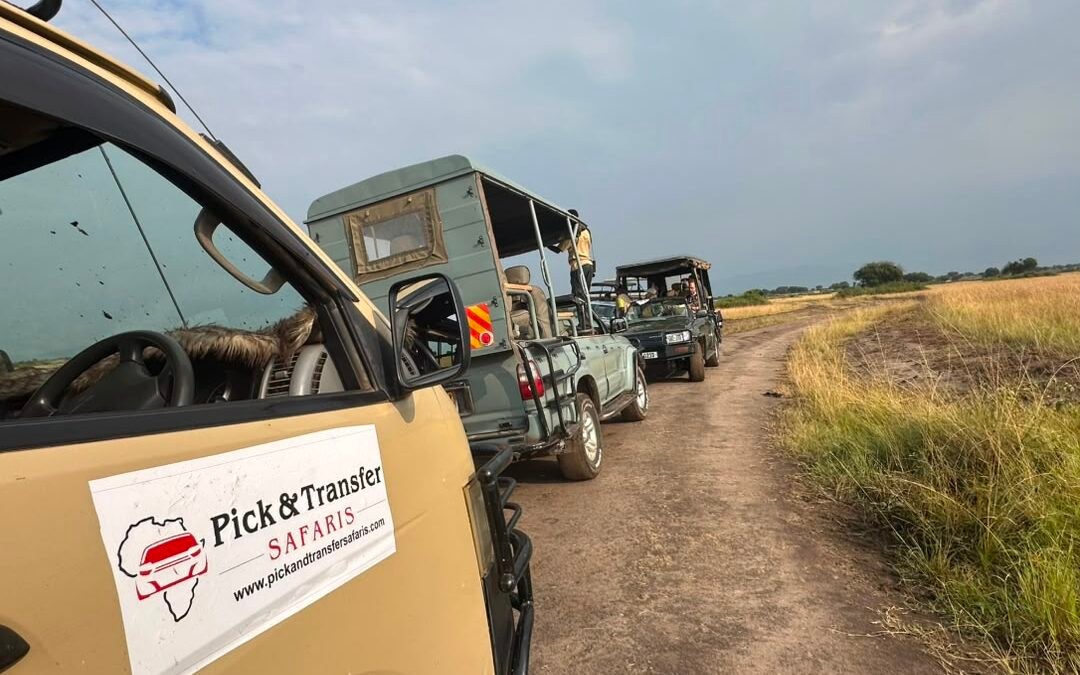
Queen Elizabeth Safari After Gorilla Trek. Trekking to a mountain gorilla family in Bwindi Impenetrable Forest is the kind of experience that tends to leave people wanting more of Uganda rather than less, and Queen Elizabeth National Park is where that curiosity is best rewarded. A Queen Elizabeth safari after a gorilla trek takes you from dense, misty rainforest at over 2,000 meters down into open savannah, papyrus channels, and volcanic crater lakes within a single day’s drive — swapping one hour with a silverback for tree-climbing lions, hippo-packed boat cruises, and some of the best all-round game viewing in East Africa.
This guide covers everything you need to plan the combination properly: how to get from Bwindi to Queen Elizabeth, which sector of Bwindi makes the transfer shortest, what the park’s signature experiences actually involve, sample itineraries, realistic costs, and how to extend the trip further if you have the time. Whether you’re adding two days or a full week onto your gorilla permit, you’ll find the practical detail below to plan it well. It’s a combination that rewards a bit of planning rather than an afterthought decision made once you’re already in Uganda. Gorilla permits are sector-specific, lodge inventory near both parks tightens considerably in peak season, and the drive between the two takes real time that’s worth building into your schedule deliberately rather than discovering on the road. None of that makes the trip complicated — it just means the travelers who get the most out of it are the ones who map out both halves before booking either one.
Why Pair a Gorilla Trek with a Queen Elizabeth Safari
Gorilla permits are expensive and hard-won, which means most travelers who fly all the way to southwestern Uganda are reluctant to leave the region after just one trek. Queen Elizabeth National Park solves that problem neatly: it sits close enough to Bwindi that a two- or three-hour drive delivers an entirely different Uganda — open grassland and acacia woodland studded with the Kazinga Channel, a network of crater lakes, and one of the country’s most diverse wildlife checklists, from tree-climbing lions to over 600 recorded bird species. Where Bwindi is about one profound, quiet hour with a single species, Queen Elizabeth is about volume and variety: multiple game drives, a boat cruise, and often chimpanzee tracking in a single stop. Combining the two gives a traveler both the emotional high point of the trip and the classic wide-open safari experience, all without adding an international flight leg. The 4-day wildlife and primate safari is built specifically around this pairing and is a useful starting reference before you customize your own route.
Getting from Bwindi to Queen Elizabeth National Park
The drive between Bwindi and Queen Elizabeth National Park varies noticeably depending on which of Bwindi’s four trekking sectors you start from. From the Ruhija or Buhoma sectors, the drive to the Ishasha sector of Queen Elizabeth — famous for its tree-climbing lions — takes roughly three to four hours over a scenic mountain road through the Kigezi highlands. From the southern Rushaga or Nkuringo sectors, the drive is somewhat shorter to Ishasha but longer if your destination is the main Kazinga Channel area near Kasese, which can take five hours or more from some starting points. Because sector assignment affects this transfer meaningfully, it’s worth telling your operator in advance that you plan to continue on to Queen Elizabeth so your gorilla permit can be booked in the most convenient sector for that onward drive. Itineraries such as the 3-day Uganda gorilla safari and Kenlink Tours’ 3-day Uganda gorillas safari are both worth reviewing for how they sequence sector and onward travel, since a well-planned route can shave a genuine hour or two off the transfer.
What Makes Queen Elizabeth National Park Different from Bwindi
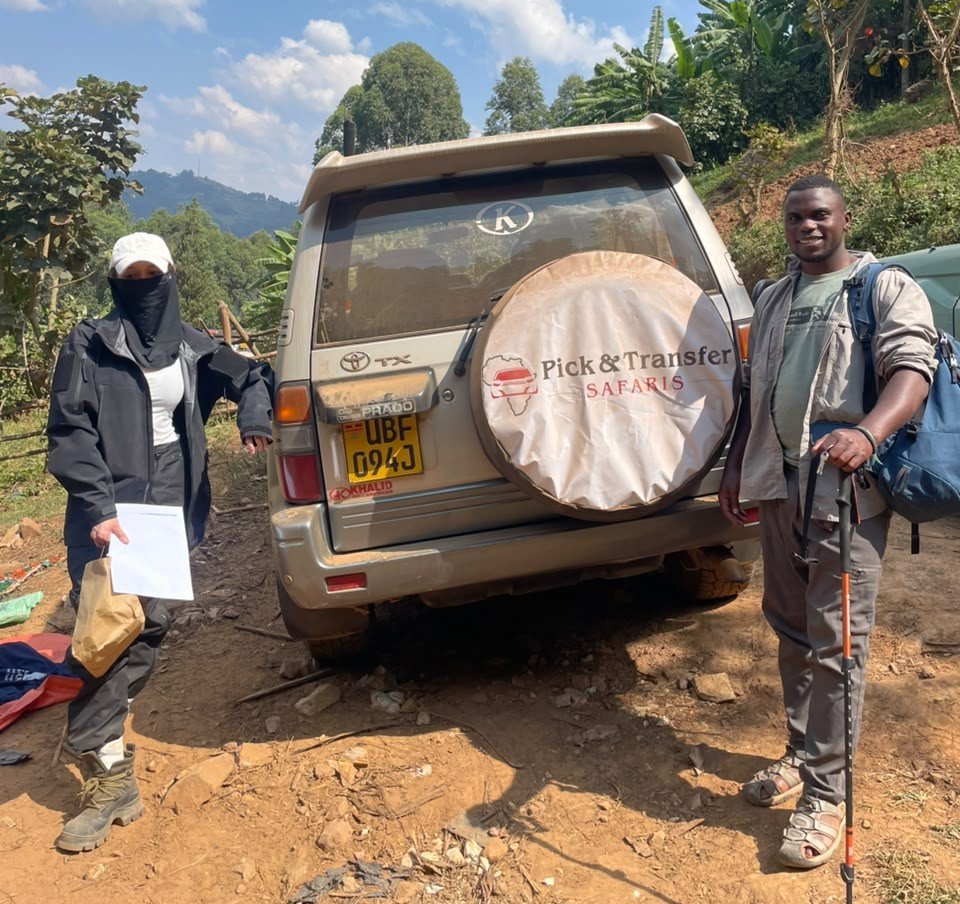
7 Days Uganda Safari – One week tour
This 7-day itinerary is the classic one-week introduction to Uganda, covering the country’s three most iconic wildlife experiences: chimpanzee tracking in Kibale Forest National Park, Big Five game drives and a boat cruise in Queen
Tour Details →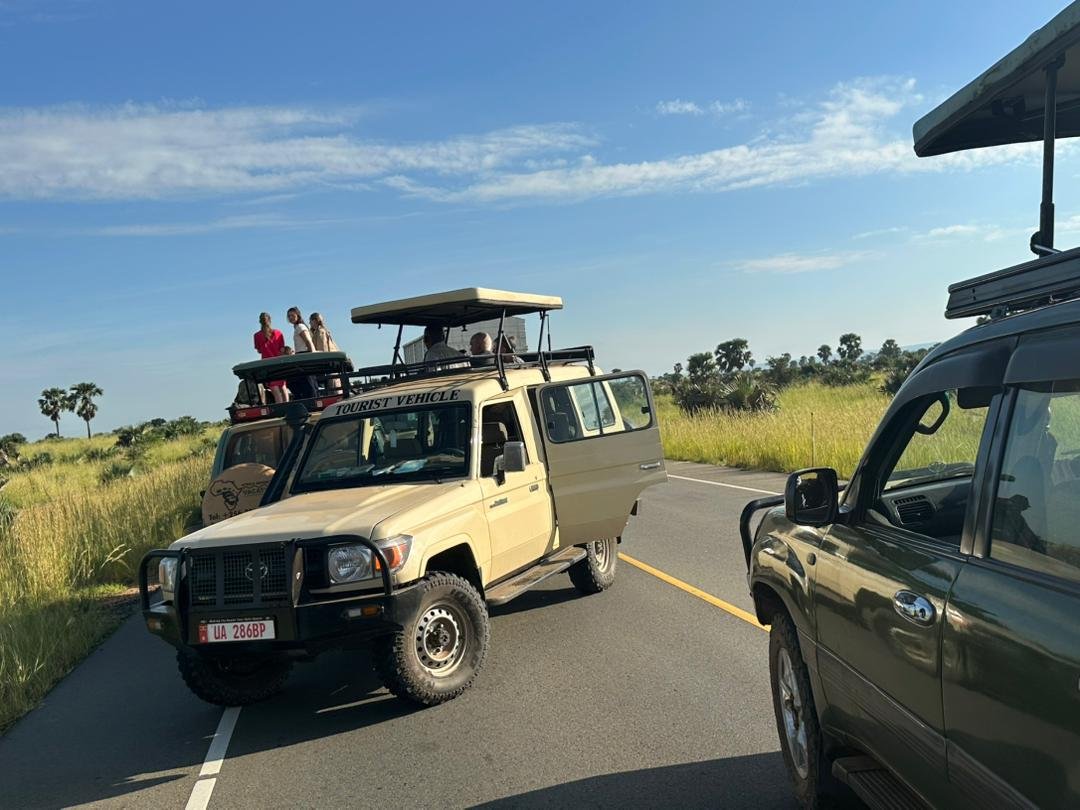
10 Days Uganda Primates and Wildlife
This 10-day Uganda Grand Safari is the most complete Uganda itinerary we offer at Pick and Transfer Safaris. It begins with a scenic northward drive from Entebbe to the vast open plains of Murchison
Tour Details →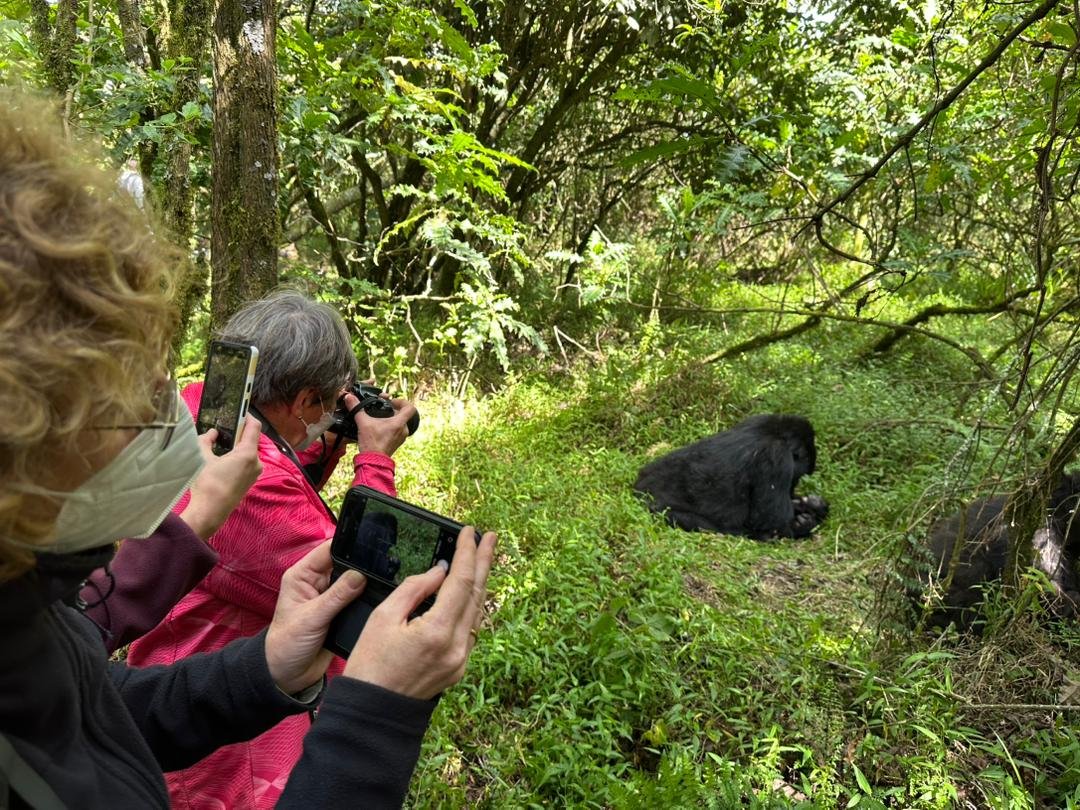
2 Days Uganda Gorilla Tour Starting from Kigali
This is the gentler cousin of our 1-Day Uganda Gorilla Safari Starting from Kigali — same idea, twice the breathing room. Instead of squeezing a 3,000-metre forest trek and two border crossings into a single very long day
Tour Details →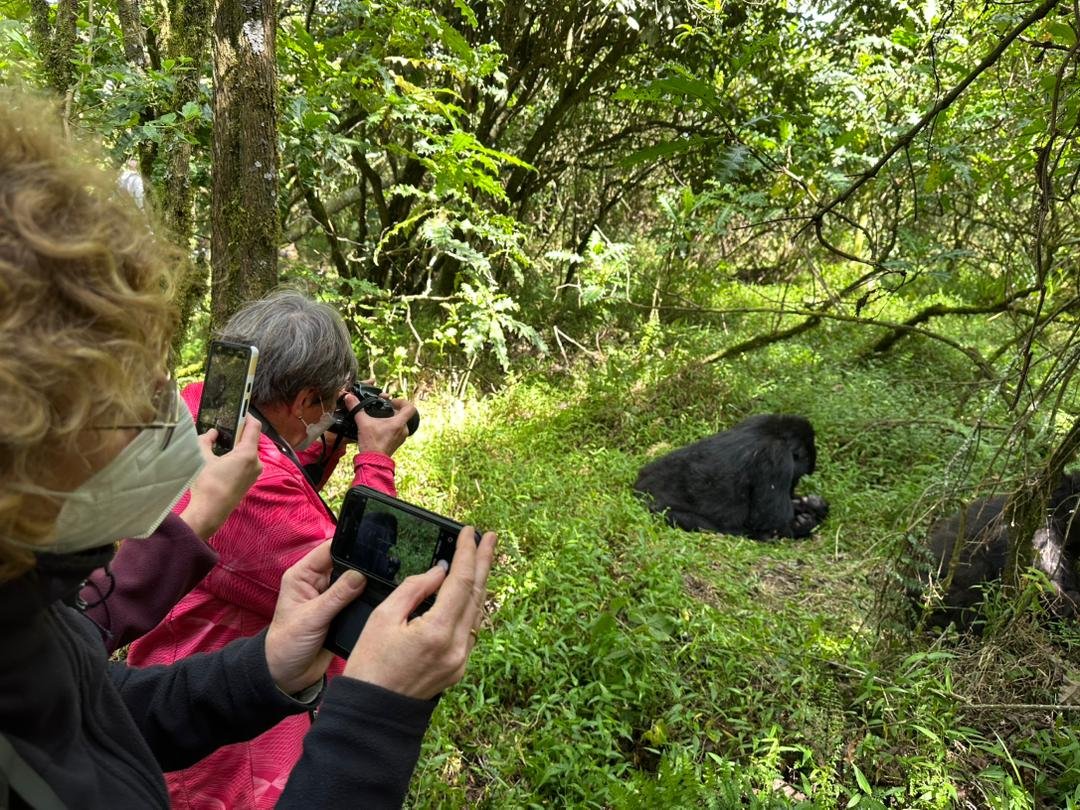
5-Day Uganda Gorilla and Chimpanzee Safari
This itinerary can be combined with a Rwanda extension or a wildlife-focused add-on through Queen Elizabeth National Park — browse our Uganda & Rwanda Safaris and Primate Safaris collections for ideas.
Tour Details →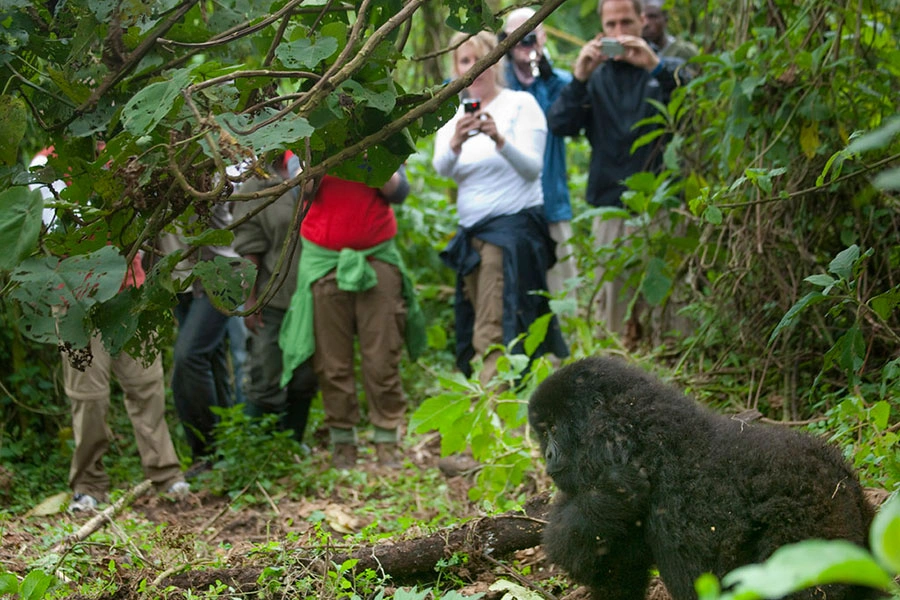
5 Days Rwanda Wildlife and Gorillas
This 5-day itinerary brings together Rwanda’s two flagship wildlife experiences: open savannah game drives and a boat safari in Akagera National Park, followed by a face-to-face encounters
Tour Details →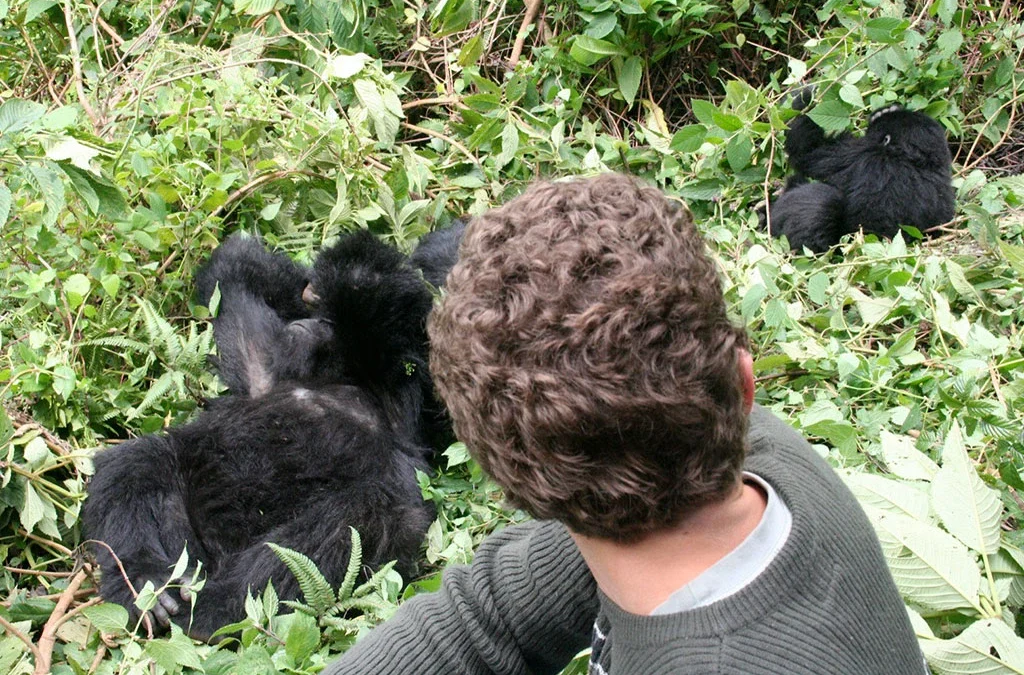
3 Days Uganda Gorilla Safari
For travelers who arrive in Entebbe with a tight schedule and a clear ambition, a 3-day gorilla safari to Bwindi Impenetrable Forest National Park is the most focused and rewarding short trip the country has to offer.
Tour Details →Bwindi and Queen Elizabeth could hardly feel more different despite sitting only a few hours apart. Bwindi is dense montane and lowland forest, cool and often misty, where wildlife viewing means one guided hike to one gorilla family and little else in terms of open scenery. Queen Elizabeth, by contrast, spans roughly 1,978 square kilometers of open savannah, wetland, and crater lake terrain at a much lower elevation, warmer and drier, with the classic open-vehicle game-drive experience that most people picture when they imagine an African safari. The park sits within the Great Rift Valley and includes the Kazinga Channel connecting Lake Edward and Lake George, giving it an unusually dense concentration of hippos, buffalo, and elephants along the waterway, alongside lions, leopards, Uganda kob, and over 95 mammal species recorded across the park. For travelers who assumed a Uganda trip was only about primates, Queen Elizabeth is often the pleasant surprise of the whole itinerary. The Queen Elizabeth National Park destination page is a good place to see the full range of what the park offers before booking.
The Tree-Climbing Lions of Ishasha
The Ishasha sector, in the southern part of Queen Elizabeth National Park, is famous for one of Africa’s rarest wildlife behaviors: lions that spend large parts of the day resting in the branches of fig and acacia trees rather than lounging on the ground like almost every other lion population on the continent. The exact reason remains debated among researchers — theories range from escaping biting flies and heat to simply gaining a better vantage point over the surrounding plains — but the sight of a full-grown lion draped across a low branch is one of Queen Elizabeth’s signature experiences and a strong reason on its own to route your onward safari through Ishasha rather than skipping straight to the Kazinga Channel area. Sightings are never guaranteed, since the lions move between trees and ground depending on the day, but guides in Ishasha are generally skilled at reading recent tracks and radio-sharing sightings between vehicles, which keeps the odds reasonably favorable for visitors who spend a proper half-day or more in the sector rather than passing through in an hour. Early morning drives tend to offer the best chance, since the lions often climb during the cooler hours and descend again as the day heats up. Because Ishasha sits closest to Bwindi’s southern sectors, it’s often the natural first stop after a gorilla trek rather than a detour. Game drives here are generally quieter and less crowded with vehicles than the main Kasese section of the park, which many travelers actually prefer.
Kazinga Channel Boat Cruise: The Park’s Signature Experience
If Ishasha’s lions are the park’s rarest sight, the Kazinga Channel boat cruise is its most reliable one. The 32-kilometer channel connecting Lake Edward and Lake George hosts one of Africa’s largest concentrations of hippos, along with buffalo, elephants, and a long list of water birds including African fish eagles, pelicans, and kingfishers, all viewable from a slow-moving boat at close range without the vibration or dust of a game drive vehicle. A two-hour cruise, typically run in the late morning or afternoon, is included in nearly every standard Queen Elizabeth itinerary and consistently rated by travelers as one of the most relaxing and photogenic parts of a Uganda safari. It pairs particularly well as a lower-intensity activity the day after a strenuous gorilla trek, giving tired legs a genuine rest while still delivering excellent wildlife viewing. Unlike a game drive, where wildlife can be scattered across a wide area and sightings depend partly on luck, the channel itself concentrates animals along a predictable, narrow stretch of water, which makes the cruise one of the more reliably rewarding activities in the entire park regardless of season. Bring a hat and sunscreen even if the morning starts cool, since the open boat offers little shade once the sun climbs, and keep a spare memory card handy — most visitors find they take more photographs on the cruise than during any single game drive.
Chimpanzee Tracking in Kyambura Gorge
Queen Elizabeth National Park also offers a second primate experience inside the same park boundary: chimpanzee tracking in Kyambura Gorge, a steep, forested ravine cut into the surrounding savannah that locals call “the Valley of Apes.” It’s a shorter, generally less strenuous trek than gorilla trekking in Bwindi, typically lasting two to four hours, and offers a genuinely different feel — a hidden pocket of tropical forest dropping suddenly out of open grassland. For travelers who want a full primate-and-wildlife combination without adding an entirely separate destination, pairing Kyambura chimp tracking with the Kazinga Channel cruise and an Ishasha game drive rounds out a Queen Elizabeth stop nicely. The 3-day chimpanzee tour in Uganda and Kenlink Tours’ 3-day chimpanzee tracking safari both cover chimp tracking in more depth if you’d like to compare pricing and logistics for this specific activity. Success rates in Kyambura tend to be somewhat lower than gorilla trekking in Bwindi, since the gorge’s chimpanzees are not as fully habituated and can range more widely, so it’s worth treating this as a genuine wildlife encounter with an honest chance of a partial or distant sighting rather than the near-certain, closely managed experience gorilla trekking offers. Most travelers still rate it highly even on days with a shorter or more distant sighting, simply for the setting itself — a narrow, dripping, forested gorge appearing suddenly in the middle of open savannah is striking regardless of how close the chimps come.
Game Drives in Queen Elizabeth: What to Expect
Standard game drives in Queen Elizabeth run early morning and late afternoon, timed around when animals are most active and temperatures are most comfortable. The Kasenyi plains, north of the Kazinga Channel, are the park’s most reliable area for lion sightings outside Ishasha, alongside large herds of Uganda kob, buffalo, and elephants moving across open grassland. Because the park’s road network is well maintained relative to many East African reserves, game drives here feel comfortable even in a standard 4×4 rather than requiring specialized vehicles. Visitors sometimes underestimate how much ground the park covers and how much driving between activity zones is involved, so it’s worth allocating at least two full days if you want a realistic chance at seeing the tree-climbing lions, doing the Kazinga cruise, and fitting in a proper game drive on the Kasenyi plains, rather than trying to compress everything into a single rushed day. Birdwatchers in particular should budget extra time here rather than treating the park purely as a mammal checklist. Queen Elizabeth’s mix of forest, savannah, and wetland habitats supports one of the richest bird lists of any East African park, and a slow-paced game drive with a guide who knows the area’s specialty species — shoebill sightings are possible on certain routes, along with African skimmers and pin-tailed whydahs — can turn what might otherwise be a single afternoon activity into a full day’s worthwhile exploration on its own.
Choosing the Best Gorilla Sector to Pair with Queen Elizabeth
Because Bwindi is split into four distinct trekking sectors — Buhoma, Ruhija, Rushaga, and Nkuringo — and each connects to Queen Elizabeth by a different route and drive time, choosing the right one matters more than most travelers realize when booking online. Buhoma and Ruhija generally offer the most direct route north toward Ishasha and onward to the main park, while Rushaga and Nkuringo, in the far south, are closer to the Rwanda border and sometimes involve a longer loop back north to reach Queen Elizabeth. If a Queen Elizabeth extension is already part of your plan when you book, tell your operator directly rather than booking a gorilla permit first and figuring out the logistics afterward — permits are sector-specific and cannot be changed once confirmed. The gorilla safaris collection and Kenlink Tours’ 3-day wildlife encounter to Queen Elizabeth National Park itinerary both illustrate how this routing is typically handled by experienced operators.
A Day in the Life: From Gorilla Forest to Open Savannah
It helps to picture how the transition actually feels rather than just reading it as a line on an itinerary. Your gorilla trekking day starts early, typically with a 6:00 a.m. pickup and a 7:00 a.m. briefing at park headquarters, followed by a hike of thirty minutes to five hours through dense, often muddy forest, a strictly enforced one-hour encounter with the gorilla family, and a return to your lodge by early afternoon — tired, muddy, and usually still buzzing from the encounter hours later. The following morning looks almost nothing like it. Instead of forest and mist, you’re on a paved or well-graded road descending out of the Kigezi highlands into open country, the temperature climbing noticeably as the elevation drops, until the first acacia trees and open grassland of Queen Elizabeth appear on the horizon. By the time you reach your lodge that afternoon, you’ve moved from one of Africa’s densest rainforests to one of its classic savannah landscapes in a single day’s drive — a contrast most travelers say is more dramatic than they expected, and one of the more memorable single days of a Uganda safari purely because of how different the two halves feel.
Sample Itineraries Combining Gorillas and Queen Elizabeth
For travelers with limited time, the 4-day wildlife and primate safari fits a single gorilla trek and a compact Queen Elizabeth stop, typically covering a game drive and the Kazinga cruise, into a manageable four-day window. Travelers with a bit more time often prefer the 5-day Uganda gorilla and chimpanzee safari, which adds Kyambura Gorge chimp tracking to the mix, or Kenlink Tours’ 7-day amazing gorilla and wildlife safari in Uganda, which gives Queen Elizabeth’s full range of activities more breathing room. For a longer trip that treats both destinations as equal priorities rather than one as an add-on to the other, the 10-day Uganda primates and wildlife safari and Kenlink Tours’ 8-day Uganda gorilla, chimpanzee, and wildlife safari both build in enough time at each stop to explore properly rather than feeling like a checklist.
Understanding Uganda Gorilla Permits Before You Go
As of 2026, a standard Uganda gorilla trekking permit costs US $800 per person in high season, with a discounted rate of around $600 during the low-season months of April, May, and November. Permits are capped at eight visitors per habituated gorilla family per day, require visitors to be at least 15 years old, and as of March 2026 must be paid in full at the time of booking rather than held with a partial deposit. Peak-season dates should be booked six to ten months in advance given how quickly the daily quota fills. Because permits are sector-specific, it’s worth deciding on your Queen Elizabeth routing before confirming the permit rather than after, for exactly the reasons outlined earlier. Full pricing across combined gorilla-and-wildlife packages is laid out on the wildlife safaris collection, which bundles permits, transfers, and park fees into a single transparent quote.
Where to Stay Between Bwindi and Queen Elizabeth
Accommodation near Bwindi ranges from simple community guesthouses to high-end forest lodges with volcano and valley views, generally clustered around whichever trekking sector your permit is assigned to. Queen Elizabeth’s lodges cluster mainly around the Kazinga Channel area near Kasese and around Ishasha itself, ranging from comfortable safari-tented camps to more upscale lodges overlooking the channel or the plains. Because the transfer day between the two parks often eats up most of an afternoon, many itineraries build in an overnight roughly halfway along the route, or simply treat the drive day as a slower, scenic transfer with a stop for lunch and photographs rather than trying to squeeze in an activity on either end. Booking accommodation as part of a complete itinerary through the Rwanda and Uganda safaris collection avoids the hassle of coordinating separate bookings across two parks and multiple lodges. Travelers on a tighter budget should note that Queen Elizabeth’s lodging spread is genuinely wide even within the mid-range tier, since a handful of community-run guesthouses near Kasese and Katunguru offer clean, comfortable rooms at a fraction of the cost of the channel-view lodges, without sacrificing much in terms of access to the park’s main activities. It’s worth asking your operator for a couple of options at different price points rather than assuming the first lodge suggested is the only realistic choice.
Best Time of Year for This Combined Safari
Both parks can be visited year-round, but the calendar affects each differently. Bwindi’s trails are firmest and least muddy during the dry seasons of June through September and December through February, which are also the busiest and most expensive months for permits and lodging. Queen Elizabeth’s game viewing is generally strongest in the dry season as well, since animals cluster more predictably around the Kazinga Channel and remaining water sources when the surrounding grassland dries out. The low-season months of April, May, and November bring Uganda’s discounted gorilla permit rate and quieter game drives in Queen Elizabeth, at the cost of muddier trekking conditions and a higher chance of rain interrupting a game drive. Many travelers who don’t mind a bit of rain find these shoulder months deliver a meaningfully better value combined trip without a major drop in wildlife viewing quality.
What to Pack for Both Trekking and Game Drives
Packing for this combination means preparing for two quite different environments in quick succession. For the Bwindi trek, bring sturdy, broken-in hiking boots, waterproof trousers and a rain jacket regardless of season, gardening-style gloves for grabbing vines and nettles, and a daypack with a rain cover — mornings are cool and the terrain is often muddy and steep. For Queen Elizabeth’s game drives, lightweight, neutral-colored clothing, a hat, sunscreen, and a good pair of binoculars matter more than trekking gear, since you’ll spend most of your time seated in a vehicle rather than hiking. A single well-organized duffel rather than a hard-shell suitcase makes the transfer between destinations considerably easier, and a dry bag or plastic sleeve for cameras and phones is worth having for both the forest hike and the open-air Kazinga Channel boat cruise, where spray off the water is common.
Budgeting for a Gorilla Trek Plus Queen Elizabeth Safari
Budgeting for this combination starts with the US $800 Uganda gorilla permit as the largest single line item, followed by park entry fees for Queen Elizabeth (roughly $40–$50 per day for foreign non-residents), the Kazinga Channel boat cruise (typically $30–$40 per person), and optional chimp tracking permits in Kyambura Gorge (around $50). Ground transport between the two parks, whether shared or private, typically runs $150–$350 depending on vehicle type and distance covered. Accommodation varies widely, from $60–$100 a night at comfortable mid-range lodges to $300 or more at upscale properties overlooking the Kazinga Channel or Ishasha plains. A well-paced four- to five-day trip combining one gorilla trek with a proper Queen Elizabeth stop typically totals somewhere between US $2,200 and $3,800 per person, excluding international flights, with the gorilla permit and lodge tier being the two biggest variables you control. Published rates on the 4-day wildlife and primate safari already bundle the permit, park fees, and transfers into one transparent figure, which makes budgeting considerably easier than pricing each piece separately. Traveling in a small group rather than entirely solo also brings the per-person cost down noticeably on this particular route, since vehicle hire, the driver-guide’s daily fee, and fuel for the multi-hour transfer are typically split across everyone in the vehicle rather than charged individually. Two or more travelers sharing a private vehicle and driver for the full loop often end up paying meaningfully less per person than a solo traveler booking the exact same itinerary alone, which is worth factoring in if you’re deciding whether to join a small-group departure instead of a fully private one.
Extending Further: Kibale, Murchison Falls, and Beyond
For travelers with more time, Queen Elizabeth is a natural stepping stone to two of Uganda’s other headline destinations. Kibale Forest National Park, a few hours north, offers the country’s best chimpanzee tracking outside Queen Elizabeth itself and can be added via the Kibale Forest National Park page, while Murchison Falls National Park, further north still, delivers dramatic waterfalls, a Nile boat cruise, and some of Uganda’s best savannah game viewing via the Murchison Falls National Park destination page. Travelers building a longer loop covering gorillas, Queen Elizabeth, and one or both of these additional parks should look at the extended safaris collection, or compare against Kenlink Tours’ broader Uganda safaris range, both of which are built for exactly this kind of multi-park itinerary rather than a single-stop trip.
Combining with Rwanda: Cross-Border Options from Kigali
Because Bwindi sits close to the Rwanda border, a meaningful number of travelers actually begin this whole trip in Kigali rather than Entebbe, crossing into Uganda specifically for the gorilla trek and Queen Elizabeth safari before returning to Rwanda or flying out from Uganda instead. The one-day Uganda gorilla safari starting from Kigali and 2-day Uganda gorilla tour from Kigali both illustrate how this cross-border logistics chain typically works. For travelers weighing whether to base the trip in Rwanda or Uganda in the first place, Kenlink Tours’ guide to Uganda as a destination and their private Uganda tours page are both worth a look for a second operator’s perspective before deciding which country to fly into. The main trade-off with a Kigali start is the extra border crossing, which typically adds an hour or two of paperwork and queuing on top of the driving time, plus whatever visa arrangements apply to your nationality on both sides. In exchange, travelers get Kigali’s excellent flight connections and a genuinely pleasant capital city to bookend the trip, along with the option of tacking a short Rwanda-side extension — a Volcanoes gorilla trek of your own, or a night on Lake Kivu — onto either end of the Uganda leg if time allows. For many travelers flying in from Europe or North America, Kigali’s flight schedules and pricing end up being the deciding factor over Entebbe rather than any single feature of either park.
Photography Tips for the Transition Between Parks
The two halves of this trip call for genuinely different photography approaches, and packing and thinking about both in advance pays off. In Bwindi, low forest light and the flash ban around gorillas mean a camera that performs well at higher ISO settings matters more than reach — a standard zoom in the 24–105mm range is usually more useful than a long telephoto, since encounters happen at close range in dim, canopy-filtered light. Queen Elizabeth flips that requirement almost completely. Open savannah and strong midday light call for a longer lens, ideally 200mm or more, to photograph lions in Ishasha’s trees or elephants along the Kazinga Channel without disturbing them by approaching too closely, and the boat cruise in particular rewards a lens with enough reach to isolate hippos, birds, and basking crocodiles from a moving platform. Bringing both a mid-range zoom and something longer, rather than trying to cover the whole trip with a single lens, makes a noticeable difference in how many keeper shots you come home with from each half of the trip.
Responsible Tourism Across Both Parks
Gorilla permit revenue directly funds Uganda Wildlife Authority conservation programs and a share is distributed to communities bordering Bwindi under the country’s revenue-sharing policy, a structure credited with helping the gorilla population grow steadily over recent decades. Queen Elizabeth’s own conservation story, including the recovery of its lion population from past poaching and disease outbreaks, similarly benefits from park fees and community-based tourism initiatives around Kasenyi and Ishasha. Travelers can support both by hiring local porters and guides even when not strictly required, following ranger instructions closely during game drives and boat cruises, and choosing lodges and operators that visibly employ local staff. Respecting the standard gorilla trekking etiquette rules — the seven-meter distance limit, no flash photography, staying home if you’re unwell — matters just as much on this combined trip as on a Bwindi-only visit, since the habituation process both parks rely on is genuinely fragile.
How to Book This Combined Safari
Booking a gorilla trek and Queen Elizabeth safari together works best when the whole route is planned as one itinerary rather than two separate bookings, since sector choice, transfer logistics, and lodge availability all interact with each other. Tell your operator upfront that you want to continue on to Queen Elizabeth so they can secure a gorilla permit in the most convenient sector, and confirm whether ground transport is private or shared before you finalize dates. Start by browsing the full range of combined itineraries on the wildlife safaris page, or reach out through the contact page to describe your dates and how much of Queen Elizabeth you want to see. It’s worth reading a little about the operator itself via an about us page before committing to a multi-park itinerary, and cross-checking pricing against a second operator such as Kenlink Tours’ about us page or their contact page is a sensible step before finalizing anything.
Frequently Asked Questions: Queen Elizabeth Safari After Gorilla Trek
How long should I spend in Queen Elizabeth after a gorilla trek?
Two full days is the practical minimum to fit a proper game drive, the Kazinga Channel cruise, and a chance at Ishasha’s tree-climbing lions. A single rushed day usually means choosing only one or two of these rather than experiencing the park properly.
Is the drive from Bwindi to Queen Elizabeth difficult?
No, though it is long. The road is scenic and generally well maintained, and most itineraries treat the drive itself as part of the experience, with stops for photographs and lunch along the way rather than a rushed transfer.
Can I see tree-climbing lions and do a gorilla trek on the same trip without extra flights?
Yes. Both experiences are reached entirely by road from the same general region of southwestern Uganda, so no domestic flight is required to combine them, unlike some other multi-park Uganda itineraries.
Do I need a separate permit for Kyambura Gorge chimpanzee tracking?
Yes, chimp tracking in Kyambura Gorge requires its own permit, separate from your gorilla trekking permit, typically costing around $50 per person and bookable alongside your Queen Elizabeth game drives and boat cruise.
Is Queen Elizabeth National Park safe to visit independently, or do I need a guide?
A guide and vehicle are effectively required for game drives, as self-drive within the park without local knowledge is impractical given the park’s size and road network. Nearly all visitors travel with a driver-guide for the full duration of their stay, which also makes wildlife spotting significantly more productive.
Final Thoughts on Adding Queen Elizabeth to Your Gorilla Trek
A gorilla trek alone is unforgettable, but it’s also, by design, a single concentrated hour — and most travelers who’ve flown this far want more of Uganda than that one hour can offer. Queen Elizabeth National Park delivers exactly the contrast a gorilla trek needs: open horizons after dense forest, a slow boat cruise after a strenuous hike, and one of Africa’s rarest wildlife sights in the tree-climbing lions of Ishasha. Whether you add a compact two-day stop or build a full week around both destinations, the logistics are straightforward once the right gorilla sector and transfer route are chosen from the start. Browse the full range of Uganda and Rwanda destinations, compare notes against Kenlink Tours’ Uganda safaris collection, and get in touch through the contact page to start building an itinerary that takes you from the silverback’s gaze straight into the open plains of Queen Elizabeth.