- LET'S PLAN YOUR SAFARI
- +256 200 921 002
- +256 793 194 703
- info@pickandtransfersafaris.com

Book Gorilla Trekking in Uganda
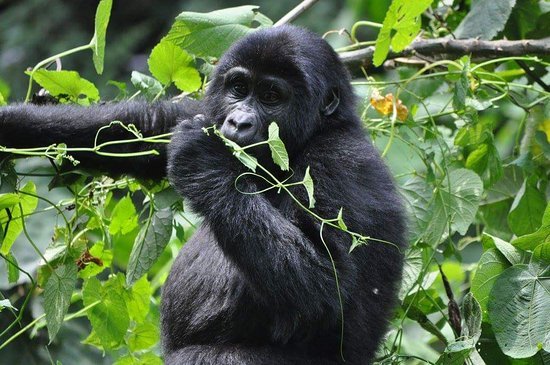
Book Gorilla Trekking in Uganda. Booking gorilla trekking in Uganda is not complicated, but it is unforgiving of delay. Permits are limited, sector-specific, and must be paid in full at the time of booking, and the best trekking dates in peak season routinely sell out six to ten months ahead. Get the booking process right and everything downstream — your itinerary, your lodge, your flights — falls into place easily. Get it wrong, or leave it too late, and you can end up with a permit for the wrong sector, an awkward mismatch with your other travel dates, or no availability at all for the months you actually wanted to travel.
This guide walks through exactly how to book gorilla trekking in Uganda in 2026: current permit prices, how the sector system works, what information you need before you contact an operator, how far in advance to book, what’s included in a typical package, payment and cancellation terms, and the most common mistakes that trip up first-time bookers. By the end, you should be able to book with real confidence rather than guessing your way through it. It’s worth saying upfront that none of this is designed to make the process sound harder than it is. Thousands of travelers book this trip every year without incident, and the vast majority of headaches that do occur trace back to one of a handful of avoidable mistakes covered later in this guide — booking too late, working with an unverified intermediary, or failing to mention an onward itinerary before a permit is confirmed. Get those few things right and booking gorilla trekking in Uganda is genuinely one of the more straightforward parts of planning an East African trip.
Why Booking Early Matters for Uganda Gorilla Trekking
Uganda issues a strictly limited number of gorilla trekking permits each day, capped at eight visitors per habituated gorilla family, across four trekking sectors inside Bwindi Impenetrable National Park plus a smaller number in Mgahinga Gorilla National Park. That hard ceiling means demand regularly outstrips supply during the June-to-September and December-to-February peak seasons, and popular sectors can sell out for specific dates months before travelers even start looking at flights. Booking early doesn’t just protect against sold-out permits — it also gives you first pick of the best-located lodges near your assigned sector, more flexibility to combine your trek with other activities like chimpanzee tracking or a Queen Elizabeth National Park extension, and more room to negotiate group departures with other travelers if you’re hoping to reduce costs. The gorilla safaris collection is a good starting point for seeing what’s realistically available for your travel window before you commit to specific dates.
Understanding Uganda’s Gorilla Trekking Permit System
A Uganda gorilla trekking permit is issued by the Uganda Wildlife Authority and grants one visitor a single guided trek to one specific habituated gorilla family on one specific day, in one specific sector. It covers park entry, an armed ranger escort, a professional guide, and a strictly enforced one-hour encounter with the gorilla family once trackers locate them. It does not automatically include transport, accommodation, or meals — those are arranged separately, usually through the same operator who books your permit. Permits are non-transferable between sectors and, for most nationalities, cannot be booked directly with a private individual — foreign non-residents are generally required to book through a licensed Ugandan tour operator rather than applying to the Uganda Wildlife Authority themselves. This is one of the most important things to understand before you start comparing prices online, since it shapes how the rest of the booking process works.
2026 Permit Prices and Discounts
As of 2026, a standard Uganda gorilla trekking permit costs US $800 per person for foreign non-residents during high season. A discounted rate of roughly US $600 applies during the low-season months of April, May, and November, though these discounted permits generally cannot be rescheduled once booked — cancellation is the only option if your dates change. Foreign residents pay a somewhat lower rate, typically around $700 high season and $500 low season, while East African Community citizens pay a heavily discounted local rate of roughly 300,000 Ugandan shillings. As of March 2026, permits must be paid in full at the time of booking rather than held with a partial deposit, which is a meaningful change from the previous system and one worth confirming with your operator before you commit, since it affects how much notice you need before a firm booking. Full pricing across bundled gorilla trekking packages, which combine the permit with transport and accommodation into one quote, is available through the gorilla safaris page.
Booking Through a Licensed Tour Operator vs UWA Directly
For most foreign travelers, booking through a licensed Ugandan tour operator is not just the easiest route — it’s effectively the required one. Reputable operators handle the Uganda Wildlife Authority paperwork, secure your permit in the correct sector, arrange transport and accommodation, and can adjust your itinerary if something changes before your trip. This also protects you from a genuine risk in this space: unlicensed intermediaries who take payment for permits they can’t actually deliver, leaving travelers stranded without a confirmed booking. Before paying anything, it’s worth confirming an operator’s registration with the Uganda Tourism Board and membership in a recognized trade association such as the Association of Uganda Tour Operators. You can start comparing legitimate options through the about us page here, and cross-check pricing and credentials against a second established operator such as Kenlink Tours, whose guide to Uganda safari companies is a genuinely useful read for spotting the difference between a legitimate operator and a scam listing, alongside their own about us page for a sense of how an established operator presents its credentials.
Choosing Your Trekking Sector: Buhoma, Ruhija, Rushaga, and Nkuringo
Bwindi Impenetrable National Park is divided into four trekking sectors, and which one your permit is booked in affects your drive time, your lodge options, and even your onward travel if you plan to continue to another park afterward. Buhoma, in the north, is the most established and accessible sector with the widest lodge selection. Ruhija, also in the north, sits closest to the Ishasha sector of Queen Elizabeth National Park, making it a strong choice if a wildlife extension is part of your plan. Rushaga and Nkuringo, both in the south, sit closer to the Rwanda border and often host more gorilla families, sometimes with slightly better permit availability during busy periods. Tell your operator your full itinerary — where you’re arriving from and what you plan to do afterward — before they book your permit, since sector choice is difficult or impossible to change once confirmed. Itineraries like the 3-day Uganda gorilla safari and Kenlink Tours’ 3-day Uganda gorillas safari both illustrate how sector selection is typically built into a complete itinerary rather than left as an afterthought. Lodge availability also varies noticeably by sector, and this is worth weighing alongside pure convenience. Buhoma’s long history as Bwindi’s original trekking base means it has the deepest bench of lodges across every price point, which matters if you’re booking close to a peak-season date and need flexibility on accommodation as much as on the permit itself. Rushaga and Nkuringo, while quieter and sometimes easier for last-minute permit availability, have a comparatively smaller lodge selection, so it’s worth confirming accommodation availability at the same time you’re weighing which sector to request.
Bwindi or Mgahinga: Where Your Permit Might Be Booked
The vast majority of Uganda gorilla trekking permits are issued for Bwindi Impenetrable National Park’s four sectors, but a smaller number are also available for Mgahinga Gorilla National Park, in Uganda’s far southwest corner near the Rwanda and DR Congo borders. Mgahinga hosts fewer habituated families than Bwindi and permit availability there is more limited, but it sits closer to the border crossing many Rwanda-based travelers use, which can make it a convenient choice for a Kigali-based itinerary. Most first-time bookers default to Bwindi simply because it’s better known and has more available dates, and that’s generally the right call unless your itinerary specifically benefits from Mgahinga’s location. The Bwindi Impenetrable National Park and Mgahinga Gorilla National Park destination pages both lay out what to expect from each, and Kenlink Tours’ overview of Uganda as a destination is a useful broader reference if you’re still deciding which park fits your overall route.
What Physical Fitness You Need Before You Book
It’s worth being realistic about fitness before you commit to a permit, since gorilla trekking is rated moderate to strenuous and the terrain varies considerably by sector and by where the assigned gorilla family happens to be that morning. Treks can last anywhere from thirty minutes to five or six hours each way through steep, often muddy volcanic forest at elevations between roughly 1,400 and 2,600 meters, and there’s no way to know in advance exactly how far you’ll need to hike on your specific day. If you have any concerns about fitness, mention this to your operator when booking rather than on the morning of the trek — rangers can assign less mobile trekkers to gorilla families known to range closer to the trailhead, and porters are available at a modest cost to carry daypacks or assist on steep sections. None of this should discourage an otherwise healthy traveler from booking; it simply means being honest about your fitness level helps your operator set you up for a better day on the trail.
What Information You Need to Book
Before you contact an operator, gather a few key details to speed up the process considerably. You’ll need each traveler’s full legal name exactly as it appears on their passport, passport number and expiry date, nationality, preferred trekking dates (with some flexibility if possible), and a rough idea of your fitness level, since this affects which gorilla family you might be assigned on the day. If you’re booking as a couple or group wanting to trek together, say so explicitly, since permits are allocated by gorilla family and groups can be split up if this isn’t requested clearly. It’s also worth having a sense of your broader itinerary — arrival and departure dates, whether you’re flying into Entebbe or Kigali, and whether you want to add chimpanzee tracking or a wildlife park extension — since a complete picture lets your operator build one coherent booking rather than a piecemeal one. The contact page is a straightforward place to send this information and get a tailored quote back.
How Far in Advance to Book
For travel during the June-to-September or December-to-February peak seasons, booking six to ten months ahead is the standard, sensible recommendation, particularly if you want a specific sector or need to trek in the same group as a travel companion. For the quieter shoulder and green-season months, four to eight weeks is often sufficient, though earlier is always safer if your travel dates are fixed around other commitments like flights or a wedding. Because permits must now be paid in full at booking, it’s worth having your payment method and budget sorted before you start the process rather than midway through, since a delay in payment can mean losing a specific date to another traveler in the meantime. Reviewing the range of dated itineraries on the our safaris page ahead of time can help you settle on realistic dates before you need to move quickly.
Group Trekking vs Private or Exclusive Gorilla Experiences
Most travelers book a standard permit and are assigned into a shared trekking group of up to eight visitors per gorilla family, arranged by the Uganda Wildlife Authority based on who holds a permit for that family on that day — not by who booked together, unless requested. This is the normal, most affordable way to trek and still delivers the full one-hour encounter regardless of group size. A smaller number of travelers opt for a private or exclusive experience, which costs significantly more and generally needs to be arranged well in advance directly with your operator, since it involves reserving an entire family’s daily quota rather than a handful of permits within it. For the vast majority of travelers, the standard shared-group booking through the wildlife safaris collection delivers the same core experience at a fraction of the cost, and shared groups are rarely as large as the eight-person maximum in practice. Travelers specifically wanting a fully private vehicle and guide throughout the trip, even if the trek itself is still shared with other permit holders, should ask their operator about private departures rather than joining a scheduled group tour — Kenlink Tours’ Uganda private tours page is a good illustration of how this distinction is typically priced and presented, and it’s worth confirming the same option with whichever operator you ultimately book through.
Choosing the Right Itinerary Length When You Book
Deciding how many days to book alongside your permit matters just as much as the permit itself. A lean itinerary built around the 2-day Uganda gorilla tour starting from Kigali or the one-day Uganda gorilla safari starting from Kigali fits the entire experience into the shortest possible window, ideal for travelers with limited time off. Travelers who want to add chimpanzee tracking or a second park often book the 5-day Uganda gorilla and chimpanzee safari or the more extensive 10-day Uganda primates and wildlife safari, both of which bundle the permit into a fuller itinerary rather than requiring separate bookings for each activity. Kenlink Tours’ Uganda safari bookings page is another useful place to compare itinerary lengths and pricing side by side before settling on one.
Combining Your Booking with Chimpanzee Tracking or a Wildlife Extension
Because a gorilla permit only buys a single hour with one species, many travelers book chimpanzee tracking or a Queen Elizabeth National Park wildlife safari at the same time rather than treating gorilla trekking as a standalone trip. The 3-day chimpanzee tour in Uganda and the 4-day wildlife and primate safari both illustrate how this combination is typically structured, and booking both pieces together through one operator avoids the coordination headache of separate permits, transfers, and lodges booked through different companies. If a wildlife extension is part of your plan, mention it when you first inquire rather than after your gorilla permit is already confirmed, since — as covered earlier — your Bwindi sector affects how convenient the onward drive will be. Kenlink Tours’ 3-day chimpanzee tracking safari is a useful comparison if you’re weighing operators for this specific add-on. Golden monkey tracking is another add-on worth knowing about, available in Mgahinga Gorilla National Park at a considerably lower permit cost than gorilla trekking, and open to visitors as young as 12 rather than the 15-year minimum for gorillas. It’s a popular way for traveling families to include a primate-tracking activity that younger members can actually join, and it can be booked alongside a gorilla permit for an adult member of the same group without much added logistical complexity, since both activities are based in the same general region of southwestern Uganda.
Booking a Gorilla Trek from Rwanda Instead of Entebbe
A significant number of travelers book their Uganda gorilla trek as part of an itinerary that starts in Kigali rather than Entebbe, since Bwindi’s southern sectors sit close to the Rwanda border and Kigali often has better flight connections and pricing for travelers coming from Europe or North America. Booking this way generally means your operator handles a border crossing as part of the itinerary, alongside the usual permit and lodging arrangements. The 3-day Uganda gorilla safari from Rwanda and 5-day Uganda gorilla and chimps safari starting from Rwanda are both built specifically around this routing, bundling the permit, cross-border transport, and lodging into one booking rather than requiring you to coordinate a Rwanda-based operator and a Uganda-based one separately. If you’re comparing this option against a straightforward Entebbe-based booking, it’s worth asking your operator directly which route works out cheaper and faster given your specific arrival city.
What’s Included (and Not) in a Gorilla Trekking Package
A standard gorilla trekking package typically includes the permit itself, ground transport in a private or shared vehicle with a driver-guide, accommodation for the relevant nights, and often meals at the lodge. It generally does not include international flights, visa fees, travel insurance, porter tips at the trailhead, or tips for your guide and rangers, all of which should be budgeted separately. Ask your operator for a clear, itemized breakdown before you pay anything, specifically confirming whether the quoted price is per person, whether it includes all park and permit fees, and whether airport transfers on arrival and departure are bundled in or charged separately. A transparent quote from the gorilla safaris collection makes it easy to see exactly what you’re paying for before committing a deposit.
Payment, Deposits, and Cancellation Policies
Because gorilla permits must now be paid in full at the time of booking, the payment structure for the permit itself is simpler than it used to be, but the rest of your package — transport, lodging, and any additional activities — is typically secured with a 30% deposit, with the balance due closer to your travel date. Cancellation policies vary by operator and by how close to your travel date you cancel, but gorilla permits themselves are generally non-refundable once issued, which is exactly why travel insurance covering trip interruption is so strongly recommended. Read your operator’s cancellation terms carefully before paying anything, and keep a copy of your permit confirmation and payment receipts for your own records. The contact page is the right place to ask specific questions about payment methods and cancellation terms before you commit to a date, and Kenlink Tours’ Uganda safari booking guide covers a second operator’s version of the same payment and deposit process, which is worth reading side by side if you want to understand what’s standard across the industry versus specific to one company.
What to Pack and Prepare Once Your Booking Is Confirmed
Once your permit and itinerary are locked in, the preparation shifts from paperwork to practical readiness. Sturdy, broken-in hiking boots with ankle support are the single most important item, followed by waterproof trousers and a rain jacket regardless of the season you’re traveling in, since Bwindi’s forest can produce rain even during the driest months. Gardening-style gloves for grabbing vines and stinging nettles, a daypack with a rain cover, and a change of clothes left in the vehicle for the drive back all make a genuine difference to comfort on trekking day. It’s also worth using the weeks between booking and departure productively: four to six weeks of regular hill walking or stair climbing beforehand meaningfully eases the physical demands of the trek, particularly for travelers who don’t hike regularly. Confirm with your operator whether porters are available to hire at the trailhead — most trekkers find the modest fee well worth it — and double-check your travel insurance covers adventure activities at altitude before you fly, since this is exactly the kind of detail that’s easy to overlook once the excitement of a confirmed booking sets in.
Best Time of Year to Book Your Trek For
Gorillas can be trekked year-round, but the calendar affects both cost and trail conditions. The dry seasons — June through September and December through mid-February — offer the firmest trekking trails and the busiest, most expensive permit and lodge market, requiring the earliest possible booking. The green-season months of March, April, October, and November bring muddier trails but also the discounted permit rate in April, May, and November, along with considerably quieter trekking and lower lodge rates. If your travel dates are flexible, booking for the shoulder months of late May or early November often delivers the best balance of decent trail conditions, lower cost, and easier permit availability, even without booking as far in advance as peak season requires. It’s worth resisting the temptation to chase the absolute cheapest possible dates without weighing your own tolerance for rain and mud, since the discounted low-season permit is only a genuine bargain if you’re comfortable with the trekking conditions that come with it. Travelers prioritizing photography or simply wanting the most comfortable possible hike should lean toward the dry season and accept the higher price and earlier booking window as the cost of better conditions, while travelers mainly focused on value and lower crowds should embrace the green season fully rather than picking an awkward, rainier date in between just to save a little on the permit.
Booking as a Solo Traveler, Couple, or Group
Solo travelers can book a gorilla permit exactly as easily as a couple or group — permits are priced and issued per person, and the Uganda Wildlife Authority assembles trekking groups from whoever holds a permit for a given family on a given day, so a solo booking is never actually trekking entirely alone. Couples and small groups should simply request explicitly that everyone in their booking treks together, since this isn’t automatic if permits are purchased separately. Larger groups of friends or family should book as early as possible and confirm with their operator whether the whole group can be kept together in one trekking party, since larger bookings sometimes need to be split across two gorilla families if the group exceeds the eight-person cap for a single family. Whichever category you fall into, the wildlife safaris and extended safaris collections both offer itineraries scaled for solo travelers through to larger private groups. Cost per person also shifts depending on group size in ways worth understanding before you book. The permit itself never changes regardless of how many people you’re traveling with, but shared costs like vehicle hire, the driver-guide’s daily rate, and fuel for longer transfers are typically split across everyone in the vehicle. A solo traveler booking a private vehicle will pay meaningfully more per day for transport than the same traveler joining a small shared group, which is worth weighing against how much you value privacy and flexibility over cost savings.
Common Booking Mistakes to Avoid
The single most common mistake is booking too late for peak-season dates and either missing out entirely or ending up with a less convenient sector than planned. A close second is paying an unlicensed intermediary or an unusually cheap third-party website for a permit, only to discover the booking was never actually confirmed with the Uganda Wildlife Authority — always verify an operator’s credentials before sending payment. Other frequent mistakes include booking a permit without mentioning an onward itinerary, resulting in an inconvenient sector for a later Queen Elizabeth or chimpanzee tracking extension; underestimating the fitness required and being caught off guard by a longer-than-expected hike; and failing to buy travel insurance for a trip built around a largely non-refundable permit. Reviewing Kenlink Tours’ guide to legitimate Uganda safari companies before you book is a sensible extra safeguard against the most costly of these mistakes. A less obvious mistake is booking permits for two travelers separately, on the assumption that dates and sectors will simply line up — they don’t automatically, and separate bookings can end up assigned to different gorilla families or even different days if availability is tight. Another is assuming a quoted price is final without asking whether park entry fees, government taxes, or fuel surcharges are added afterward; a reputable operator will confirm a genuinely all-inclusive figure in writing rather than leaving room for surprises once you’ve already paid a deposit. Finally, some travelers book their permit before checking whether their passport has enough validity and blank pages remaining for a Uganda visa, only to run into avoidable stress close to departure — a five-minute passport check at the start of the process saves considerable hassle later.
How to Book with Confidence: A Step-by-Step Overview
Start by deciding roughly how many days you have and whether you want to add chimpanzee tracking or a wildlife park extension, since this shapes which sector makes sense. Next, gather passport details for everyone traveling and settle on a rough date range, building in flexibility if you can, particularly for peak season. Then reach out to a licensed, verifiable operator — through the contact page here, or a comparable route through Kenlink Tours’ contact page — with your full itinerary in mind rather than just asking about the permit in isolation. Once you receive a quote, confirm exactly what’s included, pay your permit and any required deposit promptly to secure your dates, and keep your confirmation documents somewhere accessible for your trip. From there, the rest of the process — arranging flights, packing, and preparing physically for the trek — is entirely in your hands and considerably less time-sensitive than the permit booking itself. It’s worth building a rough timeline for yourself rather than treating booking as a single event: roughly six to ten months out for peak-season dates, book your permit and lock in your operator; two to three months out, finalize flights and confirm your full itinerary in writing; four to six weeks out, begin any physical preparation and sort travel insurance; and in the final two weeks, confirm pickup times, pack, and reconfirm any last-minute details directly with your operator. Treating it as a sequence rather than one big decision tends to make the whole process feel considerably less daunting.
Frequently Asked Questions: Booking Gorilla Trekking in Uganda
Can I book a Uganda gorilla trekking permit myself without a tour operator?
In practice, most foreign non-resident travelers book through a licensed tour operator rather than applying directly to the Uganda Wildlife Authority, since operators handle the paperwork, logistics, and payment process on your behalf and are far less likely to leave you with a booking error.
How much does it cost to book gorilla trekking in Uganda in 2026?
A standard permit costs US $800 per person in high season and around $600 during the discounted low-season months of April, May, and November, on top of transport, accommodation, and any additional activities you add to the itinerary.
What happens if I need to cancel after booking?
Gorilla permits themselves are generally non-refundable once issued, though your operator’s other charges — transport and accommodation — may have more flexible cancellation terms depending on how far ahead you cancel. This is exactly why travel insurance covering trip interruption is strongly recommended for this kind of trip.
Do I need to book my permit and my lodge separately?
Not necessarily. Most travelers book a complete package that bundles the permit, transport, and accommodation into one booking with a single operator, which is generally simpler and often cheaper than arranging each piece independently.
Can children book a gorilla trekking permit?
No. Gorilla trekking permits require visitors to be at least 15 years old, though younger children can often be accommodated with alternative activities at the same lodge while other family members trek.
Final Thoughts on Booking Your Uganda Gorilla Trek
Booking gorilla trekking in Uganda rewards a small amount of upfront organization more than almost any other part of an East African safari. Sort out your sector, your dates, and your documentation early, book through a verified operator, and pay promptly once your permit is confirmed, and the rest of the trip tends to fall into place with very little additional friction. Start by browsing the full range of bookable itineraries on the gorilla safaris page, compare pricing and credentials against Kenlink Tours’ Uganda safaris collection, and reach out through the contact page to get a tailored quote for your dates. The sooner you book, the more of Uganda’s gorilla trekking calendar is genuinely open to you.