- LET'S PLAN YOUR SAFARI
- +256 200 921 002
- +256 793 194 703
- info@pickandtransfersafaris.com

Uganda Gorilla Trekking Packages from Kigali
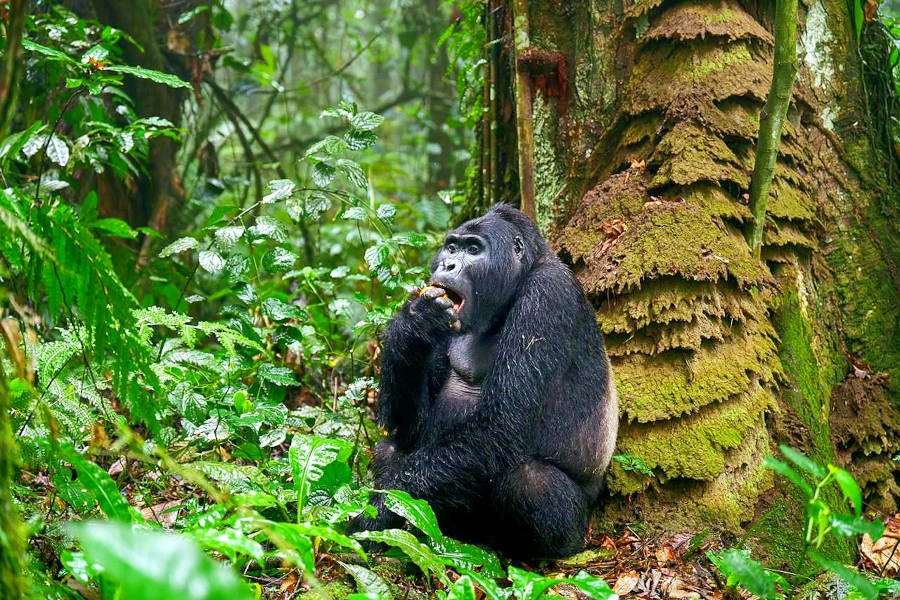
Uganda Gorilla Trekking Packages from Kigali. Kigali is fast becoming the easiest launchpad for one of Africa’s greatest wildlife encounters: coming face to face with a mountain gorilla family in Uganda’s Bwindi Impenetrable Forest. If you have landed in Rwanda, or you are already planning a trip that starts in Kigali, you do not need to fly all the way to Entebbe to track gorillas. A well-planned road transfer across the border puts you inside gorilla territory in as little as four hours, and it opens the door to some of the best value Uganda gorilla trekking packages from Kigali on the market today.
In this guide we break down every practical detail a traveller needs before booking: how the Kigali-to-Bwindi route actually works, what the different package lengths look like, how much a permit costs in 2026, which border post to use, and how to combine gorilla trekking with chimpanzee tracking or a classic savannah safari. We also cover the questions most first-time trekkers forget to ask — vaccination requirements, realistic budgets, group versus private trekking, and how to photograph the experience without disturbing the gorillas. Whether you have one day to spare or two full weeks, there is a package built around your timeline, budget, and sense of adventure.
Why Start Your Gorilla Trek in Kigali Instead of Entebbe
Most travellers assume gorilla trekking in Uganda means flying into Entebbe first. In reality, Kigali International Airport is often closer to Bwindi’s southern trekking sectors than Entebbe is. Rwanda’s road network is smooth, well signposted, and considerably faster to navigate than parts of western Uganda, which shaves real hours off your itinerary. Airlines such as RwandAir and Qatar Airways also run competitive fares into Kigali, and many international travellers find it cheaper and more convenient to combine a Rwanda arrival with a Uganda gorilla safari than to book two separate domestic legs.
There is also a strategic advantage: starting in Kigali lets you access Uganda’s lower-cost gorilla permits (around $800 versus Rwanda’s $1,500) while still enjoying Rwanda’s convenient airport and clean, quick roads for the first leg of the journey. For travellers weighing up a multi-country East Africa trip, this combination often ends up cheaper overall than trekking in Rwanda alone, even after factoring in the extra transfer time across the border. This is precisely why one-day gorilla safaris from Kigali and two-day Uganda gorilla tours have become so popular with time-conscious travellers.
Understanding Uganda Gorilla Trekking Packages from Kigali
A “package” in this context bundles your road transfer from Kigali, border formalities, accommodation near the park, the trekking permit, park entrance, ranger-guided trek, and usually meals. Packages are typically built around fixed durations — one day, two days, three days, five days, or longer — and the length you choose depends entirely on how much time you have and whether you want to add chimpanzee tracking or a savannah game drive to the itinerary.
Because gorilla permits are allocated to specific trekking sectors on specific dates, a good operator will lock in your permit weeks (ideally months) in advance, then design the transport and lodging schedule around that confirmed date. This is where working with a specialist matters: a company that understands both sides of the border, like Pick and Transfer Safaris, can coordinate the Rwanda departure, the border crossing paperwork, and the Uganda Wildlife Authority permit in one seamless booking rather than leaving you to piece it together yourself.
Bwindi Impenetrable National Park: Uganda’s Gorilla Trekking Capital
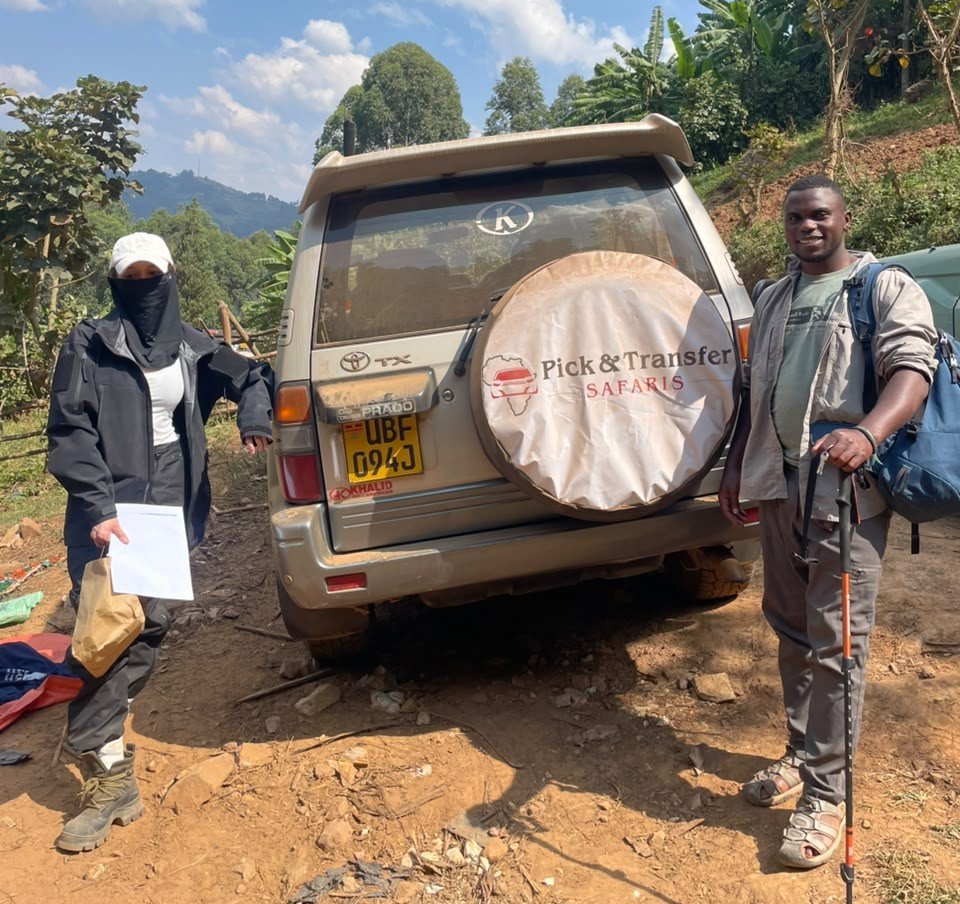
One day Uganda Gorilla Safari Starting from Kigali
It’s a long but thrilling day, and exactly the kind of efficient, “one foot in two countries, ” adventure that has made starting a gorilla safari from Kigali so popular
Tour Details →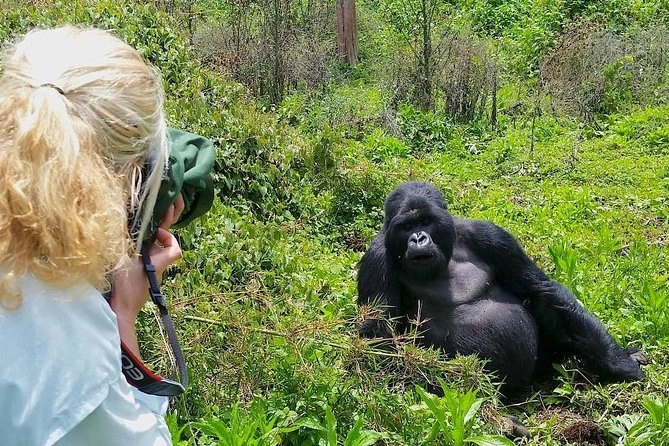
3 Days Uganda Gorilla Safari from Rwanda
This 3-day gorilla trekking package is designed to be quick, efficient, and unforgettable. Departing from Kigali, the itinerary takes advantage of Rwanda’s short distance to southwestern Uganda
Tour Details →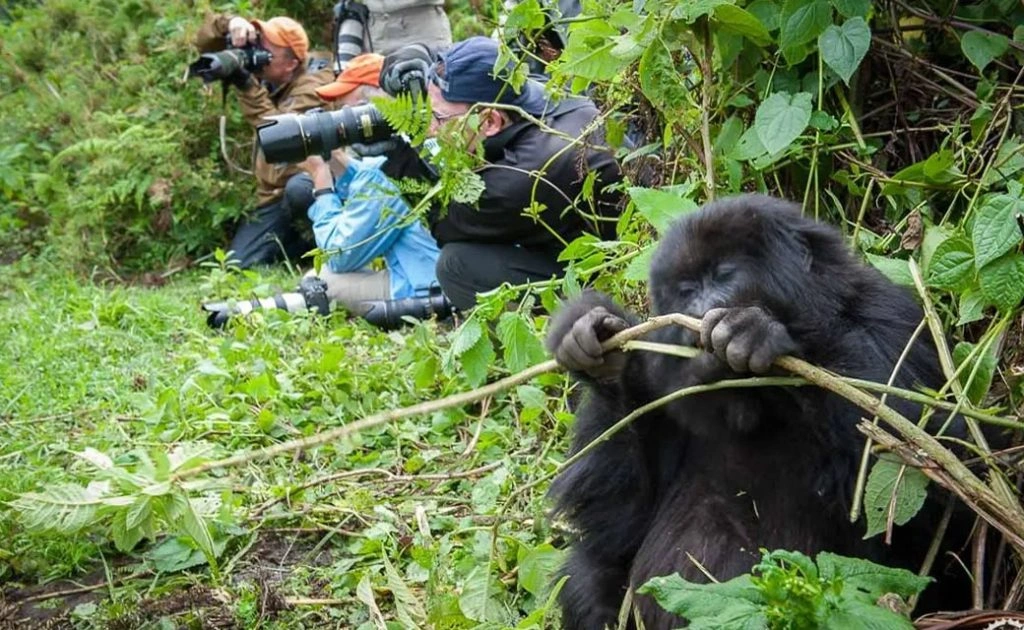
5 Days Uganda Gorilla and Chimps Safari from Rwanda
this 5-day safari is built around two of Africa’s most extraordinary forest encounters: tracking mountain gorillas in National Park and following wild chimps
Tour Details →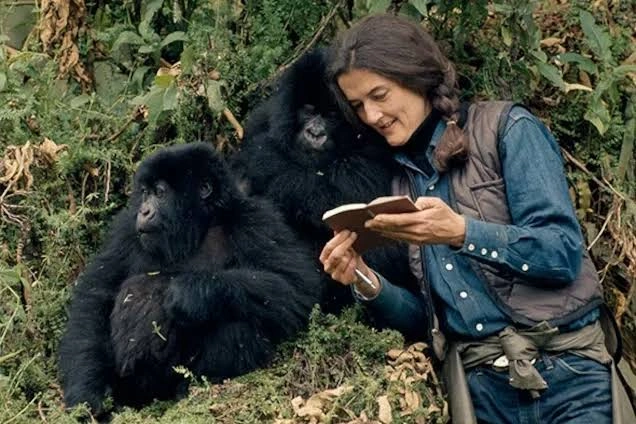
10 Days Uganda Primates and Wildlife
This 10-day Uganda Grand Safari is the most complete Uganda itinerary we offer at Pick and Transfer Safaris. It begins with a scenic northward drive from Entebbe to the vast open plains of Murchison Falls
Tour Details →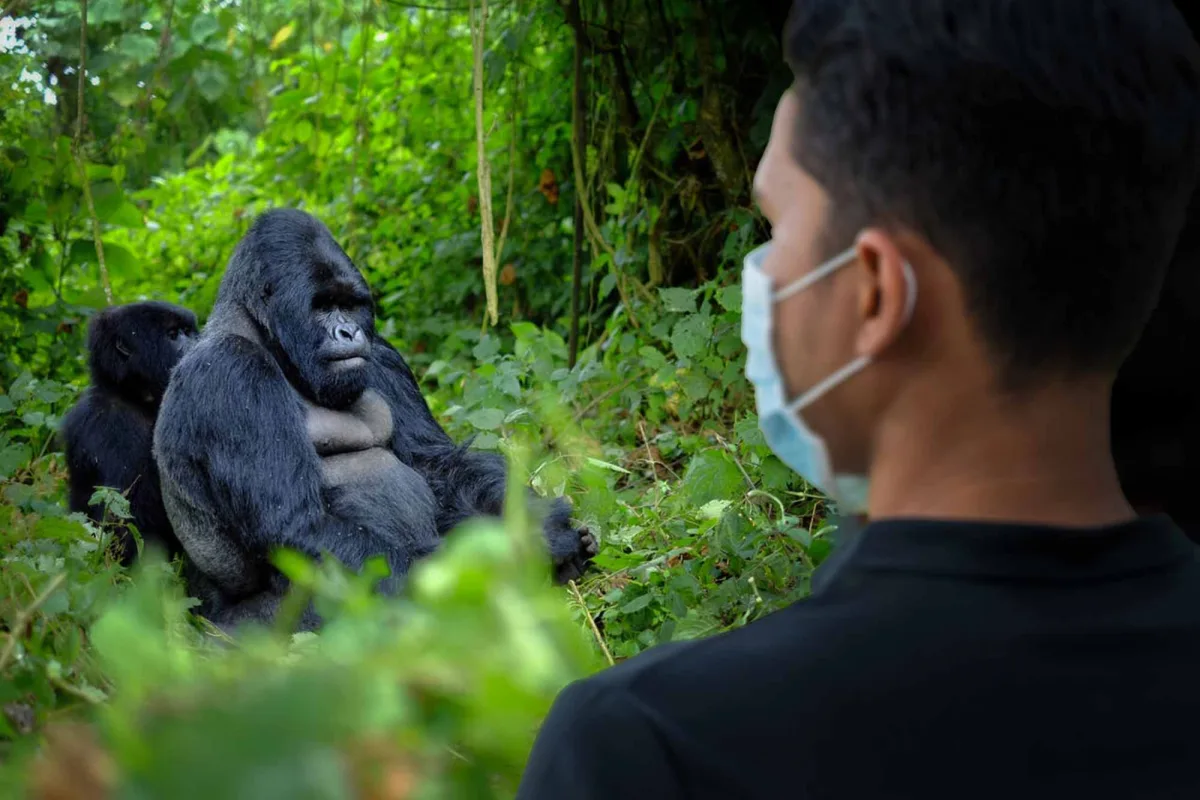
5 Days best of Rwanda Primate Safari
This 5-day Rwanda Primate Safari brings those two encounters together in a single, logically routed itinerary that begins and ends in Kigali and takes you to the two most important primate parks in Rwanda
Tour Details →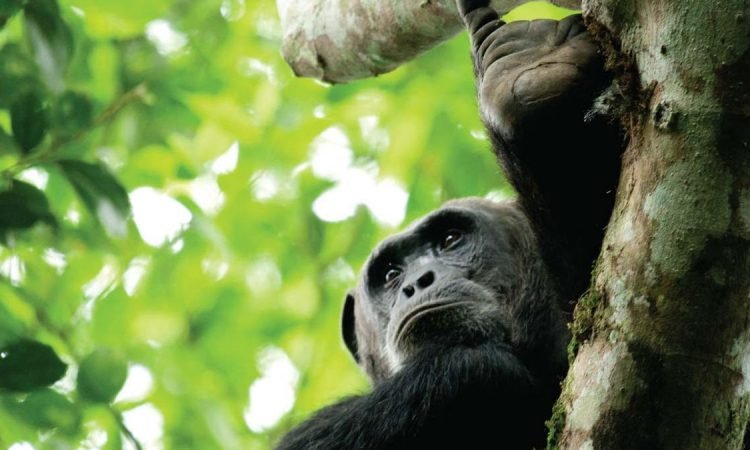
2 Days Nyungwe Chimps Tracking Trip
This 2-day trip from Kigali is built for travelers who want to experience Rwanda beyond the volcanoes: a long, scenic drive south through Rwanda’s thousand hills on day one
Tour Details →
3 Days Rwanda Gorilla Tracking and Cultural Tour
This 3-day tour pairs mountain gorilla trekking in Volcanoes National Park with a deeper look at Rwanda’s history and culture, both in Kigali City and in the communities living alongside the park itself.
Tour Details →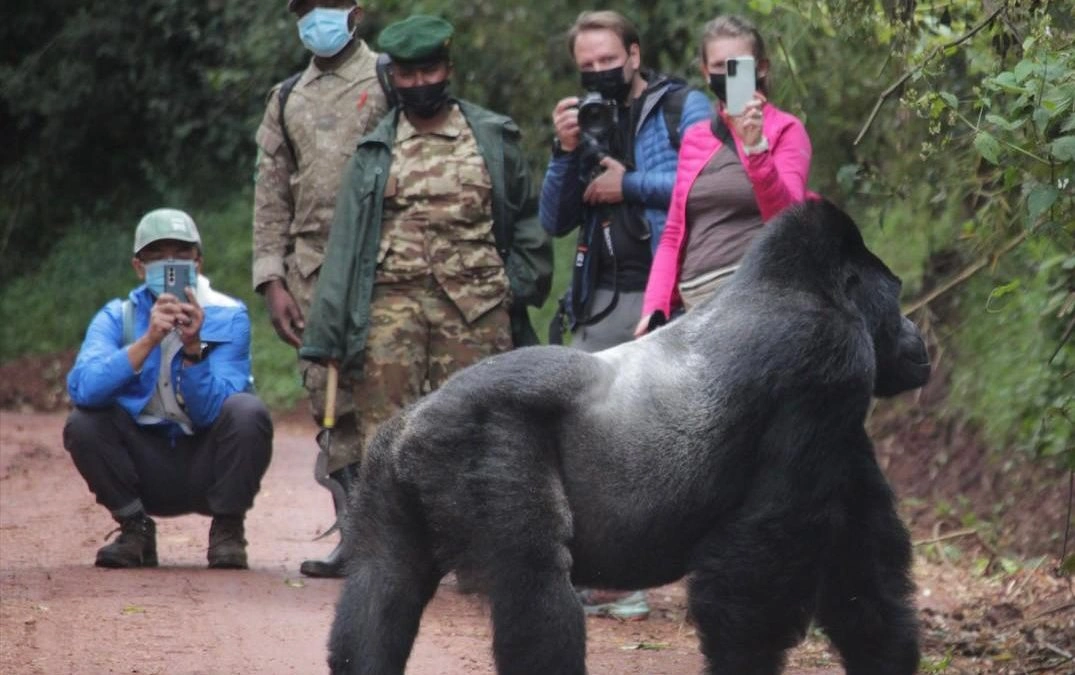
2 Days Volcanoes Gorilla Trek from Kigali
This itinerary stays entirely within Rwanda, with just a two-to-three-hour drive each way between Kigali and the foothills of the Virunga Mountains, so there’s no border paperwork to worry about.
Tour Details →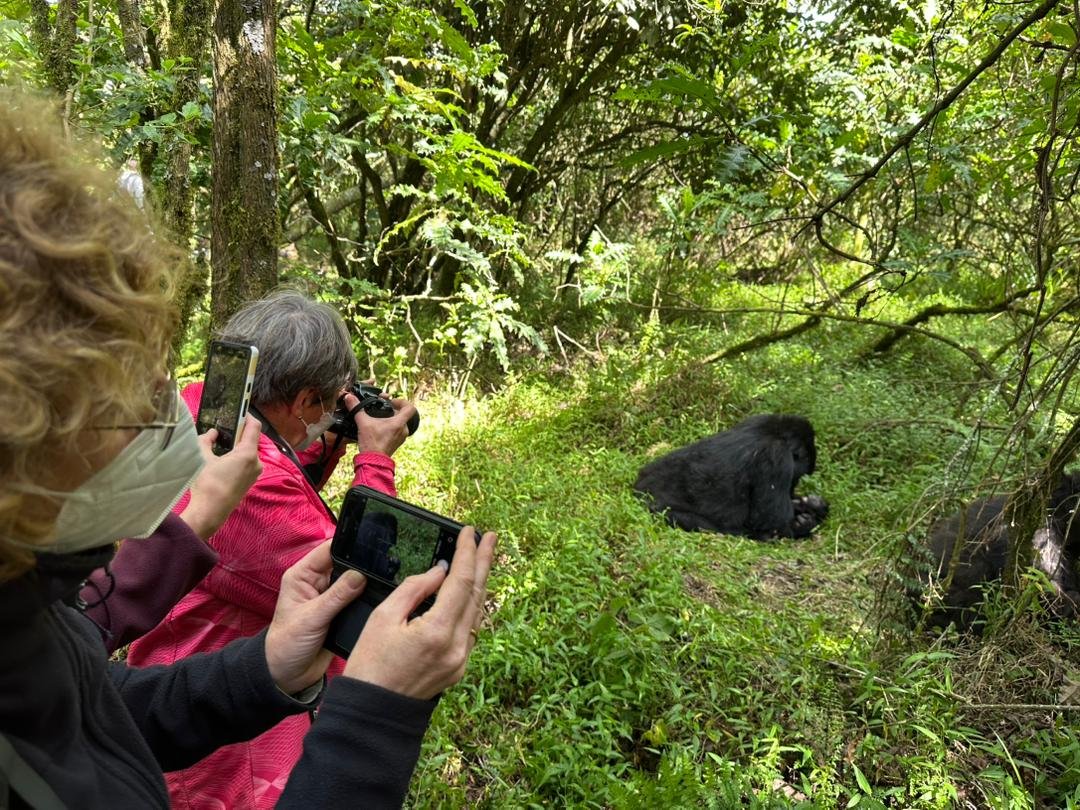
2 Days Uganda Gorilla Tour Starting from Kigali
Bwindi’s Rushaga and Nkuringo sectors sit just a few kilometres inside Uganda from the Cyanika crossing, making them the natural choice for a Kigali-based itinerary — Rushaga in particular has the greatest number of habituated gorilla families
Tour Details →Almost every gorilla trekking package from Kigali ends in one place: Bwindi Impenetrable National Park. This UNESCO World Heritage Site protects roughly half of the world’s remaining mountain gorilla population across four trekking sectors — Buhoma, Ruhija, Rushaga, and Nkuringo. Each sector has its own habituated gorilla families, its own access road, and its own distance from the Rwanda border, which is why the sector you are assigned matters just as much as the date.
For travellers coming from Kigali, the Rushaga and Nkuringo sectors in the south of the park are almost always the smarter choice. They sit closest to the Cyanika border crossing, cutting hours off the drive compared with reaching Buhoma in the north. A specialist operator will request a southern sector permit specifically because you are travelling from Rwanda, something generic booking platforms often overlook.
Mgahinga Gorilla National Park: The Quieter Alternative
Just a short drive from the Cyanika border, Mgahinga Gorilla National Park is Uganda’s smallest park and its most overlooked gorilla trekking destination. It usually holds a single habituated gorilla family, the Nyakagezi group, which means far fewer trekking permits are issued here than at Bwindi. For travellers who want a genuinely quiet, low-traffic trekking experience, and who are already crossing at Cyanika, Mgahinga is worth asking your operator about directly, especially if Bwindi permits for your preferred date are sold out.
Mgahinga also sits within the wider Virunga volcanic range shared with Rwanda’s Volcanoes National Park, so travellers with a bit more time sometimes combine a Mgahinga trek with volcano hiking or golden monkey tracking on the Rwandan side before or after crossing the border.
The Route: How You Actually Get from Kigali to Bwindi
There are two realistic road routes between Kigali and Bwindi, and your choice largely depends on which trekking sector your permit is allocated to.
The Cyanika route runs from Kigali through Musanze (the gateway town for Volcanoes National Park), across the Cyanika border post, and on to Kisoro before reaching the southern Bwindi sectors of Rushaga and Nkuringo. This is the shorter option, typically four to five hours including border processing, and it is the route used for most Uganda gorilla safaris departing from Rwanda.
The Katuna (Gatuna) route heads further north from Kigali, crossing into Uganda near Kabale before continuing on to the Buhoma sector in the north of Bwindi. This route takes closer to five to six hours and is generally used only when your confirmed permit is specifically for Buhoma or Ruhija.
Both borders are open daily and processing is usually straightforward with a valid passport and, where required, a visa or East Africa Tourist Visa. Your transfer vehicle and driver-guide will handle the paperwork logistics, but it helps to have your travel documents and any pre-approved visa confirmation ready in a folder for a smooth crossing.
Gorilla Permit Costs in 2026: Uganda vs Rwanda
Cost is usually the single biggest factor pulling travellers toward a Uganda gorilla trekking package rather than trekking directly in Rwanda. As of 2026, a Uganda Wildlife Authority gorilla permit costs around $800 per person for foreign non-residents during peak months, with a discounted rate of roughly $600 available in the low season months of April, May, and November. Foreign residents pay a slightly reduced rate, and East African citizens pay a heavily discounted local rate in Uganda shillings.
By comparison, a Rwanda gorilla permit for Volcanoes National Park costs $1,500 per person, nearly double the Uganda price, though Rwanda does offer seasonal discounts of up to 30 percent when combined with a Nyungwe or Akagera visit during the November-to-May window. This price gap is exactly why so many Kigali-based travellers choose to cross into Uganda for their trek rather than booking a Rwandan permit, while still enjoying Rwanda’s convenient airport and road network. You can read a detailed breakdown of the crossing logistics in this guide to how far Bwindi is from Kigali.
Whichever park you choose, permits are limited and allocated on a first-come basis, so booking three to six months ahead — earlier for July, August, and December travel — is strongly recommended. A trusted operator will confirm your permit in writing before you pay any balance.
One-Day Uganda Gorilla Safari from Kigali
For travellers with an extremely tight schedule, a one-day Uganda gorilla safari from Kigali is genuinely possible, though it makes for a long and early day. You leave Kigali before dawn, cross at Cyanika, arrive at the Rushaga or Nkuringo park headquarters in time for the standard 7:30am briefing, complete your trek (which can range from one to eight hours depending on where the gorillas are that morning), then drive back to Kigali the same evening.
This option suits travellers on a stopover, business travellers with a single free day, or anyone who simply cannot spare an overnight stay in Uganda. It is physically demanding and weather-dependent, so it is worth discussing your fitness level honestly with your operator before booking, since a long trek combined with two border crossings in one day is not for everyone.
Two-Day Uganda Gorilla Tour from Kigali
The two-day Uganda gorilla tour from Kigali is the most popular package for a reason: it removes the pressure of the one-day dash while still fitting neatly into a short Rwanda itinerary. Day one covers the drive from Kigali, the border crossing, and check-in at a lodge near the park, leaving the afternoon free to rest, unpack, and enjoy the mountain scenery. Day two is the trek itself, followed by the drive back to Kigali, arriving in the evening.
This format gives your body a chance to acclimatise to the altitude and gives you a buffer if the border crossing or road conditions run slower than expected. It is comparable to the two-day itinerary offered as a 2-day Uganda gorilla safari from Kigali, and it remains the format most first-time trekkers choose.
Three-Day Uganda Gorilla Safari Options
A three-day itinerary opens up meaningful flexibility. Some travellers use the extra day for a more relaxed pace with two nights near Bwindi rather than one, reducing the total driving time per day. Others use a 3-day Uganda gorilla safari from Rwanda to add a cultural visit to a Batwa community, a nature walk, or a birding excursion around the park on the middle day.
There is also a dedicated 3-day Uganda gorilla safari package for travellers who prefer a slower, more immersive experience without adding extra activities, simply allowing more time to enjoy Bwindi’s forest trails and birdlife between the drive and the trek itself. If you are comparing similar formats, Kenlink Tours offers an equivalent 3-day Uganda gorillas safari that follows the same southern-sector logic.
Combining Gorilla Trekking with Chimpanzee Tracking
Uganda is one of the only countries in the world where you can track both mountain gorillas and chimpanzees within the same short trip, and doing so from Kigali is entirely realistic. A 5-day Uganda gorilla and chimps safari from Rwanda typically pairs a Bwindi gorilla trek with chimpanzee tracking in Kalinzu Forest or Kyambura Gorge, both of which sit conveniently along the road between Bwindi and Queen Elizabeth National Park.
Travellers with slightly more time often choose the dedicated 5-day gorilla and chimpanzee safari, or extend further with a 3-day chimpanzee tour layered onto their gorilla trek. Kenlink’s 3-day chimpanzee tracking safari and 9-day Uganda Rwanda gorilla and big five safari both illustrate how naturally these two primate experiences fit together on one itinerary.
Adding a Big Five Safari: Queen Elizabeth and Murchison Falls
Gorilla trekking pairs beautifully with a classic savannah safari, and Uganda has two standout options within reach of Bwindi. Queen Elizabeth National Park sits just a few hours’ drive north of Bwindi and is famous for tree-climbing lions, the Kazinga Channel boat cruise, and dense populations of elephant, buffalo, and hippo. Many travellers extend their trip with the 3-day safari to Queen Elizabeth National Park directly after their gorilla trek.
For those with a full week or more, Murchison Falls National Park, home to the thunderous point where the Nile squeezes through a narrow gorge, is a worthwhile addition via the 3-day Murchison Falls safari. Both parks can be combined with gorilla trekking inside a broader 10-day Uganda primates and wildlife itinerary, giving you gorillas, chimpanzees, and the Big Five in a single, well-paced trip. Kenlink’s 3-day wildlife encounter to Queen Elizabeth National Park is a useful comparison point if you are weighing up how much time this leg needs.
Staying on the Rwanda Side: Volcanoes and Akagera Add-Ons
Not every traveller wants to spend all their extra days in Uganda. If your flight home departs from Kigali, it often makes sense to bookend your Uganda gorilla trek with a day or two exploring Rwanda itself. A 2-day Volcanoes gorilla trek from Kigali lets you compare Rwandan and Ugandan gorilla families back to back, while a stop in Akagera National Park adds classic savannah game viewing, including the Big Five, without straying far from the capital.
Travellers who want a single itinerary covering both countries’ primate parks often choose the 3-day Rwanda gorilla tracking and cultural tour, which can be booked either as a standalone Rwanda trip or as a natural lead-in to a Uganda extension. Kenlink’s own 3-day Rwanda gorilla safari and Rwanda safaris pages are worth a look if you want to weigh Rwanda-only options before deciding to cross the border.
Best Time of Year for Gorilla Trekking from Kigali
Uganda’s gorilla trekking regions experience two dry seasons that make trails easier to navigate and gorilla sightings more predictable: June through September, and December through February. These months see lower rainfall in the Bwindi and Mgahinga highlands, firmer trekking paths, and generally clearer mountain views, though gorilla trekking runs year-round regardless of season since the forest is, by definition, never completely dry.
The rainy months of March to May and October to November bring lower prices, thinner crowds, and Uganda’s discounted low-season permit rate, which can make them attractive for budget-conscious or flexible travellers who do not mind muddy trails and the occasional downpour. Whichever season you choose, book your permit well ahead of your travel dates, since Bwindi’s daily trekking slots are capped and fill quickly around the July-August and December holiday peaks.
Physical Fitness and What the Trek Actually Involves
Gorilla trekking is not a casual nature walk. Trails climb steep, often muddy volcanic slopes through dense forest, at altitudes above 2,000 metres, and a trek can last anywhere from one to eight hours round trip depending on where the tracked gorilla family is that day. Rangers and trackers head out ahead of visitor groups at dawn to locate the gorillas, then radio back their position, which is why start times and durations vary daily.
Reasonable fitness helps enormously, but trekking poles (often provided free at the park headquarters) and porters (hired locally for a modest fee) make the climb accessible to a wide range of ages and fitness levels. Porters are also a direct, meaningful way to support the local community around the park, and most operators actively encourage hiring one regardless of your fitness level.
Rules and Etiquette During a Gorilla Encounter
Once your trekking group locates the gorilla family, you are permitted exactly one hour in their presence, a rule strictly enforced by the Uganda Wildlife Authority to minimise stress on the animals. Visitors must maintain a minimum distance of seven metres from the gorillas, speak quietly, avoid direct eye contact with a silverback, and never eat, drink, or use flash photography near the group.
Anyone with a cold, flu, or other contagious illness should not join a trek that day, since mountain gorillas share close to 98 percent of human DNA and are highly susceptible to human respiratory illnesses. A maximum of eight visitors is permitted per gorilla family per day, which is also why permits are so tightly capped and why early booking matters.
Where to Stay Near Bwindi and Mgahinga
Accommodation near the southern Bwindi sectors ranges from comfortable mid-range lodges to high-end luxury camps, most positioned along the ridge overlooking the forest with views toward the Virunga volcanoes. Because permits are sector-specific, it is worth confirming your lodge’s proximity to your assigned trekking point (Rushaga or Nkuringo) before booking, since driving between sectors on trek morning can add an hour or more.
Operators booking your Uganda gorilla safari will typically handle lodge selection as part of the package, matching your budget and sector. If you are travelling as part of a longer itinerary that includes Kigali city, it is also worth spending a night exploring the capital itself; see our overview of Kigali City for ideas on where to stay before or after your trek.
Budget travellers can find simple guesthouses in Kisoro town, a short drive from both the Rushaga and Nkuringo trailheads, while mid-range travellers tend to prefer lodges perched directly on the ridge above the forest, offering the sound of the jungle at night and volcano views at sunrise. Luxury travellers have several boutique camps to choose from around Nkuringo, several of which run their own community projects. Whichever tier you choose, book accommodation and permit together where possible, since a lodge close to the wrong sector can add a costly early-morning drive on trek day.
What to Pack for a Kigali-to-Bwindi Gorilla Trek
Pack light but smart. Essentials include sturdy waterproof hiking boots, a rain jacket (even in dry season, mountain weather changes fast), long trousers and long sleeves in neutral colours to protect against nettles and insects, gardening gloves for gripping vegetation on steep sections, and a daypack with water and energy snacks. Binoculars and a zoom-capable camera are worth carrying, though a phone camera captures perfectly good gorilla photos at the permitted seven-metre distance.
Bring your passport, yellow fever vaccination card, and any visa documentation for the border crossing, along with cash in small denominations for tipping rangers, trackers, and porters, since tipping is customary and card payment is rarely available at the park gate itself.
Visas and Border Documentation for the Kigali–Uganda Crossing
Most nationalities travelling between Rwanda and Uganda can use the East Africa Tourist Visa, a single visa valid for travel across Rwanda, Uganda, and Kenya, which is ideal for exactly this kind of cross-border gorilla safari. Alternatively, single-entry Uganda visas can be arranged online in advance or, for many nationalities, on arrival at the land border itself.
Your operator should confirm which visa option suits your nationality before you travel and provide clear instructions for the crossing, since arriving at Cyanika or Katuna without the correct paperwork is one of the few things that can genuinely derail an otherwise smooth gorilla trekking package. For general planning context on Uganda entry requirements, Kenlink’s Uganda travel guide is a useful reference point.
Why Book Your Gorilla Trekking Package with a Kigali-Based Specialist
Booking a Uganda gorilla trek from Kigali is genuinely more complex than booking one from Entebbe, because it involves two countries, two sets of park authorities, and a land border crossing that has to be timed precisely against your permit date. This is exactly the gap that Pick and Transfer Safaris was built to close: a dedicated cross-border operator that secures your permit with the Uganda Wildlife Authority, arranges a comfortable 4×4 transfer from Kigali, manages border formalities, and books lodging matched to your trekking sector.
Rather than juggling a Rwanda-based transport company and a separate Uganda-based park booking agent, travellers get one point of contact for the entire Uganda and Rwanda safari experience, from airport pickup in Kigali to drop-off after the trek. You can review the full range of primate-focused itineraries on the gorilla safaris page, or reach out directly through the contact page to discuss dates and permit availability.
Extending Your Trip: Longer Uganda-Rwanda Combination Safaris
For travellers who want to see considerably more than gorillas, longer combination itineraries make efficient use of the Kigali entry point. The 7-day Uganda Rwanda safari adventure and 10-day Uganda Rwanda safari both weave gorilla trekking together with savannah game drives, chimpanzee tracking, and cultural encounters across both countries, while longer options such as the 15-day Rwanda Uganda safari and 20-day Uganda Rwanda Burundi combo suit travellers planning the trip of a lifetime.
These longer itineraries fall under our broader extended safaris collection, and pairing them with a Kigali arrival keeps logistics simple since every leg, gorilla trekking included, is coordinated by the same operator from start to finish. Kenlink Tours’ own 10-day Uganda Rwanda combining safari and 15-day Rwanda Uganda primate big five adventure are worth reviewing for a sense of how a longer multi-country route is typically paced.
Getting Around: Car Hire and Self-Drive Considerations
While most travellers book a guided transfer with a driver-guide, a small number choose to self-drive between Kigali and Bwindi. This is only advisable for confident, experienced drivers familiar with East African road conditions, since the final stretch into Bwindi involves steep, unpaved switchbacks that a standard sedan cannot handle safely. A 4×4 vehicle is essential regardless of who is driving.
If you would rather arrange your own vehicle without a full guided package, options such as Kenlink’s car hire service are worth comparing against a fully guided transfer, though most first-time visitors find a driver-guide safer, faster at the border, and better placed to navigate sector-specific park access roads on trekking morning.
Group Trekking vs a Private Gorilla Experience
Most gorilla permits are issued for standard group trekking, where up to eight visitors are assigned to a single habituated family alongside two armed rangers and one or two trackers. This is the most affordable and widely available option, and it is what nearly every package listed on the gorilla safaris page is built around. Group trekking also means you share the trail with like-minded travellers, which many people enjoy as part of the overall adventure.
For travellers who want more flexibility, both Uganda and Rwanda offer a small number of private or “habituation” experience permits. In Uganda, gorilla habituation permits allow visitors to spend up to four hours with a gorilla family that is still being acclimatised to human presence, offering a longer, less crowded encounter for a higher fee. Rwanda’s private trekking option goes further, allowing a solo visitor or small private party to book an entire gorilla family for the day. These premium options are worth discussing with your operator if budget is not the primary constraint and you want the most exclusive possible encounter.
Health, Vaccinations, and Safety Tips for the Crossing
A valid yellow fever vaccination certificate is mandatory for entry into both Rwanda and Uganda, and border officials do check it, so pack it alongside your passport rather than leaving it at your hotel. Malaria is present in both countries at the elevations most travellers pass through, so antimalarial medication, a good repellent, and long sleeves in the evenings are sensible precautions, even though the higher altitude around Bwindi and the Virunga foothills carries somewhat lower risk than the lowlands.
Travel insurance that specifically covers trekking and evacuation is strongly recommended given the remote terrain, and it is worth confirming your policy covers activities above a certain altitude. As noted earlier, anyone feeling unwell with a cold or flu on the morning of their trek should tell their guide immediately rather than joining the group, both to protect their own health at altitude and to protect the gorillas from human respiratory illness.
Cultural Encounters Around Bwindi and Mgahinga
The communities bordering Bwindi and Mgahinga add real depth to a gorilla trekking package, and most itineraries can accommodate a half-day cultural add-on without disrupting the trekking schedule. A visit to a Batwa community, Uganda’s indigenous forest people who once lived inside Bwindi itself, offers insight into traditional forest life, music, and medicinal plant knowledge, usually arranged as a short guided walk near the park boundary.
Other popular additions include a coffee or banana beer tasting with a local cooperative, a visit to the Ivi River or Nkuringo cultural walks, or simply a stroll through a nearby trading centre. These experiences are easy to slot into a three-day gorilla safari from Rwanda or longer, and they channel tourism income directly into the communities that share a border with the park.
Photography Tips for Your Gorilla Trek
Bwindi’s forest canopy is dense, so even on a bright day the light at ground level is often low and mottled, which can be a challenge for photography. A camera or phone with reasonable low-light performance, and a strap or harness to keep your hands free on steep sections, will serve you far better than a heavy zoom lens you have to carry the whole trek. Flash photography is strictly prohibited within the seven-metre viewing zone, so it is worth practising your camera’s low-light settings before you travel.
Because your hour with the gorillas moves quickly, it helps to spend the first few minutes simply watching rather than shooting, both to get your bearings and to genuinely absorb the experience before reaching for a camera. Rangers are usually happy to point out good, safe vantage points as the family moves, so follow their lead rather than repositioning yourself.
Budget Breakdown: What a Kigali Gorilla Package Actually Costs
A realistic per-person budget for a two-day Uganda gorilla trekking package from Kigali generally breaks down into four components: the Uganda gorilla permit ($800 peak season or $600 low season), ground transport and border transfer fees, one or two nights of accommodation near Bwindi (ranging from budget guesthouses to luxury lodges), and park entrance plus guide and ranger fees, which are usually bundled into the permit cost. On top of this, most travellers budget $20 to $30 per day for tips to drivers, trackers, rangers, and porters, and a modest amount for meals not included in the package.
Mid-range two-day packages booked through a specialist operator typically land in the range of $900 to $1,400 per person depending on lodge category and group size, while budget travellers sharing a vehicle and staying in simpler guesthouses can bring that figure down considerably. Because the permit itself is the fixed, non-negotiable cost, the biggest lever travellers have to control their budget is accommodation choice, which is worth discussing openly with your operator when requesting a quote through the contact page.
Conservation and Responsible Gorilla Tourism
Every gorilla permit fee directly funds conservation. A significant share of Uganda Wildlife Authority permit revenue is reinvested into anti-poaching patrols, veterinary monitoring of habituated gorilla families, and revenue-sharing programmes that channel a percentage of park income back into neighbouring communities through schools, clinics, and infrastructure. This is a large part of why mountain gorillas are one of the only great ape populations in the world with a growing rather than shrinking population.
Travellers can support this further by hiring local porters, buying from community craft cooperatives near the park, and choosing operators who follow strict trekking guidelines around distance, group size, and hygiene. Booking through an operator embedded in the region, rather than a faceless international platform, also tends to keep more of your spending within Uganda and Rwanda’s local tourism economy.
Frequently Asked Questions About Gorilla Trekking from Kigali
How far is Bwindi from Kigali? Roughly 160 to 200 kilometres, translating to four to six hours of driving depending on which Bwindi sector your permit is for and which border post you cross at.
Can I do gorilla trekking from Kigali in one day? Yes, a same-day round trip is possible via the Cyanika border to the Rushaga or Nkuringo sectors, though it makes for a long, early start and is only recommended for travellers comfortable with a demanding single-day itinerary.
Do I need a separate visa for Uganda if I am flying into Kigali? In most cases yes, unless you hold the East Africa Tourist Visa, which covers Rwanda, Uganda, and Kenya on one document. Check requirements for your nationality before booking.
Is it cheaper to trek gorillas in Uganda or Rwanda? Uganda, considerably so. A Uganda permit costs around $800 (or $600 in low season) compared with Rwanda’s $1,500 standard rate.
What is the minimum age for gorilla trekking? Fifteen years old in both Uganda and Rwanda.
How fit do I need to be? Reasonably fit is enough for most sectors; steep terrain and altitude make it more demanding than a casual walk, but porters and trekking poles are available for anyone who wants extra support.
Which Bwindi sector is best when travelling from Kigali? Rushaga and Nkuringo, both in the south of the park, are closest to the Cyanika border and are the sectors most Kigali-based operators will request on your behalf.
Can I combine gorilla trekking with chimpanzee tracking on the same trip? Yes. Kibale Forest and Kyambura Gorge are the two main chimpanzee tracking sites, and both can be added to a Bwindi gorilla itinerary with a few extra days, as outlined in our Kibale Forest National Park guide.
How far in advance should I book my permit? Three to six months is a safe minimum, and up to a year ahead for July, August, or December travel, when demand for Bwindi permits is highest.
Final Thoughts: Planning Your Uganda Gorilla Trekking Package from Kigali
Trekking mountain gorillas is one of the most extraordinary wildlife experiences left on the planet, and starting that journey from Kigali is often the smartest way to do it: lower permit costs, a fast and scenic road route, and the flexibility to combine gorillas with chimpanzees, savannah wildlife, or a deeper look at Rwanda itself. Whether you have a single day to spare or two weeks to explore both countries properly, there is a package length and route built for your trip.
Every itinerary in this guide, from the one-day dash across Cyanika to the full two-week Uganda-Rwanda combination, can be booked and tailored around your arrival date, group size, and budget. The permit is the one fixed variable; everything else — route, sector, lodge tier, and add-on activities — can flex to match how much time and money you want to put into the trip. Start with a realistic timeline, confirm your permit early, and the rest of the logistics fall into place quickly with the right operator on the ground.
Ready to lock in your gorilla permit and plan the crossing from Kigali? Browse the full range of gorilla trekking packages, explore all Uganda and Rwanda destinations, learn more about who we are on the about us page, or get in touch through our contact page and let our team build an itinerary around your dates.