- LET'S PLAN YOUR SAFARI
- +256 200 921 002
- +256 793 194 703
- info@pickandtransfersafaris.com

Cheap Gorilla Safaris
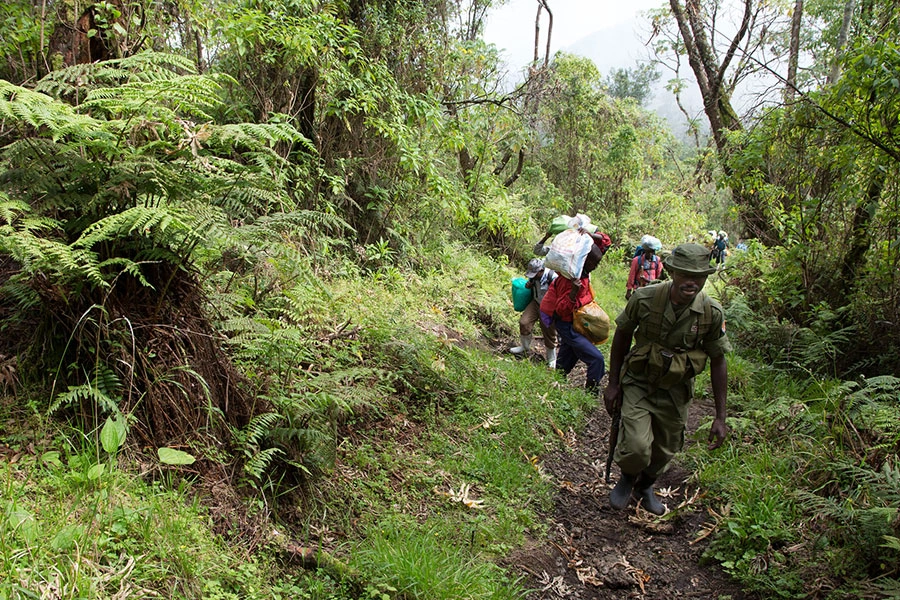
Cheap Gorilla Safaris. Gorilla trekking has a reputation for being one of the most expensive wildlife experiences on the planet, and in some countries that reputation is fair. But “cheap gorilla safaris” is not a contradiction in terms. With the right country, the right season, and the right operator, it is entirely possible to track mountain gorillas in the wild for a fraction of what many travellers assume it costs. This guide walks through every lever you can actually pull to bring the price down, without cutting corners on safety, permits, or the quality of the encounter itself.
We will cover where the cheapest legitimate gorilla permits are sold, which months trigger real discounts, how to choose budget-friendly accommodation near the park, how group size and vehicle sharing change your per-person cost, and how a well-planned gorilla safari package can keep your total spend well below what most people expect to pay for this once-in-a-lifetime encounter. By the end, you should be able to build a realistic, itemised budget for your own trip rather than relying on the vague headline prices most gorilla safari websites lead with.
What “Cheap” Actually Means in Gorilla Trekking
Before diving into savings tactics, it helps to be realistic about the floor price. Gorilla trekking will never be a $50-a-day backpacker activity, because the permit itself is a fixed government fee that funds conservation and community programmes, and it cannot be discounted away by any operator. What “cheap” really means here is minimising every cost around that fixed permit fee: transport, accommodation, extra activities, and timing, so that your total trip cost lands as low as it legitimately can.
Anyone offering a gorilla trekking permit at a suspiciously low price outside the official discount windows described below is almost certainly not offering a real, verifiable permit. Always confirm your permit is being booked directly with the Uganda Wildlife Authority or Rwanda Development Board through a licensed operator before paying anything.
Think of a cheap gorilla safari less as a single discounted product and more as the sum of several smaller decisions, each of which shaves a little off the total without touching the core experience: which country you trek in, which month you travel, how many people share your vehicle, and which tier of lodge you sleep in the night before. Stack enough of these decisions in your favour and the final bill can look dramatically different from the headline prices quoted on most gorilla safari websites.
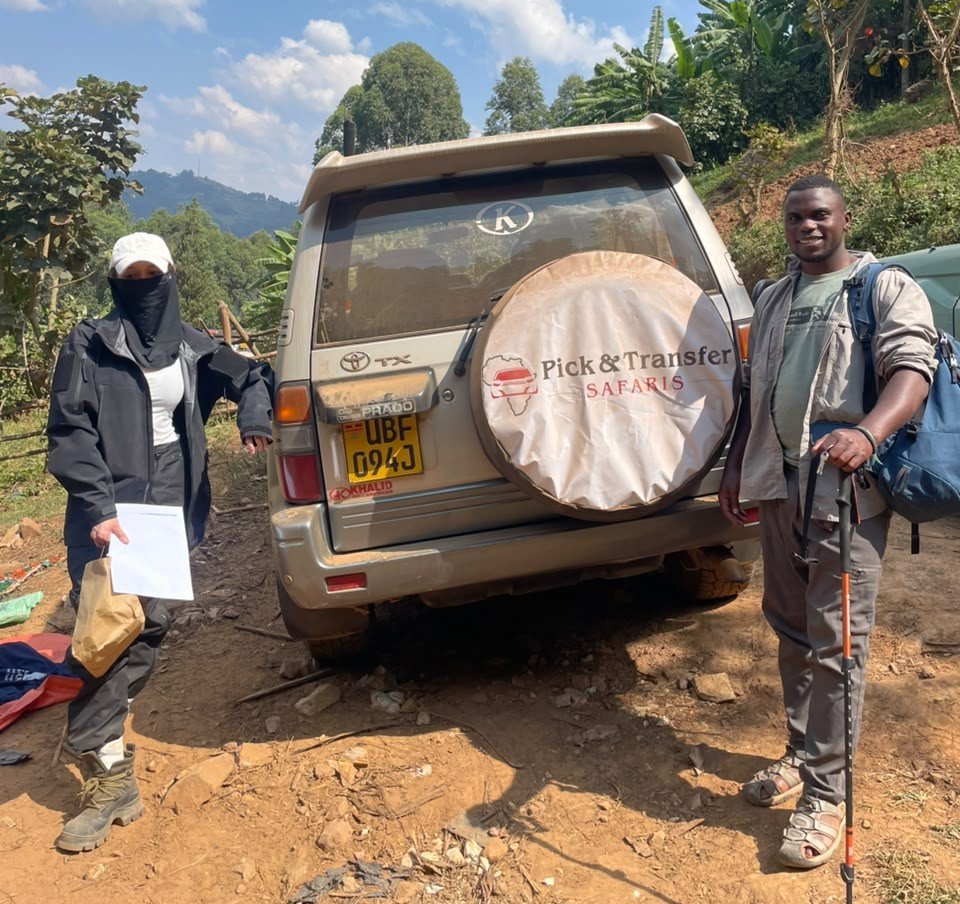
One day Uganda Gorilla Safari Starting from Kigali
It’s a long but thrilling day, and exactly the kind of efficient, “one foot in two countries, ” adventure that has made starting a gorilla safari from Kigali so popular
Tour Details →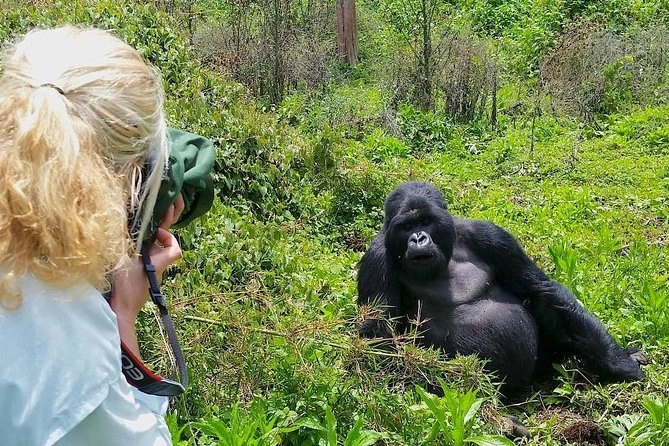
3 Days Uganda Gorilla Safari from Rwanda
This 3-day gorilla trekking package is designed to be quick, efficient, and unforgettable. Departing from Kigali, the itinerary takes advantage of Rwanda’s short distance to southwestern Uganda
Tour Details →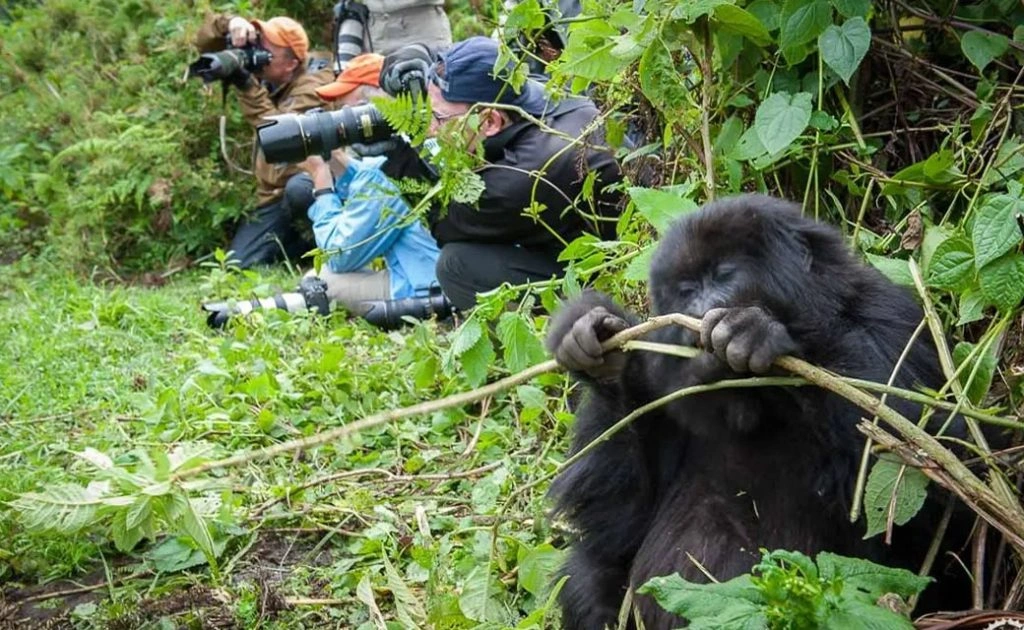
5 Days Uganda Gorilla and Chimps Safari from Rwanda
this 5-day safari is built around two of Africa’s most extraordinary forest encounters: tracking mountain gorillas in National Park and following wild chimps
Tour Details →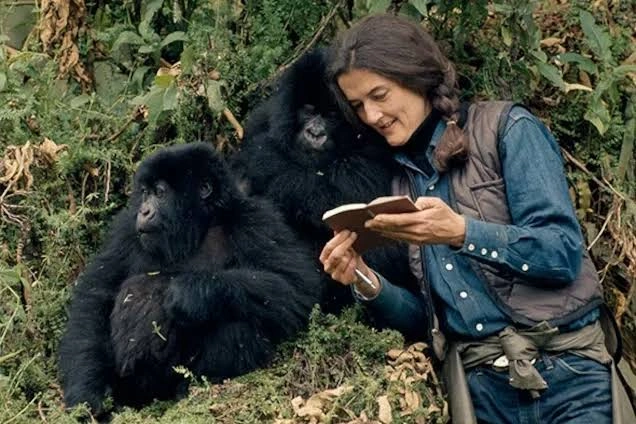
10 Days Uganda Primates and Wildlife
This 10-day Uganda Grand Safari is the most complete Uganda itinerary we offer at Pick and Transfer Safaris. It begins with a scenic northward drive from Entebbe to the vast open plains of Murchison Falls
Tour Details →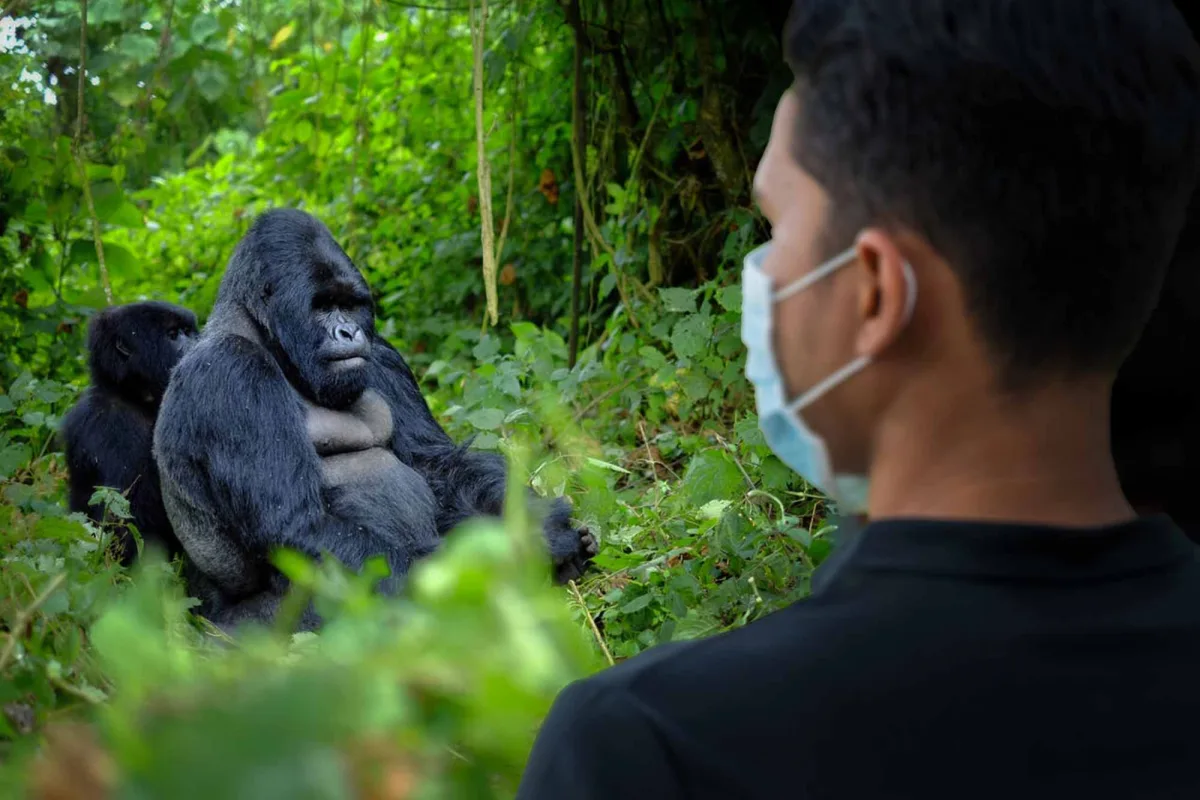
5 Days best of Rwanda Primate Safari
This 5-day Rwanda Primate Safari brings those two encounters together in a single, logically routed itinerary that begins and ends in Kigali and takes you to the two most important primate parks in Rwanda
Tour Details →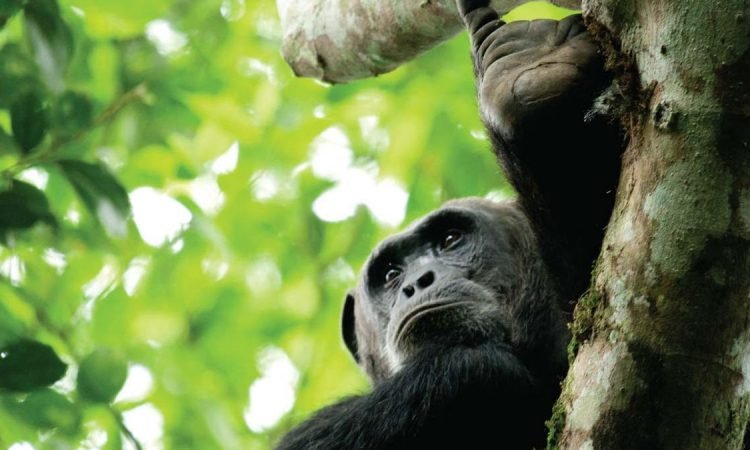
2 Days Nyungwe Chimps Tracking Trip
This 2-day trip from Kigali is built for travelers who want to experience Rwanda beyond the volcanoes: a long, scenic drive south through Rwanda’s thousand hills on day one
Tour Details →
3 Days Rwanda Gorilla Tracking and Cultural Tour
This 3-day tour pairs mountain gorilla trekking in Volcanoes National Park with a deeper look at Rwanda’s history and culture, both in Kigali City and in the communities living alongside the park itself.
Tour Details →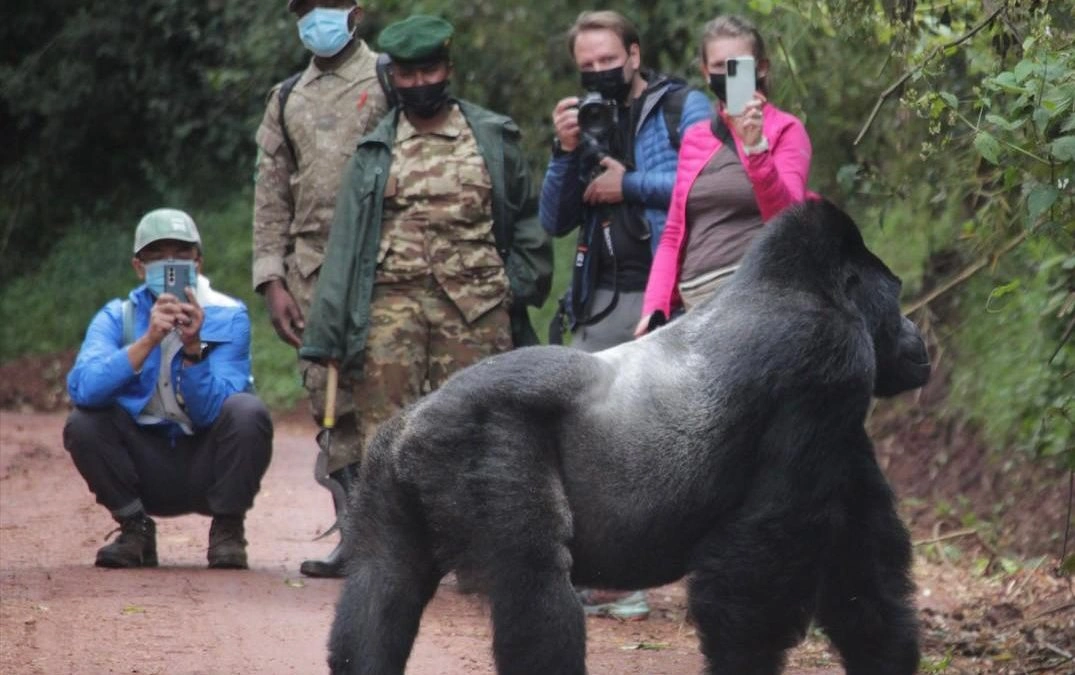
2 Days Volcanoes Gorilla Trek from Kigali
This itinerary stays entirely within Rwanda, with just a two-to-three-hour drive each way between Kigali and the foothills of the Virunga Mountains, so there’s no border paperwork to worry about.
Tour Details →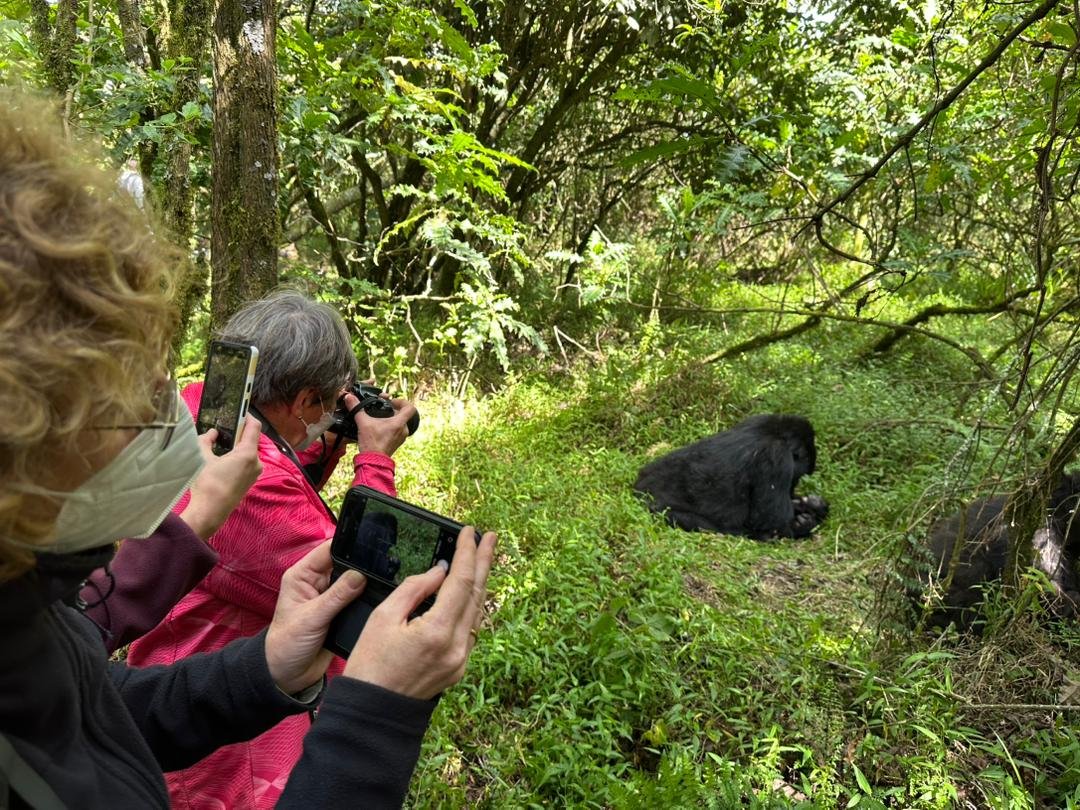
2 Days Uganda Gorilla Tour Starting from Kigali
Bwindi’s Rushaga and Nkuringo sectors sit just a few kilometres inside Uganda from the Cyanika crossing, making them the natural choice for a Kigali-based itinerary — Rushaga in particular has the greatest number of habituated gorilla families
Tour Details →Uganda vs Rwanda: Where Cheap Gorilla Safaris Actually Exist
The single biggest lever in the entire “cheap gorilla safari” equation is which country you trek in. A Rwanda gorilla permit for Volcanoes National Park costs $1,500 per person. A Uganda gorilla permit for Bwindi Impenetrable National Park or Mgahinga Gorilla National Park costs roughly $800 in peak season, and as little as $600 in the discounted low season. That is nearly a $900 difference per person before you have booked a single night of accommodation.
This is why almost every genuinely budget-conscious gorilla itinerary is built around Uganda rather than Rwanda, even for travellers flying into Kigali. A two-day Uganda gorilla tour from Kigali lets you use Rwanda’s convenient airport while still paying Uganda’s lower permit price, which is the most effective single money-saving decision most travellers can make.
Low-Season Gorilla Permit Discounts (April, May, and November)
Uganda Wildlife Authority runs an official low-season discount that drops the standard $800 permit to around $600 per person during April, May, and November, the shoulder months between Uganda’s two dry seasons. These months see more rainfall and muddier trails, which is exactly why the discount exists, but the trekking itself still runs daily and gorilla sightings are not meaningfully affected by rain.
The trade-off is that discounted low-season permits are typically non-reschedulable once paid for, so this option suits travellers with fixed, confirmed dates rather than those who need flexibility. If your schedule allows any of these three months, booking a three-day Uganda gorilla safari during the discount window is one of the most reliable ways to cut real money off your trip. You can compare current low-season promotions against Kenlink’s own 3-day Uganda gorillas safari to see how pricing shifts across the calendar.
East African Resident and Citizen Discounts
If you hold East African citizenship or foreign residency status in Uganda, Rwanda, or Kenya, you qualify for substantially discounted permit rates, often a fraction of the foreign non-resident price. East African citizens pay in local currency at a rate set specifically for regional travellers, while foreign residents with a valid work or resident permit typically pay a mid-tier rate between the citizen and full foreign-visitor price.
If you live and work in the region, or you are travelling with a friend or colleague who does, it is always worth asking your operator to check eligibility before booking, since this single detail can cut permit costs dramatically without changing anything else about the trip.
Choosing the Cheapest Trekking Sector and Route
Permit prices are the same across every Bwindi sector, so the sector itself will not change your permit cost. What it does change is transport cost, and transport is one of the largest variable expenses in a budget gorilla safari. Travellers coming from Kigali save real money by requesting the southern sectors, Rushaga or Nkuringo, which sit closest to the Cyanika border, cutting hours of fuel and driver time compared with reaching the northern Buhoma sector.
The same logic applies to Mgahinga Gorilla National Park, which sits directly off the Cyanika route and often has more permit availability than Bwindi during busy periods, since it holds fewer habituated gorilla families. A shorter transfer means less fuel, less driver overtime, and often a cheaper overall transport quote from your operator.
Budget Accommodation Near Bwindi and Mgahinga
Accommodation is the second-biggest lever after permit timing, and the price range near Bwindi is enormous, from simple guesthouses to five-star luxury camps. Budget travellers can find clean, safe guesthouses and basic lodges in Kisoro town and around the park boundary for a fraction of the cost of a ridge-top luxury lodge, without sacrificing proximity to the Rushaga or Nkuringo trailheads.
Many of these budget properties still offer hot water, mosquito nets, and simple but hearty meals, which is really all you need the night before an early trekking start. If you are booking independently, ask specifically for “budget” or “midrange” category lodges when requesting quotes for a one-day gorilla safari from Kigali or any overnight package, since operators sometimes default to quoting their highest-margin luxury partners first.
Camping and Self-Catering Options Around the Park
For the most budget-conscious travellers, a small number of campsites operate near Bwindi’s trailheads, offering tent accommodation, shared bathroom facilities, and sometimes self-catering kitchens. This is by far the cheapest way to sleep near the park and works well for travellers who already have camping gear or are travelling in a group that can share a vehicle and cooking duties.
Camping will not suit everyone, particularly after a long trekking day, but it can shave a significant amount off a multi-night itinerary, especially when paired with a longer trip such as the five-day gorilla and chimps safari from Rwanda, where accommodation costs accumulate over several nights.
Group Joining vs Private Vehicle: Sharing to Save
Private 4×4 transfers with a dedicated driver-guide are comfortable and flexible, but they are also one of the most expensive line items on a solo or couple’s budget, since the vehicle, fuel, and driver cost is fixed whether one person or four people are riding in it. Joining a scheduled group departure, where the same transport cost is split across a full vehicle of travellers, can cut your personal transport bill substantially.
Ask your operator whether they run scheduled or joinable group departures on set dates, since these are usually priced well below a fully private booking. Kenlink’s scheduled departure safaris are a good example of how group-based pricing works in practice, and the same principle applies to any Uganda or Rwanda safari booked with a flexible group of travellers rather than a solo private vehicle.
Self-Drive vs Guided Transfer: Which Is Actually Cheaper
For confident, experienced drivers, self-driving from Kigali to Bwindi in a rented 4×4 can undercut a guided transfer, since you are only paying for the vehicle and fuel rather than a driver’s daily fee and accommodation. This only works out cheaper if you are comfortable navigating an international border crossing independently, driving unfamiliar mountain roads, and handling the final unpaved stretch into the park without local knowledge.
Rental options such as self-drive safaris in Uganda make this possible for travellers who want maximum control over their budget and schedule, though most first-time visitors still find a guided transfer safer and, once you factor in fuel, permits for the vehicle, and the risk of getting lost near the border, not meaningfully more expensive than expected. If you decide to self-drive, compare rental rates carefully, including options like Kenlink’s car hire service, against a fully guided transfer before committing, since insurance and cross-border permit fees for a rental vehicle can quietly erase the expected savings.
Common Cheap Gorilla Safari Mistakes That End Up Costing More
The most expensive mistake budget travellers make is booking a permit through an unverified source to save a small amount upfront, only to arrive and discover the permit was never actually confirmed with the Uganda Wildlife Authority or Rwanda Development Board. This can mean losing the entire trip cost, including flights, with no recourse. Always request written permit confirmation with a serial number before paying any balance.
A second common mistake is booking accommodation and transport separately from two different providers to chase the lowest individual price on each, only to find the timings do not line up, forcing an expensive last-minute vehicle change or an extra unplanned night. Booking your permit, transport, and accommodation as one coordinated package with a single operator, even if the headline price looks slightly higher, is usually the more reliable and ultimately cheaper route once everything is factored in.
A third, quieter mistake is under-budgeting for the days around the trek itself, arrival day meals, an extra tank of fuel if plans change, or a night in Kigali before an early flight home. These small costs rarely break a budget on their own, but stacked together they can turn a carefully planned “cheap” trip into one that feels more expensive than expected simply because it was never written down as a complete, end-to-end budget in the first place.
Cheapest Uganda Gorilla Packages by Duration
Shorter itineraries are almost always cheaper in absolute terms, simply because they involve fewer nights of accommodation and less total transport time. The one-day Uganda gorilla safari from Kigali is the least expensive way to trek gorillas from Rwanda, since it eliminates accommodation entirely by driving to Bwindi, trekking, and returning to Kigali the same day.
For travellers who want a more comfortable pace without a major cost jump, the two-day Uganda gorilla tour adds just one night of accommodation, keeping the budget close to the one-day option while removing the pressure of a same-day round trip. Kenlink offers a directly comparable 2-day Uganda gorilla safari from Kigali worth checking against your own quotes.
Combining Gorillas with Free or Low-Cost Activities
Not every add-on to a gorilla trek needs to cost extra. Nature walks around your lodge, birdwatching along the forest edge, and simple village walks near Kisoro or Nkuringo are often free or very low cost, and they add genuine value to your trip without inflating the budget the way a second permit-based activity, like chimpanzee tracking or a second gorilla trek, inevitably does.
If you do want a second wildlife activity, a game drive in Akagera National Park on the Rwanda side is considerably cheaper than a second gorilla or chimpanzee permit, and it fits naturally into a Kigali-based itinerary. Kenlink’s 3-day Akagera game drive safari is a useful reference point for what a Big Five add-on typically costs.
Money-Saving Tips for Flights and Visas
Flight cost is often the largest single expense in the entire trip, larger than the permit itself, so booking well in advance and staying flexible on travel dates around your permit date can save hundreds of dollars. Flying into Kigali rather than Entebbe is frequently cheaper on top of unlocking Uganda’s lower permit price, since RwandAir and several other carriers run competitively priced routes into Rwanda’s capital.
On visas, the East Africa Tourist Visa, which covers Rwanda, Uganda, and Kenya on a single document, is usually cheaper than buying separate single-entry visas for each country if your itinerary crosses more than one border. Confirm eligibility for your nationality before booking flights, since visa cost and processing time can influence which entry point makes the most financial sense. Background reading on entry requirements, such as Kenlink’s Uganda travel guide, is worth a look before you finalise which visa route to take.
Booking Directly vs Through a Middleman: Avoiding Hidden Markups
Permit prices are fixed by the Uganda Wildlife Authority and Rwanda Development Board, but the margin an operator adds on top of that fixed fee varies enormously. Large international booking platforms and multi-layered agent chains often add a significant markup before the price ever reaches you, since each intermediary in the chain takes a cut. Booking directly with a licensed operator based in the region, rather than through a third-party platform that itself books through a local agent, usually removes at least one layer of markup.
Ask any operator quoting you a package to itemise the permit cost, transport cost, and accommodation cost separately rather than giving you a single bundled figure. A transparent breakdown makes it far easier to spot where you might be overpaying and to negotiate down non-permit costs like vehicle type or lodge category.
Cheap Gorilla Safaris for Solo Travellers
Solo travellers face a particular budgeting challenge, since a private vehicle and driver cost the same whether one person or four people are inside it, meaning solo trekkers absorb the full transport cost alone unless they can join a group. The single most effective fix is asking your operator directly whether any other travellers are booked on dates close to yours, since many operators can slot a solo traveller into an existing group transfer at a shared rate.
Solo travellers should also consider budget or midrange guesthouses over lodges that charge a steep single-occupancy supplement, since this surcharge can add a surprising amount to an otherwise lean budget. A one-day gorilla safari from Kigali sidesteps the accommodation question entirely, which is often the simplest solo-budget solution of all.
How Group Size Affects Your Per-Person Cost
Transport, and to a lesser extent accommodation, both benefit from economies of scale. A group of four sharing one 4×4 transfer vehicle pays roughly a quarter each of what a solo traveller pays for the same vehicle, and larger lodges often offer per-person discounts for group bookings of shared rooms or family units. If you are travelling with friends or family, booking as one coordinated group rather than as separate individual bookings is one of the easiest ways to lower everyone’s per-person cost.
If you do not already have a travel group, ask your operator about joining an existing scheduled departure. Kenlink’s scheduled departure safaris illustrate how fixed-date group trips are priced lower per person than an equivalent private booking.
Chimpanzee Tracking: A Cheaper Add-On Than a Second Gorilla Permit
Travellers who want more than one primate encounter often default to booking two gorilla permits, in Uganda and Rwanda, which effectively doubles the most expensive line item in the entire trip. Chimpanzee tracking is a considerably cheaper alternative, with permits costing a fraction of a gorilla permit, while still delivering an exciting, active wildlife encounter through the forest.
Pairing a Bwindi gorilla trek with chimpanzee tracking, as in the five-day gorilla and chimps safari from Rwanda, gives you two distinct primate experiences without the cost of a second gorilla permit. Kenlink’s 3-day chimpanzee tracking safari is a useful reference for how much a standalone chimp-focused itinerary typically costs by comparison.
Currency, Payment, and Avoiding Extra Bank Fees
Permit payments in both Uganda and Rwanda now run almost entirely on cashless systems, and cash is not accepted at park gates. Paying your operator by international bank transfer or a low-fee payment method, rather than a credit card that charges a foreign transaction fee on top of the total, can save a meaningful amount on a bill that often runs into four figures. Always confirm which currency your quote is priced in and check your own bank’s foreign exchange fees before transferring a deposit.
It is also worth budgeting a small amount of local currency, Ugandan shillings or Rwandan francs, for tips and small purchases along the route, since card payment is rarely practical for tipping rangers, trackers, and porters directly at the trailhead.
Sample Cheap Three-Day Itinerary from Kigali
A genuinely budget-focused three-day itinerary from Kigali might look like this: day one is the drive from Kigali across the Cyanika border to a budget lodge near Rushaga, with the afternoon left free to rest. Day two is the gorilla trek itself, followed by a short community or nature walk in the afternoon at little to no extra cost. Day three is the drive back to Kigali, with a stop at a roadside market or viewpoint along the way.
This mirrors the structure of the 3-day Uganda gorilla safari from Rwanda, but built specifically around low-season timing, a shared vehicle, and budget-tier accommodation throughout. For route and distance context on this exact journey, Kenlink’s guide to how far Bwindi is from Kigali is a helpful planning reference.
What to Skip and What Not to Skimp On
Budget travel is about cutting the right costs, not all of them. Comfortable but simple accommodation, a shared or group vehicle, and travelling during the low season are all safe places to save money. The permit itself, travel insurance with evacuation cover, and a reputable, licensed operator are not places to cut corners, since a fake or unconfirmed permit can mean being turned away at the park gate after you have already paid for flights and transport.
Tipping is also not the place to economise. Rangers, trackers, and porters rely on tips as a meaningful part of their income, and skipping this to save a few dollars undermines the very community relationships that keep gorilla conservation working in the first place.
Sample Budget Itinerary and Realistic Cost Breakdown
A realistic budget two-day gorilla trekking package from Kigali during low season might break down roughly as follows: a $600 discounted Uganda gorilla permit, a shared or group vehicle transfer at a fraction of a private vehicle’s cost, one night in a budget or midrange lodge near Rushaga or Nkuringo, and $20 to $30 in tips for rangers, trackers, and your driver-guide. Depending on group size and lodge tier, this can bring a genuinely budget-conscious two-day trip to somewhere in the region of $750 to $1,000 per person, well below the $1,500-plus figures often quoted for premium Rwanda-based packages.
Travellers with a bit more flexibility can push costs even lower by camping, self-driving, and joining a scheduled group departure, though most people find a balance between cost and comfort somewhere in the budget-to-midrange range rather than at either extreme.
Packing Smart to Avoid Overpriced Gear Purchases
A surprising amount of budget can leak away in the days before departure on rain jackets, hiking boots, and gear bought at inflated prices from tourist-town shops near the park because something was forgotten at home. Most gorilla trekking gear, waterproof boots, a light rain jacket, gardening gloves, and a simple daypack, is inexpensive if bought at home well in advance, but the same items can cost two or three times as much when purchased last-minute from a shop in Kisoro or Musanze.
Renting gaiters or trekking poles at the park headquarters, rather than buying them, is usually the more cost-effective choice, since most parks provide free or low-cost trekking poles at the trailhead. A simple packing checklist prepared a few weeks ahead of travel is one of the easiest, lowest-effort ways to protect a tight budget from last-minute gear costs.
Is Booking Last-Minute Ever Cheaper?
Unlike flights or hotel rooms, gorilla permits are not discounted for last-minute booking, and in practice the opposite is often true: popular dates sell out months ahead, leaving only less convenient sectors or dates available at the last minute, which can push up transport costs if it means a longer transfer to a sector further from your entry border. The only genuine last-minute saving comes from a traveller who cancels a low-season permit and an operator needs to fill that slot quickly, which is unpredictable and not something to plan a budget around.
The more reliable strategy is booking three to six months ahead specifically during the April, May, or November discount window, locking in both the lower permit price and your preferred southern sector before availability tightens.
Comparing Three Real Budget Scenarios
To put these savings in concrete terms, consider three travellers booking the same two-day gorilla trek from Kigali. The first books a private vehicle, a peak-season permit, and a luxury lodge, landing well above $2,000 per person once transport, accommodation, and tips are included. The second books the same peak-season permit but chooses a shared group vehicle and a midrange lodge, bringing the total down by several hundred dollars without changing the trekking experience itself. The third books during the April, May, or November low season, joins a scheduled group departure, and stays in a budget lodge, landing in the $750 to $1,000 range discussed earlier.
All three travellers see exactly the same gorilla family for exactly the same one hour, guided by exactly the same rangers. The difference in price comes entirely from timing, vehicle sharing, and accommodation choice, not from the quality of the encounter, which is precisely why these three levers are worth planning around carefully.
Best Time of Year for the Cheapest Trek
April, May, and November are the cheapest months to trek gorillas in Uganda thanks to the official low-season permit discount, and they also tend to have lower accommodation rates and thinner crowds, since many travellers avoid the rainier shoulder seasons. Trails are muddier and rain is more likely, but gorilla trekking operates daily regardless of weather, and sightings are not meaningfully less likely during these months.
If your dates are flexible, aligning your trip with one of these three months is the single most effective way to reduce your total trip cost without giving up anything about the actual gorilla encounter itself.
Tipping and Hidden Costs to Budget For
Beyond the permit, transport, and accommodation, a handful of smaller costs are easy to forget when budgeting a cheap gorilla safari. These include porter fees (typically $15 to $20 for the day and well worth hiring regardless of fitness level), tips for rangers and trackers, park entrance fees if not already bundled into your permit, meals not included in your package, and a small buffer for bottled water and snacks along the way.
Building a realistic buffer of $50 to $80 per person for these incidentals will keep your trip on budget without any unpleasant surprises once you are already on the ground near Bwindi or Mgahinga.
Why Book a Cheap Gorilla Safari Package with a Local Specialist
The cheapest gorilla safaris are not found by piecing together the lowest individual price for each component; they come from an operator who understands exactly how to combine low-season permits, shared transport, and sensibly priced accommodation into one coherent, still-comfortable itinerary. This is exactly the role Pick and Transfer Safaris plays for travellers crossing between Rwanda and Uganda, securing Uganda Wildlife Authority permits directly, arranging cost-effective transfers from Kigali, and matching accommodation to your actual budget rather than defaulting to the highest-margin option.
Browse the full range of budget-friendly gorilla safari packages, read more about the team behind the bookings on the about us page, or reach out through the contact page for an honest, itemised quote before you commit.
Extending on a Budget: Rwanda and Wildlife Add-Ons
If you want to see more than just gorillas without a major cost jump, a few well-chosen add-ons keep the budget under control. A two-day Volcanoes gorilla trek from Kigali lets you compare Rwandan and Ugandan trekking without a long additional transfer, while a stop at Queen Elizabeth National Park via the 3-day Queen Elizabeth National Park safari adds classic savannah wildlife for considerably less than a second primate permit.
Longer, well-paced itineraries such as the 7-day Uganda safari or 10-day Uganda Rwanda safari can also work out more cost-efficient per day than several short separate trips, since transport and guide costs are spread across more days of wildlife viewing. Kenlink’s 10-day Uganda Rwanda combining safari and Rwanda safaris pages are useful for comparing how a longer, budget-paced itinerary is typically structured.
How Many Trekking Days Do You Actually Need
One of the quickest ways to overspend on a gorilla safari is booking more days, and therefore more accommodation and transport, than the trip actually needs. A single gorilla trek requires exactly one permit and one morning in the forest; everything else on the itinerary is optional. Before adding extra nights, ask honestly whether each additional day is adding a genuinely new experience, a second wildlife park, a cultural visit, a rest day, or whether it is simply extending the trip out of habit.
For most budget-focused travellers, the sweet spot is either the one-day option for those who genuinely cannot spare more time, or the two-day option for everyone else, since it adds meaningful comfort and a buffer for only one extra night of accommodation. Anything beyond that should be added deliberately for a specific reason, such as a second park or a cultural add-on, rather than as a default extension of the itinerary.
Frequently Asked Questions About Cheap Gorilla Safaris
What is the cheapest way to see gorillas in the wild? A Uganda gorilla permit during the April, May, or November low season, paired with a shared vehicle transfer and a budget lodge near Rushaga or Nkuringo, is the most affordable legitimate route to a genuine gorilla trekking experience.
Is Uganda or Rwanda cheaper for gorilla trekking? Uganda, by a wide margin. Uganda’s standard permit is roughly $800 (or $600 in low season) compared with Rwanda’s $1,500 standard rate.
Can I find discounted gorilla permits any time of year? Officially discounted low-season permits are only available in April, May, and November. Any offer of a discounted permit outside these months, or well below the official rate, should be treated with caution.
Does a cheaper permit mean a lower-quality gorilla encounter? No. Every gorilla permit, regardless of season or price, grants the same one-hour trekking experience with a habituated gorilla family under the same ranger-led rules.
Is camping near Bwindi safe and comfortable? Yes, established campsites near the park operate with proper facilities and security, and they are a well-used option among backpackers and budget travellers.
How much should I budget for tips on a cheap gorilla safari? Plan for roughly $50 to $80 per person across porters, trackers, rangers, and your driver-guide, even on the tightest budget, since tipping is a customary and important part of local income.
Is it worth hiring a porter to save money elsewhere? Yes. A porter costs around $15 to $20 for the day and reduces the risk of an injury or exhaustion that could cut your trek short, which is a far more expensive outcome than the porter fee itself.
Can I negotiate the price of a gorilla safari package? The permit price is fixed and non-negotiable, but transport, accommodation tier, and group size are all flexible, and a transparent operator will happily adjust these to fit a stated budget.
Should I book my cheap gorilla safari far in advance? Yes, three to six months ahead is ideal, both to secure a discounted low-season permit and to lock in your preferred southern trekking sector before the popular dates fill up.
Final Thoughts on Booking a Cheap Gorilla Safari
A genuinely cheap gorilla safari is not about finding a shortcut around the permit fee; it is about stacking every legitimate discount and cost-saving decision on top of each other: Uganda over Rwanda, low season over peak season, shared transport over private, and budget accommodation over luxury. Done well, these choices can bring a two-day gorilla trekking trip from Kigali down to a fraction of what many travellers assume this experience costs, without compromising the permit, the safety of the trek, or the quality of your hour with a wild gorilla family.
None of this requires sacrificing safety, missing out on a properly confirmed permit, or settling for a rushed, low-quality version of the experience. It simply requires planning around the handful of variables that genuinely move the price: country, season, group size, vehicle sharing, and accommodation tier. Get those five decisions right, and a gorilla trek that many travellers assume costs several thousand dollars can realistically be booked for a fraction of that, with the same wild gorilla family, the same hour of viewing, and the same lifelong memory at the end of it.
Ready to build a genuinely affordable itinerary? Explore the full range of gorilla trekking packages, browse wildlife safaris and extended safaris for longer, cost-efficient combinations, check out all Uganda and Rwanda destinations covered by our packages, or get in touch through the contact page for an honest, itemised quote built around your actual budget.