- LET'S PLAN YOUR SAFARI
- +256 200 921 002
- +256 793 194 703
- info@pickandtransfersafaris.com

The Best Wildlife Experience in Rwanda Beyond Gorillas
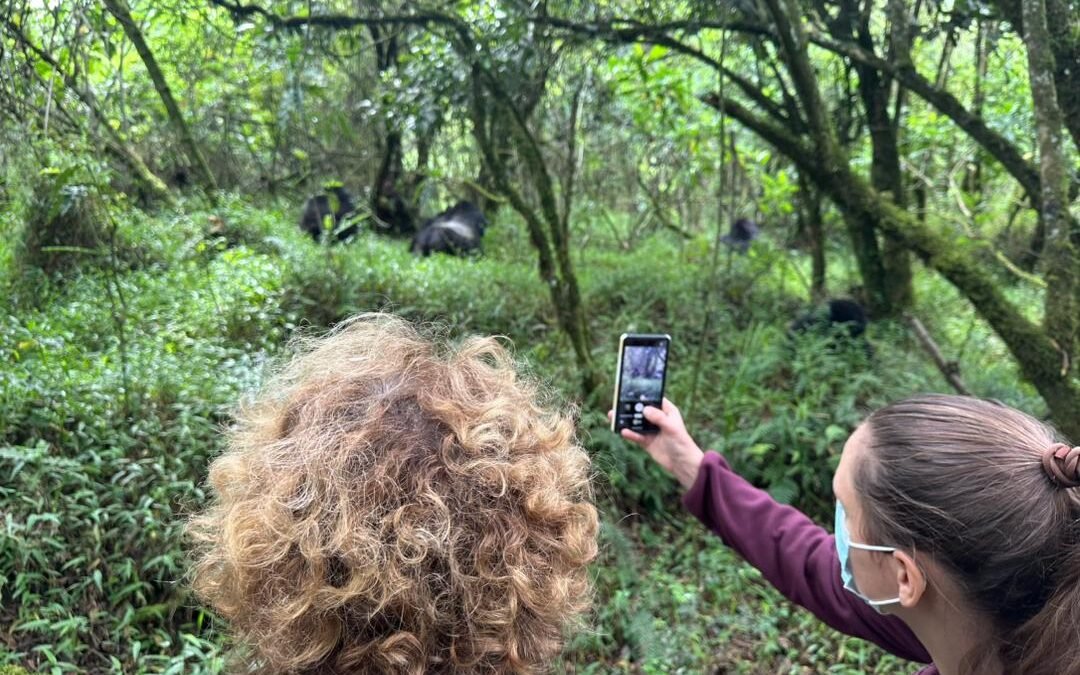
The Best Wildlife Experience in Rwanda Beyond Gorillas. Mountain gorillas rightly dominate the conversation when people think about Rwanda, but travelers who stop there miss a country that has quietly built one of Africa’s most complete wildlife portfolios. Within a few hours’ drive of Kigali, you can watch lions stalk the savannah, track chimpanzees through an ancient rainforest, cross a swaying canopy walkway fifty meters above the forest floor, and photograph over 700 bird species, all without ever booking a gorilla permit.
This guide is built for travelers who either can’t get a gorilla permit on their travel dates, want to stretch their trip beyond a single primate encounter, or simply want to understand what else Rwanda offers before they commit to an itinerary. We’ll walk through every major wildlife experience the country has to offer, backed by real numbers from Rwanda’s ongoing conservation success stories, and point you toward the specific tours and resources you need to book it.
Gorilla permits are also capped at a limited number per day, and high season windows sell out months in advance. That scarcity alone pushes a growing number of travelers toward Akagera, Nyungwe, and Rwanda’s other parks, sometimes as a standalone trip and sometimes as the backbone of a longer itinerary that includes gorilla trekking as just one part of a much bigger wildlife story. Either way, understanding what’s available beyond the gorillas gives you far more flexibility when planning dates, budget, and pacing.
7 Days Uganda Safari – One week tour
This 7-day itinerary is the classic one-week introduction to Uganda, covering the country’s three most iconic wildlife experiences: chimpanzee tracking in Kibale Forest National Park, Big Five game drives and a boat cruise in Queen
Tour Details →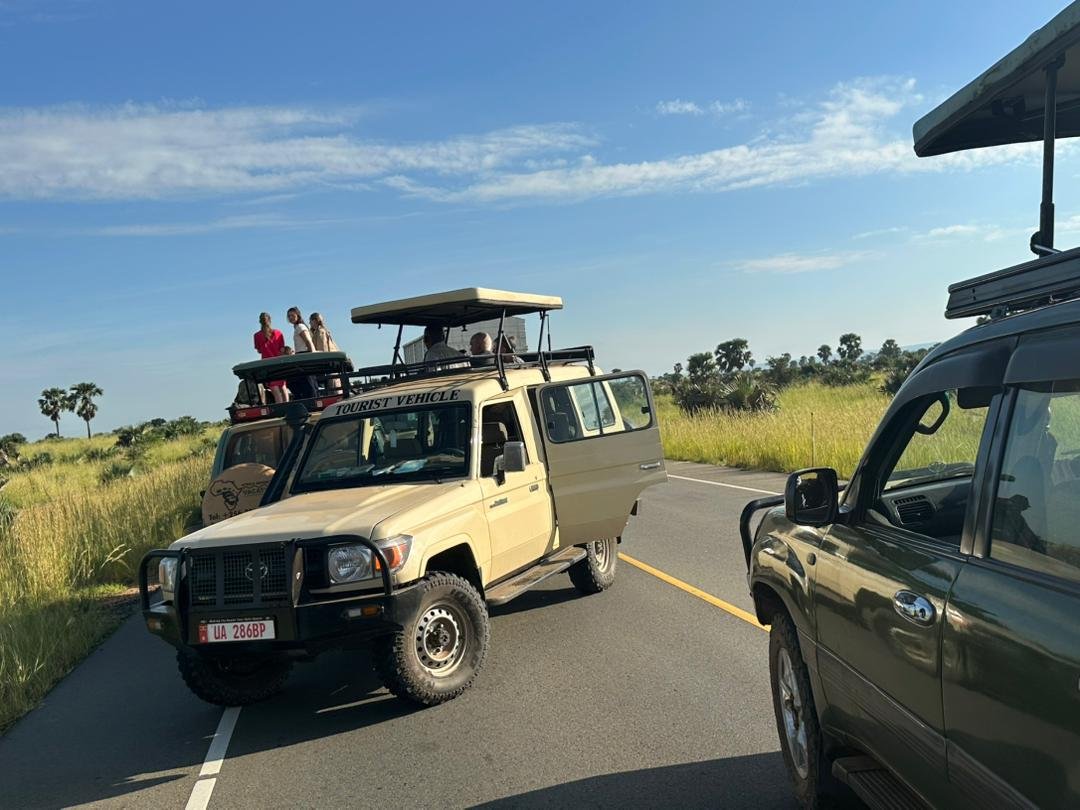
10 Days Uganda Primates and Wildlife
This 10-day Uganda Grand Safari is the most complete Uganda itinerary we offer at Pick and Transfer Safaris. It begins with a scenic northward drive from Entebbe to the vast open plains of Murchison
Tour Details →
2 Days Uganda Gorilla Tour Starting from Kigali
This is the gentler cousin of our 1-Day Uganda Gorilla Safari Starting from Kigali — same idea, twice the breathing room. Instead of squeezing a 3,000-metre forest trek and two border crossings into a single very long day
Tour Details →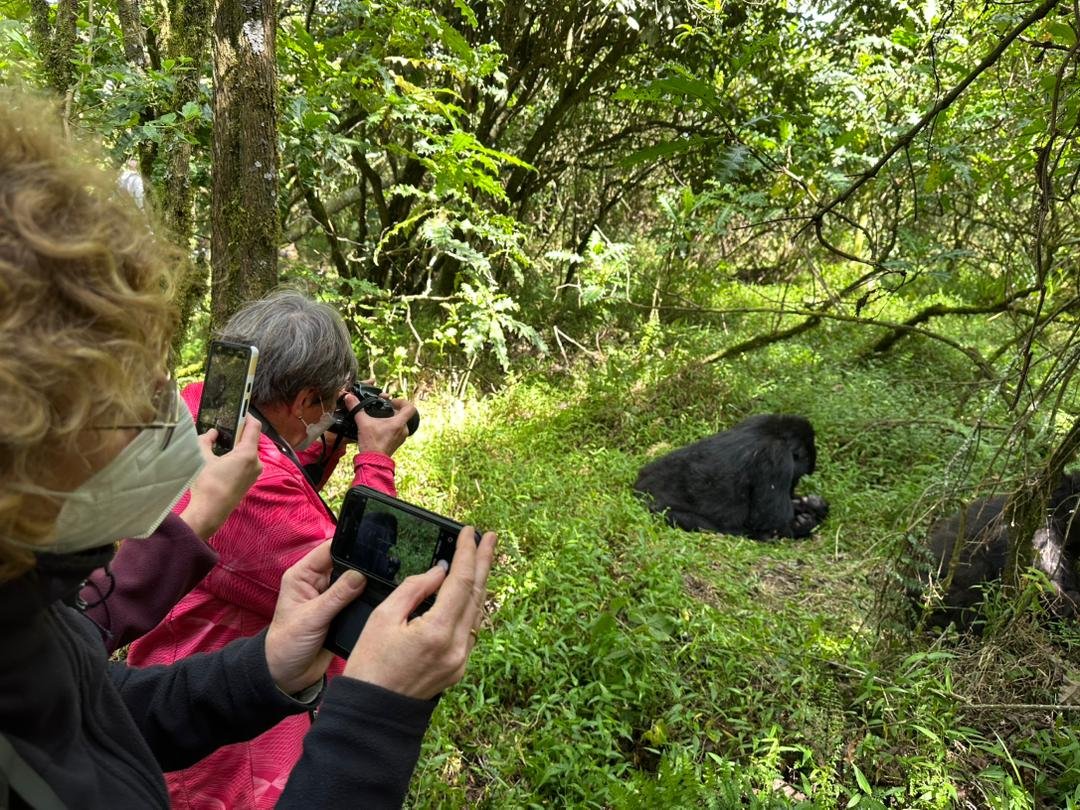
5-Day Uganda Gorilla and Chimpanzee Safari
This itinerary can be combined with a Rwanda extension or a wildlife-focused add-on through Queen Elizabeth National Park — browse our Uganda & Rwanda Safaris and Primate Safaris collections for ideas.
Tour Details →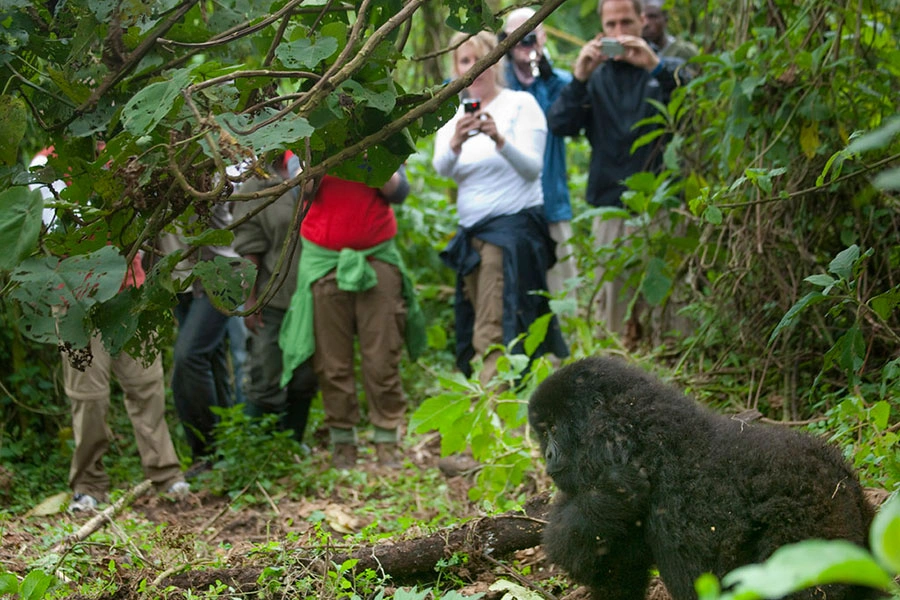
5 Days Rwanda Wildlife and Gorillas
This 5-day itinerary brings together Rwanda’s two flagship wildlife experiences: open savannah game drives and a boat safari in Akagera National Park, followed by a face-to-face encounters
Tour Details →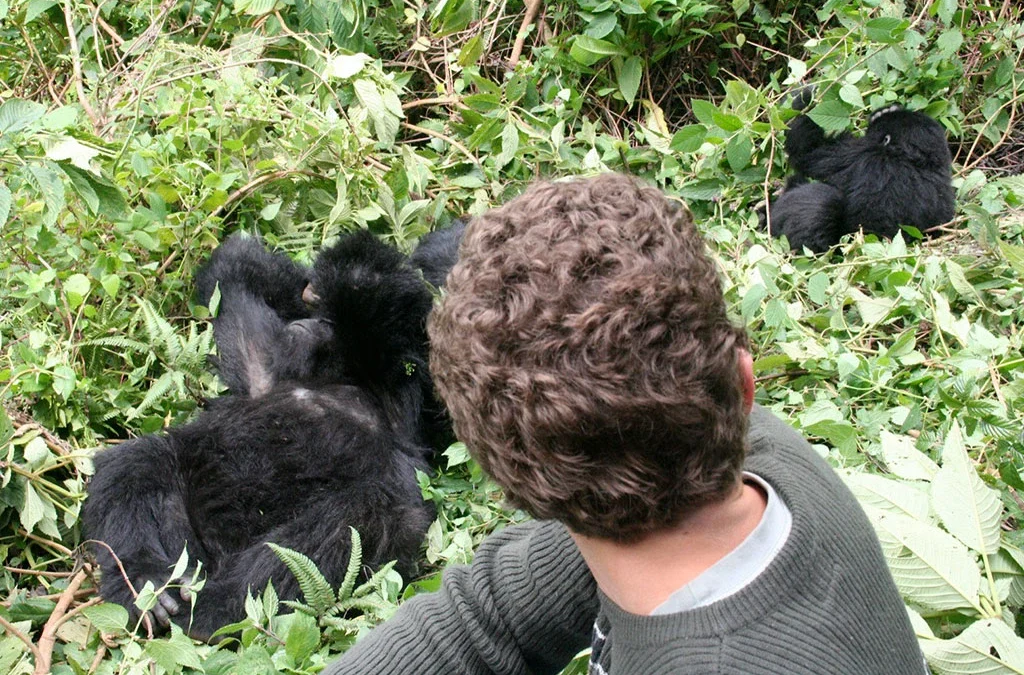
3 Days Uganda Gorilla Safari
For travelers who arrive in Entebbe with a tight schedule and a clear ambition, a 3-day gorilla safari to Bwindi Impenetrable Forest National Park is the most focused and rewarding short trip the country has to offer.
Tour Details →Why Rwanda’s Wildlife Story Doesn’t End With Gorillas
Rwanda’s reputation as “the land of a thousand hills” undersells just how biodiverse this small country actually is. Within roughly 26,000 square kilometers, Rwanda packs in savannah wilderness, one of Africa’s oldest rainforests, volcanic highlands, and freshwater lake ecosystems, each supporting a different set of species and each requiring a completely different kind of safari day.
This compactness is Rwanda’s biggest underrated advantage. Unlike Tanzania or Kenya, where a single Big Five safari circuit can require days of driving, Rwanda’s parks sit close enough together that a single well-planned week can realistically include Big Five game viewing, primate trekking, birdwatching, and a forest canopy walk. Our Wildlife Safaris collection is built specifically around this compactness, sequencing parks so you spend more time experiencing wildlife and less time on transit days.
The conservation story behind this wildlife is just as compelling as the animals themselves. Rwanda has spent the past two decades methodically rebuilding ecosystems that were badly damaged after 1994, reintroducing entire species that had locally vanished and rebuilding park infrastructure from the ground up. Understanding that history adds real depth to a Rwanda wildlife trip, turning a checklist of animal sightings into a genuine conservation story you get to witness firsthand.
Akagera National Park: Rwanda’s Big Five Wilderness
Akagera National Park is Rwanda’s only savannah park and the single best answer to anyone who assumes Rwanda is only about forest primates. Located in the country’s northeast along the Tanzanian border, Akagera combines rolling grassland, papyrus swamp, and a chain of lakes into a classic East African safari setting, complete with open-vehicle game drives and all Big Five species present.
What makes Akagera remarkable is how recently this wildlife abundance was restored. By 2007, lions and rhinos had both disappeared entirely from the park due to poaching and encroachment during and after the genocide period. Today, the park is widely cited as one of Africa’s most dramatic conservation turnaround stories, run in partnership between Rwanda Development Board and African Parks.
A 3 Days Akagera National Park Safari from Kigali is the most popular way to experience this park, giving you two full days of game drives with an overnight inside or near the park boundary. For travelers combining Akagera with a longer trip, our 5 Days Rwanda Wildlife and Gorillas itinerary pairs Akagera’s savannah wildlife with Volcanoes National Park, giving you both a Big Five experience and a primate trek in a single, efficiently sequenced trip.
Lions in Akagera: A Conservation Comeback Story
Lions vanished from Akagera by the mid-2000s. Rwanda Development Board and African Parks reintroduced seven lions from South Africa in 2015, followed by two additional males in 2017 to strengthen genetic diversity within the growing pride structure. That original founding population has since grown to an estimated 70 or more lions, making it one of the fastest documented lion population recoveries on the continent.
Rangers track the prides using GPS collars that report hourly location data, which is part of why lion sightings during game drives have become increasingly reliable over the past several years. Guides can often anticipate roughly where a pride will be based on recent movement patterns rather than searching blind.
For travelers whose primary goal is lion sightings, an early morning or late afternoon game drive gives the best odds, since lions are far less active during Rwanda’s midday heat. Our guides sequence Akagera game drives around these activity windows as part of every 3 Days Akagera National Park Safari from Kigali itinerary.
Black and White Rhinos: Akagera’s Rarest Big Five Success
Rhinos tell an even more dramatic recovery story than lions. Eastern black rhinos, a critically endangered subspecies, were reintroduced to Akagera in two waves: 10 individuals from South Africa in 2017, followed by 18 more in 2019. Southern white rhinos joined the park in 2021, with 30 individuals translocated from South Africa in what was, at the time, one of the largest single rhino relocations ever attempted.
The results have been encouraging. Natural breeding has continued steadily, with multiple calves born in recent years, including a reported black rhino calf and two white rhino calves within a single recent quarter, a strong signal that the reintroduced populations are adapting well to Akagera’s habitat.
Rhino tracking in Akagera typically requires a dedicated add-on activity with park rangers, since rhinos are more elusive and more carefully protected than the park’s other Big Five species. If a rhino encounter is a priority for your trip, mention it when booking so your guide can plan a dedicated tracking session as part of your Akagera itinerary rather than relying on a standard game drive alone.
Elephants, Leopards, and Buffalo in Akagera
Rounding out Akagera’s Big Five are elephants, leopards, and buffalo, each with its own distinct population history. The park’s elephant population, now estimated at 150 or more, descends from just 26 individuals relocated into the park in 1975, another multi-decade conservation success story that predates even the more recent lion and rhino reintroductions.
Leopards remain the most elusive of Akagera’s Big Five, with an estimated population of around 60 animals spread across dense woodland and riverine habitat, making sightings a genuine highlight rather than a guarantee. Buffalo, by contrast, are the most reliably spotted, with herds numbering in the thousands, often seen grazing near the park’s lake systems in the early morning.
Combined with the park’s healthy populations of zebra, giraffe, hippo, and antelope species, Akagera delivers a genuinely complete savannah safari experience. Antelope species alone number in the tens of thousands across the park, including topi, eland, roan antelope, and impala, giving game drives a steady baseline of sightings even on days when the Big Five stay elusive. Giraffe and zebra herds tend to congregate in the park’s more open central grasslands, while hippo pods cluster reliably around Lake Ihema and the smaller lakes threading through the park’s eastern edge. Travelers looking to compare a full Big Five circuit against Uganda’s savannah parks can review Kenlink Tours’ 7-Day Birdwatching Safari in Uganda or their 10-Day Gorilla Trekking and Great Migration Safari for a sense of how the wider region’s savannah parks compare to Akagera in scale and species diversity.
Boat Safaris on Lake Ihema
One of Akagera’s most underrated experiences is a boat safari on Lake Ihema, Rwanda’s second-largest lake and the centerpiece of the park’s eastern boundary. From the water, you get close, low-angle views of hippo pods, Nile crocodiles, and an outstanding range of water birds, including African fish eagles, herons, storks, and kingfishers, all without the dust and distance of a standard game drive.
Boat safaris typically run for one to two hours and pair naturally with an early morning or late afternoon game drive on the same day, making them an easy addition to any Akagera itinerary without extending your overall trip length. Many travelers rank the lake safari as a trip highlight precisely because it offers such a different vantage point from the rest of a typical savannah day.
If you’re building a custom itinerary and want to make sure a boat safari is included, flag it directly with your consultant through our Contact Us page, since not every standard Akagera package includes it by default.
Nyungwe Forest National Park: Africa’s Ancient Rainforest
Nyungwe Forest National Park protects one of Africa’s oldest surviving rainforests, a 970-square-kilometer montane ecosystem in southwestern Rwanda that has existed in some form for over 25 million years, making it significantly older than the Amazon or Congo basins in ecological terms. The forest holds more than 1,000 recorded plant species and represents one of the continent’s most important remaining blocks of Albertine Rift habitat.
Nyungwe’s headline draw for most visitors is its extraordinary primate diversity: the forest is home to 13 recorded primate species, more than almost any other single reserve in Africa, including chimpanzees, several colobus monkey species, and a range of smaller nocturnal primates rarely seen elsewhere. Beyond primates, Nyungwe also protects healthy populations of forest elephants, though sightings are rare given the density of the canopy, along with numerous small antelope and duiker species that move quietly through the undergrowth and are more often heard than seen.
A 3 Days Nyungwe Safari is the standard way to experience the park properly, allowing time for both a primate trek and the canopy walk without rushing either activity. For travelers combining Nyungwe with a broader Rwanda circuit, our 7 Days Best of Rwanda Safari sequences Nyungwe alongside Akagera and Volcanoes National Park into one complete national wildlife tour.
Chimpanzee Trekking in Nyungwe Forest
Nyungwe is home to more than 400 habituated chimpanzees split across two main communities, making it one of the most reliable chimpanzee trekking destinations in East Africa. Treks typically begin early in the morning, since chimpanzees are most vocal and active at dawn, and can last anywhere from one to several hours depending on where the community has moved overnight.
Chimpanzee trekking in Nyungwe delivers a noticeably different experience from gorilla trekking. Chimpanzees are more arboreal and considerably more energetic, often moving quickly through the canopy, which means treks can feel more dynamic and occasionally more physically demanding than a typical gorilla encounter, even though group sizes and permit structures are broadly similar.
A 2 Days Nyungwe Chimps Tracking Trip is ideal for travelers with limited time who still want a genuine primate trekking experience without committing to a full week-long circuit. For a side-by-side comparison of chimpanzee trekking logistics across the region, Kenlink Tours’ 3-Day Nyungwe Forest National Park Tour offers a useful reference point on pacing and inclusions.
The Nyungwe Canopy Walk: A Sky-High Forest Bridge
The Nyungwe canopy walkway is one of only a small handful of forest canopy walks anywhere on the African continent, and it remains one of Rwanda’s most photographed wildlife-adjacent experiences. The walkway is suspended roughly 50 meters above the forest floor and stretches across three linked sections measuring 90, 45, and 25 meters respectively, offering sweeping views over the forest canopy that are simply unavailable from any ground-level trail.
The walk itself typically takes around two hours round trip, including the approach hike, and offers excellent opportunities to spot canopy-dwelling birds and primates from a completely different vantage point than a standard forest trek. Unlike gorilla or chimpanzee trekking, the canopy walk carries no strict age restriction in the way primate trekking does, making it one of the more family-inclusive wildlife activities in the entire country.
Most Nyungwe itineraries, including our 3 Days Nyungwe Safari, pair the canopy walk with a chimpanzee or colobus monkey trek on separate days, giving you both a ground-level primate encounter and an aerial forest perspective within the same trip.
Golden Monkey Trekking in Volcanoes National Park
While Volcanoes National Park is best known globally for mountain gorillas, it is also home to golden monkeys, an endangered and strikingly colorful primate species found only in the Virunga Massif’s bamboo forest zones. Golden monkey trekking has become an increasingly popular activity in its own right, both for travelers who can’t secure a gorilla permit and for families whose younger members fall under the gorilla trekking age minimum.
Golden monkeys live in large, highly active troops, often numbering 30 to 80 individuals, and spend much of their time feeding on bamboo shoots at relatively low elevation, which generally makes treks shorter and less physically demanding than gorilla trekking. Their constant movement and playful behavior also make for excellent photography compared to the more still, ground-based mountain gorillas.
Our 2 Days Volcanoes Gorilla Trek from Kigali can be adapted to include a golden monkey trek instead of or alongside gorilla trekking, and our 3 Days Rwanda Gorilla Tracking and Cultural Tour frequently includes it as a second-day activity for travelers wanting more than one primate encounter in the Volcanoes region.
Birdwatching in Rwanda: A Paradise for Birders
Rwanda is one of Africa’s most rewarding birdwatching destinations relative to its small size, with over 700 recorded bird species across the country’s varied habitats. Nyungwe Forest alone accounts for roughly 300 species, including around 120 forest specialists and a number of birds found only within the Albertine Rift ecoregion, making it a genuine bucket-list destination for serious birders.
Akagera contributes a completely different bird list dominated by water and savannah species, including African fish eagles, various stork and heron species, and the striking papyrus gonolek, best spotted along the lakeshore or during a boat safari on Lake Ihema. Volcanoes National Park adds high-altitude forest species found in its bamboo and montane habitats, rounding out a birding circuit that can realistically cover savannah, rainforest, and volcanic highland species within a single trip.
Dedicated birding itineraries reward slower travel and specialist guiding. For travelers wanting to compare a purpose-built birding circuit, Kenlink Tours’ 7-Day Birdwatching Safari in Uganda illustrates how a neighboring country structures a similar trip, which can help you decide how many dedicated birding days to build into your own Rwanda itinerary through our Wildlife Safaris collection.
Gishwati-Mukura National Park: Rwanda’s Hidden Forest Gem
Gishwati-Mukura National Park is Rwanda’s newest and smallest national park, officially gazetted in 2015 after a major forest restoration effort reversed decades of deforestation in the region. Located between Volcanoes National Park and Lake Kivu, it remains one of the least visited parks in the country, which is precisely its appeal for travelers seeking a quieter wildlife experience.
The park protects a population of chimpanzees along with several other primate species and a wide range of birdlife, offered through guided forest walks rather than the more intensive trekking format used at Nyungwe or Volcanoes. Because visitor numbers remain low, Gishwati-Mukura offers a genuinely intimate forest experience, often with just your small group and a single guide on the trail.
This park works best as an add-on rather than a standalone destination, easily combined with a Volcanoes National Park visit given the short driving distance between the two. Ask your consultant to build it into a broader itinerary through our Extended Safaris collection if a quieter, less-trafficked forest experience appeals to your group.
Lake Kivu: Rwanda’s Scenic Water Wildlife Escape
Lake Kivu, one of Africa’s Great Lakes, forms much of Rwanda’s western border and offers a completely different kind of wildlife-adjacent experience: relaxed boat trips, lakeside birdwatching, and a scenic counterpoint to the more intensive forest treks elsewhere in the country. While Lake Kivu is not a primary wildlife-viewing destination in the same sense as Akagera or Nyungwe, its shoreline habitats support a healthy range of bird species and its waters are notably free of the crocodiles and hippos found in many other African lakes, making it one of the few genuinely swimmable Great Lakes on the continent.
Most travelers add a Lake Kivu stop as a rest day between more demanding activities, particularly after a physically tiring trek in Nyungwe or Volcanoes National Park. A night or two on the lakeshore offers a natural pacing break in a longer itinerary, giving your group time to relax before continuing on to the next park.
Our 4 Days Rwanda Wildlife and City Tour and longer multi-park itineraries can be adjusted to include a Lake Kivu stop; just mention it when you reach out through our Contact Us page during the planning stage.
Community and Cultural Wildlife Encounters
Wildlife experiences in Rwanda extend beyond national park boundaries into community-run conservation and cultural programs that add valuable context to what you’re seeing in the parks. Village visits near Volcanoes National Park often include demonstrations of traditional conservation practices, storytelling about the region’s relationship with the mountain gorillas and golden monkeys, and craft cooperatives that channel tourism revenue directly into surrounding communities.
Kigali City itself also offers wildlife-adjacent cultural stops, including conservation education centers and museums that explain Rwanda’s broader environmental recovery story since 1994, useful context for understanding just how remarkable Akagera’s Big Five comeback and Nyungwe’s protected status really are.
Our 4 Days Rwanda Wildlife and City Tour is built specifically to blend these cultural and educational stops with core wildlife viewing, giving travelers a fuller picture of Rwanda’s conservation identity rather than treating the parks as isolated attractions.
Community revenue-sharing is also central to how Rwanda funds its wildlife programs. A percentage of park entry fees and permit costs across Akagera, Nyungwe, and Volcanoes National Park is directed back into surrounding villages, funding schools, clean water projects, and small business grants for households living along park boundaries. Guides at each park are typically drawn from these same communities, which means the person leading your chimpanzee trek or Big Five game drive often has a direct, personal stake in the ecosystem’s continued recovery, a detail that adds meaningful context to what might otherwise feel like a purely recreational activity.
Best Multi-Park Itineraries to See Rwanda’s Wildlife Beyond Gorillas
Because Rwanda’s parks sit relatively close together, most travelers get the best value from a multi-park itinerary rather than a single-destination trip. For a focused, non-gorilla wildlife trip, our 5 Days Best of Rwanda Primate Safari combines chimpanzee tracking, golden monkey trekking, and forest walks across multiple parks without requiring a gorilla permit at all.
Travelers who want the full national circuit, including Big Five game viewing, should consider the 10 Days Rwanda Wildlife Gorilla Tour or the 5 Days Rwanda Gorilla and Chimpanzee Safari, both of which layer Akagera’s savannah wildlife and Nyungwe’s rainforest primates around a central gorilla trekking day, giving you the complete Rwanda wildlife portfolio in a single trip.
For travelers with more time, our 7 Days Best of Rwanda Safari is our most complete non-rushed circuit, threading together Akagera, Nyungwe, Volcanoes National Park, and Kigali into a single, comfortably paced week.
Combining Rwanda and Uganda for a Bigger Wildlife Checklist
Travelers chasing an even longer wildlife list often combine Rwanda with neighboring Uganda, which adds tree-climbing lions in Queen Elizabeth National Park, the Nile-side wildlife of Murchison Falls, and chimpanzee tracking in Kibale Forest to an already strong Rwanda itinerary. Our 10 Days Uganda Rwanda Safari and the more immersive 15 Days Rwanda Uganda Safari are both built around this exact combination, while the 7 Days Uganda Rwanda Safari Adventure offers a shorter version for travelers with tighter schedules.
Uganda’s Queen Elizabeth National Park and Murchison Falls National Park both add savannah and riverine species that complement rather than duplicate what Akagera already offers, while Kibale Forest National Park is widely regarded as one of Africa’s best chimpanzee tracking destinations, giving you a useful comparison point against Nyungwe.
For travelers weighing a combined route, Kenlink Tours’ 14-Day East Africa Safari: Uganda Gorillas and Serengeti Wildlife and their 9-Day Uganda Rwanda Gorilla and Big Five Safari show how far a well-sequenced regional itinerary can stretch when Rwanda and Uganda’s parks are combined into a single trip. Their Rwanda Safaris collection and dedicated About Uganda destination overview are also useful background reading if you’re deciding how much time to allocate to each country before finalizing your route.
How Rwanda’s Wildlife Circuit Compares to Other Regional Operators
It’s worth benchmarking Rwanda’s wildlife offering against how other operators in the region structure similar trips, particularly if you’re weighing whether to add Kenya’s savannah parks or extend further into East Africa. Kenlink Tours’ 5-Day Volcanoes Gorillas and Akagera Park Wildlife Safari mirrors the same Akagera-plus-Volcanoes pairing we recommend, which is a useful sanity check that this combination is considered a proven, high-value route across the industry, not just something specific to one operator.
For travelers curious how far a Rwanda-based wildlife trip can stretch regionally, their 10-Day Fantastic Tour in Rwanda Uganda Safari in East Africa and Kenya Safaris collection illustrate how a Rwanda-anchored itinerary can extend into Kenya’s Maasai Mara for classic Great Migration viewing, adding an entirely different savannah ecosystem to your species list. Groups traveling together should also check Kenlink Tours’ Group Tours page and their Car Hire service for a sense of how logistics are typically priced across multi-park regional trips, which is helpful context when you’re comparing quotes from different operators.
Best Time of Year for Non-Gorilla Wildlife Experiences
Timing a wildlife-focused Rwanda trip differs slightly from timing a gorilla-only trip, since Big Five game viewing in Akagera and birdwatching each favor slightly different conditions than forest trekking does. Akagera’s dry seasons, June through September and December through February, offer the best game viewing, since animals cluster more predictably around remaining water sources and grass is shorter, improving visibility across the savannah.
Nyungwe’s primate trekking and canopy walk are accessible year-round, though the dry months make trails firmer and more comfortable underfoot. Rwanda’s wetter months, March through May and October through November, actually improve birdwatching conditions in many areas, since migratory species pass through and resident birds are more vocal during breeding season, making these shoulder months genuinely appealing for dedicated birders despite the additional rainfall.
If your itinerary spans multiple parks, as most complete wildlife trips do, expect some seasonal trade-offs between destinations. Our team factors this into every custom Wildlife Safaris itinerary, weighting your park sequence toward whichever experiences matter most to your group.
Tips for Planning a Wildlife-Focused Rwanda Safari
Start by ranking your priorities. A traveler chasing Big Five sightings will structure their trip very differently from one prioritizing birdwatching or primate diversity, and trying to do everything in a short trip usually means compromising on all of it rather than excelling at any single experience.
Build in realistic travel time between parks. Rwanda’s roads have improved significantly, but Akagera, Nyungwe, and Volcanoes National Park each sit several hours apart, and rushing between them tends to produce a tiring trip rather than a rewarding one. A well-paced week almost always outperforms a rushed ten-day sprint through every park in the country.
Pack for multiple climate zones in a single trip. A savannah morning in Akagera and a misty rainforest afternoon in Nyungwe require genuinely different clothing, so layering is essential. Bring binoculars regardless of whether birding is a primary goal, since they meaningfully improve every wildlife encounter from lion sightings to canopy walk views.
Finally, book activities like rhino tracking, boat safaris, and the canopy walk in advance rather than assuming they can be arranged on arrival. Our Contact Us team can confirm availability for these add-on activities weeks ahead of your trip, which avoids disappointment once you’re already in the country.
Consider your accommodation style as part of the planning process too. Akagera offers everything from tented camps close to the wildlife action to more comfortable lodges near the park gate, while Nyungwe’s lodges tend to sit at higher elevation with cooler nights and forest-facing views. Matching your lodging choice to the pace of your itinerary, closer to the action for a fast-moving trip, or a slightly more removed lodge for a relaxed multi-day stay, makes a noticeable difference in how rested and ready your group feels for early morning game drives and treks.
Frequently Asked Questions About Wildlife Experiences in Rwanda Beyond Gorillas
Do I need a gorilla permit to see wildlife in Rwanda? No. Akagera’s Big Five, Nyungwe’s chimpanzees and canopy walk, golden monkey trekking, and birdwatching across the country are all bookable independently of a gorilla permit, and several make excellent standalone trip themes.
Is Akagera National Park a genuine Big Five destination? Yes. Following the reintroduction of lions in 2015 and rhinos in 2017, 2019, and 2021, Akagera now hosts confirmed populations of all five species alongside long-established elephant, leopard, and buffalo populations, making it a legitimate Big Five safari destination in its own right.
How long does chimpanzee trekking take in Nyungwe Forest? Treks generally last one to several hours depending on where the chimpanzee community is located that morning, similar in structure to gorilla trekking but often more physically dynamic given chimpanzees’ faster, more arboreal movement.
Is the Nyungwe canopy walk suitable for children? The canopy walk does not carry the same strict age minimum as gorilla or chimpanzee trekking, making it one of the more family-accessible wildlife activities in Rwanda, though it involves height and should be discussed with your operator if anyone in your group has concerns about exposed walkways.
What is the best single non-gorilla wildlife experience in Rwanda? This depends on your interests, but Akagera’s Big Five game drives and Nyungwe’s chimpanzee trekking are consistently the two most requested standalone wildlife experiences among travelers who skip gorilla trekking entirely.
Can I combine Rwanda’s wildlife parks with Uganda in one trip? Yes. Many travelers combine Rwanda’s compact park network with Uganda’s larger savannah parks and Kibale Forest for an extended regional wildlife circuit, typically over ten to fifteen days.
Is a rhino tracking add-on worth booking in Akagera? For travelers specifically interested in Akagera’s conservation story, yes. Rhino tracking is a dedicated, ranger-led activity separate from a standard game drive, and it offers a much higher likelihood of a genuine sighting given how carefully the reintroduced black and white rhino populations are monitored.
How many days should I budget for a non-gorilla wildlife trip in Rwanda? Most travelers get a well-rounded experience in five to seven days, enough time for two to three full days in Akagera and Nyungwe combined, plus a rest day on Lake Kivu or in Kigali. Shorter three-day trips work well if you’re only prioritizing a single park.
Does Rwanda’s wildlife compare favorably to Kenya or Tanzania’s Big Five parks? Rwanda’s Akagera is smaller in scale than Kenya’s Maasai Mara or Tanzania’s Serengeti, so it won’t match those parks for sheer volume of migratory herds. What it offers instead is a far more compact, efficient circuit where Big Five viewing, rainforest primates, and birding are all reachable within the same week-long trip, something the larger East African parks generally cannot match given the distances involved.
Choosing The Best Wildlife Experience in Rwanda Beyond Gorillas
Gorilla trekking will likely always be Rwanda’s headline attraction, and rightfully so, but travelers who build their entire trip around it miss a country with genuinely world-class Big Five recovery, one of Africa’s most primate-diverse rainforests, and a birding list that rivals destinations many times its size. Akagera’s lion and rhino comeback alone is one of the more remarkable conservation stories in modern African wildlife management, and it deserves its own dedicated safari days rather than a rushed afternoon tacked onto a gorilla-focused trip.
The best Rwanda wildlife trips treat the country as the complete ecosystem it actually is: savannah, rainforest, volcanic highlands, and lakeshore, each contributing something a gorilla trek alone cannot. Whether that means a focused primate-and-birding trip through Nyungwe, a full Big Five circuit through Akagera, or a combined Rwanda-Uganda adventure that stretches your wildlife list even further, there is a well-paced itinerary for every interest and timeline.
Ready to build a Rwanda safari around everything the country has to offer beyond gorillas? Reach out to Pick and Transfer Safaris and tell us what matters most to your group, whether that’s Big Five sightings, primate diversity, or serious birdwatching, and we’ll design an itinerary from our full Wildlife Safaris and Extended Safaris collections that puts the rest of Rwanda’s wildlife front and center.
Learn more about our team and how we build these itineraries on our About Us page, or browse the complete Destinations overview to see every park mentioned in this guide in one place before you start narrowing down your route. However you decide to structure your trip, the single most important step is deciding early which of Rwanda’s wildlife experiences matter most to your group, since that decision shapes everything else, from park sequencing and travel days to the lodges and guides best suited to your priorities.
Rwanda rewards travelers who look past the headline attraction. A gorilla trek is unforgettable, but it is one chapter in a much larger wildlife story that includes a genuine Big Five comeback, one of Africa’s oldest rainforests, and a bird list that keeps growing every year as conservation efforts continue to pay off. Build your itinerary around that fuller picture, and you’ll come home with far more than a single photograph of a silverback to show for the trip.