- LET'S PLAN YOUR SAFARI
- +256 200 921 002
- +256 793 194 703
- info@pickandtransfersafaris.com

What Is a Typical Day on a Rwanda Gorilla Trekking Safari?
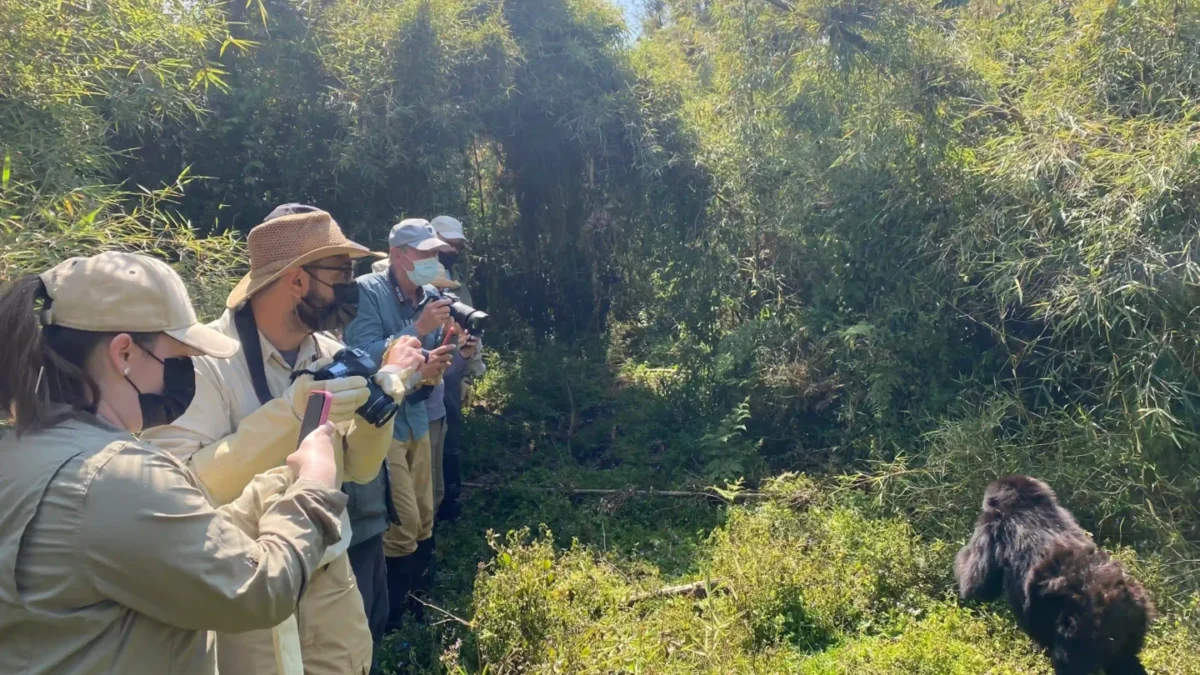
What Is a Typical Day on a Rwanda Gorilla Trekking Safari? Waking up in the shadow of the Virunga volcanoes, sipping Rwandan coffee as mist rolls over the tea plantations, and then spending a full hour eye-to-eye with a family of mountain gorillas — this is what a day of gorilla trekking in Rwanda actually feels like. It is one of the most talked-about wildlife experiences on the planet, and yet most travelers booking their first trip have no real idea what the day itself looks like from sunrise to sunset.
At Pick and Transfer Safaris, we organize gorilla trekking days in Volcanoes National Park every week, and we get the same questions from almost every guest: What time do we wake up? How long is the walk? What happens when we finally see the gorillas? Is one day enough, or should the trek be combined with other parks? This guide walks you through a typical gorilla trekking day in Rwanda in complete detail, from the night before your trek to the moment you fall asleep afterward, so you can plan your own trip to Rwanda with total confidence.
Whether you are booking a short 2-day Volcanoes gorilla trek from Kigali or combining your trek with a longer wildlife itinerary, understanding the rhythm of the day will help you prepare mentally, physically, and logistically for one of the most rewarding travel experiences in Africa.
A Typical Gorilla Trekking Day at a Glance
Before diving into the full detail, it helps to see the shape of the day as a whole. A standard gorilla trekking day in Rwanda begins with a 4:30–5:30 AM wake-up and hot breakfast at your lodge, followed by a 6:00–6:30 AM departure for Kinigi park headquarters. Registration and the mandatory ranger briefing run from roughly 7:00–7:30 AM, after which small trekking groups head to their assigned trailhead and enter the forest around 8:00 AM.
The trek itself can last anywhere from thirty minutes to six hours, so the timing of the next stage varies by gorilla family, but once trackers confirm contact, every group receives exactly one hour with the gorillas before beginning the return walk. Most trekkers are back at park headquarters for their certificate ceremony sometime between midday and mid-afternoon, followed by lunch, rest, and, for those with time, an optional cultural or wildlife activity before dinner. Every stage of this timeline is explored in full below, along with practical guidance on fitness, packing, cost, and how to combine your trekking day with the rest of a Rwanda itinerary.
The Night Before Your Gorilla Trek
A great gorilla trekking day actually begins the evening before. Most travelers staying near Kinigi or Musanze, the gateway towns to Volcanoes National Park, check in at their lodge in the afternoon and use the remaining daylight to relax, unpack trekking gear, and go over the plan with their guide or the lodge concierge. Dinner is usually served earlier than usual, often around 7:00 PM, because lodges know guests need a full night’s rest before the physical demands of the following day.
This is also when your driver-guide, if you are traveling with an organized operator such as Pick and Transfer Safaris, will confirm your pickup time, check that your permit paperwork and passport details are in order, and answer any last questions about footwear, layers, or photography equipment. If you booked a multi-day itinerary such as the 3-day Rwanda gorilla tracking and cultural tour, this is also when you will hear about the cultural encounter planned for the following afternoon. Most guests are asleep by 9:00 PM, since the alarm the next morning rings well before dawn.
Early Morning Wake-Up and Breakfast
Gorilla trekking days start early almost everywhere in Rwanda, and for good reason: mountain gorillas move through the forest to feed shortly after sunrise, and trackers need to locate the assigned family before groups set off, which means visitors need to be registered and briefed at first light. Expect a wake-up call between 4:30 AM and 5:30 AM, followed by a hot breakfast at your lodge between 5:00 AM and 6:00 AM.
Breakfast is typically hearty — eggs, sausages, fresh fruit, porridge, and Rwandan coffee grown on the volcanic slopes just outside your window. Guides usually recommend eating a proper meal even if you are not normally a breakfast person, since the trek can last anywhere from thirty minutes to six hours depending on where the gorilla family has moved overnight. Packed lunches and extra water bottles are prepared at this time as well, ready to be loaded into the vehicle for the drive to the park.
The Drive to Kinigi Park Headquarters
By around 6:00 AM to 6:30 AM, your vehicle departs for Kinigi, the headquarters of Volcanoes National Park and the starting point for every gorilla trek in Rwanda. Most lodges around Musanze are only twenty to thirty minutes from Kinigi, so this is a short, scenic drive through terraced hillsides, banana plantations, and small roadside markets just coming to life.
If you booked your safari through Pick and Transfer Safaris, your driver-guide handles this entire transfer, so there is no need to worry about logistics — you simply need to be ready with your daypack, rain jacket, and permit documents. Travelers who prefer to arrange their own transport can also compare logistics support through operators such as Kenlink Tours’ Rwanda safaris page, which outlines transfer options between Kigali and Musanze for independent travelers.
Registration, Permits, and the Morning Briefing
Arrival at Kinigi park headquarters happens around 7:00 AM, and this is where the real excitement begins. Rangers check every visitor’s gorilla permit and passport against the official list, and guests are organized into small groups of a maximum of eight people per gorilla family, in line with Rwanda Development Board rules designed to protect the animals from stress and disease transmission.
While registration is underway, local dancers and drummers often perform traditional Intore dance routines in the courtyard, which is a wonderful way to soak in Rwandan culture while waiting. Around 7:30 AM, park rangers deliver a formal briefing covering trekking etiquette: keep a minimum distance of seven meters from the gorillas, keep your voice low, avoid flash photography, cover your mouth if you cough, and never trek if you are feeling unwell, since gorillas are highly susceptible to human respiratory illnesses. This briefing is also when rangers explain what to expect from the day’s specific gorilla family assignment, including a rough estimate of trekking difficulty for that particular group.
Meeting Your Ranger Guide and Gorilla Family Allocation
After the briefing, visitors are split into their small trekking groups, each led by an experienced ranger guide who has tracked these gorilla families for years, sometimes decades. Volcanoes National Park is home to more than a dozen habituated gorilla families, ranging from the famous Susa group made known worldwide by primatologist Dian Fossey, to smaller, easier-to-reach families closer to the park boundary.
Guides typically assign trekkers to a family based on fitness level, age, and personal preference, so if you mention that you would prefer an easier walk, park staff do their best to accommodate that request. This is one of the reasons it helps to book through an established local operator — a company like Pick and Transfer Safaris works closely with park rangers and can advocate for the right family assignment based on your group’s fitness and interests, whether you are trekking as a family, a honeymoon couple, or a group of serious wildlife photographers.
Porters, Walking Sticks, and Trekking Gear
Before entering the forest, most visitors hire a local porter for a modest fee, usually between $15 and $20. This is not just a convenience; it is also one of the most meaningful ways to support the local community, since porters are recruited from villages surrounding the park, many of them former poachers who now earn a sustainable living through tourism. Porters carry your daypack, offer a steady hand on slippery volcanic soil, and often share fascinating local knowledge about plants and farming along the trail.
Wooden walking sticks are provided free of charge at the trailhead and are genuinely useful, since the terrain inside Volcanoes National Park ranges from cultivated farmland to dense, uneven rainforest and, at higher elevations, thick bamboo and stinging nettles. Guides recommend gardening gloves, waterproof hiking boots, long trousers tucked into socks, and a rain jacket, since weather at this altitude can change quickly even during the dry season.
The Trek Through Volcanoes National Park
Vehicles transfer each small group to the specific trailhead closest to where trackers last located their assigned gorilla family, and the actual walk begins around 8:00 AM. This is where a typical gorilla trekking day becomes unpredictable in the best possible way. Trekking time to reach a gorilla family varies enormously, from as little as thirty minutes for families that have settled near the park boundary, to five or six hours for more remote groups like Susa, which live high on the slopes of Mount Karisimbi.
The trail typically starts through a buffer zone of local farmland and eucalyptus trees before crossing a low stone wall into the park itself, where the terrain shifts dramatically into cool, misty rainforest and bamboo groves. Rangers stay in constant radio contact with trackers who have been following the gorilla family’s movements since dawn, so the group’s direction adjusts continuously based on real-time updates. Along the way, guides point out other wildlife and forest features: golden monkeys leaping through the canopy, buffalo trails, elephant dung, and volcanic vents left over from the mountain range’s eruptive past. Regular rest stops allow trekkers to catch their breath, hydrate, and take in sweeping views back down toward Musanze town and the patchwork of farms below.
The Magical One Hour With the Gorillas
Then, without much warning, your ranger guide raises a hand and everything changes. Trackers have made visual contact, and the group is asked to leave walking sticks and bags behind with the porters, sanitize hands, and put on face masks if required by current park protocol. What follows is the moment every visitor has been waiting for: your first glimpse of a mountain gorilla in the wild.
Rwanda Development Board rules allow exactly sixty minutes with the gorilla family once contact is made, regardless of how long the trek itself took to get there. During this hour, visitors typically watch silverbacks lounging in dappled sunlight, mothers grooming infants, juveniles play-wrestling in the undergrowth, and the occasional dramatic chest-beat display from a dominant male. Photography is allowed without flash, and rangers position the group carefully to maximize sightlines while respecting the mandatory distance rules. Many guests describe this hour as passing in what feels like minutes, and it is common to see visitors moved to tears by the experience. This single hour is the emotional centerpiece of the entire trip and the reason travelers spend months planning and saving for a Rwanda primate safari.
The Return Trek and Certificate Ceremony
When the hour ends, rangers signal it is time to leave, and the group retraces its steps back to the trailhead, reuniting with porters and walking sticks along the way. Interestingly, most trekkers report that the return journey feels noticeably shorter than the walk in, even though the physical distance is identical — adrenaline and the thrill of what was just witnessed tend to make the descent fly by.
Back at Kinigi park headquarters, usually sometime between midday and early afternoon depending on how far the trek went, every participant receives an official certificate confirming their successful gorilla trek, complete with the date and the name of the gorilla family visited. It has become something of a tradition for trekkers to photograph themselves holding this certificate before heading back to the vehicle, and many travelers frame it as a keepsake once they return home.
Lunch and Afternoon Relaxation
By early-to-mid afternoon, most trekking groups are back at their lodge for a well-earned lunch, either a packed picnic lunch enjoyed near the park or a proper sit-down meal back at the property. This is typically followed by a few hours of rest, since the combination of an early wake-up call and several hours of uphill walking at altitude leaves most travelers pleasantly tired.
Many lodges around Musanze have swimming pools, spa treatments, or simply comfortable lounges with volcano views, perfect for reviewing photographs and swapping stories with fellow trekkers. Guests staying an extra day sometimes use this window to arrange a massage or simply nap before dinner, while others head straight into a second activity if their itinerary allows for it.
Optional Afternoon Activities After Your Trek
Not every gorilla trekking day ends at lunchtime. Travelers with a longer stay in the Volcanoes National Park area, such as those on the 5-day Rwanda gorilla and chimpanzee safari, often use the afternoon or a following day for complementary activities. Popular options include a visit to the Dian Fossey Gorilla Fund’s Karisoke Research Center exhibit in Kinigi, a guided hike to Dian Fossey’s original research camp and gravesite higher on the mountain, a cultural performance and village tour at the Iby’Iwacu Cultural Village, or golden monkey tracking in the park’s bamboo forest, a lighter and faster-paced alternative to gorilla trekking that is popular with families.
Travelers who want to extend their Rwanda adventure often pair their gorilla day with a visit to nearby Nyungwe Forest National Park for chimpanzee tracking and canopy walks, as featured on the 2-day Nyungwe chimps tracking trip, or a game drive through Akagera National Park to see lions, elephants, and rhinos on the 3-day Akagera National Park safari. For travelers who want to combine both primates and Big Five wildlife in one seamless trip, operators such as Kenlink Tours also offer a 5-day Volcanoes gorillas and Akagera wildlife safari and a dedicated golden monkey and gorilla trekking itinerary that pairs neatly with a Volcanoes trekking day.
Evening at Your Lodge
As the sun sets behind the volcanoes, most gorilla trekking days end quietly around a dinner table filled with new friends and shared stories. Lodges in the Musanze area range from comfortable mid-range guesthouses to award-winning luxury properties with volcano-facing suites, and dinner is typically a relaxed, communal affair where guides and fellow travelers compare photographs and relive the day’s highlights.
Because the following day often involves an early departure toward another park or back to Kigali, most guests turn in early once again, content after what is, for many, the single most memorable day of their entire trip to Africa.
How Physically Demanding Is a Gorilla Trekking Day?
One of the most common questions we receive at Pick and Transfer Safaris is how fit a traveler needs to be. The honest answer is that gorilla trekking difficulty varies enormously by gorilla family and can genuinely range from an easy thirty-minute stroll to a strenuous six-hour climb through steep, muddy, high-altitude terrain at elevations above 2,500 meters. Volcanoes National Park sits at high altitude, so even moderately fit travelers may find the thinner air noticeably more tiring than trekking at sea level.
Rangers do their best to match less-mobile visitors with closer gorilla families, and porters are available to assist with both gear and, if needed, a steadying hand on tricky sections. Travelers with mobility concerns are sometimes able to arrange a sedan chair carried by a small team of porters, an option worth discussing with your operator in advance. In general, a reasonable level of everyday fitness, comfortable hiking shoes, and a positive attitude toward mud and nettles are enough to enjoy the day fully.
Health, Altitude, and Safety Considerations Before You Trek
Beyond general fitness, a few health-specific factors shape how a typical gorilla trekking day feels. Volcanoes National Park’s trailheads sit above 2,400 meters and climb well beyond 3,000 meters on the slopes of Karisimbi and Bisoke, so travelers arriving directly from sea level sometimes notice mild breathlessness during the first hour of walking. Staying well hydrated the day before, avoiding excessive alcohol the night before your trek, and pacing yourself early on the trail all help considerably.
Rwanda requires a yellow fever vaccination certificate for travelers arriving from certain countries, and most operators also recommend routine travel vaccinations and a basic travel insurance policy that covers medical evacuation, given the remote setting. Because mountain gorillas share roughly 98 percent of human DNA and are highly vulnerable to human respiratory infections, park rules are strict about excluding anyone showing symptoms of a cold, flu, or other contagious illness on trekking day, even if it means rescheduling. Reputable operators such as Pick and Transfer Safaris build a small buffer day into longer itineraries precisely so a reschedule, if needed, does not derail the rest of the trip.
Photography Tips for Capturing Your Gorilla Encounter
Because the gorilla encounter itself lasts only sixty minutes, many first-time trekkers worry about missing the moment while fumbling with camera settings. A few practical habits make a real difference. Set your camera or phone to a fast shutter speed before entering the forest, since Volcanoes National Park’s understory is shaded and gorillas move quickly through dense vegetation. Flash photography is strictly prohibited to avoid startling the animals, so a camera that performs well in low light, or a phone with a strong low-light mode, is a worthwhile investment before your trip.
Guides recommend spending the first few minutes simply watching without a lens between you and the gorillas, since many travelers later say those unfiltered first moments were the most memorable part of the entire day. A lightweight rain sleeve for your camera is essential given how frequently Volcanoes National Park sees drizzle, and a spare battery is wise, since cold, humid mountain air drains batteries faster than usual.
Rwanda Gorilla Trekking vs Uganda Gorilla Trekking: What’s the Difference?
Travelers researching a typical gorilla trekking day often ask how the Rwanda experience compares to trekking across the border in Uganda’s Bwindi Impenetrable Forest National Park or Mgahinga Gorilla National Park. The core structure of the day, an early briefing, a variable-length trek, and a strict one-hour encounter, is nearly identical in both countries, since both follow similar conservation protocols. The main differences come down to cost, access, and terrain: Rwanda’s permit is considerably more expensive at $1,500 per person, but Kigali International Airport sits only about two and a half hours from Kinigi on paved roads, making a single trekking day easy to combine with a short overall trip.
Uganda’s permits are significantly cheaper, and its gorilla population is spread across two separate parks, but reaching Bwindi from Entebbe typically involves a much longer drive or a short domestic flight. Many travelers who want to compare both options in detail find it useful to review a Uganda-focused itinerary such as Kenlink Tours’ 3-day Uganda gorillas safari or their 15-day Rwanda-Uganda primate and Big Five safari adventure, both of which lay out the logistics of trekking gorilla families on the Uganda side of the Virunga range alongside a Rwanda itinerary.
How Your Trekking Day Supports Local Communities
A meaningful part of every gorilla trekking day happens away from the forest entirely. Ten percent of Rwanda’s gorilla permit revenue is legally required to go directly to communities living around Volcanoes National Park, funding schools, health centers, and clean water projects in villages that once relied heavily on subsistence farming at the forest edge. The porters hired at the trailhead, many of them former poachers turned conservation partners, represent one of the most direct ways a single day of tourism translates into local income.
This community-first model is part of why Rwanda’s gorilla population has grown steadily even as the country’s population density has increased around the park boundary, and it is a detail we are proud to share with every guest who treks with Pick and Transfer Safaris. Understanding this bigger picture tends to make the physical effort of the trek feel even more worthwhile by the time you reach the gorilla family.
What a Gorilla Permit Costs and What It Includes
A Rwanda gorilla trekking permit currently costs $1,500 per person, issued directly by the Rwanda Development Board, and it covers your single hour with a habituated gorilla family plus the services of your park ranger guide for the day. Only eight permits are issued per gorilla family per day across the park’s habituated groups, which keeps group sizes small and disturbance to the gorillas minimal, but also means permits should be booked well in advance, ideally two to six months ahead of your travel dates, especially during the popular June-to-September and December-to-February dry seasons.
Rwanda periodically offers discounted permit rates for visitors who combine their trek with stays in other national parks, so it is always worth asking your operator whether a promotional rate applies to your travel dates. Because the permit itself does not include transport, meals, or accommodation, most travelers book a complete package through a tour company such as Pick and Transfer Safaris, which handles permit reservations, park transfers, lodge bookings, and the guided trekking day as one seamless experience.
What to Pack for Your Trekking Day
Packing correctly makes a noticeable difference to how enjoyable your gorilla trekking day feels. Essentials include waterproof hiking boots with good ankle support, a rain jacket regardless of season since Volcanoes National Park sees rain year-round, and layers you can add or remove as you climb from farmland into cooler, misty forest.
Long trousers tucked into socks and a long-sleeved shirt help protect against stinging nettles and biting ants along the trail, while gardening gloves are useful for pushing aside vegetation. A daypack with at least two liters of water, energy snacks, a lightweight rain cover for your camera or phone, sunscreen, and insect repellent rounds out the essentials. Binoculars are optional but rewarding for spotting golden monkeys and forest birds along the way, and a modest tip for your ranger guide and porter at the end of the day is customary and much appreciated.
A few smaller items are easy to overlook but make a real difference on the trail: a wide-brimmed hat or cap for the exposed farmland sections near the trailhead, a small dry bag or zip-lock bags to protect passports and cash from sudden rain, and a change of clothes left behind in the vehicle for the drive home, since even careful trekkers usually pick up some volcanic mud along the way. Packing light is worthwhile too, since porters carry bags but a smaller, well-organized daypack is simply easier to manage on narrow, root-covered trails.
Best Time of Year for a Typical Gorilla Trekking Day
Gorilla trekking happens year-round in Rwanda, since the park remains open every month, but the experience of your specific day changes noticeably with the seasons. The two dry seasons, roughly June through September and December through mid-February, offer firmer trails, easier footing, and generally more predictable weather, making them the most popular — and most heavily booked — months for permits.
The wetter months, particularly March through May and October through November, bring lusher scenery, fewer crowds at park headquarters, and occasionally lower permit rates, but trails can be significantly muddier and the trek itself more physically demanding. Regardless of season, mornings tend to be clearer than afternoons, which is part of why every trekking day in Rwanda starts so early.
Combining Gorilla Trekking With a Longer Rwanda Itinerary
While a single gorilla trekking day is unforgettable on its own, most travelers find that pairing it with a few additional days transforms the trip into a complete Rwanda experience. Popular combinations include the 4-day Rwanda wildlife and city tour, which blends a gorilla trekking day with time exploring Kigali’s genocide memorial and vibrant food scene, and the more comprehensive 7-day best of Rwanda safari, which strings together Volcanoes, Nyungwe, and Akagera into one circuit.
Travelers with more time available sometimes opt for the 10-day Rwanda wildlife gorilla tour or extend the adventure across the border with a 15-day Rwanda Uganda safari that adds Bwindi Impenetrable Forest gorilla families and Uganda’s savannah parks to the mix. For independent travelers weighing similar multi-country routes, Kenlink Tours’ double gorilla trekking itinerary across Rwanda and Uganda and their 10-day Rwanda and Uganda combining safari offer a useful point of comparison for how these cross-border routes are typically structured, while their shorter 2-day Rwanda to Uganda gorilla trekking safari shows how quickly a second gorilla trek can be added for visitors chasing two separate habituated families in two countries.
For travelers focused purely on primates, adding a trek for chimpanzees at Nyungwe National Park shortly before or after your gorilla day rounds out Rwanda’s “great ape triangle” in a single trip, since Nyungwe is only about a four-hour drive south of Musanze.
Travelers who want a slower-paced finish to their trip often add a night or two beside Lake Kivu after their trekking day, since the lakeshore is only about two hours from Musanze and offers a welcome change of pace after an early-morning forest walk. Kenlink Tours’ 6-day Rwanda adventures itinerary featuring great apes and Lake Kivu is a useful reference for how that combination is typically structured. Independent travelers piecing together their own logistics between parks may also want to compare self-drive and chauffeur options through Kenlink Tours’ car hire page, which outlines vehicle options for getting between Kigali, Musanze, and Rwanda’s other parks.
Why Trek With a Local Rwanda Safari Specialist
A typical gorilla trekking day involves a surprising number of moving parts — permit registration, park transfers, ranger allocation, porter arrangements, and contingency planning around weather and gorilla family location — and having an experienced local team handle these details makes an enormous difference to how smoothly the day unfolds. Pick and Transfer Safaris has organized gorilla trekking days across Volcanoes National Park for travelers from around the world, pairing each guest with vetted lodges, reliable 4×4 transport, and English-speaking driver-guides who know the park’s trails, rangers, and gorilla families personally.
Because permits are limited and demand is high during peak months, we recommend reaching out to our team through our contact page at least a few months before your intended travel dates, particularly if you are hoping to combine your trek with other experiences across our full range of Rwanda and Uganda safari packages.
Frequently Asked Questions About a Typical Gorilla Trekking Day
How early do gorilla trekking days start in Rwanda? Most trekkers wake up between 4:30 AM and 5:30 AM and arrive at Kinigi park headquarters by around 7:00 AM for registration and the mandatory briefing.
How long does the actual trek take? Trekking time to reach a gorilla family ranges from thirty minutes to six hours depending on where the assigned family has moved that morning, though most treks fall somewhere between two and four hours each way.
How much time do you actually spend with the gorillas? Exactly one hour, timed from the moment your ranger guide confirms visual contact with the gorilla family, as mandated by Rwanda Development Board regulations.
Is one day of gorilla trekking enough? A single trekking day gives you the complete core experience, but many travelers extend their trip with additional parks such as Nyungwe or Akagera, or a second trek across the border in Uganda, to build a fuller Rwanda itinerary.
Can children join a gorilla trekking day? Rwanda’s minimum age requirement for gorilla trekking is fifteen years old, though younger children can often join golden monkey tracking or cultural village visits instead while parents trek.
What happens if it rains on your trekking day? Volcanoes National Park receives rainfall throughout the year, and treks proceed regardless of weather, so a reliable rain jacket and waterproof boots are considered essential rather than optional.
Should you tip your ranger guide and porter? Yes, tipping is customary and forms a meaningful part of local income. Most guests tip their ranger guide between $15 and $20 and their porter a similar amount, typically handed over directly at the end of the trekking day.
Can a gorilla trekking day be combined with a Uganda trek in the same trip? Yes, a growing number of travelers cross the border to trek a second, different gorilla family in Uganda within the same week. Operators on both sides of the border, including Pick and Transfer Safaris’ 3-day Uganda gorilla safari from Rwanda and Kenlink Tours’ own Uganda safaris portfolio, regularly arrange this exact combination for travelers who want to see both populations.
Final Thoughts on What Is a Typical Day on a Rwanda Gorilla Trekking Safari?
A typical day of gorilla trekking in Rwanda is a rare blend of early-morning discipline, genuine physical effort, and an emotional payoff that very few travel experiences on earth can match. From the pre-dawn breakfast and the drive to Kinigi, through the unpredictable trek into the Virunga foothills, to the unforgettable hour spent watching a silverback and his family move through the forest, every stage of the day builds toward a single, unforgettable encounter.
If you are ready to experience it for yourself, the team at Pick and Transfer Safaris can design a gorilla trekking day, or a complete multi-day Rwanda itinerary, built entirely around your travel dates, fitness level, and interests. Explore our full range of gorilla safaris and Rwanda destinations, or get in touch directly through our contact page to start planning your own unforgettable day among the mountain gorillas.
7 Days Uganda Safari – One week tour
This 7-day itinerary is the classic one-week introduction to Uganda, covering the country’s three most iconic wildlife experiences: chimpanzee tracking in Kibale Forest National Park, Big Five game drives and a boat cruise in Queen
Tour Details →
10 Days Uganda Primates and Wildlife
This 10-day Uganda Grand Safari is the most complete Uganda itinerary we offer at Pick and Transfer Safaris. It begins with a scenic northward drive from Entebbe to the vast open plains of Murchison
Tour Details →
2 Days Uganda Gorilla Tour Starting from Kigali
This is the gentler cousin of our 1-Day Uganda Gorilla Safari Starting from Kigali — same idea, twice the breathing room. Instead of squeezing a 3,000-metre forest trek and two border crossings into a single very long day
Tour Details →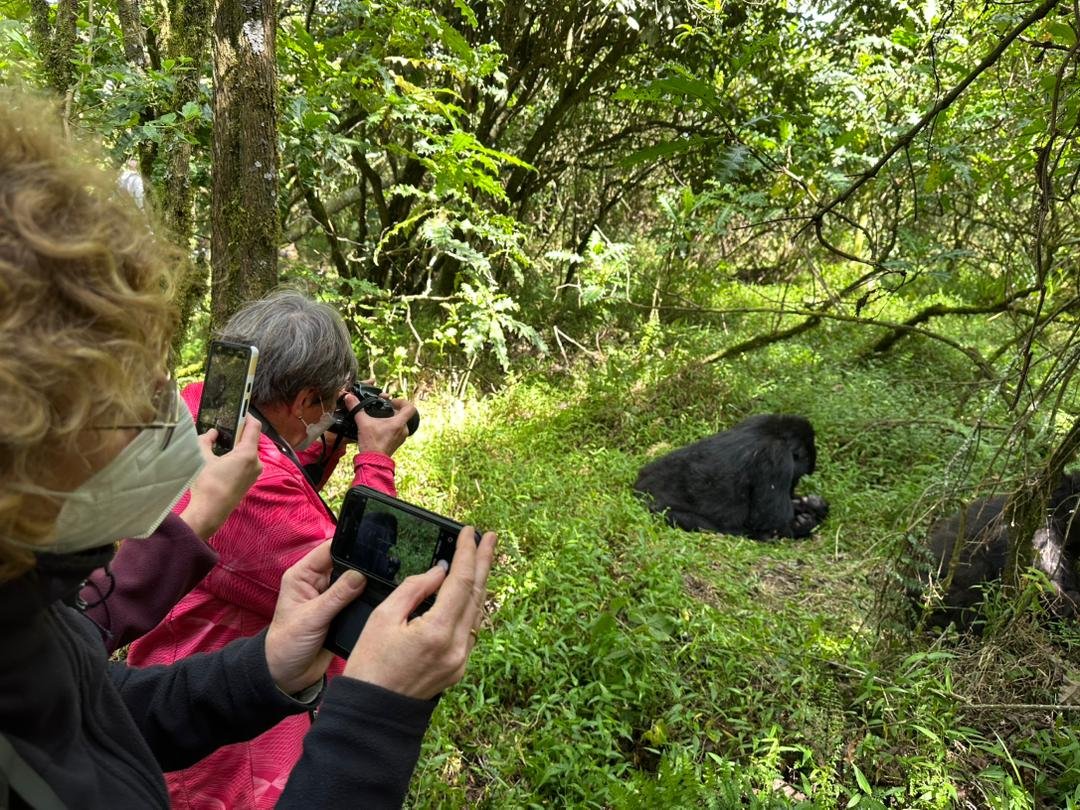
5-Day Uganda Gorilla and Chimpanzee Safari
This itinerary can be combined with a Rwanda extension or a wildlife-focused add-on through Queen Elizabeth National Park — browse our Uganda & Rwanda Safaris and Primate Safaris collections for ideas.
Tour Details →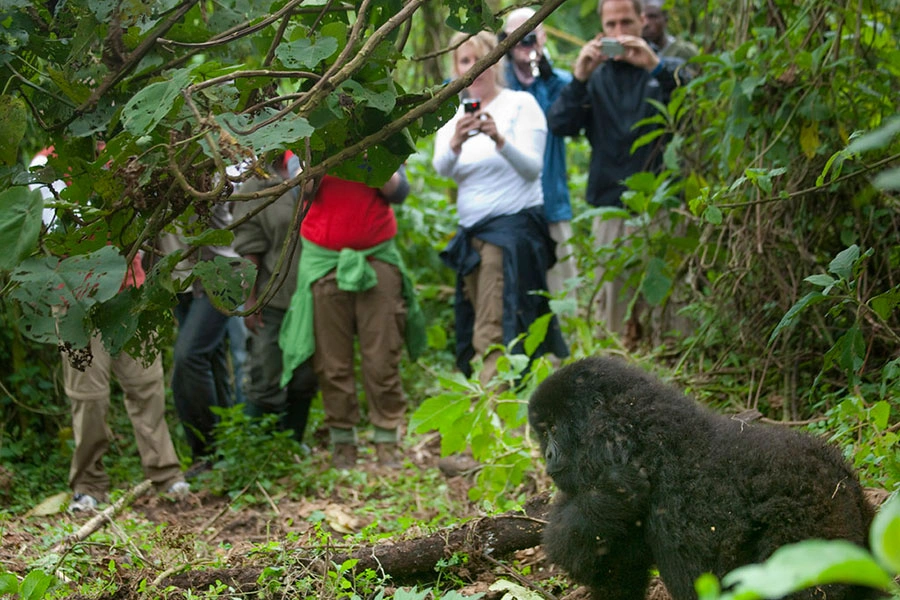
5 Days Rwanda Wildlife and Gorillas
This 5-day itinerary brings together Rwanda’s two flagship wildlife experiences: open savannah game drives and a boat safari in Akagera National Park, followed by a face-to-face encounters
Tour Details →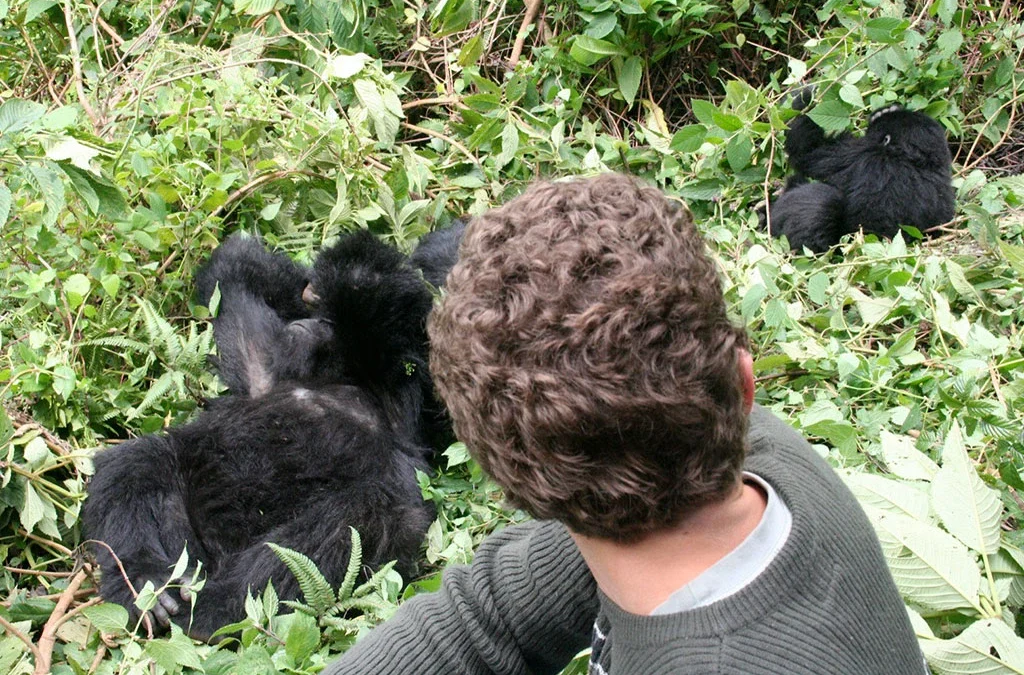
3 Days Uganda Gorilla Safari
For travelers who arrive in Entebbe with a tight schedule and a clear ambition, a 3-day gorilla safari to Bwindi Impenetrable Forest National Park is the most focused and rewarding short trip the country has to offer.
Tour Details →