- LET'S PLAN YOUR SAFARI
- +256 200 921 002
- +256 793 194 703
- info@pickandtransfersafaris.com

7-Day Rwanda Gorilla Chimpanzee and Wildlife Safari Itinerary
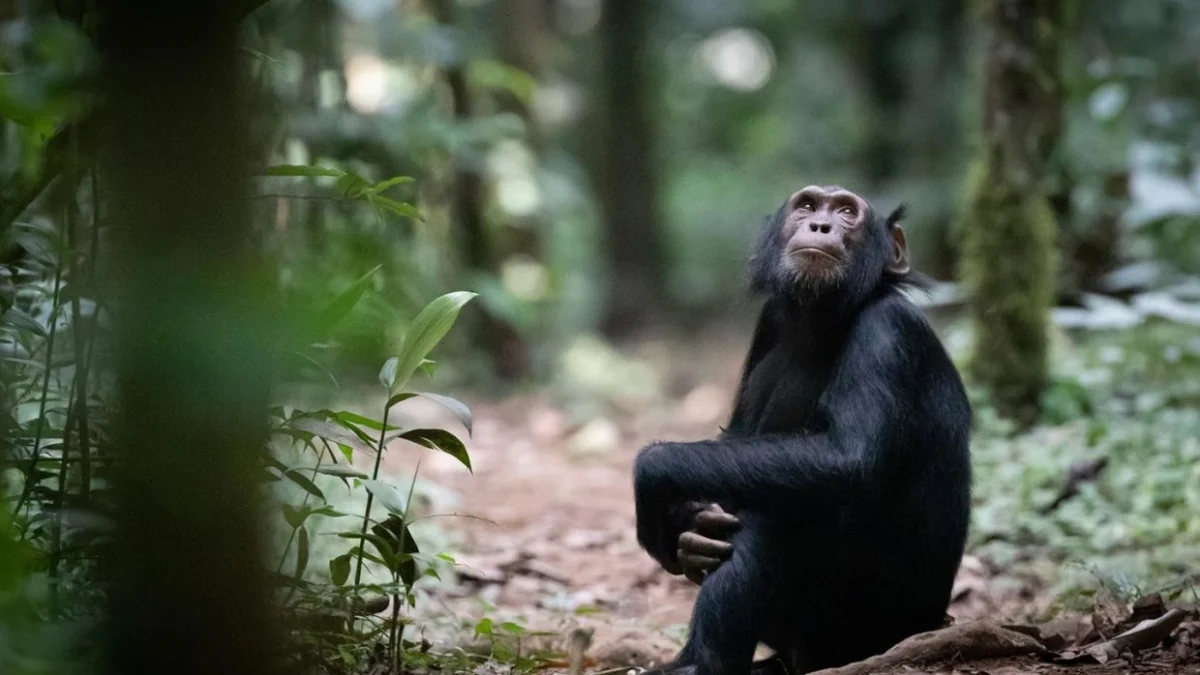
7-Day Rwanda Gorilla Chimpanzee and Wildlife Safari Itinerary. Rwanda is one of the only countries on earth where a single week can deliver mountain gorillas, wild chimpanzees, and a proper Big Five game drive without ever feeling rushed. Thanks to good tarmac roads, short domestic distances, and a compact cluster of world-class national parks, a traveler landing in Kigali on a Saturday can realistically be tracking gorillas through bamboo forest by Tuesday, watching chimpanzees pant-hoot through Nyungwe’s canopy by Thursday, and photographing lions and giraffes across Akagera’s savannah before flying home the following weekend.
This 7-day Rwanda gorilla, chimpanzee, and wildlife safari itinerary is the exact structure our team at Pick and Transfer Safaris uses when building a complete Rwanda circuit for first-time visitors, and it mirrors our own 7-day best of Rwanda safari package almost day for day. Below, you will find a full breakdown of each day, realistic driving times between parks, what to expect from each activity, and practical guidance on cost, packing, and customization, so you can plan your own week in Rwanda with total confidence.
The 7-Day Itinerary at a Glance
Before the day-by-day detail, here is the shape of the full week. Day one is spent settling into Kigali. Day two covers the transfer to Akagera National Park in Rwanda’s east for an afternoon game drive, followed by day three’s full day of wildlife viewing and a boat safari on Lake Ihema. Day four transfers west to Volcanoes National Park for gorilla trekking on day five. Day six is a scenic transfer south to Nyungwe Forest, home to day seven’s chimpanzee trekking and canopy walk, before returning to Kigali for departure.
This routing is deliberately designed to minimize backtracking: Akagera and Volcanoes National Park sit roughly two to three hours from Kigali in opposite directions, while Nyungwe connects naturally on the return leg toward the capital. Every driving day below reflects realistic road times using Rwanda’s excellent tarmac highway network, and your driver-guide will always confirm exact timing based on current road and weather conditions.
Day 1: Arrival in Kigali and City Orientation
Most international flights land at Kigali International Airport in the late morning or evening, and your first day is built around settling in rather than rushing straight into a park. A driver-guide from Pick and Transfer Safaris meets you at arrivals and transfers you to your hotel in Kigali, Rwanda’s remarkably clean and orderly capital, often ranked among the safest and most walkable cities in East Africa.
Depending on your arrival time, the afternoon can include a guided visit to the Kigali Genocide Memorial, a moving and important stop for understanding modern Rwanda’s history, followed by a stroll through a local craft market or a coffee tasting at one of the city’s excellent specialty cafes, since Rwanda’s volcanic highlands produce some of the region’s best Arabica beans. Dinner is typically at a restaurant overlooking the city’s rolling hills, a gentle introduction before the week’s more physically demanding days begin. Travelers wanting a deeper look at Kigali city before heading out to the parks sometimes extend this first day into a full day, an easy adjustment your operator can build into a customized version of this itinerary.
Day 2: Kigali to Akagera National Park
After breakfast, your vehicle departs for Akagera National Park, roughly 110 to 125 kilometers east of Kigali and about two to three hours by road, making it one of the most accessible savannah parks in the region. The drive itself is scenic, winding through rolling hills and small farming villages before the landscape opens into the acacia woodland and rolling grassland that define Akagera.
Arriving in time for lunch at your lodge overlooking Lake Ihema, the afternoon is reserved for your first game drive through the park, home to Rwanda’s full Big Five since the successful reintroduction of lions and eastern black rhinos over the past decade. Expect sightings of elephants, buffalo, giraffes, zebras, and a wide variety of antelope species during this first drive, with your ranger guide tracking radio updates on any recent predator sightings. For travelers comparing how other regional operators structure this same leg of a Rwanda circuit, Kenlink Tours’ 3-day Akagera game drive safari offers a useful point of reference for pacing and typical activities.
Day 3: Full-Day Akagera Game Drives and Boat Safari
Day three is dedicated entirely to Akagera, and it is worth every hour. An early morning game drive, departing around 6:00 AM while temperatures are cool and predators are most active, offers the best chance of spotting lions before they retreat into shade for the heat of the day. Akagera’s varied terrain, savannah, wetland, and low mountains, means each drive can turn up something different, from towering giraffes browsing acacia trees to pods of hippos wallowing in the shallows.
Midday is reserved for a boat safari on Lake Ihema, Rwanda’s second-largest lake and one of the most rewarding ways to see the park from the water. Expect close encounters with hippos and Nile crocodiles, along with excellent birdwatching among Akagera’s more than 500 recorded species, including the striking African fish eagle and, for lucky visitors, the rare shoebill stork in the papyrus swamps. A second game drive in the late afternoon closes out the day, timed for the golden light that makes for the best photography of the entire wildlife circuit. Travelers wanting to see how a longer, more leisurely Akagera stay compares can review Kenlink Tours’ 5-day Volcanoes gorillas and Akagera wildlife safari, which pairs this exact park with gorilla trekking in a similar combined format.
Day 4: Akagera to Volcanoes National Park
After a final early morning game drive, your vehicle departs Akagera for the journey west to Volcanoes National Park, the gateway to Rwanda’s mountain gorilla trekking and the scenic Musanze region beneath the Virunga volcanoes. This is the longest driving day of the week, typically taking most of the day given the cross-country route, so it is treated as a transit day with a scenic lunch stop along the way, often in or around Kigali, before continuing north toward Musanze.
Arriving at your lodge in the Musanze area by late afternoon or early evening gives you time to settle in, review the trekking briefing your guide provides, and rest ahead of the following morning’s early start. Many lodges in this area offer volcano-facing views and a relaxed dinner setting, the perfect place to mentally prepare for one of the trip’s two headline activities. Guests looking to add a short cultural stop here can pair this leg with the kind of itinerary featured in Pick and Transfer Safaris’ 3-day Rwanda gorilla tracking and cultural tour, which builds in time at the Iby’Iwacu Cultural Village near the park entrance.
Day 5: Gorilla Trekking Day in Volcanoes National Park
This is the day most travelers book the entire trip around. After a pre-dawn breakfast, your vehicle departs for Kinigi park headquarters by around 6:30 AM, where rangers register permits, deliver the mandatory trekking briefing, and assign each small group of up to eight visitors to a specific habituated gorilla family. Trekking time to reach the assigned family varies from thirty minutes to several hours depending on where the group has moved overnight, taking you through farmland, bamboo forest, and increasingly dense rainforest along the Virunga foothills.
Once trackers confirm contact, every group receives a full hour with their gorilla family, watching silverbacks, mothers with infants, and playful juveniles at close range under strict, respectful viewing rules. After the return trek and a certificate ceremony back at headquarters, the rest of the day is free for rest, an optional golden monkey tracking excursion, or a visit to the Dian Fossey exhibit in Kinigi. For the complete hour-by-hour breakdown of what this specific day involves, see our companion guide on what a typical day of Rwanda gorilla trekking looks like, and for travelers who want to compare how this activity is packaged elsewhere, Kenlink Tours’ 3-day Rwanda gorilla safari covers the same activity within a shorter standalone trip.
Day 6: Volcanoes to Nyungwe Forest via Lake Kivu
Day six is another transfer day, this time heading south to Nyungwe Forest National Park, Africa’s oldest montane rainforest and Rwanda’s premier chimpanzee trekking destination. The direct route between Volcanoes and Nyungwe typically takes five to six hours, so many itineraries, including this one, break the journey with a scenic lunch stop in Gisenyi or Rubavu on the shores of Lake Kivu, one of Africa’s Great Lakes and a beautiful spot to stretch your legs before continuing south along the lake’s mountainous shoreline road.
This drive is consistently rated among the most scenic in Rwanda, winding through terraced tea plantations and dense forest as the road climbs into the Albertine Rift highlands. Arriving at your Nyungwe-area lodge by early evening, dinner and an early night set you up for another pre-dawn start the following morning. Travelers who prefer to extend this leg into an overnight stop at Lake Kivu rather than a lunch break can look at how Kenlink Tours structures this same detour in their 6-day Rwanda adventures itinerary featuring great apes and Lake Kivu.
Day 7: Chimpanzee Trekking, Canopy Walk, and Departure
The final full day of the itinerary begins early once again, with a briefing at Nyungwe’s park reception followed by the chimpanzee trek itself, typically lasting two to four hours depending on where the community has moved to feed. Once trackers make contact, you are given up to an hour observing the chimpanzees as they forage, groom, and move noisily through the canopy overhead, a very different rhythm of encounter from the calmer, ground-based gorilla trek earlier in the week.
Depending on your flight schedule, many travelers add the Nyungwe canopy walkway afterward, a suspended bridge offering sweeping views across the forest, before beginning the roughly five-hour drive back to Kigali for an evening departure. Travelers on a tighter schedule can instead fly out of the small Kamembe airstrip near Nyungwe back to Kigali, saving most of a day of driving, an option worth discussing with your operator if your international flight home departs the same evening. For a deeper dive into everything this specific activity involves, see our detailed guide on chimpanzee trekking costs and what to budget before you travel.
What’s Included and What’s Not in a Packaged Itinerary
Understanding exactly what a quoted price covers avoids surprises once you arrive in Rwanda. A well-built package for this itinerary should include your gorilla and chimpanzee permits, all park entrance and activity fees at Akagera, six nights of accommodation, all ground transport in a private 4×4 with driver-guide, and airport transfers on arrival and departure. Most operators, including Pick and Transfer Safaris, also build in daily breakfast and, depending on the lodges selected, some or all lunches and dinners.
What typically falls outside the package price includes international flights, your Rwanda entry visa, travel insurance, tips for guides and porters, alcoholic beverages, and any optional add-on activities such as golden monkey tracking or the Nyungwe canopy walkway if not already specified in your itinerary. Always request a clear, itemized breakdown before booking so you know precisely what is and is not covered.
Accommodation Options Along the Route
Each region on this itinerary offers a genuine spread of accommodation standards, so the trip can be built around almost any budget. In Kigali, options range from comfortable business hotels to boutique guesthouses in the leafy Kiyovu and Kimihurura neighborhoods. Around Akagera, lodges and tented camps overlooking Lake Ihema range from simple, comfortable rooms to higher-end tented camps with private decks facing the savannah.
Near Volcanoes National Park, the Musanze and Kinigi area has perhaps the widest range of any stop on this itinerary, from budget guesthouses to some of Rwanda’s most celebrated luxury lodges with volcano views. Nyungwe has fewer properties overall, given its more remote, forested setting, but still spans a similar range from simple guesthouses in Gisakura to a well-known luxury forest lodge built into the hillside above the canopy. Our team at Pick and Transfer Safaris matches lodge selection across all three regions to a single consistent budget tier, so your standard of comfort stays even throughout the week rather than swinging between extremes.
Health and Travel Preparations Before You Go
A trip combining high-altitude forest trekking with savannah game drives calls for a bit of preparation beyond the usual packing list. Most nationalities can obtain a Rwanda visa online or on arrival, and travelers extending into Uganda partway through their trip should look into the East Africa Tourist Visa, which covers Rwanda, Uganda, and Kenya on a single multi-entry permit. A yellow fever vaccination certificate is required for travelers arriving from certain countries, and routine malaria prophylaxis is generally recommended given time spent in Akagera’s lower-altitude wetland environment.
Comprehensive travel insurance covering medical evacuation is strongly advised for any itinerary involving remote trekking activities, and travelers with any respiratory symptoms in the days before their gorilla or chimpanzee trek should notify their guide, since both species are highly susceptible to human illness and park rules require excluding unwell visitors from that day’s trek. Booking through an operator such as Pick and Transfer Safaris means this guidance, and any last-minute rescheduling if needed, is handled directly by people who know the parks and their current protocols.
Photography and Wildlife Viewing Tips Across the Three Parks
Each leg of this itinerary rewards a slightly different photography approach. In Akagera’s open savannah, a zoom lens in the 100–400mm range captures distant giraffes and grazing herds well, and the golden hour light during the early morning and late afternoon drives consistently produces the best images of the trip. Inside Volcanoes and Nyungwe’s forest interiors, low light and dense vegetation call for a fast lens and a higher ISO setting, since flash photography is strictly prohibited around both gorillas and chimpanzees.
A lightweight rain cover for your camera is essential on both forest trekking days, given how quickly weather changes at altitude, and a spare battery is worth packing since cool, humid mountain air drains batteries faster than the dry heat of Akagera does. Binoculars, while not a camera, arguably see more use across this itinerary than any single lens, since they work equally well for spotting golden monkeys in the bamboo and lions resting in distant shade.
How Much This 7-Day Itinerary Typically Costs
A complete 7-day Rwanda gorilla, chimpanzee, and wildlife safari involves several major fixed costs: the gorilla permit at roughly $1,500 per person, the chimpanzee permit at approximately $250 per person, Akagera park and activity fees, six nights of accommodation across three regions, and private 4×4 transport with a driver-guide for the full week. Altogether, most travelers should budget somewhere between $3,500 and $6,500 per person for a mid-range version of this itinerary, with luxury lodges and fully private departures pushing costs higher, and budget-oriented group departures bringing the total down meaningfully by sharing transport and guide costs across more travelers.
Because permits, park fees, and accommodation rates all shift periodically, we strongly recommend requesting a current, itemized quote rather than relying on any single published figure. The team at Pick and Transfer Safaris builds a transparent, line-by-line quote for every version of this itinerary, and Kenlink Tours’ Rwanda safaris page is a useful second reference point for comparing how another established regional operator prices a similar week-long circuit. Independent travelers piecing together their own transport can also compare self-drive and chauffeur rates through Kenlink Tours’ car hire page to see how vehicle hire costs factor into a week of this length.
What to Pack for a Week Combining Trekking and Game Drives
Packing for this itinerary means preparing for two very different environments in the same week: cool, wet, high-altitude rainforest for the gorilla and chimpanzee treks, and hot, dry savannah for Akagera’s game drives. Waterproof hiking boots, a rain jacket, long trousers, and a long-sleeved shirt are essential for both forest days, while lighter, breathable clothing in neutral colors works best for game drives, along with a wide-brimmed hat and strong sunscreen.
A good pair of binoculars earns its keep on every single day of this itinerary, from spotting golden monkeys in the bamboo to picking out distant giraffes on the Akagera plains. A daypack, at least two liters of water capacity, a dry bag or rain cover for cameras, and a modest stash of small-denomination US dollars for tips and incidentals round out the essentials. Because you will be moving between three distinct regions in one week, packing light and using a soft-sided duffel bag rather than a rigid suitcase makes each transfer noticeably easier.
Best Time of Year to Do This Itinerary
This 7-day circuit runs well year-round, since all three parks stay open every month, but the two dry seasons, roughly June through September and December through mid-February, offer the firmest trekking trails and the easiest game-viewing conditions in Akagera, when animals cluster more predictably around remaining water sources. These months are also the most popular for gorilla permits, so booking several months ahead is strongly advised if your travel dates fall within them.
The shoulder and wetter months, particularly March through May and October through November, bring lush scenery, fewer crowds, and occasionally better permit availability at short notice, though trekking trails become muddier and Akagera’s dispersed wildlife can require more patient searching. Regardless of season, mornings consistently offer the clearest weather and most active wildlife across all three parks, which is part of why nearly every day on this itinerary starts early.
Customizing This 7-Day Itinerary
While this seven-day structure works well for most first-time visitors, it can be adjusted in several directions depending on your interests and available time. Travelers who want more time to relax rather than drive can extend the trip to nine or ten days, adding a second night at Lake Kivu or a rest day in Kigali, similar to the pacing found in Kenlink Tours’ 10-day fantastic tour in Rwanda and Uganda. Travelers on a tighter schedule sometimes drop Akagera entirely and focus purely on primates, a combination covered well by our own 5-day Rwanda gorilla and chimpanzee safari.
Families or travelers less interested in a second long forest trek sometimes swap the Nyungwe chimpanzee leg for extra time in Akagera or a night at Lake Kivu instead, a variation our team can build around the 5-days best of Rwanda primate safari framework. For travelers who want to add a second country entirely, extending west into Uganda for a further gorilla trek in a different population is also a popular add-on, and Kenlink Tours’ own Uganda-Rwanda combining safaris illustrate how that extension is typically scheduled.
Traveling as a Couple, Family, or Solo Traveler
This itinerary adapts comfortably to almost any travel style, though a few adjustments are worth knowing about. Couples and honeymooners often upgrade to Rwanda’s higher-end lodges at each stop, particularly around Volcanoes National Park, where several properties are specifically designed around romantic, volcano-facing suites. Families should note the minimum age requirements for both primate treks, generally around 15 for gorillas and 12 to 15 for chimpanzees depending on current park regulations, and plan alternative activities such as golden monkey tracking or a guided nature walk for younger children who cannot yet join the main treks.
Solo travelers frequently find that joining a scheduled group departure rather than booking a fully private circuit brings costs down meaningfully, since vehicle, driver-guide, and in some cases accommodation costs are shared across a small group of like-minded travelers. Our team at Pick and Transfer Safaris can advise on which format suits your travel style and budget best before you commit to a private or joined departure.
Group Departures vs Private Custom Safaris
There are two broad ways to book this itinerary: a scheduled group departure, where you join a small number of other travelers on a fixed departure date, or a fully private, custom departure built entirely around your own dates and pace. Group departures typically cost less per person, since vehicle and guide fees are shared, and they suit travelers happy to move on a shared schedule with fellow guests.
Private departures cost more but offer complete flexibility over start times, pacing between activities, and lodge selection, which some travelers find worth the premium, particularly on the physically demanding gorilla and chimpanzee trekking days. Kenlink Tours’ scheduled departure safari page illustrates how fixed-date group trips are typically structured by another regional operator, which is a useful comparison if you are weighing the two formats before booking your own trip through Pick and Transfer Safaris.
What Makes Rwanda’s Version of This Itinerary Distinctive
Several countries offer gorilla trekking, and a handful offer chimpanzee trekking, but very few can add a genuine Big Five savannah park into the same short, low-stress week the way Rwanda does. Part of this comes down to sheer geography: Rwanda is small enough that no single leg of this itinerary requires more than a half-day drive, and its roads are consistently better maintained than those in many neighboring countries, which keeps transfer days comfortable rather than exhausting.
The other part comes down to conservation success. Akagera’s Big Five status is a genuinely recent achievement, rebuilt over the past decade through lion and rhino reintroduction programs after the park’s wildlife was decimated during and after the 1994 genocide, and Volcanoes National Park’s gorilla population has grown steadily even as the surrounding region’s human population has increased. Travelers who complete this circuit often describe it as one of the most concentrated wildlife recovery stories they have ever witnessed firsthand, layered on top of three genuinely world-class encounters with gorillas, chimpanzees, and Big Five game.
Alternative Routing: Starting With Gorillas Instead of Wildlife
Some travelers prefer to trek gorillas on day two, immediately after arrival, rather than starting with Akagera. This alternative sequencing, Kigali to Volcanoes first, then Nyungwe, then Akagera on the way back toward Kigali, works just as well logistically and is simply a matter of personal preference, since all three legs connect back through the capital in a similar loop. The version outlined above is optimized to place the most physically demanding activity, gorilla trekking, in the middle of the week once travelers have had a day to recover from international travel, but either order delivers the same three headline experiences.
Whichever order you choose, our team at Pick and Transfer Safaris can rearrange the sequence, lodge selection, and pacing around your specific flight times and energy levels, since no two travelers approach a physically demanding week quite the same way.
Why Book This Itinerary With a Local Rwanda Specialist
A seven-day circuit touching three national parks involves a significant number of moving parts: two of Rwanda’s most sought-after permits, multiple long transfers, and lodge bookings across three distinct regions, all of which benefit enormously from being handled by an operator who works these routes every week. Pick and Transfer Safaris secures gorilla and chimpanzee permits directly, pairs each leg of the trip with vetted accommodation across every budget tier, and provides an experienced driver-guide for the entire week rather than switching vehicles or guides between regions.
Because gorilla permits in particular sell out months in advance during peak season, we recommend contacting our team through our contact page as early as possible once your travel dates are set, so we can lock in permits and lodges before availability tightens. Explore our full range of Rwanda and Uganda safari packages for shorter or longer variations on this same circuit. Travelers who want a second opinion on pricing or pacing before committing are welcome to compare notes against Kenlink Tours, another established regional operator whose contact page outlines how they handle similar multi-park bookings.
Currency, Connectivity, and Practical Logistics for the Week
Rwanda’s currency is the Rwandan franc, though most tourism costs, permits, park fees, and many lodge rates, are typically quoted and settled in US dollars. It is worth carrying a mix of clean, newer-series dollar bills for tips and incidentals alongside a card for larger hotel bills, since ATMs are readily available in Kigali but far less common once you are out at Akagera, Volcanoes, or Nyungwe. Local SIM cards are inexpensive and easy to buy on arrival at Kigali airport, and mobile data coverage is generally reliable in towns and along main highways, though it drops out, as expected, deep inside forest trekking areas.
Electrical outlets in Rwanda use the European two-pin standard at 230 volts, so travelers from the UK, US, and other regions should pack an appropriate adapter. Most lodges across all three regions on this itinerary offer reliable electricity, though smaller guesthouses in more remote areas occasionally rely on solar power or generators during set hours, worth asking about in advance if you are traveling with equipment that needs regular charging, such as camera batteries or a laptop.
Frequently Asked Questions About This 7-Day Rwanda Itinerary
Is seven days enough time to see gorillas, chimpanzees, and Big Five wildlife in Rwanda? Yes, seven days is a well-tested minimum for combining all three experiences, though it involves several long driving days. Travelers who prefer a more relaxed pace often extend to nine or ten days.
How much driving is involved in this itinerary? Expect roughly four driving days out of seven, ranging from a two-and-a-half-hour transfer to Akagera or Volcanoes up to a five-to-six-hour transfer between Volcanoes and Nyungwe, all on well-maintained tarmac roads.
Can this itinerary be done without a private vehicle? It is possible using a mix of public transport and local tour bookings, but a private vehicle with driver-guide is strongly recommended given the tight scheduling around trekking start times and the remote location of some lodges, particularly near Nyungwe and Akagera.
What is the single biggest cost on this itinerary? The gorilla trekking permit, at roughly $1,500 per person, is by far the largest individual expense, followed by six nights of accommodation and the week-long vehicle and driver-guide hire.
Can this itinerary be combined with Uganda? Yes, travelers with additional time sometimes extend west into Uganda for a second gorilla trek in a different population, or to visit Uganda’s savannah parks, an extension our team and operators such as Kenlink Tours regularly build into longer combined itineraries.
Do I need to be very fit to complete this itinerary? A reasonable level of everyday fitness is enough for most travelers, though the gorilla and chimpanzee treks both involve genuine physical effort at altitude, and Akagera’s game drives require no fitness at all beyond sitting in a vehicle for extended periods.
Should I book permits before booking flights? It is safer to at least confirm permit availability with your operator before purchasing non-refundable flights, since gorilla permits in particular can sell out for popular dates months in advance during peak season.
What happens if I get sick during the trip and miss a trekking day? Reputable operators build a small buffer into longer itineraries and can often help rebook a missed trekking day, though this depends on permit availability at the time, which is another reason working with an experienced local team such as Pick and Transfer Safaris is worthwhile.
Is it better to book this as one package or arrange each leg separately? Booking the full circuit as one package with a single operator is almost always more cost-effective and far less stressful than arranging permits, transport, and lodges separately for each park, since a single operator can coordinate timing across the whole week.
Final Thoughts on 7-Day Rwanda Gorilla Chimpanzee and Wildlife Safari Itinerary
Few countries let you combine three entirely different wildlife experiences, mountain gorillas, wild chimpanzees, and a proper savannah game drive, within a single, manageable week the way Rwanda does. This itinerary is built around realistic driving times and a pace that respects both the physical demands of trekking and the simple pleasure of watching lions and giraffes from an open vehicle at Akagera.
If this 7-day Rwanda gorilla, chimpanzee, and wildlife safari itinerary sounds like the trip you have been planning, the team at Pick and Transfer Safaris can build it around your exact travel dates, budget, and fitness level. Browse our full gorilla safaris and wildlife safaris collections, or reach out directly through our contact page to start planning your own week among Rwanda’s gorillas, chimpanzees, and Big Five.
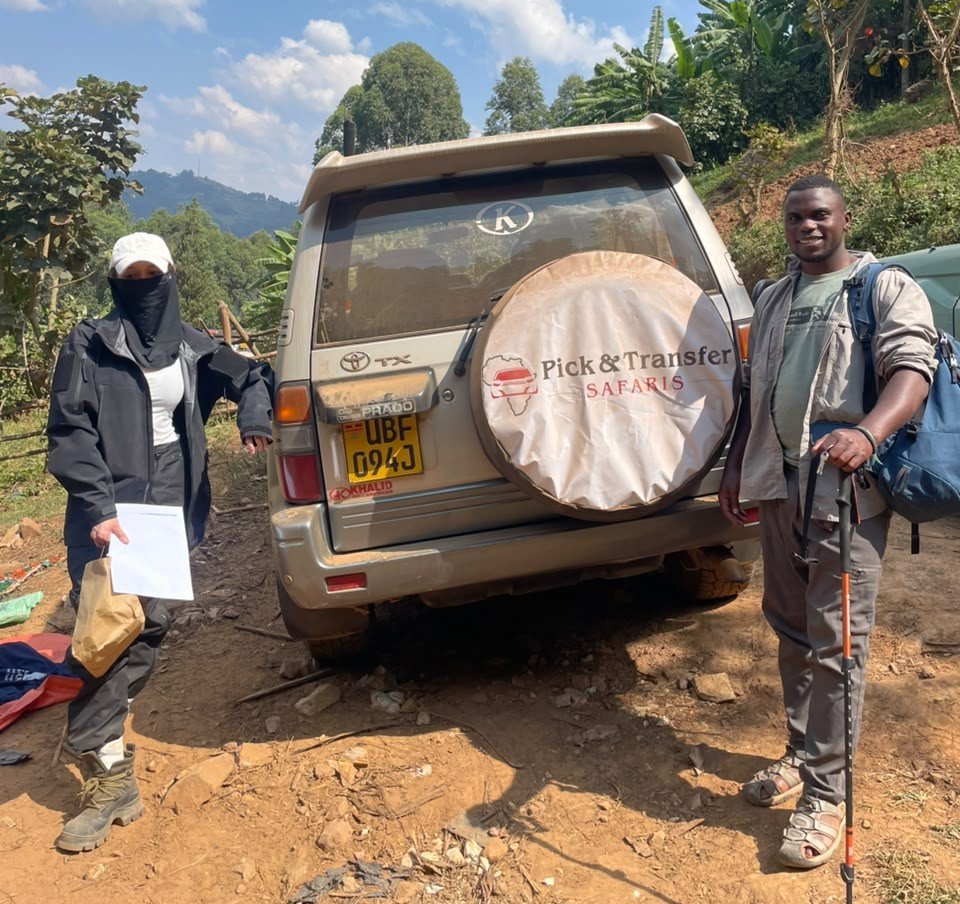
7 Days Uganda Safari – One week tour
This 7-day itinerary is the classic one-week introduction to Uganda, covering the country’s three most iconic wildlife experiences: chimpanzee tracking in Kibale Forest National Park, Big Five game drives and a boat cruise in Queen
Tour Details →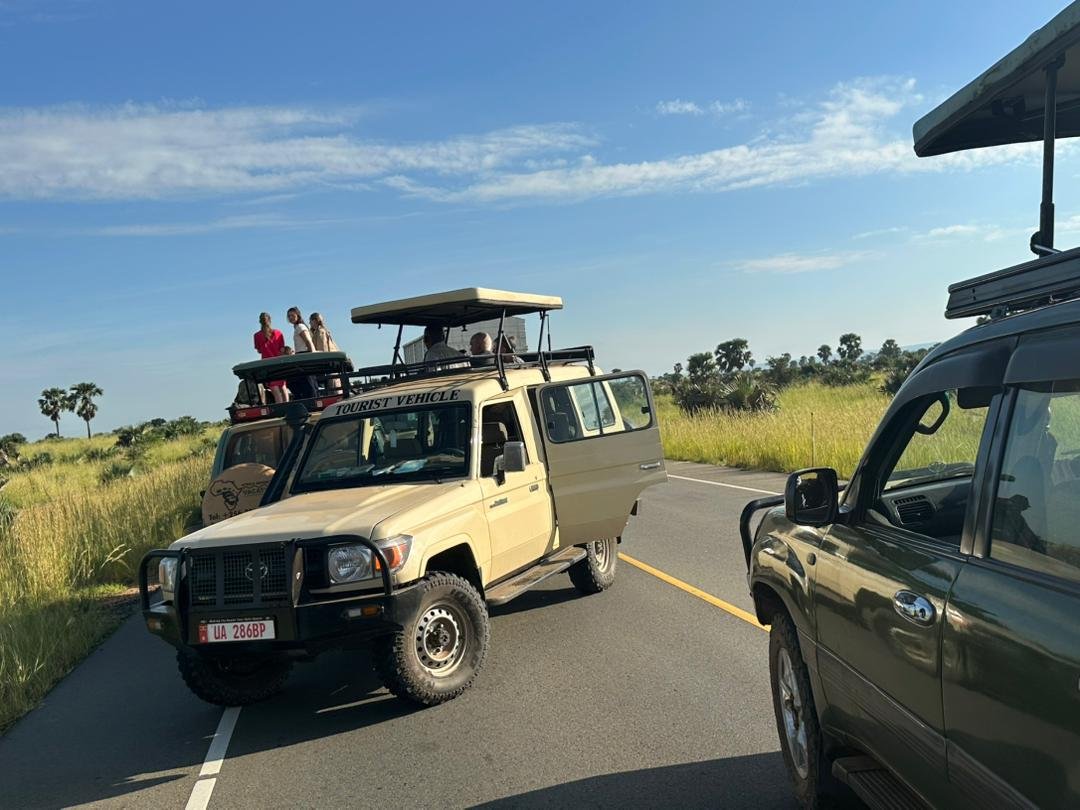
10 Days Uganda Primates and Wildlife
This 10-day Uganda Grand Safari is the most complete Uganda itinerary we offer at Pick and Transfer Safaris. It begins with a scenic northward drive from Entebbe to the vast open plains of Murchison
Tour Details →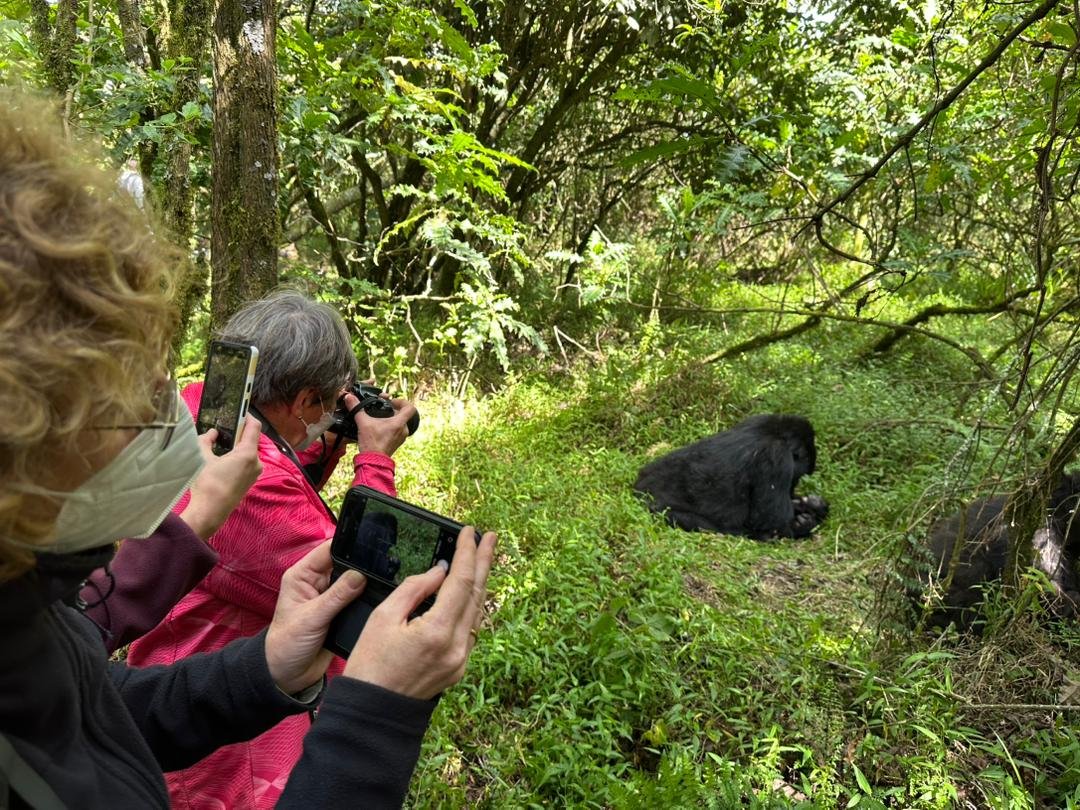
2 Days Uganda Gorilla Tour Starting from Kigali
This is the gentler cousin of our 1-Day Uganda Gorilla Safari Starting from Kigali — same idea, twice the breathing room. Instead of squeezing a 3,000-metre forest trek and two border crossings into a single very long day
Tour Details →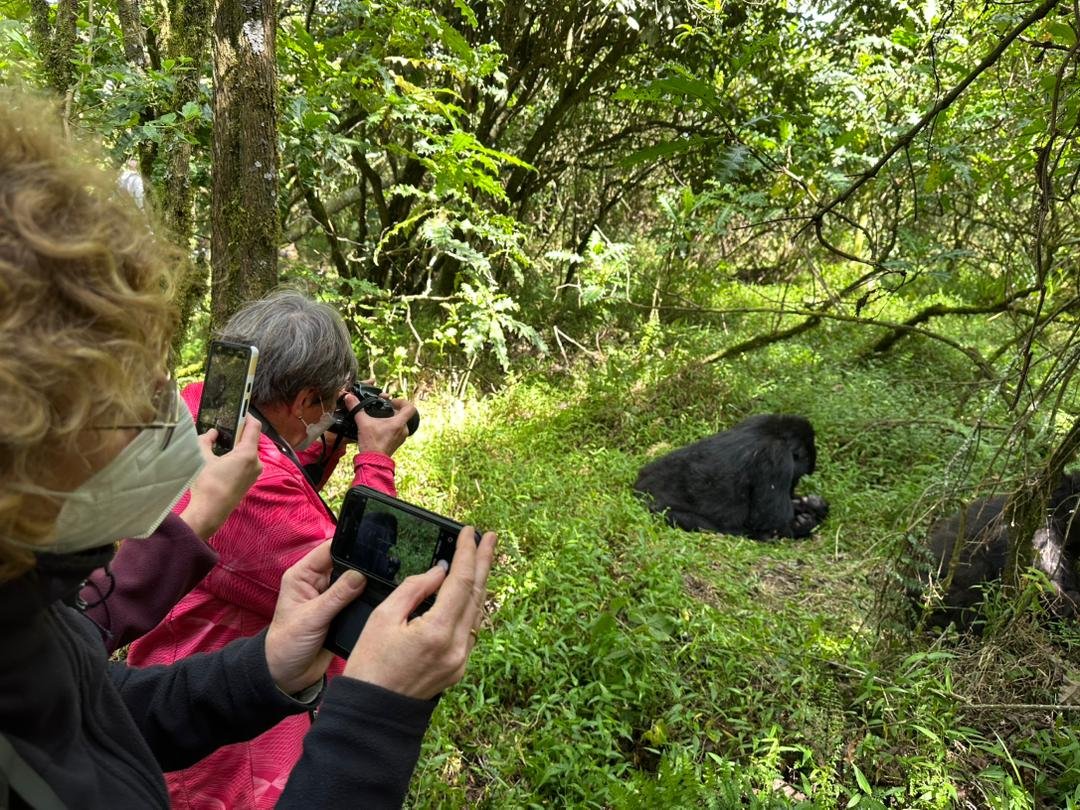
5-Day Uganda Gorilla and Chimpanzee Safari
This itinerary can be combined with a Rwanda extension or a wildlife-focused add-on through Queen Elizabeth National Park — browse our Uganda & Rwanda Safaris and Primate Safaris collections for ideas.
Tour Details →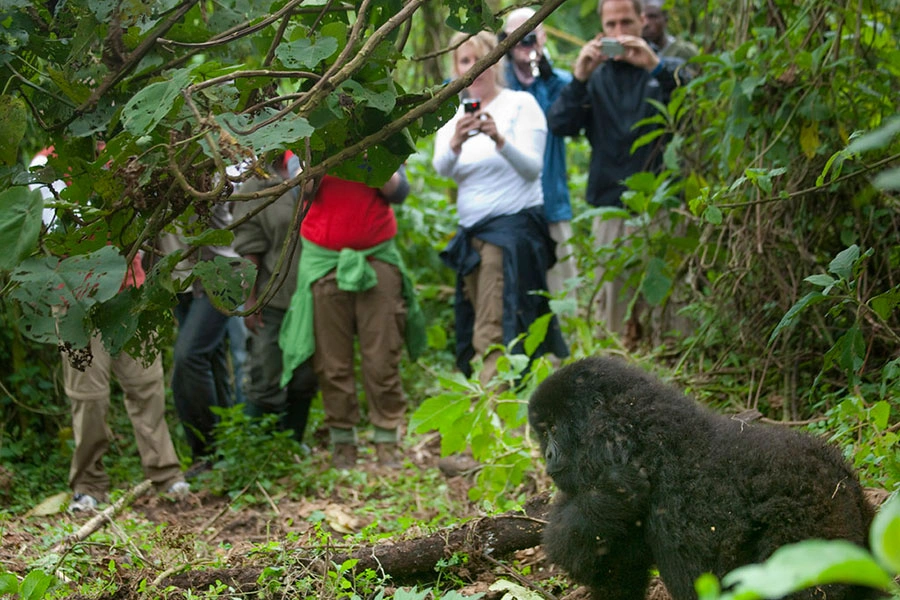
5 Days Rwanda Wildlife and Gorillas
This 5-day itinerary brings together Rwanda’s two flagship wildlife experiences: open savannah game drives and a boat safari in Akagera National Park, followed by a face-to-face encounters
Tour Details →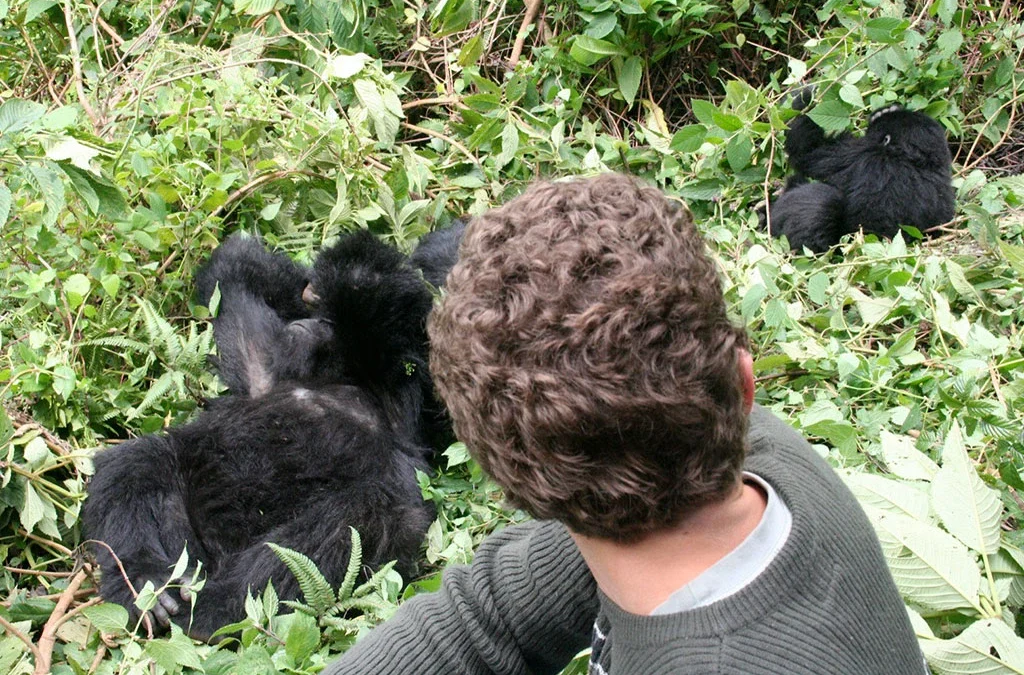
3 Days Uganda Gorilla Safari
For travelers who arrive in Entebbe with a tight schedule and a clear ambition, a 3-day gorilla safari to Bwindi Impenetrable Forest National Park is the most focused and rewarding short trip the country has to offer.
Tour Details →