- LET'S PLAN YOUR SAFARI
- +256 200 921 002
- +256 793 194 703
- info@pickandtransfersafaris.com

3-Day Rwanda Safari Itinerary
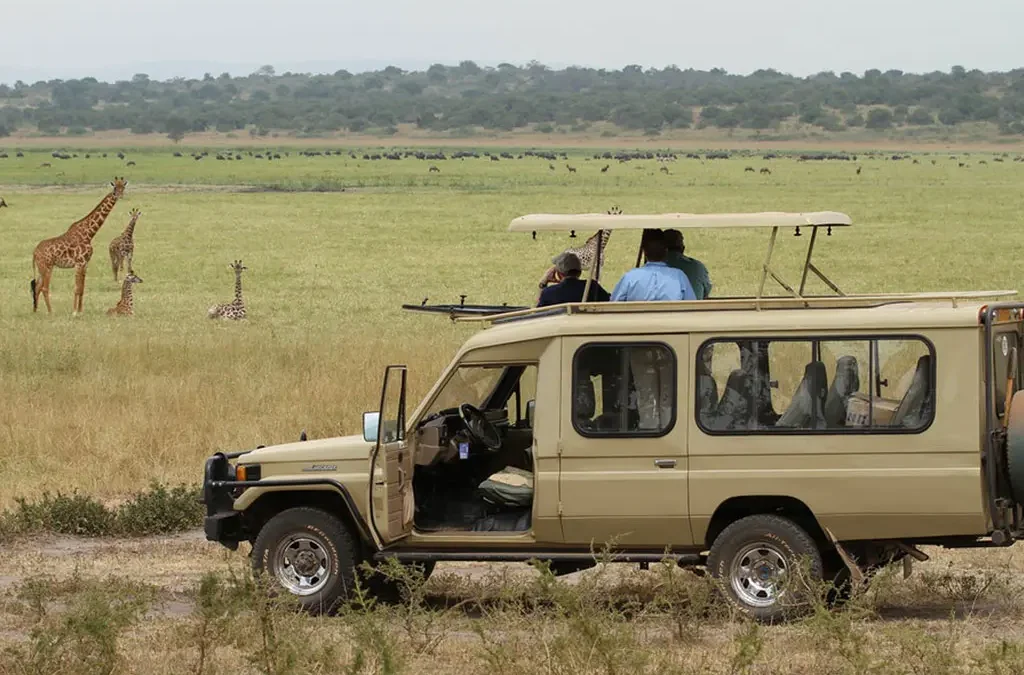
3-Day Rwanda Safari Itinerary. Not everyone has a week to spare, and Rwanda is one of the few countries where that is genuinely fine. Thanks to short domestic distances and a single, world-famous gorilla trekking hub sitting just two and a half hours from the international airport, a traveler can fly into Kigali, trek mountain gorillas, add a rich cultural experience, and be back on a plane home within three days, without the trip ever feeling rushed or superficial.
This 3-day Rwanda safari itinerary is the exact structure our team at Pick and Transfer Safaris builds for guests with limited time, and it closely mirrors our own 3-day Rwanda gorilla tracking and cultural tour package. Below is a full day-by-day breakdown, realistic timing, what to expect from each activity, and honest guidance on what a short trip like this can and cannot include, so you can decide with confidence whether three days is the right length for your own trip to Rwanda.
The 3-Day Itinerary at a Glance
In its simplest form, this itinerary spends day one traveling from Kigali to the Volcanoes National Park area and settling in, day two on the trip’s centerpiece activity, a full gorilla trekking day, and day three on a lighter optional activity before returning to Kigali for departure. Because Volcanoes National Park sits only about 104 kilometers, roughly two and a half hours, from Kigali on a smooth tarmac road, this itinerary avoids the long, tiring transfers that longer multi-park circuits require, keeping the entire trip focused and low-stress.
This compact structure makes it ideal for business travelers extending a trip, honeymooners wanting a taste of Rwanda without a full week away, or anyone whose primary goal is a single, unforgettable gorilla encounter rather than a comprehensive tour of the country. Each day is broken down in full detail below.
Day 1: Arrival in Kigali and Transfer to Volcanoes National Park
Most international flights land at Kigali International Airport in the late morning or early afternoon, and a driver-guide from Pick and Transfer Safaris meets you at arrivals for the drive north. Depending on your exact arrival time, some travelers choose a short stop in Kigali city for lunch or a quick visit to the Kigali Genocide Memorial before continuing on, while others head straight for Musanze to maximize rest time ahead of the following day’s trek.
The drive itself is one of Rwanda’s most scenic, winding through terraced hillsides and small farming villages as the road climbs toward the Virunga volcanoes. Arriving at your lodge in the Musanze or Kinigi area by mid-to-late afternoon leaves time to settle in, review your ranger briefing with your guide, and enjoy dinner early, since day two begins well before sunrise. Travelers arriving early enough in the day sometimes fit in a visit to Iby’Iwacu Cultural Village on this first afternoon, watching a live Intore dance performance and touring a recreated traditional homestead, an experience covered in more detail in our guide to gorilla safaris and built directly into our 3-day gorilla tracking and cultural tour.
Day 2: Gorilla Trekking Day in Volcanoes National Park
This is the day the entire trip is built around. After a hot breakfast around 5:00 AM, your vehicle departs for Kinigi park headquarters by roughly 6:30 AM, where rangers register permits, deliver the mandatory briefing on trekking etiquette, and assign each small group of up to eight visitors to a specific habituated gorilla family based on fitness level and preference. Trekking time to reach the assigned family varies from thirty minutes to several hours depending on where the group has moved overnight, taking you through farmland, bamboo forest, and increasingly dense rainforest along the lower slopes of the Virunga range.
Once trackers confirm contact, every group receives a full, uninterrupted hour with their gorilla family, watching silverbacks, mothers with infants, and playful juveniles at close range under respectful, strictly enforced viewing rules. After the return trek and a certificate ceremony back at park headquarters, most trekkers are back at their lodge by early-to-mid afternoon, leaving the rest of the day free to rest, review photographs, or add a short optional activity such as a guided nature walk. For the complete hour-by-hour breakdown of what this specific day involves, our companion piece on gorilla safaris walks through the full experience from wake-up to certificate ceremony, and travelers comparing how this activity is packaged by other regional operators can review Kenlink Tours’ 3-day Rwanda gorilla safari for a useful reference point.
Day 3: Optional Morning Activity and Departure
Your final day offers a genuinely enjoyable decision to make: a second, lighter activity in the Volcanoes area, or a relaxed morning followed by the transfer back to Kigali. The three most popular options are golden monkey tracking, a gentler half-day activity costing around $100 per person that brings you face to face with a habituated troop of golden monkeys leaping through the park’s bamboo forest; a hike to Dian Fossey’s tomb and the former Karisoke Research Center, a moderately challenging trek of around two hours each way that traces the route made famous by the celebrated primatologist; or, for travelers who skipped it on day one, an afternoon at Iby’Iwacu Cultural Village.
Whichever option you choose, the drive back to Kigali takes roughly two and a half hours, so most itineraries plan the morning activity to wrap up by early afternoon, leaving a comfortable buffer before an evening international departure. Travelers with a very early or very late flight sometimes use this final day almost entirely for the drive back to Kigali, adding a stop at a coffee cooperative or roadside market along the way. Our team at Pick and Transfer Safaris tailors this final day around your specific flight time so nothing feels rushed.
Is Three Days Really Enough for a Rwanda Safari?
This is the question we hear most often, and the honest answer depends entirely on what you want from the trip. Three days is genuinely enough to have a complete, unhurried gorilla trekking experience, the single most sought-after wildlife encounter in Rwanda, along with a taste of the country’s culture and scenery. What three days does not allow for is a full multi-park circuit; chimpanzee trekking at Nyungwe Forest National Park and a Big Five safari at Akagera National Park both sit several hours from Volcanoes National Park and would turn a relaxed three-day trip into a rushed one if squeezed in.
Travelers who complete this three-day itinerary and want more often extend into our 5-day Rwanda gorilla and chimpanzee safari or the more complete 7-day Rwanda gorilla, chimpanzee, and wildlife safari itinerary on a future trip, but as a focused introduction to Rwanda built around its signature experience, three days delivers a genuinely complete and satisfying trip on its own.
What a 3-Day Rwanda Safari Typically Costs
The largest single cost on this itinerary is the gorilla trekking permit itself, currently priced at approximately $1,500 per person and issued by the Rwanda Development Board. On top of the permit, travelers should budget for two nights of accommodation, private 4×4 transport with a driver-guide for the full three days, meals, and any optional second activity on day three, such as the $100 golden monkey permit or the roughly $75 Dian Fossey tomb hiking permit.
Altogether, a mid-range version of this three-day itinerary typically runs somewhere between $2,200 and $3,200 per person, with the permit as a fixed cost and accommodation standard driving most of the variation between a comfortable guesthouse and a luxury volcano-view lodge. Because permits, park fees, and accommodation rates shift periodically, we recommend requesting a current, itemized quote from your operator rather than relying on any single published figure; the team at Pick and Transfer Safaris provides a transparent, line-by-line breakdown for every version of this trip, and Kenlink Tours’ Rwanda safaris page offers a useful second reference point for comparing how another established regional operator prices a similar short itinerary.
What’s Included and What’s Not in a Packaged 3-Day Trip
A well-built three-day package should include your gorilla trekking permit, two nights of accommodation, all ground transport in a private vehicle with driver-guide, airport transfers, and daily breakfast, with many operators also including lunches and dinners depending on the lodge selected. What typically falls outside the package price is your international flight, Rwanda entry visa, travel insurance, tips for your guide and porter, any optional day-three activity such as golden monkey tracking, and alcoholic beverages.
Always ask for a clear, itemized breakdown before booking so there are no surprises once you arrive. Our our safaris page lists every package alongside what is included, and our team is happy to walk through the specifics of this three-day format by request through our contact page.
Accommodation Options Around Volcanoes National Park
Because this entire itinerary revolves around a single base in the Musanze and Kinigi area, choosing the right lodge matters more here than on a multi-region trip. Budget travelers can find comfortable guesthouses from roughly $30 to $50 per night, offering simple, clean rooms with breakfast and easy access to Kinigi park headquarters. Mid-range lodges, typically running $100 to $250 per night, add features like en-suite hot water, on-site dining, and often volcano views from communal areas.
At the top end, Musanze is home to some of Rwanda’s most celebrated luxury properties, several with private volcano-facing suites, spa facilities, and rates well above $500 per night on a full-board basis. Because this itinerary only requires two nights in one location, many travelers use it as an opportunity to book a higher standard of lodge than they might choose for a longer, multi-stop trip, since the cost difference over just two nights is relatively modest. Our team at Pick and Transfer Safaris can match a lodge to your exact budget across every tier in the area.
Currency, Tipping, and Practical Logistics
Most tourism costs in Rwanda, permits, park fees, and many lodge rates, are quoted and settled in US dollars, so it is worth carrying a supply of clean, newer-series dollar bills for tips and incidentals, since older or worn notes are sometimes refused. Cash tips for your ranger guide, porter, and driver are customary and typically given directly at the end of each activity; a reasonable guideline is $15 to $20 for your ranger guide after the gorilla trek, a similar amount for your porter if hired, and $10 to $15 per day for your driver-guide.
Credit cards are increasingly accepted at mid-range and luxury lodges around Musanze, but smaller guesthouses and roadside stops generally operate cash-only, so carrying a reasonable cash buffer for the full trip is a sensible precaution. ATMs are readily available in Kigali but far less common once you reach the Musanze area, so withdrawing cash before heading north is worth building into your day-one plans.
Photography Tips for a Short, Trekking-Focused Trip
Because this itinerary compresses the entire trip around a single major trekking day, it pays to be fully prepared before you set out. A fast shutter speed and a lens or phone that performs well in low light matter considerably inside Volcanoes National Park’s shaded bamboo and rainforest zones, since flash photography is strictly prohibited around the gorillas. Spending the first few minutes of your encounter simply watching without a camera between you and the gorillas is a habit many first-time trekkers wish they had adopted, since several travelers describe those unfiltered opening moments as the most memorable part of the entire trip.
A lightweight rain cover for your camera or phone is worth packing given how quickly weather can change at this altitude, and a spare battery is a smart addition, since cool, humid mountain air drains batteries faster than expected. If you add golden monkey tracking on day three, a slightly longer lens helps, since the monkeys move quickly through the bamboo canopy and rarely sit still for long.
What to Pack for a Short, Trekking-Focused Trip
Because this itinerary revolves almost entirely around a single trekking day, packing can stay relatively light and focused. Waterproof hiking boots with good ankle support, a rain jacket regardless of season, long trousers, and a long-sleeved shirt are essential for the forest terrain inside Volcanoes National Park, along with gardening gloves for pushing aside stinging nettles along the trail. A daypack with at least two liters of water, energy snacks, and a rain cover for your camera or phone rounds out the trekking essentials.
For the rest of the trip, comfortable, casual clothing is fine, and a warm layer is worth packing for evenings in the Musanze area, which sits at high altitude and cools considerably after sunset. A modest stash of small-denomination US dollars covers tips for your ranger guide, porter, and driver, all customary and appreciated at the end of each activity.
Best Time of Year for a 3-Day Rwanda Safari
Volcanoes National Park stays open year-round, so this itinerary works in any month, but the two dry seasons, roughly June through September and December through mid-February, offer the firmest trekking trails and the most predictable weather, making them the most popular, and most heavily booked, months for gorilla permits. Travelers planning a short trip during these months should book their permit and accommodation at least a few months in advance, since availability tightens quickly.
The wetter months, particularly March through May and October through November, bring lusher scenery and fewer crowds at park headquarters, along with occasionally more flexible last-minute permit availability, though trails become muddier and the trek itself more physically demanding. Because this itinerary has no slack built in for weather delays, packing proper rain gear matters more here than on a longer, more flexible trip.
Choosing Your Day 3 Activity: Golden Monkeys, Dian Fossey, or Culture
Since day three is the one genuinely flexible day on this itinerary, it is worth thinking through the three main options in a bit more depth. Golden monkey tracking is the easiest and most family-friendly choice, a half-day activity with no strict minimum age and a much gentler walk than gorilla trekking, rewarding visitors with playful, acrobatic monkeys moving through Volcanoes National Park’s bamboo zone. It pairs particularly well for travelers who found the previous day’s gorilla trek physically demanding and want a lighter, shorter outing.
The Dian Fossey tomb hike is the more adventurous option, a roughly two-hour climb each way along the lower slopes of Mount Bisoke to the site of the famous primatologist’s former research camp and gravesite, appealing to travelers interested in conservation history and willing to tackle a second moderately strenuous trek. The Iby’Iwacu Cultural Village visit, meanwhile, requires the least physical effort of the three and offers the richest cultural payoff, including a live traditional dance performance and a guided walk through a recreated historic homestead, making it the best choice for travelers prioritizing culture over a second wildlife encounter. Kenlink Tours’ 3-days best of Uganda gorilla safari illustrates how a similarly structured short itinerary handles this same kind of flexible final-day choice just across the border.
How This Itinerary Compares to Longer Rwanda Circuits
Travelers weighing a three-day trip against a longer one should think in terms of what each additional day actually adds. A 5-day itinerary typically adds a second primate encounter at Nyungwe Forest, chimpanzee trekking, while a full 7-day circuit adds Akagera National Park’s Big Five game drives on top of that, transforming the trip from a focused gorilla encounter into a complete tour of Rwanda’s headline wildlife experiences.
For travelers who know they only have three days available but want to see how the same circuit scales up, Kenlink Tours’ 5-day gorilla and wildlife safari and 10-day fantastic tour in Rwanda and Uganda both illustrate how additional days are typically layered onto this same Volcanoes National Park foundation. Many travelers treat a first three-day trip as a taste of Rwanda and return later for the fuller circuit once they know exactly what draws them back.
Health, Fitness, and Practical Preparation
A three-day trip built around a single trekking day still calls for the same preparation as a longer safari. Gorilla trekking requires a minimum age of fifteen, and travelers should be reasonably fit, since trekking difficulty depends entirely on where the assigned gorilla family has moved that morning and can range from a thirty-minute walk to several hours at altitude above 2,400 meters. A yellow fever vaccination certificate is required for travelers arriving from certain countries, and comprehensive travel insurance covering medical evacuation is strongly recommended given the remote, high-altitude setting.
Because this itinerary is short and tightly scheduled, travelers with any cold, flu, or respiratory symptoms in the days before their trek should notify their guide immediately, since park rules exclude unwell visitors from that day’s trek to protect the gorillas, and a short trip leaves little room to reschedule. Booking through an experienced local operator such as Pick and Transfer Safaris means this guidance, and any last-minute adjustments if needed, is handled by people who know the park’s current protocols well.
Traveling as a Couple, Solo Traveler, or Small Group
This itinerary adapts easily to almost any travel style given its short, focused structure. Couples and honeymooners frequently choose one of Musanze’s higher-end, volcano-facing lodges for their two nights, turning a short trip into a genuinely romantic getaway rather than a purely logistical wildlife stop. Solo travelers often find that joining a scheduled group departure, rather than booking a fully private three-day trip, brings costs down meaningfully, since vehicle and driver-guide fees are shared across a small group of fellow travelers heading to the same gorilla family.
Small groups of friends or family members traveling together generally find this the most cost-efficient format overall, since permit costs are fixed per person regardless of group size, while transport and guide costs scale favorably with more travelers sharing a single vehicle. Kenlink Tours’ scheduled departure safari format offers a useful comparison for how fixed-date group trips are typically organized by another regional operator, worth reviewing if you are weighing a private versus joined departure for your own short trip.
Comparing a 3-Day Rwanda Trip to a Similar Uganda Itinerary
Travelers researching short gorilla trekking trips sometimes weigh Rwanda against a comparable three-day trip to Uganda’s Bwindi Impenetrable Forest, and the two differ in a few important ways. Rwanda’s advantage is convenience: Volcanoes National Park sits only two and a half hours from Kigali’s international airport, making a genuinely relaxed three-day trip possible without a single long transfer. Uganda’s Bwindi, by contrast, typically requires a much longer drive from Entebbe, or a short domestic flight, which can eat significantly into a three-day window.
Uganda’s gorilla permit is considerably cheaper than Rwanda’s, which is the main reason some travelers choose it despite the longer transfer. Travelers weighing both options side by side may find it useful to review Kenlink Tours’ 3-day Uganda gorillas safari, which lays out how a similarly structured short trip is typically paced on the Uganda side of the border, alongside our own 3-day Uganda gorilla safari from Rwanda for travelers curious about combining the convenience of a Rwanda-based trip with Uganda’s lower permit cost.
Family-Friendly Considerations for a Short Trip
Families traveling with teenagers old enough to trek, gorilla trekking requires a minimum age of fifteen, generally find this three-day format works well, particularly when golden monkey tracking is chosen for day three, since it carries no age restriction and offers a gentler outing the whole family can join together. Families with younger children who cannot yet trek gorillas often split the group for day two, with one parent trekking while the other explores Iby’Iwacu Cultural Village or a local coffee cooperative with the children, then swapping activities or simply enjoying the cultural village together as a full family on day three.
Musanze’s range of family-friendly lodges, several with larger family suites and gardens for children to explore safely, makes this itinerary considerably more manageable for families than a longer, more physically demanding multi-park circuit. Our team at Pick and Transfer Safaris regularly builds family-adjusted versions of this three-day trip, adjusting activity choices and lodge selection around the ages and interests of everyone traveling.
Getting the Timing Right for Your Flights
Because this itinerary is compressed into three days, flight timing matters more here than on a longer trip. Ideally, your inbound flight lands by midday on day one, giving enough time for the transfer to Musanze before dark, and your outbound flight departs in the evening of day three, giving a comfortable buffer after the morning’s optional activity and the drive back to Kigali. Travelers whose flight schedule does not allow for this exact timing can still make the trip work, but it is worth discussing your specific arrival and departure times with your operator before booking, since a very early inbound or very early outbound flight may require compressing or trimming the day three activity.
Some travelers add a single extra night in Kigali on either end of the trip specifically to remove this scheduling pressure, turning the three-day safari into a more relaxed four-day trip without changing anything about the Volcanoes National Park portion itself. Our team at Pick and Transfer Safaris reviews your flight details as part of every booking to make sure this timing works smoothly.
Combining This Trip With Business Travel or a Regional Stopover
A three-day format is particularly well suited to travelers already passing through East Africa for business or connecting through Kigali on a longer regional trip. Because the entire itinerary fits comfortably around a single weekend or a short mid-week break, it has become a popular add-on for conference attendees and business travelers in Kigali who want to experience Rwanda’s signature wildlife encounter without extending their trip by a full week.
Travelers connecting onward to Uganda, Kenya, or Tanzania after their Rwanda stop can also use this three-day trip as the opening leg of a longer regional journey, an approach Kenlink Tours supports through itineraries such as their 9-day Uganda and Rwanda gorilla and Big Five safari, which shows how a short Rwanda gorilla trek can be extended into a broader East Africa circuit for travelers with more time on a later trip.
Booking Permits at Short Notice
A common question from travelers planning a short trip is whether gorilla permits can be secured on short notice, particularly for a spontaneous three-day trip added onto a business visit or a longer regional journey. During off-peak months, roughly March through May and October through November, it is sometimes possible to secure a permit with just a few weeks’ notice, though this is never guaranteed. During the peak June-to-September and December-to-mid-February seasons, permits regularly sell out two to six months in advance, making short-notice bookings far less reliable.
If your travel dates fall within peak season and you only have three days to work with, contacting an experienced local operator as early as possible is the single best way to improve your odds, since operators such as Pick and Transfer Safaris and Kenlink Tours, whose about us page outlines their own permit-booking process, maintain direct relationships with the Rwanda Development Board and can move quickly when availability opens up. Independent travelers arranging their own transport for a short-notice trip can also compare vehicle hire options through Kenlink Tours’ car hire page.
Why Book This Short Itinerary With a Local Specialist
A three-day trip has far less room for error than a longer circuit, since there is no slack in the schedule to absorb a delayed permit booking, a mistimed transfer, or a fully booked lodge. Pick and Transfer Safaris secures gorilla permits directly, pairs this itinerary with vetted accommodation in the Musanze area, and provides an experienced driver-guide for the full three days, so every element of a tightly scheduled trip like this one is handled by people who know the route, the park, and the timing well.
Because gorilla permits are limited and sell out months in advance during peak season, we recommend reaching out through our contact page as early as possible once your travel dates are set. Explore our full range of Rwanda safari packages for shorter or longer variations on this same trip, or browse our destinations page for more on the parks this itinerary touches.
Frequently Asked Questions About a 3-Day Rwanda Safari
Is three days really enough time for a gorilla trekking trip to Rwanda? Yes, for a focused trip centered on gorilla trekking and a taste of Rwandan culture, three days is a well-tested minimum, since Volcanoes National Park sits only about two and a half hours from Kigali.
What is the best day-three activity to add to this itinerary? It depends on your interests: golden monkey tracking suits travelers wanting a lighter second wildlife encounter, the Dian Fossey tomb hike suits those interested in conservation history and a second moderate trek, and Iby’Iwacu Cultural Village suits travelers prioritizing culture over a second walk.
How much does a 3-day Rwanda gorilla safari cost? Most travelers should budget between $2,200 and $3,200 per person for a mid-range version of this trip, with the $1,500 gorilla permit as the single largest fixed cost.
Can this itinerary be done without booking a private vehicle? A private vehicle with driver-guide is strongly recommended given the tight scheduling around trekking start times and the two-and-a-half-hour transfer each way between Kigali and Musanze.
What happens if I can’t complete the gorilla trek due to fitness or health issues? Rangers do their best to match less-mobile visitors with closer gorilla families, and porters are available to assist throughout the walk; travelers with specific mobility concerns should discuss this with their operator well before the trekking day.
Can I extend this itinerary if I decide I want to see more of Rwanda? Yes, many travelers who complete this three-day trip later return for our 5-day or 7-day itineraries, which add chimpanzee trekking at Nyungwe and Big Five game drives at Akagera to the same Volcanoes National Park foundation.
How far in advance should I book a 3-day Rwanda safari? For peak season travel dates, roughly June through September and December through mid-February, book your permit and accommodation at least two to three months ahead. Off-peak months sometimes allow shorter notice, though availability is never guaranteed.
Is it possible to add Nyungwe or Akagera to a 3-day trip instead of a second Volcanoes activity? It is technically possible but not advisable, since both parks sit several hours from Volcanoes National Park and would turn the trip’s one flexible day into a long transfer with little time for the destination itself; travelers wanting to include either park are better served by our 4-day or longer itineraries.
What is the minimum age for the day-three activities? Golden monkey tracking has no strict minimum age, making it the most family-friendly option, while the Dian Fossey tomb hike and gorilla trekking itself both require a reasonable level of fitness and, for gorilla trekking, a minimum age of fifteen.
Final Thoughts on Planning Your 3-Day Rwanda Safari Itinerary
A three-day Rwanda safari proves that a short trip does not have to mean a shallow one. Built around a single, unforgettable gorilla trekking day and rounded out with genuine Rwandan culture or a second, lighter wildlife encounter, this itinerary delivers the country’s single most sought-after experience without requiring a week away from home or work.
If this 3-day Rwanda safari itinerary sounds like the right fit for your travel dates, the team at Pick and Transfer Safaris can build it around your exact flight times and interests. Browse our full gorilla safaris collection, or reach out directly through our contact page to start planning your own short, unforgettable trip to Rwanda.
7 Days Uganda Safari – One week tour
This 7-day itinerary is the classic one-week introduction to Uganda, covering the country’s three most iconic wildlife experiences: chimpanzee tracking in Kibale Forest National Park, Big Five game drives and a boat cruise in Queen
Tour Details →
10 Days Uganda Primates and Wildlife
This 10-day Uganda Grand Safari is the most complete Uganda itinerary we offer at Pick and Transfer Safaris. It begins with a scenic northward drive from Entebbe to the vast open plains of Murchison
Tour Details →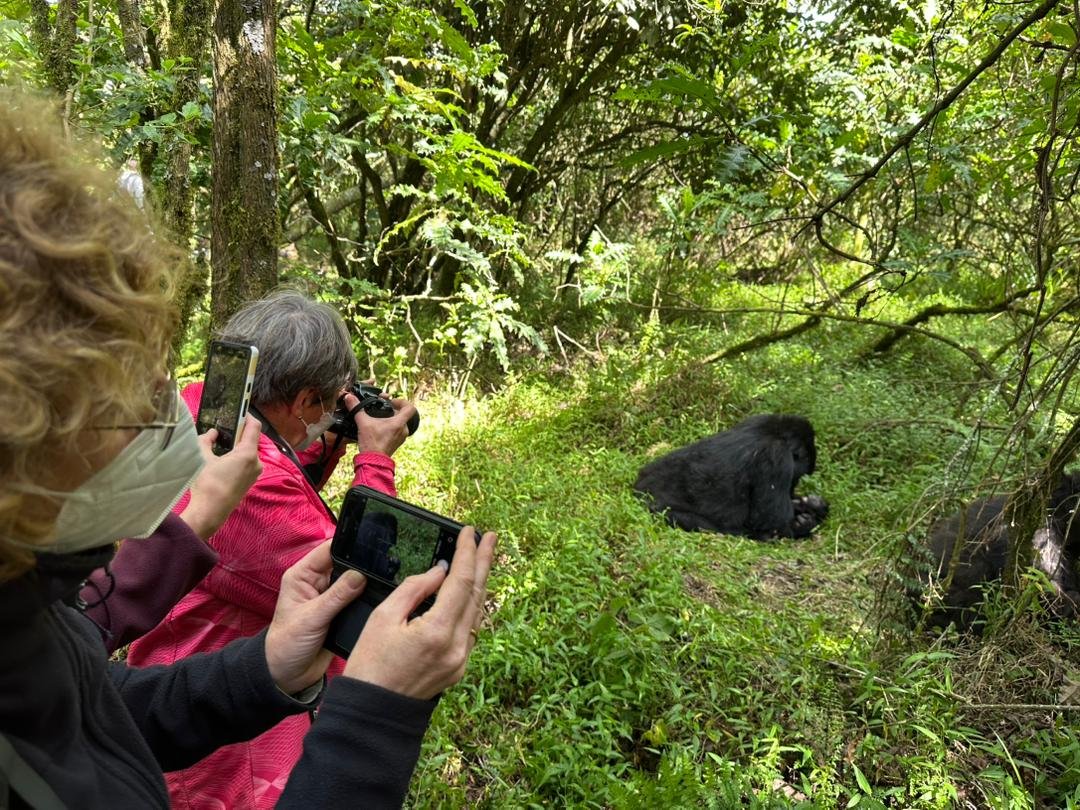
2 Days Uganda Gorilla Tour Starting from Kigali
This is the gentler cousin of our 1-Day Uganda Gorilla Safari Starting from Kigali — same idea, twice the breathing room. Instead of squeezing a 3,000-metre forest trek and two border crossings into a single very long day
Tour Details →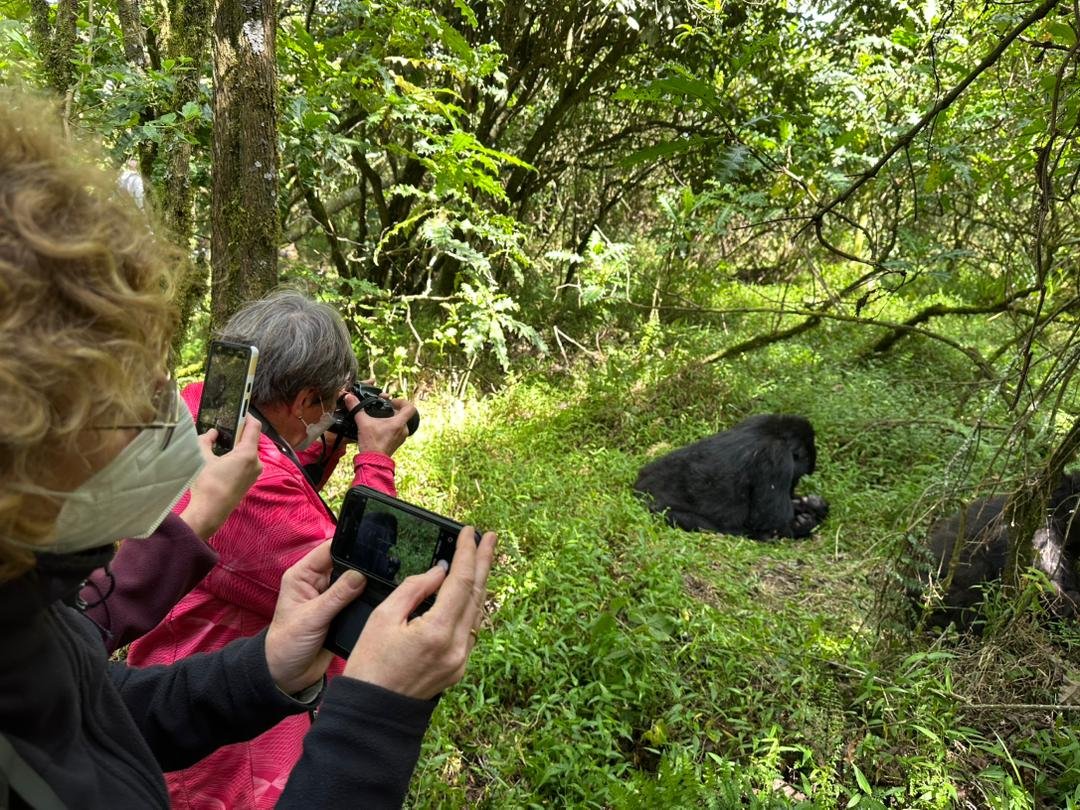
5-Day Uganda Gorilla and Chimpanzee Safari
This itinerary can be combined with a Rwanda extension or a wildlife-focused add-on through Queen Elizabeth National Park — browse our Uganda & Rwanda Safaris and Primate Safaris collections for ideas.
Tour Details →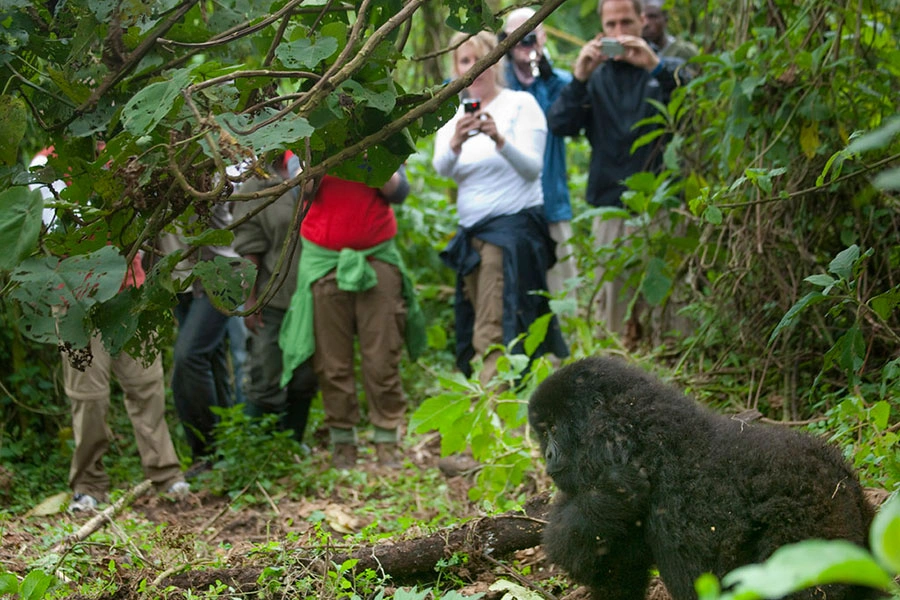
5 Days Rwanda Wildlife and Gorillas
This 5-day itinerary brings together Rwanda’s two flagship wildlife experiences: open savannah game drives and a boat safari in Akagera National Park, followed by a face-to-face encounters
Tour Details →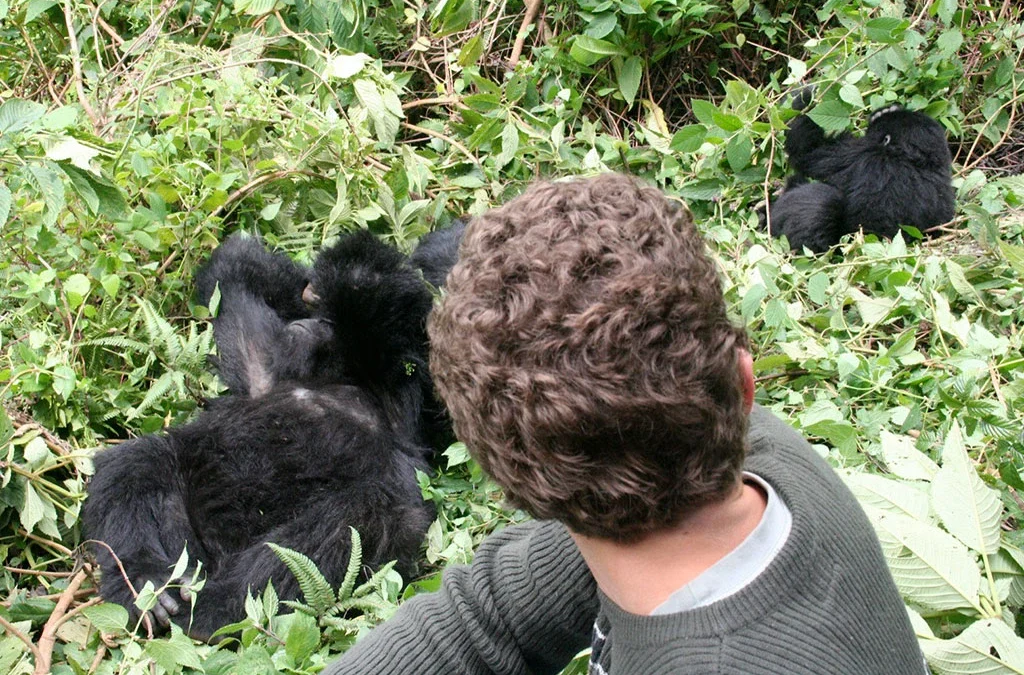
3 Days Uganda Gorilla Safari
For travelers who arrive in Entebbe with a tight schedule and a clear ambition, a 3-day gorilla safari to Bwindi Impenetrable Forest National Park is the most focused and rewarding short trip the country has to offer.
Tour Details →