- LET'S PLAN YOUR SAFARI
- +256 200 921 002
- +256 793 194 703
- info@pickandtransfersafaris.com

Shortest Uganda Safari Beginning from Kigali Rwanda
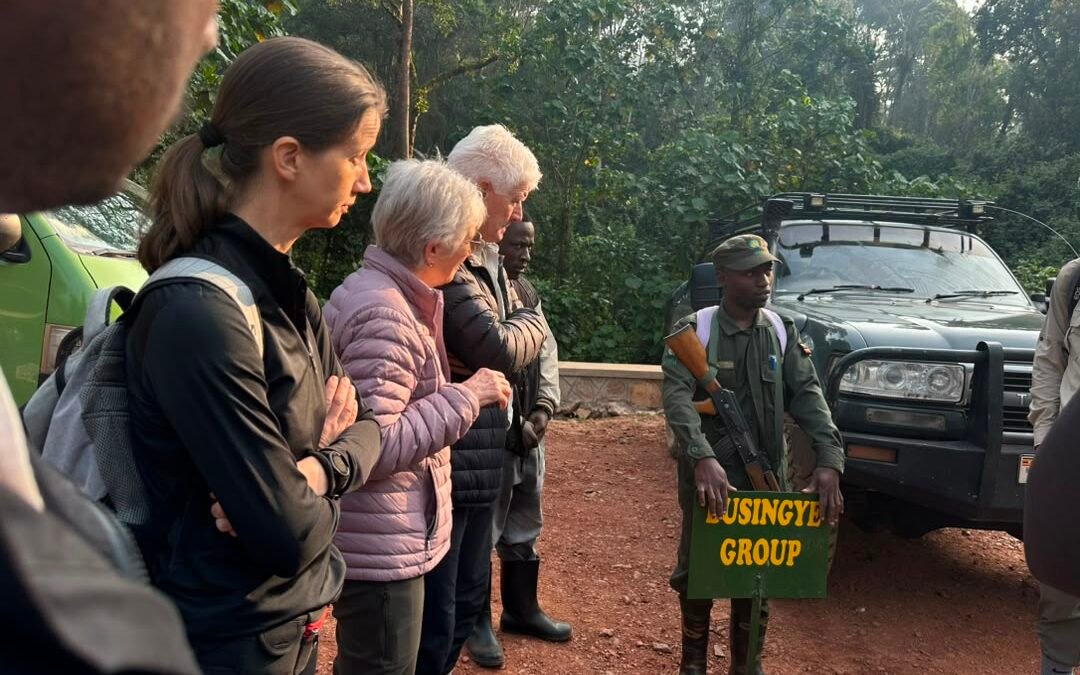
Shortest Uganda Safari Beginning from Kigali Rwanda. Travelers based in Kigali, whether on a business trip, a stopover between other East African destinations, or simply short on vacation days, often assume that crossing into Uganda for a safari requires a week they don’t have. In reality, Uganda’s closest attractions sit remarkably close to the Rwandan border, and the shortest genuinely worthwhile Uganda safari from Kigali can be completed in a single day, with slightly longer but far more comfortable two and three-day versions close behind.
This guide breaks down every short Uganda safari option available from Kigali, from the absolute minimum, a one-day gorilla trek, through a more relaxed two-day version, to the closest wildlife-only alternative at Lake Mburo National Park. Our team at Pick and Transfer Safaris runs all of these itineraries regularly, so what follows reflects real driving times, real costs, and honest guidance on which short option actually suits your specific schedule.
The Direct Answer: What Is the Shortest Uganda Safari from Kigali?
The single shortest Uganda safari possible from Kigali is a one-day gorilla trekking trip to either Mgahinga Gorilla National Park or the southern sectors of Bwindi Impenetrable Forest, both reached via the Cyanika border crossing in roughly four hours each way. It is entirely possible to leave your Kigali hotel before dawn, trek mountain gorillas in Uganda, and be back in Kigali the same evening, making it, without question, the shortest complete Uganda safari experience available.
If a full day of driving and trekking sounds too rushed, the next-shortest genuinely satisfying option is a two-day version of the same gorilla trek, adding a single overnight stay near the park to remove the pre-dawn departure. For travelers specifically interested in general wildlife rather than gorillas, Lake Mburo National Park, roughly four to five hours from Kigali via the Katuna border, is the closest option, typically built into a two-day itinerary. Each of these is covered in full detail below.
Why Uganda Safaris from Kigali Are Shorter Than Most Travelers Expect
Rwanda and southwestern Uganda share a mountainous, densely populated border region, and this geography works strongly in favor of short cross-border trips. The Cyanika border crossing sits only about two and a half hours from Kigali, and just beyond it lie both Mgahinga Gorilla National Park and the southern sectors of Bwindi Impenetrable Forest, meaning travelers can reach genuinely world-class gorilla trekking territory in Uganda in roughly the same time it takes to drive from Kigali to Rwanda’s own Volcanoes National Park and back.
This proximity is precisely why gorilla trekking dominates every conversation about short Uganda safaris from Kigali; Uganda’s other major wildlife parks, Queen Elizabeth, Murchison Falls, and Kidepo Valley, all sit considerably further from the Rwandan border, in some cases the better part of a full day’s drive away. Understanding this geography is the key to setting realistic expectations before comparing your options.
Option 1: The 1-Day Gorilla Trek, the Absolute Shortest Option
A one-day gorilla trekking trip from Kigali is exactly what it sounds like: a single, long day combining a pre-dawn departure, an international border crossing, a full gorilla trekking activity, and a same-day return. Pickup from your Kigali hotel typically happens around 3:00 to 3:30 AM, with your vehicle reaching Mgahinga or Bwindi’s Rushaga sector in time for the standard 7:30 to 8:00 AM park registration and briefing, followed by the trek itself and a full hour with the gorillas once contact is made.
This is genuinely the shortest complete Uganda safari available, and our own 1-day Uganda gorilla safari starting from Kigali package runs exactly this itinerary for guests with an evening or late flight out of Kigali. Before committing to this demanding but rewarding day, it is worth thinking honestly about the physical toll involved, a long day of driving, an early wake-up, and a genuine forest trek all inside roughly eighteen to twenty hours, since it suits a specific kind of traveler far better than others, a distinction covered in more depth later in this guide.
Option 2: The 2-Day Gorilla Trek, Shortest Comfortable Option
For travelers who want the shortest option that does not involve a 3:00 AM wake-up call, a two-day version of the same trip removes nearly all the stress of the one-day format while adding only a single extra night. Day one covers the drive and border crossing at a comfortable pace, followed by an overnight stay near Bwindi or Mgahinga, and day two delivers a full, unhurried gorilla trekking day before a relaxed drive back to Kigali that evening.
Our 2-day Uganda gorilla tour starting from Kigali is built around this exact structure and is, in practice, the option we recommend most often to travelers weighing their choices, since it preserves nearly all of the time-efficiency of the one-day trip while delivering a dramatically more comfortable experience. Kenlink Tours’ own 2-day Uganda gorilla safari starting from Kigali follows a very similar format, a useful comparison if you want to see how another established regional operator structures this same short itinerary.
Option 3: The 2-Day Lake Mburo Wildlife Safari, Shortest Non-Primate Option
Travelers whose priority is general wildlife rather than gorillas have a genuinely short option too: Lake Mburo National Park, roughly 240 kilometers and about four to five hours from Kigali via the Katuna border crossing near Mbarara, considerably closer than any of Uganda’s larger savannah parks. Lake Mburo offers zebra, impala, eland, buffalo, hippo, and crocodile sightings on game drives and a scenic boat safari on the lake itself, along with the option of a guided walking safari, one of the few Ugandan parks where this is permitted due to the relative absence of dangerous predators.
Because Lake Mburo lacks lions and rhinos, it does not offer the full Big Five experience travelers may associate with an East African safari, but as the closest wildlife park to Kigali by a comfortable margin, it remains the best choice for travelers who specifically want a short, gorilla-free Uganda wildlife add-on. This option pairs particularly well as a two-day trip, one day for the drive and an afternoon game drive, a second day for a morning boat safari before the return journey.
Why Queen Elizabeth National Park Isn’t a Realistic Short Option
Queen Elizabeth National Park, home to tree-climbing lions in its Ishasha sector and a genuinely complete savannah ecosystem, is often the first Uganda wildlife park travelers hear about, but it is not a short option from Kigali. The drive covers roughly 510 kilometers and takes six to seven hours each way via the Ishasha route, meaning a round trip alone consumes nearly a full day and a half of driving before accounting for any time actually spent in the park.
For travelers determined to include Queen Elizabeth, a minimum of three to four days is realistic, and our 4-day wildlife and primate safari is built around exactly this kind of pacing. If your priority is genuinely the shortest possible Uganda trip from Kigali, Queen Elizabeth should be set aside for a future, longer visit rather than squeezed into a short itinerary it was never designed to fit.
Comparing All the Short Options Side by Side
Laid out together, the choice becomes clearer. The one-day gorilla trek is the shortest option in absolute terms, roughly eighteen to twenty hours door to door, but the most physically demanding, best suited to travelers with an evening flight and no other flexibility. The two-day gorilla trek adds one overnight stay and removes nearly all of the exhaustion, making it the best all-around choice for most travelers who can spare even a single extra day.
The two-day Lake Mburo safari suits travelers specifically uninterested in primate trekking or who have already trekked gorillas in Rwanda and want a different kind of short wildlife encounter instead. Queen Elizabeth, Murchison Falls, and Uganda’s other larger parks simply do not belong in a “shortest safari” conversation and are better suited to a proper multi-day circuit such as our 10-day Uganda primates and wildlife itinerary.
Cost Comparison Across the Shortest Options
Cost varies meaningfully across these options, and permit price is usually the deciding factor. A Uganda gorilla permit costs approximately $800 per person, whether trekked on the one-day or two-day format, with the one-day version typically totaling $950 to $1,200 per person including transport, and the two-day version running slightly higher, generally $1,100 to $1,500 per person, once an overnight lodge stay is added. Lake Mburo, by contrast, has no equivalent permit cost, only standard park entrance and activity fees, making a two-day Lake Mburo trip noticeably cheaper overall, typically $400 to $700 per person depending on accommodation standard and group size.
Because these costs shift periodically and depend heavily on group size and accommodation choice, we recommend requesting a current, itemized quote before booking any of these options. Our team at Pick and Transfer Safaris provides a transparent breakdown for each format, and Kenlink Tours’ Uganda safaris page offers a useful independent reference point for comparing how another established regional operator prices these same short cross-border trips.
The Cyanika vs Katuna Border: Which Route for Which Park
Two different border crossings serve these short Uganda safari options, and knowing which applies to your chosen park avoids confusion when planning. The Cyanika border crossing, roughly two and a half hours from Kigali, is the standard route for both gorilla trekking options, connecting directly into Uganda’s Kisoro district and onward to Mgahinga or Bwindi’s southern Rushaga and Nkuringo sectors.
The Katuna border crossing, further east, serves the route toward Kabale, Mbarara, and onward to Lake Mburo National Park, and is also the standard crossing point for travelers continuing on to Queen Elizabeth National Park or Kampala on a longer trip. Your driver-guide handles the specifics of whichever crossing your itinerary requires, but it is worth knowing that these are genuinely different routes, so a quote or itinerary referencing one border does not automatically apply to a destination reached via the other.
Visa Requirements for a Short Uganda Add-On
Whichever short option you choose, valid Ugandan entry documentation is required, and the East Africa Tourist Visa, covering Rwanda, Uganda, and Kenya on a single multi-entry application, is the most convenient choice for any of these short cross-border trips. A standard single-entry Rwanda visa alone does not reliably permit smooth re-entry into Rwanda after a Uganda crossing, so confirming your visa arrangements well before travel day matters just as much for a two-day Lake Mburo trip as it does for a one-day gorilla trek.
Our team at Pick and Transfer Safaris checks visa requirements as a standard part of booking any of these itineraries, since a visa issue discovered at the border can derail an otherwise tightly planned short trip regardless of which Uganda destination you are heading to.
Who Should Choose the Absolute Shortest Option
The one-day gorilla trek genuinely suits a specific traveler profile: someone with a late evening or overnight flight out of Kigali on the same day, good general fitness, and a clear understanding that the day will be long and demanding. Business travelers extending a Kigali trip by exactly one day, or travelers on a tight, multi-country itinerary who want the lower Uganda permit cost without adding an overnight stay, are the travelers who benefit most from this specific format.
Nearly everyone else, including families, travelers over sixty, or anyone hoping to actually enjoy the day rather than race through it, is better served by the two-day version, whether that means the gorilla trek or the Lake Mburo wildlife alternative. Our 3-day Uganda gorilla safari from Rwanda is worth considering too, for travelers who initially want the shortest possible trip but discover, once they see the full picture, that one additional day meaningfully improves the experience without dramatically extending the trip.
Making the Most of a Short Uganda Safari
Because time is the defining constraint on any of these short itineraries, a few habits help travelers get the most out of a compressed trip. Sharing your exact flight departure and, if relevant, arrival times with your operator before booking allows the entire itinerary to be built around realistic timing rather than the absolute minimum possible schedule. Packing efficiently, with trekking gear and any documents needed at the border kept in an easily accessible daypack rather than checked luggage, saves valuable time at each stage of a tightly timed day.
Choosing the destination closer to your specific border crossing, Mgahinga over Bwindi’s more distant sectors for the gorilla options, or confirming Lake Mburo’s exact route via Katuna in advance, shaves meaningful time off an already tight schedule. Our guide on gorilla safaris covers additional preparation tips that apply equally well to a short cross-border trip as to a longer Rwanda-based trek.
Combining a Short Uganda Trip With More Time in Rwanda
Many travelers use one of these short Uganda add-ons as a single component within a longer Rwanda-based trip, rather than as the entire focus of their visit. A common pattern is spending the bulk of a trip exploring Rwanda’s own parks, Volcanoes National Park, Nyungwe Forest, or Akagera National Park, and then adding a single one-day or two-day Uganda cross-border excursion near the end of the trip, timed around an existing gap in the schedule or a lower-cost second gorilla encounter.
Travelers interested in seeing gorillas in both countries during the same trip should also consider our 5-day Uganda gorilla and chimps safari starting from Rwanda, which extends the short cross-border concept into a fuller, more complete Uganda experience for travelers who decide, once in the region, that they want more than the bare minimum. Kenlink Tours’ 3-day Bwindi gorilla safari starting from Kigali illustrates a similar middle-ground option worth comparing against your own schedule.
What to Pack for a Short Cross-Border Trip
Packing efficiently matters more on a short, tightly timed trip than on a longer, more relaxed itinerary. For either gorilla trekking option, waterproof hiking boots, a rain jacket, long trousers, and gardening gloves remain essential, exactly as they would for any gorilla trek within Rwanda. Travelers heading to Lake Mburo instead need considerably lighter gear, since the terrain is open savannah rather than dense rainforest, though a hat, sunscreen, and binoculars for spotting distant zebra and antelope are all worth having.
Whichever option you choose, keep your passport, visa documentation, and any yellow fever certificate in an easily accessible daypack rather than checked luggage, since border crossing efficiency matters considerably more on a short trip with essentially no schedule buffer. A portable power bank is a small but genuinely useful addition, given how much of a short cross-border day involves photography and how little opportunity there is to recharge devices along the way.
Health, Safety, and Fitness Considerations
A short, intense itinerary calls for slightly more health preparation than a longer, more relaxed trip. Comprehensive travel insurance covering medical evacuation is strongly recommended for any of these options, given how far some sections of the route travel from major medical facilities. Travelers prone to motion sickness should carry appropriate medication, since both the Cyanika and Katuna routes involve winding roads through hilly terrain for a meaningful portion of the drive.
For either gorilla trekking option specifically, travelers with any cold, flu, or respiratory symptoms in the days beforehand should notify their operator immediately, since Uganda enforces the same strict health rules around gorilla trekking as Rwanda does, and a rescheduled trek is far more disruptive to plan around on a short, tightly timed itinerary than on a longer trip with built-in flexibility. Lake Mburo carries none of these specific health restrictions, making it a somewhat more forgiving option for travelers managing a minor illness or simply wanting a lower-stress short trip.
Group Size and Cost-Sharing on Short Trips
Because private vehicle and driver-guide costs are fixed regardless of group size, traveling with companions meaningfully lowers the per-person cost of any of these short options. A solo traveler booking a private one-day or two-day gorilla trek pays considerably more per person for transport than a group of four to six travelers sharing the same vehicle, which is why solo travelers are often encouraged to check for joined-group departures before booking a fully private short trip.
This effect is even more pronounced on the Lake Mburo option, since there is no fixed permit cost anchoring the total price the way a gorilla permit does, meaning transport and guide costs make up a larger proportional share of the total budget. Kenlink Tours’ car hire page offers a useful reference point for travelers weighing self-drive options against a fully guided private vehicle for any of these short cross-border trips, though a guided vehicle remains strongly recommended given the tight timing and unfamiliar mountain roads involved.
Common Mistakes to Avoid on a Short Uganda Trip
A handful of recurring mistakes show up among travelers planning these short itineraries without enough advance preparation. Booking a flight departure with too little buffer after the expected return time is the most common, particularly on the one-day gorilla trek, where trekking time is never fully predictable and a longer-than-expected trek can push the return later than planned. Arriving without confirmed visa documentation for the Uganda crossing is another frequent issue, one easily avoided by applying for the East Africa Tourist Visa well before travel.
Underestimating the physical demands of a compressed itinerary, particularly the one-day gorilla trek, leads some travelers to arrive exhausted before the day even begins, while others assume Lake Mburo requires the same advance permit booking as gorilla trekking and miss out on its genuine last-minute flexibility. Working with an experienced local operator such as Pick and Transfer Safaris helps avoid each of these pitfalls, since these mistakes are ones we see, and help guests avoid, on a regular basis.
Booking Tips for a Short-Notice or Tightly Scheduled Trip
Uganda gorilla permits, like Rwanda’s, are limited and best booked two to six months ahead during the peak June-to-September and December-to-mid-February seasons, though short-notice availability sometimes opens up during quieter months for travelers with genuine flexibility. Lake Mburo, having no equivalent permit system, is considerably easier to book on short notice, making it a useful fallback option for travelers whose Kigali trip firms up too late to secure a gorilla permit for their preferred dates.
Whichever option you are weighing, confirming your exact schedule and flight details with your operator as early as possible remains the single most important step, since every one of these itineraries depends on tight, reliable timing with essentially no slack for last-minute changes. Kenlink Tours’ guides on how far Bwindi is from Kigali and how many hours the drive to Bwindi actually takes are both useful independent references for confirming realistic timing before you commit to a specific format.
Weather and Seasonal Timing for Short Itineraries
Rwanda and Uganda’s dry seasons, roughly June through September and December through mid-February, offer firmer trekking trails and more predictable driving conditions along both the Cyanika and Katuna routes, a meaningful advantage on any itinerary with little schedule buffer built in. Attempting the one-day gorilla trek during the heavier rains of March through May or October through November adds real risk, since muddy mountain roads can slow the drive itself just as muddy trails can extend trekking time, compounding delays exactly when a fast turnaround matters most.
Lake Mburo, sitting at lower altitude in drier savannah terrain, is considerably less affected by seasonal rainfall than either gorilla trekking route, making it a more weather-resilient choice for travelers planning a short trip outside the peak dry season months. Travelers set on attempting the one-day gorilla trek during the wetter months should build in extra buffer time before any onward flight and discuss the added risk candidly with their operator beforehand.
Currency and Practical Logistics for a Quick Border Crossing
Crossing into Uganda, even briefly, means dealing with the Ugandan shilling alongside the Rwandan franc, though US dollars remain widely accepted for permit fees and tips on both sides of the border. It is worth carrying a small reserve of clean, newer-series US dollar bills specifically for a short cross-border trip, since currency exchange at the border itself rarely offers a favorable rate, and neither Mgahinga, Bwindi’s remote sectors, nor Lake Mburo has reliable ATM access.
Mobile phone coverage typically switches networks as you cross the border, so travelers relying on a Rwandan SIM card should expect a gap in connectivity for at least part of any of these short trips. This is rarely a serious issue given how tightly guided these itineraries are, but it is worth mentioning to family or contacts expecting to reach you during the trip.
Extending Beyond the Shortest Option
Many travelers who research the shortest possible Uganda safari from Kigali discover, once they see the full comparison, that a slightly longer trip delivers a meaningfully better experience for only a modest increase in time and cost. If you find yourself drawn toward more than the bare minimum after reading through these options, our 3-day Uganda gorilla safari from Rwanda and Kenlink Tours’ 3-day Uganda gorillas safari both illustrate how a few additional days transform a rushed cross-border dash into a genuinely relaxed trip, without requiring the week-long commitment of a full Uganda circuit.
There is no wrong choice here; the right length is simply whichever option honestly matches the time you have available and the kind of experience you want from it, and our team is glad to talk through the full range with you before you commit to any single format.
A Realistic Timing Example for Each Option
Seeing rough timing side by side helps make the comparison concrete. On the one-day gorilla trek, a traveler leaving Kigali at 3:30 AM typically crosses Cyanika by around 6:00 AM, reaches park headquarters by 7:30 to 8:00 AM, completes registration and a trek lasting two to four hours on average, spends an hour with the gorillas, and begins the return journey by early afternoon, arriving back in Kigali sometime between 6:00 and 9:00 PM depending on trekking length and traffic.
On the two-day gorilla trek, day one might involve a relaxed 8:00 AM departure from Kigali, arrival near the park by early afternoon, and a full evening to settle in before an unhurried trekking day two that wraps up with plenty of time for a comfortable return drive. On a two-day Lake Mburo trip, a similarly relaxed late-morning departure from Kigali reaches the park by mid-afternoon via Katuna, leaving time for an evening game drive on arrival day and a full second day for a morning boat safari and further game viewing before the return journey. These examples are illustrative rather than fixed, since actual timing depends on trekking length, traffic, and border conditions on the day, but they give a realistic sense of how each option actually unfolds.
Why Book Your Short Uganda Safari With a Local Specialist
Every one of these short itineraries depends on precise timing, from border crossing logistics to permit registration windows, and even small delays can meaningfully affect a trip with so little built-in slack. Pick and Transfer Safaris runs all three of these short formats regularly, securing permits directly, coordinating both the Cyanika and Katuna border crossings, and providing driver-guides experienced on these specific routes rather than leaving any part of a tightly scheduled trip to chance.
Because availability and timing both matter enormously for a short trip, we recommend reaching out through our contact page with your exact travel dates and flight details as early as possible. Explore our full range of Rwanda and Uganda safari packages to compare every short option against the longer alternatives, or browse Kenlink Tours’ about us page and contact page if you want a second independent reference point while planning.
Frequently Asked Questions About the Shortest Uganda Safari from Kigali
What is genuinely the shortest Uganda safari possible from Kigali? A one-day gorilla trekking trip to Mgahinga or Bwindi’s southern sectors, completed in roughly eighteen to twenty hours door to door, is the shortest complete Uganda safari experience available from Kigali.
Is there a shorter Uganda safari option that doesn’t involve gorillas? Yes, Lake Mburo National Park, roughly four to five hours from Kigali via the Katuna border, is the closest wildlife-only park, typically visited as a two-day trip since it has no gorilla permit constraints to work around.
Why can’t Queen Elizabeth National Park be visited as a short trip from Kigali? The drive alone takes six to seven hours each way, roughly 510 kilometers, making a round trip consume nearly a full day and a half before any time is spent actually exploring the park, so a minimum of three to four days is realistic.
Which is cheaper, a short gorilla trek or a short Lake Mburo safari? Lake Mburo is significantly cheaper overall, since it has no equivalent to the $800 Uganda gorilla permit, typically totaling $400 to $700 per person for a two-day trip compared to $950 and up for either gorilla trekking format.
Do I need a different visa for Lake Mburo versus the gorilla trekking parks? No, the same East Africa Tourist Visa or appropriate Ugandan entry documentation applies regardless of which short Uganda destination you choose, since all three cross into the same country.
Can I decide between these options after arriving in Kigali? It is best to decide and confirm permits well before arrival, particularly for either gorilla trekking option, since permits are limited and cannot reliably be secured on arrival during peak season; Lake Mburo offers somewhat more last-minute flexibility given the absence of a permit system.
Can I combine gorilla trekking and Lake Mburo in one short trip? Not realistically within a genuinely short itinerary, since the two destinations use different border crossings and sit in different directions from Kigali; travelers wanting both should plan a longer trip of at least four to five days, such as our 10-day Uganda primates and wildlife itinerary, rather than trying to combine them into a short add-on.
Is a short Uganda safari from Kigali safe for solo travelers? Yes, all three options are commonly done by solo travelers, particularly when booked through an experienced operator who can also help place solo guests into joined-group departures to share transport costs and add a bit of company along the way.
Final Thoughts on Shortest Uganda Safari Beginning from Kigali Rwanda
Kigali’s proximity to southwestern Uganda means a genuinely short, worthwhile Uganda safari is well within reach even for travelers with only a single spare day. Whether that means an intense one-day gorilla trek, a more relaxed two-day version, or a short wildlife detour to Lake Mburo, the right choice comes down to how much time you can spare and what you most want from the experience.
If you are weighing these options against your own schedule, the team at Pick and Transfer Safaris can walk through each format in detail and recommend the best fit for your flight times and interests. Browse our full gorilla safaris and wildlife safaris collections, our about us page for more on how we run these cross-border trips, or reach out through our contact page to start planning your own short Uganda safari from Kigali. Travelers researching independently are also welcome to compare notes against Kenlink Tours’ Rwanda safaris page for a second perspective on how a neighboring regional operator frames similar short cross-border options.
7 Days Uganda Safari – One week tour
This 7-day itinerary is the classic one-week introduction to Uganda, covering the country’s three most iconic wildlife experiences: chimpanzee tracking in Kibale Forest National Park, Big Five game drives and a boat cruise in Queen
Tour Details →
10 Days Uganda Primates and Wildlife
This 10-day Uganda Grand Safari is the most complete Uganda itinerary we offer at Pick and Transfer Safaris. It begins with a scenic northward drive from Entebbe to the vast open plains of Murchison
Tour Details →
2 Days Uganda Gorilla Tour Starting from Kigali
This is the gentler cousin of our 1-Day Uganda Gorilla Safari Starting from Kigali — same idea, twice the breathing room. Instead of squeezing a 3,000-metre forest trek and two border crossings into a single very long day
Tour Details →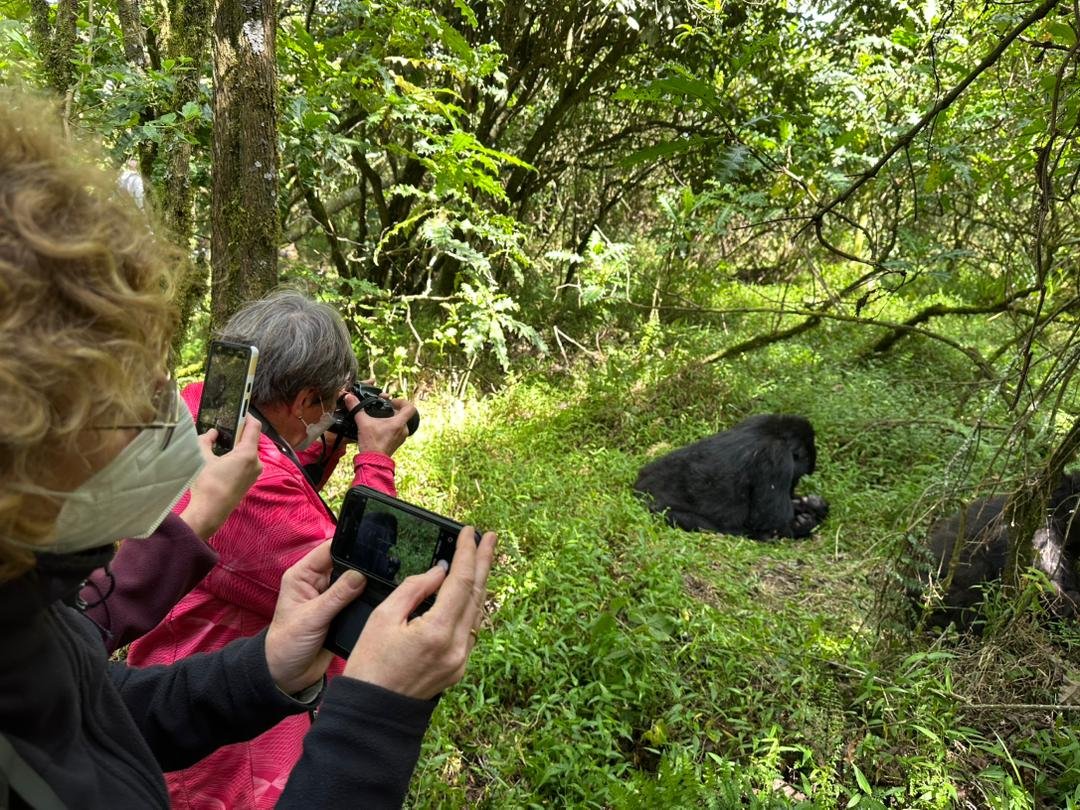
5-Day Uganda Gorilla and Chimpanzee Safari
This itinerary can be combined with a Rwanda extension or a wildlife-focused add-on through Queen Elizabeth National Park — browse our Uganda & Rwanda Safaris and Primate Safaris collections for ideas.
Tour Details →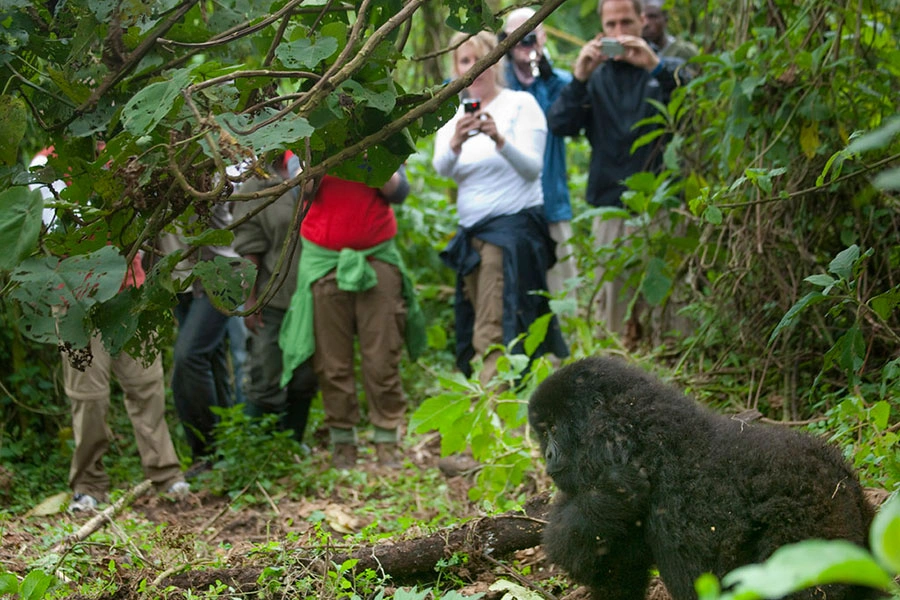
5 Days Rwanda Wildlife and Gorillas
This 5-day itinerary brings together Rwanda’s two flagship wildlife experiences: open savannah game drives and a boat safari in Akagera National Park, followed by a face-to-face encounters
Tour Details →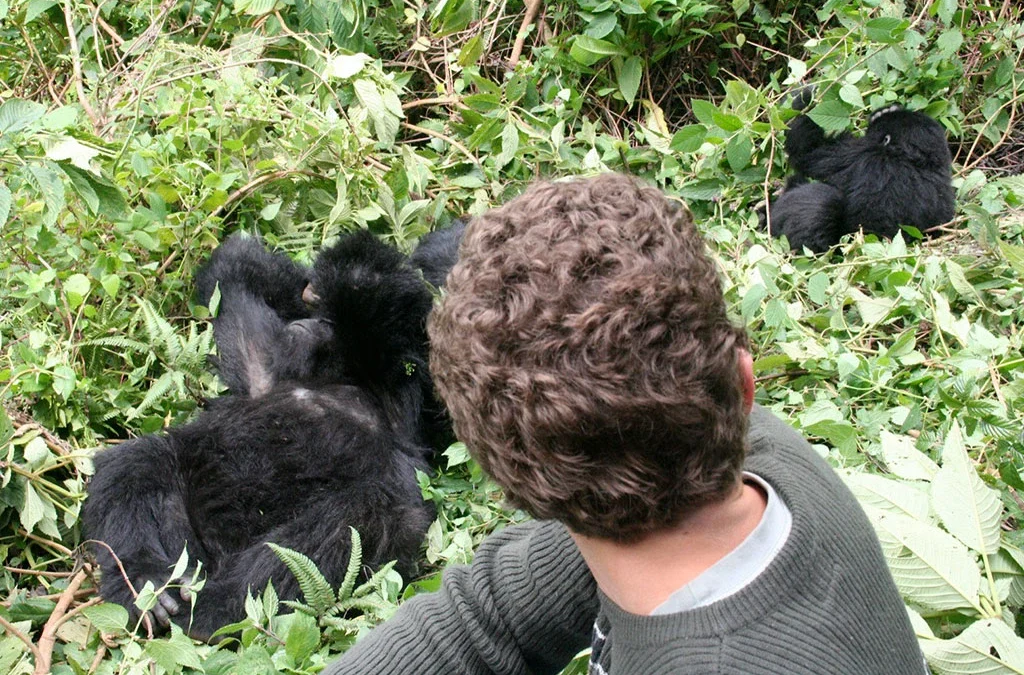
3 Days Uganda Gorilla Safari
For travelers who arrive in Entebbe with a tight schedule and a clear ambition, a 3-day gorilla safari to Bwindi Impenetrable Forest National Park is the most focused and rewarding short trip the country has to offer.
Tour Details →