- LET'S PLAN YOUR SAFARI
- +256 200 921 002
- +256 793 194 703
- info@pickandtransfersafaris.com

Uganda Safari for Vegetarian Tourists
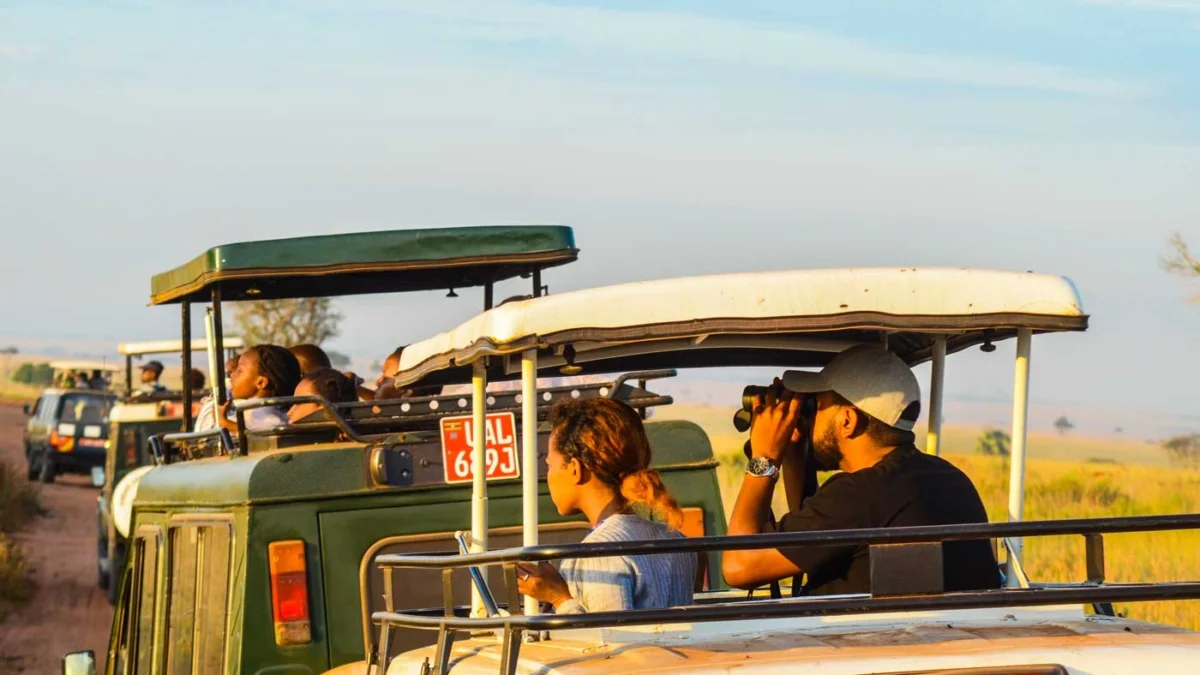
Uganda Safari for Vegetarian Tourists. One of the questions we hear most often from prospective guests at Pick and Transfer Safaris has nothing to do with gorillas, permits, or park fees at all: “I’m vegetarian, will I actually have enough to eat?” It’s a fair question for anyone planning a trip to a country they associate with wildlife and rainforest rather than restaurant menus, and the honest answer is a resounding yes. Uganda is, quite genuinely, one of the easiest countries in East Africa for vegetarian travelers, thanks to a farming culture built around bananas, beans, groundnuts, and root vegetables long before tourism ever arrived.
This guide covers everything a vegetarian traveler needs to know before a Uganda safari, from the traditional dishes worth trying to how lodges handle dietary requests, what to watch for in the way of hidden animal ingredients, and how to make sure a gorilla trekking picnic lunch is just as satisfying as dinner back at the lodge. Whether you are a lifelong vegetarian, recently plant-based, or simply cutting back on meat for the trip, this guide will help you eat well throughout your time in Uganda.
The Short Answer: Is Uganda Vegetarian-Friendly?
Yes, decisively so. Uganda’s staple diet has always leaned heavily plant-based, built around matoke (steamed green bananas), beans, groundnut sauce, cassava, sweet potatoes, and an abundance of fresh tropical fruit, all grown locally and available essentially everywhere. Because so much of the national cuisine is naturally vegetarian to begin with, safari lodges and camps across the country are well practiced at accommodating vegetarian guests, often without needing to invent anything special.
The one thing that genuinely matters is communication: letting your operator and lodges know about your dietary needs before you arrive, ideally at the time of booking, ensures kitchens prepare accordingly rather than scrambling at the last minute. The rest of this guide walks through exactly what to expect, dish by dish and meal by meal, so nothing catches you off guard.
Why Uganda Is Naturally Vegetarian-Friendly
Uganda’s nickname, “the food basket of Africa,” reflects genuinely fertile volcanic soil and a climate capable of producing an extraordinary range of crops year-round, from the banana plantations that blanket the southwest to the groundnut and bean fields further north. This agricultural abundance means that, unlike destinations where meat sits at the center of nearly every dish, a huge share of everyday Ugandan cooking is built around vegetables, legumes, and starches by default.
This matters enormously for vegetarian travelers, because it means asking for a meatless meal in Uganda is rarely treated as an unusual request requiring a completely different menu. Instead, it typically means simply serving the vegetable, bean, and starch components of a meal that were already being prepared, minus the accompanying meat or fish dish served alongside them for other guests.
Traditional Ugandan Vegetarian Dishes to Try
Matoke, steamed and mashed green bananas wrapped in banana leaves, is widely considered Uganda’s national dish and is naturally vegetarian, often served with a savory groundnut sauce, a rich, nutty peanut-based sauce that appears throughout Ugandan cuisine and works beautifully over rice, matoke, or vegetables. Posho, a dense maize-flour staple similar to polenta, typically appears alongside bean stews or vegetable sauces and is a filling, satisfying accompaniment found on nearly every Ugandan table.
Beans themselves come in countless preparations across the country, often slow-cooked with tomatoes, onions, and local spices into a hearty stew that pairs well with rice, matoke, or chapati. In eastern Uganda, malewa, a traditional dish of smoked bamboo shoots prepared in groundnut sauce and particularly associated with the Bagisu people, offers an interesting regional specialty worth seeking out for adventurous eaters. Rounding out the picture, Uganda’s fresh fruit is exceptional and abundant, mangoes, pineapples, passion fruit, papaya, and jackfruit among them, nearly all grown without heavy chemical intervention and often harvested within hours of reaching your plate.
Indian-Influenced Vegetarian Options
Uganda’s long-established South Asian community has left a lasting and delicious mark on the country’s food culture, and this is particularly good news for vegetarian travelers. Chapati, a soft flatbread found throughout the country, appears alongside nearly every meal and is naturally vegetarian on its own. Samosas, often filled with spiced vegetables or lentils rather than meat, are widely available as a snack or starter, particularly in Kampala and larger towns.
Indian restaurants serving genuinely excellent vegetarian thali platters, dal, and paneer dishes are common in Kampala and Entebbe, giving vegetarian travelers a reliable, flavorful fallback whenever they want a change of pace from Ugandan staples. This Indian culinary influence, combined with Uganda’s own naturally plant-forward cooking, is a large part of why so many vegetarian travelers describe Uganda as more accommodating than they expected before arriving.
How Safari Lodges Handle Vegetarian Requests
Safari lodges across Uganda, from budget guesthouses to the country’s most established properties near Bwindi, Queen Elizabeth National Park, and Murchison Falls, are accustomed to catering for vegetarian guests, and most maintain kitchens capable of preparing a full, satisfying vegetarian menu rather than simply removing the meat from a standard dish. Many lodges grow a portion of their own vegetables, herbs, and fruit on-site or source directly from nearby smallholder farms, meaning vegetarian meals are often genuinely fresher than what non-vegetarian guests receive from further afield.
The best lodges treat vegetarian catering as an opportunity to showcase Ugandan produce creatively rather than as an inconvenience, and travelers frequently report that their vegetarian meals were among the most memorable parts of their trip. That said, quality does vary between properties, which is exactly why working with an operator who knows which lodges excel at this, and who communicates your needs clearly in advance, makes a real difference to your experience.
The Importance of Notifying Your Operator in Advance
While Uganda’s food culture makes vegetarian catering relatively easy compared to many destinations, giving advance notice remains the single most important thing a vegetarian traveler can do before their trip. Sharing your dietary requirements at the time of booking, rather than mentioning it upon arrival at your first lodge, gives kitchens time to plan ingredients, particularly at more remote properties near Kibale Forest or Mgahinga Gorilla National Park, where fresh produce deliveries may only arrive on certain days of the week.
At Pick and Transfer Safaris, we pass along dietary information to every lodge on your itinerary as a standard part of booking, precisely so you never need to re-explain your needs at every single meal throughout the trip. This kind of advance coordination is also the best way to ensure a satisfying, varied menu rather than the same repeated vegetable stir-fry appearing at every dinner of a longer safari.
Hidden Non-Vegetarian Ingredients to Watch For
A handful of hidden ingredients occasionally catch vegetarian travelers off guard in Uganda, and it is worth knowing about them in advance. Stock cubes and seasoning powders commonly used in East African cooking, often sold under brand names like Royco, frequently contain beef or chicken extract even when a dish otherwise appears entirely plant-based, so it is worth specifically asking whether a sauce or stew was prepared with a meat-based stock cube. Fish sauce or dried fish occasionally appears as a flavoring in certain regional dishes, particularly near lakes, without necessarily being obvious from the dish’s appearance.
Ghee or lard is sometimes used in place of vegetable oil in older or more traditional recipes, though this has become considerably less common at lodges accustomed to international guests. None of these issues are difficult to avoid once you know to ask, and a good operator who has communicated your dietary needs to each kitchen in advance largely eliminates this concern before it becomes a problem, since staff already understand to use dedicated vegetarian pans and avoid animal-based seasoning entirely.
Vegan vs Vegetarian: What’s the Difference in Uganda
Travelers following a strict vegan diet, avoiding dairy and eggs alongside meat, will find Uganda somewhat more challenging than lacto-ovo vegetarians, though still entirely manageable with the right preparation. Uganda’s cuisine uses relatively little dairy compared to some cultures, which works in vegans’ favor, but eggs appear in several popular dishes, including the well-known Ugandan street food rolex, a chapati rolled around a fried egg and vegetables, so vegan travelers should specifically request an egg-free version if they want to try this local specialty.
Milk tea, known locally as chai, is ubiquitous and typically made with dairy milk by default, though most lodges catering to international guests can substitute plant milk with advance notice, particularly at properties accustomed to hosting European and North American guests. Young, unripe jackfruit, sautéed or stewed, has become an increasingly popular meat-substitute ingredient at safari lodges catering to vegan travelers, offering a satisfying, protein-rich alternative with a texture some travelers compare to pulled meat.
Packed Lunches During Gorilla Trekking and Game Drives
One area vegetarian travelers sometimes worry about unnecessarily is packed lunches, the boxed meals provided on long trekking or game drive days when returning to a lodge for a sit-down lunch isn’t practical. Lodges near gorilla trekking destinations and Uganda’s larger parks are well accustomed to preparing vegetarian packed lunches, typically including items like chapati wraps filled with vegetables, boiled eggs or avocado for those who eat them, fresh fruit, roasted groundnuts, and vegetable samosas.
As with sit-down meals, the key is flagging your dietary needs before the trekking or game drive day itself, ideally the evening before, so the kitchen has time to prepare something more substantial than a plain sandwich. Our team at Pick and Transfer Safaris coordinates this directly with lodges ahead of every gorilla trekking and chimpanzee tracking day on our itineraries, so vegetarian guests are never left with a disappointing packed lunch on what is often the most physically demanding day of the trip.
Vegetarian Dining in Kampala and Entebbe
Travelers spending time in Uganda’s capital or arriving through Entebbe International Airport will find considerably more variety than what smaller towns near the national parks can offer. Kampala in particular has a genuinely thriving vegetarian and vegan restaurant scene, driven partly by the city’s large South Asian community and partly by a growing local health-food movement, with dedicated vegetarian restaurants, Indian thali houses, and international cafes offering plant-based options across nearly every neighborhood.
Entebbe, smaller and more relaxed, still offers a reasonable spread of vegetarian-friendly restaurants and cafes near the lakeshore, a pleasant way to ease into or wind down from a longer safari. Travelers with a day or two in either city before or after their safari should take the opportunity to explore this side of Ugandan food culture, since it offers a different, more cosmopolitan experience than the simpler, produce-driven meals typically served at remote park lodges.
Best Parks and Regions for Vegetarian Travelers
While vegetarian catering is solid across nearly all of Uganda’s safari circuit, a few regions stand out. The area around Bwindi Impenetrable Forest National Park sits within Uganda’s fertile southwestern highlands, meaning lodges here often have excellent access to fresh local vegetables, beans, and fruit grown in the surrounding hills. Kibale Forest National Park, Uganda’s premier chimpanzee trekking destination, sits amid a similarly productive agricultural region and offers comparably strong vegetarian options at nearby lodges.
Queen Elizabeth National Park, with its larger tourism infrastructure and greater number of lodges catering to international travelers, tends to offer the widest variety of vegetarian menu options within the park itself. Murchison Falls National Park, being somewhat more remote in Uganda’s northwest, has slightly less variety at some smaller properties, though its larger, more established lodges cater to vegetarian guests without difficulty. Our 4-day wildlife and primate safari touches several of these strong vegetarian-friendly regions within a single itinerary.
Vegetarian-Friendly Accommodation Types: Lodges, Camps, and Guesthouses
Accommodation style has a real effect on vegetarian catering quality across Uganda. Established mid-range and luxury lodges, particularly those near Queen Elizabeth National Park and Bwindi, typically employ trained chefs experienced in international cuisine and accustomed to hosting European, North American, and Asian guests with varied dietary needs, generally offering the most creative and varied vegetarian menus. Tented camps, common near Murchison Falls and Queen Elizabeth, still handle vegetarian requests well, though menu variety can be slightly more limited given the more compact kitchen setups typical of a camp environment.
Budget guesthouses in towns like Kisoro, Kasese, or Fort Portal offer simpler but genuinely tasty vegetarian meals built around whatever produce is fresh that day, often at a fraction of lodge prices, though with less advance customization available since these smaller establishments cook to order rather than planning elaborate multi-course vegetarian menus in advance. Whichever accommodation style your itinerary includes, sharing dietary information ahead of arrival remains the most important factor in how well any property caters to your needs.
How Uganda Compares to Other East African Safari Destinations for Vegetarians
Travelers who have safaried elsewhere in East Africa sometimes arrive in Uganda expecting the same limited vegetarian options they encountered in more meat-centric destinations, and are pleasantly surprised by how different the experience is here. Uganda’s naturally plant-forward staple diet gives it a genuine edge over destinations where traditional cuisine centers heavily around meat and where vegetarian options at safari lodges can feel more like an afterthought than a genuine culinary offering.
This is not to say every destination in the wider region struggles with vegetarian catering, Rwanda in particular shares many of the same naturally vegetarian-friendly staples as Uganda, but Uganda’s combination of fertile, varied agriculture and a strong South Asian culinary influence gives it particularly wide appeal for vegetarian and vegan travelers comparing options across the region. Kenlink Tours’ Uganda safaris portfolio and Kenya safaris collection offer a useful point of comparison for travelers weighing multiple East African destinations against their own dietary priorities.
Culinary Experiences and Cooking Classes for Food-Curious Travelers
Food-curious vegetarian travelers can go beyond simply eating well by seeking out hands-on culinary experiences during their trip. Several lodges and community tourism initiatives across Uganda offer cooking demonstrations focused on preparing matoke, groundnut sauce, and other traditional dishes from scratch, a genuinely enjoyable way to spend a free afternoon between wildlife activities and to bring a bit of Ugandan cooking knowledge home with you.
Market tours in towns like Kabale or Fort Portal, often arranged as an add-on activity, let travelers see firsthand where the produce on their plates comes from, walking through stalls piled with fresh beans, groundnuts, matoke, and tropical fruit while a local guide explains how each ingredient fits into everyday Ugandan cooking. These experiences pair particularly well with a longer, more relaxed itinerary such as our 10-day Uganda primates and wildlife safari, which allows more free time to explore local food culture between major wildlife activities.
Sample Uganda Itineraries Well-Suited to Vegetarian Travelers
Nearly any Uganda itinerary works well for vegetarian travelers given the country’s naturally accommodating food culture, but a few are worth highlighting. Our 3-day chimpanzee tour in Uganda passes through Kibale Forest’s fertile surrounding farmland, an area particularly well known for fresh produce, while a longer circuit such as Kenlink Tours’ 3-day chimpanzee tracking safari or their 3-day wildlife encounter to Queen Elizabeth National Park both pass through regions with strong vegetarian dining options at every stop.
Travelers wanting a more complete circuit covering gorillas, chimpanzees, and Big Five wildlife in one trip can review Kenlink Tours’ 7-day gorilla and wildlife safari in Uganda for a sense of how a longer itinerary is typically structured across multiple vegetarian-friendly regions, useful reading whether you ultimately book through them or through our own Uganda safaris collection.
A Sample Vegetarian Safari Day, Meal by Meal
To make this concrete, here is what a typical day of eating might look like on a well-planned vegetarian Uganda safari. Breakfast at most lodges includes fresh tropical fruit, eggs prepared to order for those who eat them, toast or chapati, and locally grown coffee or tea, an easy, satisfying start to the day. A packed lunch on a trekking or game drive day might include a vegetable and avocado chapati wrap, roasted groundnuts, fresh fruit, and a vegetable samosa, substantial enough to fuel a demanding activity like chimpanzee tracking.
Dinner back at the lodge typically offers the most variety, often a choice between a groundnut sauce-based stew served over rice or matoke, a bean and vegetable curry, and a fresh salad using whatever produce is in season locally, frequently finished with fresh fruit for dessert. Across a full multi-day itinerary, well-coordinated lodges vary these components enough that vegetarian travelers rarely feel like they are eating the same meal twice, particularly when dietary needs have been communicated clearly in advance.
Vegetarian-Friendly Restaurants and Markets Near the Parks
Beyond lodge dining, travelers spending time in towns near Uganda’s parks will find local markets and small restaurants offering excellent, inexpensive vegetarian options. Markets such as Kabale Central Market, near the southwestern gorilla trekking region, and smaller local markets near Fort Portal close to Kibale Forest, offer an enjoyable way to sample fresh produce directly and get a feel for how ordinary Ugandans shop and eat day to day.
Small local restaurants in towns like Kisoro, near Bwindi and Mgahinga, or Kasese, near Queen Elizabeth National Park, typically serve simple, filling vegetarian plates of matoke, beans, rice, and greens at a fraction of lodge restaurant prices, a worthwhile detour for travelers curious about everyday Ugandan food culture beyond the safari circuit. Kenlink Tours’ guide on what local foods to try in Uganda offers further detail on where and what to sample, a useful companion read alongside this guide.
Combining a Vegetarian Uganda Safari With Rwanda
Travelers extending their Uganda trip into Rwanda, whether for a second gorilla trek or simply to see more of the region, will find Rwandan cuisine shares many of the same vegetarian-friendly staples, beans, matoke-style plantains known locally as ibitoke, groundnut sauces, and abundant fresh produce grown across Rwanda’s own fertile hillsides. Travelers combining both countries on a single trip, such as through our 1-day Uganda gorilla safari from Kigali or our longer 2-day Uganda gorilla tour starting from Kigali, can expect the same level of vegetarian accommodation on either side of the border.
Kenlink Tours’ Rwanda safaris portfolio and broader Uganda safaris collection both illustrate how similar itineraries are typically structured across both countries, useful reading for travelers planning a cross-border trip who want a sense of how consistent vegetarian catering remains throughout the wider region.
Tips for Vegan Travelers Specifically
Strict vegan travelers benefit from a few additional precautions beyond what vegetarian travelers need to consider. Requesting plant milk for tea and coffee at the time of booking, rather than assuming it will be available on arrival, helps lodges plan ahead, since dairy milk remains the default at most properties outside Uganda’s larger cities. Carrying a small stash of preferred plant-based snacks or protein sources from home is a sensible backup for remote lodges near parks like Murchison Falls, where ingredient variety can be more limited than in Kampala or Entebbe.
Being specific and direct when communicating dietary needs, rather than simply saying “vegetarian” when you mean strictly vegan, avoids confusion at lodges where the distinction between the two is not always well understood by kitchen staff unfamiliar with Western dietary terminology. Our team at Pick and Transfer Safaris always asks for this level of specificity when booking, precisely to avoid any mismatch between what a guest actually needs and what a kitchen prepares.
Nutrition and Protein on a Physically Demanding Safari
Gorilla trekking, chimpanzee tracking, and long days of game viewing all demand real physical energy, and vegetarian travelers sometimes worry, usually unnecessarily, about getting enough protein to sustain these activities. Uganda’s cuisine offers plenty of protein-rich vegetarian options well suited to an active safari, beans, groundnut sauce, lentils where available, and eggs for those who eat them, all commonly served in generous portions at lodge meals.
Packing a small supply of protein bars, nuts, or trail mix from home provides useful backup for particularly long trekking days, though most travelers find lodge meals more than sufficient once dietary needs have been clearly communicated in advance. Staying well hydrated and eating a substantial breakfast before any demanding activity, such as a gorilla trekking day or a full day of game drives, matters just as much for vegetarian travelers as it does for anyone else on safari.
Traveling in a Group with Mixed Dietary Needs
Many travelers book a Uganda safari as part of a group where not everyone shares the same dietary requirements, and this is entirely manageable with the right advance planning. Lodges routinely prepare separate vegetarian and non-vegetarian options within the same meal service, so a mixed group of vegetarians and meat-eaters can dine together without anyone needing to compromise on what they eat. The key, once again, is making sure every guest’s needs are documented clearly at the time of booking rather than assuming the group will simply “figure it out” at each meal.
Travelers joining a scheduled group departure rather than a private itinerary should specifically confirm that vegetarian dietary needs are collected and communicated to lodges in advance, since this level of coordination varies between operators. Kenlink Tours’ own group tours page outlines how they structure shared departures, useful reading for travelers comparing how different operators handle dietary coordination within a group setting, alongside how our own team at Pick and Transfer Safaris manages the same process.
Currency, Costs, and Tipping for Vegetarian Dining
Vegetarian dining in Uganda generally costs no more, and often costs less, than non-vegetarian meals, since plant-based staples like beans, matoke, and groundnut sauce are inexpensive, locally abundant ingredients. At safari lodges where meals are included as part of an all-inclusive package, vegetarian catering carries no additional cost at all, and independent travelers eating at local restaurants near the parks will find vegetarian plates consistently among the most affordable options on any menu.
Tipping norms in Uganda follow the same general guidelines regardless of dietary preference, with a modest tip for lodge kitchen and dining staff appreciated at the end of a multi-day stay, particularly when a kitchen has gone out of its way to prepare a varied, thoughtful vegetarian menu throughout your visit. Independent travelers organizing their own transport between vegetarian-friendly regions can compare vehicle hire options through Kenlink Tours’ car hire page, a useful resource alongside this guide when planning logistics around food-focused stops.
Why Book Your Vegetarian Uganda Safari With a Local Specialist
Getting vegetarian catering right across a multi-day, multi-lodge safari itinerary takes genuine coordination, communicating dietary needs to each property in advance, knowing which lodges excel at vegetarian cooking, and ensuring packed lunches on trekking days are satisfying rather than an afterthought. Pick and Transfer Safaris handles this coordination directly for every guest, passing dietary information along to each lodge on your itinerary well before arrival, so you never need to re-explain your needs meal after meal.
If you are planning a vegetarian or vegan trip to Uganda, we recommend mentioning your dietary requirements when you first reach out through our contact page, so we can factor it into both itinerary planning and lodge selection from the very start. Explore our full range of Uganda and Rwanda safari packages, or browse our destinations page to see the parks this guide covers in more detail. Travelers researching independently are also welcome to review Kenlink Tours’ about us page for a second perspective on how another established regional operator approaches dietary coordination across a multi-lodge itinerary.
Frequently Asked Questions About Vegetarian Travel in Uganda
Is it hard to find vegetarian food in Uganda? No. Uganda’s traditional diet is naturally plant-forward, built around matoke, beans, groundnut sauce, and fresh produce, making vegetarian catering considerably easier here than in many other safari destinations.
Should I tell my safari operator about my dietary needs in advance? Yes, always. While most Ugandan kitchens can accommodate vegetarian requests on short notice, giving advance warning, ideally at the time of booking, ensures a more varied, satisfying menu across a multi-day trip rather than the same dish repeated at every meal.
What should vegan travelers watch out for specifically? Eggs appear in some popular dishes like rolex, and dairy milk is the default for tea and coffee, so vegan travelers should be explicit about avoiding both, and should specifically request plant milk in advance if they want it available throughout their trip.
Are packed lunches during gorilla trekking vegetarian-friendly? Yes, lodges near gorilla trekking destinations regularly prepare vegetarian packed lunches, typically including chapati wraps, fresh fruit, roasted groundnuts, and vegetable samosas, as long as the request is communicated the evening before.
What hidden ingredients should vegetarians ask about? Stock cubes and seasoning powders commonly used in East African cooking sometimes contain beef or chicken extract even in otherwise plant-based dishes, so it is worth asking whether a sauce or stew was prepared with a meat-based stock cube.
Is Kampala a good place for vegetarian dining before or after a safari? Yes, Kampala has a genuinely strong vegetarian and vegan restaurant scene, driven partly by its large South Asian community, offering considerably more variety than smaller towns near the national parks.
Will vegetarian meals cost extra on a Uganda safari? No, vegetarian meals typically cost the same or less than non-vegetarian options, since Uganda’s plant-based staples are inexpensive and locally abundant, and vegetarian catering carries no additional charge on all-inclusive lodge packages.
Can a mixed group with different dietary needs travel together comfortably? Yes, lodges routinely prepare separate vegetarian and non-vegetarian dishes within the same meal service, so groups with mixed dietary needs can dine together without compromise, provided each guest’s requirements are communicated in advance, a process operators such as Pick and Transfer Safaris and Kenlink Tours’ group tours both handle as standard practice.
Planning for Uganda Safari for Vegetarian Tourists
Uganda’s deeply agricultural food culture makes it one of the more genuinely welcoming safari destinations for vegetarian and vegan travelers anywhere in East Africa, provided you communicate your dietary needs clearly and choose an operator experienced at coordinating this across a full itinerary. From matoke and groundnut sauce to Indian-influenced chapati and samosas, there is a great deal of genuinely delicious food waiting for vegetarian travelers well beyond the wildlife itself.
If you are planning a vegetarian or vegan trip to Uganda and want an itinerary built around lodges that handle dietary needs well, the team at Pick and Transfer Safaris is glad to help. Browse our full wildlife safaris and gorilla safaris collections, or reach out through our contact page to start planning a trip where the food is every bit as memorable as the wildlife.
7 Days Uganda Safari – One week tour
This 7-day itinerary is the classic one-week introduction to Uganda, covering the country’s three most iconic wildlife experiences: chimpanzee tracking in Kibale Forest National Park, Big Five game drives and a boat cruise in Queen
Tour Details →
10 Days Uganda Primates and Wildlife
This 10-day Uganda Grand Safari is the most complete Uganda itinerary we offer at Pick and Transfer Safaris. It begins with a scenic northward drive from Entebbe to the vast open plains of Murchison
Tour Details →
2 Days Uganda Gorilla Tour Starting from Kigali
This is the gentler cousin of our 1-Day Uganda Gorilla Safari Starting from Kigali — same idea, twice the breathing room. Instead of squeezing a 3,000-metre forest trek and two border crossings into a single very long day
Tour Details →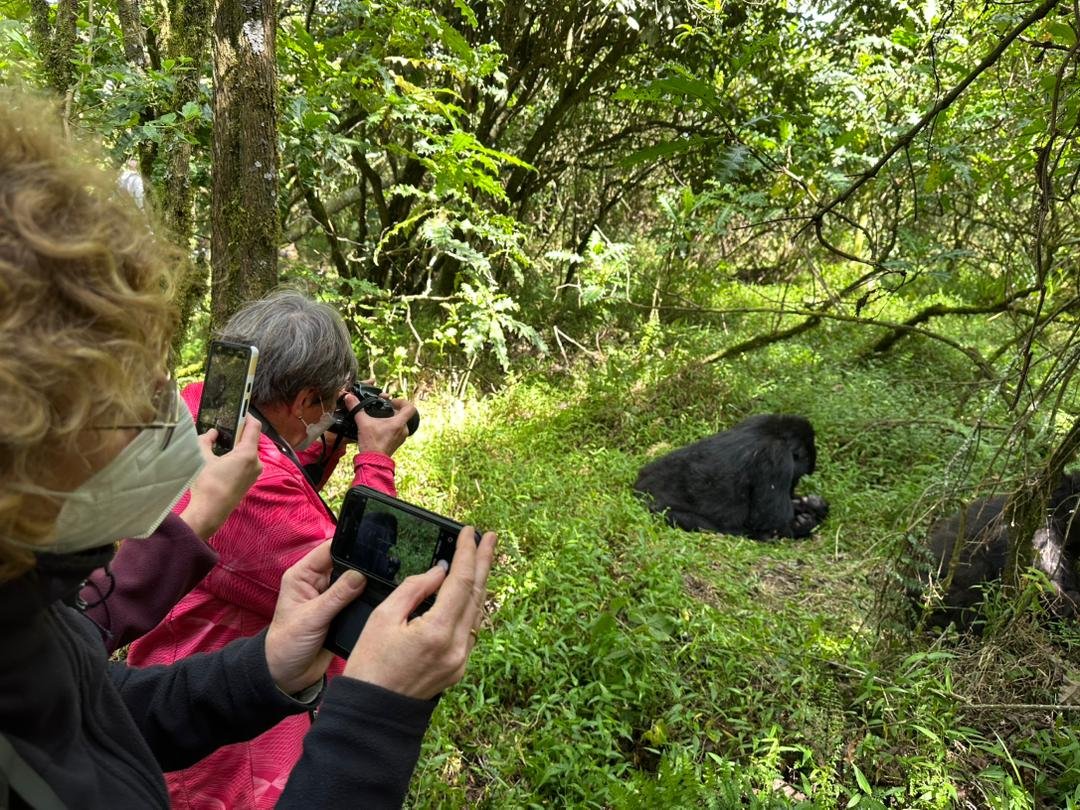
5-Day Uganda Gorilla and Chimpanzee Safari
This itinerary can be combined with a Rwanda extension or a wildlife-focused add-on through Queen Elizabeth National Park — browse our Uganda & Rwanda Safaris and Primate Safaris collections for ideas.
Tour Details →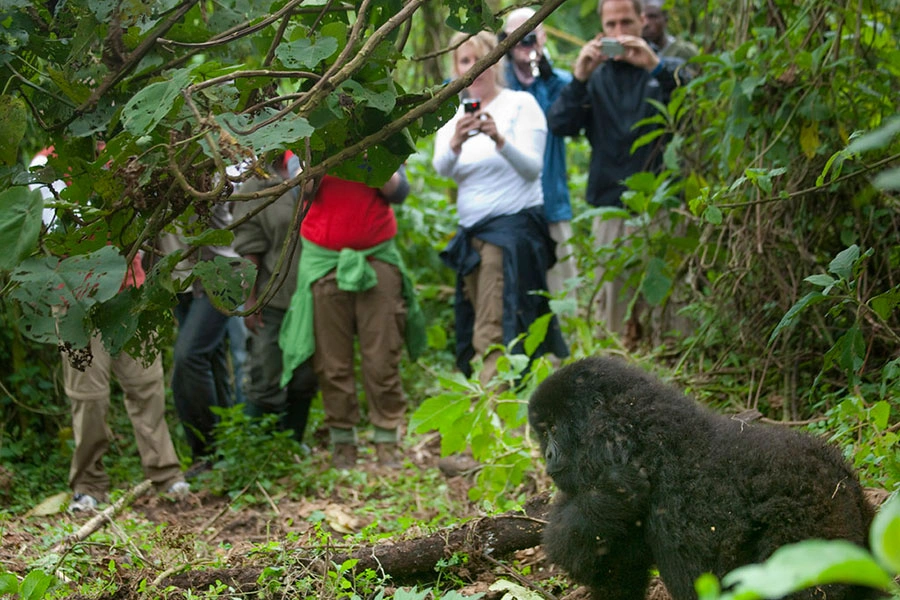
5 Days Rwanda Wildlife and Gorillas
This 5-day itinerary brings together Rwanda’s two flagship wildlife experiences: open savannah game drives and a boat safari in Akagera National Park, followed by a face-to-face encounters
Tour Details →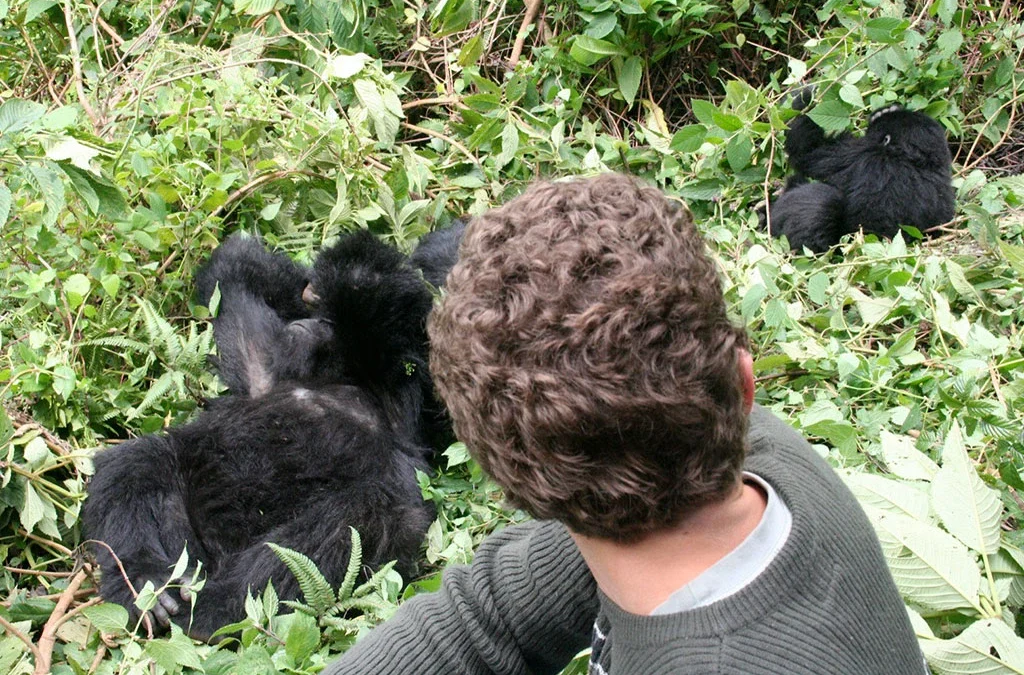
3 Days Uganda Gorilla Safari
For travelers who arrive in Entebbe with a tight schedule and a clear ambition, a 3-day gorilla safari to Bwindi Impenetrable Forest National Park is the most focused and rewarding short trip the country has to offer.
Tour Details →