- LET'S PLAN YOUR SAFARI
- +256 200 921 002
- +256 793 194 703
- info@pickandtransfersafaris.com

One day Gorilla Tour in Uganda from Kigali
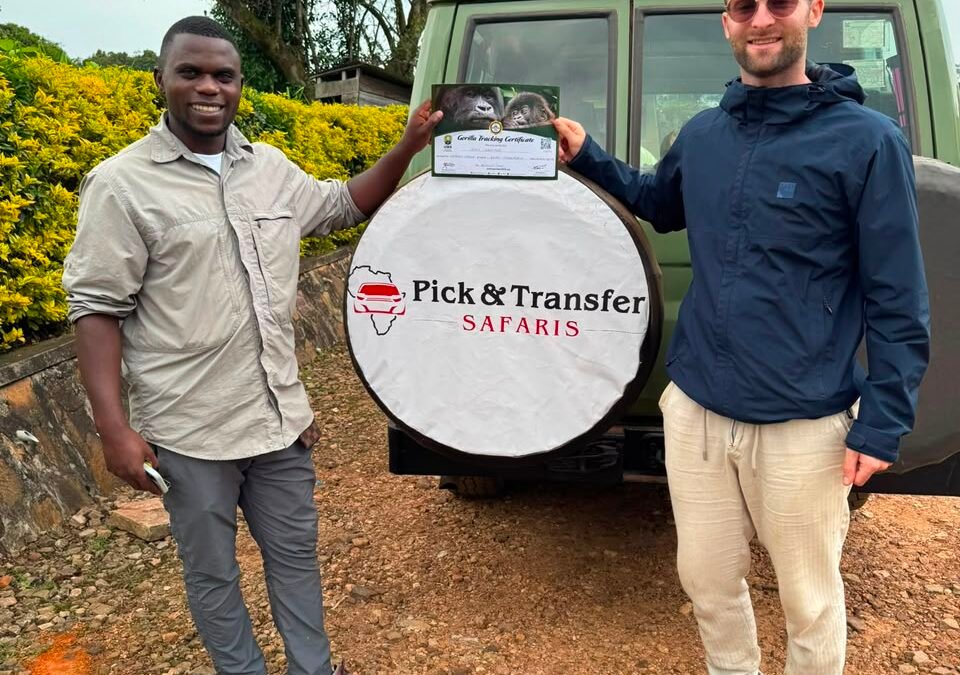
One day Gorilla Tour in Uganda from Kigali. For travellers based in Kigali, Rwanda, one question comes up again and again: is it really possible to trek mountain gorillas in Uganda and be back in your own bed the same night? The answer is yes, and the one day gorilla tour in Uganda from Kigali has quietly become one of the most sought-after adventures in East Africa, combining an early-morning border crossing, a habituated gorilla family, and a long but genuinely unforgettable day on the road. This guide walks through exactly how the day works, what it costs, which park is used, and what to expect at every stage, so you can decide whether this fast-paced, high-reward itinerary is right for your trip. It is worth saying upfront that this is not the most relaxed way to trek gorillas, nor the cheapest per hour spent with the animals, but for travellers with a business trip, a short layover, or a packed regional itinerary that simply does not allow for two or three spare days, it is often the only realistic way to add a genuine wild gorilla encounter to a Rwanda-based visit.
What Is the One Day Uganda Gorilla Tour from Kigali?
The one day gorilla tour from Kigali is exactly what it sounds like: a single, long day that takes you from your Kigali hotel, across the Rwanda-Uganda border, into a Ugandan national park to trek mountain gorillas, and back to Kigali before nightfall. It is built specifically for travellers who do not have two or three days to spare for a full gorilla safari but still want the experience of standing in front of a wild mountain gorilla family. Because the entire trip is compressed into roughly 14 to 16 hours door-to-door, it demands an early start, a good night’s sleep beforehand, and a realistic expectation that this will be a long, rewarding, and fairly tiring day rather than a relaxed one. Our own One Day Uganda Gorilla Safari from Kigali package is built around exactly this itinerary, and the details below reflect how the day genuinely unfolds on the ground. Several regional operators offer a version of this route, and comparing notes across a few of them, including Kenlink Tours, a Uganda and Rwanda specialist operating since 2010, is a useful way to sanity-check pricing and inclusions before you book.
Why Mgahinga Gorilla National Park, Not Bwindi
A common misconception is that a Kigali day trip can reach Bwindi Impenetrable Forest, Uganda’s most famous gorilla trekking destination. In reality, Bwindi is four to six hours from the Rwanda border on top of the border crossing itself, which makes a same-day round trip impossible without an overnight stay. Instead, one day gorilla tours from Kigali use Mgahinga Gorilla National Park, Uganda’s smallest national park, tucked beneath the volcanic peaks of the Virunga Mountains just a short drive from the border. Mgahinga shares its mountain range with Rwanda’s own Volcanoes National Park, which is why the terrain, vegetation and gorilla behaviour here feel very similar to trekking on the Rwandan side, even though you are trekking in Uganda. Choosing Mgahinga over Bwindi is not a compromise; it is simply the only park close enough to the border to make a genuine one-day round trip possible.
Is a One-Day Gorilla Trek from Kigali Really Possible?
Yes, but it only works because of Mgahinga’s proximity to the Cyanika border post and because the park hosts a single habituated gorilla family that lives close to the park boundary. The trade-off for this convenience is a very early start, typically a 3:00 to 3:30 a.m. pickup from your Kigali hotel, and a late return, usually between 6:00 and 7:00 p.m. Travellers who are not comfortable with a long day of driving, an early wake-up call, and a moderately demanding hike should consider a two-day version of the same trip instead, which spreads the driving and trekking across two calmer days. For reference, our 2 Days Uganda Gorilla Tour from Kigali covers the same park with an overnight stay near the border, which many first-time trekkers and older travellers find considerably more comfortable.
Where Is Mgahinga Gorilla National Park Located?
Mgahinga sits in the extreme southwestern corner of Uganda, in the Kisoro district, wedged between the borders of Rwanda and the Democratic Republic of Congo at the point where all three countries meet along the Virunga volcanic range. The park covers just 33.7 square kilometres, making it Uganda’s smallest national park, and its three volcanic peaks, Muhabura, Gahinga and Sabyinyo, are shared landmarks with neighbouring Rwanda and Congo. From Kigali, the park headquarters is roughly 130 to 150 kilometres away by road, a drive that typically takes three to three and a half hours each way once you account for the border crossing and the final stretch of unpaved road near the park gate. This geography is precisely why the tour works as a day trip from Kigali but would be a far more complicated undertaking from Kampala or Entebbe, which sit roughly eight to nine hours away on the other side of the country. Travellers wanting broader background on Uganda’s geography and how Kisoro and the southwest fit into the wider country can also consult Kenlink Tours’ overview of Uganda, which covers the country’s regions and major attractions in more general terms.
The Cyanika Border Crossing: What to Expect
Cyanika is the border post used for this route, sitting almost directly between Musanze in Rwanda and Kisoro in Uganda, and it is generally regarded as one of the calmer, more efficient crossings in the region compared with the larger Gatuna/Katuna post further north. Expect a straightforward but unhurried process: exit stamps on the Rwandan side, a short walk or drive across the frontier, and entry formalities on the Ugandan side, all of which your driver-guide will help coordinate. Because the crossing happens twice in one day, once outbound before sunrise and once again on the return leg, it is worth having your passport, visa documentation and any printed permit confirmation easily accessible rather than buried in checked luggage. Arriving at the border with your paperwork organised is the single biggest factor in keeping this tight itinerary on schedule. If your itinerary also involves renting a self-drive vehicle in either country rather than travelling with a driver-guide, it is worth checking cross-border insurance and permit requirements in advance; services such as Kenlink Tours’ car hire fleet illustrate the kind of vehicle options and paperwork typically required for cross-border driving in the region, even if you ultimately choose a guided transfer instead.
Visa Requirements for a Kigali-to-Uganda Day Trip
Because this itinerary crosses an international border twice in a single day, visa planning matters more here than on a standard single-country safari. Many nationalities can apply in advance for the East Africa Tourist Visa, a single $100 visa that covers Rwanda, Uganda and Kenya as one combined travel zone for up to 90 days, which is particularly well suited to a trip like this one since it allows movement between Rwanda and Uganda without needing two separate visas. The visa must be obtained through the immigration portal of the country you first enter, so travellers starting their trip in Kigali generally apply through Rwanda’s system before their arrival. Travellers who prefer separate single-country visas can also obtain a standard Uganda visa in advance or, for many nationalities, on arrival at the border, though this adds a small amount of processing time on the morning of your trek, so factor that possibility into your pre-dawn schedule if you choose this route rather than the combined visa. Because visa rules and eligible nationalities can change, it is worth confirming current requirements directly with the relevant immigration authority a few weeks before you travel, and our team can advise on this when you book through our contact page. General visa and booking guidance for the wider region is also available through Kenlink Tours’ Uganda safari booking guide, which covers many of the same practical questions travellers ask before a first trip to East Africa.
Sample One Day Itinerary, Hour by Hour
A typical one day gorilla tour from Kigali follows a tightly choreographed schedule. Pickup from your Kigali hotel or Kigali International Airport happens between 3:00 and 3:30 a.m., allowing enough time to reach the Cyanika border for processing by around 6:30 to 7:00 a.m. From there, it is a short onward drive to Mgahinga’s park headquarters, where you arrive by roughly 7:30 to 8:00 a.m. for registration and the mandatory ranger briefing covering trekking etiquette and safety rules. The trek itself, including the hike to find the gorillas, your hour with the family, and the walk back out, generally runs from 8:00 a.m. until early afternoon, depending on where the gorillas are located that day. A packed or sit-down lunch near park headquarters follows between roughly 1:00 and 2:00 p.m., before the long return drive back through Cyanika to Kigali, typically arriving between 6:00 and 7:00 p.m., in time for dinner or a late flight home. Because timings shift with gorilla movement and border processing speed, it is worth building in a buffer if you have an evening flight, and discussing this directly with your operator when planning; our one-day Kigali gorilla tour page lays out the same schedule in full detail.
Meet the Nyakagezi Gorilla Family
Mgahinga is currently home to a single habituated mountain gorilla group available for tourism, the Nyakagezi family. This group has a long and somewhat well-known history among trekking guides in the region: because the Virunga volcanoes straddle Uganda, Rwanda and Congo without respecting national borders, the Nyakagezi family has, at various points over the years, wandered across into neighbouring Rwanda or Congo before returning to Mgahinga. When the family is present on the Ugandan side, which is the norm for most of the year, trekking proceeds as usual; it is simply worth knowing that gorilla movement is genuinely wild and unscripted, unlike a wildlife park with fenced boundaries. Because only one family is available here, permit numbers are limited to a maximum of eight trekkers per day, which makes advance booking essential, particularly during peak travel months.
Gorilla Trekking Rules and What to Expect on the Trail
Gorilla trekking in Uganda follows strict, internationally recognised rules designed to protect both visitors and the gorillas themselves, who share close to 98 percent of human DNA and are susceptible to many of the same respiratory illnesses. Current guidelines require a minimum distance of 10 metres between trekkers and the gorillas at all times, along with the use of a medical-grade surgical mask during direct viewing to reduce disease transmission risk. Trekking begins with a ranger-led briefing covering hand signals, coughing and sneezing etiquette, and instructions on what to do if a silverback approaches, all standard practice designed to keep both trekkers and gorillas calm. Trekkers spend a maximum of one hour with the gorilla family once located, and flash photography, loud noise and sudden movements are prohibited throughout the encounter. The trek itself can range from a relatively easy one-hour walk to a demanding four- or five-hour hike through steep, muddy volcanic terrain, depending entirely on where the Nyakagezi family happens to be that morning, so realistic fitness expectations matter more than most visitors anticipate. These rules are broadly consistent across Uganda’s trekking parks, and Kenlink Tours’ Uganda trekking safaris page offers a useful comparison of how similar guidelines apply at Bwindi, for travellers weighing up the two Ugandan gorilla destinations against each other.
Gorilla Permit Prices in 2026 and What’s Included
As of 2026, a standard Uganda gorilla trekking permit for foreign non-residents costs $800 during high season, which covers June through October and December through February, and drops to $600 during the low season months of April, May and November. Foreign residents of East Africa pay slightly less, generally around $700 in high season and $500 in low season, while East African Community citizens pay a heavily discounted local rate of roughly 300,000 Ugandan shillings, around $80. The permit itself grants entry to the park, a park ranger guide, trackers who locate the gorilla family in advance, and your one-hour viewing window; it does not include transport, meals or the border-crossing logistics that make a one-day trip from Kigali possible in the first place. Because only eight permits are issued per day for Mgahinga’s single habituated family, booking well ahead, ideally six to ten months out for peak season and three to six months for low season, is essential rather than optional.
| Traveller category | High season (Jun–Oct, Dec–Feb) | Low season (Apr, May, Nov) |
|---|---|---|
| Foreign non-resident | $800 | $600 |
| Foreign resident | $700 | $500 |
| East African Community citizen | ~$80 (300,000 UGX) | ~$80 (300,000 UGX) |
These figures cover the permit only. For a like-for-like comparison of how Uganda’s pricing sits alongside neighbouring Rwanda, where gorilla permits are priced substantially higher at a flat $1,500 regardless of season, Kenlink Tours’ guide to choosing the best Uganda safari is a useful independent reference point.
How Much Does the Full One Day Tour Cost?
A complete one day gorilla tour package from Kigali typically starts from around $1,100 per person, a figure that reflects far more than the permit alone. This price generally bundles the gorilla trekking permit itself, private 4×4 transport with an experienced English-speaking driver-guide for the full 14- to 16-hour round trip, fuel and border logistics, bottled water, a packed lunch, and applicable government taxes. It does not typically include Rwandan or Ugandan visa fees, travel insurance, tips for your guide and trekking porters, or personal expenses. Because the vehicle, fuel and guide costs are spread across only one gorilla permit rather than several days of touring, a one-day trip generally costs more per gorilla-viewing hour than a longer safari, which is the trade-off travellers accept in exchange for saving several days elsewhere in their trip. Full pricing and inclusions for this exact itinerary are detailed on our One Day Uganda Gorilla Safari from Kigali page.
Fitness Level and Trekking Difficulty
Because you will already have been on the road since before sunrise, it is worth being honest with yourself about fitness before booking a one-day gorilla trek. The hike through Mgahinga’s volcanic slopes involves uneven ground, dense vegetation, altitude between roughly 2,200 and 4,100 metres, and sometimes steep, muddy sections, particularly after rainfall. A moderate level of fitness, the ability to walk continuously for one to four hours on variable terrain, and a general comfort with heat and humidity are the realistic minimum requirements. Hiring a local porter, an inexpensive add-on arranged at park headquarters, is strongly recommended even for fit trekkers, since porters not only carry your daypack but also offer a steadying hand on difficult sections and directly support the local community around the park, many of whom rely on trekking-related income as their primary livelihood. Travellers who are less confident about the physical demands of trekking, or who are travelling with older relatives, may prefer the gentler pacing of our 3 Days Uganda Gorilla Safari from Rwanda, which allows for rest days built around the same park.
What to Pack for a One Day Gorilla Trek
Packing correctly makes a genuine difference on a day this physically demanding. Sturdy, broken-in hiking boots with ankle support are essential given the uneven volcanic terrain, along with waterproof trousers and a rain jacket, since Mgahinga sits in a genuinely wet, high-altitude environment where afternoon showers are common even outside the official rainy seasons. Gardening-style gloves are a small but valuable addition, protecting your hands from stinging nettles and thorny vegetation along the trail, and long trousers tucked into socks help guard against biting ants. A daypack for water, snacks, a light jacket and your camera is worth carrying yourself or handing to a porter, and a reusable water bottle, sun protection and insect repellent round out the essentials. Because the day begins before dawn and ends after dark, pack a headlamp or torch for the very early Kigali pickup and the drive home, and bring your passport, visa documents and gorilla permit confirmation in an easily accessible pocket rather than deep in your luggage. A change of clothes left in the vehicle for the return journey is a small comfort worth arranging in advance, since trekking through volcanic vegetation after rain often leaves boots and trousers thoroughly muddy by the time you reach the trailhead again, and nobody enjoys a three-hour drive back to Kigali in wet clothing.
Best Time of Year to Trek Gorillas from Kigali
Gorilla trekking runs year-round in Uganda, since the Nyakagezi family and the park itself are accessible in every season, but conditions and pricing shift noticeably with the calendar. The two dry seasons, June to September and December to February, offer firmer trails, easier hiking conditions and the highest demand, which is reflected in the higher permit price during these months. The shorter low season windows in April, May and November bring more rainfall and muddier, more physically demanding trekking conditions, but also lower permit prices and noticeably fewer trekkers on the trail, which some visitors actually prefer for a more private encounter with the gorilla family. Because only eight permits are available per day regardless of season, booking early matters more than choosing a particular month, and our team can help you weigh weather, budget and availability together when you get in touch through our contact page.
One Day, Two Day or Three Day Gorilla Safaris from Kigali?
The one day itinerary is not the only way to trek Uganda’s gorillas from a Kigali base, and it is worth understanding the alternatives before you commit. A two-day version, such as our 2 Days Uganda Gorilla Tour from Kigali, breaks the drive across two calmer days with an overnight stay near Mgahinga, reducing the pre-dawn pickup and long return drive into a single, less exhausting day. A three-day option, such as our 3 Days Uganda Gorilla Safari from Rwanda, allows time to add a second activity such as a community walk, golden monkey tracking, or simply a more relaxed pace around the trek itself. Travellers with more time and an interest in primates beyond gorillas might also consider our 5 Days Uganda Gorilla and Chimps Safari from Rwanda, which combines Mgahinga trekking with chimpanzee tracking further into Uganda. The one-day option remains the right choice specifically for travellers with a hard time constraint, such as a short layover in Kigali or a tight overall itinerary, rather than a universally better or worse option than the multi-day alternatives. Travellers who ultimately have more time available sometimes discover that a longer regional itinerary, such as Kenlink Tours’ 10-day gorilla trekking and great migration safari, offers substantially better value per day once flights, permits and ground transport are all factored in together.
Combining Uganda Gorilla Trekking with a Rwanda Volcanoes Trek
Because Mgahinga and Rwanda’s Volcanoes National Park share the same volcanic mountain range, some travellers choose to trek on both sides of the border during one trip, comparing Uganda’s more rustic, lower-cost experience with Rwanda’s higher-priced but highly polished trekking infrastructure. If this appeals to you, our 2 Days Volcanoes Gorilla Trek from Kigali covers the Rwandan side of the same mountain range, while our 3 Days Rwanda Gorilla Tracking and Cultural Tour pairs trekking with a visit to a local cultural village. Comparing the two experiences back to back gives a genuinely interesting perspective on how neighbouring countries manage the same endangered species and shared mountain ecosystem in different ways. Kenlink Tours’ 3-day Rwanda gorilla safari, 5-day Uganda-Rwanda double gorilla safari and dedicated Uganda-Rwanda connecting safaris page are further useful references for travellers weighing up how to structure a trip that includes both countries, and for understanding how other regional operators price and pace a two-country gorilla itinerary.
Group Tours Versus Private One Day Gorilla Tours
As with most single-day adventure itineraries, you can choose between a scheduled group departure or a fully private tour, and the choice matters more here than on a typical safari because of how tightly the day is scheduled. A private vehicle and guide give you control over your exact pickup time, the pace of the drive, and flexibility if the border crossing or trek runs longer than planned, which matters enormously on a day with only a narrow margin for delay. Group departures, where available, can reduce the per-person cost by sharing vehicle and guide fees across several trekkers, but they require everyone in the vehicle to agree on timing, and any delay caused by one traveller’s paperwork or pace affects the whole group. Given the early start, the international border crossing, and the tight overall schedule, most operators, including our own team, generally recommend a private vehicle for this specific itinerary even for solo travellers, simply because there is so little slack built into the day.
What If You Can’t Get a Permit for Your Travel Dates?
Because Mgahinga issues only eight permits a day for a single gorilla family, it is genuinely possible to arrive at your preferred travel window and find every slot booked, particularly around the July to September and December to January peak periods. If this happens, you have a few realistic options rather than simply cancelling your gorilla trekking plans altogether. The most straightforward is shifting your date by a few days either side of your original plan, since permit availability changes as other travellers cancel or reschedule. A second option is trekking on the Rwandan side of the same volcanic range instead, where Volcanoes National Park manages ten habituated families and considerably more daily permits, albeit at a higher price point of $1,500 per person. A third option, for travellers with more flexibility, is shifting the entire trip toward Bwindi Impenetrable Forest, which hosts more than twenty habituated gorilla families across four trekking sectors and issues far more permits per day than Mgahinga, though it requires an overnight stay rather than a single-day trip from Kigali. Whichever direction you choose, the earlier you contact your operator once you have firm travel dates, the more options remain open to you.
Health and Safety Considerations
Because mountain gorillas are so genetically close to humans, park authorities take health screening seriously, and trekkers showing symptoms of a cold, flu or other communicable illness on the morning of their trek may be turned away to protect the gorilla family, generally with a partial refund policy in place. It is worth travelling with basic health precautions in mind: a light meal and good hydration before the early start, comfortable acclimatisation if you are not used to trekking at altitudes above 2,000 metres, and a personal first aid kit for minor scrapes or blisters. Given the long hours behind the wheel on both sides of the border, choosing an operator with well-maintained vehicles and experienced drivers is just as important to your overall safety as the trek itself. Travel insurance that explicitly covers high-altitude trekking and cross-border travel is strongly recommended, since it is one of the exclusions on almost every gorilla tour package, including ours. It is also worth registering with your embassy’s travel advisory service before departure and keeping a digital copy of your passport, visa and permit confirmation saved separately from the originals, a small precaution that costs nothing but can save considerable stress if documents are lost or misplaced during a long day that spans two countries.
Responsible Gorilla Tourism
Mountain gorillas were once critically endangered, and their slow but genuine population recovery over the past three decades is widely credited to exactly this kind of regulated, permit-funded tourism, which gives local communities and governments a direct financial incentive to protect the species and its habitat rather than allow encroachment or poaching. A meaningful share of every gorilla permit fee is reinvested into park management, ranger salaries and community development projects around Mgahinga and Bwindi, which is part of why permit prices are set deliberately high rather than kept accessible to mass tourism. Following the trekking rules around distance, mask-wearing and group size is not simply bureaucracy; it directly protects a population that remains vulnerable to human disease and habitat disturbance. Choosing an operator who hires local guides, porters and drivers, and who respects park regulations without cutting corners, extends that same responsible-tourism principle to the rest of your day beyond the trek itself. Community-linked tourism initiatives, such as Kenlink Tours’ tourism internship programme in Uganda, are a good example of how regional operators are also investing in training the next generation of local guides rather than relying solely on permit revenue to support surrounding communities.
Why Book Your One Day Gorilla Tour with Pick and Transfer Safaris
A one-day, cross-border gorilla trek is one of the least forgiving itineraries in East African travel, since a late border crossing, a missed permit slot or a poorly maintained vehicle can unravel the entire day. Our team plans this tour around the realities of the Cyanika crossing and Mgahinga’s permit system, securing your gorilla permit in advance, coordinating pickup times precisely enough to leave a buffer at the border, and providing an experienced driver-guide who has made this specific route many times before. Because we operate across both Uganda and Rwanda, we can also help you weigh up whether the one-day option, a two-day version, or a Rwanda-side Volcanoes trek best fits your schedule and budget, and extend your trip into a longer gorilla safari or broader wildlife safari if you decide you have time for more. Reach out through our contact page to check permit availability for your travel dates, or browse our full range of extended safari itineraries if a single day turns out to be just the beginning.
Frequently Asked Questions About the One Day Gorilla Tour from Kigali
How far is Mgahinga Gorilla National Park from Kigali? Mgahinga is roughly 130 to 150 kilometres from Kigali by road, a drive of about three to three and a half hours each way including the Cyanika border crossing.
Do I need two visas for this trip? Not necessarily. The East Africa Tourist Visa covers Rwanda, Uganda and Kenya under one $100 fee and is well suited to a same-day border crossing, though separate single-country visas remain an option for travellers who prefer them.
Which gorilla family will I see at Mgahinga? Mgahinga currently has one habituated group available for tourism, the Nyakagezi family, which occasionally roams across the nearby Rwanda and Congo borders as part of its natural, unfenced range.
How much does the full one-day package cost? Complete one-day packages from Kigali, including the gorilla permit, private transport, guide, fuel, water and lunch, generally start from around $1,100 per person, on top of visa costs and tips.
Is one day too rushed for a proper gorilla trekking experience? It is a genuinely long day, roughly 14 to 16 hours door-to-door, but the hour spent with the gorilla family itself is identical in length and quality to what you would get on a longer, multi-day trip; the extra days on a multi-day itinerary buy you comfort and pacing, not a better gorilla encounter.
What is the minimum age for gorilla trekking? Uganda Wildlife Authority rules set the minimum age at 15 years old for all gorilla trekking permits, including at Mgahinga.
Can I trek gorillas in both Uganda and Rwanda on the same trip? Yes, many travellers combine a Uganda trek at Mgahinga with a separate Rwanda trek at Volcanoes National Park during the same overall trip, though not on the same day given the separate permits, fees and trekking schedules involved.
What happens if the Nyakagezi family has crossed into Rwanda or Congo that day? This is rare but not impossible given the family’s history of cross-border movement; park rangers track the group daily before trekkers set out, and in the unlikely event the family is inaccessible, the Uganda Wildlife Authority will discuss rebooking options or a partial refund with your operator.
Should I tip my guide, driver and porter? Yes, tipping is customary and expected throughout East Africa’s safari industry; a reasonable guideline is $10 to $20 for your driver-guide, $10 to $15 for your park ranger guide, and $10 to $15 for a porter, though this is entirely at your discretion and not included in package pricing.
Final Thoughts on the One day Gorilla Tour in Uganda from Kigali
The one day gorilla tour in Uganda from Kigali is not the easiest way to see mountain gorillas, but for travellers working with a tight schedule, it may be the only realistic way to fit a genuine wild gorilla encounter into a Rwanda-based trip. Between the pre-dawn departure, the Cyanika border crossing, the trek through Mgahinga’s volcanic slopes, and the hour spent face to face with the Nyakagezi family, it packs an extraordinary amount of East Africa into a single, well-organised day. Careful planning around visas, permits and timing is what separates a smooth, memorable trip from a stressful one, which is exactly where booking with an experienced local operator makes the difference. For most travellers, the deciding factor is not whether the day will be tiring, since it undeniably will be, but whether the alternative is trekking gorillas at all during this particular trip. Measured against that choice, a long but well-planned day that ends with an hour beside a wild mountain gorilla family is, for the vast majority of travellers who attempt it, worth every early-morning minute.
Ready to plan your one day gorilla tour from Kigali? Contact Pick and Transfer Safaris through our contact page to check permit availability and build an itinerary around your travel dates, whether that is a single unforgettable day or the start of a longer Uganda and Rwanda adventure.
7 Days Uganda Safari – One week tour
This 7-day itinerary is the classic one-week introduction to Uganda, covering the country’s three most iconic wildlife experiences: chimpanzee tracking in Kibale Forest National Park, Big Five game drives and a boat cruise in Queen
Tour Details →
10 Days Uganda Primates and Wildlife
This 10-day Uganda Grand Safari is the most complete Uganda itinerary we offer at Pick and Transfer Safaris. It begins with a scenic northward drive from Entebbe to the vast open plains of Murchison
Tour Details →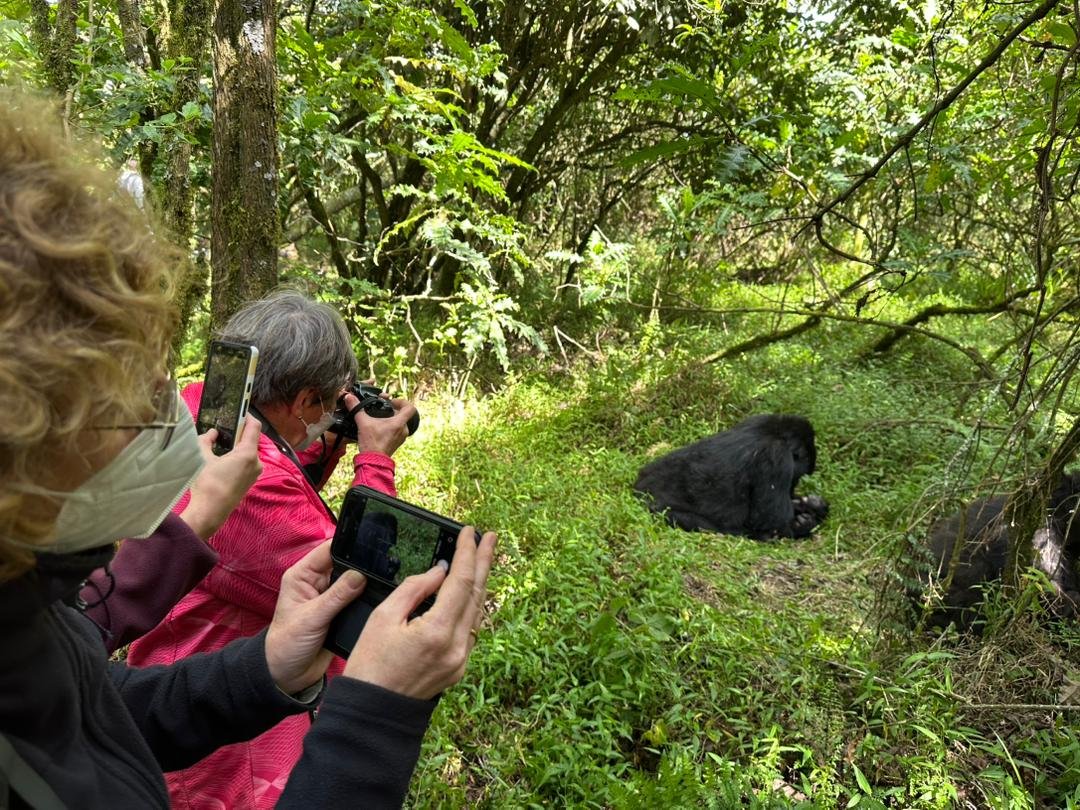
2 Days Uganda Gorilla Tour Starting from Kigali
This is the gentler cousin of our 1-Day Uganda Gorilla Safari Starting from Kigali — same idea, twice the breathing room. Instead of squeezing a 3,000-metre forest trek and two border crossings into a single very long day
Tour Details →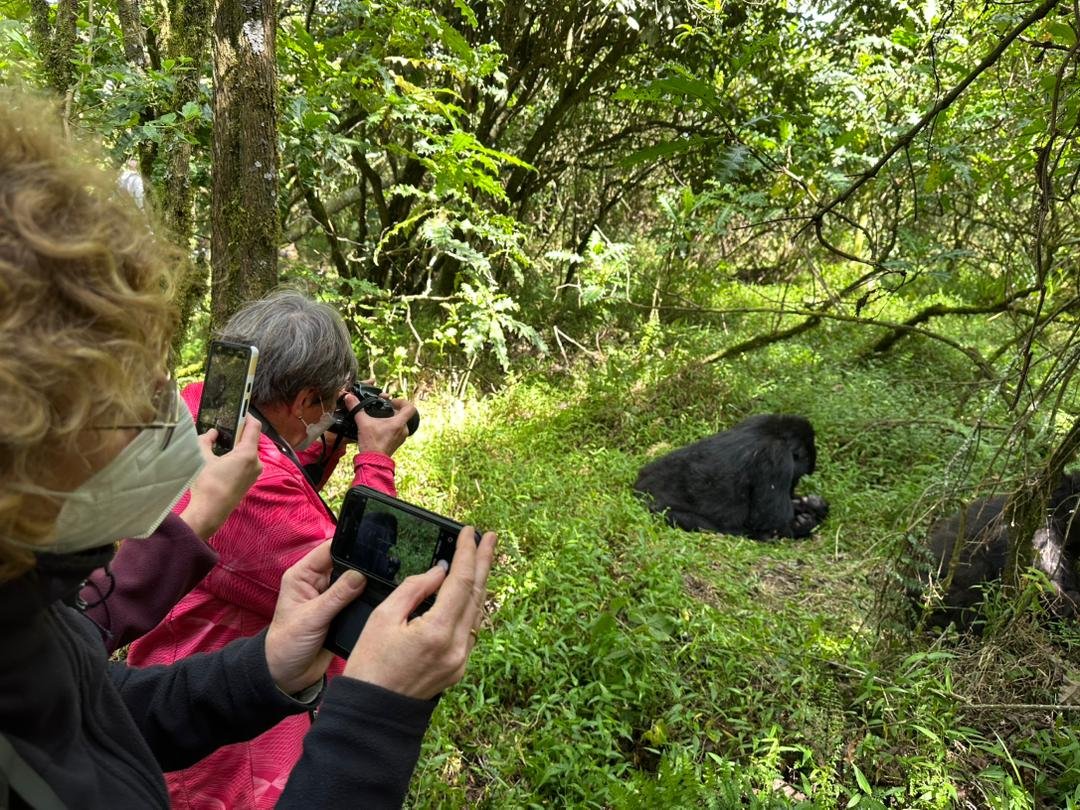
5-Day Uganda Gorilla and Chimpanzee Safari
This itinerary can be combined with a Rwanda extension or a wildlife-focused add-on through Queen Elizabeth National Park — browse our Uganda & Rwanda Safaris and Primate Safaris collections for ideas.
Tour Details →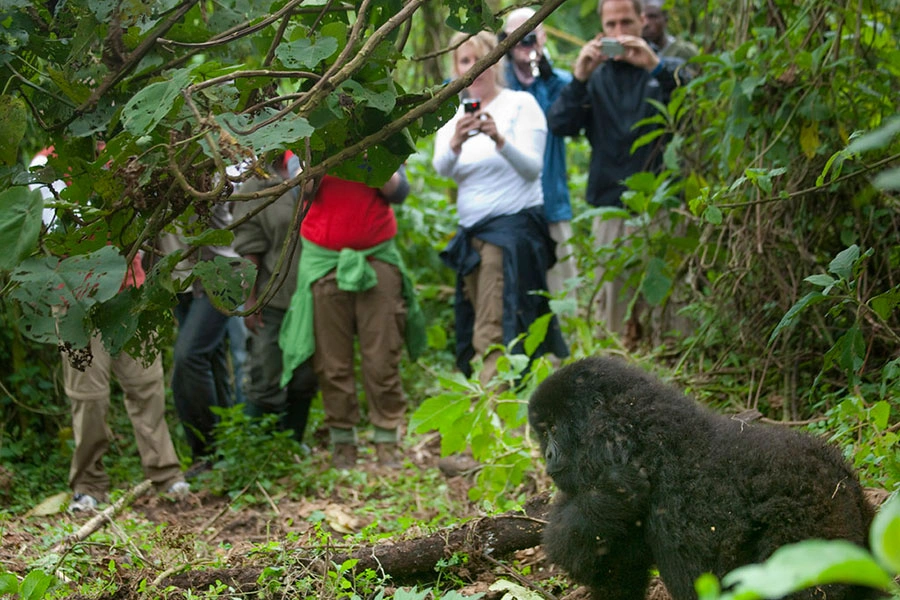
5 Days Rwanda Wildlife and Gorillas
This 5-day itinerary brings together Rwanda’s two flagship wildlife experiences: open savannah game drives and a boat safari in Akagera National Park, followed by a face-to-face encounters
Tour Details →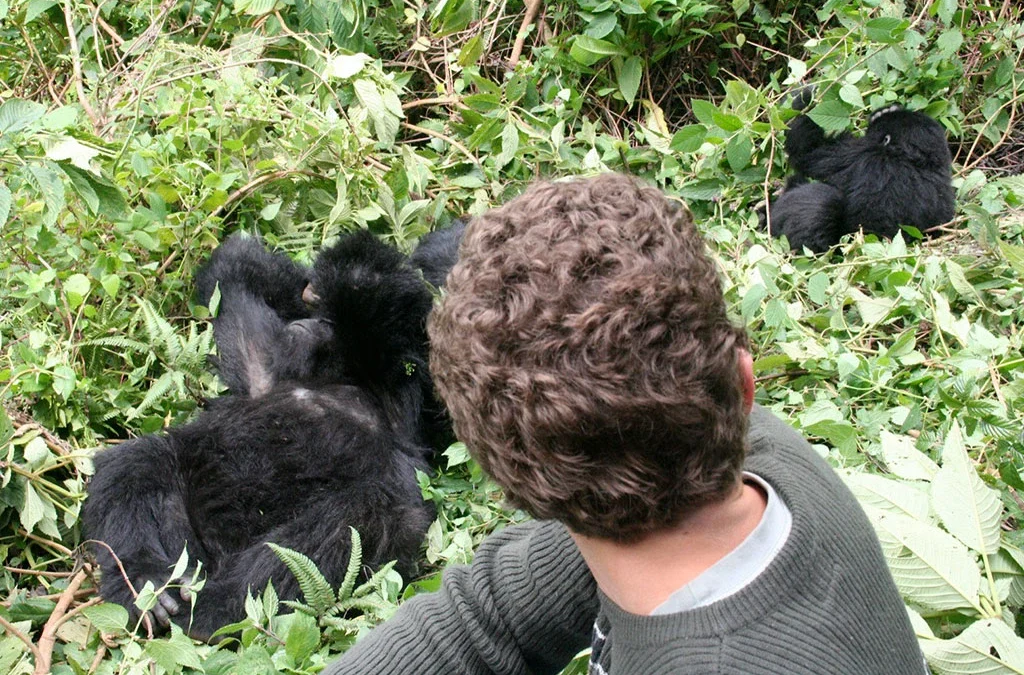
3 Days Uganda Gorilla Safari
For travelers who arrive in Entebbe with a tight schedule and a clear ambition, a 3-day gorilla safari to Bwindi Impenetrable Forest National Park is the most focused and rewarding short trip the country has to offer.
Tour Details →