- LET'S PLAN YOUR SAFARI
- +256 200 921 002
- +256 793 194 703
- info@pickandtransfersafaris.com

Short Gorilla Trips Picking up from Kigali
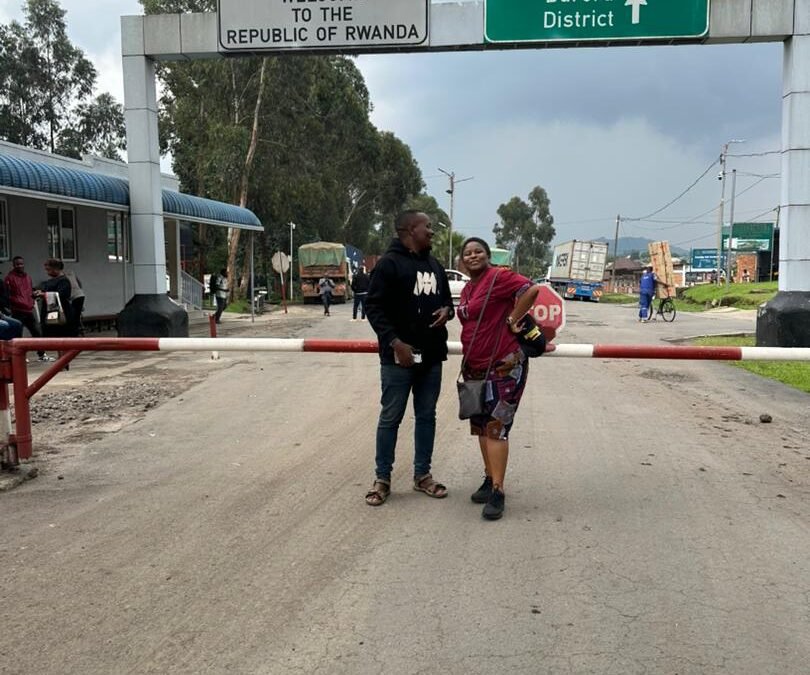
Short Gorilla Trips Picking up from Kigali. Kigali has quietly become one of the best-placed cities in Africa for a short mountain gorilla trip. Thanks to its proximity to the Uganda border, travellers based in Rwanda’s capital can trek gorillas without committing to a full week-long safari, choosing from a genuine spread of short gorilla trips picking up from Kigali ranging from a single very long day to a relaxed five-day combination safari. This guide compares every realistic option side by side, covering which national park each one uses, what it costs, how physically demanding it is, and which type of traveller each itinerary actually suits, so you can pick the right length of trip rather than defaulting to whichever one you saw advertised first.
What Counts as a “Short” Gorilla Trip from Kigali?
For the purposes of this guide, a short gorilla trip is anything from a single very long day up to five days, all beginning and, in most cases, ending with a Kigali hotel or airport pickup. This deliberately excludes longer combination safaris that stitch gorilla trekking into a two-week Uganda and Rwanda circuit, which are a different kind of trip entirely for a different kind of traveller. What unites every option covered here is that each one is genuinely achievable within a short Rwanda-based trip, business visit, or stopover, without requiring you to restructure your entire itinerary around a multi-week safari. Four packages anchor this comparison: a one-day trip, a two-day trip, a three-day trip, and a five-day trip, each detailed on our own gorilla safari packages pages and compared honestly below. Several regional operators offer versions of these same itineraries, and cross-checking a few of them, including Kenlink Tours, a Uganda and Rwanda safari specialist operating since 2010, is a sensible way to benchmark pricing and inclusions before you commit to any one operator.
Why Start From Kigali At All?
Kigali International Airport is, for many long-haul travellers, considerably easier to reach than Entebbe, with strong connections through hubs such as Doha, Brussels, Amsterdam and Nairobi, and a well-earned reputation as one of Africa’s cleanest, safest and most pleasant capital cities to spend a night or two in before or after a trek. Because Uganda’s gorilla trekking parks sit in the country’s extreme southwest, right along the Rwandan border, Kigali is often physically closer to Mgahinga and Bwindi’s southern sectors than Entebbe or Kampala are, despite being in a different country altogether. This geography is precisely why a Kigali-based gorilla trip works so well as a short add-on to a Rwanda holiday, a business trip, or even a long layover, rather than requiring a dedicated Uganda-only itinerary. Kenlink Tours’ overview of Uganda gives useful further context on how the country’s geography supports this kind of cross-border trip planning. Kigali also compares favourably on practical grounds beyond geography: its road network is well maintained by regional standards, its hotels span every budget from backpacker guesthouses to five-star properties, and its efficient immigration processes mean the first leg of any of these trips, the drive out to the border, tends to run smoothly and predictably compared with the more congested routes leading out of Kampala or Entebbe.
Option 1: The One Day Gorilla Trek (Mgahinga)
The shortest option available is a genuine single-day round trip using Mgahinga Gorilla National Park, Uganda’s smallest park and the only one close enough to the Cyanika border for a same-day return. A typical day begins with a 3:00 to 3:30 a.m. Kigali pickup, crosses the border by around 6:30 to 7:00 a.m., treks the park’s single habituated Nyakagezi family through the morning, and returns to Kigali by early evening, roughly 14 to 16 hours door-to-door. Pricing for this option starts from around $1,100 per person, and full details are available on our One Day Uganda Gorilla Safari from Kigali page. It is the least expensive and least time-consuming way to trek gorillas from Kigali, at the cost of a genuinely long, tiring day and a choice of only one gorilla family.
Is There a One-Day Bwindi Option Too?
Some travellers specifically want Bwindi Impenetrable Forest, Uganda’s larger and more famous gorilla destination, rather than Mgahinga, and ask whether that is possible in a single day as well. It is, using the same Cyanika border crossing to reach Bwindi’s southern Rushaga or Nkuringo sectors, though it is not one of our standard packaged itineraries and runs considerably longer than the Mgahinga day trip, typically 15 to 18 hours door-to-door given the extra driving distance involved. This is not a trip we recommend defaulting to without discussing timing and fitness honestly first, but our team can arrange it as a custom itinerary for travellers who specifically want Bwindi and are comfortable with a very long day; get in touch through our contact page to talk through whether it fits your dates and stamina. For most travellers wanting the Bwindi experience without an 18-hour day, the two-day option below is the more comfortable route to the same park.
Option 2: The 2-Day Gorilla Tour (Bwindi)
Our 2 Days Uganda Gorilla Tour from Kigali is built specifically around Bwindi Impenetrable Forest, taking the pressure off the single-day itinerary by spreading it across two calmer days. Day one covers the four to four-and-a-half-hour drive from Kigali through the Cyanika border to a lodge near Bwindi’s Rushaga or Nkuringo sector, with time in the afternoon for an optional community walk or simply resting after the drive. Day two starts with an early ranger briefing, the gorilla trek itself, which can run anywhere from one to several hours depending on where the family was last located, and the return drive to Kigali, arriving by evening. This option starts from around $1,200 per person and includes one night of mid-range accommodation near the park, making it a noticeably more comfortable experience than the one-day trip while still fitting neatly into a short Rwanda-based visit.
Option 3: The 3-Day Gorilla Safari (Mgahinga or Bwindi)
Our 3 Days Uganda Gorilla Safari from Rwanda adds a genuine third dimension to the trip: choice of park. Depending on permit availability, this itinerary can be built around either Mgahinga or Bwindi’s Rushaga sector, and it adds room for an extra activity beyond the trek itself. Day one covers the three to four-hour drive from Kigali through Cyanika to the chosen park, with an optional nature walk in the afternoon. Day two is trek day, followed by an optional Batwa community visit exploring the indigenous forest community’s culture and traditions. Day three offers optional golden monkey tracking for travellers who chose Mgahinga, before the return drive to Kigali. Starting from around $1,300 per person, this option suits travellers who want a full experience, rather than a single activity squeezed into a rushed schedule, without committing to a longer multi-park safari. For readers weighing this option against similar three-day itineraries offered elsewhere in the region, Kenlink Tours’ 3-day Uganda gorilla safari is a useful comparison point.
Option 4: The 5-Day Gorilla and Chimps Safari
For travellers with a little more time, our 5 Days Uganda Gorilla and Chimps Safari from Rwanda extends well beyond a single-park trip. It begins the same way as the shorter options, crossing from Kigali into Bwindi for a gorilla trek on day two, but then continues north through Queen Elizabeth National Park, with optional stops at Ishasha or a Kazinga Channel boat cruise, before reaching Kibale Forest National Park for chimpanzee tracking on day four and a guided walk through the Bigodi Wetland Sanctuary. The trip ends with a drive to Entebbe on day five rather than a return to Kigali, which is worth noting if your onward travel plans assume a Rwandan departure point. Starting from around $2,400 per person, this is less a “short gorilla trip” in the strictest sense and more a compact primate-and-wildlife circuit, but it remains squarely in reach for travellers who can spare five days rather than two or three weeks. Kenlink Tours’ comparable 10-day gorilla trekking and great migration safari illustrates how much further this kind of itinerary can be stretched for travellers with even more time available.
Side-by-Side Comparison of Every Short Gorilla Trip Option
| Option | Park(s) | Duration | From (per person) | Ends in |
|---|---|---|---|---|
| 1-Day Trip | Mgahinga | ~14–16 hrs, same day | $1,100 | Kigali |
| 1-Day Bwindi (custom) | Bwindi (Rushaga/Nkuringo) | ~15–18 hrs, same day | Quote on request | Kigali |
| 2-Day Trip | Bwindi | 2 days / 1 night | $1,200 | Kigali |
| 3-Day Trip | Mgahinga or Bwindi | 3 days / 2 nights | $1,300 | Kigali |
| 5-Day Trip | Bwindi + Kibale + Queen Elizabeth | 5 days / 4 nights | $2,400 | Entebbe |
All prices above are indicative starting rates and can shift with season, group size and accommodation category; confirm current pricing directly through our contact page before booking.
Mgahinga vs Bwindi: Which Park Fits Your Short Trip?
The single biggest decision across every option on this list, aside from duration, is which park you trek in. Mgahinga is closer to the border, hosts a single habituated family, and generally produces a shorter, more predictable trekking day, making it the natural choice for the one-day itinerary and a solid option for the three-day trip as well. Bwindi, by contrast, is Uganda’s flagship gorilla destination, with dramatically more habituated families and permit availability spread across four sectors, but it sits further from Kigali and generally produces a longer, less predictable trekking day. Because the two-day and five-day packages are built specifically around Bwindi, and the one-day and three-day options can go either way, it is worth deciding early whether park reputation or trip length matters more to you, since that single choice shapes almost everything else about the itinerary.
Pricing Breakdown: What Drives the Cost Difference
The cost gap between these options, from $1,100 for the one-day trip up to $2,400 for the five-day safari, is driven by more than just extra days. Every package includes one gorilla trekking permit, priced nationally at $800 in high season and $600 in low season for foreign non-residents regardless of which package or park you choose, so permit cost alone does not explain the spread. The real drivers are additional nights of accommodation, more days of private vehicle and driver-guide time, extra park entrance fees for Kibale and Queen Elizabeth on the five-day trip, and a second activity permit for chimpanzee tracking on the longer itinerary. Understanding this breakdown helps clarify that the one-day trip is not simply a discounted version of the longer trips; it is a fundamentally different, more compressed use of the same core permit and transport costs. Kenlink Tours’ guide to choosing the best Uganda safari covers similar cost-driver logic in useful additional detail. It is also worth comparing Uganda’s pricing against Rwanda’s own trekking programme directly across the border: a standalone Rwandan gorilla permit at Volcanoes National Park costs a flat $1,500 regardless of season, roughly double Uganda’s high-season rate, which is one of the main reasons Uganda-based short trips from Kigali have become so popular with cost-conscious travellers who still want to be based in Rwanda.
What a Gorilla Permit Actually Buys You
It is worth being precise about what the permit fee itself covers, since it is easy to assume it includes far more than it does. The permit grants entry to the park for one trekking day, a park ranger guide, a team of trackers who locate the gorilla family in advance of your arrival, and your one-hour viewing window once the family is found. It does not cover transport to or from the park, meals, accommodation, porter fees, or the border-crossing logistics that make any of these Kigali-based trips possible in the first place, which is why the full package price sits considerably higher than the standalone permit rate across every option on this list. Because permits are allocated on a strict per-family, per-day basis, maximum eight trekkers per habituated group, the permit itself is also the single hardest-to-secure component of any of these trips, well ahead of transport or accommodation, which rarely sell out in the same way.
Border Crossings and Visa Basics for Every Option
Every trip on this list uses the same Cyanika border post between Musanze, Rwanda, and Kisoro, Uganda, generally regarded as one of the calmer, more efficient crossings in the region, with typical processing times of 15 to 45 minutes and daily operating hours of roughly 6:00 a.m. to 6:00 p.m. Because each of these itineraries crosses this border at least twice, once outbound and once on return, visa planning is worth doing properly regardless of which trip length you choose. Many nationalities can apply for the East Africa Tourist Visa, a single $100 fee covering Rwanda, Uganda and Kenya as one travel zone for up to 90 days, which suits this kind of cross-border itinerary well since it avoids the need for two separate visas. Travellers who prefer individual country visas can obtain a Uganda visa in advance or, for many nationalities, on arrival at Cyanika, though this adds a little processing time. Kenlink Tours’ Uganda safari booking guide covers similar visa and booking basics that apply across all of these itineraries.
How Fit Do You Need to Be?
Fitness requirements scale roughly with how compressed the itinerary is. The one-day trip is the most physically demanding overall, not because the trek itself is harder, but because you are trekking after an already exhausting pre-dawn journey and facing an equally long drive home afterward. The two-day and three-day trips remove that specific pressure by spreading the driving across separate days, leaving you rested before the trek itself, which is the single biggest comfort upgrade these options offer over the one-day version. The trek itself, regardless of which package you choose, can range from a relatively easy one-hour walk to a demanding four- or five-hour hike through steep, sometimes muddy volcanic or rainforest terrain, depending entirely on where the gorilla family happens to be that morning. The five-day trip adds a second physical activity, chimpanzee tracking in Kibale Forest, which is generally less strenuous than gorilla trekking but still requires a reasonable base level of fitness over consecutive days.
What to Pack Regardless of Which Trip You Choose
Certain packing essentials apply across every option on this list, regardless of trip length. Sturdy, broken-in waterproof hiking boots are non-negotiable given the muddy, root-covered trails common to both Mgahinga and Bwindi, along with a rain jacket and waterproof trousers, since both parks sit in genuinely wet, high-altitude environments where showers can arrive even outside the official rainy season. Gardening-style gloves protect against stinging nettles along the trail, and trousers tucked into socks help guard against biting ants, a small detail experienced trekkers rarely skip. A daypack for water, snacks, a light jacket and your camera is worth carrying yourself or handing to a hired porter, and sun protection, insect repellent and a reusable water bottle round out the essentials for every itinerary. For the one-day and, to a lesser extent, the two-day trips, a headlamp or torch is genuinely useful given how early departures begin and how late some returns run, along with a full change of clothes left in the vehicle for the drive back.
Health and Safety Basics for Every Option
Because mountain gorillas share close to 98 percent of their DNA with humans, health screening on the morning of any trek is taken seriously across every package on this list; travellers showing symptoms of a cold, flu or other communicable illness may be asked to sit the day out to protect the gorilla family, generally with a partial refund arranged through your operator. Basic precautions apply regardless of trip length: a light meal and good hydration before setting out, gradual acclimatisation given the altitude of both parks, and a personal first aid kit for minor scrapes or insect bites. Travel insurance that explicitly covers high-altitude trekking and cross-border travel is strongly recommended for all four options, since it is excluded from virtually every gorilla tour package on the market. The one-day trip carries slightly elevated fatigue-related risk given the long hours behind the wheel on both sides of the crossing, which is one more reason an experienced, well-rested driver-guide matters more on that itinerary than on the more relaxed multi-day alternatives.
Best Time of Year for a Short Gorilla Trip from Kigali
Gorilla trekking runs year-round across every option in this comparison, but seasonal timing affects trail conditions, permit pricing and, on the more time-sensitive itineraries, how predictable your schedule will be. The two dry seasons, June to September and December to February, offer firmer trails and the highest demand, which pushes permit prices to their high-season rate and makes advance booking essential, particularly for the one-day trip where a longer-than-expected trek has less schedule buffer to absorb. The shorter low season windows in April, May and November bring more rainfall, muddier trekking conditions and lower permit prices, along with noticeably fewer trekkers on the trail. For the multi-day options, seasonal timing matters less critically, since a rain delay or longer trek simply reshuffles an already more relaxed schedule rather than threatening a same-day return to Kigali.
Which Option Suits Which Type of Traveller?
Business travellers and short layover visitors with only one genuinely free day are the clearest fit for the one-day Mgahinga trip, since it delivers a full gorilla trekking experience without requiring an extra night away from meetings or a connecting itinerary. Couples and honeymooners with two or three days to spare are generally better served by the two-day or three-day Bwindi options, which trade a small amount of extra time for a considerably more comfortable, less rushed experience and a wider choice of gorilla families. Families travelling with children or older relatives should lean toward the three-day option at minimum, since it removes the pre-dawn departure and late return that make the one-day and even two-day trips genuinely demanding for less experienced trekkers. Wildlife enthusiasts who want more than gorillas alone, and who can spare a full working week, are the natural audience for the five-day gorilla and chimps safari, which adds an entirely different primate species and two additional national parks to the itinerary.
How Far Ahead Should You Book?
Because gorilla permits are limited and issued on a per-family, per-day basis, booking timeline matters more than trip length here. For any of these itineraries during peak season, June through October and December through February, booking six to ten months ahead is the safest guideline, particularly for Mgahinga’s single family and only eight daily permits. Low season windows in April, May and November are generally more forgiving, with three to six months of lead time usually sufficient, though last-minute availability does occasionally appear as other travellers reschedule. The five-day trip adds a second consideration, since it also requires securing a chimpanzee permit at Kibale alongside your gorilla permit, so booking that itinerary early is doubly important. Whichever option you are leaning toward, reaching out early through our contact page gives our team the best chance of matching your preferred dates, park and sector.
Combining a Short Gorilla Trip with Rwanda’s Volcanoes National Park
Because every option above is based out of Kigali, it is worth considering whether to add a Rwandan gorilla trek to the same trip, comparing Uganda’s lower permit price and greater family choice against Rwanda’s more polished, higher-cost trekking infrastructure at Volcanoes National Park. Our 2 Days Volcanoes Gorilla Trek from Kigali covers the Rwandan side of the same mountain range without crossing into Uganda at all, while our 3 Days Rwanda Gorilla Tracking and Cultural Tour pairs a Rwandan trek with a cultural village visit. Kenlink Tours’ 3-day Rwanda gorilla safari, 5-day Uganda-Rwanda double gorilla safari and dedicated Uganda-Rwanda connecting safaris page are useful further references if you are weighing up a two-country trekking trip rather than sticking to Uganda alone.
What’s Included Versus What You Pay Extra For
Across all four packages, the core inclusions stay broadly consistent: one gorilla trekking permit, private 4×4 transport with an English-speaking driver-guide, bottled water, specified meals, applicable government taxes, and, on the multi-day options, mid-range accommodation near the park. What consistently falls outside every package, regardless of length, is Rwandan and Ugandan visa fees, travel insurance, tips for your guide, ranger and any porter you hire, and personal expenses. Optional add-ons such as golden monkey tracking at Mgahinga, Batwa community visits, and gorilla habituation experiences are generally available on the multi-day trips but need to be requested and paid for separately unless explicitly pre-arranged. Knowing this breakdown in advance avoids the common surprise of an on-the-ground quote that looks higher than the advertised package price once porter tips, visa fees and optional extras are added in.
Group Departures Versus Private Short Gorilla Trips
All four options can generally be booked as either a shared group departure or a fully private tour, and the trade-offs shift depending on trip length. On the one-day trip, where the schedule is exceptionally tight, a private vehicle is strongly recommended even for solo travellers, since any delay caused by another traveller’s pace or paperwork can meaningfully affect your return time to Kigali. On the two-day, three-day and five-day trips, where the pace is naturally more relaxed, a shared group departure can meaningfully reduce the per-person cost without the same level of schedule risk, making it a reasonable option for budget-conscious travellers who are comfortable coordinating with a small group, provided everyone in the group shares roughly similar fitness levels and expectations for the pace of the day. It is worth asking any operator directly, ours included, how group departures are formed and how many other travellers you are likely to be paired with before committing to the shared option over a private one. Whichever format you choose, confirming exact pickup times, activity inclusions and drop-off logistics in writing before you travel is worth doing regardless of trip length. Kenlink Tours’ Uganda trekking safaris page and general Uganda safari overview offer a useful comparison point for how other regional operators structure group versus private departures across similar itineraries.
Responsible Tourism Across Every Short Gorilla Trip
Every option on this list ultimately funds the same conservation system: a significant share of each gorilla permit fee is reinvested into park management, ranger salaries and community development projects around Mgahinga and Bwindi, which is a major reason mountain gorillas have moved from critically endangered toward a more stable, if still vulnerable, population over the past three decades. Choosing shorter trips does not reduce this contribution, since the permit price and its conservation allocation are identical whether you trek for one day or five. What does vary is your opportunity to support local communities more broadly, through porter fees, community walks, Batwa cultural visits and lodge stays near the park, all of which are easier to build into the longer itineraries than the compressed one-day trip. Community-linked initiatives such as Kenlink Tours’ tourism internship programme in Uganda reflect the same broader commitment to investing in the people who make this kind of tourism sustainable long-term.
Why Book Your Short Gorilla Trip with Pick and Transfer Safaris
Choosing between four genuinely different itineraries is not always straightforward, and the right answer depends on your fitness, budget, timeline and whether you specifically want Bwindi or are happy with Mgahinga. Our team plans every one of these trips around the realities of the Cyanika border crossing and Uganda’s permit system, securing gorilla permits well in advance, matching you to the park and pace that fits your trip, and providing an experienced driver-guide throughout. Because we operate across both Uganda and Rwanda, we can also help you decide whether a short Uganda-based trip, a Rwanda-side trek, or a combined itinerary makes the most sense, and extend your booking into a broader wildlife safari or extended safari if your schedule allows for more. Reach out through our contact page to compare permit availability across all four options for your travel dates, or read more about how our team plans trips like these on our About Us page. Travellers curious about chimpanzee tracking as a standalone add-on may also want to look at our 3 Days Chimpanzee Tour in Uganda, and those simply exploring options can browse our full destinations guide for inspiration.
Frequently Asked Questions About Short Gorilla Trips from Kigali
What is the cheapest gorilla trip from Kigali? The one-day Mgahinga trip is the least expensive option, starting from around $1,100 per person, since it requires no additional accommodation and uses only a single day of vehicle and guide time.
Which option is best for a first-time gorilla trekker? The two-day or three-day Bwindi options generally offer the best balance of comfort and value for first-timers, removing the exhausting pre-dawn start of the one-day trip while staying well short of a full week-long safari.
Can I do a short gorilla trip if I only have one free day in Rwanda? Yes, the one-day Mgahinga trip is built specifically for exactly this situation, though it is a genuinely long, tiring day rather than a relaxed excursion.
Do all these trips use the same border crossing? Yes, all four options use the Cyanika border between Musanze, Rwanda, and Kisoro, Uganda, which is the most direct route to both Mgahinga and Bwindi’s southern sectors.
Is Bwindi or Mgahinga the better choice for a short trip? Neither is universally better; Mgahinga suits travellers prioritising a shorter, more predictable trip, while Bwindi suits those who want more habituated families and greater permit availability and are willing to allow slightly more time.
Does the 5-day trip return to Kigali? No, the 5-day gorilla and chimps safari ends in Entebbe rather than Kigali, which is worth factoring into your onward flight or return travel plans.
How much does a gorilla permit cost on top of the package price? Gorilla permits are already included in every package price listed here; the standalone 2026 permit rate is $800 in high season and $600 in low season for foreign non-residents, for reference if you are comparing quotes.
Do I need a visa for Rwanda and Uganda separately? Not necessarily; the East Africa Tourist Visa covers both countries plus Kenya under one $100 fee, though separate single-country visas remain available for travellers who prefer them.
Can I upgrade from a one-day trip to a two-day trip after booking? In many cases yes, provided accommodation and permit availability allow it, but it is far easier to decide upfront than to change plans once a permit has already been secured for a specific date and park.
Is travel insurance required for any of these trips? It is not legally required by the parks themselves, but it is strongly recommended for every option, since none of the package prices above include insurance and gorilla trekking involves real physical and logistical risk.
A Quick Pre-Departure Checklist for Any Option
Whichever length of trip you settle on, a short checklist the night before departure catches most of the avoidable problems that derail an otherwise well-planned gorilla trip. Confirm your gorilla permit and, on the five-day itinerary, your chimpanzee permit are both booked in your name exactly as it appears on your passport, since mismatches at park headquarters can cause real delays. Lay out your passport, visa confirmation and any printed permit documentation together in one easily accessible bag pocket rather than packed away in the bottom of your luggage, given that every option here involves at least one international border crossing. Charge your phone and camera batteries fully, and pack a spare power bank if you have one, since charging opportunities are limited once you leave Kigali, and pack a physical copy of your itinerary and your operator’s emergency contact number in case of a network gap near the border. Finally, get a genuinely early night before any of these trips, even the multi-day ones, since every itinerary on this list starts with an early pickup and a long day of travel before the trek itself even begins.
Choosing Short Gorilla Trips Picking up from Kigali
There is no single best short gorilla trip from Kigali, only the option that best matches how much time, budget and stamina you actually have. The one-day Mgahinga trip is unmatched for sheer efficiency, the two-day and three-day Bwindi options strike the most comfortable balance for most travellers, and the five-day gorilla and chimps safari rewards those who can spare a full week with a genuinely broader wildlife experience. Working through the comparison above, rather than booking the first itinerary you come across, is the surest way to end up with a trip that matches both your gorilla trekking ambitions and your realistic tolerance for early mornings and long drives. If you remain genuinely torn between two options, defaulting to the longer of the two is usually the safer choice: the extra day almost always buys comfort and flexibility rather than wasted time, and every traveller who has done both the one-day and multi-day versions of this trip tends to say the same thing afterward, that the rushed version was memorable, but the relaxed version was enjoyable.
Not sure which short gorilla trip is right for you? Contact Pick and Transfer Safaris through our contact page and we will match you to the right park, pace and price based on your travel dates and how much time you genuinely have to spare.
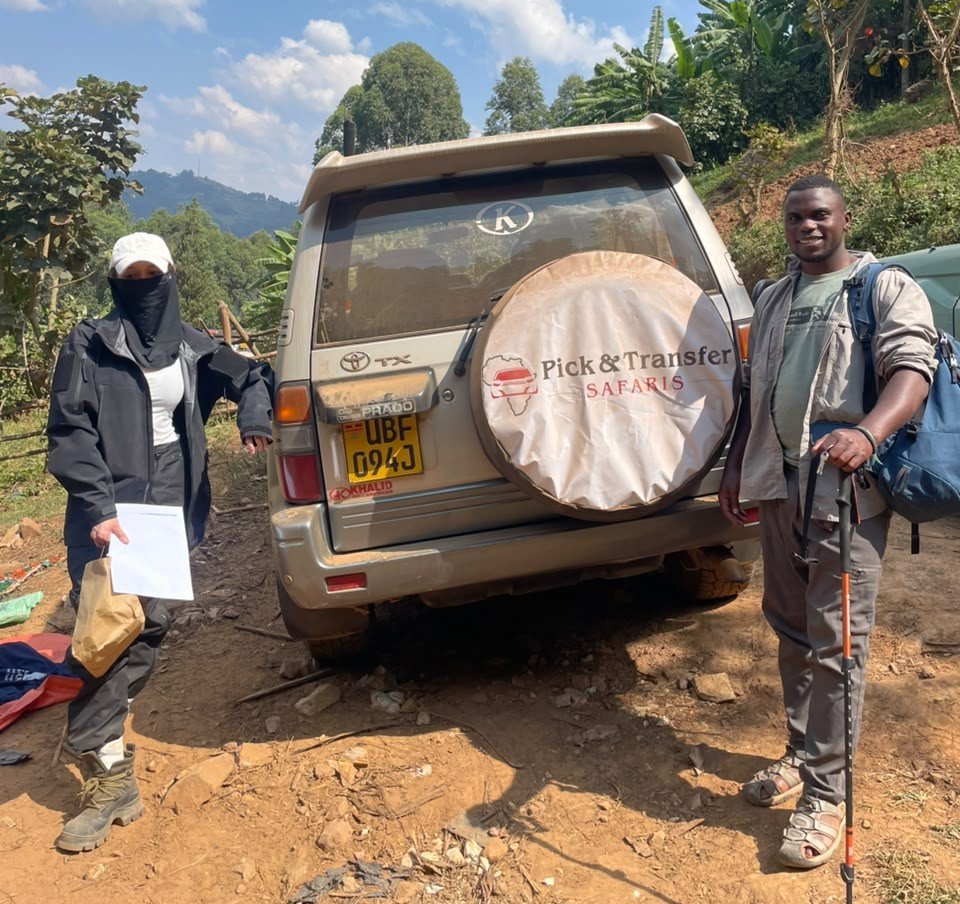
7 Days Uganda Safari – One week tour
This 7-day itinerary is the classic one-week introduction to Uganda, covering the country’s three most iconic wildlife experiences: chimpanzee tracking in Kibale Forest National Park, Big Five game drives and a boat cruise in Queen
Tour Details →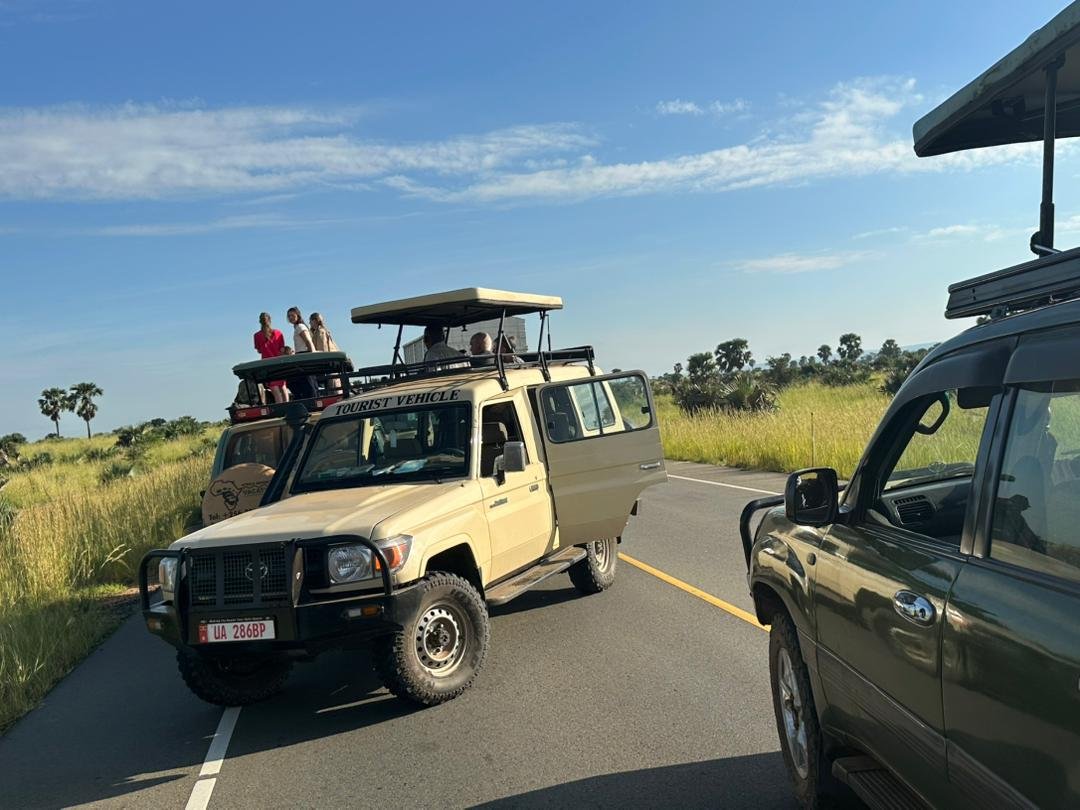
10 Days Uganda Primates and Wildlife
This 10-day Uganda Grand Safari is the most complete Uganda itinerary we offer at Pick and Transfer Safaris. It begins with a scenic northward drive from Entebbe to the vast open plains of Murchison
Tour Details →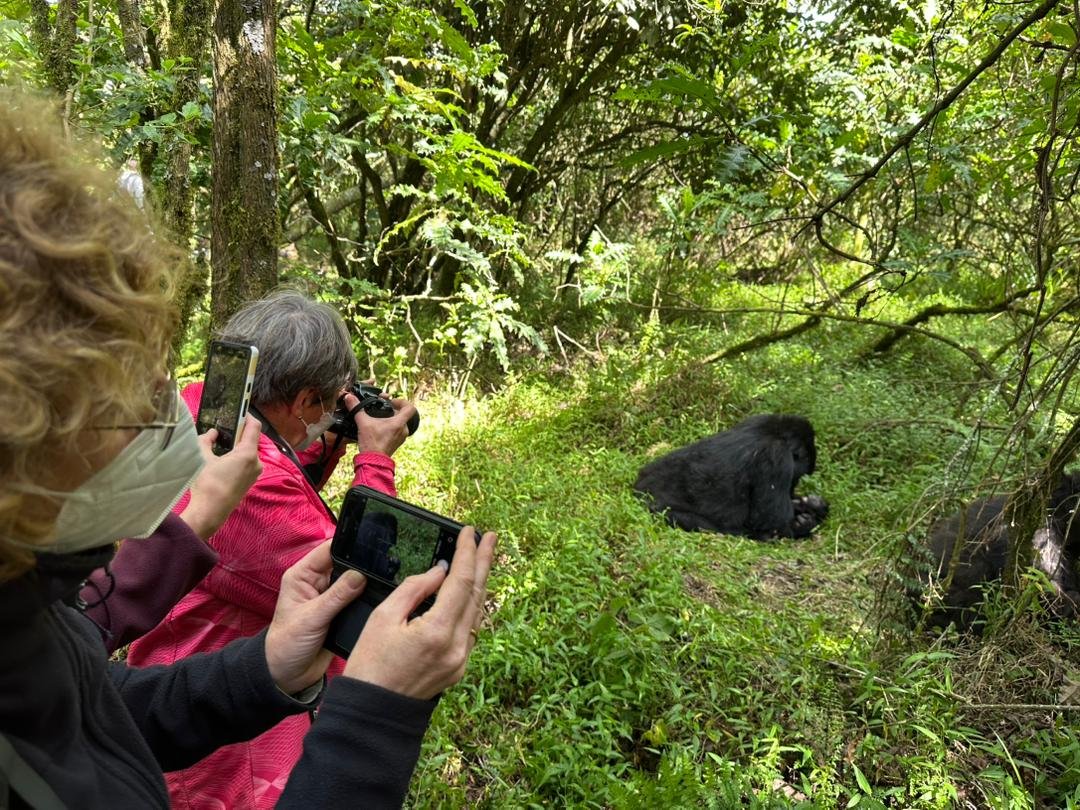
2 Days Uganda Gorilla Tour Starting from Kigali
This is the gentler cousin of our 1-Day Uganda Gorilla Safari Starting from Kigali — same idea, twice the breathing room. Instead of squeezing a 3,000-metre forest trek and two border crossings into a single very long day
Tour Details →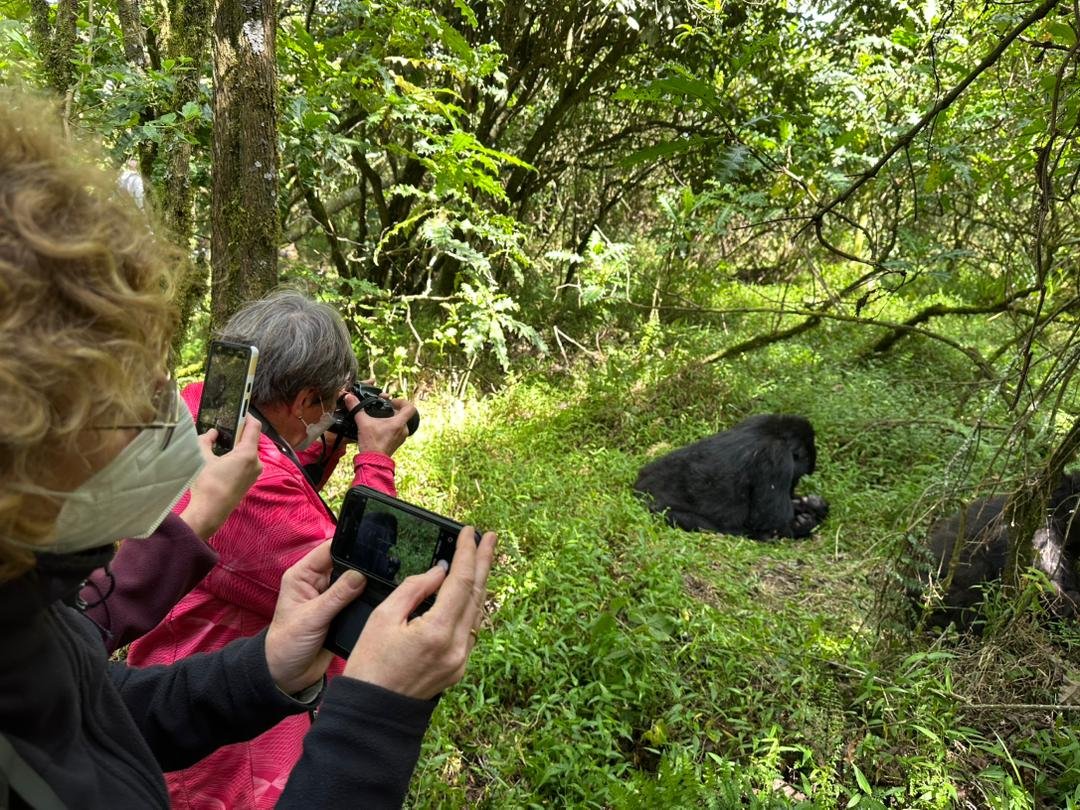
5-Day Uganda Gorilla and Chimpanzee Safari
This itinerary can be combined with a Rwanda extension or a wildlife-focused add-on through Queen Elizabeth National Park — browse our Uganda & Rwanda Safaris and Primate Safaris collections for ideas.
Tour Details →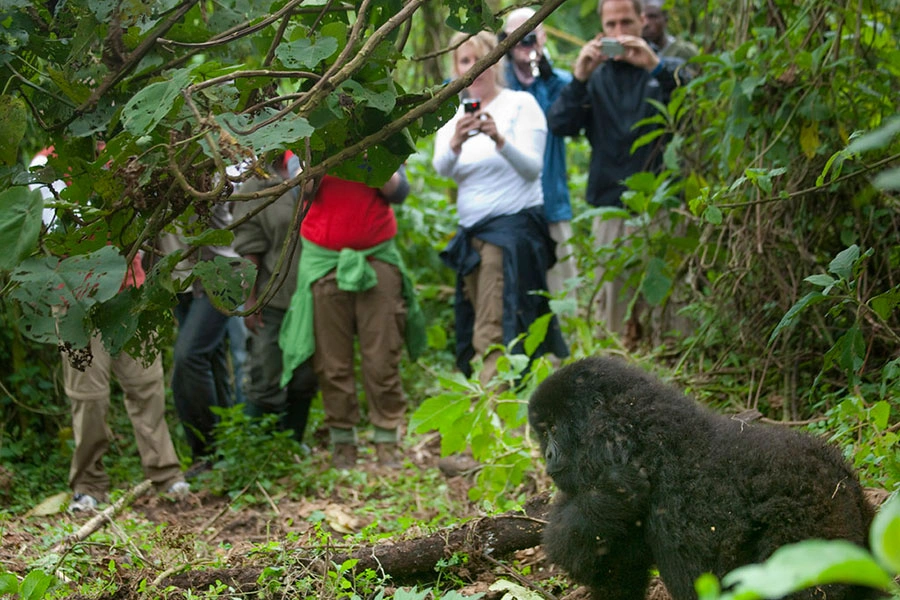
5 Days Rwanda Wildlife and Gorillas
This 5-day itinerary brings together Rwanda’s two flagship wildlife experiences: open savannah game drives and a boat safari in Akagera National Park, followed by a face-to-face encounters
Tour Details →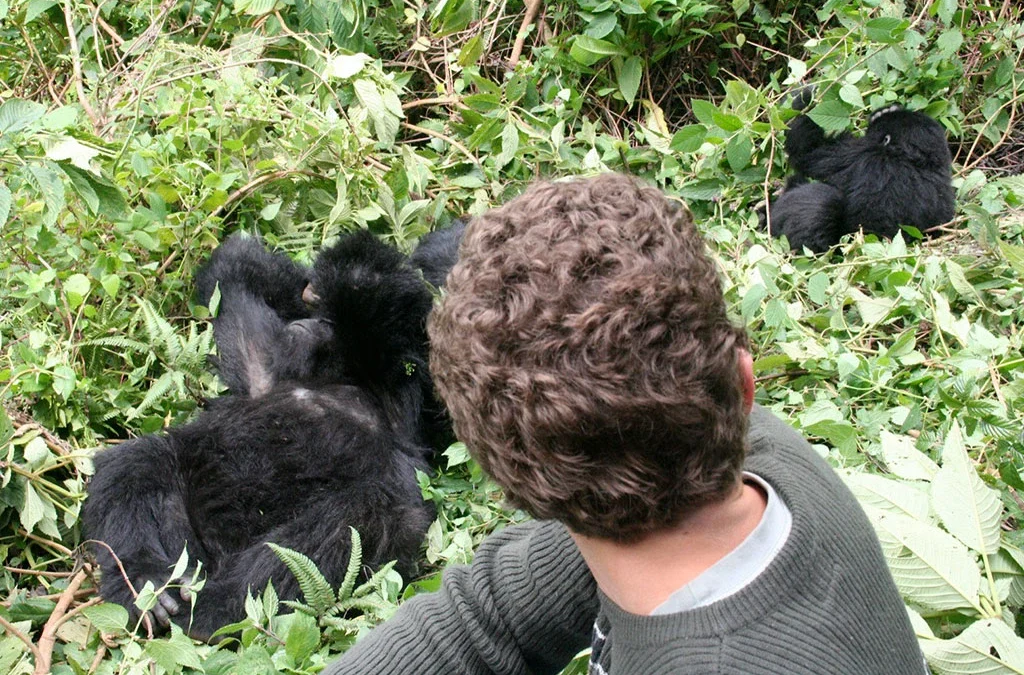
3 Days Uganda Gorilla Safari
For travelers who arrive in Entebbe with a tight schedule and a clear ambition, a 3-day gorilla safari to Bwindi Impenetrable Forest National Park is the most focused and rewarding short trip the country has to offer.
Tour Details →