- LET'S PLAN YOUR SAFARI
- +256 200 921 002
- +256 793 194 703
- info@pickandtransfersafaris.com

Gorilla Trekking in Mgahinga When you land in Kigali
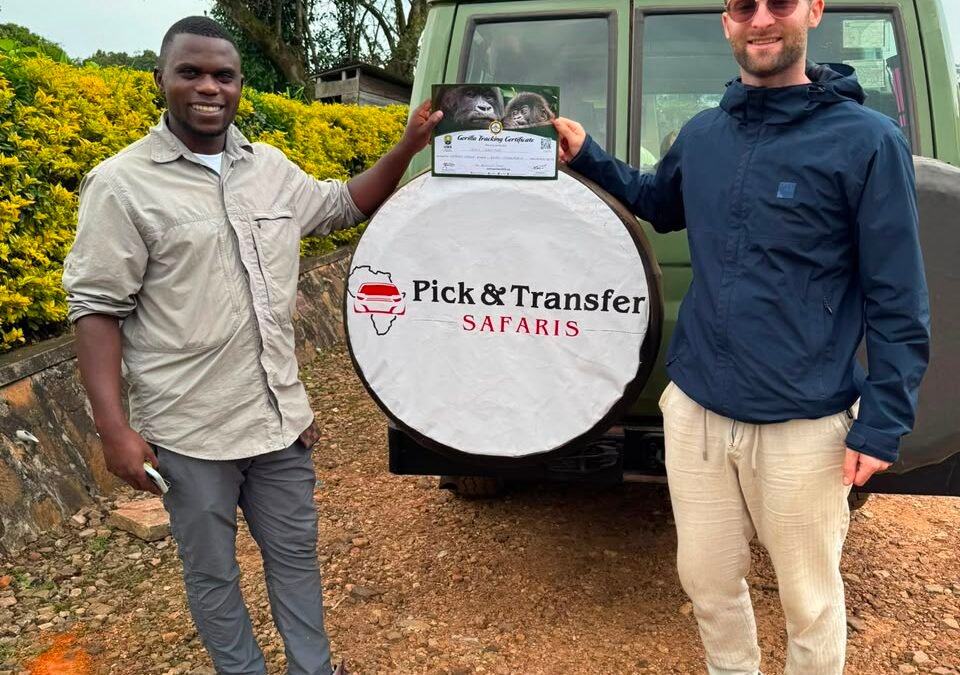
Gorilla Trekking in Mgahinga When you land in Kigali. Of every gorilla trekking route in East Africa, none is quite as close to an international airport as this one. Gorilla trekking in Mgahinga when you land in Kigali pairs Rwanda’s well-connected capital with Uganda’s smallest national park, a stretch of Virunga volcano slopes sitting barely three hours from the border, making it the shortest realistic runway-to-rainforest journey of any gorilla trekking option on the continent. This guide follows that journey in the order you will actually experience it: the flight into Kigali, what happens at immigration, how soon after landing you can reasonably trek, and everything from the border crossing to your hour with Mgahinga’s single habituated gorilla family.
Why Mgahinga Is the Gorilla Park Built for Kigali Arrivals
Mgahinga Gorilla National Park sits in Uganda’s extreme southwestern corner, in the Kisoro district, at the point where Uganda, Rwanda and the Democratic Republic of Congo meet along the Virunga volcanic range. At just 33.7 square kilometres, it is Uganda’s smallest national park, and its proximity to the Cyanika border post, roughly 130 to 150 kilometres from Kigali, makes it the closest gorilla trekking destination to Rwanda’s capital by a meaningful margin. Where a Bwindi trip from Kigali involves four to five hours of driving each way, Mgahinga typically takes three to three and a half hours, a difference that matters considerably when you are also factoring in recovery time from an international flight, and one that quietly shapes almost every other decision covered in this guide, from whether to trek the same day you land to how much of a buffer you need to build around your permit date. Our own One Day Uganda Gorilla Safari from Kigali is built around exactly this park for exactly this reason. Several regional operators, including Kenlink Tours, a Uganda and Rwanda safari specialist operating since 2010, offer comparable Mgahinga-focused itineraries out of Kigali, and comparing pricing and inclusions across a few of them is a sensible step before you commit to flights.
Getting to Kigali: Flights and Airlines
Kigali International Airport is served by a genuinely broad spread of international carriers. RwandAir, the national airline, connects Kigali to roughly eighteen destinations, including direct flights from London Heathrow and Paris, journeys of around nine and a half hours, alongside regular services from Doha and Dubai. Qatar Airways offers a strong six-hour connection from Doha, while Brussels Airlines and KLM provide seasonal links from Brussels and Amsterdam. Within Africa, Nairobi, Entebbe and Addis Ababa are the busiest regional gateways into Kigali, with further connections available from Johannesburg, Lagos and Dar es Salaam. Because Star Alliance, SkyTeam and Oneworld all maintain a presence at the airport, most long-haul travellers can route through Kigali on a familiar alliance regardless of where they are flying from, which is one more reason this gateway has become so workable for a short gorilla trip. Flight schedules and seasonal routes shift from year to year, so it is worth checking current connections directly through your preferred airline or a flight search tool closer to your travel dates rather than assuming a route that existed last season still runs, particularly on the more seasonal European services into Kigali.
Deciding Whether to Fly Into Kigali or Entebbe
Some travellers weighing up a Mgahinga trek also consider flying into Entebbe instead, Uganda’s own main international airport, and it is worth understanding why Kigali usually wins for this specific park. Entebbe sits roughly eight to nine hours by road from Mgahinga, on the far side of the country, while Kigali is barely three hours away, a difference that matters enormously when your goal is a short, efficient gorilla trip rather than a longer Uganda-wide circuit. Kigali also tends to offer more competitively priced long-haul connections from Europe and the Middle East on certain routes, along with a generally smoother airport experience. Travellers planning to continue on to Uganda’s other parks after Mgahinga sometimes still choose an open-jaw ticket, flying into Kigali and out of Entebbe, which avoids backtracking on a longer itinerary; Kenlink Tours’ Uganda-Rwanda connecting safaris page illustrates how operators in the region typically structure this kind of two-airport itinerary.
At the Airport: Immigration, Visas and Customs
Arrivals at Kigali International Airport are generally efficient, with immigration, baggage claim and customs handled in one well-organised area. Expect immigration processing to take roughly 20 to 30 minutes during morning rush periods and considerably less after 6:00 p.m., including a biometric fingerprint and photograph at the counter. Travellers who have arranged their visa in advance move through quickly; those relying on visa-on-arrival should expect a somewhat longer queue, particularly if several international flights land close together. Most travellers clear the entire arrivals process, from touchdown to walking out to their pickup vehicle, within 45 minutes to an hour, which is a genuinely fast turnaround by regional standards and part of why Kigali works so well as a base for a tightly scheduled gorilla trip. Keep your passport and any printed visa or e-visa confirmation in your carry-on bag rather than checked luggage, since arrivals staff will want to see this documentation before you even reach the immigration counter, and digging through a suitcase at this stage is one of the more common, avoidable causes of delay.
Rwanda Visa Options for This Trip
Rwanda’s visa regime is relatively traveller-friendly. Citizens of a wide range of countries, including Kenya, Uganda, Tanzania, South Africa, the United States, the United Kingdom, Germany, Canada, Australia, Singapore, Mauritius, Hong Kong and all East African Community partner states, currently qualify for visa-free entry of up to 90 days, authorised at the airport itself. Travellers from other countries need an e-visa arranged in advance through Rwanda’s official immigration portal, uploading a passport bio-page and photo, with approval typically arriving within three to five working days at a cost of $50 for a single-entry 30-day visa or $70 for a multiple-entry 90-day visa. Because this trip also crosses into Uganda for the trek, it is worth considering the East Africa Tourist Visa, a single $100 fee covering Rwanda, Uganda and Kenya as one travel zone, which suits this exact kind of two-country day well. Confirm your specific requirements a few weeks ahead of travel, and raise questions with our team through our contact page when you book.
Can You Trek Mgahinga the Same Day You Land?
This is genuinely the closer call of any gorilla park in the region, but our honest advice still leans toward caution: attempt it only if your flight lands the afternoon or evening before, giving you at least one night’s sleep before the pre-dawn pickup.
Because Mgahinga sits so close to the border, a same-day round trip from Kigali is a full 14 to 16 hours rather than Bwindi’s 15 to 18, which makes it the more forgiving of Uganda’s two Kigali-accessible gorilla parks for a compressed schedule. That said, stacking a demanding trek, a pre-dawn departure and an international border crossing on top of unresolved jet lag from a long-haul flight is still a genuine physical strain, and park rangers are entitled to turn away trekkers who appear unfit to safely complete the hike. If your flight lands in Kigali in the morning or early afternoon, spending that first night in the city before setting out for Mgahinga the following day is, in our experience, the difference between a trek you enjoy and one you simply endure.
If You Trek the Same Day: What That Looks Like
For travellers who land the evening before and are determined to trek the very next morning, the schedule is tight but workable. Pickup from your Kigali hotel or the airport happens between 3:00 and 3:30 a.m., positioning you at the Cyanika border by around 6:30 to 7:00 a.m. as it opens. A short onward drive brings you to Mgahinga’s park headquarters by roughly 7:30 to 8:00 a.m. for registration and the ranger briefing, followed by the trek itself, typically running from 8:00 a.m. into early afternoon depending on where the Nyakagezi family has settled that morning. A packed lunch near headquarters precedes the return drive, with arrival back in Kigali between 6:00 and 7:00 p.m., a 14- to 16-hour day layered directly on top of whatever time zone your body still thinks it is in.
If You Wait a Day: A More Comfortable Alternative
Building in one full night in Kigali before heading to Mgahinga costs you very little in overall trip length but changes the experience considerably. A relaxed afternoon and evening in Kigali, a genuine night’s sleep, and a trek begun with a rested body rather than jet-lagged fatigue is, for most travellers, worth the extra day. Our 2 Days Uganda Gorilla Tour from Kigali effectively builds this recovery time into the itinerary, and while it is based around Bwindi rather than Mgahinga specifically, our team can arrange the same relaxed pacing for a Mgahinga-focused trip on request through our contact page. Either way, the point stands: Mgahinga’s proximity to Kigali gives you the flexibility to choose a same-day trek or a rested one, which is a choice Bwindi’s longer drive does not offer nearly as comfortably.
The Road to Mgahinga: Kigali to Cyanika and Beyond
The drive from Kigali to Mgahinga covers roughly 130 to 150 kilometres, a journey of three to three and a half hours through Rwanda’s terraced hills before reaching the Cyanika border post near Kisoro. This is the shortest of the region’s cross-border gorilla trekking routes, and the scenery along the way, layered green hillsides, small trading towns and, as you approach the border, the first views of the Virunga volcanoes themselves, makes the drive feel considerably shorter than the equivalent journey to Bwindi. If you are weighing up a self-drive option for any part of this route, Kenlink Tours’ car hire fleet illustrates the kind of 4×4 vehicle typically used on the mountain roads on the Ugandan side of the crossing, though a private driver-guide remains the recommended choice for travellers unfamiliar with the route or crossing this early in the morning. Kenlink Tours’ guide to choosing the best Uganda safari covers similar considerations around self-drive versus guided transport for travellers weighing up how independently they want to handle this stretch of the journey.
Crossing at Cyanika
Cyanika sits almost exactly between Musanze in Rwanda and Kisoro in Uganda, and it is generally regarded as one of the calmer, more efficient border posts in the region, operating daily from roughly 6:00 a.m. to 6:00 p.m. Your driver-guide handles the practical logistics, walking you through Rwandan exit formalities and a short distance further to Ugandan entry, a process that typically takes 15 to 45 minutes each way depending on how busy the post is that morning. Because this crossing happens twice within a single day on the compressed itinerary, and at least twice across any Mgahinga trip regardless of how many days you take, keeping your passport, visa documents and gorilla permit confirmation easily accessible throughout the journey saves real time at both legs of the crossing.
Arriving at Mgahinga Gorilla National Park
Mgahinga’s park headquarters sits at the base of three volcanic peaks, Muhabura, Gahinga and Sabyinyo, shared landmarks with neighbouring Rwanda and Congo, and the setting alone is worth the drive regardless of what the trek itself delivers. Registration and the mandatory ranger safety briefing take place here, covering trail etiquette, hand signals and instructions on what to do if a silverback approaches closely. Because Mgahinga is considerably smaller than Bwindi and manages only a single habituated gorilla family, the logistics at headquarters tend to move quickly, with fewer trekking groups to organise and a more predictable overall morning than the busier multi-family sectors of Bwindi.
Meet the Nyakagezi Family
Mgahinga currently has one habituated mountain gorilla group available for tourism, the Nyakagezi family, which has a long and well-known history among guides in the region for occasionally wandering across the nearby Rwanda and Congo borders as part of its natural, unfenced range through the shared Virunga volcanoes. When the family is present on the Ugandan side, which is the case for most of the year, trekking proceeds as normal, though it is worth knowing that this is genuinely wild, unscripted movement rather than a managed wildlife enclosure, and rangers track the family’s location each morning before assigning trekking groups accordingly. Because only one family is available here, permit numbers are capped at eight trekkers per day, which makes advance booking essential, particularly during peak travel months when demand for Mgahinga’s more compact, quieter experience tends to rise alongside Bwindi’s.
Gorilla Trekking Rules You’ll Follow
Trekking rules at Mgahinga mirror those enforced across every gorilla park in Uganda, since they are set nationally by the Uganda Wildlife Authority. Expect a mandatory 10-metre minimum distance between trekkers and gorillas at all times, a requirement to wear a medical-grade surgical mask during direct viewing, and a strict one-hour limit once the family is located, regardless of how long the walk in took. Flash photography, raised voices and sudden movements are prohibited, and the minimum age for a permit is 15. Anyone showing symptoms of a cold, flu or other communicable illness on the morning of the trek may be asked to sit the day out, a precaution that exists because mountain gorillas share close to 98 percent of their DNA with humans and are highly vulnerable to the same respiratory illnesses. Kenlink Tours’ Uganda trekking safaris page offers a useful comparison of how these same rules apply across Uganda’s different trekking parks.
2026 Gorilla Permit Prices
Permit pricing is set nationally and applies identically whether you trek at Mgahinga or Bwindi. As of 2026, foreign non-residents pay $800 during high season, covering June through October and December through February, dropping to $600 during the low season months of April, May and November. Foreign residents of East Africa generally pay around $700 in high season and $500 in low season, while East African Community citizens pay a heavily discounted rate of roughly 300,000 Ugandan shillings, about $80.
| Traveller category | High season (Jun–Oct, Dec–Feb) | Low season (Apr, May, Nov) |
|---|---|---|
| Foreign non-resident | $800 | $600 |
| Foreign resident | $700 | $500 |
| East African Community citizen | ~$80 (300,000 UGX) | ~$80 (300,000 UGX) |
For comparison, Rwanda’s own gorilla permit at Volcanoes National Park is priced at a flat $1,500 regardless of season, close to double Uganda’s high-season rate, a meaningful factor for travellers deciding which side of the Virunga range to trek on after landing in Kigali. Kenlink Tours’ guide to choosing the best Uganda safari covers similar cost comparisons in useful additional detail.
What the Full Package Costs
A complete Mgahinga gorilla tour package from Kigali generally starts from around $1,100 per person, bundling the gorilla trekking permit, private 4×4 transport with an English-speaking driver-guide, bottled water, a packed lunch and applicable government taxes. It typically excludes Rwandan and Ugandan visa fees, travel insurance, tips for your guide and any porter you hire, and personal expenses. Because Mgahinga sits closer to the border than Bwindi, the transport and fuel component of this price is somewhat lower than the equivalent Bwindi package, which generally starts from $1,200 to $1,400, making Mgahinga the more budget-friendly of the two Uganda options for a Kigali-based trip regardless of which day you choose to trek. Full current pricing is best confirmed directly through our contact page, since permit costs and fuel prices shift with the season.
How Mgahinga Compares to Bwindi for a Kigali Arrival
The core trade-off between Uganda’s two Kigali-accessible parks comes down to distance versus choice. Mgahinga’s shorter drive makes it the more forgiving option for travellers who have just landed and want to minimise additional travel time, and its single habituated family means a simpler, more predictable morning at park headquarters. Bwindi Impenetrable Forest, reached via the same Cyanika crossing but with an extra hour or so of driving on each leg, offers dramatically more habituated families and permit availability across its Rushaga and Nkuringo sectors, at the cost of a longer day. Neither park is objectively better for a fresh arrival; Mgahinga suits travellers prioritising the shortest possible journey and a same-day option if needed, while Bwindi suits those willing to trade an extra hour of driving each way for greater choice and Bwindi’s wider international reputation.
A Quieter Alternative to Bwindi’s Crowds
Beyond the driving distance, Mgahinga offers a genuinely different atmosphere from Bwindi simply by virtue of its scale. With only eight permits issued per day across a single family, trekking groups here tend to be smaller and the overall park experience noticeably quieter than Bwindi’s busier sectors, where dozens of trekkers spread across multiple families can pass each other on the approach roads and at park headquarters during peak season. For travellers who find the idea of a more intimate, less crowded encounter appealing, and who are not particularly attached to Bwindi’s specific reputation, Mgahinga’s smaller scale is a genuine point in its favour rather than simply a consolation prize for being closer to the border. The trade-off, of course, is that a single family means no flexibility if the Nyakagezi group happens to be difficult to reach on the day of your visit, unlike Bwindi’s much larger pool of alternative families and sectors.
Fitness and Trekking Difficulty
Mgahinga’s volcanic slopes involve uneven ground, dense vegetation and altitude ranging from roughly 2,200 to 4,100 metres, occasionally with steep, muddy sections after rainfall, though the terrain is generally considered somewhat more approachable than Bwindi’s genuinely dense rainforest trails. A moderate level of fitness, the ability to walk continuously for one to four hours on variable terrain, and general comfort with heat and altitude are the realistic minimum requirements, made slightly more demanding if you are trekking on limited sleep after a long-haul flight. Hiring a local porter at park headquarters, an inexpensive add-on, is worth arranging regardless of your fitness level, both for the practical support on difficult sections and because porter fees directly support the community around the park, many of whom rely on trekking-related income as their primary livelihood.
What to Pack for the Flight-to-Forest Journey
Packing for this trip means preparing for two different environments back to back: a long-haul flight and a volcanic forest trek. For the flight, prioritise comfortable layers and anything that helps you sleep on the plane, since arriving rested genuinely improves how you experience the days that follow. For the trek, sturdy, broken-in waterproof hiking boots are essential given Mgahinga’s uneven, sometimes muddy terrain, along with a rain jacket, waterproof trousers, gardening-style gloves for stinging nettles, and trousers tucked into socks to guard against biting ants. A daypack for water, snacks and your camera, sun protection, insect repellent and a portable charger round out the essentials, and a headlamp or torch is genuinely useful if you are attempting the same-day version of this trip given how early it begins. Keep your passport, visa documents and permit confirmation in an easily accessible pocket throughout, given how many document checks this journey involves.
Best Time of Year
Gorilla trekking at Mgahinga runs year-round, since the Nyakagezi family and the park itself remain accessible in every season, though conditions shift with the calendar. The two dry seasons, June to September and December to February, offer firmer trails and the highest demand, reflected in the higher permit price and the need to book well ahead. The shorter low season windows in April, May and November bring more rainfall and muddier trekking conditions, but also lower permit prices and noticeably fewer trekkers on the trail. Because only eight permits are available per day regardless of season, booking early matters more than choosing a particular month, particularly if you are also trying to coordinate international flight availability around your preferred dates.
Golden Monkey Tracking: An Easy Add-On
One advantage Mgahinga holds over Bwindi is the option to add golden monkey tracking to the same visit, since these playful, endangered primates inhabit the same bamboo forest zones as the park’s gorillas. A golden monkey trek generally takes one to two hours, considerably shorter and less physically demanding than gorilla trekking, and can be added either before or after your gorilla permit slot on the same day if your schedule allows, or built into a second day for travellers who chose to rest in Kigali first. It is a genuinely worthwhile addition for travellers who have already made the long journey to Mgahinga and want to make full use of a single park visit; ask your operator to quote this alongside your gorilla permit when booking through our contact page. Golden monkeys are considerably more active and easier to approach than gorillas, spending much of their time in the mid-canopy bamboo rather than on the forest floor, which makes for a genuinely different kind of wildlife encounter within the same short visit, and a good way to make full use of the long journey out to Mgahinga if you have already committed the time to get there.
Returning: Same Night to Kigali or Onward
Most Mgahinga trips from Kigali return the same way they came, back through Cyanika to Kigali, the natural choice if your international departure also leaves from Kigali International Airport. Travellers with more time occasionally continue further into Uganda instead, extending toward Bwindi, Queen Elizabeth National Park or beyond, an approach our 3 Days Uganda Gorilla Safari from Rwanda and 5 Days Uganda Gorilla and Chimps Safari both cover in detail. Whichever direction you choose, confirm with your operator early which airport your itinerary ultimately ends at, since booking an international departure flight from the wrong city is an easy and entirely avoidable mistake on a trip that crosses this border.
Coordinating Flights and Permits Together
Because gorilla permits are allocated to named individuals on a fixed date, and international flights carry their own change fees and seasonal availability constraints, the sequencing matters. Secure your gorilla permit and rough travel window first, ideally six to ten months ahead for peak season and three to six months for low season, and only then book flights into Kigali around that confirmed date. Building in a buffer day both after landing and before your international departure protects you against flight delays, which are common enough on long-haul routes that a permit booked for the morning after a tight connection carries genuine risk. Our team can help sequence this properly when you book through our contact page, and Kenlink Tours’ Uganda safari booking guide covers similar sequencing advice that applies broadly across the region.
Health, Safety and Jet Lag
Beyond the jet lag guidance already covered above, a few further health basics apply specifically to this journey. Kigali sits at a moderate altitude of around 1,500 metres, and Mgahinga’s trekking zones range up to roughly 4,100 metres near the volcanic peaks, so travellers arriving from sea level should allow a genuine adjustment period rather than assuming altitude will not affect them. Stay well hydrated in the days around your flight and trek, since both air travel and altitude increase dehydration risk, and pack a personal first aid kit for minor scrapes, blisters or insect bites. Travel insurance that explicitly covers high-altitude trekking, flight delays and cross-border travel is strongly recommended, since a missed connection or delayed flight can have real knock-on effects on a fixed-date gorilla permit that standard policies rarely address well. Kenlink Tours’ overview of Uganda safaris covers further general safety and preparation guidance useful to first-time visitors on this route. It is also worth registering with your embassy’s travel advisory service before departure and saving digital copies of your passport, visa and permit confirmation separately from the originals, a small precaution that costs nothing but can save real stress if a document goes missing during a trip that spans an international flight and two land border crossings.
Responsible Tourism from Runway to Volcano
Every part of this journey, from the taxes built into your flight to the permit fee that funds park rangers, feeds into the same broader conservation and community system. A significant share of every gorilla permit fee is reinvested into park management, ranger salaries and community development projects around Mgahinga, part of why mountain gorillas have moved from critically endangered toward a more stable, though still vulnerable, population over the past three decades. Choosing to spend a night in Kigali rather than rushing straight through also brings a genuine local economic benefit, supporting hotels, restaurants and guides in the city itself. Community-linked initiatives such as Kenlink Tours’ tourism internship programme in Uganda reflect the same broader investment in the people who make this journey, from arrivals hall to volcano slope, genuinely sustainable.
Why Plan This Trip with Pick and Transfer Safaris
Coordinating an international flight, a Rwandan visa, a possible overnight in Kigali, a cross-border transfer and a gorilla permit into one smooth journey takes more planning than any single piece on its own, and small oversights, a permit booked too close to a flight, a visa left until the airport, compound quickly on a trip with this many moving parts. Our team plans this entire journey around your actual flight itinerary, securing your Mgahinga gorilla permit for a date that gives you a genuine buffer after landing if you want one, and coordinating the overland transfer and border crossing with an experienced driver-guide throughout. Kenlink Tours’ Uganda safari booking guide covers similar practical booking advice for travellers comparing operators before they commit to a specific date. Because we operate across both Uganda and Rwanda, we can also help you weigh Mgahinga against Bwindi or Rwanda’s own Volcanoes National Park, and extend your trip into a broader gorilla safari or wildlife safari if your schedule allows. Reach out through our contact page once you have a rough sense of your flight dates, or read more about how our team plans journeys like this on our About Us page.
Frequently Asked Questions
Can I really trek Mgahinga the same day I land in Kigali? It is possible if your flight lands the afternoon or evening before, giving you at least one night’s sleep, but we would not recommend attempting it directly off a long-haul flight with no rest in between.
How is Mgahinga different from Bwindi for a Kigali-based trip? Mgahinga is closer to the border, roughly three hours’ drive versus four to five for Bwindi, and offers a single habituated family compared with Bwindi’s much larger and more varied selection across four sectors.
Do I need a visa before I arrive in Kigali? It depends on nationality; many travellers qualify for visa-free entry to Rwanda, while others need an e-visa arranged in advance, and the East Africa Tourist Visa is worth considering given the Uganda crossing this trip involves.
What does a Mgahinga gorilla tour from Kigali cost? Complete packages generally start from around $1,100 per person, including the gorilla permit, private transport, guide, fuel and lunch, excluding visas, tips and travel insurance.
Can I add golden monkey tracking to the same trip? Yes, golden monkey tracking is available at Mgahinga and can often be added to the same day as your gorilla trek or scheduled as a separate, shorter activity if you are spending an extra day near the park.
Which airlines fly directly into Kigali? RwandAir offers the widest network, including direct London and Paris routes, alongside Qatar Airways from Doha and seasonal service from Brussels Airlines and KLM, with strong regional connections via Nairobi, Entebbe and Addis Ababa.
What if my flight into Kigali is delayed? A delayed flight can disrupt a tightly scheduled itinerary, which is why we recommend a buffer day before your trek and comprehensive travel insurance that covers flight delays alongside trekking-specific risks.
Planning For Gorilla Trekking in Mgahinga When you land in Kigali
Gorilla trekking in Mgahinga when you land in Kigali is, quite simply, the shortest genuine runway-to-rainforest journey in mountain gorilla travel, and that proximity gives you a flexibility no other route in the region offers quite as comfortably: trek the same day if you must, or rest a night first if you can. Either way, the fundamentals stay the same, a single habituated family, a genuinely dramatic volcanic setting, and an hour spent quietly beside wild mountain gorillas, all reachable from one of Africa’s most pleasant capital cities in well under half a day of driving. Plan the flight and the forest together, give your body the rest it reasonably needs, and this remains one of the most efficient, rewarding gorilla trekking journeys anywhere on the continent. Whether you choose to push through on the same day you land or build in a night to recover first, the underlying journey stays remarkably short by regional standards, which is exactly why so many travellers now plan their first mountain gorilla encounter around Kigali rather than Entebbe.
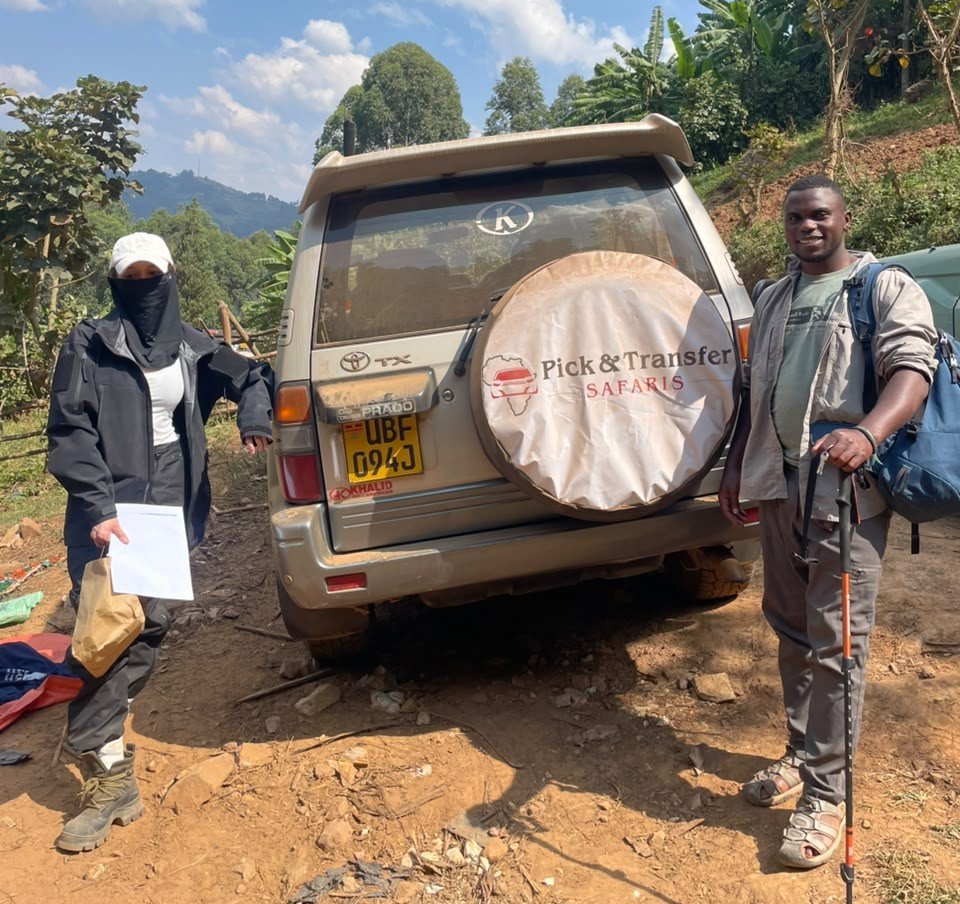
7 Days Uganda Safari – One week tour
This 7-day itinerary is the classic one-week introduction to Uganda, covering the country’s three most iconic wildlife experiences: chimpanzee tracking in Kibale Forest National Park, Big Five game drives and a boat cruise in Queen
Tour Details →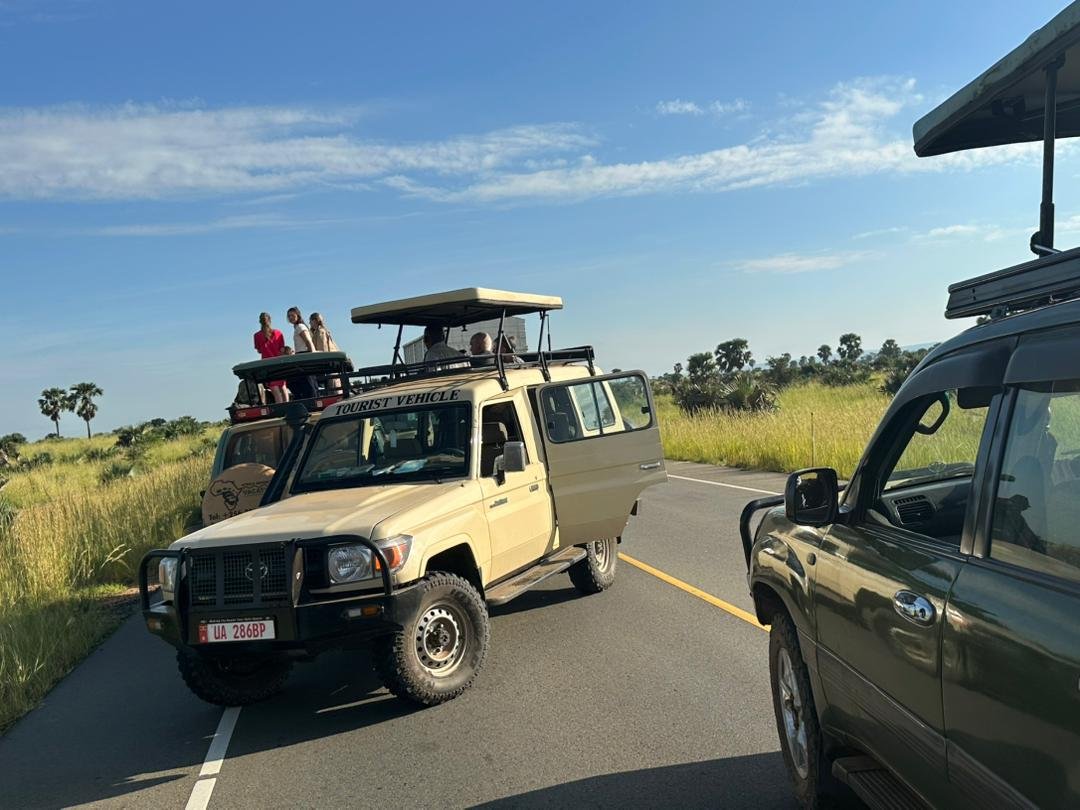
10 Days Uganda Primates and Wildlife
This 10-day Uganda Grand Safari is the most complete Uganda itinerary we offer at Pick and Transfer Safaris. It begins with a scenic northward drive from Entebbe to the vast open plains of Murchison
Tour Details →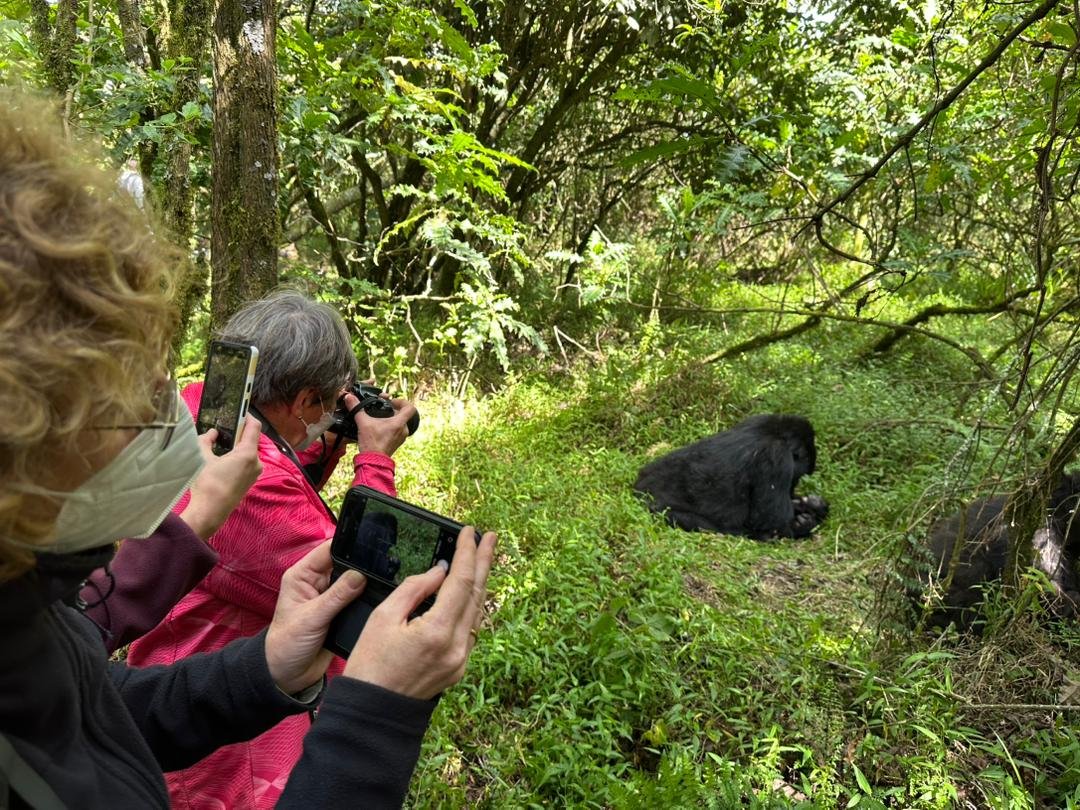
2 Days Uganda Gorilla Tour Starting from Kigali
This is the gentler cousin of our 1-Day Uganda Gorilla Safari Starting from Kigali — same idea, twice the breathing room. Instead of squeezing a 3,000-metre forest trek and two border crossings into a single very long day
Tour Details →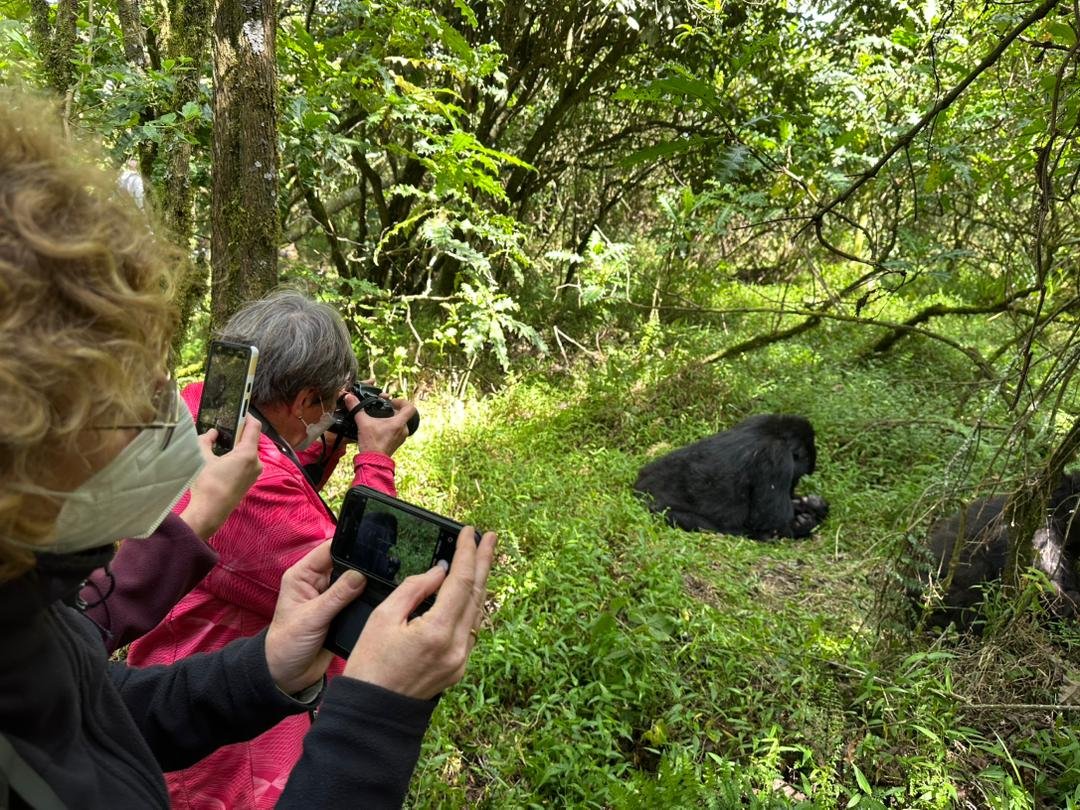
5-Day Uganda Gorilla and Chimpanzee Safari
This itinerary can be combined with a Rwanda extension or a wildlife-focused add-on through Queen Elizabeth National Park — browse our Uganda & Rwanda Safaris and Primate Safaris collections for ideas.
Tour Details →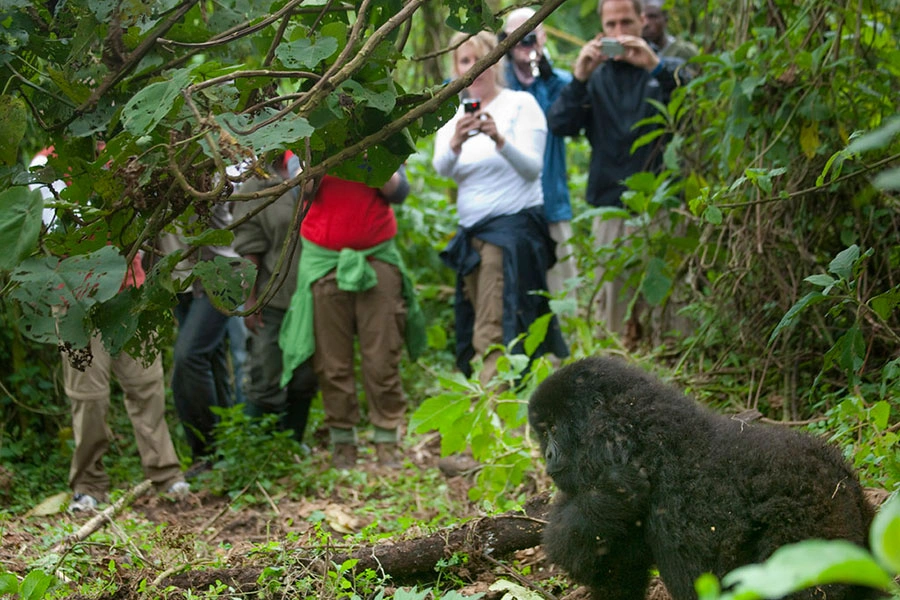
5 Days Rwanda Wildlife and Gorillas
This 5-day itinerary brings together Rwanda’s two flagship wildlife experiences: open savannah game drives and a boat safari in Akagera National Park, followed by a face-to-face encounters
Tour Details →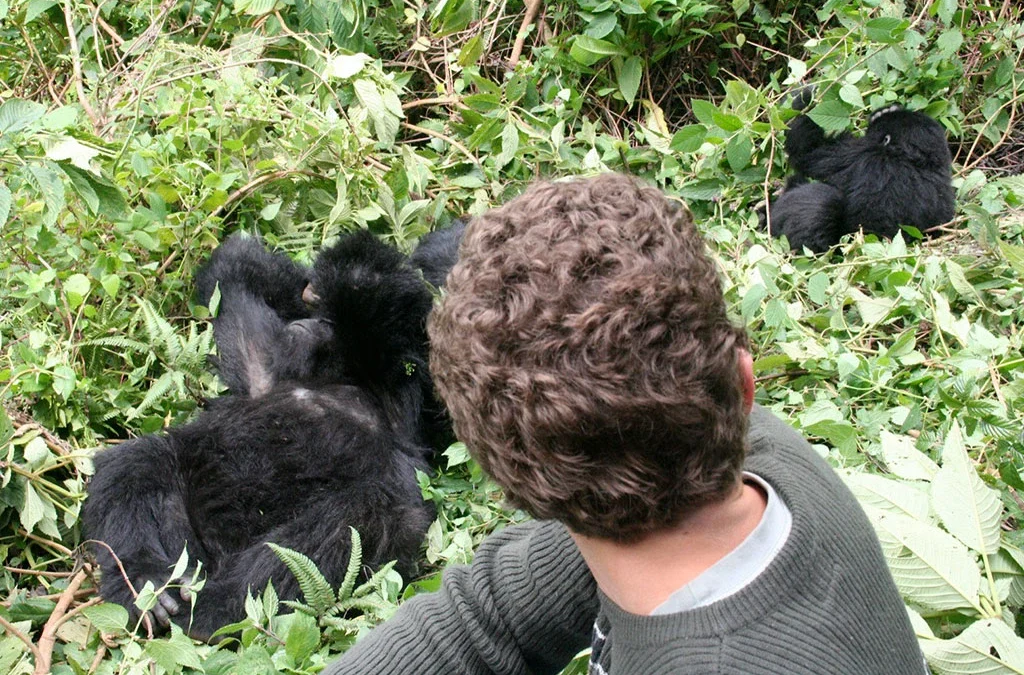
3 Days Uganda Gorilla Safari
For travelers who arrive in Entebbe with a tight schedule and a clear ambition, a 3-day gorilla safari to Bwindi Impenetrable Forest National Park is the most focused and rewarding short trip the country has to offer.
Tour Details →