- LET'S PLAN YOUR SAFARI
- +256 200 921 002
- +256 793 194 703
- info@pickandtransfersafaris.com

Companies offering transfers from Kigali to Bwindi
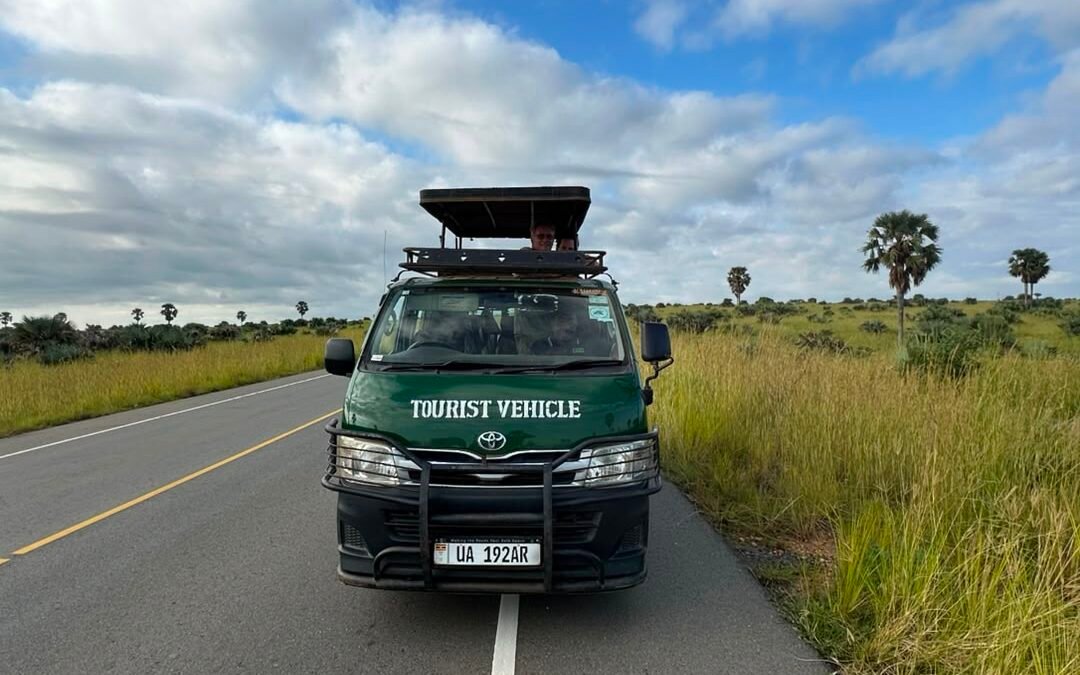
Companies offering transfers from Kigali to Bwindi. Once you have decided to trek mountain gorillas in Bwindi Impenetrable Forest National Park and fly into Kigali to get there, the next practical question is exactly who should drive you the roughly 170 to 190 kilometres between Rwanda’s capital and Uganda’s gorilla country. The answer is not a single company but an entire ecosystem of providers, ranging from dedicated private safari operators and scheduled cross-border coaches to self-drive rental agencies and international booking marketplaces, each with a different balance of price, comfort, and convenience. This guide walks through every category of company offering transfers from Kigali to Bwindi, what each one typically charges, how to evaluate them, and why most experienced travellers on this specific route ultimately choose a private transfer with a specialist operator rather than piecing the journey together themselves.
Quick Answer: Who Can You Book a Kigali to Bwindi Transfer With
For readers who want the short version first: private safari and tour operators, such as ourselves at Pick and Transfer Safaris, are the most common and generally most convenient choice, typically charging between 200 and 300 US dollars one way for a private 4×4 with driver. Scheduled cross-border coach companies such as Jaguar Executive Coaches and Virunga Express offer a far cheaper but less flexible alternative, usually in the range of 20 to 40 US dollars per seat, though they terminate in Kabale rather than at Bwindi’s forest gates. Self-drive car hire agencies rent cross-border-permitted 4×4 vehicles for independent travellers, hotels and lodges can arrange transfers on your behalf, and international booking marketplaces list this same route at a noticeable markup. The rest of this guide breaks down exactly how each category works and how to choose between them for your specific trip.
Why So Many Companies Compete on This Specific Route
The Kigali-Bwindi corridor is one of the busiest overland tourist routes in East Africa, and the reason is straightforward: Kigali International Airport offers more frequent and often more affordable international connections than Uganda’s regional airstrips near Bwindi, while the drive itself takes only four to five hours compared with the eight to ten hours typically required from Kampala. That combination of convenience has attracted a genuinely wide field of transport providers competing for travellers’ business, from long-established safari companies to newer self-drive rental agencies and international platforms that resell local transport at a markup. Understanding which category of company actually suits your trip, rather than simply picking the first search result, is the difference between a smooth, well-priced transfer and an overpriced or unreliable one.
The Kigali-Bwindi Route in Brief: Distance, Time, and Border Crossing
Most companies operating this route quote a distance of roughly 170 to 190 kilometres between Kigali and Bwindi’s southern trekking sectors such as Rushaga and Nkuringo, with a typical driving time of four to five hours including the border crossing itself. The crossing point is usually either Cyanika, known as Kyanika on the Ugandan side, or the Katuna-Gatuna post further east, with Cyanika generally the more direct option for Bwindi’s southern sectors. Whichever company you book with, you should expect to disembark your vehicle briefly at the border to complete Rwandan exit formalities and Ugandan entry formalities, a process that typically adds fifteen minutes to just over an hour depending on how busy the post is at the time of your crossing.
Category One: Private Safari and Tour Operators
Private safari and tour operators are by far the most popular category of company offering transfers from Kigali to Bwindi, and for good reason: they provide a dedicated vehicle and driver-guide for your group alone, door-to-door pickup from your Kigali hotel or the airport, and assistance navigating the border crossing from someone who does it regularly. Most operators in this category, including Pick and Transfer Safaris, use 4×4 vehicles suited to both Rwanda’s paved roads and the final unpaved stretches into Bwindi, and many bundle the transfer directly into a complete gorilla trekking package covering permits and accommodation rather than selling transport as a standalone product.
Why Private Safari Operators Are the Most Popular Choice for This Route
The appeal of booking with a private operator comes down to control and reliability. You choose your own departure time rather than working around a fixed bus schedule, the vehicle takes you directly to your lodge in Bwindi rather than dropping you in Kabale to arrange onward transport, and an experienced driver-guide familiar with the Cyanika or Katuna crossing tends to move through immigration noticeably faster than a first-time independent traveller. For anyone trekking gorillas, where a missed or delayed briefing time can mean losing an expensive permit slot entirely, that reliability is often worth the price difference compared with cheaper alternatives. Browsing a dedicated itinerary such as our 1-Day Uganda Gorilla Safari Starting from Kigali shows how naturally the transfer, permit, and trekking day fit together as a single booking rather than separate pieces.
Category Two: Scheduled Bus and Coach Companies
At the budget end of the market, scheduled cross-border coach companies connect Kigali to Kabale, the Ugandan town closest to Bwindi, at a fraction of private transfer prices. These are genuine, established transport companies rather than informal operators, running fixed daily or near-daily departures along the wider Kigali-Kampala corridor with a stop in Kabale. The trade-off is convenience: buses follow a fixed schedule regardless of your flight arrival time, terminate in Kabale town rather than at your specific lodge, and require you to arrange a separate onward transfer for the final leg into Bwindi itself, which can add both cost and complexity for travellers unfamiliar with the area.
Jaguar Executive Coaches and Virunga Express: What Scheduled Buses Offer
Two of the more established names operating scheduled coach services along this corridor are Jaguar Executive Coaches and Virunga Express, both of which run buses connecting Kigali with towns along the route into Uganda, including Kabale. Fares on this category of service are commonly reported in the range of ten to forty US dollars depending on the specific company and route, a small fraction of a private transfer’s cost. Schedules, fares, and exact terminal locations do change periodically, so it is always worth confirming current departure times and prices directly with the bus company before relying on this option, particularly if you have a fixed gorilla trekking briefing time to meet the following morning.
Category Three: Self-Drive Car Hire and Cross-Border Rental Agencies
A number of Kigali-based car rental agencies specialise specifically in cross-border 4×4 rentals for travellers who prefer to drive themselves between Rwanda and Uganda. This category has grown considerably as self-drive safari travel has become more popular across East Africa, and reputable agencies in this space equip their vehicles with the paperwork needed to legally cross into Uganda, along with basic route guidance for reaching Bwindi. Self-drive suits confident, experienced travellers who value total independence over guided convenience, though it removes the local knowledge and border-crossing assistance that a driver-guide provides.
What Self-Drive Companies Require for a Cross-Border Trip
Not every car rental company in Kigali permits its vehicles to leave Rwanda, so the first question for any self-drive agency is whether cross-border travel into Uganda is allowed at all, and if so, what additional cross-border permit fee applies on top of the daily rental rate. Expect to provide a valid international driving permit, a security deposit that is often higher for cross-border rentals than domestic-only hire, and to pay a separate cross-border documentation fee that commonly adds meaningfully to the total cost once combined with fuel and the rental itself. Reputable agencies will also brief you on Uganda’s driving rules, which differ in some respects from Rwanda’s, and on the specific documents Ugandan immigration and customs officials will expect to see at the border.
Category Four: Hotel and Lodge-Arranged Transfers
Many hotels in Kigali and lodges in Bwindi offer to arrange your transfer as a concierge service, effectively subcontracting the job to a local operator on your behalf. This can be a convenient option if you are already working closely with a specific property on your itinerary, but it is worth asking directly which company will actually be driving you and what vehicle type is provided, since hotels and lodges typically add a booking margin on top of the underlying operator’s own rate. Comparing a hotel-arranged quote against a direct quote from a specialist transfer company such as ours is a simple way to check whether that margin is reasonable for the convenience it offers.
Category Five: Online Travel Marketplaces (Viator, GetYourGuide, and Similar Platforms)
International booking marketplaces list Kigali-to-Bwindi transport as a bookable activity, often appearing prominently in search results because of their overall site authority rather than any special expertise in this specific route. These platforms can be convenient for travellers who prefer a single familiar booking interface and built-in cancellation policies, but they are rarely the underlying operator themselves; in practice, they resell a local company’s service with a commission built into the price. It is not unusual to see marketplace listings for this route priced meaningfully higher than the same service booked directly with a local specialist, since the platform’s fee is added on top of the operator’s own rate.
Why Marketplace Prices Are Often Higher Than Booking Direct
The economics here are simple: a marketplace platform needs to cover payment processing, customer service, and its own margin on top of whatever the actual transfer operator charges, and that markup is passed on to the traveller. Booking the same route directly with a local operator through their own website or by contacting them directly typically removes that layer of commission, often resulting in a noticeably better price for an identical vehicle, driver, and route. The trade-off is that a direct booking relies on your own judgement of the operator’s reliability rather than a marketplace’s review system, which is why checking an operator’s own reviews, response times, and clarity of communication before booking directly is worth the extra few minutes it takes.
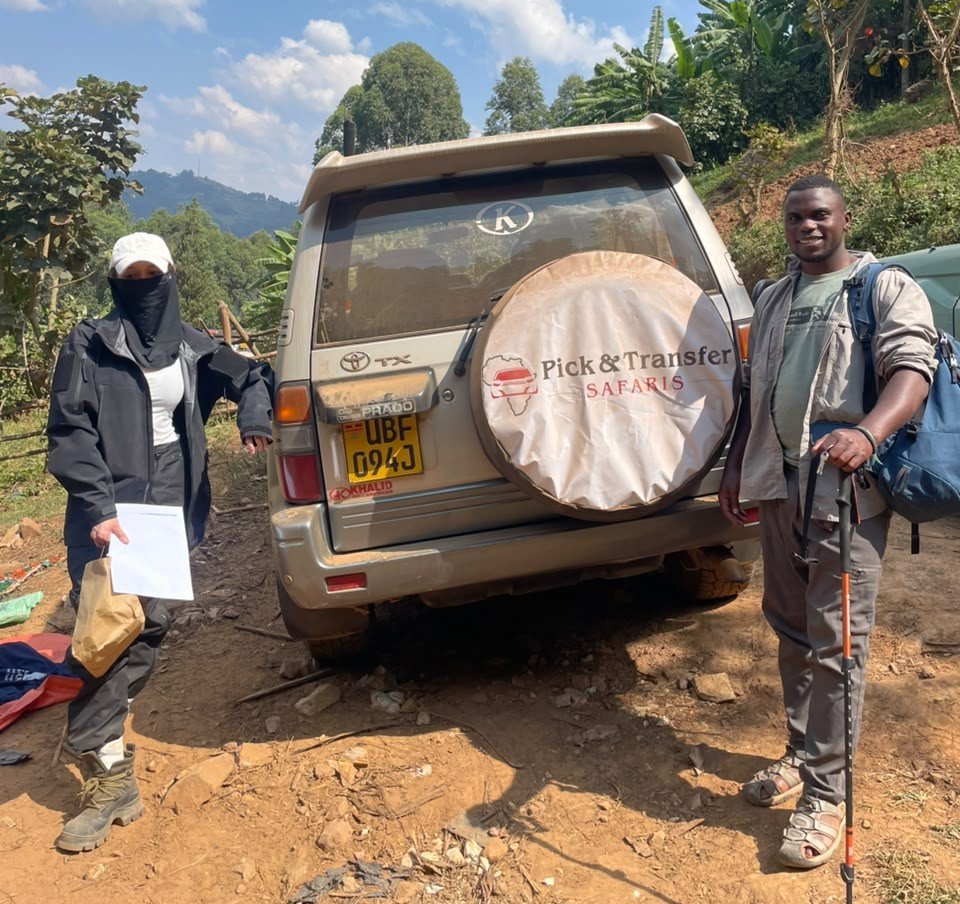
7 Days Uganda Safari – One week tour
This 7-day itinerary is the classic one-week introduction to Uganda, covering the country’s three most iconic wildlife experiences: chimpanzee tracking in Kibale Forest National Park, Big Five game drives and a boat cruise in Queen
Tour Details →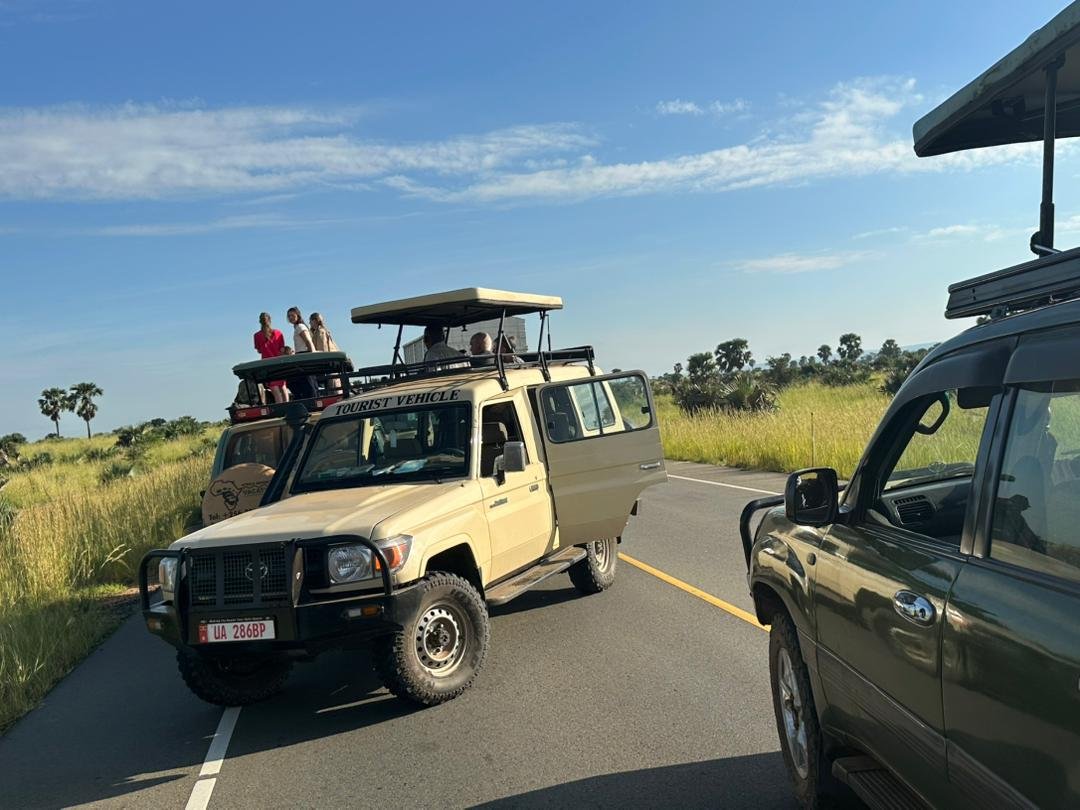
10 Days Uganda Primates and Wildlife
This 10-day Uganda Grand Safari is the most complete Uganda itinerary we offer at Pick and Transfer Safaris. It begins with a scenic northward drive from Entebbe to the vast open plains of Murchison
Tour Details →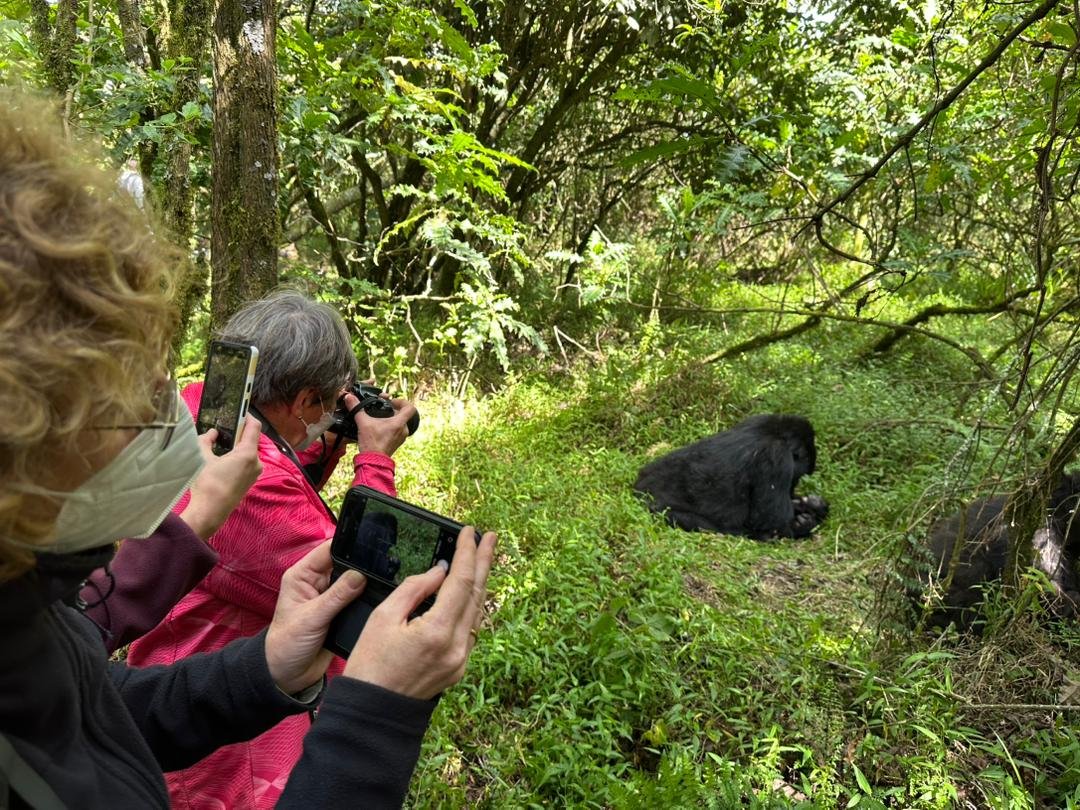
2 Days Uganda Gorilla Tour Starting from Kigali
This is the gentler cousin of our 1-Day Uganda Gorilla Safari Starting from Kigali — same idea, twice the breathing room. Instead of squeezing a 3,000-metre forest trek and two border crossings into a single very long day
Tour Details →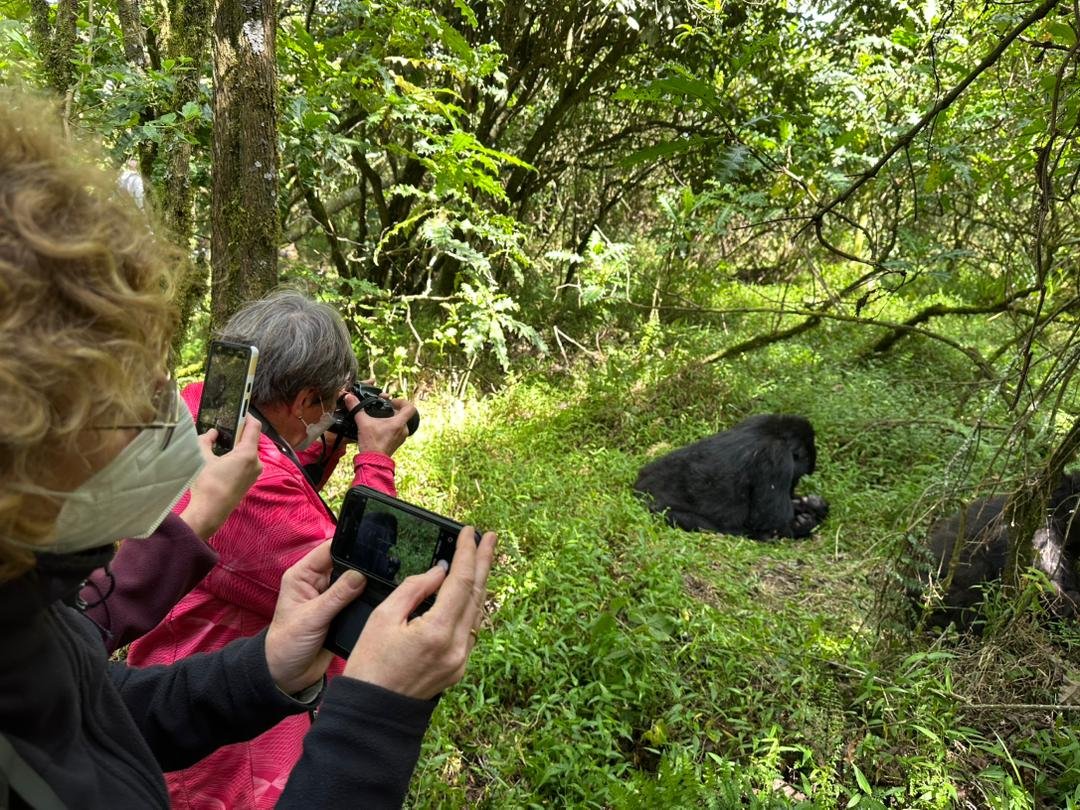
5-Day Uganda Gorilla and Chimpanzee Safari
This itinerary can be combined with a Rwanda extension or a wildlife-focused add-on through Queen Elizabeth National Park — browse our Uganda & Rwanda Safaris and Primate Safaris collections for ideas.
Tour Details →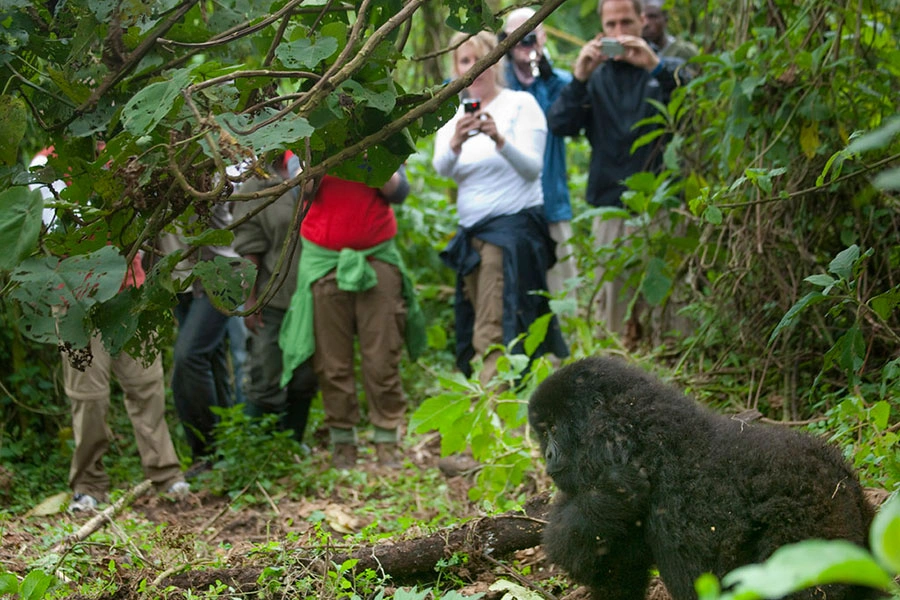
5 Days Rwanda Wildlife and Gorillas
This 5-day itinerary brings together Rwanda’s two flagship wildlife experiences: open savannah game drives and a boat safari in Akagera National Park, followed by a face-to-face encounters
Tour Details →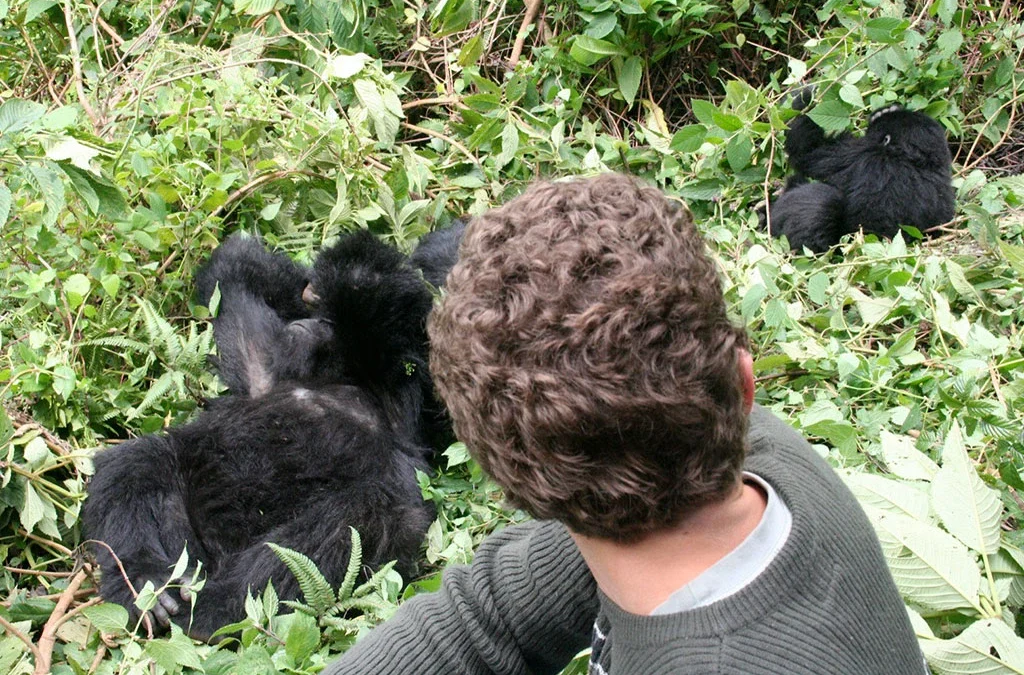
3 Days Uganda Gorilla Safari
For travelers who arrive in Entebbe with a tight schedule and a clear ambition, a 3-day gorilla safari to Bwindi Impenetrable Forest National Park is the most focused and rewarding short trip the country has to offer.
Tour Details →Category Six: Ride-Hailing Apps — Why They Don’t Work for This Route
Ride-hailing apps such as YEGO have become a genuinely useful way to get around Kigali itself, and it is natural for travellers to wonder whether the same convenience extends to a cross-border trip to Bwindi. In practice, it does not: these apps are built for intra-city trips within Kigali and do not reliably support long-distance, cross-border journeys involving an international land border, immigration formalities, and a destination outside Rwanda entirely. Attempting to arrange this specific journey through a standard city ride-hailing app is not a realistic option, and travellers should plan on one of the dedicated categories described above instead.
Airport Pickup Logistics: Kigali International Airport vs Downtown Kigali Hotels
Where your transfer actually begins can affect both convenience and price. Most companies offer pickup directly from Kigali International Airport arrivals, which is the simplest option if you are flying in the same day you head onward to Bwindi, though it does require your flight to land with enough margin before the border crossing to reach your lodge in daylight. Travellers who spend a night in Kigali first, whether to recover from a long-haul flight or explore the city briefly, typically arrange pickup from their downtown hotel instead, which some operators price identically to an airport pickup and others treat as a slightly different logistical arrangement. Either way, confirming your exact pickup point and time with your chosen company well before travel day avoids any confusion on the morning of departure. For general orientation on entering Uganda from Rwanda, Kenlink Tours’ guide to Uganda is a useful companion resource alongside your operator’s own briefing.
How to Evaluate a Transfer Company Before You Book
Whichever category of company you lean towards, a short evaluation checklist helps separate reliable operators from riskier ones. Look for a company with a real, working website or verifiable business presence, clear pricing that specifies exactly what is included, responsive communication when you ask a question before booking, and either direct reviews of this specific route or a track record of operating it regularly. A company that is vague about vehicle type, unwilling to confirm a fixed price before your trip, or slow to respond to pre-booking questions is worth treating with caution, since those same traits often translate into problems on the day of your actual transfer.
Licensing, Insurance, and Cross-Border Documentation to Ask About
Before confirming any booking, it is reasonable to ask a transfer company directly about their operating licence, whether their vehicle and driver are insured for cross-border travel, and what documentation their driver carries for crossing between Rwanda and Uganda. A legitimate, established operator should be able to answer these questions clearly and without hesitation. This is particularly important for self-drive rentals, where the renter rather than a driver-guide bears responsibility for having the correct paperwork at the border, but it applies equally to private transfer bookings, where you are trusting a company’s vehicle and driver with your safety and your schedule for several hours on unfamiliar roads.
Currency, Payment Methods, and Tipping Drivers on This Route
Most established transfer companies on this route quote and accept payment in US dollars, though it is worth confirming whether your chosen operator expects payment in advance by bank transfer, on arrival in cash, or through a card payment link, since practices vary between companies. Carrying newer, undamaged US dollar bills is advisable, since older or visibly worn notes are frequently refused in both Rwanda and Uganda. Tipping your driver at the end of a long cross-border journey is customary though not obligatory, and many travellers set aside somewhere in the region of ten to twenty US dollars for good service, particularly when a driver has gone out of their way to make the border crossing smooth.
Vehicle Types Offered by Transfer Companies: Saloon, 4×4, Minivan
Most companies on this route offer a choice between a standard saloon car, a 4×4 or SUV, and a minivan for larger groups. A saloon car is generally the most affordable option and performs perfectly well on Rwanda’s paved roads, but a 4×4 is the vehicle most operators, including ourselves, recommend for the full Kigali-Bwindi journey given the unpaved sections and occasional muddy conditions closer to the forest, particularly in the rainy season. Minivans and small safari buses suit larger groups travelling together, spreading the transfer cost per person while still offering a private, direct journey rather than a shared shuttle experience.
Comparing Typical Prices Across Company Types
Placing typical prices side by side helps clarify the real trade-offs between categories. A private transfer with a specialist operator generally runs 200 to 300 US dollars one way, or 400 to 600 US dollars for a round trip, for a dedicated 4×4 and driver-guide. A scheduled coach ticket to Kabale costs a fraction of that, often 10 to 40 US dollars per seat, with the caveat of a fixed schedule and no direct drop-off at your lodge. Self-drive rental costs vary widely depending on vehicle age and cross-border permit fees, but often land in a broadly similar total range to a private transfer once fuel, permits, and deposits are factored in, without the benefit of a local driver-guide. Marketplace bookings for the same private transfer service frequently price noticeably above a comparable direct booking, reflecting the platform’s added commission rather than a different underlying product.
Weather and Seasonal Considerations for Choosing a Transfer Company
The dry seasons, roughly December to February and June to September, generally offer the smoothest driving conditions on this route, with shorter journey times and less risk of muddy delays on the unpaved stretches closer to Bwindi. During the rainier months of March to May and October to November, a 4×4 becomes even more strongly advisable than a saloon car, and some operators build a modest seasonal adjustment into their pricing to reflect slower travel speeds and higher fuel consumption. Whichever company you book with, asking directly how they handle rainy-season delays, and whether their pricing already reflects seasonal road conditions, helps avoid any surprise adjustments closer to your travel date.
Insurance and Travel Protection When Booking a Cross-Border Transfer
Because this journey crosses an international border, it is worth checking that your own travel insurance policy covers cross-border road travel between Rwanda and Uganda, rather than assuming standard travel insurance automatically applies. Separately, ask any transfer company directly whether their vehicle carries valid insurance for cross-border operation, since a vehicle insured only for domestic Rwandan use technically should not be crossing into Uganda at all. Reputable, established operators handle this as a matter of course, but it remains a reasonable and sensible question to ask before booking, particularly for a self-drive rental where the insurance terms directly affect your own liability in the event of an accident.
Red Flags: Signs of an Unreliable Transfer Company
A handful of warning signs are worth watching for when comparing companies. Extremely low prices that sit far below the typical range for this route often indicate an informal, unlicensed arrangement rather than a genuine transfer company, and can come with real safety and reliability risks on an international border crossing. Reluctance to confirm a fixed price in writing before your trip, vague answers about vehicle type or driver experience, and an unwillingness to provide any verifiable contact details beyond a single phone number are all reasons to look elsewhere. Genuine operators are generally happy to answer detailed questions before you book, since a well-informed customer is a lower-risk booking for them too.
Questions to Ask a Transfer Company Before Booking
A short list of direct questions before you commit can save real frustration later. Ask exactly what vehicle type will be used, whether the price quoted is fixed or subject to change, what happens if your international flight is delayed, whether the price includes border crossing assistance and fuel, and what the company’s policy is if road conditions or weather cause a significant delay. A company that answers all of these clearly and promptly is generally a safer choice than one that gives vague or evasive responses, regardless of which category of transfer provider it falls into.
Reviews and Reputation: How to Research a Company Properly
Beyond a company’s own website, a few extra minutes of research go a long way. Search for the company’s name alongside terms like the specific border crossing or “Bwindi transfer” to see whether independent travellers have written about their experience on travel forums or review sites, rather than relying solely on testimonials the company has chosen to publish itself. Pay particular attention to reviews that mention punctuality, communication before the trip, and how the company handled any unexpected delay, since these details reveal far more about day-to-day reliability than a generic five-star rating alone. A company with a consistent pattern of detailed, specific positive reviews about this exact route is generally a safer bet than one with only vague, generic praise.
Why We Recommend Booking Directly With a Local Specialist
Having laid out every category fairly, our own recommendation for most travellers is a direct booking with a specialist private transfer operator based in the region, rather than a marketplace listing, an informal arrangement, or a self-drive rental for a first-time visitor unfamiliar with the route. A specialist operator combines the reliability and comfort of a private vehicle with local knowledge of the Cyanika and Katuna crossings, direct communication without a platform intermediary, and pricing that reflects the actual local cost of the service rather than an added resale margin.
Pick and Transfer Safaris: Our Approach to Kigali-Bwindi Transfers
At Pick and Transfer Safaris, we run this exact route regularly, using 4×4 vehicles suited to both Rwanda’s highways and Bwindi’s final unpaved approach roads, with driver-guides experienced at both the Cyanika and Katuna crossings. We quote a fixed price before you travel based on your specific dates, group size, and vehicle preference rather than a generic published rate, and we are happy to combine your transfer directly into a complete gorilla trekking itinerary such as our 2-Day Uganda Gorilla Tour Starting from Kigali or our more comprehensive 3-Day Uganda Gorilla Safari from Rwanda, so that transport, permits, and accommodation are handled as a single, transparent booking rather than separate pieces you have to coordinate yourself.
Kenlink Tours: A Trusted Partner on the Same Route
Sister operator Kenlink Tours runs a comparable service structure on this same corridor and publishes a genuinely useful breakdown of travel time and cost from Kigali versus Kampala to Bwindi or Mgahinga, which is worth reading alongside this guide if you are still deciding which gateway city to fly into. Their 3-Day Bwindi Gorilla Safari Starting from Kigali and 2-Day Uganda Gorilla Safari Starting from Kigali both cover the same transfer corridor, and their broader Uganda safaris collection and Rwanda safaris collection are useful reference points for comparing how different specialist operators structure transfer-inclusive packages on this route. You can read more about their background on their about us page, or reach them directly through their contact page for a comparison quote, and their car hire service is a useful reference point if you are weighing self-drive against a guided private transfer.
Combining Your Transfer With a Complete Gorilla Trekking Package
Very few travellers book a Kigali-Bwindi transfer as a completely standalone purchase, since the entire point of the journey is reaching a gorilla trekking permit slot the following morning. Bundling transport into a complete package, such as our 3-Day Uganda Gorilla Safari or the more extensive 5-Day Uganda Gorilla and Chimps Safari Starting from Rwanda, generally works out simpler and often better value than sourcing a transfer company, a permit broker, and separate lodge accommodation independently, since a single operator is accountable for the whole itinerary running smoothly rather than three separate providers each responsible for only their own piece.
What Happens on Transfer Day: What to Expect From a Good Company
A well-run transfer begins with your driver arriving at your Kigali hotel or the airport at the agreed time, generally early in the morning to allow a comfortable four to five hour journey with a margin for the border crossing and any unexpected delays. Along the way, expect at least one short stop for a bathroom break or refreshments, clear communication from your driver about the upcoming border process, and assistance completing exit and entry formalities at Cyanika or Katuna. A good company delivers you directly to your Bwindi lodge rather than leaving you to arrange final-leg transport yourself, and confirms your arrival time with the lodge in advance so someone is expecting you.
What If Your Flight Is Delayed? How Companies Handle Schedule Changes
International flight delays are common enough that it is worth asking any transfer company directly, before you book, how they handle a late arrival into Kigali. A well-established operator will typically monitor your flight status and adjust pickup timing accordingly at no extra charge, since a short delay rarely changes the overall plan meaningfully. A significant delay of several hours is a different matter, and may require rescheduling to the following day if it pushes your arrival at the border or your lodge into unsafe evening hours, so understanding a company’s policy on rebooking, and whether any rescheduling fee applies, is worth clarifying in writing rather than assuming goodwill will cover every scenario.
A Day-by-Day Look at a Typical Kigali-Bwindi Transfer Morning
A representative transfer day typically starts with an early pickup, often between five and seven in the morning, giving a comfortable buffer to reach the border, complete formalities, and continue on to Bwindi while leaving margin for the unexpected. The drive itself splits roughly into two halves: a faster paved stretch through Rwanda’s hills, followed by a slower, more scenic section through southwestern Uganda after the border, with road quality varying by season. Most companies build in one short stop along the way, and a well-organised operator will have already confirmed your arrival window with your Bwindi lodge, so that check-in and, where relevant, your gorilla trekking briefing for the following morning are already anticipated rather than arranged on the fly.
Booking Timelines: How Far in Advance to Reserve a Company
Because gorilla trekking permits themselves are often booked months in advance, particularly during peak season, it makes sense to reserve your transfer company around the same time rather than leaving it until the last minute. Most private operators can accommodate bookings made just days ahead if a vehicle is available, but confirming your transfer alongside your permit booking removes one more variable from your trip planning and often secures a better rate than a rushed, last-minute request during a busy travel period.
Comparing Kigali-Bwindi Companies With Kigali-Bunyonyi and Kigali-Volcanoes Providers
Many of the same companies offering transfers from Kigali to Bwindi also cover closely related routes, and comparing pricing across them can be a useful sanity check. A transfer to nearby Lake Bunyonyi, roughly two hours short of Bwindi along the same general corridor, typically costs somewhat less than the full Bwindi journey given the shorter distance, while a transfer to Volcanoes National Park within Rwanda itself, requiring no international border crossing at all, is generally the least expensive of the three. If a company’s quoted price for Bwindi looks unusually high or low relative to its own pricing for these comparable routes, it is a reasonable prompt to ask for a clearer breakdown of what is included.
Group Bookings and Corporate/Travel Agency Arrangements
Travel agencies, tour wholesalers, and larger groups booking multiple vehicles for a single trip generally receive more flexible pricing and scheduling from established operators than an individual traveller booking a single seat. If you are a travel agent or corporate travel coordinator arranging transport for clients or colleagues, reaching out directly to discuss recurring bookings, group rates, or a standing arrangement for multiple trips per season is usually more productive than repeatedly booking single transfers through a general enquiry form. Kenlink Tours’ group tours page and scheduled departure safari both illustrate how a fixed-date group model can lower per-person transport costs compared with a fully custom-dated private booking, which is worth comparing against a private group quote before deciding which structure suits your travellers best.
Packing and Preparing for Your Transfer Day
Regardless of which company you book with, a small daypack kept accessible rather than buried in checked luggage makes the journey noticeably smoother. Keep your passport, visa documentation, gorilla trekking permit confirmation, phone charger, snacks, and water within easy reach, since you will need your travel documents at hand during the border crossing itself. A light jacket is worth having on hand too, since Bwindi’s forest elevation brings noticeably cooler temperatures than Kigali, particularly in the early morning and evening. If your itinerary has you trekking the same or the following day, keeping your trekking gear reasonably accessible in your transfer vehicle, rather than packed at the bottom of a large bag, saves time when you arrive at your lodge.
Common Booking Mistakes When Choosing a Transfer Company
A handful of avoidable mistakes come up repeatedly among travellers booking this route for the first time. Leaving too little buffer between an international flight landing and a gorilla trekking briefing the next morning is one of the most common, since it leaves no room for a border delay or a slower-than-expected drive. Assuming every company quoting a price for “Kigali to Bwindi” means precisely the same thing is another, since some quotes cover only the drive to Kabale rather than the final leg into the forest itself, so confirming the exact drop-off point in writing avoids a frustrating surprise. Booking the cheapest available option without checking whether it is a genuine, licensed operator, and failing to confirm whether a quoted price is one-way or round trip, round out the most frequent pitfalls travellers report after the fact.
Sustainability and Community Impact: Choosing Responsible Operators
The choice of transfer company also has a real, if often overlooked, impact on the communities along the Cyanika and Katuna corridors, many of which depend significantly on steady tourism traffic passing through en route to Bwindi. Operators who employ local drivers, pay fair wages, and maintain good relationships with border officials and local businesses contribute meaningfully to the local economy, and given how central this transport corridor is to funding gorilla conservation work in Bwindi and the Virunga Massif more broadly, choosing a responsible, established operator over the cheapest possible option is a small but genuine way to support both people and wildlife in the region.
New and Emerging Companies on This Route: What to Watch For
As gorilla trekking tourism has grown, new transfer companies and independent drivers have entered this market alongside long-established operators, and not every newcomer is a poor choice simply for being newer. That said, a newer company is naturally harder to research thoroughly, since it will have fewer independent reviews and a shorter track record on this specific route to judge. If you are considering a company you have not heard of before, it is reasonable to ask directly how long they have operated the Kigali-Bwindi corridor specifically, whether their drivers are experienced with both the Cyanika and Katuna crossings, and whether they can put you in touch with a recent customer for a reference. A newer company that answers these questions confidently and transparently can still be a perfectly reasonable choice; one that becomes evasive is a signal to look elsewhere, regardless of how attractive its advertised price appears.
Language, Communication, and Working With International Travelers
Most established operators on this route work with international travellers daily and communicate comfortably in English, alongside French, which remains widely spoken in Rwanda, and Kinyarwanda or Luganda depending on which side of the border your driver is most familiar with. For travellers whose first language is neither English nor French, it is worth confirming before booking that clear communication is possible throughout the trip, particularly around instructions at the border crossing itself, where misunderstanding a request from an immigration officer can cause unnecessary delay. A company accustomed to a genuinely international client base will typically have already thought through this issue and can reassure you directly if you ask.
Combining Your Bwindi Transfer With Other Rwanda and Uganda Destinations
Because this corridor connects two of East Africa’s premier gorilla trekking regions, many travellers extend their trip well beyond a single transfer. Our destinations page and long trips collection cover a wide range of add-ons, from Volcanoes National Park and Mgahinga Gorilla National Park for a second gorilla trekking experience, to Queen Elizabeth National Park and Murchison Falls National Park for classic savannah game viewing. Travellers wanting a broader Rwandan primate and wildlife circuit often add Nyungwe Forest National Park or Akagera National Park, while those extending into Uganda’s chimpanzee country look at Kibale Forest National Park before looping back to Kigali city to fly home.
How Transfer Companies Handle Multi-Stop and Custom Itineraries
Not every traveller wants a straightforward point-to-point transfer, and most private operators are willing to accommodate reasonable requests for stops or detours along the way, whether that means a brief photo stop with a scenic viewpoint over Rwanda’s hills, a short cultural visit near the border, or a slight route adjustment to pass through a specific town. These custom additions are usually priced as a modest time-based supplement on top of the standard transfer rate rather than a completely separate quote, so it is worth mentioning any such request when you first ask for pricing rather than raising it on the day itself, when a driver’s schedule may already be tightly booked around your specific pickup and drop-off times.
How Weather Delays Are Typically Communicated and Resolved
When heavy rain or an unexpected road closure does affect a scheduled transfer, established companies generally communicate proactively rather than leaving travellers to discover a delay on arrival. Expect a phone call or message from your operator if conditions along the route change significantly before your departure time, along with a realistic revised estimate for your arrival. Because gorilla trekking briefings typically happen at a fixed time each morning, a company experienced with this route will also know which lodges and park authorities to contact on your behalf if a serious delay genuinely threatens your trekking slot, rather than leaving you to manage that communication yourself while still on the road.
Why Local Knowledge of Both Countries Matters More Than It Seems
A transfer company genuinely familiar with both Rwanda and Uganda offers more than just a comfortable vehicle; local knowledge shapes decisions throughout the journey that a traveller unfamiliar with the region would not think to ask about. Knowing which of the two available border posts is moving faster on a given day, which stretches of road are best avoided during specific weather, and which rest stops are genuinely clean and safe rather than merely convenient are all small advantages that come from a company operating this exact corridor repeatedly rather than treating it as one of many generic routes across the continent. This is one of the clearer arguments for choosing a specialist regional operator over a larger international booking platform with no dedicated local presence on this specific corridor.
Frequently Asked Questions About Companies offering transfers from Kigali to Bwindi
Which type of company is best for a first-time visitor? A private safari operator is generally the safest, most convenient choice for anyone unfamiliar with the route, since it removes the guesswork around border crossings, onward transport from Kabale, and schedule coordination. Is it cheaper to book through a marketplace like Viator? Usually not; marketplace listings typically add a commission on top of the operator’s own direct rate, so contacting a specialist operator directly often secures a better price for the same vehicle and driver. Can I use a ride-hailing app for this trip? No, apps such as YEGO are built for trips within Kigali and do not support this cross-border journey. Do bus companies like Jaguar or Virunga Express go all the way to Bwindi? No, they terminate in Kabale, from where a further transfer arranges the final leg into the forest itself.
How to Book Your Kigali to Bwindi Transfer Company Today
Now that you understand every category of company offering transfers from Kigali to Bwindi and how their pricing and convenience compare, the next step is requesting a firm quote for your specific dates and group size. Reach out through our contact page for a personalized transfer quote, or browse our gorilla safaris collection and wildlife safaris collection if you would rather bundle your transfer into a complete itinerary from the outset. You can also learn more about our team and local expertise on our about us page. Whichever category of company you ultimately choose, understanding how this market actually works means you can book with confidence rather than guesswork, and spend less time worrying about logistics and more time looking forward to Bwindi’s gorillas.