- LET'S PLAN YOUR SAFARI
- +256 200 921 002
- +256 793 194 703
- info@pickandtransfersafaris.com

Transport from Kigali to Bwindi National Park
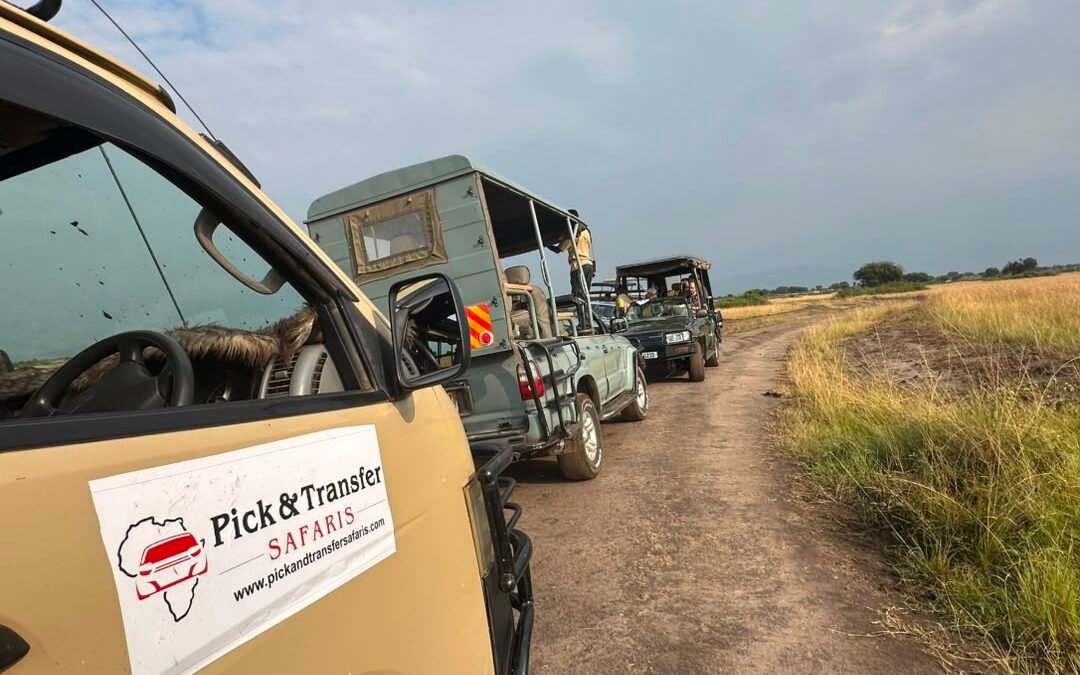
Transport from Kigali to Bwindi National Park. Planning transport from Kigali to Bwindi National Park involves more than picking a company to drive you; it means understanding which mode of travel is actually available, which route makes sense for your specific gorilla trekking sector, and how the road itself changes character along the way. Unlike routes where flying is a realistic shortcut, getting from Rwanda’s capital to Uganda’s gorilla forest is, for practical purposes, an overland journey, and the sector of Bwindi you are trekking in, Buhoma, Ruhija, Rushaga, or Nkuringo, meaningfully changes which border crossing and road you should take. This guide works through every mode of transport, every route option, and how they map onto Bwindi’s geography, so you can plan the logistics of this journey with a clear picture rather than a single generic distance figure.
Quick Answer: How to Get From Kigali to Bwindi National Park
In short, transport from Kigali to Bwindi National Park is done almost entirely by road, since no scheduled flight connects Kigali directly to either of the airstrips serving the park. Most travellers drive from Kigali through the Cyanika or Katuna border crossing in a private 4×4 with a driver-guide, a journey of roughly four to five hours to Bwindi’s southern sectors of Rushaga and Nkuringo, or somewhat longer to reach Ruhija or Buhoma further north and east. Budget travellers can reach Kabale by scheduled bus and arrange a shorter onward transfer from there, while a smaller number of confident travellers self-drive the entire route. Which option and which route suits you best depends heavily on which specific Bwindi sector your gorilla trekking permit is booked for, which is exactly what the rest of this guide unpacks, sector by sector, route by route, and mode by mode.
Why There Is No Direct Flight From Kigali to Bwindi
It is a reasonable first question for anyone booking this trip: given how well connected Kigali International Airport is, why not simply fly to Bwindi instead of driving for several hours? The answer is that Bwindi’s two nearest airstrips, Kihihi and Kisoro, are served only by scheduled flights from Entebbe International Airport in Uganda, operated by carriers such as Aerolink Uganda and Bar Aviation, with no scheduled service originating in Kigali at all. Flying would technically be possible only by first flying from Kigali to Entebbe, then connecting onward to Kihihi or Kisoro, a routing that costs considerably more and often takes longer overall than simply driving directly from Kigali, which is why almost no one travelling from Rwanda actually books it this way.
The Kihihi and Kisoro Airstrips: Why They Don’t Solve the Kigali Problem
Kihihi Airstrip primarily serves Bwindi’s Buhoma and Ruhija sectors, roughly one and a half to two hours from Buhoma by road, while Kisoro Airstrip serves the southern Rushaga and Nkuringo sectors, around ninety minutes further by road. Both airstrips are genuinely useful for travellers already in Uganda, particularly those connecting from Entebbe or combining Bwindi with a wider Uganda safari, but for a Kigali-based itinerary they add an extra flight leg, an extra airport transfer, and typically several hundred dollars in cost compared with a direct road transfer that covers the same ground in a broadly similar amount of total time. For nearly every traveller starting in Kigali, road transport remains the simpler, faster, and more cost-effective choice.
Why Road Transport Is the Standard Way to Reach Bwindi From Kigali
Beyond the absence of a direct flight, road transport from Kigali has become the default choice for a straightforward reason: the distance is short enough, generally 170 to 190 kilometres to Bwindi’s southern sectors, that a single well-organised road transfer of four to five hours comfortably beats the combined time of driving to Kigali airport, flying via Entebbe, and then transferring again by road at the other end. This is part of why Kigali has become such a popular gateway city for gorilla trekking in the first place, and why such a wide range of transport options, from private 4×4 transfers to scheduled coaches, have developed specifically around this overland corridor.
Understanding Bwindi’s Four Trekking Sectors
Bwindi Impenetrable National Park is not a single trailhead but four distinct trekking sectors spread across a large, hilly forest: Buhoma in the north, Ruhija in the east, and Rushaga and Nkuringo both in the south. Each sector has its own park headquarters, its own network of habituated gorilla families, and, critically for transport planning, its own most practical access road. Because your gorilla trekking permit is booked for one specific sector rather than the park as a whole, the sector named on your permit should be the very first thing that determines your transport plan, since it directly affects which border crossing, which road, and how many hours your journey from Kigali will actually take.
Reaching Rushaga Sector From Kigali
Rushaga, in Bwindi’s far south, is generally the most convenient sector to reach from Kigali, typically accessed via the Cyanika border crossing and the town of Kisoro, with a total journey commonly falling in the four to five hour range. Its relative proximity to the Rwanda border is one reason Rushaga has become a popular choice for travellers building a Kigali-based itinerary, since it minimises the portion of the trip spent driving deep into Uganda after the border crossing. Rushaga is also known among gorilla trekking specialists for offering habituation experience permits alongside standard trekking permits, which is worth knowing if you are still finalising your permit booking around your transport plans.
Reaching Nkuringo Sector From Kigali
Nkuringo sits close to Rushaga in Bwindi’s south-west and is, if anything, slightly more convenient from Kigali, since it lies not far beyond Kisoro town along the same general approach from the Cyanika border. Some routings measure the final stretch from Kisoro to Nkuringo at only around 35 kilometres, a much shorter final leg than reaching Bwindi’s more northern sectors involves. Nkuringo’s more rugged, hilly access road makes a 4×4 particularly advisable here, and its dramatic ridge-top scenery is frequently mentioned by travellers as one of the more memorable arrival experiences among all four sectors.
Reaching Ruhija Sector From Kigali
Ruhija, positioned centrally on Bwindi’s eastern edge, is generally reached via Kabale rather than directly from the Cyanika crossing, adding meaningful extra driving time compared with Rushaga or Nkuringo. From Kabale, the final stretch to Ruhija covers roughly 95 kilometres of largely murram, or graded dirt, road and takes around four hours on its own, meaning a full Kigali-to-Ruhija transfer typically runs longer overall than the southern sectors. Ruhija is well suited to travellers who are also interested in birding, given its location near Bwindi’s high-altitude forest, but its longer transport time from Kigali is worth factoring into your itinerary planning from the outset.
Reaching Buhoma Sector From Kigali
Buhoma, Bwindi’s original and most established sector in the park’s north, is the least convenient of the four to reach directly from Kigali, typically requiring a longer routing through Ishasha or a wider loop that makes more sense as part of a Uganda-based itinerary connecting from Queen Elizabeth National Park than as a direct Kigali day trip. Travellers whose permits are booked specifically for Buhoma should budget noticeably more transport time from Kigali than the southern sectors require, and many choose to break the journey into two driving days with an overnight stop rather than attempting it in a single push.
Which Sector Should Kigali-Based Travelers Choose
If your itinerary starts and ends in Kigali and gorilla trekking is your primary goal, Rushaga or Nkuringo generally make the most transport-efficient choice, minimising both driving time and the complexity of your route. If your permit is already booked for Ruhija or Buhoma, whether by your own preference or simply because those were the available dates when you booked, that is not a problem, but it does mean planning for a longer transport day, and possibly an overnight stop along the way, rather than assuming every Bwindi sector involves the same journey length from Kigali.
Route Options: Cyanika Border vs Katuna Border
Two border crossings connect this part of Rwanda to south-western Uganda. Cyanika, known as Kyanika on the Ugandan side, is the more direct option for Bwindi’s southern sectors, feeding almost immediately into the road towards Kisoro, Rushaga, and Nkuringo. Katuna, also called Gatuna, sits further east and connects more naturally to Kabale, making it the more logical choice for travellers heading to Ruhija or continuing further into Uganda towards Kampala. An experienced transport provider will typically already know which crossing suits your specific sector, but it is worth confirming this yourself if you are self-driving or booking transport independently.
Distance and Driving Time by Route and Sector
Bringing the sector and route information together, a reasonable planning estimate is four to five hours for Rushaga or Nkuringo via Cyanika, five to six hours for Ruhija via Katuna and Kabale, and six hours or more for Buhoma depending on the specific routing chosen. These figures assume reasonable road and weather conditions and a border crossing that is not unusually busy; building in an extra hour of buffer against each of these estimates is sensible practice for any traveller whose plans include a fixed gorilla trekking briefing time the following morning.
Road Conditions: Paved Highway, Murram, and the Final Approach
The character of the road changes noticeably over the course of this journey. The Rwandan section, running west out of Kigali, is generally well-paved and fast. After crossing into Uganda, road quality becomes more mixed, with some well-maintained tarmac sections interspersed with murram, or graded dirt, roads, particularly on the final approach into more remote sectors such as Ruhija and Nkuringo. These murram sections are entirely passable in reasonable conditions but slower than paved road, and considerably more demanding after heavy rain, which is one of the main reasons a 4×4 is so consistently recommended for this journey regardless of which specific sector you are heading to.
Modes of Road Transport: Private Car, Minivan, Bus, and Self-Drive
Once you have settled on a route and sector, the next decision is which mode of road transport actually suits your trip. A private saloon car handles the Rwandan tarmac comfortably but struggles on Uganda’s murram stretches; a 4×4 or SUV is the most consistently recommended vehicle across all four sectors given the mixed road surfaces; a minivan or small bus suits larger groups travelling together; and self-drive rental remains an option for confident, independent travellers willing to manage a cross-border journey themselves. Each mode carries its own trade-offs in cost, comfort, and flexibility, covered in the sections below.
Private Chauffeur-Driven Transfers
A private transfer with a driver-guide remains the most popular mode of transport for this journey, and for the sector-specific reasons already discussed, it is also the most adaptable: a knowledgeable driver will already know whether Cyanika or Katuna suits your particular sector, roughly how road conditions are running that week, and how to time the journey around your trekking briefing the next morning. Booking a complete itinerary such as our 1-Day Uganda Gorilla Safari Starting from Kigali or 2-Day Uganda Gorilla Tour Starting from Kigali bundles this transport decision into a single booking rather than leaving you to work out sector-specific routing on your own.
Self-Drive Transport
Self-driving this route is entirely possible for confident, experienced travellers, provided your rental agency permits cross-border travel and issues the correct documentation for entering Uganda. The main practical challenge is not the driving itself but route-finding on Uganda’s less well-signed rural roads, particularly on the final approach to Ruhija or Nkuringo, where a wrong turn can add a meaningful amount of time to an already long day. Self-drive suits travellers who value total independence over guided convenience and who are comfortable navigating without the local knowledge a driver-guide would otherwise provide.
Scheduled Bus and Shared Transport
Scheduled coach services connect Kigali with Kabale, making this mode of transport most naturally suited to Ruhija-bound travellers, since Kabale sits relatively close to that sector’s own access road. For Rushaga or Nkuringo, a bus to Kabale is a less direct fit, since it requires a further, separate transfer south to Kisoro and on to the specific sector, adding both time and an extra logistics step compared with sectors closer to Kabale itself. Bus fares are considerably cheaper than a private transfer, but the trade-off in flexibility and directness is worth weighing carefully against your specific sector and schedule.
Multi-Stage Road Trips: Breaking the Journey at Kabale or Kisoro
For sectors requiring a longer total journey, particularly Ruhija and Buhoma, some travellers choose to break the drive into two stages rather than attempting it in a single long day, overnighting in Kabale or Kisoro before continuing to the park the following morning. This approach reduces the risk of arriving late, tired, or in the dark, and can also open up the option of visiting Lake Bunyonyi, which sits conveniently along this same general corridor, as a scenic stopover between Kigali and Bwindi rather than a separate trip entirely.
Combining Road Transport With a Lake Bunyonyi Stopover
Because Lake Bunyonyi lies almost directly along the route between Kigali and Bwindi’s southern and eastern sectors, many itineraries use it as a natural overnight break rather than driving the entire distance in one push. This works particularly well for Ruhija-bound travellers given the longer overall journey, but even Rushaga and Nkuringo-bound travellers with a more relaxed schedule sometimes choose to break at Bunyonyi simply for the scenery and a change of pace before continuing on to the forest. If this appeals to you, mention it when arranging your transport, since a driver planning a Bunyonyi stop needs a somewhat different timing structure than one driving straight through.
Terrain and Altitude Along the Route
The journey climbs steadily in altitude as it moves from Kigali through the Rwandan highlands and into Uganda’s south-western hills, with Bwindi itself sitting at a notably higher, cooler elevation than either Kigali or the lowland stretches of the drive. This altitude change is worth knowing about for two practical reasons: driving speeds naturally slow on the hillier sections regardless of road surface, and travellers should expect noticeably cooler temperatures on arrival than they experienced in Kigali, particularly in the early morning and evening, which affects both comfort during the drive and what to pack for arrival.
Weather’s Effect on Transport Choice and Timing
Rwanda and Uganda’s dry seasons, roughly December to February and June to September, offer the most predictable driving conditions across every route and sector described above. During the wetter months of March to May and October to November, murram sections leading into Ruhija and Nkuringo in particular can become slower and more demanding, reinforcing the case for a 4×4 over a saloon car and for building extra time into your schedule. None of this makes rainy-season travel impractical, since Bwindi’s forest is arguably at its lushest during these months, but it does mean treating driving-time estimates as somewhat more flexible than in the dry season.
Border Crossing Procedure and Documents
Whichever crossing you use, Cyanika or Katuna, the same basic procedure applies: disembark your vehicle, complete Rwandan exit formalities, walk or drive a short distance to the Ugandan side, and complete entry formalities there, typically carrying your passport, visa documentation, and proof of yellow fever vaccination if requested. This process commonly takes fifteen minutes to just over an hour depending on how busy the post is at the time of your crossing, and a driver experienced with your specific crossing point will generally help this move along more smoothly than attempting it without local guidance.
Visa Considerations for This Journey
Because this journey crosses from Rwanda into Uganda, your visa arrangement matters as much as your transport choice. The East Africa Tourist Visa, priced at 100 US dollars and valid for 90 days across Kenya, Uganda, and Rwanda, is generally the most convenient option for travellers who expect to cross this specific border, since it avoids purchasing two separate single-country visas. Rules and fees for both the regional visa and individual country visas do change periodically, so confirming current requirements for your nationality before travel remains an essential step alongside choosing your transport mode.
Choosing Between a One-Way and Round-Trip Transport Booking
Most travellers need transport in both directions, into Bwindi before trekking and back out to Kigali afterwards, and it is worth deciding early whether you want the same vehicle and driver to wait for you or whether two separate one-way transfers make more sense. If your driver waits at or near your sector for the duration of your stay, expect a daily waiting allowance on top of the transport cost to cover their accommodation, which can still work out more economical than arranging two completely separate bookings, particularly for a short one or two-night stay. For longer stays, or if your onward plans take you to a different destination entirely rather than back to Kigali, two separate one-way arrangements are often the more practical structure.
How Transport Providers Handle Flight Delays
Because so many Kigali-to-Bwindi journeys begin immediately after an international flight lands, it is worth asking any transport provider directly how they handle a delayed arrival. An established operator will typically track your flight and adjust pickup timing at no extra cost for a modest delay, since it rarely changes the overall plan. A more serious delay of several hours is different, particularly for the longer routes to Ruhija or Buhoma, where arriving too late in the day risks the final approach roads in fading light; a good provider will proactively suggest an overnight stop in Kigali or an intermediate town rather than pushing ahead regardless of the hour.
Vehicle Requirements for Bwindi’s Different Sectors
Not every sector demands the same vehicle. Rushaga and Nkuringo’s approach roads are manageable in a well-maintained 4×4 in most conditions, while Ruhija’s murram roads and Buhoma’s longer, more varied routing make a robust 4×4 considerably more important, particularly outside the dry season. A saloon car can handle the Rwandan portion of any route comfortably, but relying on one for the full journey into Uganda’s more remote sectors is generally not advisable, and most established transport providers will recommend against it regardless of your chosen mode of transport.
Mobile Connectivity and Staying in Touch Along the Route
Mobile coverage is generally reliable along the paved Rwandan stretch and around larger Ugandan towns such as Kisoro and Kabale, but it can weaken noticeably on the more remote final approaches to Ruhija and Nkuringo, where hilly terrain and forest cover both interfere with signal. Picking up a local Rwandan SIM in Kigali before departure is straightforward and affordable, and a Ugandan SIM after crossing the border extends that coverage further if staying connected throughout the trip matters to you. Downloading offline maps and saving your lodge’s contact details before departure is a sensible backup for the stretches where signal drops out entirely, particularly on sector-specific approach roads that a standard map app may not represent in detail.
Currency and Payment for Transport Along the Way
Transport providers on this route typically quote and accept payment in US dollars, though small purchases along the way, a snack in Kisoro or a coffee in Kabale, are usually easier in local currency. Changing a modest amount of Rwandan francs before leaving Kigali and picking up some Ugandan shillings after the border covers these incidental costs comfortably. As with any cash carried for this trip, bring newer, undamaged US dollar notes, since older or visibly worn bills are frequently declined in both countries, and confirm with your transport provider in advance whether card payment is accepted for the transfer itself or whether cash settlement is required.
Fuel, Rest Stops, and Facilities Along the Way
Fuel stations are readily available in Kigali and at intervals along the Rwandan highway, with somewhat sparser options after crossing into rural south-western Uganda, so most drivers plan fuel stops before rather than after the border. Rest stops for food or a bathroom break are typically taken in Kisoro or Kabale depending on your route, both of which offer basic facilities suited to a short break rather than an extended stay. Travellers heading to more remote sectors such as Ruhija or Buhoma should expect fewer facilities on the final stretch and plan accordingly with snacks and water carried in the vehicle.
Comparing the Kigali Route With the Kampala Route
For context, travellers arriving via Kampala instead of Kigali face a considerably longer overland journey, commonly 500 to 550 kilometres and eight to ten hours of driving, often requiring an overnight stop in a town such as Mbarara along the way. This is one of the clearest reasons Kigali has become such a popular gateway for Bwindi gorilla trekking: the shorter overland distance allows many travellers to fly in and reach the park within a single long driving day, something the Kampala route rarely allows without an additional overnight stop.
Timing Your Transport Around Gorilla Trekking Permits
Every gorilla trekking permit is tied to a fixed briefing time on a specific morning at a specific sector’s park headquarters, which makes transport timing genuinely high-stakes rather than a simple convenience question. Arriving the afternoon or evening before your trek, rather than attempting a same-day arrival right before your briefing, gives you a comfortable buffer against any delay along the route, whether from the border crossing, weather, or road conditions, and is the approach nearly every experienced operator recommends regardless of which sector or transport mode you choose.
Transport Considerations for Solo Travelers, Couples, and Groups
Solo travellers and couples typically find a private saloon-to-4×4 transfer the most practical option, since a shared bus involves considerably more logistics for a route this specific to gorilla trekking timing. Groups of four or more often find a minivan more cost-effective per person while still retaining a direct, private journey rather than a shared shuttle. Families with young children generally benefit most from a private transfer’s flexibility, since it allows extra stops and a more comfortable pace than either a fixed bus schedule or a long, uninterrupted self-drive.
Health and Vaccination Requirements for This Journey
Both Rwanda and Uganda require proof of yellow fever vaccination for travellers arriving from, or having transited through, countries where the disease is endemic, and immigration officers at either Cyanika or Katuna do sometimes request this certificate, so keep it with your passport rather than in checked luggage. Malaria risk exists throughout this region, including in Bwindi itself despite its cooler forest elevation, so most travel health guidance recommends appropriate antimalarial precautions alongside insect repellent and covered clothing in the evenings. As with visa rules, health requirements can change, so a quick check with a travel health provider shortly before departure is worthwhile regardless of which transport mode or sector you have planned.
What a Typical Transport Day Looks Like Hour by Hour
A representative transport day to one of Bwindi’s southern sectors might begin with a five or six in the morning pickup from Kigali, roughly ninety minutes to two hours of driving to reach the Cyanika border, thirty minutes to an hour clearing formalities on both sides, and a further two to two and a half hours through Kisoro to Rushaga or Nkuringo, arriving comfortably in the early to mid-afternoon with time to settle in before the next morning’s trekking briefing. A Ruhija or Buhoma-bound day follows a similar early start but stretches further into the afternoon or requires an overnight break, which is worth planning for explicitly rather than assuming every sector fits the same rough timeline.
Safety on the Road: What to Know
This is a well-travelled tourist corridor and, with reasonable precautions, a safe route to drive. Use a reputable, established transport provider rather than an unmarked vehicle offering an unusually cheap ride at the border, keep your passport and valuables on your person during the crossing itself, and avoid attempting the more remote sectors’ murram roads after dark, when visibility and hazard awareness both decrease. A driver experienced on your specific route will generally already plan around these considerations, which is one more argument for a knowledgeable private transfer over an unfamiliar self-drive on your first visit to the region.
Reviews and Researching a Transport Provider Properly
Before committing to any transport provider, whether a private operator, a self-drive rental agency, or a bus company, a few minutes of independent research pays off. Search for the company’s name alongside terms like the specific border crossing or sector you are heading to, and look for reviews that mention punctuality, communication before the trip, and how well the provider handled the specific route rather than generic praise alone. A provider with a consistent track record of detailed, positive feedback about the Cyanika or Katuna crossing specifically is generally a safer choice than one whose reviews only cover unrelated destinations, since local route knowledge is precisely what separates a smooth transport day from a stressful one.
Common Mistakes When Planning Transport to a Specific Sector
A handful of avoidable mistakes come up repeatedly among travellers planning this journey. Assuming every Bwindi sector involves the same distance and driving time from Kigali is the most common, and it leads directly to under-planned itineraries for Ruhija or Buhoma-bound travellers who expected a Rushaga-length journey. Booking a saloon car for a sector that genuinely requires a 4×4, particularly outside the dry season, is another frequent issue. Failing to confirm which border crossing your provider intends to use, and discovering only on the day that it does not suit your specific sector, rounds out the most common planning errors, all of which are easily avoided simply by naming your exact sector and trekking date when you first request a transport quote.
Sustainability and Supporting Local Communities Along the Route
The towns and villages along both the Cyanika and Katuna corridors depend meaningfully on the steady flow of gorilla trekking traffic passing through, and the transport choices travellers make have a real, if easily overlooked, effect on that local economy. Choosing operators who employ local drivers, stopping at local rather than only larger chain-style rest points, and treating border officials and local staff with patience all contribute in a small way to communities that, in turn, play an important role in the conservation partnerships protecting Bwindi’s gorillas.
Traveling With Children or Elderly Family Members
Families travelling with young children or older relatives on this route should weigh a few extra considerations beyond the standard transport comparison. The four to six-hour drive, plus a border crossing that requires disembarking the vehicle, can be tiring for very young children or anyone with limited mobility, so building in an extra rest stop or two, and favouring a private transfer over a shared bus, generally makes for a more comfortable journey. Some providers can arrange a child seat on request for younger children, though this should be confirmed in advance rather than assumed, and choosing the shorter Rushaga or Nkuringo route over Ruhija or Buhoma, where your permit allows, reduces total time in the vehicle for family groups.
Language and Communication With Your Transport Provider
Most established transport providers on this corridor work with international travellers daily and communicate comfortably in English, alongside French, still widely spoken in Rwanda, and Kinyarwanda or Luganda depending on which side of the border your driver knows best. If English is not your first language, it is worth confirming before booking that clear communication will be possible throughout the journey, particularly around instructions at the border crossing, where a misunderstanding with an immigration officer can cause an avoidable delay. An experienced provider accustomed to a genuinely international client base will typically have already anticipated this and can reassure you directly if you raise it before travel.
What to Pack for the Journey
Regardless of your sector or transport mode, keep a small daypack accessible with your passport, visa documents, permit confirmation, snacks, and water rather than packed away in checked luggage, since you will need your documents readily at hand during the border crossing. A light jacket is worth having on hand for Bwindi’s cooler, higher-altitude climate, and if your schedule has you trekking the morning after arrival, keeping your trekking gear reasonably accessible rather than buried at the bottom of a bag saves time at your lodge.
Insurance Considerations for This Journey
Because this trip crosses an international border, it is worth checking that your own travel insurance policy explicitly covers overland travel between Rwanda and Uganda rather than assuming standard travel insurance automatically applies to a cross-border road trip. Separately, ask any transport provider directly whether their vehicle carries valid insurance for cross-border operation, since a vehicle insured only for domestic Rwandan use technically should not be crossing into Uganda at all. This question matters even more for self-drive rentals, where the insurance terms directly affect your own liability in the event of an accident on unfamiliar roads, and a reputable rental agency should be able to explain their cross-border coverage clearly before you sign a rental agreement.
How Seasonal Demand Affects Availability, Not Just Price
During peak gorilla trekking season, roughly June to September and December to February, transport providers along this corridor can book up well in advance, particularly for the more popular southern sectors, simply because so many trekking permits are issued for the same peak-season dates. This means that during these months, availability rather than price alone becomes the binding constraint, and confirming your transport at the same time you secure your gorilla trekking permit, rather than treating it as a separate, later task, meaningfully reduces the risk of struggling to find a vehicle for your exact dates.
Why Local Route Knowledge Matters More Than It First Appears
A transport provider genuinely experienced across all four Bwindi sectors offers more than a comfortable vehicle; that local knowledge shapes decisions throughout the journey that a first-time visitor to the region would not think to ask about. Knowing which of the two border crossings is moving faster on a given day, which specific stretch of murram road tends to flood first after heavy rain, and which rest stops near Kisoro or Kabale are genuinely clean and reliable rather than merely convenient are all small advantages that come only from a provider operating this exact network of routes repeatedly, sector by sector, rather than treating Bwindi as a single generic destination. This is one of the clearer arguments for choosing an operator with real, sector-specific experience over a generic booking that only quotes a single distance figure for “Bwindi” as though every trekking permit led to the same trailhead.
Combining Multiple Sectors in a Single Extended Trip
Some travellers with more time available choose to trek in two different Bwindi sectors during a single visit, whether to see a second gorilla family or simply to experience more of the park’s varied terrain. If this appeals to you, your transport plan needs to account for an internal transfer between sectors, for example from Rushaga to Ruhija, which involves its own driving time and road conditions distinct from the initial Kigali-to-Bwindi leg. Mentioning this intention when you first request a transport quote allows your provider to plan the full multi-sector routing properly from the outset, rather than treating each leg as a separate, uncoordinated booking.
Final Thoughts on Choosing Your Transport Mode
Ultimately, the right transport from Kigali to Bwindi National Park is less about finding a single universally correct answer and more about matching your specific sector, budget, group size, and comfort preferences to the option that fits them best. A private 4×4 transfer remains the most broadly recommended choice across all four sectors given the mixed road conditions and the importance of reliable timing around your trekking briefing, but scheduled buses, self-drive rental, and multi-stage road trips broken at Kabale or Kisoro all remain entirely reasonable choices for the right traveller and the right circumstances. Working through the sector-specific sections above before you book is the single most useful step you can take to avoid an under-planned journey.
Frequently Asked Questions About Transport from Kigali to Bwindi National Park
Can I fly directly from Kigali to Bwindi? No, there is no scheduled flight from Kigali to either of Bwindi’s airstrips; flights to Kihihi and Kisoro operate only from Entebbe in Uganda. Which border crossing should I use? Cyanika generally suits Rushaga and Nkuringo, while Katuna generally suits Ruhija and onward travel further into Uganda. How long does the journey take? Typically four to five hours to the southern sectors, and five hours or more to Ruhija or Buhoma, depending on route and conditions. Do I need a 4×4? It is strongly recommended for every sector given Uganda’s murram road sections, and effectively necessary for Ruhija, Nkuringo, and Buhoma.
How to Arrange Your Transport From Kigali to Bwindi Today
Now that you understand how sector, route, and road conditions all shape the right transport choice for your specific trip, reach out through our contact page with your permit’s sector and trekking date, and we will recommend the most efficient route and vehicle for your journey. You can also browse our gorilla safaris collection for complete itineraries that bundle transport, permits, and accommodation together, or learn more about our team on our about us page. Getting the transport plan right for your specific sector is one of the simplest ways to protect your gorilla trekking morning from unnecessary stress, and we are happy to help you plan it properly from the outset.
Comparing Notes With Kenlink Tours on Sector-Specific Routing
If you are researching this journey across more than one operator, sister company Kenlink Tours publishes a useful breakdown of travel time and cost from Kigali versus Kampala to Bwindi or Mgahinga that is worth reading alongside this guide, particularly if you are still deciding which gateway city and sector combination suits your itinerary. Their 3-Day Bwindi Gorilla Safari Starting from Kigali and 2-Day Uganda Gorilla Safari Starting from Kigali both illustrate how transport, sector, and permit timing come together in a complete itinerary, and their guide to Uganda offers useful general context on the country’s road network and regional geography. You can also learn about their background on their about us page, or reach them through their contact page for a comparison quote before finalising your own transport plan.
Self-Drive and Group Options Worth Comparing
Travellers weighing self-drive against a guided private transfer may find it useful to compare Kenlink Tours’ car hire service and rental terms against other regional agencies before deciding. Those travelling as part of a larger group or through a travel agency might also compare their group tours page and scheduled departure safari against a fully private, sector-specific transport plan, since the right choice genuinely depends on group size, budget, and how much flexibility your itinerary needs around a fixed trekking briefing time.
Extending Your Trip Beyond Bwindi
Once your transport and sector are settled, many travellers extend their itinerary further. Our destinations page and long trips collection cover onward options including Mgahinga Gorilla National Park and Volcanoes National Park for a second gorilla trekking experience, Queen Elizabeth National Park for classic savannah game viewing on the same side of Uganda as Buhoma, and Kibale Forest National Park for chimpanzee tracking. Travellers building a broader Rwandan circuit often add Nyungwe Forest National Park or Akagera National Park before returning to Kigali city to fly home, with our 3-Day Uganda Gorilla Safari and 5-Day Uganda Gorilla and Chimps Safari Starting from Rwanda both structured around exactly this kind of extended itinerary.
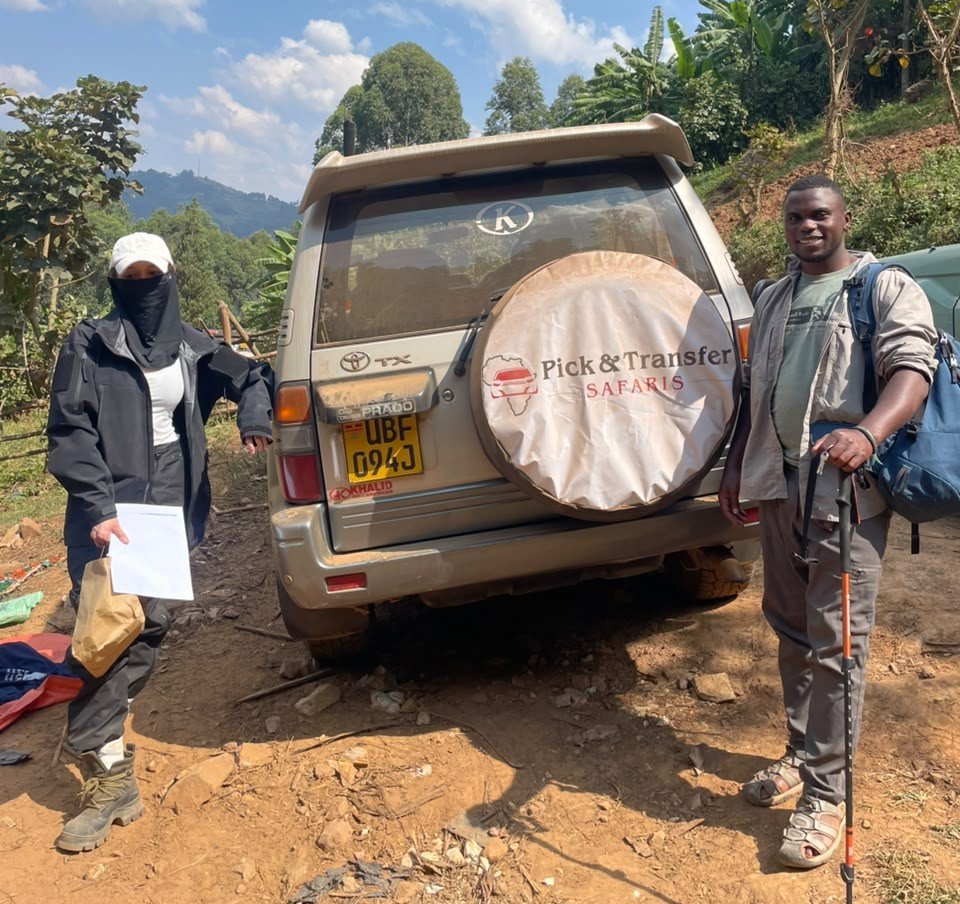
7 Days Uganda Safari – One week tour
This 7-day itinerary is the classic one-week introduction to Uganda, covering the country’s three most iconic wildlife experiences: chimpanzee tracking in Kibale Forest National Park, Big Five game drives and a boat cruise in Queen
Tour Details →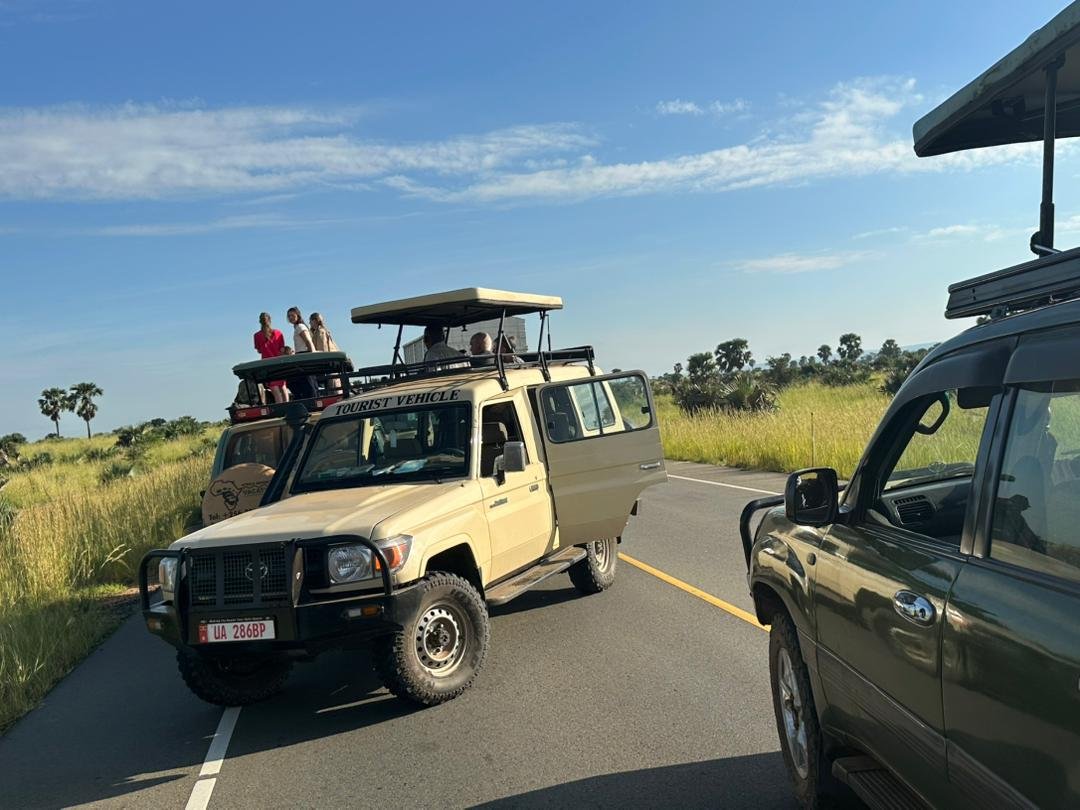
10 Days Uganda Primates and Wildlife
This 10-day Uganda Grand Safari is the most complete Uganda itinerary we offer at Pick and Transfer Safaris. It begins with a scenic northward drive from Entebbe to the vast open plains of Murchison
Tour Details →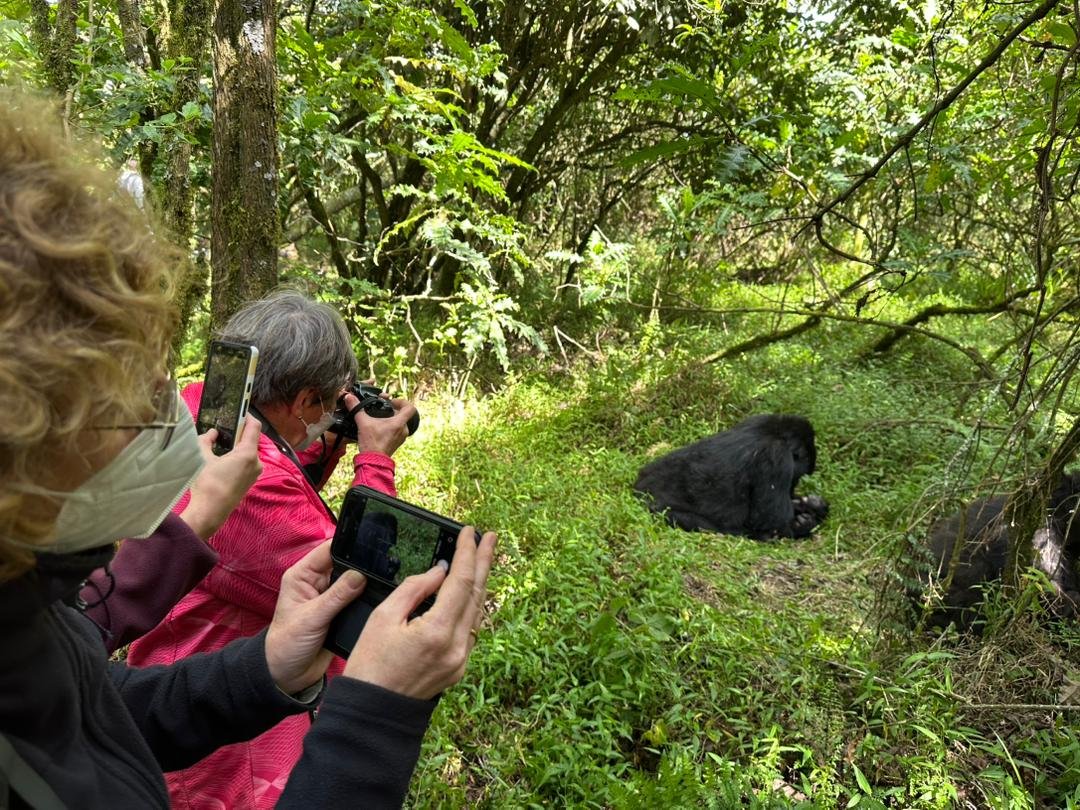
2 Days Uganda Gorilla Tour Starting from Kigali
This is the gentler cousin of our 1-Day Uganda Gorilla Safari Starting from Kigali — same idea, twice the breathing room. Instead of squeezing a 3,000-metre forest trek and two border crossings into a single very long day
Tour Details →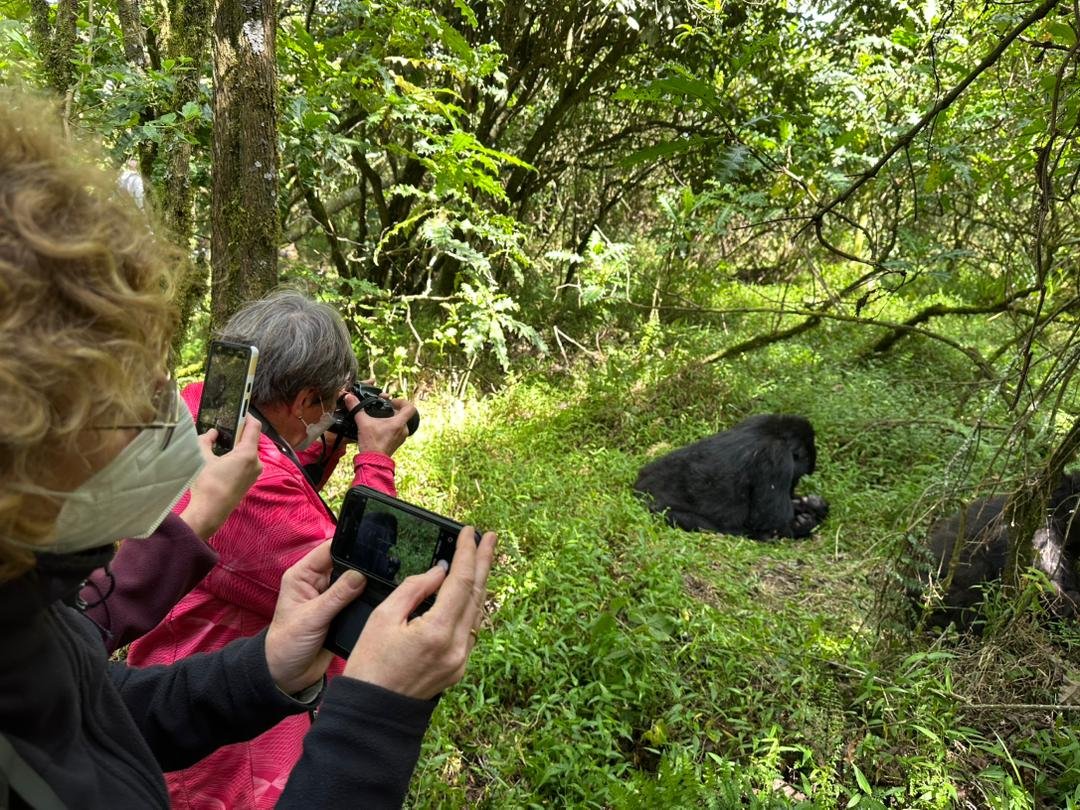
5-Day Uganda Gorilla and Chimpanzee Safari
This itinerary can be combined with a Rwanda extension or a wildlife-focused add-on through Queen Elizabeth National Park — browse our Uganda & Rwanda Safaris and Primate Safaris collections for ideas.
Tour Details →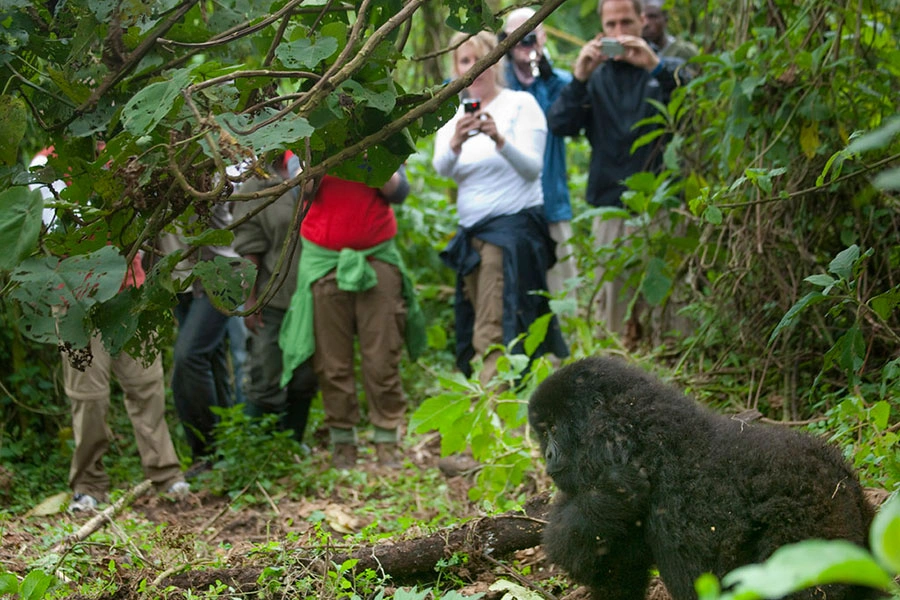
5 Days Rwanda Wildlife and Gorillas
This 5-day itinerary brings together Rwanda’s two flagship wildlife experiences: open savannah game drives and a boat safari in Akagera National Park, followed by a face-to-face encounters
Tour Details →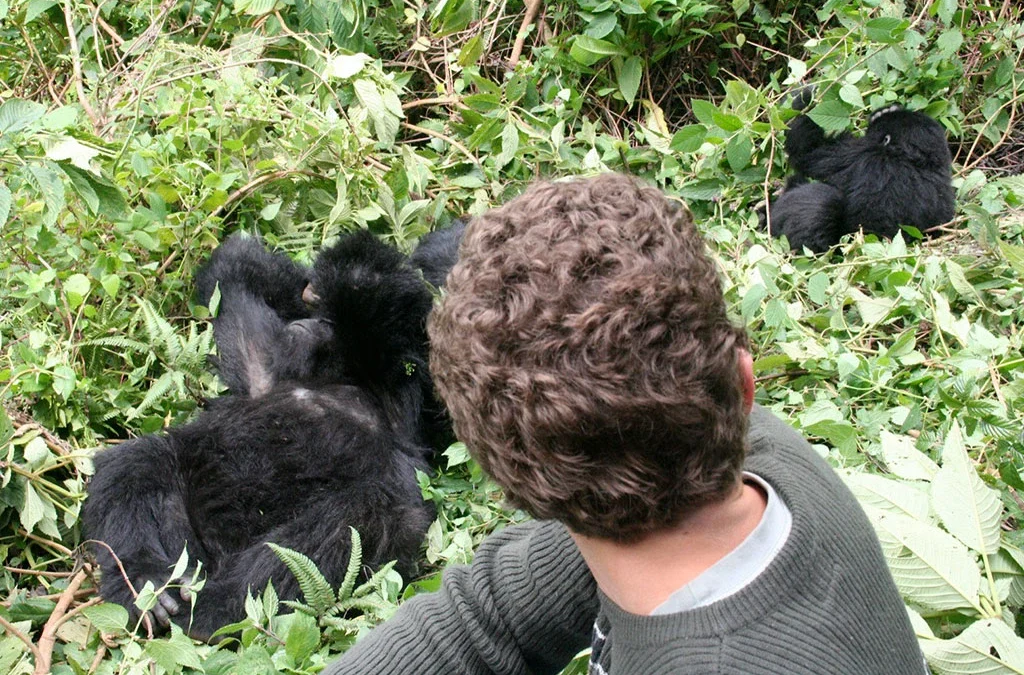
3 Days Uganda Gorilla Safari
For travelers who arrive in Entebbe with a tight schedule and a clear ambition, a 3-day gorilla safari to Bwindi Impenetrable Forest National Park is the most focused and rewarding short trip the country has to offer.
Tour Details →