- LET'S PLAN YOUR SAFARI
- +256 200 921 002
- +256 793 194 703
- info@pickandtransfersafaris.com

Which Animals are found in Kidepo
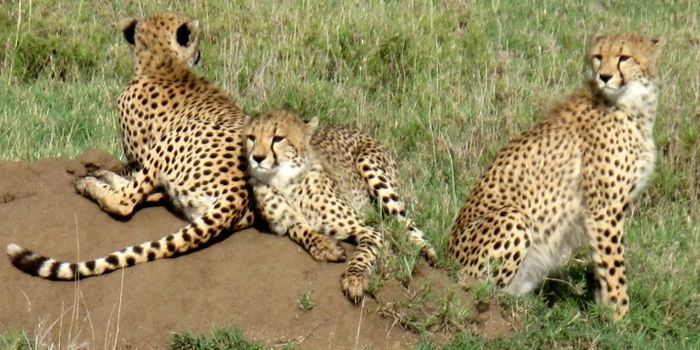
Which Animals are found in Kidepo. Tucked into Uganda’s remote northeastern corner, bordered by South Sudan and within sight of Kenya’s Karamoja hills, Kidepo Valley National Park is unlike anywhere else in the country. It is further from Kampala than almost any other park, harder to reach, and precisely because of that isolation, it has kept a wilder, more untouched character than Uganda’s more visited southern reserves. The reward for making the journey is a wildlife list that reads differently from the rest of Uganda entirely — species you simply will not find in Bwindi, Queen Elizabeth or Murchison Falls, alongside the classic East African favourites travellers hope to see on any safari. This guide answers the question travellers ask us constantly at Pick and Transfer Safaris: exactly which animals are found in Kidepo, and what makes this remote park worth the extra effort to reach.
What follows is a comprehensive, species-by-species look at Kidepo’s wildlife, drawing on official park records and our own guides’ field experience, alongside practical advice on when to visit, where inside the park to look, and how to plan a trip that gives you the best possible chance of seeing everything this remarkable park has to offer. If you are comparing Kidepo against Uganda’s other savannah parks first, our Wildlife Safaris collection is a good place to see how it fits into the wider picture, alongside our Gorilla Safaris range if primates rather than plains game are your main interest elsewhere in Uganda.
By the end of this guide you will know not just which species live in Kidepo, but where inside the park to look for each, when to visit for the best chance of a sighting, and how the park’s wildlife compares with what you may already have seen elsewhere in Uganda or Rwanda.
Where Is Kidepo Valley National Park?
Kidepo Valley National Park covers roughly 1,442 square kilometres in Uganda’s Karamoja region, the country’s most remote and least-visited corner. The park is built around two river valleys — the Narus Valley in the south, which holds water and therefore wildlife even in the dry season, and the wider, wilder Kidepo Valley in the north, which floods with life during the rains but dries out almost completely later in the year. Rugged mountain ranges frame both valleys, including Mount Morungole to the south and the Napore and Lonyili ranges along the Sudanese border, giving Kidepo a dramatic, open landscape that feels closer to the classic image of East African savannah than anywhere else in Uganda. For a fuller overview of the park’s location, terrain and history, Kenlink Tours’ own destination page, Kidepo Valley National Park, is a useful companion resource alongside this wildlife-focused guide.
Because of that remoteness, Kidepo sits apart from Uganda’s more familiar southern and western safari circuit both geographically and ecologically. Where parks like Queen Elizabeth and Murchison Falls sit within relatively easy driving distance of Kampala and of each other, Kidepo is closer, in practical travel terms, to neighbouring Kenya and South Sudan than to Uganda’s other national parks, which is precisely why most visitors choose to fly rather than drive. That isolation has shaped the park’s character over decades: less vehicle traffic, less habituation pressure on the animals, and an ecosystem that has been left to function with comparatively little human interference.
A Brief History of Kidepo Valley National Park
Kidepo was gazetted as a national park in 1962, making it one of Uganda’s oldest protected areas, established in the same era as the country’s other flagship parks. Its remoteness largely spared it from the intensive poaching pressure that devastated wildlife populations in some of Uganda’s more accessible parks during the political instability of the 1970s and 1980s, though the park was not entirely untouched during that period. In the decades since, sustained conservation management, cross-border cooperation with neighbouring South Sudan, and steadily growing tourism revenue have allowed Kidepo’s wildlife populations to recover and, in several cases, thrive, cementing its current reputation as one of the last great wilderness areas in East Africa.
Why Kidepo’s Wildlife Is So Different From the Rest of Uganda
Kidepo’s isolation is exactly what makes its animal list so distinctive. Because the park sits at the meeting point of East African savannah ecosystems and the drier Sahel-influenced landscapes stretching north toward South Sudan and Kenya, it hosts a number of species found in no other Ugandan park — some found only here in the entire country. Travellers who have already visited Queen Elizabeth or Murchison Falls and assume they have “seen Uganda’s wildlife” are often genuinely surprised by how different a Kidepo game drive feels, both in landscape and in species list.
Lions of Kidepo
Kidepo holds one of Uganda’s most important lion populations, and sightings here are considered among the most reliable in the country, particularly in the Narus Valley where prides often rest on the rocky outcrops scattered across the plains. Unlike the tree-climbing lions Uganda is famous for in Ishasha (Queen Elizabeth National Park), Kidepo’s lions are typically seen on the ground, often draped across termite mounds or low rocks in the early morning and late afternoon. Pride sizes here can be notably large by regional standards, a reflection of how much undisturbed space and prey the park still offers. Because Kidepo receives a fraction of the vehicle traffic seen in Uganda’s more visited parks, lion sightings here often feel markedly more private — it is not unusual to have a resting pride entirely to yourself for twenty minutes or more, a rare experience by modern East African safari standards.
Leopards in Kidepo
Leopards are present throughout Kidepo but, true to the species everywhere, remain elusive and are far less frequently seen than lions. They favour the rockier, more broken terrain around the valley edges and the wooded fringes of the Narus Valley, and most sightings come from alert guides spotting a tail or silhouette in a tree rather than a leopard out in the open. A confirmed leopard sighting is one of the more prized moments on a Kidepo game drive precisely because it is never guaranteed. Experienced guides often scan for the telltale sign of a kill hoisted into a tree fork, a classic leopard behaviour that protects a carcass from hyenas and lions, and one of the more reliable indirect clues that a leopard is active in the immediate area even when the animal itself stays hidden.
Cheetahs: Kidepo’s Rarest Big Cat
Cheetahs hold a special place in Kidepo’s story, since this is one of only a handful of places in Uganda where the species has ever been recorded at all. Sightings are genuinely rare and should never be expected on a single visit, but Kidepo’s open, short-grass plains in the Narus Valley are exactly the kind of terrain cheetahs favour elsewhere in Africa, and their continued if infrequent presence is part of what gives the park its reputation as Uganda’s wildest frontier. Our detailed species breakdown, Animals Found in Kidepo National Park from the team at Kenlink Tours, covers this and the rest of the park’s predator list in further depth if you want a second, independently researched source before you travel.
Predator-Prey Dynamics on the Narus Plains
What makes the Narus Valley such a productive wildlife-viewing area is not just the presence of individual species but how visibly their relationships play out across its open terrain. Buffalo and zebra herds graze within sight of resting lion prides; hartebeest and topi post sentries that scan constantly for movement in the grass; and the whooping calls of spotted hyena clans at dusk are often the first sign that a kill, or the aftermath of one, is nearby. Few parks in Uganda offer such an unobstructed view of these interactions, since Kidepo’s short grass and open sightlines rarely hide the drama the way denser woodland elsewhere in the country can.
African Elephants in Kidepo
Elephants move through Kidepo in substantial numbers, particularly during and after the rains when the Kidepo Valley itself holds enough water and forage to draw large herds north from the Narus Valley. Bull elephants and family groups are regularly seen crossing open grassland or browsing along the tree lines, and Kidepo’s elephants have a reputation among guides for being notably more relaxed around vehicles than in some more heavily visited parks, a small but telling sign of how little pressure they experience here. Herds tend to concentrate around the Narus Valley’s permanent water sources during the dry months, making the area around park headquarters at Apoka one of the more consistent places to encounter elephants at close range without an extended search. Kenlink Tours’ regional guide, Where to Find Elephants in Uganda, places Kidepo’s population in the context of the country’s other major elephant strongholds.
Cape Buffalo Herds
Cape buffalo are one of the most numerous large mammals in Kidepo, moving in herds that can number in the hundreds across the Narus Valley’s open plains. They are a near-guaranteed sighting on almost any game drive and form an important prey base for the park’s lion population, which is part of why lion sightings around buffalo herds are relatively common here.
Rothschild’s Giraffes
Kidepo is one of only a small number of Ugandan parks holding a population of the endangered Rothschild’s giraffe, distinguishable from other giraffe subspecies by its lighter, more clearly defined patchwork coat and the notable absence of markings below the knee, giving the impression the animal is wearing white stockings. Herds are regularly seen browsing acacia along the valley edges, and their tall, unmistakable silhouettes against Kidepo’s open horizon are one of the park’s signature images. Kenlink Tours’ species profile, Interesting Facts About Giraffes, is worth a read if you want more background on this subspecies before you go.
Burchell’s Zebra
Zebra herds are a common and reliable sighting across Kidepo’s open grasslands, often mixing with buffalo, hartebeest and other grazers on the plains around the Narus Valley. Their stark black-and-white striping stands out sharply against Kidepo’s golden dry-season grass, making them one of the easier species to spot at distance from a moving vehicle.
Antelope and Grazing Species
Beyond zebra and buffalo, Kidepo hosts an unusually rich range of antelope species for a single Ugandan park. Jackson’s hartebeest, a subspecies found in few other places in the country, graze the open plains in large numbers, alongside eland — Africa’s largest antelope — waterbuck, bushbuck, oribi and topi. Klipspringer, a small, sure-footed antelope adapted to rocky terrain, can be spotted on the kopjes and outcrops scattered through the park, moving with a distinctive stiff-legged gait between boulders. Together, this range of grazing species forms the prey base that supports Kidepo’s healthy predator population. Jackson’s hartebeest in particular is worth watching for closely, since its distribution within Uganda is far more limited than the more widespread species found in southern parks, making a Kidepo sighting genuinely more significant to a serious wildlife checklist than it might first appear.
Conservation Status and Ongoing Challenges
Several of Kidepo’s headline species carry real conservation weight beyond their appeal to visitors. Rothschild’s giraffe is classified as endangered, with the wider wild population numbering only in the low thousands across its entire range, making Kidepo’s herds a genuinely significant conservation population rather than simply a photogenic sighting. African wild dogs are similarly endangered across their entire African range, and cheetah numbers continue to decline continent-wide, which is part of why sightings of either species in Kidepo carry extra significance for conservationists tracking the park’s ecological health. Tourism revenue from park entrance fees and guided game drives contributes directly to the ranger patrols, anti-poaching efforts and community programmes that keep these populations protected, which is worth remembering as a tangible benefit of the visit itself, beyond the personal experience of seeing the animals.
Spotted Hyenas
Spotted hyenas are common throughout Kidepo and are frequently heard calling after dark from most of the park’s lodges and camps, their distinctive whooping calls carrying long distances across the open valley. Clans are regularly encountered on both day and night game drives, and their complex social behaviour — often misunderstood by visitors expecting a purely scavenging animal — makes for genuinely engaging sightings when a clan is active.
Striped Hyenas: A Kidepo Specialty
Far rarer and more elusive than their spotted cousins, striped hyenas are one of Kidepo’s genuine specialities and one of the clearest examples of how the park’s wildlife list diverges from the rest of Uganda. Solitary, primarily nocturnal and generally shyer around vehicles, striped hyenas are seen far less often than spotted hyenas, but their presence at all marks Kidepo as one of the very few places in the country where the species has been recorded.
African Wild Dogs
African wild dogs, among the most endangered carnivores on the continent, are occasionally recorded moving through Kidepo, part of the wider Karamoja-South Sudan borderland population. Sightings are opportunistic rather than reliable, since wild dog packs range across huge territories and do not stay resident in any single area for long, but a sighting here is a genuine highlight for any wildlife-focused traveller and underscores just how intact and connected Kidepo’s surrounding ecosystem still is.
Warthogs and Other Common Mammals
Warthogs are a familiar, almost constant presence across Kidepo’s open grassland, often seen trotting away from the vehicle with tails raised. Other frequently encountered mammals include side-striped jackals, honey badgers, and various mongoose species, all of which add texture to the park’s game drives even between larger sightings.
Ostriches: A Rare Sight in Uganda
Kidepo holds one of Uganda’s only wild ostrich populations, another marker of the park’s more Sahel-influenced ecology compared with the rest of the country. Spotting these enormous flightless birds striding across the open plains is a distinctly Kidepo experience — travellers who have safaried extensively elsewhere in Uganda are often seeing a wild ostrich for the first time here, since the species simply is not present in the country’s other major parks.
Caracal, Bat-Eared Fox and Aardwolf: Kidepo’s Nocturnal Specialities
Among the most exciting reasons to book a night game drive in Kidepo is the chance, however slim, of encountering some of the park’s rarer nocturnal predators: caracal, bat-eared fox and aardwolf are all recorded here and are found in few, if any, other Ugandan parks. These are genuinely difficult species to see well anywhere in Africa, and Kidepo’s guides treat any confirmed sighting as a notable event. If nocturnal wildlife interests you specifically, it is worth asking your operator in advance whether a night drive is included or can be arranged, since daytime game drives alone are unlikely to turn up these particular species.
Primates of Kidepo
Kidepo’s primate list is modest compared with Uganda’s forested parks further south, reflecting its open savannah character rather than dense forest habitat. Olive baboons and vervet monkeys are both common and easily seen around camps and along the valley roads, while patas monkeys — Africa’s fastest primate, built for speed across open ground rather than agility in trees — are a genuine Kidepo speciality rarely encountered elsewhere in Uganda.
Birdlife: Over 475 Species
Kidepo is one of Africa’s most celebrated birding destinations, with more than 475 species recorded within the park, a remarkable number reflecting its position at the crossroads of East African and Sahel-influenced bird distributions. Raptors are particularly well represented, including numerous vulture species, the striking secretary bird striding across open grassland, and a wide range of eagles. Ground-dwelling specialities such as the kori bustard, one of the world’s heaviest flying birds, and colourful species like the Abyssinian roller add to a list that keen birders regularly describe as among the best in East Africa. The localised Karamoja apalis and a range of dry-country species found nowhere else in Uganda make Kidepo a genuine bucket-list destination for serious birders, not simply a bonus activity alongside game drives.
Best Time of Year for Wildlife Viewing in Kidepo
Kidepo’s two dry seasons — December to March and June to September — offer the best general wildlife viewing, as sparser vegetation and concentrated water sources in the Narus Valley draw animals into easier view and denser concentrations. The wetter months, roughly April to May and October to November, transform the landscape into a lush, dramatically green setting and bring migratory bird species through the park, though general wildlife sightings can require more patience as animals disperse across a wider area with more available water and forage.
Weather and Climate in Kidepo
Kidepo’s climate is notably hotter and drier than Uganda’s southern parks, with daytime temperatures in the dry season regularly climbing well above what visitors experience around Bwindi or Queen Elizabeth. Nights and early mornings can still turn surprisingly cool, particularly around June and July, so layering remains sensible even during the hottest months. Rainfall is concentrated in the two wet seasons, and even then tends to arrive as short, heavy afternoon downpours rather than the sustained drizzle more common further south, leaving mornings clear for game drives even during the rainier months.
Best Places Inside the Park to See Wildlife
The Narus Valley, in the park’s southern section near Apoka, is Kidepo’s most reliable wildlife-viewing area year-round, since it retains water even in the driest months and consequently concentrates lion prides, buffalo herds, giraffe and antelope species within a relatively compact area. The Kidepo Valley itself, further north, is wilder and less consistently productive outside the wet season, but rewards visitors with a genuinely remote, seldom-visited landscape and the chance of species, such as ostrich and ground-dwelling birds, that favour its drier, more open terrain.
Game Drives: What to Expect
A typical Kidepo game drive covers considerably more ground than the equivalent drive in a smaller, more compact park, simply because Kidepo itself is vast and its wildlife spread across a wider area. Morning and late-afternoon drives generally offer the best activity levels, as temperatures cool and predators become more active, while a well-timed drive through the Narus Valley can realistically turn up lion, elephant, buffalo, giraffe and multiple antelope species within a single outing. Kenlink Tours’ general guide, What to Expect on a Game Drive in Africa, is useful background if this is your first savannah safari, since Kidepo’s drives follow the same basic rhythm as elsewhere in East Africa even if the species list looks different.
A Sample 4-Day Kidepo Wildlife Itinerary
A typical first-time Kidepo trip runs across four days: day one covers the flight or drive in and an afternoon orientation game drive around the Narus Valley; day two is dedicated to a full day of game drives split between morning and late-afternoon sessions, when predator activity peaks; day three usually adds a cultural visit to a nearby Karamojong homestead alongside further game viewing, or an excursion north into the wilder Kidepo Valley itself; and day four covers the return flight or drive. Travellers building a longer northern circuit often extend this by combining it with our 7-Day Uganda Safari or 4-Day Wildlife and Primate Safari frameworks, adapted to include Kidepo alongside Murchison Falls or Queen Elizabeth. Get in touch through our Contact Us page and we can tailor an itinerary length around exactly how much time you have.
Responsible Wildlife Viewing in Kidepo
Kidepo’s relatively light visitor numbers are part of what keeps its wildlife behaving naturally, and maintaining that balance depends on responsible viewing practices from every vehicle on the road. Keep a respectful distance from resting predators, avoid pressing guides to leave designated tracks in pursuit of a better angle, and keep noise to a minimum around any active sighting, particularly hunting or denning behaviour. These same principles apply across our Bwindi and Kibale Forest destinations too, but they matter especially in a park like Kidepo, where a smaller ranger presence relative to its size means visitor behaviour has an outsized effect on how relaxed the wildlife remains around vehicles.
The Karamojong People and Cultural Encounters
Kidepo’s human story is as distinctive as its wildlife. The surrounding Karamoja region is home to the Karamojong, a traditionally pastoralist people whose cattle-centred culture has persisted here longer than in almost any other part of Uganda, alongside the IK people who inhabit the mountainous areas along the park’s southern boundary. Many itineraries include a guided visit to a local homestead or village, offering a genuine, still relatively unpolished cultural encounter that contrasts with the more established tourism infrastructure found around Uganda’s southern parks.
How to Get to Kidepo Valley National Park
Kidepo’s remoteness is real: the drive from Kampala covers roughly 700 kilometres and typically takes ten to eleven hours, usually broken into a two-day journey with an overnight stop en route. Most visitors instead choose to fly, with scheduled light aircraft connecting Entebbe to the park’s airstrip at Apoka in around two hours, cutting a demanding two-day drive down to a single short flight. Given the distance involved, Kidepo works best as either a dedicated multi-day trip in its own right or as one stop on a longer northern Uganda circuit rather than a quick add-on to a shorter southern itinerary.
Where to Stay in Kidepo
Accommodation in Kidepo is deliberately limited compared with Uganda’s more visited parks, which is part of what keeps the park feeling so uncrowded. Options range from a small number of comfortable mid-range and luxury lodges overlooking the Narus Valley to more basic public campsites for budget travellers and self-drivers. Because room numbers are limited across the board, booking accommodation well in advance matters even more here than in parks with a larger lodge inventory.
Comparing Kidepo’s Wildlife to Uganda’s Other Parks
Travellers who have already visited Queen Elizabeth, Murchison Falls or Lake Mburo often ask whether Kidepo is “worth it” given the extra distance and cost involved. The honest answer lies in the species list above: cheetah, striped hyena, ostrich, caracal, bat-eared fox, aardwolf and patas monkey are either absent or vanishingly rare everywhere else in Uganda, which makes Kidepo less a repeat of a southern safari and more a genuinely distinct wildlife destination in its own right. Our Murchison Falls National Park and Queen Elizabeth National Park destination pages are useful for comparison if you are deciding how to allocate limited time across Uganda’s parks, and Kenlink Tours’ overview of The 10 Beautiful Uganda National Parks places Kidepo in the context of the country’s full park system.
Tips for Photographing Kidepo’s Wildlife
Kidepo’s open plains and dramatic mountain backdrops make it an outstanding park for wildlife photography, particularly in the soft light of early morning and late afternoon when predators are most active. A telephoto lens in the 300–500mm range is well suited to the park’s wide, open sightlines, and the relative scarcity of other vehicles compared with Uganda’s more visited parks means far less competition for a clean angle on any given sighting. Dust is a real factor in the dry season, so protecting camera equipment accordingly is worth planning for before you arrive.
Combining Kidepo With Other Northern Uganda Highlights
Because of the distance involved in reaching Kidepo, many travellers combine it with other northern Uganda attractions on the same trip, most commonly Murchison Falls National Park, roughly a day’s drive to the south. Our 3-Day Safari to Murchison Falls and longer itineraries such as our 14-Day Uganda Wildlife and Primates and 18-Day Uganda Birding and Wildlife Safari show how Kidepo can be woven into a broader northern circuit rather than visited in isolation. Kenlink Tours’ 20-Day Wildlife and Nature Experience in Uganda and 18-Day Adventure to Africa itineraries offer a useful comparison for how a longer, multi-park trip built around Uganda’s full wildlife diversity can be structured.
Planning Your Kidepo Safari
Given the distance, limited accommodation and relatively short travel window most visitors have, a Kidepo trip benefits enormously from careful planning well ahead of your travel dates. Our team can help arrange internal flights, lodge bookings and a realistic itinerary length based on whether you are visiting Kidepo as a standalone trip or combining it with other parks — get in touch through our Contact Us page with your travel dates and interests, and browse our broader destinations overview and About Us page to see how we approach trip planning across Uganda and Rwanda more generally. Kenlink Tours’ Uganda Safari Experiences and Top Wild Animals to See on Your Uganda Wildlife Safari guides are also useful further reading if you are still deciding how Kidepo fits into your wider Uganda plans.
Why Kidepo Deserves a Place on Every Serious Uganda Wildlife Itinerary
For travellers who have already ticked off Uganda’s primate trekking and the more accessible savannah parks, Kidepo represents the country’s last genuine wildlife frontier — a park where lions rest on rock outcrops largely undisturbed by vehicle traffic, where a striped hyena or caracal sighting is a realistic possibility rather than a fantasy, and where the birdlife alone justifies the journey for anyone serious about East African wildlife. It asks more of visitors in terms of time and logistics than any other Ugandan park, and it rewards that effort more completely than almost anywhere else in the country.
What to Pack for a Kidepo Wildlife Safari
Kidepo’s climate and remoteness make packing slightly different from a standard southern Uganda safari. Neutral-coloured clothing works best for game drives, layered for cool early mornings that warm quickly once the sun is up, and a wide-brimmed hat, sunglasses and high-SPF sunscreen are essential given how much time is spent in open, shadeless terrain compared with the more wooded parks further south. Binoculars matter more here than almost anywhere else in Uganda, since Kidepo’s wide sightlines mean many sightings — a resting cheetah, a distant striped hyena — are first spotted at a distance rather than beside the track. A dust-proof bag or case for camera equipment is worth having in the dry season, and travellers connecting through Apoka by light aircraft should keep luggage within the smaller weight and size allowances typical of scheduled charter flights, which our team can advise on when booking.
Frequently Asked Questions
What is the most famous animal in Kidepo? Lions are Kidepo’s most reliably seen large predator, though the park’s rarer species — cheetah, striped hyena, caracal and ostrich — are what genuinely set it apart from the rest of Uganda.
Can you see the Big Five in Kidepo? Lion, leopard, elephant and buffalo are all present and regularly seen; rhino is the exception, since Uganda’s wild rhino population exists only at a dedicated sanctuary outside the national park system, not within Kidepo itself.
Is Kidepo better for wildlife than Queen Elizabeth or Murchison Falls? “Better” depends on what you are looking for — Kidepo offers a genuinely different species list and far fewer vehicles at any given sighting, while Queen Elizabeth and Murchison Falls offer easier access and higher overall animal densities in places.
How many days do you need in Kidepo? Three to four days is generally enough to properly explore the Narus Valley and make at least one excursion into the wider Kidepo Valley, though the long journey to reach the park makes it worth allocating at least that much time once you have committed to going.
Are cheetahs guaranteed in Kidepo? No — cheetah sightings are rare and should be treated as a possible bonus rather than an expectation, even though Kidepo remains one of the very few places in Uganda where the species is recorded at all.
Is Kidepo safe to visit? Yes. Despite its border-region location, Kidepo has a long-established, well-run tourism circuit, and travellers visit the park regularly without incident when travelling with an experienced local operator.
What is the best month to see predators in Kidepo? The dry months from December through March and again from June through August tend to concentrate wildlife around the Narus Valley’s permanent water, which generally means more predictable predator sightings, though lions in particular are seen year-round.
Do I need a 4×4 vehicle in Kidepo? Yes — a sturdy 4×4 safari vehicle is standard for game drives throughout the park, and is especially important during and shortly after the rains, when some tracks in the wider Kidepo Valley can become difficult to pass in an ordinary vehicle.
Which Animals are found in Kidepo
Few destinations in East Africa reward the effort of reaching them as completely as Kidepo Valley National Park. Its wildlife list — from confident lion prides and browsing Rothschild’s giraffes to the genuine rarity of a striped hyena or caracal sighting — sets it apart from every other park in Uganda, and its remaining isolation means that reward is shared with remarkably few other visitors. Whether you are building a dedicated Kidepo trip or weaving it into a longer northern Uganda circuit, get in touch through our Contact Us page and let our team help you plan it properly, or explore our full range of Wildlife Safaris and Extended Safaris to see how Kidepo can fit into your wider Uganda itinerary.
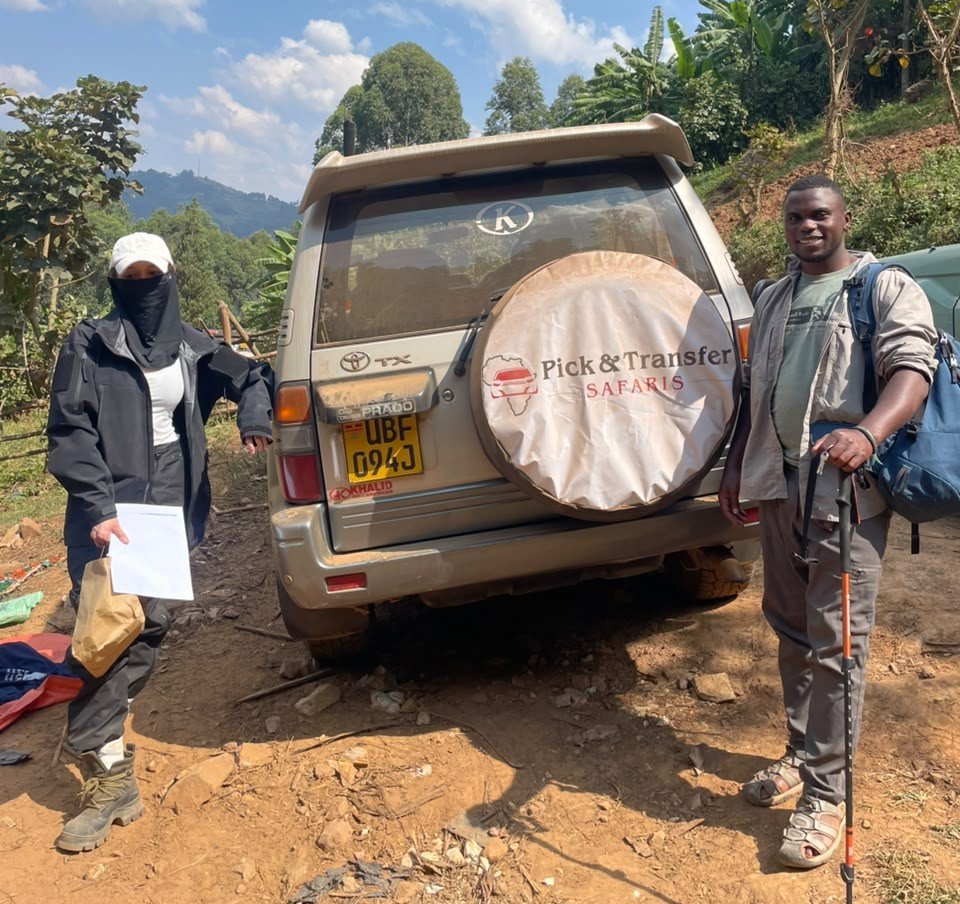
7 Days Uganda Safari – One week tour
This 7-day itinerary is the classic one-week introduction to Uganda, covering the country’s three most iconic wildlife experiences: chimpanzee tracking in Kibale Forest National Park, Big Five game drives and a boat cruise in Queen
Tour Details →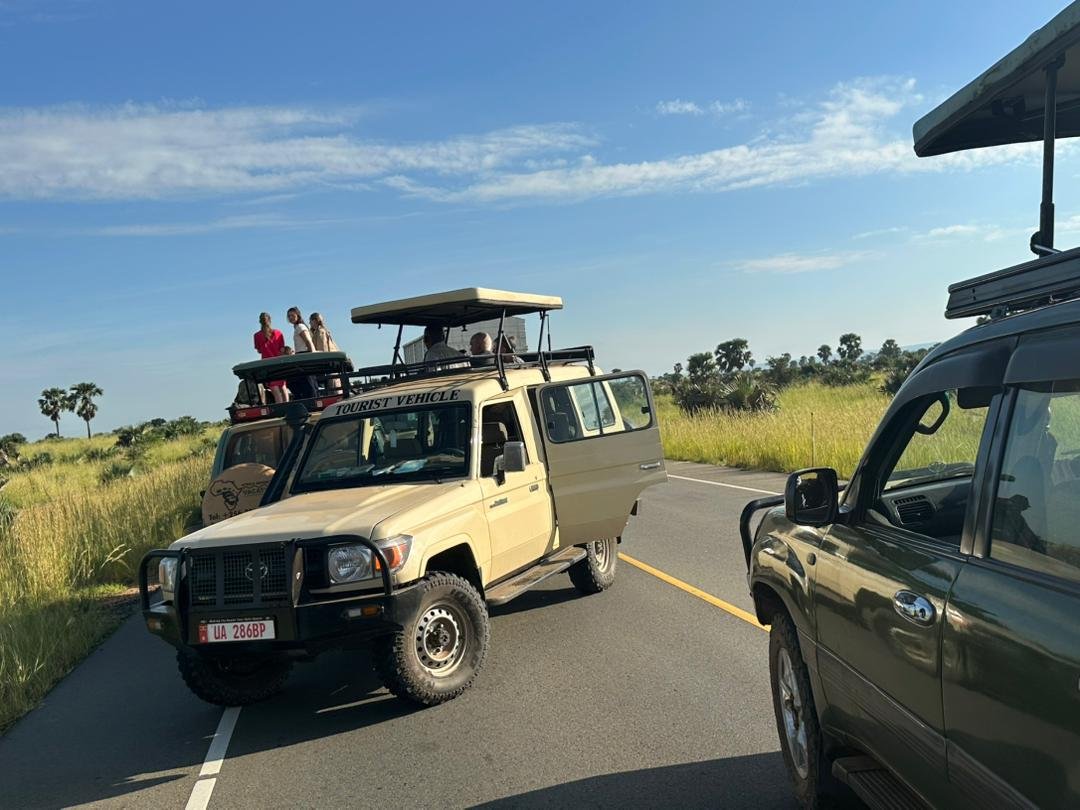
10 Days Uganda Primates and Wildlife
This 10-day Uganda Grand Safari is the most complete Uganda itinerary we offer at Pick and Transfer Safaris. It begins with a scenic northward drive from Entebbe to the vast open plains of Murchison
Tour Details →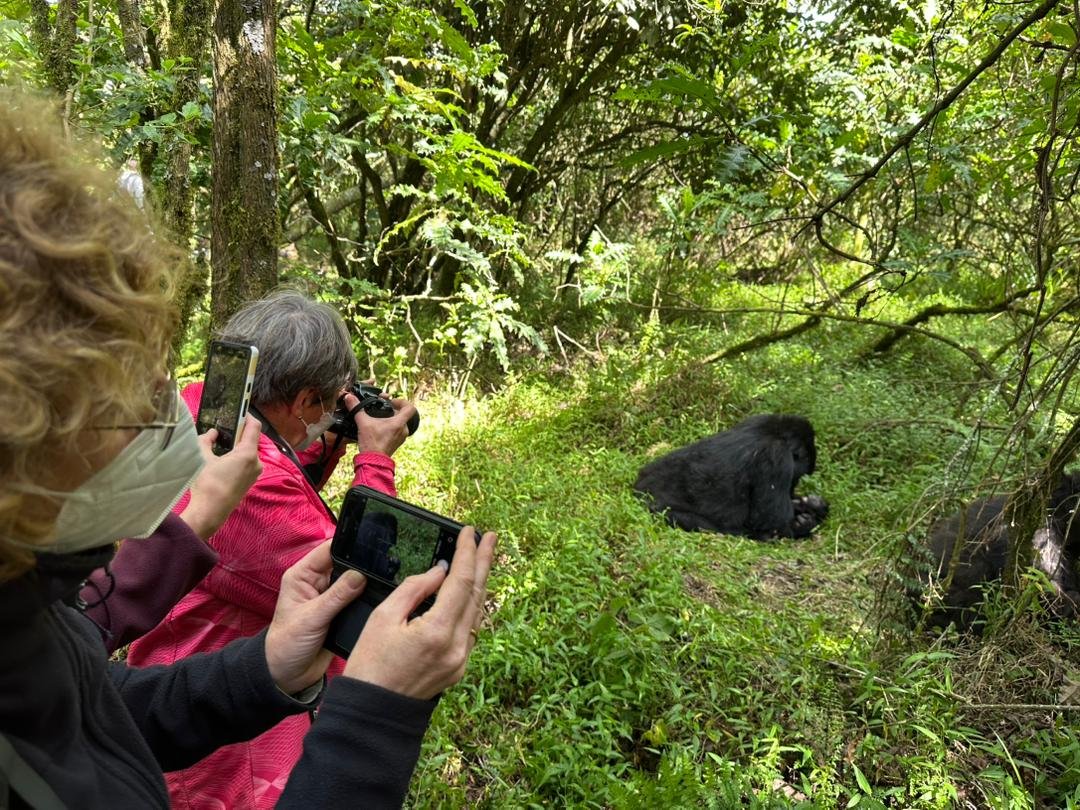
2 Days Uganda Gorilla Tour Starting from Kigali
This is the gentler cousin of our 1-Day Uganda Gorilla Safari Starting from Kigali — same idea, twice the breathing room. Instead of squeezing a 3,000-metre forest trek and two border crossings into a single very long day
Tour Details →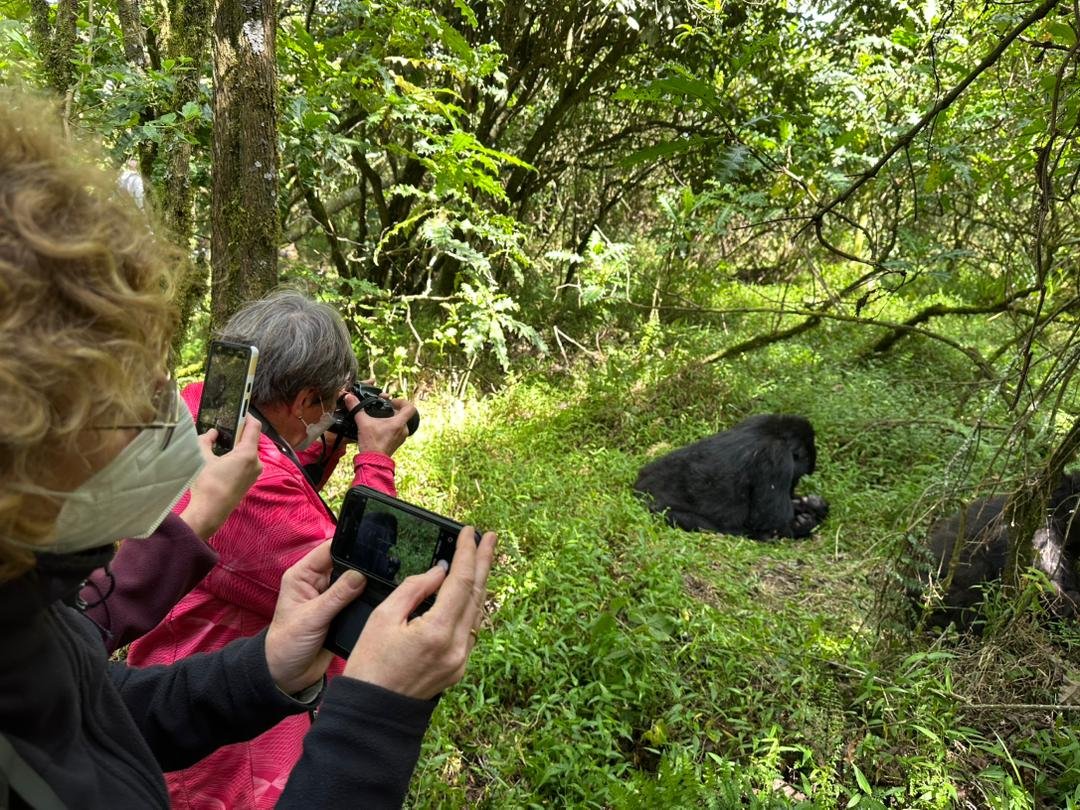
5-Day Uganda Gorilla and Chimpanzee Safari
This itinerary can be combined with a Rwanda extension or a wildlife-focused add-on through Queen Elizabeth National Park — browse our Uganda & Rwanda Safaris and Primate Safaris collections for ideas.
Tour Details →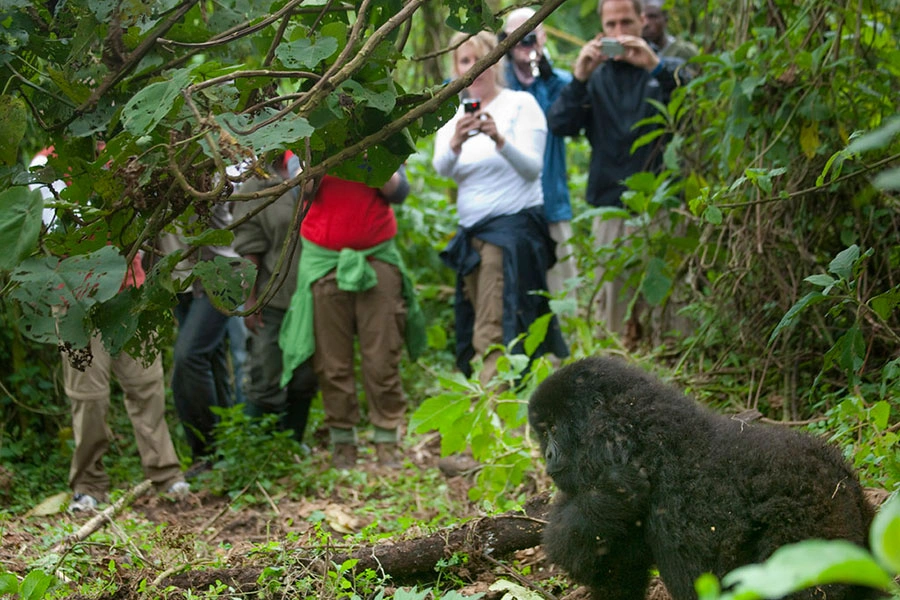
5 Days Rwanda Wildlife and Gorillas
This 5-day itinerary brings together Rwanda’s two flagship wildlife experiences: open savannah game drives and a boat safari in Akagera National Park, followed by a face-to-face encounters
Tour Details →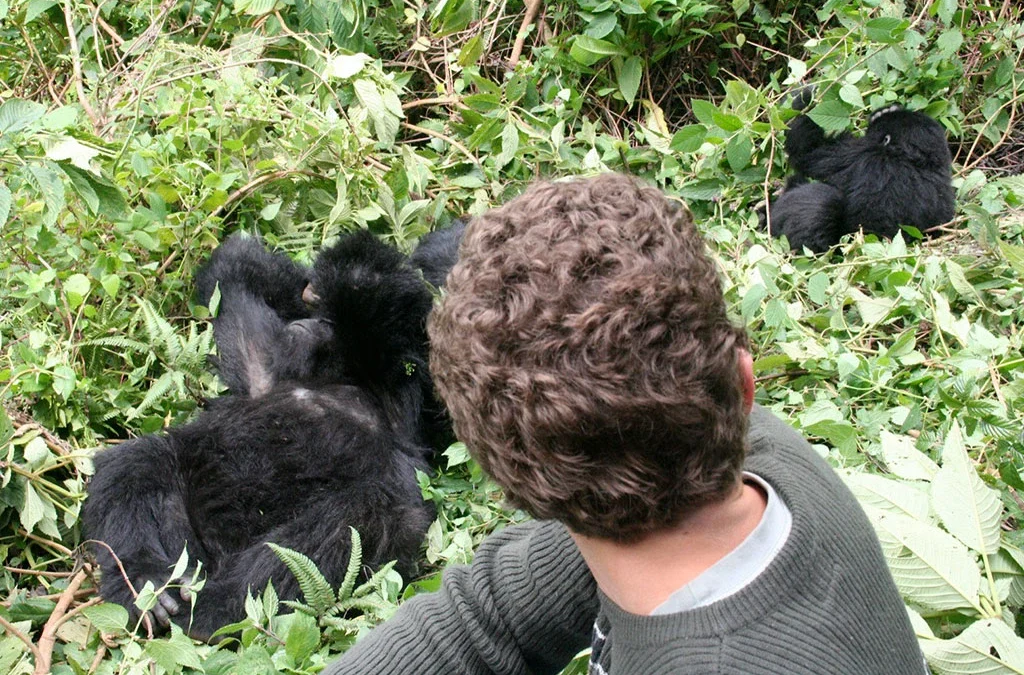
3 Days Uganda Gorilla Safari
For travelers who arrive in Entebbe with a tight schedule and a clear ambition, a 3-day gorilla safari to Bwindi Impenetrable Forest National Park is the most focused and rewarding short trip the country has to offer.
Tour Details →