- LET'S PLAN YOUR SAFARI
- +256 200 921 002
- +256 793 194 703
- info@pickandtransfersafaris.com

Safaris for Families in Uganda
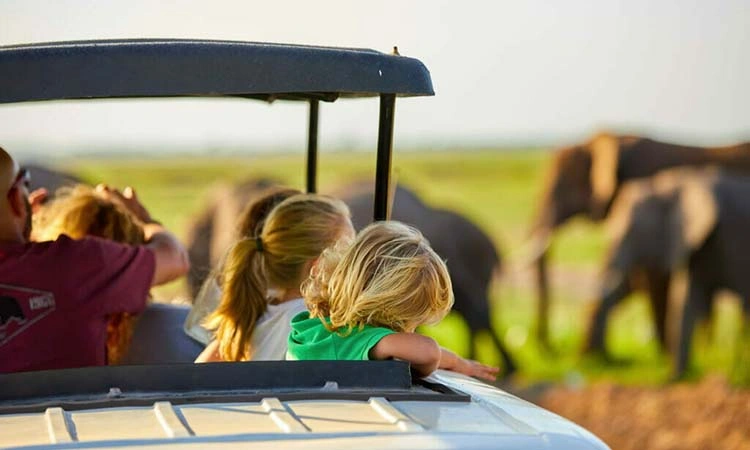
Safaris for Families in Uganda. Uganda is one of the few places on earth where a family holiday can include mountain gorillas, tree-climbing lions, thundering waterfalls, dugout canoes, and a lakeside sunset — often all within the same week. Nicknamed the “Pearl of Africa,” Uganda pairs raw, authentic wildlife encounters with a level of warmth and hospitality that puts nervous parents at ease and gives children experiences they will talk about for the rest of their lives. Unlike some safari destinations that feel scripted for tourists, Uganda still feels wild, personal, and real.
At Pick and Transfer Safaris, we plan family safaris in Uganda every month of the year, and the question we hear most often from parents is simple: is Uganda actually safe and practical for kids? The honest answer is yes — as long as the itinerary is built around the right parks, the right pace, and activities that match each child’s age. This guide walks you through exactly how to do that, park by park and activity by activity, so you can start planning a Uganda family safari with confidence.
Why Uganda Is Perfect for a Family Safari Holiday
Uganda sits at the geographic and ecological crossroads of East and Central Africa, which is why it packs savannah wildlife, tropical rainforest, and the source of the Nile into a country roughly the size of the United Kingdom. Driving distances between parks are shorter than in many neighboring countries, which matters enormously when you are traveling with children who have a limited tolerance for long transfer days.
Beyond geography, Uganda offers something that is increasingly rare on the African safari circuit: uncrowded parks. Families can watch tree-climbing lions in Queen Elizabeth National Park or cruise the Nile below Murchison Falls without fighting through a convoy of safari vehicles. That breathing room matters when you are traveling with children, because it means more time to linger at a good sighting, more flexibility to turn back early if someone needs a nap, and far less pressure to keep up with a packed group schedule.
Uganda also has the advantage of English as an official language, which removes a communication barrier many parents worry about when traveling with children abroad, and a well-established network of family-run lodges that understand the specific needs of younger travelers. Our wildlife safaris are designed with exactly this kind of unhurried, family-first pacing in mind, and our destinations page gives you an overview of every park we work in, so you can see at a glance which ones suit your family best. For general background on the country before you dive into planning, Kenlink Tours’ guide to Uganda is also a useful primary reference.
What Actually Makes a Safari “Family-Friendly”?
Not every safari activity is appropriate for every age group, and the single biggest planning mistake families make is choosing an itinerary built for adult honeymooners rather than a household with children. A genuinely family-friendly Uganda safari should include shorter game drives broken up with rest stops, accommodation with family rooms or interconnecting rooms, malaria-safe lodges at lower altitude when traveling with very young children, activities like boat cruises and nature walks that do not require strenuous hiking, and flexible guides who understand that a five-year-old’s attention span is not the same as a fifteen-year-old’s.
It should also include age-appropriate wildlife encounters. Gorilla trekking, for instance, has a strict minimum age of 15 set by the Uganda Wildlife Authority, so families traveling with younger children need alternative primate and wildlife experiences built into the itinerary rather than being turned away at the park gate. We cover exactly which activities suit which ages in the sections below.
A truly family-friendly safari operator will also ask questions before quoting a price: how old is your youngest child, does anyone have specific dietary needs, is anyone prone to motion sickness on long drives, and how many consecutive activity days can your family realistically handle before everyone needs a rest day. These details shape the whole itinerary, and a good operator will happily rework a draft plan around the answers rather than pushing a fixed package regardless of who is traveling.
The Best Time of Year for a Family Safari in Uganda
Uganda sits on the equator, so temperatures stay relatively consistent year-round, but rainfall patterns affect road conditions, trekking difficulty, and wildlife visibility. The two dry seasons — December to February and June to September — are the easiest months for families, since trails are less muddy, game drives are smoother, and there is less risk of a soaked, miserable toddler at the end of a forest walk.
That said, Uganda’s “green season” (March to May and October to November) has real advantages for families too: fewer tourists, lush scenery, lower accommodation rates, and excellent birdwatching, which can be a wonderful way to keep curious kids engaged between bigger wildlife sightings. Whichever season you choose, our team at Pick and Transfer Safaris can adjust the itinerary to avoid the muddiest trails and longest drives for younger travelers.
Entry Requirements, Visas, and Health Tips for Traveling With Kids
Most visitors to Uganda need a visa, and the East Africa Tourist Visa is worth considering if your family plans to combine Uganda with Rwanda or Kenya on the same trip, since it covers all three countries on one visa. A yellow fever vaccination certificate is a mandatory entry requirement for Uganda, and it applies to children as well as adults, so this is worth scheduling with your pediatrician well before departure.
Malaria prophylaxis is strongly recommended for the whole family, and many parents choose lodges at higher altitude — such as those near Bwindi or in the Kigezi highlands — for at least part of the trip, since the cooler climate reduces mosquito activity. Bring a well-stocked family first-aid kit, insect repellent formulated for children, and sun protection, since the equatorial sun is stronger than most visitors expect even on overcast days. Our about us page explains how our guides support families with these logistics from arrival to departure.
Queen Elizabeth National Park: A Family Favorite
Queen Elizabeth National Park is consistently the park families enjoy most, and it is easy to see why. Its open savannah is home to the famous tree-climbing lions of the Ishasha sector, along with elephants, buffalo, hippos, and more than 600 bird species. Because game drives here happen on relatively flat, open terrain, sightings tend to be easier for young eyes to spot without binoculars, which keeps children engaged rather than frustrated.
The undisputed highlight for families, though, is the Kazinga Channel boat cruise — a gentle, two-hour ride between Lake Edward and Lake George that delivers close-up views of hundreds of hippos, basking crocodiles, buffalo herds, and elephants drinking at the water’s edge, all without anyone needing to leave their seat. It is, quite simply, one of the easiest high-impact wildlife experiences in Africa for a family with young children. You can explore our Queen Elizabeth National Park destination guide or book our 3 Days Safari to Queen Elizabeth National Park, which is built around a relaxed pace suitable for children of most ages. Kenlink Tours also runs a comparable 3-Day Wildlife Encounter to Queen Elizabeth National Park if you want to compare itinerary styles before booking.
Murchison Falls National Park: Boat Cruises and Big Game for All Ages
Murchison Falls National Park, Uganda’s largest, is built around the dramatic point where the Nile River is forced through a gorge just seven meters wide before plunging 43 meters over the falls. For families, the appeal here is twofold: an exceptional launch cruise along the Nile that brings you close to hippos, crocodiles, elephants, and giraffes from the safety of a boat, and morning or afternoon game drives across the park’s northern savannah where lions, leopards, and the endangered Rothschild’s giraffe are regularly spotted.
The boat cruise to the base of the falls deserves special mention for families with younger children, since it delivers dramatic scenery and wildlife without the bumpy game-drive terrain that can tire out little ones. Older kids and teenagers who enjoy a short, moderate hike can also walk to the top of the falls for a view that genuinely takes your breath away. See our Murchison Falls National Park destination page for more detail, or book our 3 Days Safari to Murchison Falls, one of our most popular short family itineraries. Kenlink Tours’ 7-Day Amazing Gorilla and Wildlife Safari in Uganda also includes Murchison Falls if your family wants to extend the itinerary.
Kibale Forest National Park: Chimpanzee Adventures for Older Kids
Kibale Forest is best known as the primate capital of East Africa, home to the largest population of habituated chimpanzees on the continent along with eleven other primate species. Chimpanzee trekking here typically has a lower minimum age than gorilla trekking — usually around 12, though this can vary by operator and season — which makes it a fantastic middle-ground activity for families with older children and teenagers who are not quite old enough for gorilla permits but are ready for a real forest trek.
Watching a chimpanzee family forage, groom, and call to each other in the wild is an unforgettable experience for kids old enough to appreciate it, and Kibale’s trails are generally shorter and less demanding than Bwindi’s gorilla trekking routes. Visit our Kibale Forest National Park destination guide to learn more, or combine it into our 3 Days Chimpanzee Tour in Uganda. For an alternative operator’s take on the same experience, Kenlink Tours offers a 3-Day Chimpanzee Tracking Safari worth reviewing while you plan.
Lake Mburo National Park: The Safest Park for Young Children
If you are traveling with toddlers or younger children and want maximum wildlife exposure with minimum risk, Lake Mburo National Park deserves serious consideration. It is Uganda’s smallest savannah park and, crucially, one of the very few in the country where lions are absent, which makes guided walking safaris and even horseback safaris possible here in a way they simply are not in predator-dense parks like Queen Elizabeth or Murchison Falls.
Children can walk among zebras, impalas, elands, and warthogs with an armed ranger guide at a gentle pace, ask questions, and get close enough to genuinely connect with the animals rather than observing them from a distance through a vehicle window. A short boat ride on Lake Mburo itself often turns up hippos and a spectacular variety of waterbirds. Because it sits conveniently along the route between Kampala and the southwestern parks, Lake Mburo is easy to weave into a longer family itinerary without adding significant driving time — ask our team about adding it to any of our wildlife safaris.
Ziwa Rhino Sanctuary: Face-to-Face With Rhinos on Foot
Rhinos have been extinct in the wild in Uganda since the late 1980s, but the Ziwa Rhino Sanctuary — conveniently located en route to Murchison Falls — has been quietly reversing that story, growing from a handful of reintroduced animals to a thriving population today. Because the sanctuary is fenced and the rhinos are closely monitored, families can track southern white rhinos on foot with a ranger, at a walking pace gentle enough for children, and get remarkably close to these gentle giants in complete safety.
For many families, this is the single best wildlife encounter of the entire trip precisely because it is unhurried, safe, and almost guaranteed to succeed, unlike some wildlife sightings that depend on luck. It is easy to combine into any itinerary heading north to Murchison Falls, and pairs perfectly with our 3 Days Safari to Murchison Falls or longer options like our 4 Days Wildlife and Primate Safari.
Uganda Wildlife Education Centre: Perfect for Toddlers and Young Children
Not every family safari day needs to happen deep in a national park. The Uganda Wildlife Education Centre in Entebbe, often simply called the Entebbe Zoo, is a conservation-focused facility housing rescued and rehabilitated wildlife, including lions, chimpanzees, shoebill storks, and rhinos, all in a compact, easily walkable setting right on the shores of Lake Victoria. For families arriving or departing through Entebbe International Airport, it is an ideal first or last day activity — low-stress, shaded, stroller-friendly, and close to family-oriented accommodation near the airport.
It is particularly valuable for households with toddlers or children too young for national park game drives, since it delivers close, safe wildlife viewing without the long transfer times that bigger parks require. We often recommend building a morning here into the start or end of any of our extended safaris so the whole family eases into or winds down from the more intensive park days.
Bwindi and Mgahinga: Gorilla Trekking for Teens
Gorilla trekking is the experience most families associate with Uganda, and for teenagers aged 15 and up, it can be the trip’s defining memory. Bwindi Impenetrable National Park, a UNESCO World Heritage Site, is home to roughly half of the world’s remaining mountain gorillas, while neighboring Mgahinga Gorilla National Park offers a quieter, less-visited alternative with its own habituated gorilla family plus golden monkey tracking as a bonus activity.
Because the Uganda Wildlife Authority sets a strict minimum age of 15 for gorilla permits — a rule in place to protect both the gorillas’ health and trekkers’ safety on physically demanding forest terrain — families with mixed-age children often split the group, with older teens trekking while younger siblings enjoy the Batwa cultural walk or a nearby community visit instead. Explore our Bwindi Impenetrable National Park guide and Mgahinga Gorilla National Park guide, or book directly through our Gorilla Safaris collection. Kenlink Tours’ 3-Day Uganda Gorillas Safari is a comparable option worth reviewing if you are weighing different trekking itineraries for your teenager.
Chimpanzee Trekking and Habituation for the Whole Family
Beyond Kibale, chimpanzee trekking and the longer chimpanzee habituation experience are available in Kyambura Gorge within Queen Elizabeth National Park and in Budongo Forest near Murchison Falls, which means families can often combine a chimpanzee encounter into an itinerary that is already visiting those parks rather than adding an entirely separate destination. The habituation experience — where researchers and rangers spend extended time observing a chimp community that is still becoming accustomed to human presence — is a deeper, longer activity best suited to teenagers with genuine patience and interest in primatology, while standard one-hour chimpanzee tracking works well for a broader age range.
Our 5-Day Uganda Gorilla and Chimpanzee Safari is one of the most requested combinations for families wanting both primate experiences in a single, efficiently routed trip.
Boat Cruises: The Easiest Big Win With Young Children
If there is one type of activity we recommend to every family with children under ten, it is a boat cruise. Both the Kazinga Channel cruise in Queen Elizabeth National Park and the Nile launch cruise below Murchison Falls deliver concentrated, close-range wildlife sightings — hippos, crocodiles, elephants, buffalo, and waterbirds — without requiring children to sit still through hours of bumpy driving or hike on uneven forest trails. Cruises typically run for one to three hours, have shaded seating, and allow kids to move around a little, ask questions, and take photos at their own pace.
Because these cruises tend to be the highlight parents remember their children enjoying most, we build at least one into nearly every family itinerary we design, regardless of overall trip length or budget.
Cultural Encounters: Meeting Local Communities and Giving Back
A safari is about more than wildlife, and Uganda’s cultural encounters are often what turn a good family trip into a genuinely meaningful one. Around Bwindi, families can meet the Batwa people, Uganda’s original forest-dwelling community, and learn about traditional forest life through storytelling, music, and craft demonstrations that are engaging for children of nearly any age, including those too young for gorilla trekking. Near Lake Bunyonyi and across the southwest, community visits to local schools and farms offer children a grounded, respectful window into everyday Ugandan life.
We are proud to support the Kigezi Foundation, a community development initiative working in the areas our safaris pass through, and many of our family clients choose to build a visit or a small contribution into their itinerary. It is a wonderful, age-appropriate way to teach children about the places — and the people — behind the wildlife they have come to see.
Horseback Riding and Nature Walks Safe for Kids
For families who want an active break from vehicle-based game drives, Uganda offers several low-risk options built for children. Horseback safaris around Lake Mburo National Park let older children and confident younger riders move quietly alongside zebras and antelope in a park with no resident lions. Guided nature walks — available in Kibale, around Lake Bunyonyi, and near several lodges throughout the country — are typically short, flat, and paced for family groups, often layered with birdwatching or a visit to a local tea or coffee plantation.
These lower-intensity activities are especially useful for breaking up longer safaris and keeping energetic children engaged between bigger-ticket wildlife days.
Birdwatching Safaris: A Fun, Educational Activity for Curious Kids
Uganda is home to over 1,000 recorded bird species, more than almost any country in Africa, and turning birdwatching into a game — spotting the vivid African fish eagle, the prehistoric-looking shoebill stork, or a rainbow of turacos and bee-eaters — is a genuinely effective way to keep curious children engaged during quieter moments of a safari. Many lodges hand out simple spotting sheets, and guides are usually happy to turn a walk into an informal scavenger hunt for kids.
If birdwatching is a particular family interest, Kenlink Tours’ 7-Day Birdwatching Safari in Uganda is worth a look as a reference itinerary, and our guides can weave similar birding stops into any of our wildlife safaris at no extra complexity.
Choosing Family-Friendly Accommodation in Uganda
Accommodation can make or break a family safari, and Uganda’s lodges range from simple, comfortable tented camps to more polished family-oriented properties with swimming pools, interconnecting rooms, and kid-friendly menus. When booking, look specifically for family rooms or private cottages rather than standard double rooms, lodges with fenced or supervised grounds if you have very young children, swimming pools for downtime between activities, and proximity to the day’s main activity so transfer times stay short.
We work with a range of trusted partner properties, including family-friendly options through Ikoro Hotels, and our team is happy to match accommodation choices to your children’s ages and your family’s budget as part of putting together your itinerary.
Sample Itineraries for Family Safaris in Uganda
Every family is different, so we build itineraries around your children’s ages, your available time, and your interests rather than offering one fixed template. That said, a few structures work particularly well as starting points.
A short introduction of three to four days works well for families with limited time or younger children, typically centered on our 3 Days Safari to Queen Elizabeth National Park or 4 Days Wildlife and Primate Safari, combining a savannah game drive, a boat cruise, and one primate encounter.
A week-long trip, such as our 7 Days Uganda Safari, allows time to combine Queen Elizabeth, Kibale, and either Murchison Falls or Bwindi, giving families with teenagers the chance to add gorilla trekking without rushing younger siblings through the itinerary.
Families wanting the full primate experience often choose our 10 Days Uganda Primates and Wildlife safari, which comfortably fits gorilla trekking, chimpanzee tracking, and two or three savannah parks into a well-paced two-week structure. If you have more time and want to extend into Rwanda as well, our 10 Days Uganda Rwanda Safari or the more comprehensive 14-Day Uganda Wildlife and Primates Two Weeks Safari are excellent options, and our full extended safaris collection covers everything in between. Kenlink Tours’ 10-Day Uganda Adventure Safari Itinerary is a useful comparison itinerary if you would like a second reference point while planning trip length.
A Day-by-Day Look: What a 7-Day Family Safari Might Look Like
It often helps to see roughly how the pieces above fit together over a real week, so here is a simplified outline of how we might structure a seven-day family trip for a household with both younger children and a teenager.
- Day 1: Arrive at Entebbe International Airport, transfer to a nearby lodge, and spend the afternoon at the Uganda Wildlife Education Centre for an easy first taste of Ugandan wildlife.
- Day 2: Drive to Queen Elizabeth National Park with a relaxed lunch stop en route, settling into a family-friendly lodge by late afternoon.
- Day 3: Morning game drive in search of the Ishasha tree-climbing lions, followed by the Kazinga Channel boat cruise in the afternoon.
- Day 4: Transfer to Kibale Forest, with older children and teenagers joining a chimpanzee trek while younger siblings enjoy a guided nature walk or crater lake visit nearby.
- Day 5: Free morning to rest or swim, followed by a scenic drive toward Lake Mburo National Park.
- Day 6: Walking safari or horseback ride among zebras and antelope in Lake Mburo, with a short boat trip on the lake in the afternoon.
- Day 7: Relaxed morning, drive back toward Entebbe or Kampala, and departure.
This is only one example — swap in Murchison Falls, Bwindi gorilla trekking for teenagers, or Ziwa Rhino Sanctuary depending on your family’s interests and how many days you have available, and our team will rebuild the routing around whatever combination makes sense for you.
Packing List Essentials for a Family Safari
A well-packed bag makes a noticeable difference to how smoothly a family safari runs. Beyond the obvious lightweight, neutral-colored clothing and comfortable closed shoes, families should pack child-strength insect repellent and sunscreen, a compact first-aid kit with any regular children’s medication, a reusable water bottle per child, binoculars sized for smaller hands if possible, a light rain jacket even in dry season, and a few familiar snacks and quiet activities for longer drive days.
For families heading into higher-altitude areas like Bwindi or Mgahinga, pack a warm layer for cool mornings and evenings, since temperatures there can be noticeably cooler than in the lowland savannah parks.
Safety Tips for Traveling With Children on Safari
Uganda’s national parks are generally very safe for families when a few sensible precautions are followed. Always stay inside the vehicle during game drives unless a ranger explicitly permits you to disembark, keep children close and quiet during any walking activity, follow every guide’s instructions immediately and without argument, and never allow children to feed or approach wildlife, no matter how calm an animal appears.
Choosing an experienced local operator matters enormously here. Our guides at Pick and Transfer Safaris are trained specifically in managing family groups, adjusting pace for children, and reading situations that require extra caution, which is the single biggest safety factor in how a family safari actually unfolds day to day.
It is also worth traveling with a printed copy of each child’s travel documents and any essential medical information, agreeing on a simple check-in system if older kids are allowed to wander a lodge’s grounds independently, and packing a basic communication plan in case your group ever splits between a gorilla trek and a lodge-based activity for younger children on the same day. None of this needs to feel overly cautious in practice — Uganda’s guides and lodge staff are used to hosting families and are generally very attentive — but having a plan in place lets parents relax and actually enjoy the trip rather than managing low-level anxiety the whole way through.
Budgeting for a Family Safari in Uganda
Uganda is generally more affordable than several other classic safari destinations, particularly outside of gorilla permits, which are priced separately by the Uganda Wildlife Authority regardless of operator. Families can manage costs by choosing mid-range lodges over premium properties, traveling in the shoulder or green season, grouping park entry fees efficiently across a well-planned route, and considering self-drive or shared-vehicle options where appropriate — our partners at Self Drive Safaris Uganda and Kenlink Tours’ Car Hire service are both worth exploring for families comfortable driving themselves between parks.
Because children under a certain age are often eligible for reduced park entry fees and some accommodation discounts, it is always worth asking your operator to check current family rates when building your quote rather than assuming standard adult pricing applies across the board.
It also helps to think in terms of total trip value rather than the headline daily rate. A slightly more expensive itinerary that cuts an unnecessary long transfer day, includes a boat cruise your children will remember for years, or books a lodge with a pool for the hottest part of the afternoon often delivers far more genuine value than the cheapest possible quote. When we build a family quote, we break down exactly what is included — park fees, activities, accommodation, meals, and ground transport — so parents can see precisely where the budget is going and adjust individual pieces rather than negotiating blind.
Combining Uganda With Rwanda for an Extended Family Adventure
Families with more time often choose to combine Uganda with neighboring Rwanda, which is only a short drive or flight away and offers its own gorilla trekking, the Big Five safari experience at Akagera National Park, and the polished, walkable capital of Kigali. This kind of combination trip works particularly well for families with teenagers who want two gorilla trekking opportunities across the trip, or households simply wanting more variety without excessive additional travel time.
Our 7 Days Uganda Rwanda Safari Adventure and longer 15 Days Rwanda Uganda Safari are both built with exactly this kind of cross-border family itinerary in mind, and Kenlink Tours’ Uganda Rwanda Gorilla Safaris page offers a helpful comparative overview if you are still deciding on trip length and structure. Kenlink Tours’ Uganda Rwanda Connecting Safaris guide is also worth reading for the practicalities of crossing the border with children.
Why Book Your Family Safari With Pick and Transfer Safaris
Planning a family safari involves dozens of small decisions — which parks suit which ages, which lodges have family rooms, how to pace driving days, and where to build in rest time — and getting these details right is what separates a smooth, memorable trip from an exhausting one. Our team at Pick and Transfer Safaris has built family itineraries across Uganda and Rwanda for years, and we tailor every safari around the actual ages and interests of the children traveling rather than offering a one-size-fits-all package.
You can browse our complete range of wildlife safaris, gorilla safaris, and our full safaris collection to get a feel for what is possible, then reach out through our contact page so we can start building an itinerary around your family’s specific needs, from toddlers to teenagers.
Frequently Asked Questions About Family Safaris in Uganda
Is Uganda safe for a family safari with young children? Yes. Uganda’s national parks are well managed, and choosing an experienced local operator, appropriate parks, and age-matched activities makes the country very manageable for families with children of nearly any age.
What is the minimum age for gorilla trekking in Uganda? The Uganda Wildlife Authority sets a strict minimum age of 15 for gorilla trekking permits, both for the gorillas’ wellbeing and trekkers’ safety on demanding forest terrain.
Which Uganda national park is best for very young children? Lake Mburo National Park, thanks to its lack of resident lions and gentle walking and horseback safaris, along with the Uganda Wildlife Education Centre in Entebbe, are generally the easiest options for toddlers and young children.
How many days do we need for a family safari in Uganda? A short four-day trip can cover one or two parks well, while a week to ten days allows for a fuller mix of savannah wildlife, primates, and boat cruises without excessive daily driving. Kenlink Tours’ Uganda Safaris page and our own our safaris listing both offer useful reference points for typical trip lengths.
Do we need a yellow fever vaccination for children traveling to Uganda? Yes, a yellow fever vaccination certificate is a mandatory entry requirement for all travelers, including children, so this should be arranged well ahead of your departure date.
Can we split the family so some trek gorillas while others do a different activity? Yes, and this is extremely common. While older teenagers head into Bwindi or Mgahinga for gorilla trekking, younger children and any accompanying adult can enjoy a Batwa cultural walk, a nearby nature trail, or simply relax at the lodge, and the group reunites for lunch or dinner.
Is it better to book a private family safari or join a scheduled group tour? A private itinerary gives you full control over pace, activity choices, and daily start times, which is usually the more comfortable option for families with young children or mixed age ranges. Scheduled group departures can work well for families with older, more independent teenagers who enjoy meeting other travelers, and both Pick and Transfer Safaris and Kenlink Tours’ Group Tours offer options depending on which style suits your family.
Conclusion: Start Planning Your Uganda Family Safari Today
Uganda offers something genuinely rare among safari destinations: a country compact enough to cover efficiently, wild enough to feel authentic, and flexible enough to match almost any family’s age range, budget, and pace. Whether your children are toddlers ready for a gentle boat cruise and a morning at the Entebbe zoo, or teenagers old enough for the life-changing experience of gorilla trekking in Bwindi, Uganda has a version of this trip built for your family.
Reach out to our team through our contact page or explore Kenlink Tours’ Uganda Safari Bookings page for additional route ideas, and let’s start building a Uganda family safari your children will remember for the rest of their lives.
7 Days Uganda Safari – One week tour
This 7-day itinerary is the classic one-week introduction to Uganda, covering the country’s three most iconic wildlife experiences: chimpanzee tracking in Kibale Forest National Park, Big Five game drives and a boat cruise in Queen
Tour Details →
10 Days Uganda Primates and Wildlife
This 10-day Uganda Grand Safari is the most complete Uganda itinerary we offer at Pick and Transfer Safaris. It begins with a scenic northward drive from Entebbe to the vast open plains of Murchison
Tour Details →
2 Days Uganda Gorilla Tour Starting from Kigali
This is the gentler cousin of our 1-Day Uganda Gorilla Safari Starting from Kigali — same idea, twice the breathing room. Instead of squeezing a 3,000-metre forest trek and two border crossings into a single very long day
Tour Details →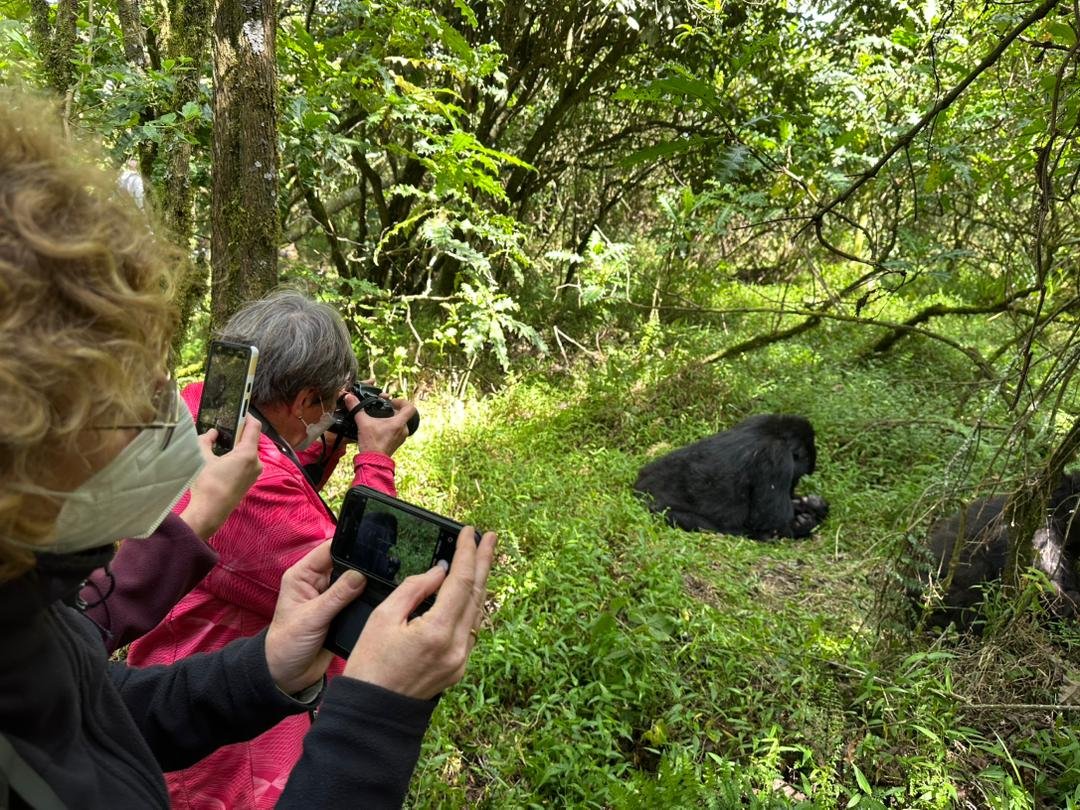
5-Day Uganda Gorilla and Chimpanzee Safari
This itinerary can be combined with a Rwanda extension or a wildlife-focused add-on through Queen Elizabeth National Park — browse our Uganda & Rwanda Safaris and Primate Safaris collections for ideas.
Tour Details →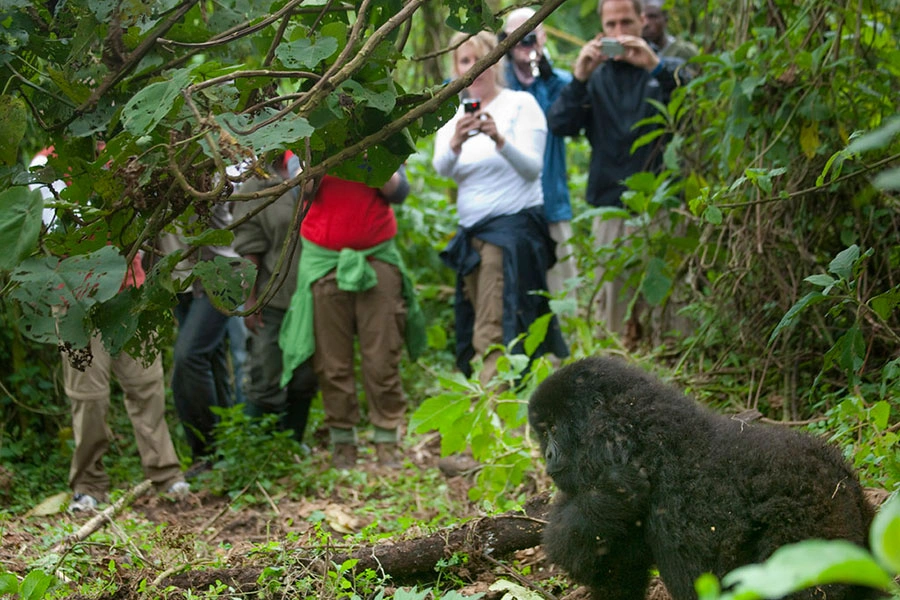
5 Days Rwanda Wildlife and Gorillas
This 5-day itinerary brings together Rwanda’s two flagship wildlife experiences: open savannah game drives and a boat safari in Akagera National Park, followed by a face-to-face encounters
Tour Details →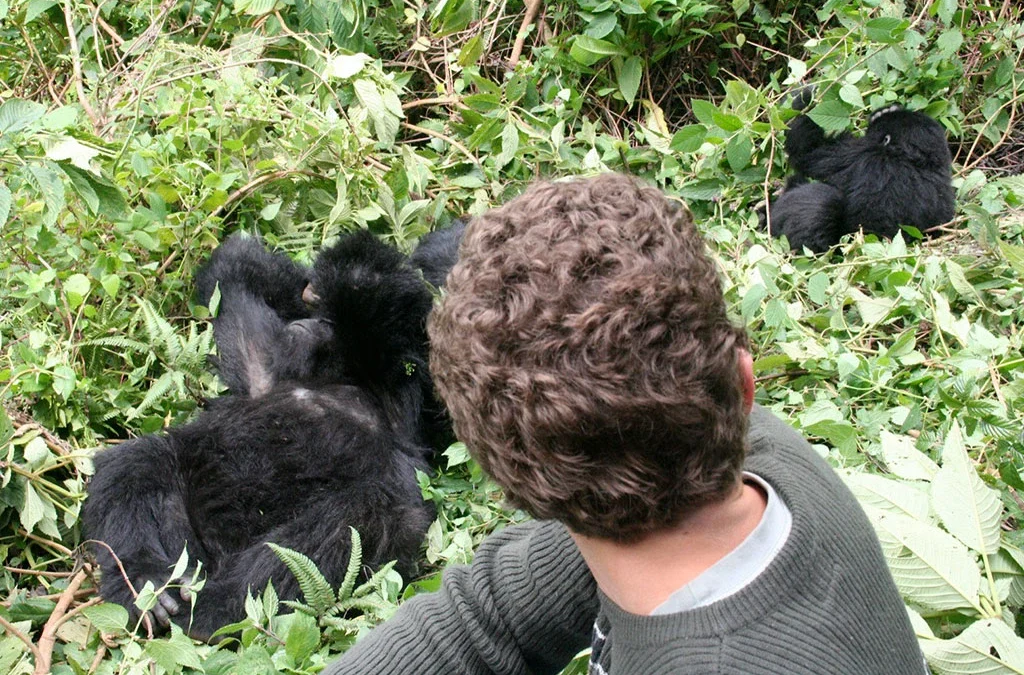
3 Days Uganda Gorilla Safari
For travelers who arrive in Entebbe with a tight schedule and a clear ambition, a 3-day gorilla safari to Bwindi Impenetrable Forest National Park is the most focused and rewarding short trip the country has to offer.
Tour Details →