- LET'S PLAN YOUR SAFARI
- +256 200 921 002
- +256 793 194 703
- info@pickandtransfersafaris.com

Murchison Falls Kibale and Bwindi Safari
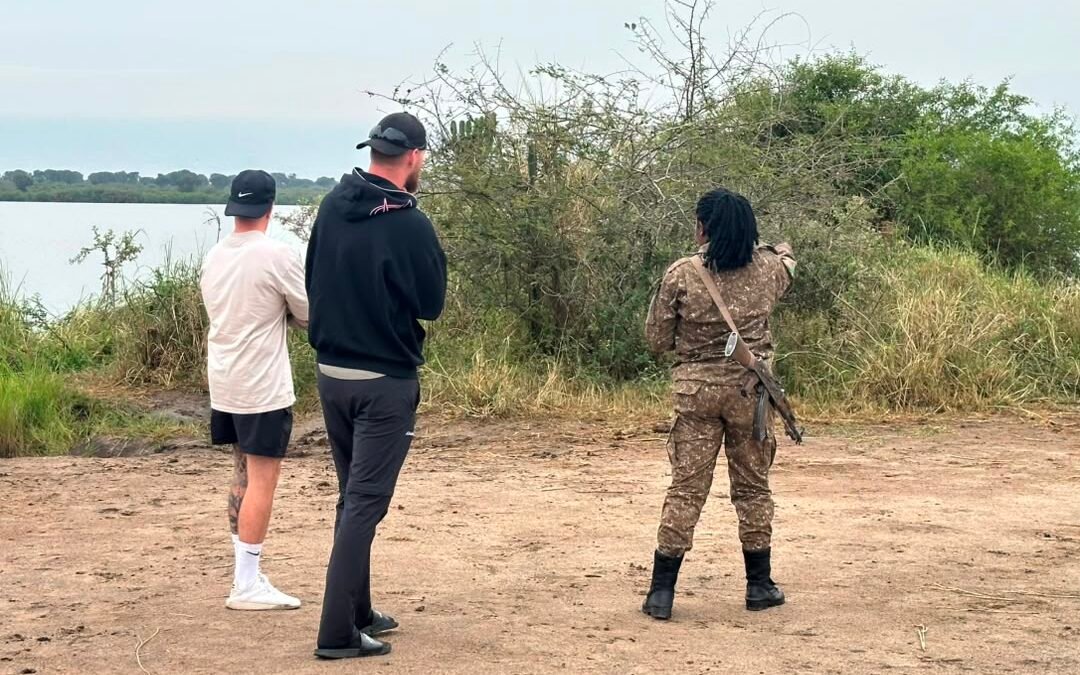
Murchison Falls Kibale and Bwindi Safari. If you only ever do one safari circuit in Uganda, this is the one seasoned guides will point you to. Linking Murchison Falls National Park, Kibale Forest National Park, and Bwindi Impenetrable National Park into a single trip gives you the three experiences that define a Uganda safari: thundering waterfalls and big game along the Nile, the highest concentration of chimpanzees in East Africa, and face-to-face encounters with mountain gorillas in an ancient rainforest. Few countries let you pack this much genuine variety into one route without spending your entire trip in transit.
At Pick and Transfer Safaris, this exact combination is one of our most requested itineraries, and for good reason — it is efficiently routed, realistic on time, and delivers the “big three” wildlife experiences travelers fly to Uganda for. This guide walks through each park, how they connect, how long you need, what it costs, and how to plan the logistics so the trip runs smoothly from the moment you land at Entebbe.
We have written this guide the way we would actually brief a client sitting across the table from us — park by park, with honest notes on travel time, difficulty, and what each stop genuinely adds to the trip, rather than a generic list of highlights copied from a brochure. By the end, you should have a clear sense of how long you need, roughly what it will cost, and which version of this route fits your travel dates best.
Why This Route Is Uganda’s Most Complete Safari Circuit
Uganda has ten national parks, but if you ask any experienced operator which three best represent the country’s wildlife diversity in the shortest possible loop, the answer is almost always Murchison Falls, Kibale Forest, and Bwindi Impenetrable. Together they cover every major habitat type Uganda has to offer — the open savannah and riverine woodland of the north, the mid-altitude tropical rainforest of the Rift Valley floor, and the high-altitude montane forest along the Albertine Rift.
That habitat range translates directly into wildlife range. Murchison Falls delivers lions, elephants, giraffes, and the dramatic spectacle of the Nile forcing itself through a seven-meter gorge. Kibale delivers habituated chimpanzees and a dozen other primate species in dense, walkable forest. Bwindi delivers mountain gorillas, one of only two places on the planet where they survive in the wild. No single park gives you all three, which is exactly why this specific route has become the backbone itinerary for Uganda’s most experienced tour operators, including our own wildlife safaris and gorilla safaris collections.
There is also a practical planning argument for this exact combination. Because the three parks sit in a rough line running north to south through western Uganda, you can visit all of them on one continuous overland loop without ever doubling back on yourself. That is not true of every popular Uganda combination — some itineraries you will see advertised elsewhere involve considerable backtracking to fit in an extra park, which quietly eats a full day of driving that could otherwise be spent on an activity.
Overview: What This Safari Combines
In practical terms, a Murchison Falls, Kibale, and Bwindi safari typically runs seven to ten days, moves roughly north to south (or the reverse) across western Uganda, and includes a mix of game drives, a Nile boat cruise, chimpanzee tracking, and mountain gorilla trekking, usually with Queen Elizabeth National Park slotted in as a natural stop between Kibale and Bwindi. It is a road-based safari by design, since the overland drives themselves pass through some of Uganda’s most scenic countryside, including the Rift Valley escarpment and the Fort Portal crater lakes region.
Our 10 Days Uganda Primates and Wildlife itinerary is built around precisely this route and is, in our experience, the single best-balanced way to see all three parks without feeling rushed. For a shorter comparison itinerary covering the same three destinations, Kenlink Tours’ 8-Day Uganda Gorilla Chimpanzee & Wildlife Safari is worth reviewing as you weigh trip length against your available time.
Murchison Falls National Park: Power, the Nile, and the Big Game
Murchison Falls is Uganda’s largest national park and its most dramatic natural landmark. The entire volume of the Victoria Nile is squeezed through a gap just seven meters wide before plunging 43 meters into the gorge below, generating a spray and roar that photographs simply cannot capture. Most itineraries approach the park via Ziwa Rhino Sanctuary, where you can track southern white rhinos on foot — a worthwhile stop given that rhinos have been extinct in the Ugandan wild since the late 1980s and this sanctuary is quietly reintroducing them.
Inside the park, a launch cruise along the Nile is the centerpiece activity, bringing you close to hippos, Nile crocodiles, elephants, and buffalo drinking at the water’s edge, with the option to continue to the base of the falls themselves for an up-close view of the cascade. A separate hike to the top of the falls delivers a completely different, equally spectacular perspective. Game drives across the park’s northern savannah round out the visit, with strong chances of lion, giraffe, and the endangered Rothschild’s giraffe, a subspecies now found in only a handful of protected areas. Explore our Murchison Falls National Park destination guide or book our standalone 3 Days Safari to Murchison Falls if you want to visit this park on its own before or after the wider circuit.
Kibale Forest National Park: Primate Capital of Africa
From Murchison Falls, the route heads south through the Rift Valley toward Kibale Forest, widely regarded as the primate capital of East Africa. Kibale protects the largest population of habituated chimpanzees on the continent, alongside eleven other primate species including the red colobus, L’Hoest’s monkey, and the elusive nocturnal potto. Chimpanzee tracking here typically takes place in the early morning, when family groups are most active and vocal, and sightings are considered among the most reliable in Africa.
For travelers with extra time and a deeper interest in primate behavior, the chimpanzee habituation experience allows you to spend several hours with researchers and rangers as they work to acclimate a wild community to human presence — a far longer, more immersive encounter than standard tracking. Just outside the park, the Bigodi Wetland Sanctuary offers an excellent guided walk for spotting the rare great blue turaco and a wide range of forest birds without the physical demands of a deep forest trek. Learn more on our Kibale Forest National Park destination page, or book chimpanzee tracking directly through our 3 Days Chimpanzee Tour in Uganda. Kenlink Tours’ 3-Day Chimpanzee Tracking Safari is a useful comparison itinerary if you are deciding how much standalone time to give this park.
Bwindi Impenetrable National Park: Mountain Gorilla Trekking
The final leg of the circuit — and for most travelers, the emotional highlight — is Bwindi Impenetrable National Park, a UNESCO World Heritage Site and home to roughly half of the world’s remaining mountain gorillas. Bwindi is divided into four trekking sectors — Buhoma, Ruhija, Rushaga, and Nkuringo — each with its own habituated gorilla families and slightly different terrain, and your operator will assign a sector based on where you are staying and which families are being tracked that day.
Trekking itself can take anywhere from thirty minutes to several hours of hiking through dense, often steep forest before you reach a gorilla family, followed by a strictly limited hour in their presence. The Uganda Wildlife Authority sets a minimum age of 15 for trekking permits, and permits are limited and should be booked well in advance of your travel dates, particularly for the June-to-September and December-to-February peak seasons. Bwindi also offers a longer gorilla habituation experience for trekkers wanting extended time with a family still becoming accustomed to human visitors, and a Batwa cultural walk that offers insight into the forest-dwelling community displaced when Bwindi was gazetted as a protected area. See our full Bwindi Impenetrable National Park destination guide, browse our complete gorilla safaris collection, or compare against Kenlink Tours’ 3-Day Uganda Gorillas Safari for an alternative standalone gorilla itinerary.
How to Link the Three Parks: Route and Logistics
The overland route between these three parks runs Murchison Falls to Kibale Forest (roughly four to five hours by road through Hoima and the Rift Valley escarpment), Kibale to Bwindi (typically split across a day via Queen Elizabeth National Park, six to eight hours total including a game drive en route), and Bwindi back to Entebbe or Kigali for departure (roughly eight to nine hours, or a short domestic flight for travelers short on time).
Most operators route the trip this way specifically because it avoids backtracking — you move steadily south and west across the country rather than criss-crossing it — and because it lets you fold in a stop at Queen Elizabeth National Park’s Kazinga Channel and Ishasha sector (famous for its tree-climbing lions) without adding a dedicated extra day. Domestic flights between Murchison Falls, Kihihi (near Bwindi), and Entebbe are available for travelers who prefer to minimize driving time, and we can build either a fully road-based or a road-and-air hybrid itinerary depending on your schedule and budget.
Best Time of Year to Do This Circuit
Uganda’s two dry seasons — December to February and June to September — are the easiest windows for this route, since forest trails in Kibale and Bwindi are less muddy and the roads connecting the three parks are in better condition. Gorilla and chimpanzee permits also sell out fastest during these peak months, so booking several months ahead is strongly advised if you are traveling in July, August, or over the December holidays.
The green seasons (March to May and October to November) bring lower rates, thinner crowds, and lush scenery, and while forest trekking can be muddier, sightings are not meaningfully affected, since gorillas and chimpanzees do not migrate with the rains. Many experienced travelers actually prefer these quieter months for exactly that reason.
Recommended Itinerary Lengths for This Route
How long you need depends on how much time you want in each park and whether you add Queen Elizabeth as a full stop rather than a pass-through. As a rough guide, seven days is the minimum realistic length if you want unhurried time in all three parks, best matched to our 7 Days Uganda Safari, though note that our standard seven-day route focuses on Kibale, Queen Elizabeth, and Bwindi — ask our team to swap in Murchison Falls if all three of your named parks are a must.
Eight to ten days, matching our 10 Days Uganda Primates and Wildlife itinerary, is genuinely the sweet spot for this specific circuit, giving each park two full days without excessive driving. Travelers with two weeks available often extend into our 14-Day Uganda Wildlife and Primates Two Weeks Safari, which adds extra primate and birding time, or our 18 Days Uganda Birding and Wildlife Safari for serious birders wanting to combine this circuit with Uganda’s best birding sites. On the Kenlink Tours side, the 20-Day Wildlife and Nature Experience in Uganda and 25-Day Wildlife Gorilla Chimps Uganda Adventure are useful reference itineraries if you are considering an extended, unhurried version of this trip.
A Sample 10-Day Itinerary Across the Three Parks
To make the planning concrete, here is roughly how a well-paced ten-day version of this route unfolds.
- Days 1–2: Fly into Entebbe, transfer north via Ziwa Rhino Sanctuary to Murchison Falls National Park, with a Nile launch cruise and a game drive across the northern savannah.
- Day 3: Morning hike to the top of the falls, then drive south to Kibale Forest, arriving by evening.
- Day 4: Morning chimpanzee tracking in Kibale, afternoon walk at the Bigodi Wetland Sanctuary.
- Day 5: Drive to Queen Elizabeth National Park via the scenic Fort Portal crater lakes, afternoon Kazinga Channel boat cruise.
- Day 6: Morning game drive, drive through the Ishasha sector in search of tree-climbing lions en route to Bwindi.
- Day 7: Full day for mountain gorilla trekking in Bwindi.
- Day 8: Optional second gorilla trek, Batwa cultural walk, or a rest day at your lodge.
- Days 9–10: Scenic drive back toward Entebbe (or via Lake Mburo National Park for a final wildlife stop) and departure.
This structure is the backbone of our own 10 Days Uganda Primates and Wildlife itinerary, and every detail can be adjusted around your dates, fitness level, and interests.
What to Expect Each Day: The Pace and Rhythm of the Trip
It helps to know what an average day actually feels like on this circuit, since it varies quite a bit park to park. Days in Murchison Falls tend to start early for the best game-viewing light, with a mid-morning or afternoon boat cruise breaking up the driving, and evenings free to relax at your lodge overlooking the Nile. Travel days between parks are genuinely part of the experience rather than dead time — the drive south from Murchison to Kibale passes through changing scenery and small trading towns, and most guides are happy to stop for photos or a coffee break along the way.
Kibale days are built around an early chimpanzee tracking briefing, typically before 8am, followed by a few hours in the forest and a free afternoon that many travelers use for the Bigodi Wetland walk or simply resting before the next transfer. Bwindi is the most tightly scheduled of the three, since gorilla trekking briefings happen at a fixed time each morning and the day’s plan depends entirely on where your assigned gorilla family is located that day — treks can run anywhere from a couple of hours to most of the day, so we generally keep the rest of a Bwindi day unstructured to absorb that uncertainty.
Knowing this rhythm in advance helps set realistic expectations, particularly for travelers used to itineraries with a fixed activity every hour. This trip rewards a bit of flexibility, and the pay-off is three of Uganda’s best wildlife experiences delivered without feeling rushed.
Permits and Booking: What You Need to Reserve in Advance
Unlike most game drives and boat cruises, which can often be arranged with relatively short notice, gorilla and chimpanzee permits are issued by the Uganda Wildlife Authority in limited daily numbers and should be secured well before you travel — ideally four to six months ahead for peak season dates, and at least two to three months ahead even in quieter periods. Permit prices are set independently of any tour operator, so they will be identical whether you book through us or elsewhere; what differs between operators is how well the rest of the itinerary, transport, and guiding is put together around those fixed trekking dates.
Because this three-park route depends on hitting the right sector and date for your gorilla permit, we always recommend confirming permit availability before finalizing flight bookings. Reach out through our contact page and we will check current availability and build the rest of the route around whatever dates we can secure, or browse Kenlink Tours’ Uganda Safari Bookings page for a second reference point on the booking process.
Wildlife You Can Expect to See
Across this circuit, the wildlife checklist is genuinely exceptional for a single trip. Murchison Falls typically delivers lions, elephants, buffalo, Rothschild’s giraffe, hippos, and Nile crocodiles, along with a real chance of leopard on night drives where available. Kibale is almost entirely primate-focused, with chimpanzees as the headline species alongside red colobus, black-and-white colobus, grey-cheeked mangabeys, and olive baboons. Bwindi’s undisputed star is the mountain gorilla, though the forest also holds forest elephants, several duiker species, and, for the very fortunate, the rare L’Hoest’s monkey moving through the undergrowth.
Layer in the Ishasha sector’s famous tree-climbing lions if you route through Queen Elizabeth National Park between Kibale and Bwindi, and this single trip realistically covers a wider range of Uganda’s signature species than almost any other itinerary combination in the country.
It is worth setting realistic expectations around sightings, though, since a genuine wildlife trip is not a zoo. Gorilla and chimpanzee encounters are trekked to and are extremely reliable given the skill of Uganda’s ranger-guides and daily tracking teams, but savannah game drives in Murchison Falls, like anywhere in Africa, involve an element of chance. Good guides, early starts, and patience all improve your odds considerably, and this is exactly the kind of local knowledge an experienced operator brings to the itinerary.
Birdwatching Highlights Along the Route
Uganda’s status as a top African birding destination is on full display along this route. Murchison Falls offers a strong chance of the prehistoric-looking shoebill stork in the delta area, along with African fish eagles and goliath herons along the Nile. Kibale and the Bigodi Wetland Sanctuary are excellent for forest species, including the great blue turaco and various hornbills, while Bwindi’s high-altitude forest holds Albertine Rift endemics found almost nowhere else on the continent.
If birding is a priority rather than a bonus, Kenlink Tours’ 7-Day Birdwatching Safari in Uganda is a useful reference itinerary, and our guides are happy to slow the pace and add dedicated birding stops to any version of this three-park route.
Accommodation Options Along the Circuit
Accommodation standards vary noticeably between these parks, and it is worth setting expectations accordingly. Murchison Falls has a strong range from comfortable mid-range lodges to more exclusive riverside camps overlooking the Nile. Kibale’s lodges tend to be smaller and forest-set, reflecting the park’s more intimate scale. Bwindi’s accommodation has expanded significantly in recent years, ranging from simple, comfortable guesthouses to high-end lodges perched on the forest edge with sweeping valley views.
We select properties along this route based on genuine comfort and location relative to each day’s activity rather than star ratings alone, since a well-placed mid-range lodge often delivers a better overall experience than a luxury property with a long transfer to the trailhead. For families or larger groups, we also prioritize lodges with interconnecting or multi-room units over standard doubles, since this three-park route often involves early departures and it helps enormously to have everyone under one roof rather than scattered across a property.
Packing List for This Specific Safari
Because this route crosses three quite different environments, packing well matters more here than on a single-park trip. For Murchison Falls, pack lightweight, neutral-colored clothing, a hat, and strong sun protection, since the northern savannah offers little shade during game drives. For Kibale and Bwindi’s forest environments, pack sturdy, broken-in hiking boots with good ankle support, gardening-style gloves for pushing through vegetation on steeper Bwindi trails, and a light long-sleeved layer to protect against nettles and insects even in warm weather.
Across all three parks, a good rain jacket is essential regardless of season, since forest weather is unpredictable even in the dry months, and a dry bag or waterproof cover for your camera and binoculars is genuinely worth the small extra weight. Bring more cash in small denominations than you think you will need for porter tips in Bwindi and Kibale, since porters are typically paid directly and in local currency, and pack any personal medication in your carry-on rather than checked luggage given the number of internal transfers on this route.
If you are flying between any of the parks, pack light and check your baggage allowance carefully, since small charter aircraft used on domestic Uganda routes typically enforce stricter weight limits than international flights, often around 15 kilograms including hand luggage. Soft-sided duffel bags are strongly preferred over rigid suitcases for these flights, and most lodges can store any excess luggage securely if you are doing a same-route return.
Combining With Queen Elizabeth National Park
Because Queen Elizabeth National Park sits almost directly on the road between Kibale and Bwindi, the vast majority of well-designed itineraries covering these three parks fold in at least a half-day stop here, and most add a full day. The Kazinga Channel boat cruise — one of the most reliable, high-density wildlife-viewing experiences in Uganda — and the Ishasha sector’s tree-climbing lions make this an easy, high-value addition rather than a detour. You can review the park in detail on our Queen Elizabeth National Park destination page, or book it as a standalone trip through our 3 Days Safari to Queen Elizabeth National Park if you would rather visit separately. Kenlink Tours’ 3-Day Wildlife Encounter to Queen Elizabeth National Park offers a comparable standalone option.
Extending Into Rwanda for a Longer Trip
Travelers with additional time sometimes extend this route into Rwanda, either to add a second gorilla trekking opportunity through a different national park or to combine it with Rwanda’s Big Five safari experience at Akagera National Park and a visit to Kigali. Our gorilla safaris and extended safaris collections both include cross-border options built around exactly this kind of extension, and Kenlink Tours’ 10-Day Gorilla Trekking and Great Migration Safari is a helpful reference if you are considering how a Rwanda extension might reshape your overall route and timing.
Budget Considerations for This Safari
The largest single cost on this route is almost always the gorilla trekking permit, followed by chimpanzee permits and park entry fees, all of which are fixed by the relevant wildlife authority regardless of which operator you book through. Beyond permits, your main controllable costs are accommodation tier, whether you travel by road or add domestic flights, and vehicle choice for longer game drive days.
Because this itinerary already efficiently combines three parks into one loop, it tends to deliver strong value per day compared with booking three separate shorter trips, since you avoid duplicating entry logistics, airport transfers, and guide changeovers. Our team can also arrange vehicle hire directly if you prefer a self-drive component for part of the trip — Kenlink Tours’ Car Hire service is a useful option worth comparing for travelers weighing a self-drive versus fully guided approach.
As a general planning rule, it is sensible to budget more generously for gorilla trekking dates than for the rest of the trip, since last-minute permit changes or sector reassignments can occasionally shift accommodation costs around Bwindi. Building a small contingency into your overall budget, rather than pricing the trip to the exact dollar, tends to make the booking process considerably less stressful for everyone involved.
Physical Fitness and Difficulty Level
This is a moderately active itinerary rather than an extreme one, but it is worth being honest about the physical demands. Murchison Falls involves easy walking and a boat cruise, well suited to almost any fitness level. Kibale’s chimpanzee tracking involves forest walking on established trails, typically manageable for most reasonably active travelers. Bwindi’s gorilla trekking is the most physically demanding element, involving steep, sometimes muddy terrain at elevation, with trek duration entirely dependent on where the gorilla family happens to be that day — porters are available and genuinely worth hiring, regardless of your fitness level, both for the practical help and because it supports local livelihoods around the park.
If mobility is a significant concern, tell your operator in advance — sector assignment in Bwindi can sometimes be adjusted toward gorilla families known to range closer to the trailhead.
A reasonable baseline for this trip is the ability to walk continuously for one to two hours on uneven ground, climb in and out of a safari vehicle several times a day, and manage a few consecutive early mornings. You do not need to be an athlete, but a little pre-trip conditioning — regular walking, stair climbing, or light hiking in the weeks before you travel — makes a genuine difference to how much you enjoy the Bwindi trekking day in particular.
Photography Tips for This Safari
Each park rewards slightly different photography approaches. Murchison Falls favors a telephoto lens for game drives and a wider lens for the falls themselves, where the spray and scale are best captured close up. Kibale’s dense canopy means low light is common, so a fast lens and a willingness to push ISO higher than usual will serve you well for chimpanzee shots. Bwindi is the most challenging environment of the three — deep forest shade, moving subjects, and a strict one-hour limit with the gorillas mean it pays to have your camera settings dialed in before you reach the family rather than fumbling with dials in the moment.
Across all three parks, a lightweight rain cover for your camera bag is worth packing, since Uganda’s forest zones can produce sudden downpours even in the dry season.
Conservation and Community: Why This Route Matters
Every park on this circuit represents a genuine conservation success story worth understanding before you go. Murchison Falls and the neighboring Ziwa Rhino Sanctuary are central to Uganda’s rhino reintroduction program. Kibale’s chimpanzee population has recovered significantly thanks to decades of habituation and anti-poaching work. Bwindi’s mountain gorillas are one of the only great ape populations on Earth with a growing wild population, a direct result of trekking revenue funding conservation and community development around the park.
We support the Kigezi Foundation, a community development initiative active in the areas this route passes through, and travelers on this itinerary are welcome to build in a community visit alongside the wildlife-focused days.
Why Book This Safari With Pick and Transfer Safaris
Routing three national parks into one seamless, well-paced trip takes real local knowledge — knowing which roads are currently in good condition, which lodges sit closest to each day’s activity, and how to sequence permits so you are never rushing between parks. Our team at Pick and Transfer Safaris has run this exact Murchison Falls, Kibale, and Bwindi combination for years, and we build every itinerary around your actual travel dates, fitness level, and budget rather than offering a rigid, one-size-fits-all package.
Browse our wildlife safaris, gorilla safaris, and full our safaris listing to compare options, or read more about our approach on our about us page before reaching out through our contact page to start planning.
Frequently Asked Questions
How many days do I need to visit Murchison Falls, Kibale, and Bwindi in one trip? Eight to ten days is the realistic sweet spot for unhurried time in all three parks; seven days is possible but tight, and ten to fourteen days allows for a more relaxed pace with time built in for Queen Elizabeth National Park as well.
Can I do gorilla trekking and chimpanzee tracking on the same trip? Yes, this is one of the most popular combinations in Uganda, and the route described here is specifically designed to include both, along with Murchison Falls’ game drives and boat cruise.
Is it better to fly or drive between these parks? Both work well. Driving lets you enjoy Uganda’s scenery and add stops like Ziwa Rhino Sanctuary and the Fort Portal crater lakes en route, while domestic flights save time for travelers on a tighter schedule. Many of our itineraries use a mix of both.
What is the minimum age for gorilla and chimpanzee trekking? Gorilla trekking has a strict minimum age of 15, set by the Uganda Wildlife Authority. Chimpanzee tracking minimum ages are generally lower, often around 12, though this can vary, so confirm current rules with your operator when booking.
Should I book gorilla permits before or after booking flights? Confirm permit availability for your preferred dates first wherever possible, since permits are limited and flights are usually easier to adjust around them than the reverse. Our contact page is the fastest way to check current availability.
Do I need to be very fit to complete this circuit? No, but a reasonable baseline fitness helps, particularly for the Bwindi gorilla trek, which can involve steep, uneven terrain for an unpredictable amount of time. Murchison Falls and Kibale are considerably less physically demanding, and hiring a porter in Bwindi meaningfully reduces the effort required regardless of your starting fitness level.
Can this itinerary be combined with a beach or relaxation stop afterward? Yes, many travelers extend the trip with a few days at Lake Bunyonyi, Lake Mburo, or the Ssese Islands on Lake Victoria to decompress after the more activity-packed park days. Mention this when planning and we will build the extension into your overall route rather than treating it as a separate booking.
Conclusion: One Trip, Uganda’s Three Defining Wildlife Experiences
Few safari routes anywhere in Africa manage to combine thundering waterfalls, habituated chimpanzees, and mountain gorilla trekking into a single, efficiently routed trip the way Uganda’s Murchison Falls, Kibale, and Bwindi circuit does. It is demanding in places, genuinely moving in others, and consistently ranks among the most memorable safari experiences our travelers describe long after they get home.
If this route sounds like the trip you have been picturing, get in touch through our contact page and we will help you build the version that fits your dates, fitness level, and budget, or explore Kenlink Tours’ Uganda Safaris page for additional itinerary ideas along the way.
Whichever length you settle on, the underlying route stays the same: three of the most distinctive wildlife environments in Africa, linked into one trip that respects your time without cutting corners on any of them. Start the conversation now, and by the time you land in Entebbe, every permit, lodge, and transfer will already be arranged around your dates.
7 Days Uganda Safari – One week tour
This 7-day itinerary is the classic one-week introduction to Uganda, covering the country’s three most iconic wildlife experiences: chimpanzee tracking in Kibale Forest National Park, Big Five game drives and a boat cruise in Queen
Tour Details →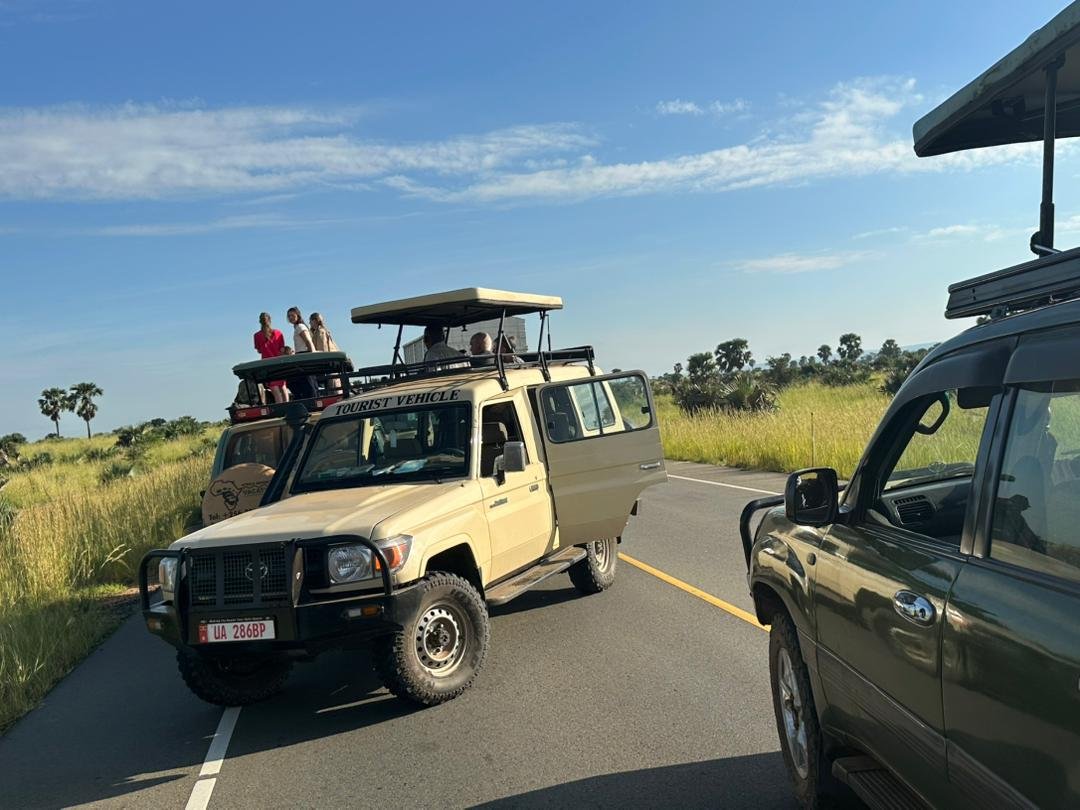
10 Days Uganda Primates and Wildlife
This 10-day Uganda Grand Safari is the most complete Uganda itinerary we offer at Pick and Transfer Safaris. It begins with a scenic northward drive from Entebbe to the vast open plains of Murchison
Tour Details →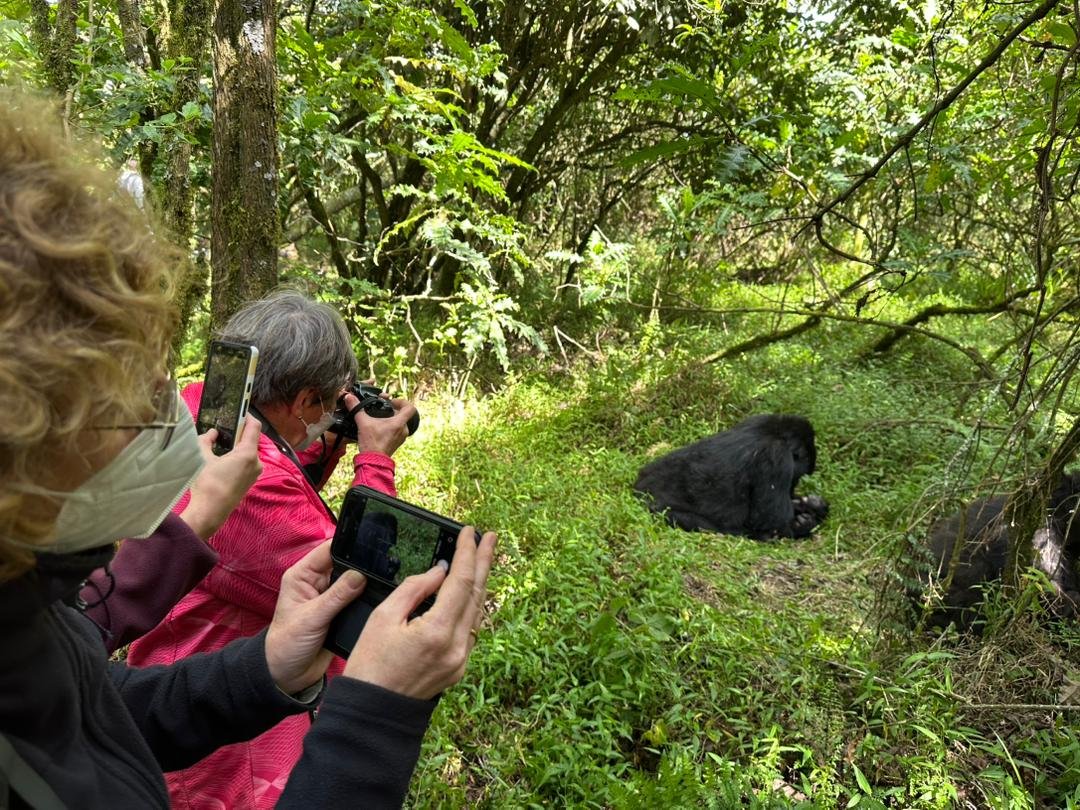
2 Days Uganda Gorilla Tour Starting from Kigali
This is the gentler cousin of our 1-Day Uganda Gorilla Safari Starting from Kigali — same idea, twice the breathing room. Instead of squeezing a 3,000-metre forest trek and two border crossings into a single very long day
Tour Details →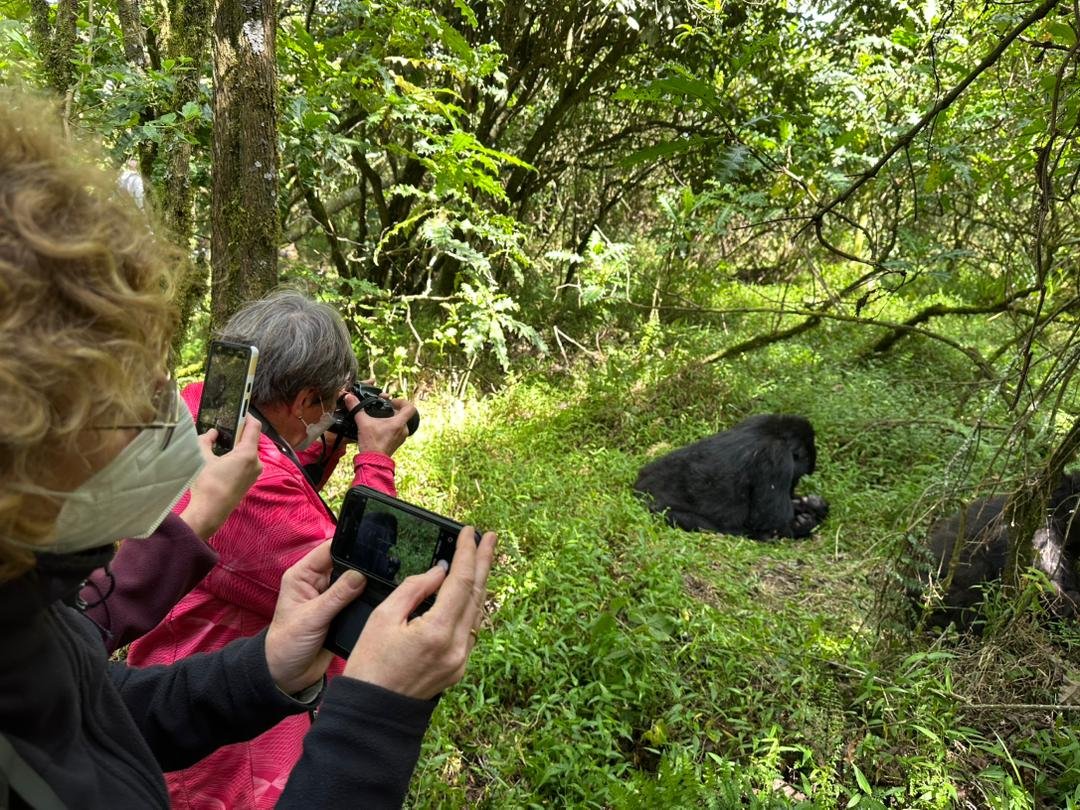
5-Day Uganda Gorilla and Chimpanzee Safari
This itinerary can be combined with a Rwanda extension or a wildlife-focused add-on through Queen Elizabeth National Park — browse our Uganda & Rwanda Safaris and Primate Safaris collections for ideas.
Tour Details →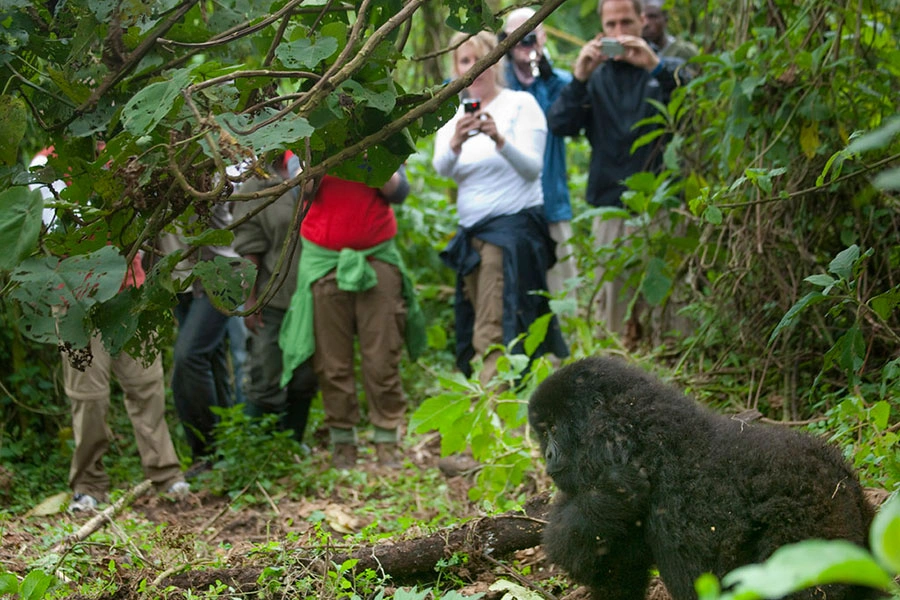
5 Days Rwanda Wildlife and Gorillas
This 5-day itinerary brings together Rwanda’s two flagship wildlife experiences: open savannah game drives and a boat safari in Akagera National Park, followed by a face-to-face encounters
Tour Details →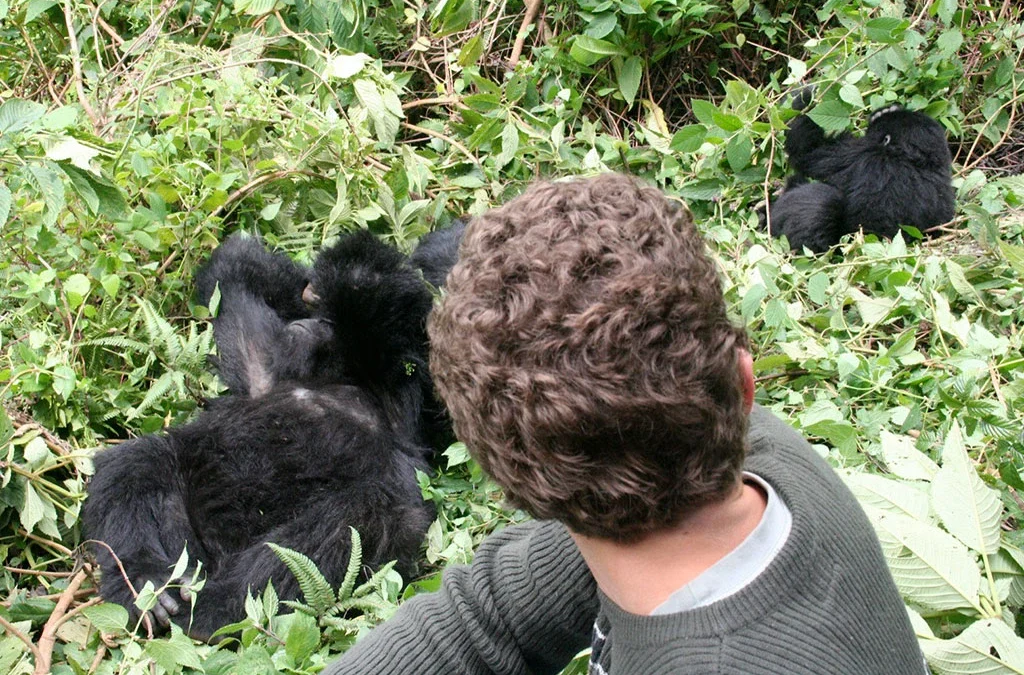
3 Days Uganda Gorilla Safari
For travelers who arrive in Entebbe with a tight schedule and a clear ambition, a 3-day gorilla safari to Bwindi Impenetrable Forest National Park is the most focused and rewarding short trip the country has to offer.
Tour Details →