- LET'S PLAN YOUR SAFARI
- +256 200 921 002
- +256 793 194 703
- info@pickandtransfersafaris.com

Uganda Safaris Starting Kigali ending in Entebbe
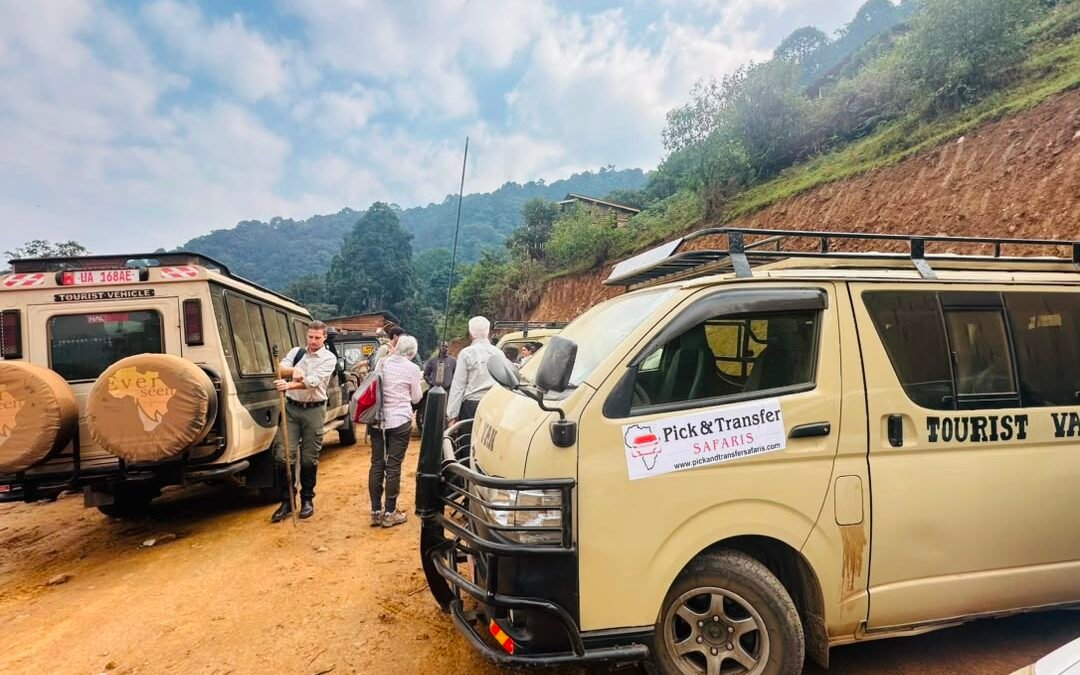
Uganda Safaris Starting Kigali ending in Entebbe. For travelers flying into Rwanda but flying out of Uganda — or simply wanting to see both countries without ever retracing a single kilometer of road — a safari that starts in Kigali and ends in Entebbe is often the smartest way to experience East Africa’s premier gorilla and wildlife destinations. Rather than looping back to your arrival city, you travel in one continuous direction: south to north through some of the most scenic country on the continent, crossing a single land border, and finishing at Uganda’s main international gateway ready for your onward flight.
At Pick and Transfer Safaris, we design and run this exact route regularly, and it consistently ranks among our most efficient itineraries for travelers who want maximum wildlife variety with minimum backtracking. This guide explains exactly how the route works, what it typically includes, how long you need, and how to choose the right version for your travel dates.
We have grounded this guide in the itineraries we and our partners actually operate along this corridor, rather than describing a generic route that only exists on paper, so you can use it to compare real trip lengths and see precisely which parks a given itinerary does and does not include before you commit to dates.
Which Travelers This Route Suits Best
A one-way Kigali-to-Entebbe safari is not automatically the right choice for everyone, so it is worth being clear about who benefits most from this direction. It suits travelers whose international flights naturally favor arriving via Kigali and departing via Entebbe (or who have the flexibility to book flights either way and want to choose the cheaper or more convenient combination), anyone wanting to combine Rwanda and Uganda’s wildlife highlights without paying for the fuel and time cost of an unnecessary return leg, and travelers who simply prefer forward momentum on a trip rather than covering the same ground twice.
It suits it less well if you specifically want to base yourself in one city and take day or multi-day trips out from there, or if your flights are fixed to arrive and depart from the same airport, in which case a round-trip itinerary — several real examples of which we cover further down — will usually work out simpler and no less rewarding.
Why Start in Kigali and End in Entebbe?
The logic behind this direction is mostly practical. Kigali International Airport has excellent connections to Europe, the Middle East, and increasingly North America, making it a natural entry point for many international travelers, while Entebbe International Airport near Kampala offers its own strong onward connections, particularly within Africa and to the UK. Rather than flying into one city and flying out of the same one after a round-trip loop, a one-way Kigali-to-Entebbe itinerary lets you fly into whichever airport suits your outbound route and fly out of the other, without adding a single extra day of driving.
There is also a purely geographic advantage. Rwanda’s Volcanoes National Park and Uganda’s Bwindi Impenetrable National Park sit close together near the shared border, which means a one-way route naturally strings together gorilla trekking, chimpanzee tracking, and big-game safari parks in a single efficient line rather than forcing you to double back to reach them. Our gorilla safaris and wildlife safaris collections both include itineraries built specifically around this one-way logic.
How the Border Crossing Works: Cyanika and Gatuna
Two land borders connect Rwanda and Uganda along this general route, and which one you use depends on your exact itinerary. The Cyanika border post, roughly a three-to-four-hour drive from Kigali, is the more commonly used crossing for travelers heading directly toward Bwindi Impenetrable National Park or Mgahinga Gorilla National Park, and it is the crossing used by most short and medium-length Kigali-to-Entebbe itineraries. The Gatuna (also called Katuna) border further north is typically used on longer itineraries that first explore more of Rwanda before entering Uganda closer to Kabale or continuing toward Lake Bunyonyi.
Border formalities themselves are usually straightforward for travelers holding the correct visa and documentation, generally taking somewhere between thirty minutes and an hour depending on how busy the crossing is that day. Your guide handles the practical side of the crossing, but it helps to have your passport, yellow fever certificate, and any visa paperwork easily accessible rather than buried in checked luggage.
It is worth knowing that your vehicle itself also needs the correct cross-border paperwork, which is arranged in advance by your operator rather than something you need to think about on the day. If your itinerary changes vehicles or guides at the border — more common on longer, more complex routes — the handover is typically quick and coordinated so there is minimal waiting around at the post itself.
What Makes This Route Different From a Standard Uganda-Only Safari
Travelers weighing this route against a Uganda-only trip often ask what they actually gain by adding Rwanda at the start. The most obvious answer is a second gorilla trekking opportunity through Volcanoes National Park, but the less obvious benefit is efficiency: because Bwindi sits so close to the Rwanda border, a Kigali-based start can actually put you in the gorilla forest faster than flying into Entebbe and driving the considerably longer distance across Uganda first.
Rwanda also brings its own distinct character to the trip — Kigali is widely regarded as one of Africa’s cleanest, most walkable capitals, and Volcanoes National Park’s volcanic scenery looks and feels noticeably different from Uganda’s forest and savannah parks. For travelers who have the extra days, this contrast is often cited as one of the most memorable parts of the whole trip rather than simply an add-on.
Visas and Entry Requirements for This Route
Because this itinerary crosses an international border partway through the trip, visa planning deserves particular attention. The East Africa Tourist Visa is the most convenient option for most travelers on this route, since it covers Rwanda, Uganda, and Kenya on a single multiple-entry visa, meaning you do not need to apply separately for each country or worry about single-entry restrictions when crossing at Cyanika or Gatuna.
A yellow fever vaccination certificate is a mandatory entry requirement for both Rwanda and Uganda, so this should be arranged with your doctor well ahead of departure regardless of which visa option you choose. We recommend confirming your specific visa requirements with our team through our contact page once your itinerary and nationality are known, since requirements can vary and are worth double-checking close to your travel dates.
Malaria prophylaxis is also worth discussing with your doctor for both legs of the trip, and it is sensible to carry a printed copy of your vaccination and any prescription documentation alongside the digital versions on your phone, since not every checkpoint along a two-country route has reliable connectivity for pulling up digital records on demand. Kenlink Tours’ About Uganda page is a useful independent reference for general entry planning if you want a second source to cross-check before you travel.
The Classic Route: What This Safari Typically Covers
While every itinerary can be tailored, the classic Kigali-to-Entebbe route generally follows a consistent shape. It begins with time in and around Kigali, often including gorilla or golden monkey trekking in Rwanda’s Volcanoes National Park before crossing into Uganda. From there, the route heads to Bwindi Impenetrable National Park for mountain gorilla trekking, continues through Queen Elizabeth National Park for game drives and a Kazinga Channel boat cruise, moves north to Kibale Forest National Park for chimpanzee tracking, and — on longer itineraries — finishes with Murchison Falls National Park before the final transfer to Entebbe.
Shorter versions of the route trim this down to the essentials, typically focusing on Bwindi and one additional park, while longer versions add Rwanda’s Nyungwe Forest or Akagera National Park at the start for a fuller two-country experience. We walk through several real itinerary lengths later in this guide.
Rwanda First: Optional Stops Before Crossing the Border
Because the trip starts in Kigali, it is worth deciding upfront how much time, if any, you want to spend in Rwanda before crossing into Uganda. A short Kigali city tour, including the Kigali Genocide Memorial and local markets, is a common and worthwhile half-day addition that gives useful context before heading into the parks. Our Kigali City destination page covers what a stop here typically involves.
Travelers with more time often add Rwanda’s Volcanoes National Park for gorilla or golden monkey trekking before crossing into Uganda, effectively doubling their gorilla trekking opportunities across the trip. Longer itineraries sometimes also include Nyungwe Forest National Park for chimpanzee tracking and canopy walks, or Akagera National Park for a Big Five game drive experience closer to the Tanzanian border side of Rwanda. See our Volcanoes National Park, Nyungwe Forest National Park, and Akagera National Park destination pages for more detail on each.
Crossing Into Uganda: Bwindi Impenetrable National Park
For nearly every version of this route, Bwindi Impenetrable National Park is the first major Uganda stop after crossing the border, and for good reason — it is close to Cyanika and home to roughly half of the world’s remaining mountain gorillas. Trekking here involves hiking through dense, often steep rainforest to reach a habituated gorilla family, followed by a strictly limited hour in their presence, with the Uganda Wildlife Authority setting a minimum trekking age of 15.
Because Bwindi sits so close to the Rwanda border, it is genuinely one of the most convenient gorilla trekking locations in the world for travelers arriving via Kigali, often reachable in a single morning’s drive rather than requiring a domestic flight deep into Uganda. Explore our full Bwindi Impenetrable National Park destination guide or browse our gorilla safaris collection for standalone and combination options.
Queen Elizabeth National Park: The Midpoint of the Journey
From Bwindi, the route typically continues through Queen Elizabeth National Park via the scenic Ishasha sector, famous for its tree-climbing lions. Queen Elizabeth is one of Uganda’s most rewarding savannah parks, home to elephants, buffalo, hippos, and more than 600 bird species, with the Kazinga Channel boat cruise standing out as one of the most reliable high-density wildlife experiences anywhere on the route.
Sitting almost directly between Bwindi and Kibale Forest, Queen Elizabeth fits naturally into this itinerary without adding meaningful extra driving time. Learn more on our Queen Elizabeth National Park destination page.
Kibale Forest National Park: Chimpanzee Country
Continuing north, the route passes through Kibale Forest National Park, widely regarded as the primate capital of East Africa and home to the largest habituated chimpanzee population on the continent. Morning chimpanzee tracking here is a highlight for most travelers on this itinerary, and the nearby Bigodi Wetland Sanctuary offers an excellent guided walk for birdwatching and spotting the striking great blue turaco.
Our Kibale Forest National Park destination page has more detail, and Kenlink Tours’ Starting a Trip from Rwanda to Uganda guide is a useful independent reference on how Kibale typically fits into this style of cross-border route.
Murchison Falls National Park: The Grand Finale Before Entebbe
On longer versions of this itinerary, the route continues north to Murchison Falls National Park, Uganda’s largest, where the entire Victoria Nile is forced through a seven-meter gorge before plunging into the falls below. A Nile launch cruise and a savannah game drive here round out the wildlife checklist with lions, giraffes, and the endangered Rothschild’s giraffe, before the final leg south to Entebbe.
Including Murchison Falls does add several days to the overall trip, but for travelers with the time, it is widely considered the strongest possible finish to a Uganda safari before departure. It is not included on shorter five or six-day versions of this route, so check carefully which parks a given itinerary actually covers before booking.
Ziwa Rhino Sanctuary: A Worthwhile Stop Near the End
For itineraries that include Murchison Falls, the drive back toward Entebbe or Kampala often passes directly by the Ziwa Rhino Sanctuary, where southern white rhinos — extinct in the Ugandan wild since the late 1980s — can be tracked on foot in complete safety. Because it sits conveniently along the return route rather than requiring a detour, it is an easy, high-value addition to fold into the final days of a longer Kigali-to-Entebbe safari.
The 5-Day Version: A Fast, Focused Route
For travelers with limited time, our 5 Days Uganda Gorilla and Chimps Safari Starting from Rwanda is the most efficient way to experience this one-way route. It crosses from Kigali into Bwindi for gorilla trekking, continues to Kibale Forest for chimpanzee tracking, and finishes with a transfer to Entebbe — delivering both signature primate experiences in a tightly paced trip without a single wasted travel day.
This version skips Queen Elizabeth and Murchison Falls, so it suits travelers prioritizing gorillas and chimpanzees above savannah game drives, or those planning to return to the region on a future trip for the northern parks.
The 9-Day Version: A Fuller Uganda-Rwanda Combination
A nine-day itinerary strikes a strong balance between pace and coverage. Kenlink Tours’ 9-Day Uganda Rwanda Gorilla and Big Five Safari follows almost exactly this route — Kigali, Bwindi, Queen Elizabeth, Kibale, and Murchison Falls, finishing near Entebbe with a stop at Ziwa Rhino Sanctuary along the way — and is worth reviewing as a comparison itinerary if nine days is roughly what you have available.
At this length, you get real time in four major parks across two countries without the itinerary feeling rushed, which is why it is one of the most popular trip lengths for this specific route among the operators who run it regularly.
The 15-Day Version: The Complete Rwanda-Uganda Grand Safari
Travelers with two weeks or more can take in essentially everything this region has to offer. Our own 15 Days Rwanda Uganda Safari covers Kigali, Akagera National Park, Volcanoes National Park, Bwindi, Queen Elizabeth, Kibale, and Murchison Falls before finishing in Entebbe — effectively the full checklist of both countries’ headline wildlife experiences in one continuous, non-repeating journey. Kenlink Tours’ 15-Day Rwanda Uganda Primate & Big-Five Safari Adventure is a comparable itinerary worth reviewing side by side with ours as you plan trip length.
This is genuinely the most complete version of the route, and for travelers who have the time, it removes any sense of having to choose between Rwanda and Uganda’s best parks. It also spreads park entry fees, permit costs, and ground transport over a longer trip, which tends to soften the per-day cost compared with cramming the same parks into a shorter, more expensive rush.
Sample Day-by-Day: A 15-Day Kigali-to-Entebbe Itinerary
To make the longer version concrete, here is roughly how a fifteen-day trip along this route unfolds.
- Days 1–3: Arrive in Kigali, city tour, then drive to Akagera National Park for Big Five game drives.
- Days 4–6: Drive to Volcanoes National Park for mountain gorilla or golden monkey trekking.
- Days 7–8: Cross the Cyanika border into Uganda, arriving at Bwindi Impenetrable National Park for a second gorilla trek.
- Days 9–10: Travel via the Ishasha sector to Queen Elizabeth National Park for game drives and a Kazinga Channel cruise.
- Days 11–12: Continue to Kibale Forest National Park for chimpanzee tracking and a Bigodi Wetland walk.
- Days 13–14: Drive north to Murchison Falls National Park for a Nile launch cruise and savannah game drive.
- Day 15: Transfer south toward Kampala, stopping at Ziwa Rhino Sanctuary, before arriving at Entebbe for departure.
Every stage of this route can be shortened, extended, or reordered, and our team will adjust the pacing around your available time and interests.
Prefer a Round Trip From Kigali Instead?
Not every traveler needs a one-way itinerary, and it is worth knowing that plenty of well-designed shorter safaris begin and end in Kigali, without ever continuing on to Entebbe. These tend to suit travelers with only two or three days available, or those whose flights are booked round-trip through Kigali and cannot easily be changed. Our own 2 Days Uganda Gorilla Tour Starting from Kigali and 3 Days Rwanda Gorilla Tracking and Cultural Tour are both built this way, crossing into Bwindi for gorilla trekking or staying within Rwanda for Volcanoes National Park before returning to Kigali for departure.
Kenlink Tours offers comparable round-trip options for travelers weighing the same choice, including a 2-Day Uganda Gorilla Safari Starting From Kigali, a 3-Day Bwindi Gorilla Safari Starting From Kigali, and a 4-Day Rwanda-Uganda Golden Monkey and Gorilla Trekking itinerary that combines both countries’ primate trekking without crossing all the way through to Entebbe. If your schedule allows a little more flexibility, though, continuing on to Entebbe rather than doubling back almost always delivers more trip for a similar amount of total driving time.
Should You Go the Other Direction Instead?
Not every traveler needs the Kigali-to-Entebbe direction specifically, and it is worth briefly considering the reverse. Our 10 Days Uganda Rwanda Safari runs the same general route in reverse, starting at Entebbe and finishing in Kigali, which suits travelers whose flights work better landing in Uganda and departing from Rwanda. The parks and activities covered are essentially the same either way — what matters is which airport your international flights actually connect through.
If your travel dates are flexible on both ends, it is worth comparing flight costs and connection times into Kigali versus Entebbe before locking in a direction, since this can sometimes make a meaningful difference to overall trip cost.
Road Safari or Domestic Flights Along the Way?
Most versions of this route are run primarily by road, and for good reason — the drives themselves pass through genuinely beautiful country, from Rwanda’s terraced hillsides to Uganda’s Rift Valley escarpment, and stopping along the way for photographs, coffee, or a roadside market visit is part of what makes the trip memorable rather than something to rush through. That said, domestic flights are available on the Uganda side between hubs like Kihihi (near Bwindi), Kasese (near Queen Elizabeth), and Entebbe, and can meaningfully shorten the trip for travelers with limited time who would rather spend an extra day in the parks than on the road.
A hybrid approach is common on longer itineraries: driving the Rwanda-to-Bwindi leg, where the scenery and border crossing are part of the experience, and flying the longer internal Uganda legs where the drive itself adds little beyond transit time. If minimizing total trip length matters more to you than the overland experience, ask us to price a version of your itinerary with one or two domestic flights built in.
Choosing Accommodation Along a One-Way Route
Because a one-way itinerary never returns to the same lodge twice, accommodation planning here is about selecting well-located properties for each individual stop rather than optimizing around a home base. We choose lodges based on genuine proximity to each day’s activity — close enough to the Bwindi trailhead to avoid a long pre-dawn drive, for instance, or positioned to make the most of a Kazinga Channel sunset in Queen Elizabeth — rather than defaulting to the highest-rated property regardless of location.
Standards vary meaningfully by park, with Rwanda’s Volcanoes National Park and Uganda’s Bwindi both offering strong ranges from comfortable mid-range lodges to high-end options, while parks like Akagera and Murchison Falls have slightly more limited but still very comfortable choices.
Because you are never returning to a lodge you have already stayed at, it also makes sense to pack and repack efficiently each morning rather than fully unpacking at every stop — a habit most travelers settle into within the first two or three nights of this kind of route.
Vehicle and Guide Logistics for a One-Way Safari
A genuinely one-way itinerary requires slightly different vehicle logistics than a round trip, since the vehicle (and often the guide) needs to either complete the full route with you or hand over at the border to a partner team on the other side. We generally run this route with a single dedicated vehicle and guide for the entire trip wherever possible, since continuity meaningfully improves the experience — your guide gets to know your pace, interests, and any specific requests early on, rather than you re-explaining preferences to a new team partway through.
Ask your operator directly whether your vehicle and guide continue the whole way or change at the border, since this affects both cost and the overall feel of the trip. It is also worth asking what happens if a flight delay or a longer-than-expected gorilla trek pushes the day’s schedule back — an experienced operator running this route regularly will already have realistic buffer time built into the plan rather than a tightly optimized schedule that falls apart at the first hiccup.
Gorilla and Chimp Permits: Booking Across Two Countries
Because this route can include gorilla trekking in both Rwanda and Uganda, permit planning deserves extra attention. Rwanda and Uganda issue gorilla permits through entirely separate wildlife authorities, at different price points, and each with its own limited daily allocation, so if your itinerary includes both, both sets of permits need to be secured well in advance — ideally four to six months ahead for travel in peak season. Chimpanzee permits for Kibale or Nyungwe follow a similar, though generally less constrained, booking process.
Our team checks availability across both countries before finalizing your itinerary, since it makes little sense to lock in flights before confirming the trekking dates that anchor the whole route. Reach out through our contact page to start that process, or review Kenlink Tours’ Uganda Rwanda Gorilla Safaris overview for additional context on how permit timing typically works across the two countries.
Best Time of Year for This Route
Rwanda and Uganda share broadly similar seasonal patterns, with the two dry seasons — December to February and June to September — offering the easiest trekking conditions and road travel across the border region. These months are also when gorilla permits are in highest demand on both sides of the border, so early booking matters more than usual for peak-season travel on this particular route.
The green seasons (March to May and October to November) bring quieter parks, lower rates, and excellent birding, and remain a genuinely good option for this itinerary, since neither gorillas nor chimpanzees migrate seasonally.
Budgeting for a Kigali-to-Entebbe Safari
Gorilla permits are typically the single largest cost on this route, and if your itinerary includes trekking in both Rwanda and Uganda, this is worth budgeting for carefully, since Rwanda’s permits are priced notably higher than Uganda’s. Beyond permits, your main controllable costs are trip length, accommodation tier, and how much of Rwanda you choose to add before crossing the border.
A one-way route also tends to be more cost-efficient overall than a round trip covering the same parks, since you avoid the duplicated driving distance of returning to your starting point. Kenlink Tours’ Uganda Rwanda Connecting Safaris page offers a useful additional reference on typical costs and logistics for this style of cross-border trip, and their 10-Day Fantastic Tour in Rwanda Uganda is a helpful mid-length itinerary to compare pricing against if nine or fifteen days do not quite match your available time.
As with any multi-country trip, currency logistics are worth planning ahead of time. Rwanda uses the Rwandan franc and Uganda the Ugandan shilling, and while US dollars are widely accepted for major expenses like permits and lodge bills in both countries, having some local currency on hand for the Rwanda leg specifically makes small purchases and tipping considerably easier before you cross the border.
Packing List for a Two-Country Safari
Packing for this route is broadly similar to any Uganda or Rwanda gorilla and wildlife safari, with a few specific considerations worth noting. Because you will cross an international border partway through, keep your passport, visa documentation, and yellow fever certificate in your daypack rather than checked luggage, and pack a spare set of passport photocopies in case they are requested at either border post.
Beyond that, pack sturdy, broken-in hiking boots for forest trekking, a warm layer for cool mornings in the highland areas around Bwindi and Volcanoes National Park, lightweight clothing for the warmer savannah stretches around Queen Elizabeth and Murchison Falls, and a reliable rain jacket regardless of season, since forest weather along this route is unpredictable even in the dry months.
Pack gardening-style gloves for gorilla and chimpanzee trekking, since both Bwindi and Volcanoes National Park involve pushing through nettles and thick undergrowth on the approach to a family group, and bring more small-denomination cash than you expect to need for porter tips at each trekking location, since porters are typically hired and paid locally rather than pre-arranged as part of a tour package. A universal power adapter is worth packing too, since Rwanda and Uganda use different plug standards from many travelers’ home countries, and lodges along this route vary in which adapters they can lend on request.
Why Book This Route With Pick and Transfer Safaris
Running a smooth one-way safari across two countries takes real coordination — matching permit availability on both sides of the border, sequencing accommodation so no day involves excessive driving, and managing the border crossing itself without unnecessary delays. Our team at Pick and Transfer Safaris has built and run Kigali-to-Entebbe itineraries for years, and we tailor the route, pace, and park selection around your actual travel dates and interests rather than offering a single fixed template.
Browse our gorilla safaris, wildlife safaris, and complete our safaris listing to compare options, learn more on our about us page, or reach out directly through our contact page to start planning.
Frequently Asked Questions
Is it better to start in Kigali or Entebbe? Neither direction is objectively better — the parks and activities covered are largely the same either way. The right choice comes down to which airport your international flights connect through most conveniently, and whether you would rather begin or end your trip in Rwanda.
How many days do I need for a Kigali-to-Entebbe safari? Five days covers the essentials of Bwindi and Kibale, nine days adds Queen Elizabeth and Murchison Falls for a fuller experience, and fifteen days allows time for Rwanda’s Akagera and Volcanoes National Parks as well, giving you close to the complete regional checklist.
Do I need separate visas for Rwanda and Uganda? Not necessarily — the East Africa Tourist Visa covers both countries (plus Kenya) on a single multiple-entry visa, which is usually the most convenient option for this route. Confirm current requirements for your nationality before booking.
Can I do gorilla trekking in both Rwanda and Uganda on the same trip? Yes, and many travelers on this route choose to, since Volcanoes National Park in Rwanda and Bwindi or Mgahinga in Uganda sit close enough together to include both without major added travel time. Just note that permits for each country are booked and priced separately.
What happens to our vehicle and guide at the border? This varies by operator and itinerary length — some routes keep the same vehicle and guide for the entire trip, while others hand over to a partner team on the other side of the border. Ask your operator directly, since it affects both the cost and continuity of your experience.
Is it safe to cross an international land border partway through a safari? Yes, the Cyanika and Gatuna crossings are well-established, regularly used routes for tourist traffic, and your guide manages the formalities on your behalf. Thousands of travelers cross this exact border every year as part of combined Rwanda-Uganda itineraries.
Can we add extra nights in Kigali or Entebbe at either end of the trip? Absolutely, and we would generally recommend at least one night in each if your flight schedule allows it, simply to avoid arriving at a border crossing or park activity straight off an international flight. Let us know when planning and we will build the extra time into the itinerary.
Uganda Safaris Starting Kigali ending in Entebbe
A safari that starts in Kigali and ends in Entebbe turns what could be an inefficient back-and-forth trip into one clean, continuous journey through two of Africa’s best wildlife and gorilla trekking destinations. Whether you have five days for a fast, focused primate experience or fifteen days for the complete Rwanda-Uganda circuit, this route delivers real variety without a single wasted travel day.
Get in touch through our contact page and we will help you choose the right version of this route for your dates, or explore Kenlink Tours’ Uganda Safari Bookings page for additional itinerary ideas along the way.
However many days you have, the core idea behind this route stays the same: land in one capital, depart from the other, and spend every day in between moving steadily forward through some of the best gorilla trekking, chimpanzee tracking, and savannah wildlife viewing that Rwanda and Uganda have to offer.
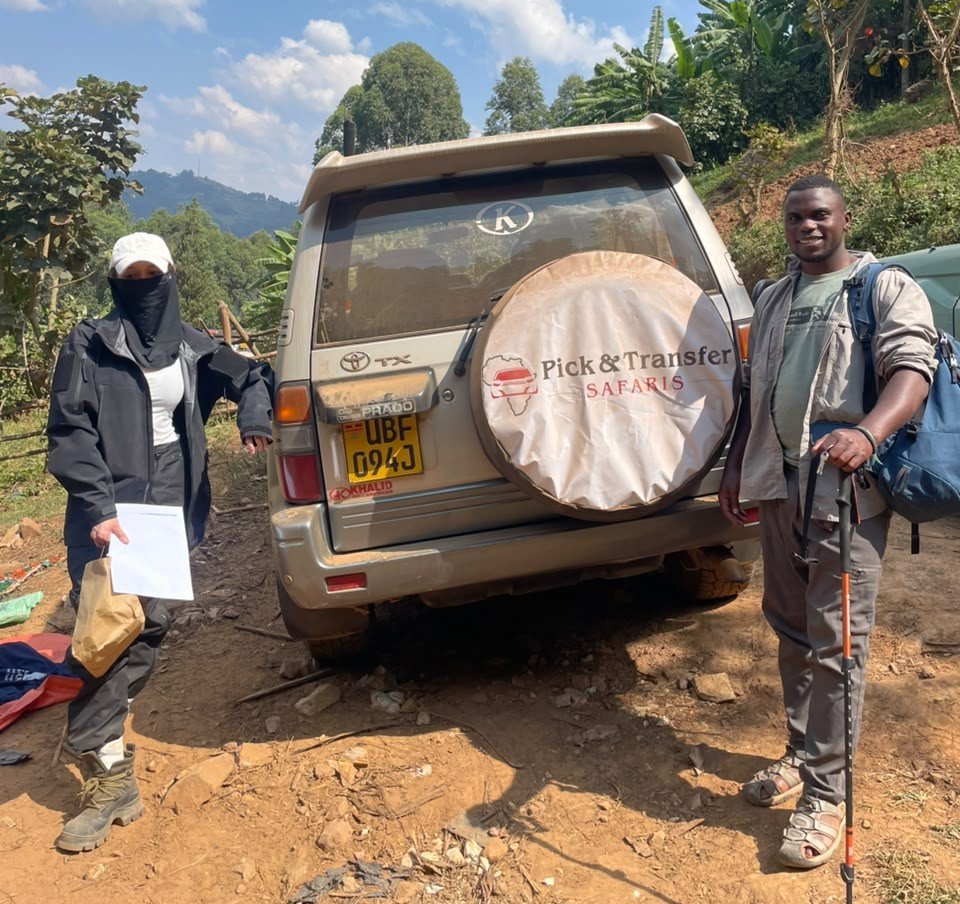
7 Days Uganda Safari – One week tour
This 7-day itinerary is the classic one-week introduction to Uganda, covering the country’s three most iconic wildlife experiences: chimpanzee tracking in Kibale Forest National Park, Big Five game drives and a boat cruise in Queen
Tour Details →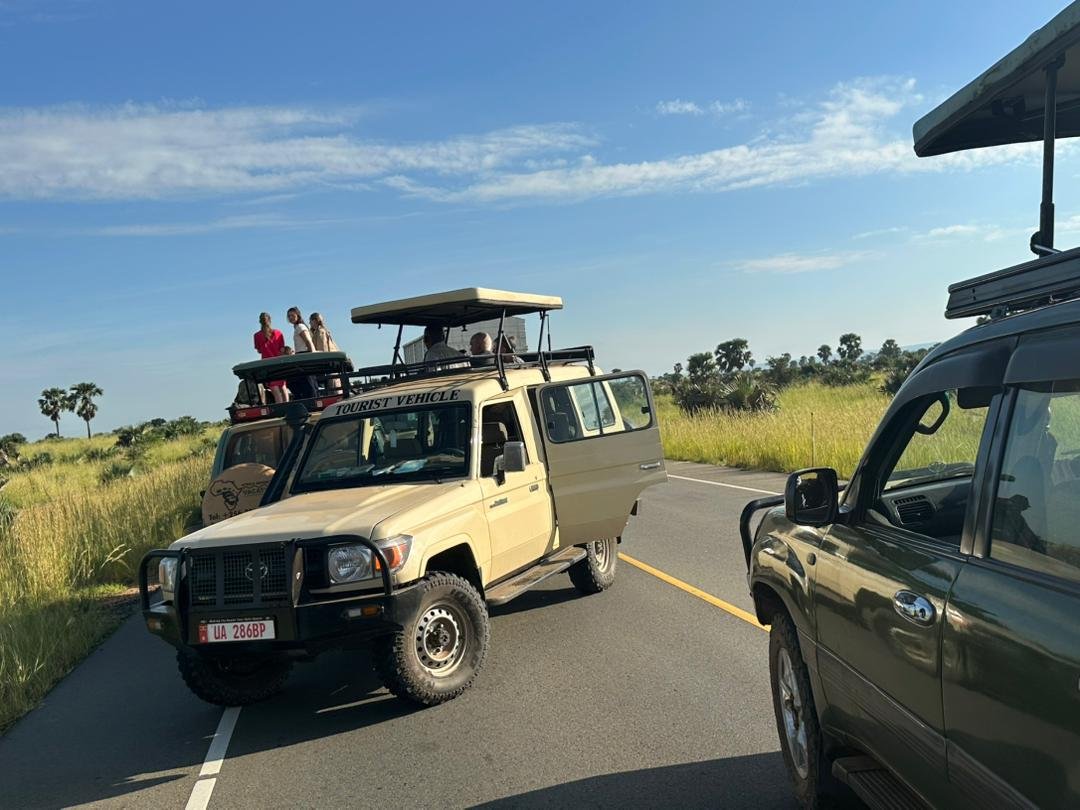
10 Days Uganda Primates and Wildlife
This 10-day Uganda Grand Safari is the most complete Uganda itinerary we offer at Pick and Transfer Safaris. It begins with a scenic northward drive from Entebbe to the vast open plains of Murchison
Tour Details →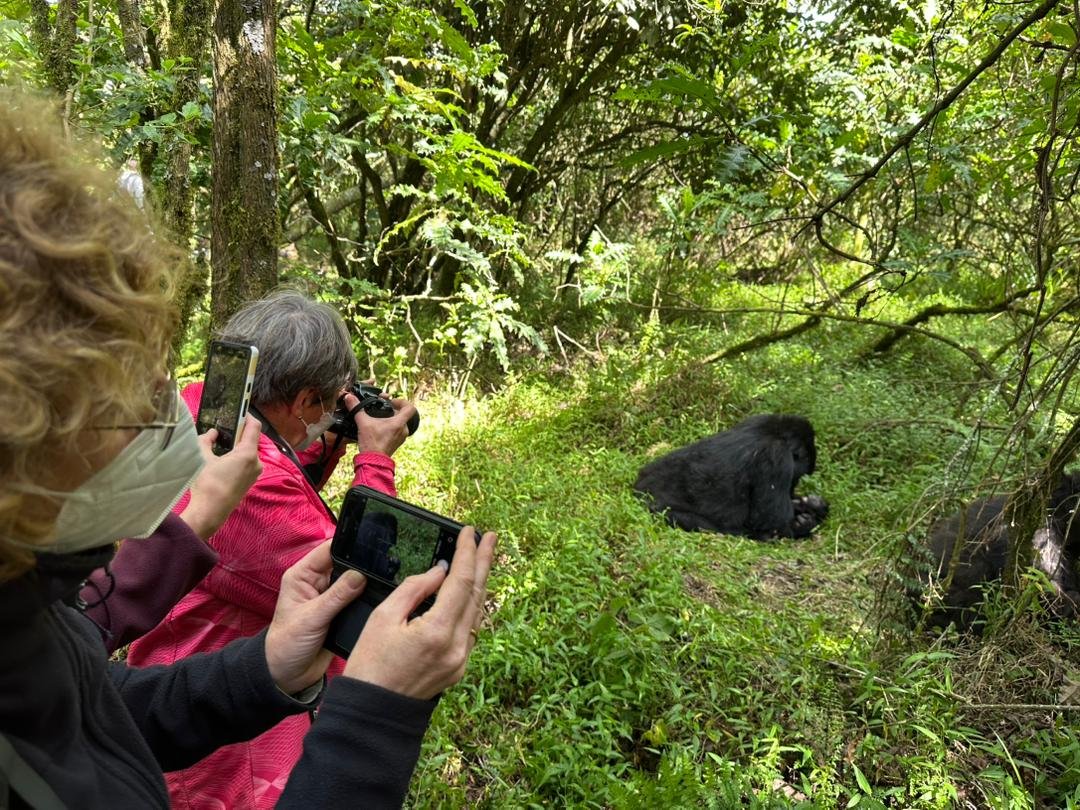
2 Days Uganda Gorilla Tour Starting from Kigali
This is the gentler cousin of our 1-Day Uganda Gorilla Safari Starting from Kigali — same idea, twice the breathing room. Instead of squeezing a 3,000-metre forest trek and two border crossings into a single very long day
Tour Details →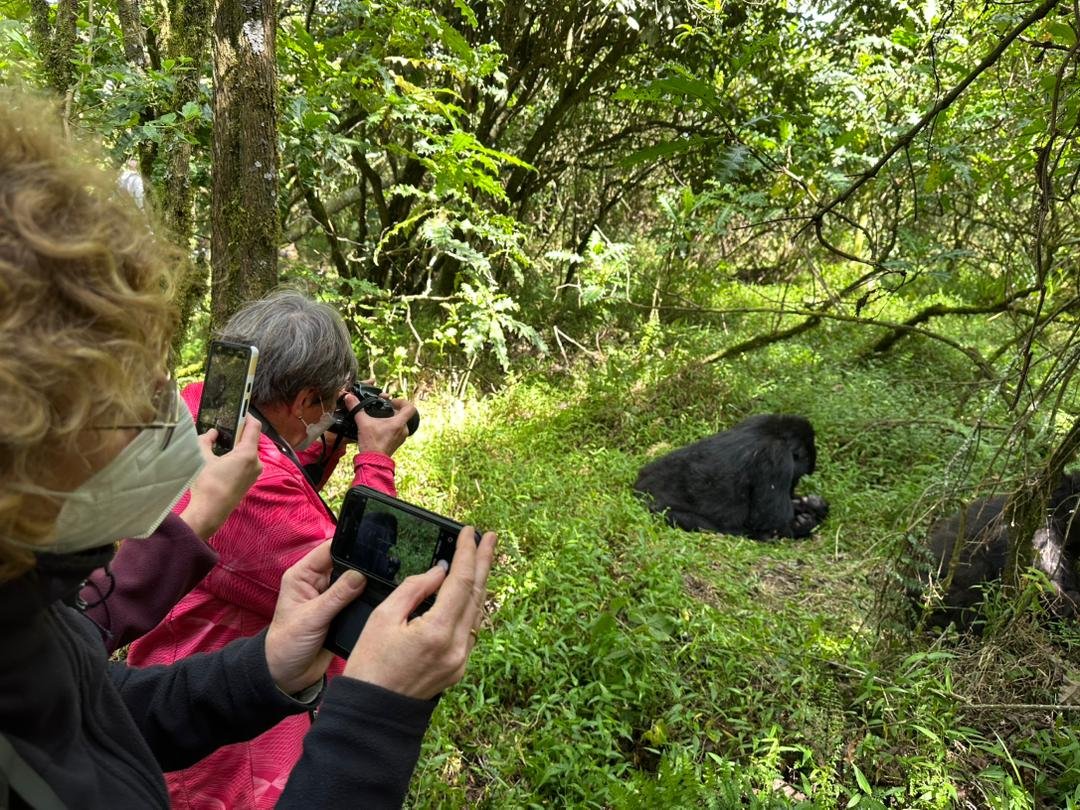
5-Day Uganda Gorilla and Chimpanzee Safari
This itinerary can be combined with a Rwanda extension or a wildlife-focused add-on through Queen Elizabeth National Park — browse our Uganda & Rwanda Safaris and Primate Safaris collections for ideas.
Tour Details →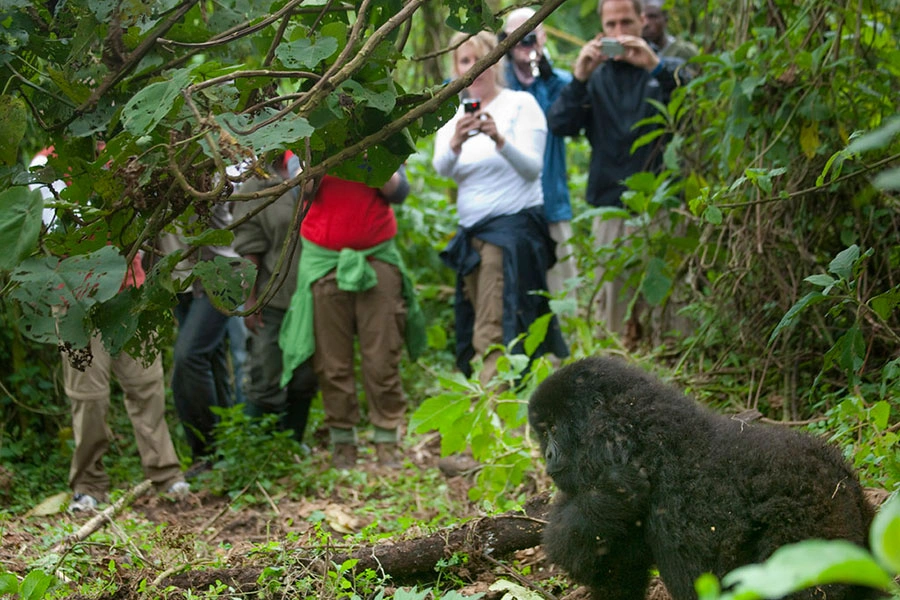
5 Days Rwanda Wildlife and Gorillas
This 5-day itinerary brings together Rwanda’s two flagship wildlife experiences: open savannah game drives and a boat safari in Akagera National Park, followed by a face-to-face encounters
Tour Details →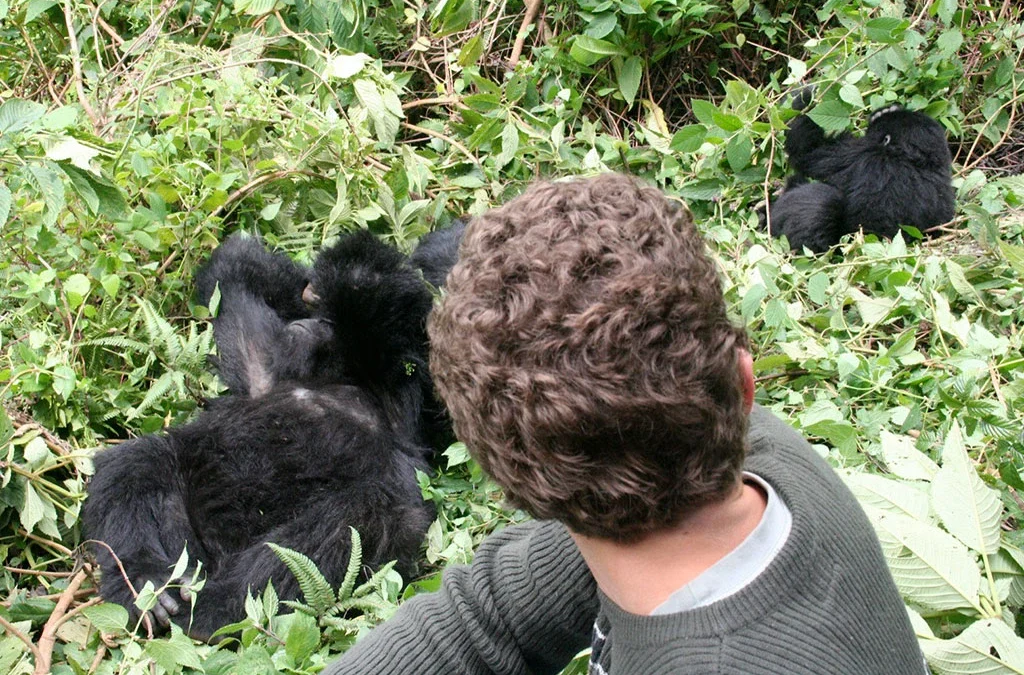
3 Days Uganda Gorilla Safari
For travelers who arrive in Entebbe with a tight schedule and a clear ambition, a 3-day gorilla safari to Bwindi Impenetrable Forest National Park is the most focused and rewarding short trip the country has to offer.
Tour Details →