- LET'S PLAN YOUR SAFARI
- +256 200 921 002
- +256 793 194 703
- info@pickandtransfersafaris.com

Best East Africa Combining Safari
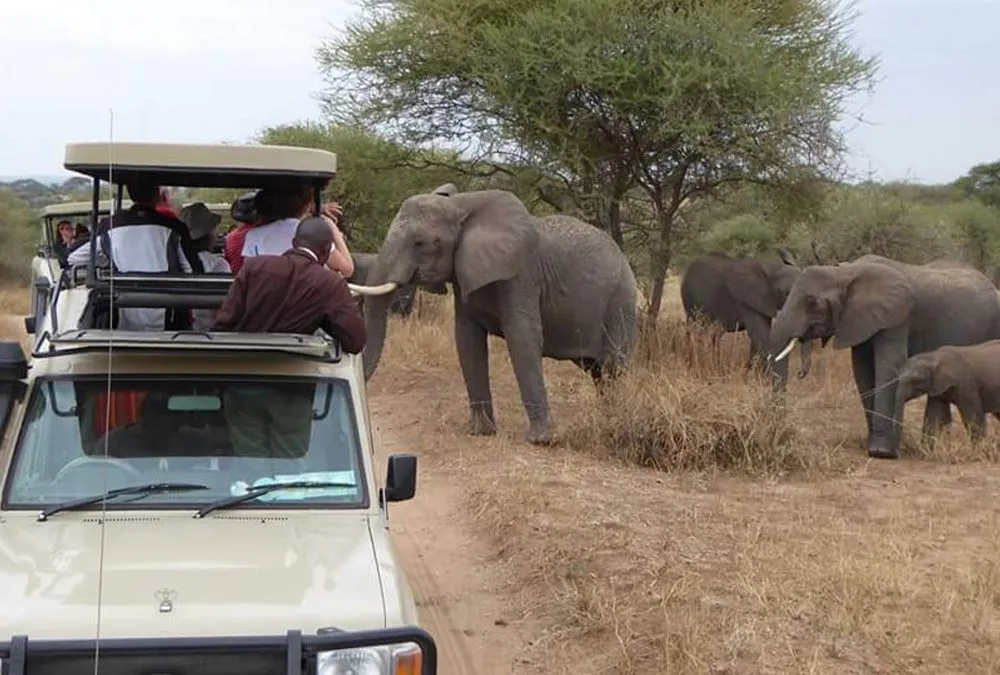
Best East Africa Combining Safari. East Africa is the only region on the planet where a single trip can take you from tracking mountain gorillas through misty bamboo forests to watching a million wildebeest thunder across open savannah, and then on to a white-sand beach on the Indian Ocean, all in one seamless journey. This is exactly why an East Africa combining safari has become the single most requested style of trip for travelers who refuse to choose between primates, predators, and postcard landscapes. Instead of picking one country and wondering what you missed, you link Kenya, Uganda, Rwanda and even Tanzania into one itinerary, using short regional flights and well-planned road transfers to stitch the experiences together.
At Pick and Transfer Safaris, combining safaris across East Africa is what we do best, and this guide pulls together everything you need to plan the trip properly: which countries pair well together, how many days you actually need, what it costs, when to travel, and sample itineraries you can adapt to your own dates. Whether you are a first-time safari traveler or a repeat visitor chasing your fifth gorilla permit, this guide is built to help your trip rank as well on your bucket list as it does on Google.
What Exactly Is an East Africa Combining Safari?
A combining safari, sometimes called a multi-country safari or a twin-country safari, is simply a trip designed around two or more East African destinations rather than a single national park or country. Instead of flying into Nairobi, doing the Masai Mara, and flying home, a combining safari might take you from the Masai Mara across the border to the Serengeti, or from Kigali in Rwanda overland into Bwindi Impenetrable Forest in Uganda for gorilla trekking, before finishing with a few relaxed days spotting elephants and lions in Queen Elizabeth National Park.
The appeal is practical as much as it is romantic. East Africa’s key parks are geographically close to one another, the region shares reasonably good road and air links, and each country brings something genuinely different to the table: Kenya and Tanzania for the Great Migration and open plains game viewing, Uganda for gorillas, chimpanzees, and sheer biodiversity, and Rwanda for gorilla trekking in a country that has become a byword for conservation success and effortless logistics. Our extended safari packages are built specifically around this idea of moving through two or three countries without the trip ever feeling rushed.
Why Combine Countries Instead of Visiting Just One?
The most common question we get from first-time enquirers is whether it is worth the extra complexity to combine countries rather than staying in one place for the whole trip. In almost every case, the answer is yes, for three reasons.
First, variety of terrain and wildlife. Uganda’s rainforests and Rwanda’s volcanic highlands look and feel nothing like Kenya’s golden savannah or Tanzania’s endless Serengeti plains. A combining safari lets you experience rainforest primates one week and open-plains predators the next, which is a far richer experience than seeing lions in three different parks that all look similar.
Second, efficiency. Many travelers assume that visiting two or three countries takes twice as long and costs twice as much, but with the right routing this is rarely true. A well-planned 18-day Kenya, Rwanda and Uganda safari is not simply three separate trips glued together; it is one continuous flow with minimal dead time, because transfers double as sightseeing and border crossings are timed around game drives or forest walks.
Third, cost efficiency on big-ticket experiences. Gorilla permits, migration safaris, and private vehicle hire all carry fixed costs regardless of trip length, so spreading them across a longer, multi-country itinerary reduces the average daily cost of the whole holiday compared with several shorter, separate trips over different years.
The Big Three Combinations: Which Countries Pair Best?
Not every pairing of countries makes sense logistically, so it helps to know the three combinations that consistently work well and that we build most often for clients.
The first is Uganda and Rwanda, the classic gorilla-and-golden-monkey circuit. Both countries share a border near the Virunga volcanoes, so travelers can trek gorillas in Rwanda’s Volcanoes National Park and then drive a few hours to Uganda’s Bwindi Impenetrable Forest for a second trek in an entirely different forest ecosystem, doubling the odds of an extraordinary encounter without adding a flight.
The second is Kenya and Tanzania, built around the Great Migration. Since wildebeest and zebra move seasonally between the Masai Mara and the Serengeti, pairing these two countries lets travelers follow the herds rather than gambling on a single park during a single month.
The third, and the most ambitious, is the full East Africa grand circuit: Kenya, Rwanda, and Uganda (sometimes stretching to Tanzania and Burundi as well), combining predators, primates, and plains game into one extended journey. Our 20-day East Africa tour and the longer 20-day Uganda, Rwanda and Burundi combo safari are designed for travelers who have the time and want to see the region properly rather than sampling it.
Uganda and Rwanda: The Gorilla-and-Golden-Monkey Twin-Country Safari
If your priority is primates, Uganda and Rwanda are the two countries to combine. Uganda alone is home to roughly half of the world’s remaining mountain gorillas, spread between Bwindi Impenetrable Forest and the smaller Mgahinga Gorilla National Park, while also offering chimpanzee tracking in Kibale Forest National Park, widely regarded as the primate capital of East Africa. Rwanda, meanwhile, offers gorilla trekking in the Volcanoes National Park along with golden monkey tracking in the same forest, and pairs beautifully with a stop in Kigali, a genuinely clean, safe, and increasingly sophisticated capital city worth a day of its own.
A typical route runs Kigali to Volcanoes National Park for gorilla or golden monkey tracking, across the border to Bwindi for a second gorilla trek in a different habituated family, then on to Queen Elizabeth National Park for tree-climbing lions, boat cruises on the Kazinga Channel, and classic savannah game drives, before finishing in Uganda’s biggest park, Murchison Falls National Park, home to the thunderous falls themselves and excellent boat-based game viewing along the Nile. Our own 7-day Uganda-Rwanda safari adventure and the longer 10-day Uganda-Rwanda safari and 15-day Rwanda-Uganda safari are structured around exactly this flow, with pacing adjusted depending on how many days you can spare.
Kenya, Rwanda and Uganda: The Grand East Africa Circuit
For travelers who want the fullest possible picture of East Africa in one trip, combining Kenya with Rwanda and Uganda delivers both ends of the wildlife spectrum. Kenya contributes the Masai Mara’s open plains, its resident big cat population, and, depending on timing, a chance to witness part of the wildebeest migration as it crosses the Mara River. Rwanda and Uganda then add the primate experience that Kenya simply cannot offer at the same scale, since neither country has significant wild mountain gorilla populations.
This kind of circuit typically requires regional flights between Nairobi, Kigali, and Entebbe rather than road transfers, since the distances involved are considerably larger than the Uganda-Rwanda loop. It rewards travelers with two to three weeks available, and it is precisely the itinerary behind our 18-day Kenya, Rwanda and Uganda safari, which sequences the trip so that the most physically demanding activities, gorilla and chimpanzee trekking, happen mid-trip when travelers have acclimatized, while the game-drive-heavy Kenya leg bookends the journey with a more relaxed pace.
How Many Days Do You Actually Need?
One of the most common planning mistakes is underestimating how much time a proper combining safari needs. As a rule of thumb, a two-country gorilla-focused trip between Uganda and Rwanda needs a realistic minimum of 7 days, with 10 to 12 days allowing a far more relaxed pace and the option to add a second gorilla trek or a chimpanzee tracking excursion. A three-country grand circuit involving Kenya realistically needs 15 to 20 days once you account for flights, park entry logistics, and enough nights in each location to avoid feeling like you are permanently packing a bag.
Shorter options do exist for travelers with limited time. Our 2-day Uganda gorilla tour from Kigali and 3-day Uganda gorilla safari from Rwanda prove that even a long weekend can deliver a single, unforgettable gorilla trek if a full multi-country circuit is not realistic for your schedule. These shorter trips are also a smart way to test the region before committing to a longer combined itinerary on a future visit.
Gorilla and Chimpanzee Trekking: What to Expect and What It Costs
Gorilla trekking is usually the single most expensive and most tightly regulated activity on a combining safari, and pricing varies meaningfully by country. In Uganda, a standard gorilla trekking permit currently costs around 800 US dollars per person for foreign non-residents, while foreign residents pay a reduced rate and East African citizens pay a heavily discounted local rate in Ugandan shillings. Uganda also offers a gorilla habituation experience, which allows a smaller group to spend up to four hours with a gorilla family that is still being acclimatized to human presence, at a higher permit cost. Rwanda’s Volcanoes National Park permit sits considerably higher, generally around 1,500 US dollars per person, reflecting the country’s premium positioning and lower daily visitor numbers, though the trekking experience itself is often shorter and the gorilla families somewhat easier to reach.
Chimpanzee tracking is a more affordable complement to gorilla trekking and is best done in Uganda’s Kibale Forest, where habituated chimp communities are tracked in small groups through the forest. Combining a gorilla trek with a chimpanzee tracking day, as in our 3-day chimpanzee tour in Uganda or the longer 5-day Uganda gorilla and chimpanzee safari, gives a fuller picture of East Africa’s great apes without the cost of a second gorilla permit. Because permits are strictly limited and sell out well in advance during peak months, we always recommend booking gorilla and chimpanzee permits at least four to six months ahead of a planned trip, and ideally earlier for travel during June to September or December to February.
Big Cats, Big Herds: The Wildlife Highlights Across the Region
Beyond primates, the rest of a combining safari is built around the region’s exceptional big game viewing. In Uganda, Queen Elizabeth National Park is famous for its tree-climbing lions in the Ishasha sector and for boat cruises along the Kazinga Channel, one of the highest concentrations of hippos and elephants anywhere in Africa. Murchison Falls National Park, further north, combines dramatic scenery, where the entire Nile River forces itself through a gap barely seven meters wide, with strong populations of lions, giraffes, and elephants across its savannah sections.
In Rwanda, Akagera National Park has become one of Africa’s great conservation comeback stories, having reintroduced lions and rhinos after both had been locally extinct, and now offering a genuine Big Five safari experience in a compact, easily accessible park close to Kigali. In Kenya, the Masai Mara remains the benchmark for classic savannah safari, with resident lion prides, healthy leopard and cheetah populations, and, during the migration months, extraordinary numbers of wildebeest and zebra moving across the plains and through the Mara River. Wildlife-focused travelers combining these destinations should look closely at packages such as our wildlife safari collection, which is organized specifically around big game viewing across Uganda and Rwanda’s premier parks.
Best Time of Year for an East Africa Combining Safari
Timing a combining safari well requires balancing the needs of two very different types of experience: forest-based primate trekking and open-plains game viewing. Gorilla and chimpanzee trekking is possible year-round since the forests are always inhabited, but the two dry seasons, roughly December to February and June to September, offer firmer, less muddy trails and are generally preferred for comfort. The long rains, typically March to May, bring lower visitor numbers and sometimes discounted permit pricing in Uganda, which appeals to budget-conscious or flexibility-minded travelers willing to trade some mud for fewer crowds.
For the Kenya and Tanzania side of a grand circuit, timing depends heavily on where the wildebeest migration happens to be. The herds are typically in Tanzania’s southern and central Serengeti from roughly December through May, and moving into Kenya’s Masai Mara from around July through October, with the dramatic Mara River crossings concentrated in August and September. A well-planned combining safari often schedules the Kenya leg to align with these migration windows, then adds the Uganda and Rwanda gorilla and chimpanzee legs on either side, since primate trekking is far less seasonally sensitive.
The East Africa Tourist Visa: Simplifying Multi-Country Travel
One of the most practical advantages of combining Kenya, Uganda, and Rwanda specifically is the East Africa Tourist Visa, a single-entry visa that allows travel between all three countries without needing to apply for separate visas at each border. It is issued by any one of the three countries and remains valid for entry into the other two, which meaningfully simplifies the paperwork for a grand circuit itinerary. It is worth noting that this shared visa currently covers only Kenya, Uganda, and Rwanda, so travelers adding Tanzania or Burundi to their route should plan for a separate visa or entry requirement for those countries.
Because visa rules, fees, and application platforms do periodically change, we always advise clients to confirm the latest requirements for their specific nationality before booking flights, and our team at Pick and Transfer Safaris is happy to guide you through the current process as part of planning your trip.
How Transfers and Border Crossings Actually Work
A well-designed combining safari treats the transfers between destinations as part of the experience rather than dead travel time. Between Rwanda and Uganda, most itineraries use a scenic road transfer of roughly four to six hours between Kigali and the Bwindi region, crossing at the Cyanika or Katuna border post, with the drive itself passing through terraced hillsides and small trading towns that give a real sense of the region rather than just an airport-to-airport hop. Within Uganda and Rwanda, road transfers between parks, for example from Bwindi to Queen Elizabeth National Park, or from Volcanoes National Park to Akagera, are similarly treated as part of the safari, often including stops at community craft centers, viewpoints, or the equator crossing.
For the longer Kenya-inclusive circuits, regional flights between Nairobi, Kigali, and Entebbe are generally more practical than overland travel given the distances, and these routes are well served by regional carriers. Our team handles all of this routing directly, and every combining safari booked with us includes a private vehicle and driver-guide for the road sections, meaning you are never relying on shared shuttles or public transport to move between countries. If your plans also include time in Kigali city itself, our Kigali city guide is a useful starting point for what to see during a stopover.
Sample Itinerary: 10 Days Uganda and Rwanda Combining Safari
To make all of this concrete, here is how a 10-day Uganda-Rwanda combining safari typically flows. Day one begins with arrival in Kigali and a short orientation of the city, followed by the drive to Volcanoes National Park on day two, positioning you for an early gorilla trek on day three. Day four is spent tracking golden monkeys in the same forest before the border crossing into Uganda and onward to Bwindi Impenetrable Forest. Days five and six deliver a second gorilla trek with a different habituated family, giving travelers the rare chance to compare two forest ecosystems and two very different gorilla groups within the same trip.
From Bwindi, the route continues to Queen Elizabeth National Park for days seven and eight, covering game drives in the Ishasha sector for tree-climbing lions and a boat cruise along the Kazinga Channel. The final two days move to Murchison Falls National Park for a launch cruise to the base of the falls and a last round of savannah game drives before flying out of Entebbe. This exact structure underpins our 10-day Uganda-Rwanda safari package, and it can be shortened toward 7 days or extended toward 15 days depending on how much time you want in each park.
Sample Itinerary: 18 to 20 Days Grand East Africa Safari
For travelers with more time, an 18 to 20 day grand circuit typically opens in Kenya with several days in the Masai Mara for classic savannah game drives, timed where possible to the migration season, before a regional flight to Kigali. From there, the itinerary mirrors the Uganda-Rwanda combining safari above, gorilla trekking in Volcanoes National Park, a border crossing into Bwindi for a second trek, chimpanzee tracking in Kibale Forest, and game drives across Queen Elizabeth and Murchison Falls National Parks, before flying home from Entebbe or looping back through Nairobi.
This is the structure behind both our 18-day Kenya, Rwanda and Uganda safari and our 20-day East Africa tour, and for travelers who want to push even further into the region, the 20-day Uganda, Rwanda and Burundi combo safari adds Burundi’s Lake Tanganyika coastline and Kibira National Park for a genuinely rare, off-the-beaten-path extension that very few operators offer.
Where to Stay: Matching Accommodation to Trip Style
Accommodation across a combining safari should be chosen to match the pace and purpose of each stop rather than defaulting to the same style throughout. Around gorilla trekking bases like Bwindi and Volcanoes National Park, smaller lodges set directly at the forest edge tend to offer the most atmospheric experience and the shortest early-morning transfer to the trailhead. In savannah parks such as Queen Elizabeth and Murchison Falls, camps positioned near the main game-viewing circuits or river channels maximize wildlife sightings even outside scheduled game drives.
We work across a full range of comfort levels, from smaller owner-run lodges to more polished properties such as our partner Ikoro Hotels, and we tailor accommodation choices to each traveler’s budget and preferred style rather than applying a one-size-fits-all package. If you would rather handle the driving yourself in Uganda, our sister service Self Drive Safaris Uganda is worth exploring as an alternative to a guided itinerary.
Budgeting for a Combined East Africa Safari
Cost is naturally one of the first questions travelers ask, and the honest answer is that a combining safari’s budget is driven far more by gorilla permits and internal flights than by accommodation choice. A 7 to 10 day Uganda-Rwanda trip with a single gorilla trek, mid-range lodges, and private road transfers typically sits in a moderate mid-range travel budget once permits, park fees, meals, and a private guide are included, while adding a second gorilla trek, a chimpanzee tracking day, or Kenya’s Masai Mara with internal flights pushes the total upward accordingly.
The most effective way to manage cost on a combining safari is to fix the fewest, highest-value permits first, generally one gorilla trek per country if trekking twice, then build accommodation and pacing around what remains in the budget rather than the other way around. Because we handle both the permits and the ground logistics directly, we can usually put together two or three budget scenarios for the same rough itinerary so you can see exactly where the cost differences come from before committing.
Sustainable and Community-Focused Safari Travel
Combining safaris across Uganda and Rwanda also gives travelers a meaningful opportunity to support conservation and local communities directly, since a significant share of gorilla permit revenue in both countries is channeled into park protection and community development projects around park boundaries. Many combining itineraries also include a visit to a local community walk, craft cooperative, or cultural performance near Bwindi or Volcanoes National Park, giving a portion of tourism spending directly to households living alongside the parks.
We are proud to support the Kigezi Foundation, a community development initiative working in the areas surrounding Bwindi Impenetrable Forest, and we encourage travelers who want their safari to leave a positive footprint to ask us about incorporating a community visit into their combining safari itinerary.
Packing and Practical Preparation Tips
Because a combining safari typically moves between forest and savannah environments, packing needs to cover both. For gorilla and chimpanzee trekking, sturdy waterproof hiking boots, long trousers tucked into socks, gardening gloves for gripping vegetation on steep trails, and a rain jacket are essential regardless of season, since forest trails can be muddy and nettle-lined even in the dry months. For savannah game drives, neutral-colored clothing, a warm layer for early morning drives, sun protection, and a good pair of binoculars round out the packing list.
It is also worth carrying a modest amount of local currency in small denominations for tipping guides, porters, and trackers at each stage of the trip, since tipping norms differ slightly between Uganda, Rwanda, and Kenya. Our team provides a detailed, trip-specific packing list once your combining safari is confirmed, tailored to the exact parks and season of your itinerary.
Common Mistakes to Avoid When Planning a Combining Safari
The most frequent planning mistake is booking gorilla or chimpanzee permits too late, since availability during peak months can sell out four to six months in advance. A close second is underestimating transfer times between parks and cramming too many destinations into too few days, which leaves travelers spending more time in vehicles than actually enjoying each location. A third common mistake is assuming every East African country uses the same visa, currency, or entry rules, when in practice each requires its own attention even where a shared visa like the East Africa Tourist Visa applies.
The simplest way to avoid all three mistakes is to work with an operator who plans the whole route as a single itinerary rather than stitching together separate bookings for each country. This is precisely the role we play at Pick and Transfer Safaris, coordinating permits, transfers, and accommodation across the entire circuit so that nothing falls through the gaps between borders.
A fourth, less obvious mistake is treating every day of a combining safari as a full activity day. Long-haul flights into the region, border crossings, and multi-hour road transfers all deserve their own breathing room in the schedule rather than being squeezed in around a game drive or a forest trek on the same day. Building in even one genuinely light day around each border crossing, whether that means a relaxed lodge afternoon, a short cultural visit, or simply an early night before an early trekking start, tends to make the difference between a trip that feels like an adventure and one that feels like an endurance test.
Why Book Your Combined Safari With Pick and Transfer Safaris
Planning a multi-country safari involves considerably more moving parts than a single-park trip, from coordinating gorilla and chimpanzee permits across two countries to timing border crossings and flights around game drives rather than around them. Our team, based in the region and working these routes daily, builds every combining safari as one coordinated itinerary rather than a series of separate bookings, using our own vehicles and driver-guides across Uganda and Rwanda for consistency from the first pickup to the final drop-off.
Whether you are drawn to a focused gorilla safari pairing Uganda and Rwanda, a big-game-focused wildlife safari, or a full extended multi-country adventure, our team can tailor the pace, comfort level, and route to match your time and budget. Browse our full range of safari packages and destination guides on our destinations page, learn more about our approach on our about us page, and when you are ready to start planning, get in touch with our team for a tailored quote.
Other East Africa Combining Safari Options Worth Exploring
Beyond the classic routes covered above, a number of other combining safari structures are worth considering depending on your interests and available time. Travelers focused purely on primates without the added complexity of savannah parks might prefer our 10-day Uganda-Rwanda combining safari, which concentrates on gorilla and golden monkey tracking across both countries with minimal detours. Those wanting to add the Serengeti’s wildlife spectacle to a primate-focused trip should look at options like the 14-day East Africa safari combining Uganda gorillas with Serengeti wildlife, which extends the classic Uganda-Rwanda loop into Tanzania’s plains.
For travelers who want maximum primate variety without sacrificing Big Five game viewing, the 15-day Rwanda-Uganda primate and Big Five safari adventure and the shorter 5-day Uganda-Rwanda double gorilla safari both demonstrate just how flexible the Uganda-Rwanda combination can be, scaling from a long weekend to a two-week deep dive depending on how much time you have. General background on the region’s parks and wildlife, including Uganda specifically, is also available through resources like this Uganda travel overview and this Rwanda safaris overview, alongside a broader look at Kenya safari options for those extending their circuit further east, and a practical regional car hire guide for travelers weighing self-drive against a guided combining safari.
Family and Group-Friendly Combining Safari Options
Combining safaris are not only for couples or solo travelers chasing gorilla permits. Families and small groups traveling together often benefit from slightly longer itineraries that build in rest afternoons between activity-heavy days, especially when children or older relatives are part of the group. A structure similar to the 9-day Uganda-Rwanda gorilla and Big Five safari works well here, since it balances one gorilla trek with several savannah game-drive days that are far less physically demanding than forest trekking, giving every member of a mixed-age group something suited to their energy levels.
Groups of friends or colleagues traveling together sometimes prefer joining a fixed departure rather than arranging a fully private itinerary, and options such as a scheduled departure safari can be a cost-effective way to combine countries while sharing vehicle and guide costs with other travelers on the same dates. Whichever structure fits your group best, the underlying planning principles remain the same: fix the permits first, pace the transfers sensibly, and build the rest of the itinerary around those two anchors.
Frequently Asked Questions About East Africa Combining Safaris
Can I combine Uganda and Rwanda gorilla trekking in one trip? Yes, and it is one of the most popular combinations in the region. Because Bwindi Impenetrable Forest and Volcanoes National Park sit only a few hours apart by road, many travelers trek gorillas in both countries within a single 7 to 10 day itinerary, encountering different habituated families and slightly different forest terrain in each location.
Do I need separate visas for each country on a combining safari? If your route stays within Kenya, Uganda, and Rwanda, the East Africa Tourist Visa generally allows a single application to cover travel between all three. Tanzania and Burundi currently sit outside that shared visa arrangement and require their own separate entry requirements, so route planning should account for this.
How far in advance should I book gorilla permits? We recommend securing gorilla and chimpanzee permits four to six months ahead of your intended travel dates, and earlier still if you are traveling during the peak dry seasons of June to September or December to February, since permit numbers are strictly capped by both governments to protect the gorillas.
Is a combining safari more tiring than staying in one country? Not if it is properly paced. A well-designed itinerary treats transfers as part of the experience rather than rushed logistics, builds in rest days around physically demanding activities like gorilla trekking, and avoids scheduling more than one major activity per day wherever possible.
What is the ideal group size for a combining safari? Most of our combining safaris run as private trips for families, couples, or small groups of friends, using a dedicated vehicle and driver-guide throughout, which gives far more flexibility on timing and stops than joining a larger scheduled group departure.
Can beginners handle the physical demands of gorilla trekking on a combining safari? Yes, in most cases. Trekking difficulty depends heavily on where a gorilla family happens to be on the day of your visit, which can mean anywhere from a gentle 30-minute forest walk to a strenuous multi-hour hike up steep, muddy terrain. Rangers assign trekking groups partly based on fitness level where possible, and porters are available at a small additional cost to carry daypacks and assist on steeper sections, which makes the experience accessible to most reasonably fit travelers regardless of age.
Should I book a combining safari directly or through a specialist operator? Because permits, cross-border transfers, and accommodation all need to align precisely by date, most travelers find it far simpler to book a combining safari through a specialist operator who handles the entire route as one itinerary. This avoids the risk of mismatched permit dates, missed connections between countries, or accommodation gaps that can occur when booking each leg of the trip separately through different providers.
Planning for Best East Africa Combining Safari
An East Africa combining safari rewards travelers who are willing to plan a little further ahead in exchange for an experience that no single-country trip can match: gorillas and golden monkeys in the misty forests of Rwanda and Uganda, tree-climbing lions and Nile boat cruises across Uganda’s savannah parks, and, for those extending into Kenya, the raw spectacle of the Great Migration across the Masai Mara. The logistics, permits, visas, and border crossings can look complicated on paper, but with the right operator handling the routing, they simply become part of a smooth, continuous journey rather than a source of stress.
If you are ready to start mapping out your own combining safari across Kenya, Uganda, Rwanda, or beyond, our team at Pick and Transfer Safaris would be glad to help you turn this guide into a tailor-made itinerary built around your dates, budget, and interests. Explore our full collection of safari packages to see where your own East Africa adventure might begin.
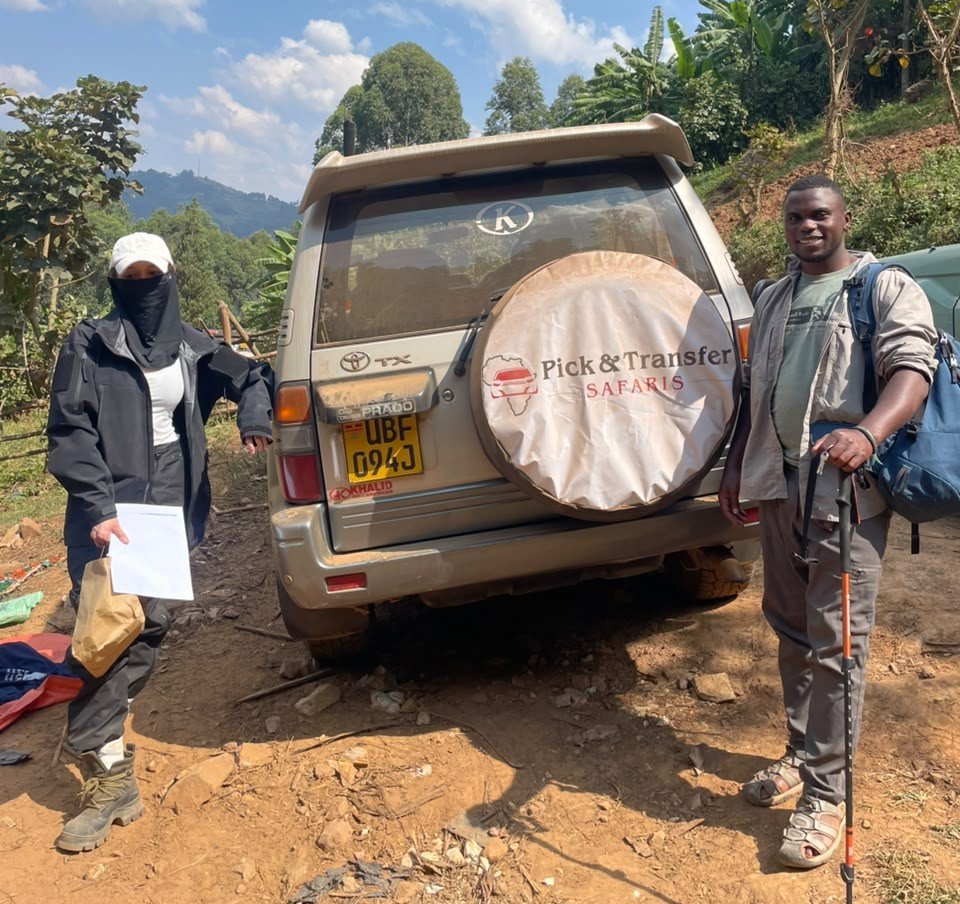
7 Days Uganda Safari – One week tour
This 7-day itinerary is the classic one-week introduction to Uganda, covering the country’s three most iconic wildlife experiences: chimpanzee tracking in Kibale Forest National Park, Big Five game drives and a boat cruise in Queen
Tour Details →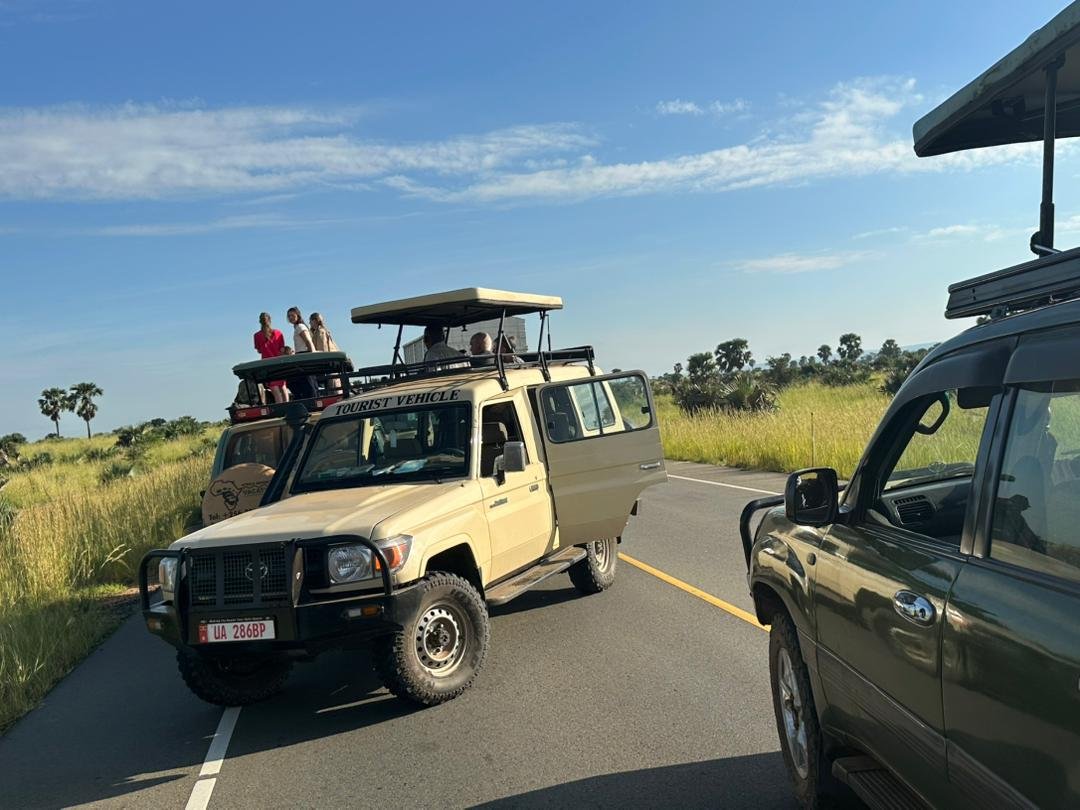
10 Days Uganda Primates and Wildlife
This 10-day Uganda Grand Safari is the most complete Uganda itinerary we offer at Pick and Transfer Safaris. It begins with a scenic northward drive from Entebbe to the vast open plains of Murchison
Tour Details →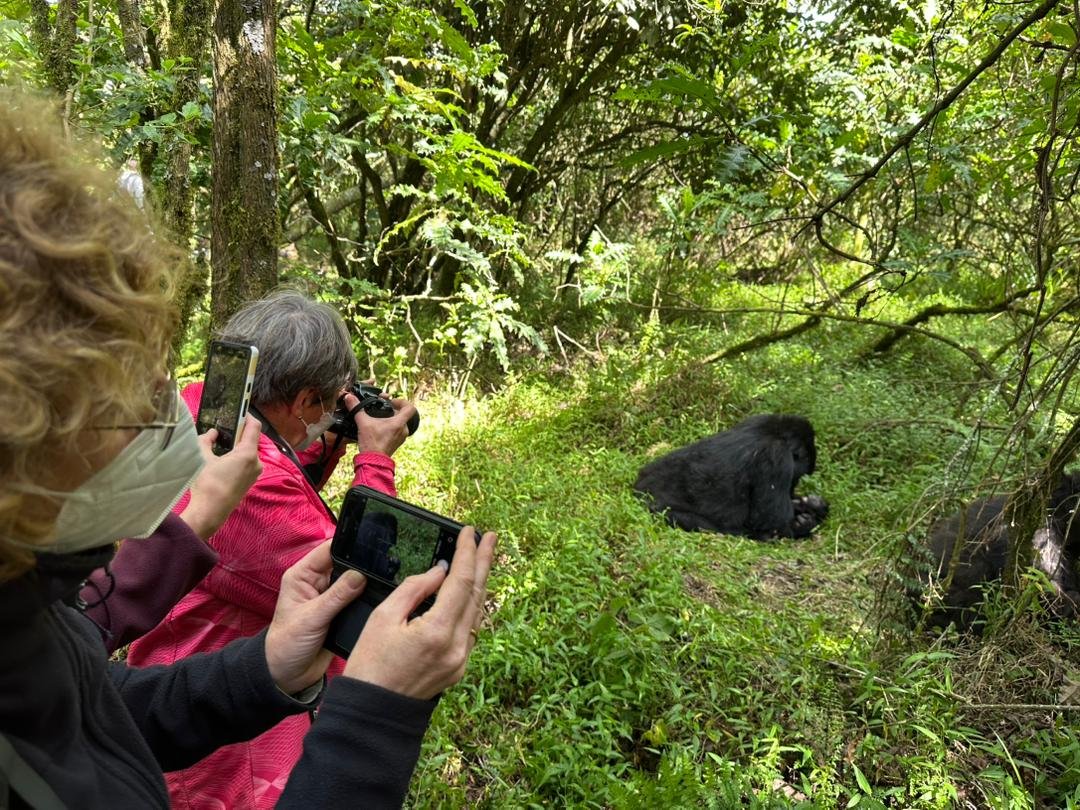
2 Days Uganda Gorilla Tour Starting from Kigali
This is the gentler cousin of our 1-Day Uganda Gorilla Safari Starting from Kigali — same idea, twice the breathing room. Instead of squeezing a 3,000-metre forest trek and two border crossings into a single very long day
Tour Details →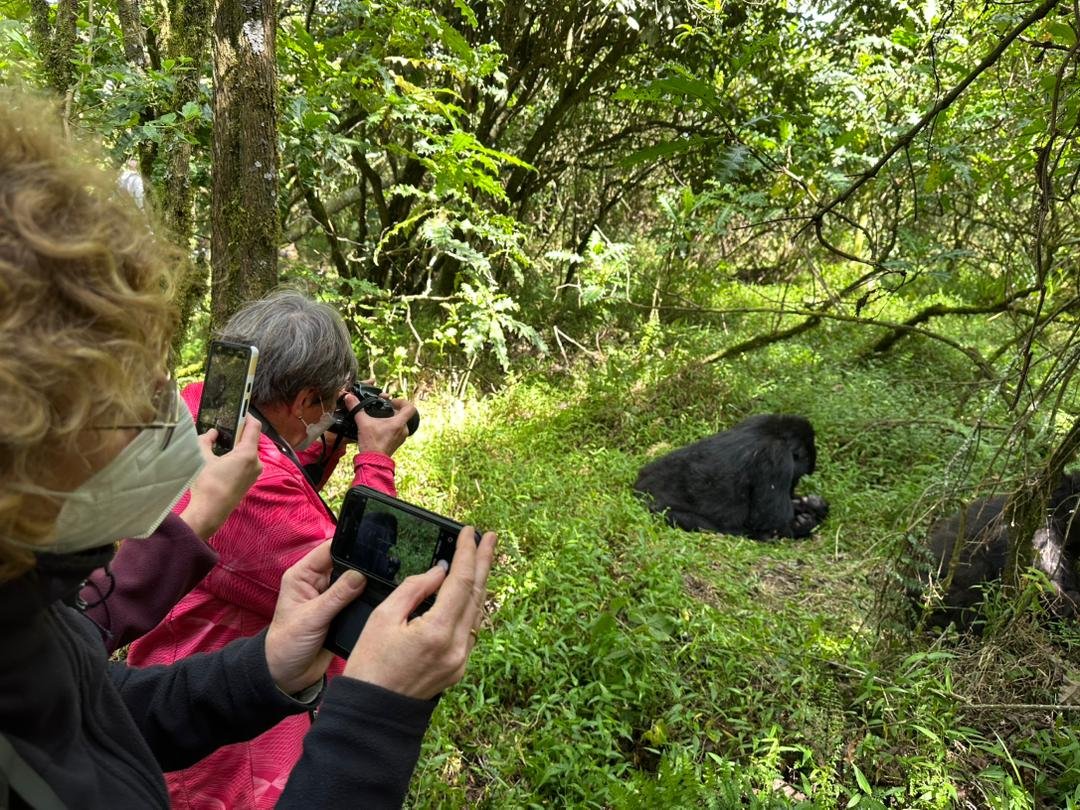
5-Day Uganda Gorilla and Chimpanzee Safari
This itinerary can be combined with a Rwanda extension or a wildlife-focused add-on through Queen Elizabeth National Park — browse our Uganda & Rwanda Safaris and Primate Safaris collections for ideas.
Tour Details →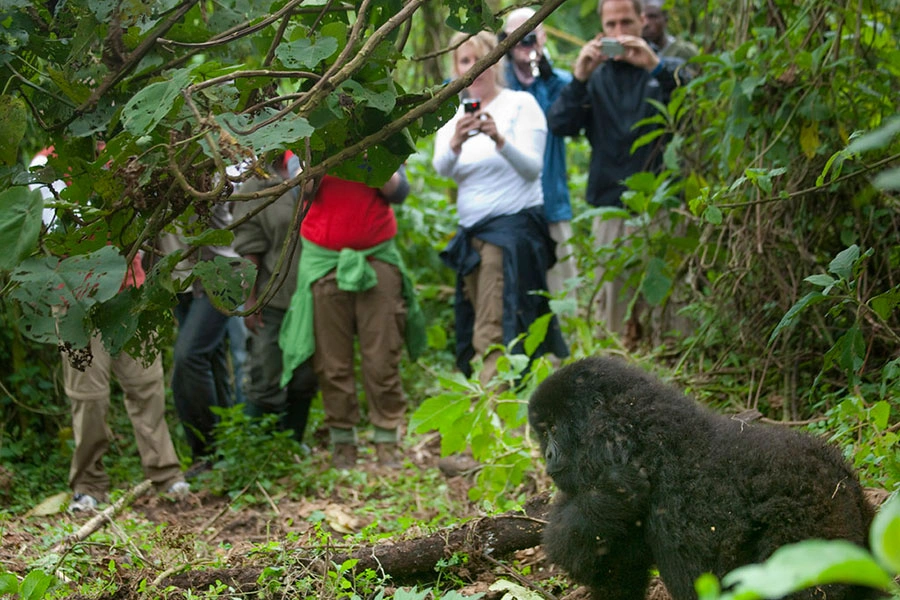
5 Days Rwanda Wildlife and Gorillas
This 5-day itinerary brings together Rwanda’s two flagship wildlife experiences: open savannah game drives and a boat safari in Akagera National Park, followed by a face-to-face encounters
Tour Details →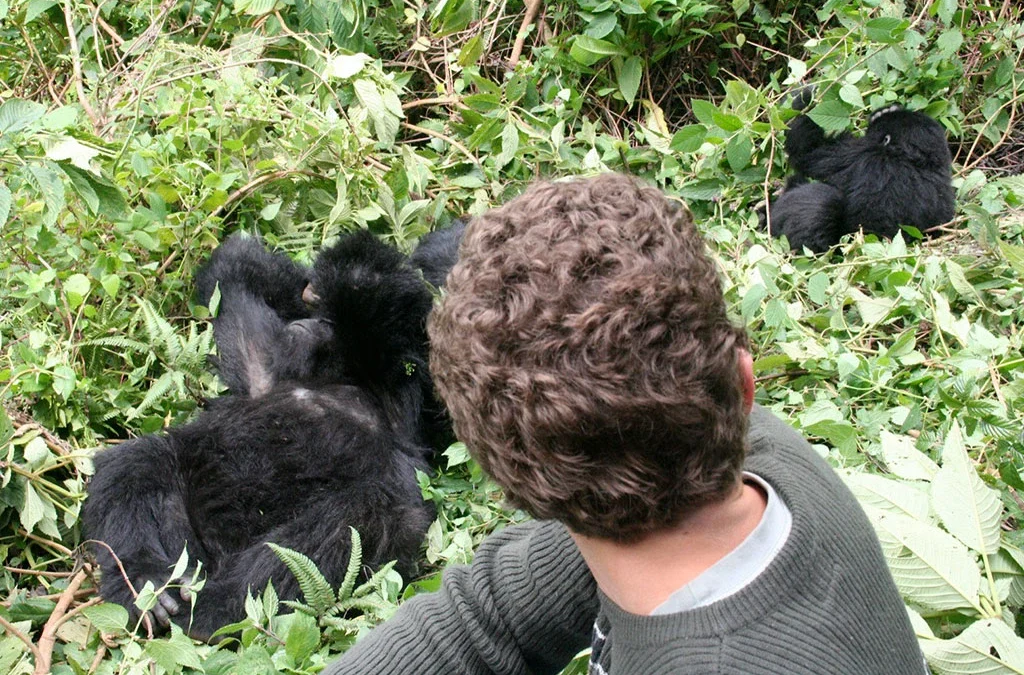
3 Days Uganda Gorilla Safari
For travelers who arrive in Entebbe with a tight schedule and a clear ambition, a 3-day gorilla safari to Bwindi Impenetrable Forest National Park is the most focused and rewarding short trip the country has to offer.
Tour Details →