- LET'S PLAN YOUR SAFARI
- +256 200 921 002
- +256 793 194 703
- info@pickandtransfersafaris.com

Chimps and Gorilla Trekking and Big Five Tour in Uganda
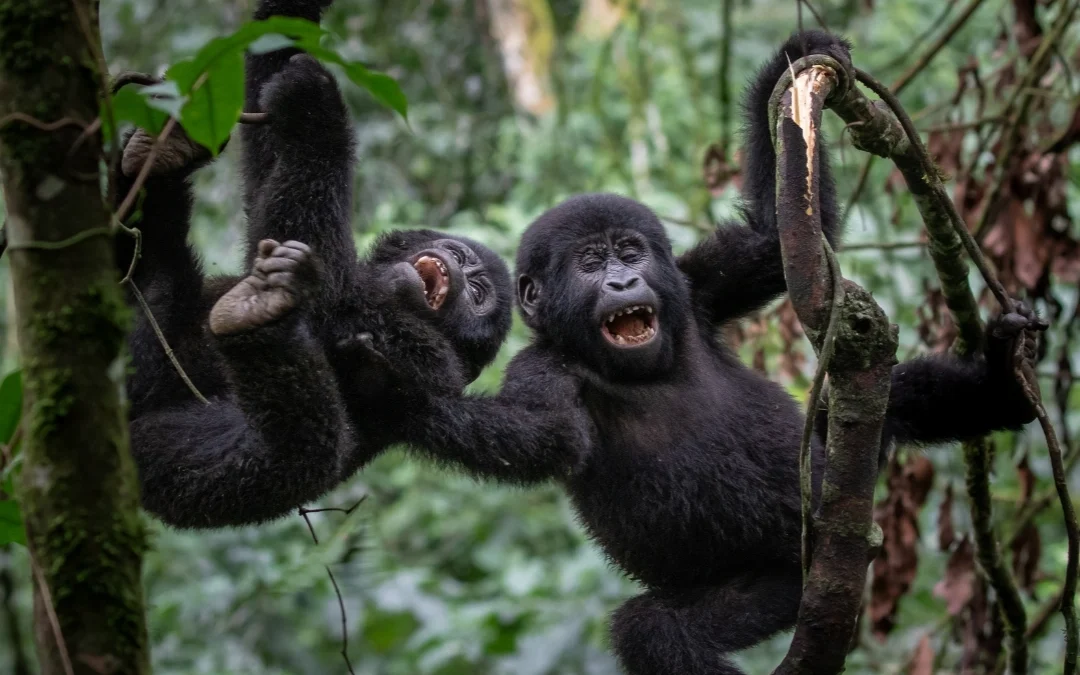
Chimps and Gorilla Trekking and Big Five Tour in Uganda. Very few destinations on earth let you track two great ape species and the classic African Big Five within the borders of a single country, and fewer still let you do it comfortably within a week or two without a single international flight in between. Uganda is one of those rare places. A trip built around chimps and gorilla trekking and a Big Five tour in Uganda takes you from the tangled, ancient rainforest of Bwindi Impenetrable Forest, where mountain gorillas rest just meters away, to the fig-tree canopy of Kibale Forest, alive with tracking chimpanzee communities, and on to the open savannahs of Queen Elizabeth and Murchison Falls National Parks, where lions, leopards, elephants, and buffalo roam freely alongside the Nile.
At Pick and Transfer Safaris, this three-in-one combination is one of the most requested itineraries we build, precisely because it delivers Africa’s most iconic wildlife experiences without asking travelers to sacrifice one for another. This guide walks through exactly how to combine chimpanzee tracking, gorilla trekking, and Big Five game viewing into one well-paced Uganda safari: what each experience actually involves, what it costs, when to go, and sample itineraries you can adapt to your own schedule.
What Does a Chimps, Gorillas and Big Five Safari Actually Involve?
A combined chimps, gorillas, and Big Five safari is built around three distinct activities that each require a different park and a slightly different mindset. Gorilla trekking and chimpanzee tracking both take place in dense rainforest, on foot, following experienced guides through narrow trails to reach habituated primate families, with a strict one-hour viewing window once they are located. Big Five game viewing, by contrast, happens almost entirely from an open safari vehicle across open grassland and woodland, following predictable circuits where wildlife is easier to spot from a distance. Uganda is unusual in placing excellent examples of both experiences within a few hours’ drive of one another, which is what makes combining all three so practical here compared with most other safari destinations.
Our gorilla safari packages and wildlife safari packages are frequently combined into a single itinerary for exactly this reason, and this guide walks through how that combination typically comes together in practice.
Why Uganda Is the Only Country Offering All Three in One Trip
Uganda holds roughly half of the world’s remaining mountain gorilla population, spread between Bwindi Impenetrable Forest National Park and the smaller Mgahinga Gorilla National Park, while also hosting the region’s premier chimpanzee tracking destination in Kibale Forest National Park. Layered on top of this primate wealth, Uganda’s savannah parks, particularly Queen Elizabeth National Park and Murchison Falls National Park, support healthy populations of lion, leopard, elephant, and buffalo, four of the traditional Big Five, with the fifth, rhino, protected nearby at a dedicated sanctuary.
No other African country combines this exact trio of experiences within such a compact, well-connected road network. Rwanda offers gorillas but has no significant chimpanzee population and considerably less savannah game, while Kenya and Tanzania offer superb Big Five viewing but no gorillas at all. Uganda’s geography is what makes this specific style of trip possible in the first place.
Gorilla Trekking in Uganda: Bwindi and Mgahinga
Gorilla trekking is usually the anchor activity around which the rest of a combined itinerary is built. Bwindi Impenetrable Forest, a UNESCO World Heritage Site in Uganda’s southwest, holds the great majority of the country’s habituated gorilla families across four trekking sectors, Buhoma, Ruhija, Rushaga, and Nkuringo, each with slightly different terrain and trekking difficulty. Mgahinga Gorilla National Park, further south near the Rwanda and DR Congo borders, offers a single habituated family, the Nyakagezi group, alongside golden monkey tracking in the same forest.
Every trek begins with an early morning briefing, followed by a hike that can range from thirty minutes to several hours depending on where the gorillas are feeding that day, with exactly one hour permitted once the family is located. Our 3-day Uganda gorilla safari is built around a single trek in Bwindi with comfortable pacing on either side, and is the most common starting point for travelers building a longer, combined itinerary.
Chimpanzee Tracking in Kibale Forest
Kibale Forest National Park is often described as the primate capital of East Africa, home to thirteen resident primate species including large, well-habituated chimpanzee communities that visitors track on foot each morning. Chimpanzee tracking tends to be more physically dynamic than gorilla trekking, since chimps move quickly through the canopy and across the forest floor, and habituated communities can range widely on any given day. For travelers wanting a more in-depth encounter, Kibale also offers a chimpanzee habituation experience, allowing extended time alongside researchers following a community still becoming accustomed to human observers.
Our 3-day chimpanzee tour in Uganda focuses specifically on this park, and is frequently combined with a gorilla trek through packages such as our 5-day Uganda gorilla and chimpanzee safari, which pairs both primate experiences before most travelers even reach the savannah portion of their trip.
The Big Five in Uganda: What You Can Realistically See
Uganda is not traditionally marketed as a Big Five destination in the same way Kenya or South Africa are, but it genuinely offers four of the five within its own borders. Lions, including the famous tree-climbing lions of Queen Elizabeth National Park’s Ishasha sector, and strong prides across Murchison Falls, are reliably seen on game drives in both parks. Leopards are present in both parks as well, though more elusive due to their solitary, largely nocturnal habits. Elephants and buffalo are abundant across both parks’ savannah sections, often encountered in large herds during a single morning game drive.
Rhino is the exception, since both black and white rhino were hunted to local extinction in Uganda’s wild parks decades ago. The privately run Ziwa Rhino Sanctuary, north of Kampala on the route toward Murchison Falls, now protects a growing population of white rhinos and can be visited on foot with a guide, making it possible to complete an unofficial Big Five checklist within Uganda by adding this one extra stop to a standard itinerary.
Queen Elizabeth National Park: Lions, Leopards, Elephants and Boat Safaris
Queen Elizabeth National Park is Uganda’s most visited savannah park and typically the first Big Five stop on a combined itinerary, given its convenient location a few hours from Bwindi. Its Ishasha sector is one of only a handful of places in Africa where lions regularly climb trees, a genuinely rare behavior, while the wider park supports healthy populations of elephants, buffalo, leopards, and antelope across open grassland and crater lake scenery. The park’s signature activity, a launch cruise along the Kazinga Channel, brings visitors close to one of the highest concentrations of hippos and Nile crocodiles anywhere in Africa, along with excellent birdlife along the shoreline.
Our 3-day safari to Queen Elizabeth National Park and the combined 4-day wildlife and primate safari both link naturally onto a gorilla trek in Bwindi, since the two parks sit a manageable drive apart in the country’s southwest.
Murchison Falls National Park: Uganda’s Biggest Big Game Stronghold
In Uganda’s north, Murchison Falls National Park is the country’s largest protected area and its most complete Big Five destination, named for the point where the entire Nile River forces itself through a gap barely seven meters wide before plunging into a churning gorge. Beyond the falls themselves, the park’s savannah plains support strong populations of lions, giraffes, elephants, and buffalo, with a boat cruise to the base of the falls offering close encounters with hippos, crocodiles, and prolific birdlife, including the elusive shoebill stork in the surrounding delta.
Because Murchison sits further from Bwindi than Queen Elizabeth does, it typically forms the final leg of a longer, comprehensive itinerary rather than a quick add-on, as reflected in our 3-day safari to Murchison Falls.
Ziwa Rhino Sanctuary: Completing the Big Five Checklist
Ziwa Rhino Sanctuary sits conveniently along the standard route between Kampala or Entebbe and Murchison Falls National Park, making it easy to fold into a longer itinerary without a significant detour. Unlike lion or elephant sightings, which happen from a vehicle, rhino tracking at Ziwa is done on foot with an armed ranger, bringing visitors within a safe but genuinely close distance of grazing white rhinos in a way that few other rhino experiences in Africa allow. Adding a stop here is what turns a strong four-out-of-five Big Five itinerary into a complete set, and it fits naturally into any route heading north toward Murchison Falls.
Gorillas, Chimpanzees and Big Cats: How the Three Experiences Actually Differ
It helps to understand upfront just how different these three wildlife encounters feel in practice, since travelers sometimes arrive expecting a similar rhythm across all of them. Gorilla trekking is slow, deliberate, and deeply quiet: once the family is located, the hour spent with them is largely still, watching a silverback rest against a tree trunk or juveniles tumble through the undergrowth a few meters away, with guides speaking only in hushed tones. Chimpanzee tracking has a noticeably different energy, since chimps are considerably more vocal and physically active, often moving quickly between feeding trees, calling to one another, and occasionally putting on dramatic displays of branch-shaking or hooting that ripple through the whole group.
A savannah game drive in Queen Elizabeth or Murchison Falls is different again: rather than a single, concentrated hour with one family, a morning or afternoon drive covers several kilometers of track, with sightings unfolding unpredictably along the way, from a pride of lions resting in tall grass to a herd of elephants crossing the road ahead of the vehicle. Understanding these differences in advance helps travelers set realistic expectations for each leg of the trip, rather than comparing a rainforest primate encounter directly against an open-plains game drive.
How to Combine All Three Experiences Into One Itinerary
The logical flow for a combined itinerary generally starts with gorilla trekking in Bwindi, since permits are the most tightly restricted and time-sensitive element of the trip and are best scheduled early while travelers are fresh. From Bwindi, the route continues to Queen Elizabeth National Park for Big Five game viewing and a Kazinga Channel cruise, then to Kibale Forest for chimpanzee tracking, before finishing with a stop at Ziwa Rhino Sanctuary and a final push into Murchison Falls National Park for the last savannah game drives and Nile boat cruise. This exact structure underpins our 10-day Uganda primates and wildlife safari, which we consider the benchmark itinerary for travelers wanting all three experiences properly paced into one trip.
For travelers with less time, our 7-day Uganda one-week tour compresses this same route into a tighter but still workable schedule, generally by combining the Bwindi and Kibale legs more tightly or trimming a day from Murchison Falls, while those with two weeks available can go considerably deeper with our 14-day Uganda wildlife and primates safari, adding extra nights in each park and room for a second gorilla trek or an extended birding excursion.
Gorilla and Chimpanzee Permit Costs
A standard gorilla trekking permit in Uganda currently costs around 800 US dollars per person for foreign non-residents, with reduced rates for foreign residents and a heavily discounted local rate for East African citizens. Chimpanzee tracking permits in Kibale Forest are considerably more affordable, making the addition of a chimp trekking day a relatively low-cost way to add a second primate species to a gorilla-focused trip. Because gorilla permits in particular are strictly limited and can sell out four to six months in advance during peak season, we always recommend securing them as early as possible once your travel dates are confirmed, since the rest of the itinerary is generally built around the permit dates rather than the other way around.
Best Time of Year for This Combined Safari
Gorilla and chimpanzee trekking is possible in Uganda throughout the year, since the forests are permanently inhabited, though the two dry seasons, roughly December to February and June to September, bring firmer trails and are generally the most popular months to trek. The wetter months from March to May and October to November bring muddier forest conditions but noticeably fewer visitors and, in some years, discounted gorilla permit pricing.
For the Big Five portion of the trip, the dry seasons also tend to concentrate wildlife more predictably around water sources and open grassland in Queen Elizabeth and Murchison Falls, making game drives somewhat easier, though both parks reward visitors with good sightings across most of the year thanks to their resident, non-migratory wildlife populations.
How Many Days Do You Need for This Combination?
A realistic minimum for combining a single gorilla trek, a chimpanzee tracking day, and a proper Big Five game-viewing component in both Queen Elizabeth and Murchison Falls is around 8 to 10 days, allowing enough time to travel between parks without feeling rushed. Travelers with only 5 to 6 days available generally need to choose between the two savannah parks rather than visiting both, most commonly retaining Queen Elizabeth for its convenient location near Bwindi, while those with two weeks or more can comfortably include both savannah parks, a second gorilla trek, and additional activities such as birding or a community visit.
Sample Itinerary: 7-Day Chimps, Gorillas and Big Five Safari
A typical 7-day version of this trip opens with an arrival transfer and a scenic drive toward Bwindi Impenetrable Forest, positioning travelers for an early gorilla trek on day two. Day three moves to Queen Elizabeth National Park, where day four covers a morning game drive through the Kasenyi plains followed by an afternoon launch cruise along the Kazinga Channel. Day five continues to Kibale Forest for chimpanzee tracking, with day six allowing an optional nature walk through Bigodi Wetland Sanctuary before the return transfer to Entebbe on day seven. This compact structure covers all three headline experiences without needing to reach Murchison Falls, making it a practical option for travelers with a tighter schedule.
Sample Itinerary: 10 to 14 Day Comprehensive Circuit
For travelers wanting the fullest version of this trip, a 10 to 14 day itinerary adds Murchison Falls National Park and Ziwa Rhino Sanctuary to the standard Bwindi, Queen Elizabeth, and Kibale route, with extra nights throughout for a noticeably slower pace. This kind of trip typically spends two to three nights around Bwindi to allow either a second gorilla trek or a rest day, two nights in Queen Elizabeth for a full game-drive and boat-cruise experience, two nights in Kibale for chimpanzee tracking and a wetland walk, a stop at Ziwa Rhino Sanctuary en route north, and finishes with two to three nights in Murchison Falls for both a launch cruise to the base of the falls and a top-of-the-falls viewpoint hike. Birding enthusiasts extending this itinerary further often add our 18-day Uganda birding and wildlife safari as a template for weaving in additional forest and wetland birding stops along the same general route.
Where to Stay Across the Route
Accommodation choices along this route range from simple, community-run guesthouses near park entrances to well-appointed lodges positioned directly on the forest edge or overlooking savannah plains. Around Bwindi, lodges close to the trailhead of your assigned trekking sector cut down significantly on early-morning transfer time before a trek, while properties in Queen Elizabeth and Murchison Falls positioned near the main game-viewing circuits or river channels tend to deliver wildlife sightings even outside scheduled drives. We work across a full range of comfort levels and can also recommend our partner property Ikoro Hotels for travelers wanting a more polished stay along the route.
Budgeting for a Chimps, Gorillas and Big Five Safari
Cost on this style of trip is driven primarily by gorilla and chimpanzee permits, with private vehicle hire and park entrance fees adding a fairly consistent daily cost regardless of trip length. A 7-day version with a single gorilla trek, a chimpanzee tracking day, and mid-range lodges typically sits at a moderate travel budget once permits, park fees, meals, and a private driver-guide are included, while extending into Murchison Falls, adding a second gorilla trek, or upgrading accommodation raises the total in fairly predictable increments. Because permit and park costs are essentially fixed, the main lever travelers have over their total budget is trip length and accommodation category rather than the core wildlife activities themselves.
Packing and Health Preparation
Gorilla and chimpanzee trekking calls for sturdy, waterproof hiking boots, long trousers tucked into socks, a light long-sleeved shirt, and gardening gloves for gripping vegetation on steep or nettle-lined trails, regardless of season, along with a rain jacket for Uganda’s forest microclimates. For savannah game drives, neutral-colored clothing, a warm layer for early morning drives, strong sun protection, and a good pair of binoculars round out the essentials. A yellow fever vaccination certificate is a standard entry requirement for Uganda, and travelers should discuss malaria prophylaxis with a travel health professional ahead of departure, since the country’s parks sit within malaria-risk zones.
Conservation and Community Impact of This Combined Safari
A meaningful share of gorilla and chimpanzee permit revenue in Uganda supports park protection, anti-poaching patrols, and community development programs in the districts surrounding Bwindi, Mgahinga, and Kibale, while Ziwa Rhino Sanctuary’s entrance fees fund the ongoing reintroduction and protection of Uganda’s rhino population. Many itineraries also include an optional visit to a local community walk or cultural experience near Bwindi, channeling a further share of tourism spending directly to households living alongside the parks. We are proud to support the Kigezi Foundation, a community development initiative working in the areas around Bwindi Impenetrable Forest, for travelers who want their safari to leave a genuinely positive footprint.
Photography Tips Across Forest and Savannah
Photographing this trip well requires adapting your approach twice over the course of the itinerary. In the low light of Bwindi and Kibale’s forest interiors, a camera capable of shooting comfortably at higher ISO settings, a moderately fast lens, and a willingness to shoot handheld rather than relying on a tripod, which is impractical on narrow forest trails, all help capture usable images during the single permitted hour with a gorilla family or a fast-moving chimpanzee community. Flash photography is strictly prohibited around both species, so adjusting exposure settings before the encounter begins is far more useful than trying to compensate afterward.
Game drives in Queen Elizabeth and Murchison Falls, by contrast, reward a longer zoom lens for distant sightings and the classic golden light of early morning and late afternoon drives, when animals are most active and the low sun brings out the savannah’s color. A simple beanbag resting on the vehicle window frame is often more practical than a full tripod for steadying a longer lens during a game drive, and is worth packing alongside a second, wider lens for landscape shots of the Kazinga Channel or the Nile at Murchison Falls.
Getting Around: Transfers Between Forest and Savannah Parks
Road transfers form a genuine part of this itinerary’s rhythm rather than simply connecting the dots between activities. The drive from Bwindi to Queen Elizabeth National Park typically takes around two to four hours depending on the trekking sector used, passing through terraced hillsides and small trading towns along the way, while the continuation to Kibale Forest adds a further few hours through Uganda’s fertile western corridor. The longest single transfer on the full circuit is typically the drive north from Kibale or Queen Elizabeth toward Murchison Falls, which can take the better part of a day and is often broken up with a stop at Ziwa Rhino Sanctuary partway along the route.
Every stage of this route is covered by a private vehicle and driver-guide when booked through our team, meaning travelers are never relying on shared shuttles or public transport to move between parks, and transfer days themselves are treated as part of the experience rather than dead time, often including stops at viewpoints, craft centers, or the equator crossing along the way.
Common Mistakes to Avoid When Planning This Trip
The most frequent mistake is booking gorilla or chimpanzee permits too late, since availability during peak months can sell out four to six months ahead. A second common mistake is underestimating driving distances, particularly between Bwindi and Murchison Falls in the north, which is considerably longer than the more manageable hop between Bwindi and Queen Elizabeth. A third mistake is trying to fit all three experiences into a trip that is simply too short, leaving travelers spending more time in vehicles than actually enjoying each activity. The simplest way to avoid all three is to plan the whole route as one coordinated itinerary with a specialist who understands the region’s actual driving times and permit calendars.
Frequently Asked Questions
Can I really see gorillas, chimpanzees, and the Big Five all in Uganda? Yes. Uganda offers gorilla trekking in Bwindi or Mgahinga, chimpanzee tracking in Kibale Forest, and four of the Big Five, lion, leopard, elephant, and buffalo, in Queen Elizabeth and Murchison Falls National Parks, with rhino available at the nearby Ziwa Rhino Sanctuary to complete the set.
How many days should I set aside for all three experiences? A realistic minimum is around 8 to 10 days for a single gorilla trek, a chimpanzee tracking day, and proper time in both Queen Elizabeth and Murchison Falls National Parks, though a shorter 7-day version covering gorillas, chimps, and one savannah park is achievable for travelers with less time.
Is gorilla trekking or chimpanzee tracking more physically demanding? Both vary considerably depending on where the animals are on a given day, but chimpanzee tracking tends to involve more brisk movement since chimps travel quickly through the canopy, while gorilla trekking can involve steeper, muddier terrain depending on the trekking sector and season.
Do I need to add a separate country to see the Big Five properly? Not necessarily. While Kenya and Tanzania offer larger, more famous savannah landscapes, Uganda’s Queen Elizabeth and Murchison Falls National Parks deliver a genuine Big Five experience, including rhino at Ziwa Sanctuary, entirely within its own borders.
What is the best order to visit the parks in? Most itineraries start with gorilla trekking in Bwindi while travelers are fresh, since permits are the most time-sensitive booking, then move through Queen Elizabeth, Kibale, and finally Murchison Falls, though this order can be adjusted based on flight arrival and departure points.
Is this trip suitable for families with children? Uganda Wildlife Authority sets a minimum age of fifteen for gorilla trekking and generally applies a similar guideline for chimpanzee tracking, primarily to protect the animals from human diseases young children may carry, which means this specific combination suits families with teenagers more readily than those with young children. Families with younger kids often adapt the itinerary to emphasize the Big Five game-drive portions, which have no age restriction, while one or two adults in the group peel off for the primate treks.
Can this itinerary be done without a private vehicle? It is technically possible using a mix of shared shuttles and public transport between towns, but the timing demands of gorilla and chimpanzee permits, which require arrival at a specific park headquarters by a fixed early morning hour, make a private vehicle and driver-guide by far the more reliable option, particularly once Murchison Falls is added to the route given the distances involved.
Health and Safety Considerations for This Combined Safari
Beyond the standard yellow fever and malaria precautions already noted, a few health considerations are specific to this particular combination of activities. Because gorillas and chimpanzees share such a high percentage of DNA with humans, both species are highly susceptible to human respiratory illnesses, and Uganda Wildlife Authority asks any visitor showing symptoms of a cold, flu, or other communicable illness to skip their scheduled trek rather than risk transmitting it to a wild population that has no immunity to human pathogens. Travelers should factor this into trip planning by building in a small buffer of flexibility around trekking days where possible, in case rescheduling becomes necessary.
On the savannah side of the itinerary, standard game-drive safety practices apply: remaining inside the vehicle unless a guide explicitly confirms it is safe to disembark, keeping a respectful distance from all wildlife, and following ranger instructions closely during the Ziwa Rhino Sanctuary walking safari, where visitors are on foot in proximity to large, powerful animals. Comprehensive travel insurance covering trekking activities and emergency medical evacuation is strongly recommended for the entire trip, particularly given the remote forest locations involved in the primate trekking legs.
Extended Options for Travelers Who Want Even More
Travelers who want to go beyond the standard combined itinerary have several deeper options worth considering. A 8-day Uganda gorilla, chimpanzee and wildlife safari or the more extensive 25-day wildlife, gorilla and chimps Uganda adventure demonstrate just how much depth is possible within Uganda’s borders alone. For travelers specifically searching out the Big Five terminology, a 15-day Rwanda-Uganda primate and Big Five safari adventure and a shorter 9-day Uganda-Rwanda gorilla and Big Five safari both extend the concept regionally by adding Rwanda’s gorilla trekking and Akagera’s Big Five game viewing to the mix.
Travelers wanting to extend even further into East Africa’s wider wildlife spectacle can look at a 14-day East Africa safari combining Uganda gorillas with Serengeti wildlife or a 10-day gorilla trekking and great migration safari, both of which pair Uganda’s primate trekking with East Africa’s broader migration spectacle. For a Uganda-only deep dive, a 10-day Uganda adventure safari itinerary and general planning resources such as this Uganda safaris overview, this operator background overview, and this regional car hire guide are useful references when comparing how different operators structure similar routes.
Why Book Your Chimps, Gorillas and Big Five Safari With Pick and Transfer Safaris
Coordinating gorilla and chimpanzee permits alongside a well-timed Big Five circuit requires genuine local knowledge of park distances, permit calendars, and seasonal conditions. Our team is based in the region and runs these routes daily, building every combined itinerary as one coordinated trip rather than a series of separate bookings, using our own vehicles and driver-guides across Bwindi, Kibale, Queen Elizabeth, and Murchison Falls for consistency from the first pickup to the final drop-off.
Whether you want a focused gorilla safari, a big-game-focused wildlife safari, or the full three-in-one combination covered in this guide, our team can tailor the pace, comfort level, and route to match your time and budget through our extended safari packages. Browse our full range of safari packages and destination guides on our destinations page, learn more on our about us page, and when you are ready to start planning, get in touch with our team for a tailored quote.
Chimps and Gorilla Trekking and Big Five Tour in Uganda
A trip combining chimpanzee tracking, gorilla trekking, and a Big Five safari is, in many ways, the single most complete wildlife experience Africa has to offer within one country’s borders, and Uganda is uniquely positioned to deliver all three without the added complexity of crossing international lines. From the quiet intensity of locking eyes with a silverback gorilla in Bwindi to the thrill of watching lions climb trees in Queen Elizabeth National Park, this itinerary style earns its reputation as one of the richest safari combinations available anywhere.
If you are ready to start mapping out your own chimps, gorillas, and Big Five safari across Uganda, our team at Pick and Transfer Safaris would be glad to help you turn this guide into a tailor-made itinerary built around your dates, budget, and interests. Explore our full collection of safari packages to see where your own Uganda adventure might begin.
7 Days Uganda Safari – One week tour
This 7-day itinerary is the classic one-week introduction to Uganda, covering the country’s three most iconic wildlife experiences: chimpanzee tracking in Kibale Forest National Park, Big Five game drives and a boat cruise in Queen
Tour Details →
10 Days Uganda Primates and Wildlife
This 10-day Uganda Grand Safari is the most complete Uganda itinerary we offer at Pick and Transfer Safaris. It begins with a scenic northward drive from Entebbe to the vast open plains of Murchison
Tour Details →
2 Days Uganda Gorilla Tour Starting from Kigali
This is the gentler cousin of our 1-Day Uganda Gorilla Safari Starting from Kigali — same idea, twice the breathing room. Instead of squeezing a 3,000-metre forest trek and two border crossings into a single very long day
Tour Details →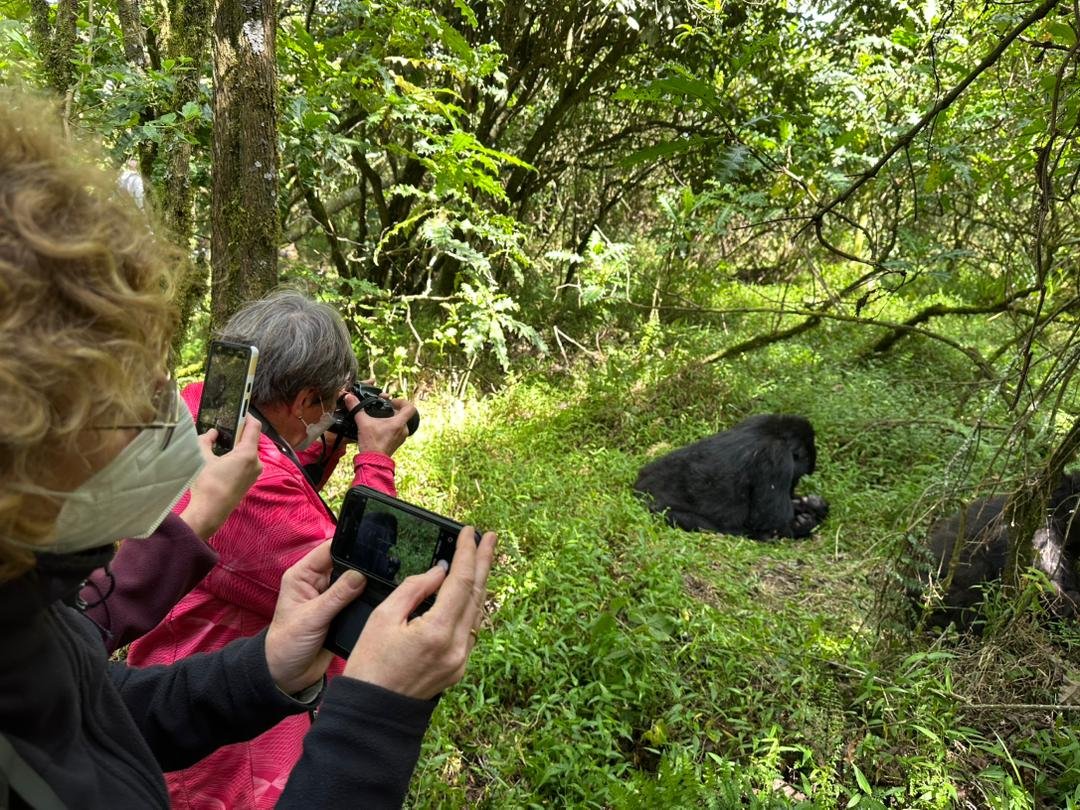
5-Day Uganda Gorilla and Chimpanzee Safari
This itinerary can be combined with a Rwanda extension or a wildlife-focused add-on through Queen Elizabeth National Park — browse our Uganda & Rwanda Safaris and Primate Safaris collections for ideas.
Tour Details →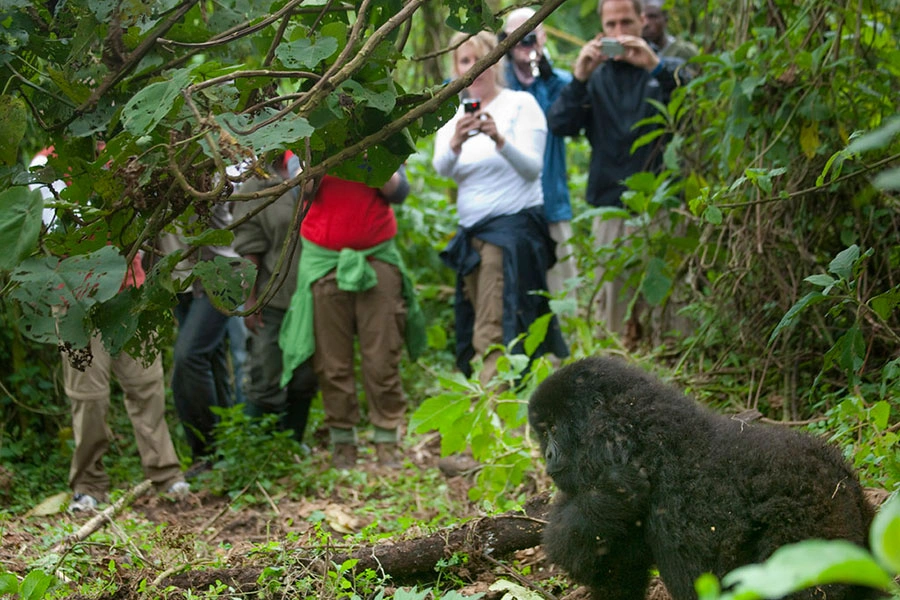
5 Days Rwanda Wildlife and Gorillas
This 5-day itinerary brings together Rwanda’s two flagship wildlife experiences: open savannah game drives and a boat safari in Akagera National Park, followed by a face-to-face encounters
Tour Details →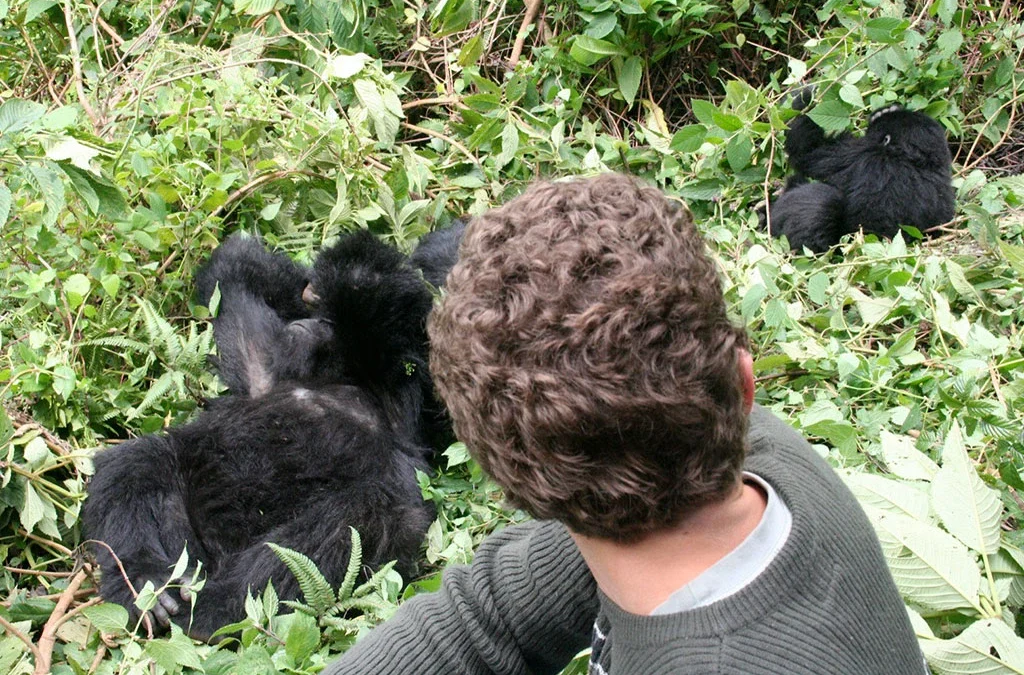
3 Days Uganda Gorilla Safari
For travelers who arrive in Entebbe with a tight schedule and a clear ambition, a 3-day gorilla safari to Bwindi Impenetrable Forest National Park is the most focused and rewarding short trip the country has to offer.
Tour Details →