- LET'S PLAN YOUR SAFARI
- +256 200 921 002
- +256 793 194 703
- info@pickandtransfersafaris.com

Big Five and Gorilla Tour in Uganda
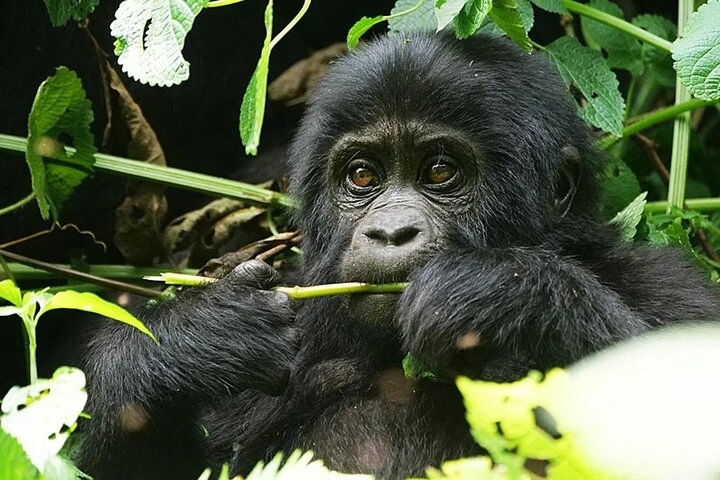
Big Five and Gorilla Tour in Uganda. Ask most safari travelers where to see the Big Five and they will point south, toward Kenya’s Masai Mara or South Africa’s Kruger. Ask where to trek mountain gorillas and the answer shifts to Uganda, Rwanda, or the DR Congo. What far fewer travelers realize is that Uganda alone lets you do both without crossing a single border. A Big Five and gorilla tour in Uganda pairs the country’s savannah heavyweights, lion, leopard, elephant, and buffalo, plus rhino at a dedicated nearby sanctuary, with a face-to-face encounter with a wild mountain gorilla family in the rainforests of Bwindi or Mgahinga, all within a single, well-connected road circuit.
At Pick and Transfer Safaris, this is one of the itineraries we get asked to build most often, precisely because it answers a question travelers rarely expect Uganda to solve: can I get my classic African safari and my gorilla trek in one trip, without adding a second country? This guide covers exactly how that works, from the practicalities of Uganda’s own Big Five checklist to gorilla permit costs, sequencing, and sample itineraries you can adapt to your own dates.
What Is a Big Five and Gorilla Tour, Exactly?
A Big Five and gorilla tour is a Uganda itinerary structured around two very different wildlife experiences: open-vehicle game drives across savannah parks in pursuit of lion, leopard, elephant, buffalo, and rhino, and an on-foot rainforest trek to spend an hour with a habituated mountain gorilla family. The two halves of the trip could hardly feel more different, one is slow, reflective, and physically demanding in short bursts; the other is scenic, covers ground quickly, and rewards patience over a longer game drive, yet Uganda’s geography places excellent examples of both within a manageable driving distance of one another, which is what makes combining them into a single trip realistic here in a way it simply is not in most other African destinations.
Our gorilla safari packages and wildlife safari packages are the two building blocks behind every Big Five and gorilla itinerary we put together, and this guide walks through how they typically come together in practice.
Where the Term “Big Five” Actually Comes From
The phrase Big Five predates modern safari tourism by more than a century, coined originally by big-game hunters to describe the five African animals considered most dangerous and difficult to hunt on foot: lion, leopard, elephant, buffalo, and rhinoceros. The term survived the shift from hunting to photographic tourism largely intact, and today it functions more as a shorthand checklist for travelers than a strict biological or ecological category, even though a cheetah, giraffe, or hippo sighting can be every bit as memorable as ticking off one of the traditional five.
Understanding this history helps explain why the Big Five checklist does not perfectly map onto every country’s wildlife reality. Uganda, for instance, offers outstanding sightings of four of the five within its national parks, but had lost its wild rhino population to poaching by the late twentieth century, which is why completing the set here requires one additional stop, covered in detail further down this guide.
Gorilla Trekking in Uganda: Bwindi and Mgahinga
Gorilla trekking is the half of this itinerary that requires the most advance planning, since permits are strictly limited by conservation authorities to protect the gorillas from overexposure and disease. Uganda offers two trekking destinations: Bwindi Impenetrable Forest National Park, a UNESCO World Heritage Site holding the great majority of the country’s habituated gorilla families across four trekking sectors, and the smaller Mgahinga Gorilla National Park, which offers a single habituated family alongside golden monkey tracking in the same forest.
Every trek begins with an early morning briefing at a park headquarters, followed by a hike ranging from thirty minutes to several hours depending on where the gorillas are feeding, with exactly one hour permitted once the family is located. Our 3-day Uganda gorilla safari is built around a single trek with comfortable pacing on either side, and is the most common anchor point around which a longer Big Five extension is added.
Lions: From Murchison’s Prides to Ishasha’s Tree Climbers
Lions are the most consistently sighted of Uganda’s Big Five species, present in strong numbers across both of the country’s major savannah parks. In Queen Elizabeth National Park, the Ishasha sector is famous for a genuinely rare behavior: lions that climb into the branches of fig and acacia trees, thought to escape biting insects and the heat of the ground, a sight found in only a handful of populations across the entire continent. Further north, Murchison Falls National Park supports its own strong resident prides across its open savannah plains, offering more traditional ground-level sightings during morning and evening game drives.
Because lion sightings depend partly on which sector of each park you explore and at what time of day, a knowledgeable driver-guide who tracks recent sightings and pride movements makes a meaningful difference to your odds, which is part of why we always assign an experienced local guide to every Big Five leg of a combined itinerary.
Leopards: Uganda’s Elusive Big Cat
Leopards are present in healthy numbers across both Queen Elizabeth and Murchison Falls National Parks, but their solitary, largely nocturnal habits make them considerably harder to spot than lions, elephants, or buffalo. Sightings tend to come from a leopard draped along a low branch at dawn or dusk, or occasionally crossing a track at close range during a night game drive where permitted. Travelers hoping specifically for leopard sightings should build some flexibility into their game-drive schedule, since patient, repeated drives through known territory generally deliver better odds than a single rushed pass through the park.
Elephants and Buffalo: Uganda’s Most Reliable Big Five Sightings
Elephants and buffalo are the most dependable of Uganda’s Big Five sightings, encountered in large herds across both Queen Elizabeth and Murchison Falls National Parks on almost any given game drive. The Kazinga Channel in Queen Elizabeth is a particularly reliable spot for elephants, which gather along its banks to drink and bathe, often visible from both vehicle-based game drives and the park’s signature boat cruise. Buffalo herds numbering in the hundreds are a common sight across the open plains of both parks, and while less dramatic than a lion or leopard sighting, close encounters with these herds are often among visitors’ most memorable moments simply for their sheer scale.
Rhino: Completing the Big Five at Ziwa Rhino Sanctuary
Uganda’s wild rhino population was hunted to local extinction by the 1980s, which means no national park in the country currently offers wild rhino sightings on a standard game drive. The gap has been filled by Ziwa Rhino Sanctuary, a privately managed reserve north of Kampala on the standard route toward Murchison Falls, which now protects a growing population of white rhinos descended from a handful of founder animals reintroduced from neighboring countries. Rhino tracking at Ziwa is done on foot with an armed ranger, bringing visitors within a safe but genuinely close distance of grazing animals, an experience that differs meaningfully from a vehicle-based sighting elsewhere on the Big Five checklist.
Adding a stop at Ziwa is what turns a strong four-out-of-five itinerary into a complete Big Five and gorilla tour, and because it sits directly along the route north, it requires only a modest detour rather than a dedicated extra day for most itineraries.
What a Typical Big Five Game Drive Actually Looks Like
For travelers who have never been on safari before, it helps to know roughly what a day of Big Five game viewing actually involves, since it differs considerably from the forest trekking half of this trip. Game drives typically depart in the early morning, around 6:30 or 7:00 am, when temperatures are cooler and predators are most active, following a network of dirt tracks through the park in an open-sided safari vehicle with a driver-guide who reads tracks, radios other guides about recent sightings, and positions the vehicle for the best possible view while keeping a respectful distance from the animals. A typical morning drive lasts three to four hours, often returning to the lodge for a late breakfast, with a second drive in the late afternoon as temperatures cool again and wildlife becomes active once more.
Unlike gorilla trekking, where the encounter is scheduled and guaranteed once a family is located, Big Five sightings on a game drive are inherently less predictable, since wildlife movement depends on weather, water availability, and countless other factors outside anyone’s control. Experienced guides significantly improve the odds through local knowledge and radio networks shared between vehicles, but no responsible operator can promise a guaranteed sighting of every species on a single drive, which is one of the reasons multi-day itineraries with several game drives built in tend to deliver a noticeably fuller checklist than a rushed single-day visit.
Queen Elizabeth National Park: The Most Convenient Big Five Base
Queen Elizabeth National Park is usually the first Big Five stop on a combined itinerary, given its proximity to Bwindi, and it delivers a genuinely complete savannah experience within a compact area. Beyond its tree-climbing lions and abundant elephant and buffalo herds, the park’s crater lake region and open grassland support a wide variety of antelope species, while its boat cruise along the Kazinga Channel adds hippos, crocodiles, and rich birdlife to the day’s sightings without requiring a separate excursion. Our 3-day safari to Queen Elizabeth National Park and the combined 4-day wildlife and primate safari both link naturally onto a Bwindi gorilla trek given the manageable drive between the two.
Murchison Falls National Park: Uganda’s Biggest Wilderness
Murchison Falls National Park is Uganda’s largest protected area and its most complete single-park Big Five destination, combining dramatic scenery, where the entire Nile River is forced through a gap barely seven meters wide, with strong resident populations of lion, elephant, buffalo, and giraffe across its northern savannah plains. A boat cruise to the base of the falls adds hippos, crocodiles, and the chance of spotting the elusive shoebill stork in the surrounding delta. Because Murchison sits considerably further from Bwindi than Queen Elizabeth does, it typically forms the final leg of a longer, more comprehensive itinerary, reflected in our 3-day safari to Murchison Falls.
How to Sequence a Big Five and Gorilla Itinerary
The most logical flow generally begins with gorilla trekking, since permits are the most time-sensitive and tightly restricted element of the trip, best scheduled early while travelers are still fresh and well-rested. From Bwindi or Mgahinga, the route continues to Queen Elizabeth National Park for the first substantial block of Big Five game viewing, before either concluding there for a shorter trip or continuing north, via a stop at Ziwa Rhino Sanctuary, to Murchison Falls National Park for the final and most complete savannah leg of the journey. This structure underpins our 10-day Uganda primates and wildlife safari, which balances gorilla trekking with substantial time in both of the country’s major savannah parks.
Travelers with less time available often compress this into our 7-day Uganda one-week tour, generally by focusing the Big Five portion on Queen Elizabeth alone and treating a full Murchison Falls extension as an optional add-on for a future visit, while those with two weeks or more can go considerably deeper with our 14-day Uganda wildlife and primates safari.
Gorilla Permit Costs and Booking Timeline
A standard gorilla trekking permit in Uganda currently costs around 800 US dollars per person for foreign non-residents, with reduced rates for foreign residents and a heavily discounted local rate for East African citizens. Because permits are strictly capped per gorilla family per day, availability during the peak dry seasons of June to September and December to February can sell out four to six months in advance, and we always recommend securing permits as early as possible once travel dates are fixed, since the rest of a Big Five and gorilla itinerary is generally built around the permit dates rather than the other way around.
Big Five game viewing carries no equivalent permit cost beyond standard national park entrance fees, which means the gorilla trek remains the single largest fixed cost on this style of trip, and the primary driver of how far in advance the whole itinerary needs to be planned.
Best Time of Year for a Big Five and Gorilla Tour
Gorilla trekking is possible in Uganda throughout the year, since the forests are permanently inhabited, though the two dry seasons, roughly December to February and June to September, bring firmer trails and are generally the most comfortable and most popular months to trek. The wetter months from March to May and October to November bring muddier forest conditions but noticeably fewer visitors and, in some years, discounted gorilla permit pricing.
For the Big Five portion of the trip, the dry seasons also tend to concentrate wildlife more predictably around water sources and open grassland in Queen Elizabeth and Murchison Falls, making game drives somewhat easier, though both parks reward visitors with good sightings across most of the year thanks to their resident, non-migratory wildlife populations, meaning there is no single wrong time of year to attempt this combination.
How Many Days Do You Need?
A focused trip pairing a single gorilla trek with Big Five game viewing in Queen Elizabeth National Park alone can realistically be done in as little as 5 to 6 days, which is enough time for one trek and two to three solid days of game drives and a Kazinga Channel cruise. Travelers wanting to add Murchison Falls National Park and a stop at Ziwa Rhino Sanctuary to complete the full Big Five checklist should budget closer to 8 to 10 days, while those wanting a more relaxed pace throughout, or a second gorilla trek, often extend toward two weeks.
Sample Itinerary: 5-Day Big Five and Gorilla Tour
A compact 5-day version of this trip opens with an arrival transfer and drive toward Bwindi Impenetrable Forest, positioning travelers for a gorilla trek on day two. Day three moves to Queen Elizabeth National Park, with day four dedicated to a full day of Big Five game viewing, a morning drive through the Ishasha sector for tree-climbing lions followed by an afternoon Kazinga Channel boat cruise for elephants, hippos, and buffalo, before the return transfer to Entebbe on day five. This tight structure suits travelers with limited time who still want both headline experiences without extending into Murchison Falls.
Sample Itinerary: 8 to 10 Day Extended Big Five and Gorilla Tour
For travelers wanting the complete Big Five checklist alongside gorilla trekking, an 8 to 10 day itinerary adds Ziwa Rhino Sanctuary and Murchison Falls National Park to the standard Bwindi and Queen Elizabeth route. This kind of trip typically spends two to three nights around Bwindi to allow either a second gorilla trek or a rest day, two nights in Queen Elizabeth for a full game-drive and boat-cruise experience, a stop at Ziwa Rhino Sanctuary en route north for the walking rhino tracking experience, and finishes with two to three nights in Murchison Falls for both a launch cruise to the base of the falls and further game drives across its northern plains. Travelers with even more time sometimes extend this route into Rwanda through our 3-day Uganda gorilla safari from Rwanda for a second country and a different gorilla population entirely.
Where to Stay Along a Big Five and Gorilla Route
Accommodation choices along this route range from simple, community-run guesthouses near park entrances to well-appointed lodges positioned directly on the forest edge or overlooking savannah plains. Around Bwindi, lodges close to the trailhead of your assigned trekking sector cut down significantly on early-morning transfer time before a trek, while properties in Queen Elizabeth and Murchison Falls positioned near the main game-viewing circuits or river channels tend to deliver wildlife sightings even outside scheduled drives. We work across a full range of comfort levels and can also recommend our partner property Ikoro Hotels for travelers wanting a more polished stay along the route, or Self Drive Safaris Uganda for those who would rather explore the Big Five portion of the trip independently.
Budgeting for a Big Five and Gorilla Tour
Cost on this style of trip is driven primarily by the gorilla permit, with private vehicle hire, park entrance fees, and Ziwa Rhino Sanctuary’s entry fee adding a fairly consistent and comparatively modest daily cost regardless of trip length. A 5 to 6 day version with a single gorilla trek, Queen Elizabeth game viewing, and mid-range lodges typically sits at a moderate travel budget once permits, park fees, meals, and a private driver-guide are included, while extending into Murchison Falls and Ziwa, or upgrading accommodation, raises the total in fairly predictable increments. Because the gorilla permit is essentially a fixed cost, the main lever travelers have over their total budget is trip length and accommodation category rather than the core wildlife activities themselves.
Packing and Health Preparation
Gorilla trekking calls for sturdy, waterproof hiking boots, long trousers tucked into socks, a light long-sleeved shirt, and gardening gloves for gripping vegetation on steep or nettle-lined trails, regardless of season, along with a rain jacket for Uganda’s forest microclimates. For Big Five game drives, neutral-colored clothing, a warm layer for early morning drives, strong sun protection, and a good pair of binoculars round out the essentials, while closed shoes are worth packing specifically for the walking safari component of the Ziwa Rhino Sanctuary visit. A yellow fever vaccination certificate is a standard entry requirement for Uganda, and travelers should discuss malaria prophylaxis with a travel health professional ahead of departure.
Conservation Impact of a Big Five and Gorilla Tour
A meaningful share of gorilla permit revenue in Uganda supports park protection, anti-poaching patrols, and community development programs in the districts surrounding Bwindi and Mgahinga, while Ziwa Rhino Sanctuary’s entrance fees fund the ongoing reintroduction and protection of Uganda’s rhino population, a species that exists in the country today only because of sustained conservation investment following its local extinction decades ago. We are proud to support the Kigezi Foundation, a community development initiative working in the areas around Bwindi Impenetrable Forest, for travelers who want their safari to leave a genuinely positive footprint.
Photographing Both Halves of the Trip
Photography needs shift noticeably between the two halves of a Big Five and gorilla tour. In the low light of Bwindi or Mgahinga’s forest interior, a camera capable of shooting comfortably at higher ISO settings, a moderately fast lens, and a willingness to shoot handheld rather than relying on a tripod, which is impractical on narrow forest trails, all help capture usable images during the single permitted hour with a gorilla family. Flash photography is strictly prohibited around gorillas, so adjusting exposure settings before the encounter begins matters far more than trying to compensate afterward.
Game drives, by contrast, reward a longer zoom lens for distant sightings of lions or leopards, along with the classic golden light of early morning and late afternoon drives, when animals are most active and the low sun brings out the savannah’s color. A simple beanbag resting on the vehicle window frame is often more practical than a full tripod for steadying a longer lens during a drive, and is worth packing alongside a wider lens for landscape shots of the Kazinga Channel or the Nile at Murchison Falls.
How This Combination Compares to a Kenya or Tanzania Safari
Travelers weighing a Uganda-based Big Five and gorilla tour against a more traditional Kenya or Tanzania safari are often comparing two genuinely different kinds of trip rather than two versions of the same one. Kenya’s Masai Mara and Tanzania’s Serengeti offer vast, uninterrupted plains, larger resident predator populations, and, depending on timing, the chance to witness the wildebeest migration, an experience Uganda’s smaller savannah parks cannot replicate at the same scale. What Uganda offers instead is a genuinely complete Big Five checklist paired with gorilla trekking that neither Kenya nor Tanzania can match, all within a single country and a considerably shorter list of internal flights or long road transfers.
For travelers who have already done a classic Kenya or Tanzania migration safari and are looking for a different kind of African wildlife trip, or for first-time visitors who want maximum variety within one manageable itinerary, a Uganda-based Big Five and gorilla tour tends to feel like a genuinely distinct experience rather than a smaller-scale repeat of a Kenya or Tanzania trip.
Common Mistakes to Avoid on This Kind of Trip
The most frequent mistake is booking the gorilla permit too late, since availability during peak months can sell out four to six months ahead, which then constrains how the rest of the itinerary can be scheduled around it. A second common mistake is assuming Uganda’s rhino sightings will happen inside a national park rather than at the separate Ziwa Rhino Sanctuary, leading some travelers to skip the one stop that actually completes their Big Five checklist. A third mistake is underestimating driving distances, particularly the stretch between Queen Elizabeth and Murchison Falls National Parks in the north, which is longer than many first-time visitors expect. Planning the whole route as one coordinated itinerary with a specialist who understands these details helps avoid all three.
Frequently Asked Questions
Can I really see the Big Five and gorillas in Uganda alone, without visiting Kenya or Rwanda? Yes. Uganda offers lion, leopard, elephant, and buffalo across Queen Elizabeth and Murchison Falls National Parks, rhino at the nearby Ziwa Rhino Sanctuary, and gorilla trekking in Bwindi or Mgahinga, making a complete Big Five and gorilla tour achievable entirely within the country.
How many days should I set aside? A focused trip covering one gorilla trek and Big Five viewing in Queen Elizabeth alone can be done in 5 to 6 days, while a complete itinerary including Ziwa Rhino Sanctuary and Murchison Falls National Park generally needs 8 to 10 days.
Is Uganda a genuine Big Five destination compared with Kenya or Tanzania? Uganda’s savannah parks are smaller and less famous for open-plains scenery than Kenya’s Masai Mara or Tanzania’s Serengeti, but they deliver genuine, reliable sightings of four of the five species, with rhino available at a dedicated sanctuary, all within a country that also offers world-class gorilla trekking that neither Kenya nor Tanzania can match.
Why does completing the Big Five in Uganda require an extra stop? Uganda’s wild rhino population was hunted to local extinction decades ago, so unlike lion, leopard, elephant, and buffalo, which are found within the national parks themselves, rhino sightings currently require a visit to Ziwa Rhino Sanctuary, a separate, privately managed reserve along the route north toward Murchison Falls.
Should I trek gorillas before or after the Big Five portion of the trip? Most itineraries schedule the gorilla trek first, both because permits are the most time-sensitive booking and because travelers are generally most physically fresh for the trekking portion of the trip early on, before several days of game drives.
Is a night game drive worth adding to a Big Five itinerary? Where permitted, a night game drive can meaningfully improve the odds of a leopard sighting, since the species is largely nocturnal and considerably more active after dark than during standard daytime drives. Not every sector of every park offers night drives, so it is worth confirming availability with your operator when building the itinerary if leopard sightings are a particular priority.
Can this itinerary work as a honeymoon or special-occasion trip? Yes, and it is a popular choice for exactly that purpose. Lodges along the route range from simple and comfortable to considerably more romantic and private, and the itinerary’s natural mix of quiet, intimate gorilla trekking and dramatic, wide-open game drives gives couples a genuinely varied set of shared experiences across a single trip.
What Sets Uganda’s Big Five Apart From a Generic Checklist
It is worth resisting the temptation to treat the Big Five purely as a checklist to complete and move on from, since each species in Uganda comes with its own distinctive local story. The tree-climbing lions of Ishasha are a genuine behavioral rarity rather than a standard sighting, Murchison Falls’ elephant herds move against one of the most dramatic river landscapes on the continent, and Ziwa’s rhinos represent an active, ongoing reintroduction success story rather than a population that never disappeared in the first place. Framing the trip this way, as a series of distinct, locally specific wildlife stories rather than five identical boxes to tick, tends to make for a considerably richer experience than treating each sighting as interchangeable with the same species seen elsewhere in Africa.
This same principle applies to the gorilla trekking half of the trip. Each habituated family in Bwindi and Mgahinga has its own name, history, and social dynamics that guides are usually happy to share in detail before and during the trek, turning what could be a purely visual encounter into a much more personal one once you understand a little about the specific individuals you are about to meet.
Extended Options Combining the Big Five With Primate Trekking
Travelers wanting to explore how this same combination scales across a longer trip, or extends regionally into Rwanda, have several deeper options worth reviewing. A 9-day Uganda-Rwanda gorilla and Big Five safari and the longer 15-day Rwanda-Uganda primate and Big Five safari adventure both add Rwanda’s Akagera National Park to the mix for a second, independently managed Big Five destination alongside Uganda’s own. For travelers who want a Uganda-only deep dive that still foregrounds wildlife over primates, a 20-day wildlife and nature experience in Uganda and a shorter 5-day gorilla and wildlife safari both demonstrate the flexibility of pairing gorillas with savannah game viewing at different trip lengths.
Travelers wanting to compare a Uganda-only Queen Elizabeth-focused itinerary can review this 3-day wildlife encounter to Queen Elizabeth National Park, while those extending their circuit toward East Africa’s wider migration spectacle may find a 10-day gorilla trekking and great migration safari useful for comparison. General planning resources, including this Uganda safaris overview and this Rwanda safaris overview, alongside a practical regional car hire guide and this background operator overview, round out the additional reading worth reviewing before finalizing your own route.
Why Book Your Big Five and Gorilla Tour With Pick and Transfer Safaris
Coordinating a gorilla permit alongside a well-timed Big Five circuit, including the extra stop at Ziwa Rhino Sanctuary that most first-time planners overlook, requires genuine local knowledge of park distances, permit calendars, and seasonal wildlife patterns. Our team is based in the region and runs these routes daily, building every Big Five and gorilla itinerary as one coordinated trip rather than a series of separate bookings, using our own vehicles and driver-guides across Bwindi, Queen Elizabeth, and Murchison Falls for consistency from the first pickup to the final drop-off.
Whether you want a focused gorilla safari, a dedicated wildlife safari, or the full Big Five and gorilla combination covered in this guide, our team can tailor the pace, comfort level, and route to match your time and budget through our extended safari packages. Browse our full range of safari packages and destination guides on our destinations page, learn more on our about us page, and when you are ready to start planning, get in touch with our team for a tailored quote.
Final Thoughts: Planning Your Big Five and Gorilla Tour in Uganda
A Big Five and gorilla tour answers a question most travelers assume has no simple answer: whether it is possible to combine Africa’s most iconic savannah wildlife with a mountain gorilla trek in a single trip, without hopping between countries. Uganda’s compact geography, its resident lion, leopard, elephant, and buffalo populations, and the rhino sanctuary that completes the checklist, alongside two of the world’s most accessible gorilla trekking destinations, make it one of the very few places on earth where this combination is genuinely straightforward to plan.
If you are ready to start mapping out your own Big Five and gorilla tour in Uganda, our team at Pick and Transfer Safaris would be glad to help you turn this guide into a tailor-made itinerary built around your dates, budget, and interests. Explore our full collection of safari packages to see where your own Uganda adventure might begin.
7 Days Uganda Safari – One week tour
This 7-day itinerary is the classic one-week introduction to Uganda, covering the country’s three most iconic wildlife experiences: chimpanzee tracking in Kibale Forest National Park, Big Five game drives and a boat cruise in Queen
Tour Details →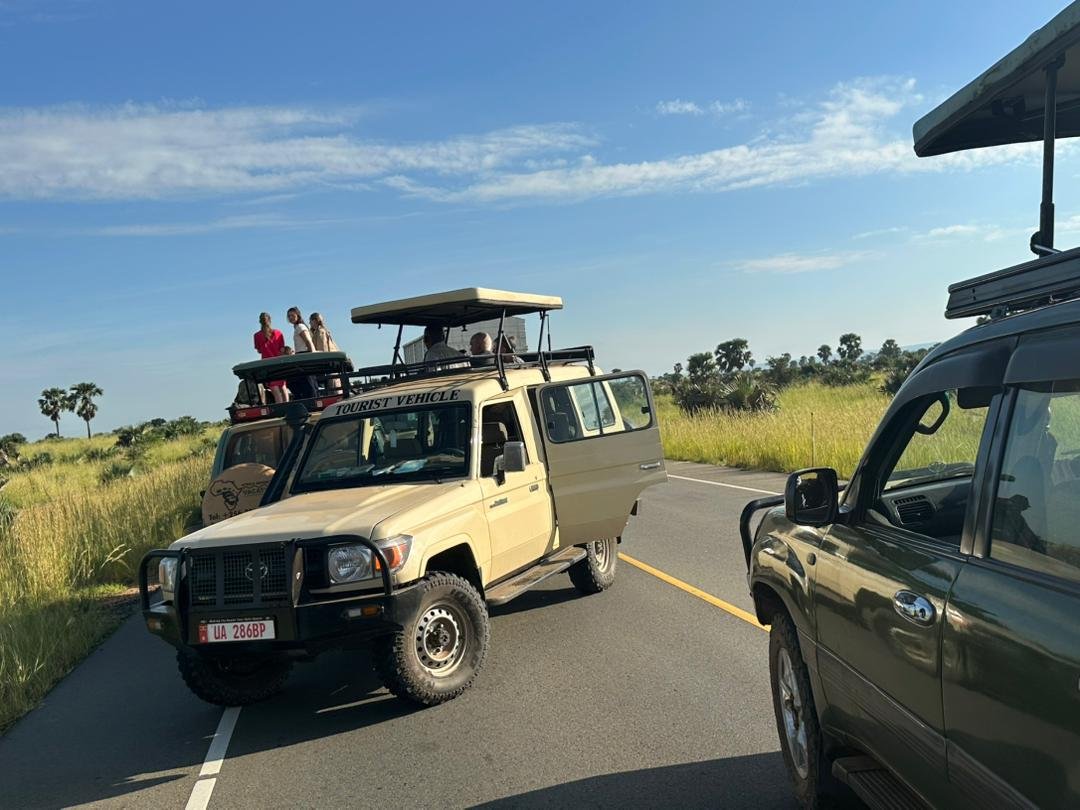
10 Days Uganda Primates and Wildlife
This 10-day Uganda Grand Safari is the most complete Uganda itinerary we offer at Pick and Transfer Safaris. It begins with a scenic northward drive from Entebbe to the vast open plains of Murchison
Tour Details →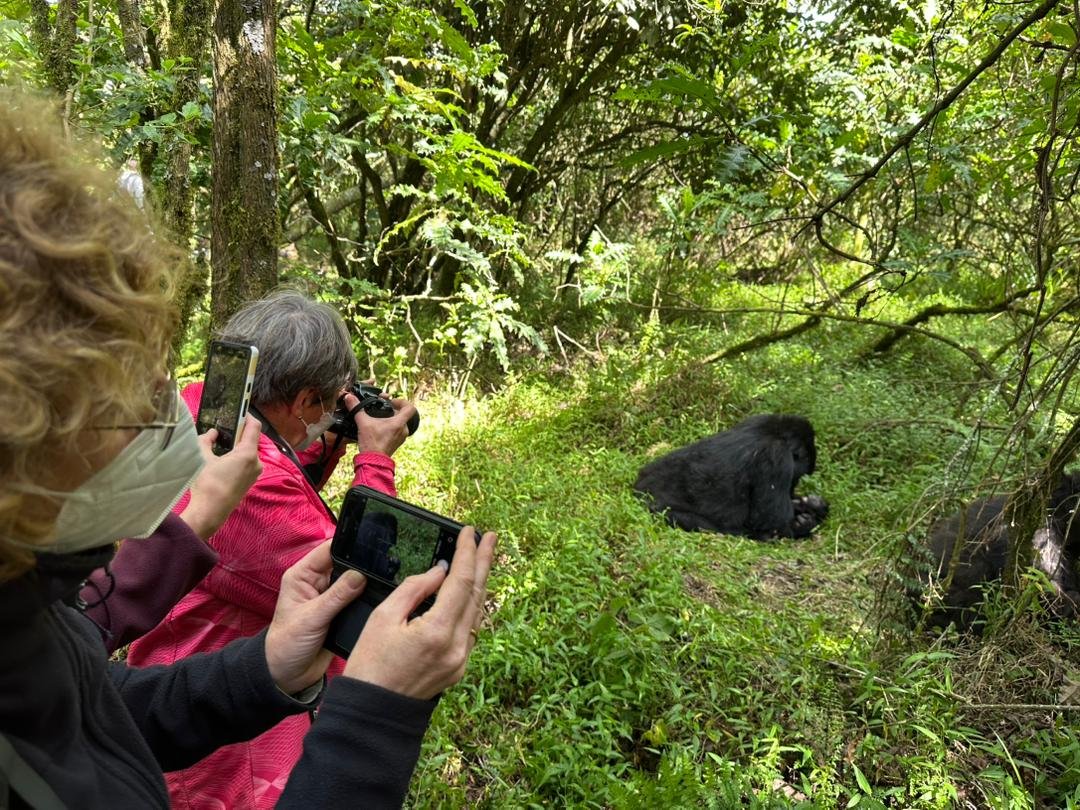
2 Days Uganda Gorilla Tour Starting from Kigali
This is the gentler cousin of our 1-Day Uganda Gorilla Safari Starting from Kigali — same idea, twice the breathing room. Instead of squeezing a 3,000-metre forest trek and two border crossings into a single very long day
Tour Details →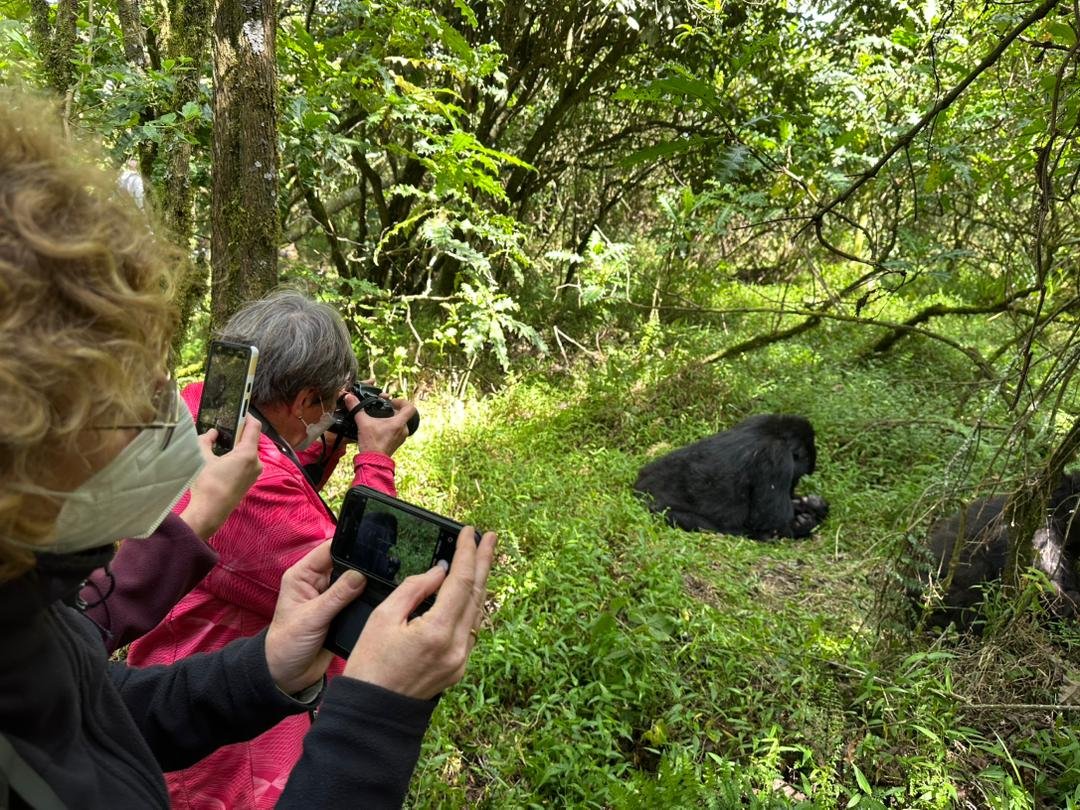
5-Day Uganda Gorilla and Chimpanzee Safari
This itinerary can be combined with a Rwanda extension or a wildlife-focused add-on through Queen Elizabeth National Park — browse our Uganda & Rwanda Safaris and Primate Safaris collections for ideas.
Tour Details →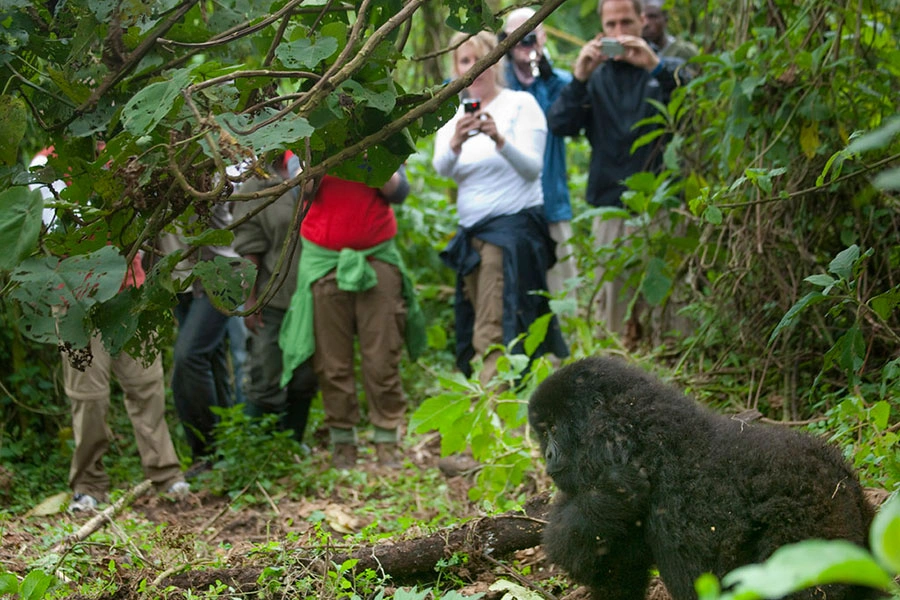
5 Days Rwanda Wildlife and Gorillas
This 5-day itinerary brings together Rwanda’s two flagship wildlife experiences: open savannah game drives and a boat safari in Akagera National Park, followed by a face-to-face encounters
Tour Details →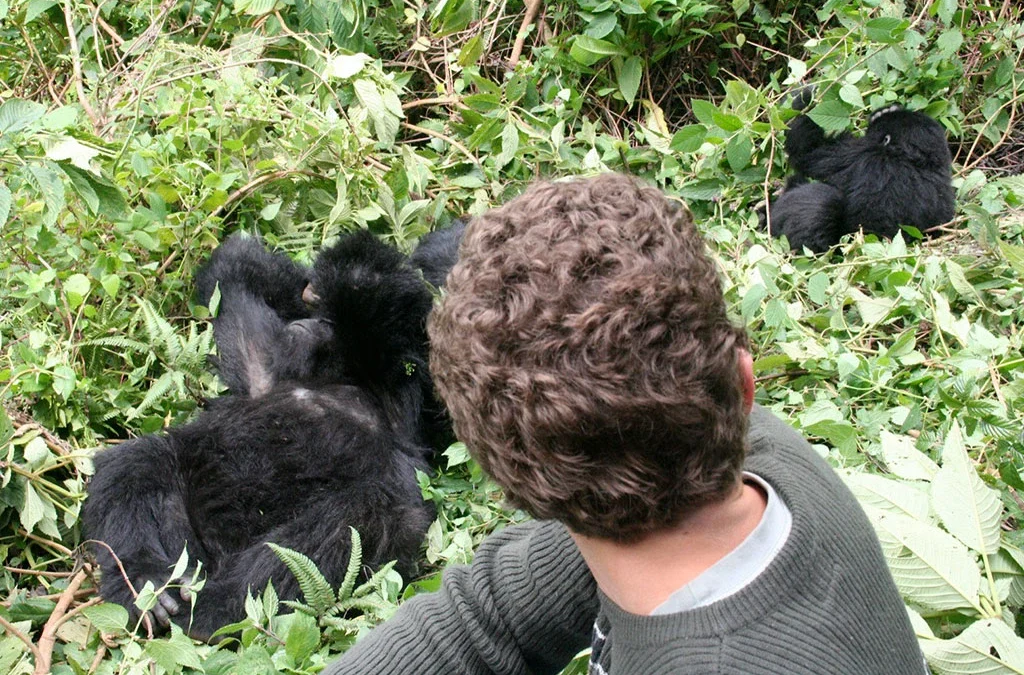
3 Days Uganda Gorilla Safari
For travelers who arrive in Entebbe with a tight schedule and a clear ambition, a 3-day gorilla safari to Bwindi Impenetrable Forest National Park is the most focused and rewarding short trip the country has to offer.
Tour Details →