- LET'S PLAN YOUR SAFARI
- +256 200 921 002
- +256 793 194 703
- info@pickandtransfersafaris.com

Things to do with Gorilla Trek in Mgahinga
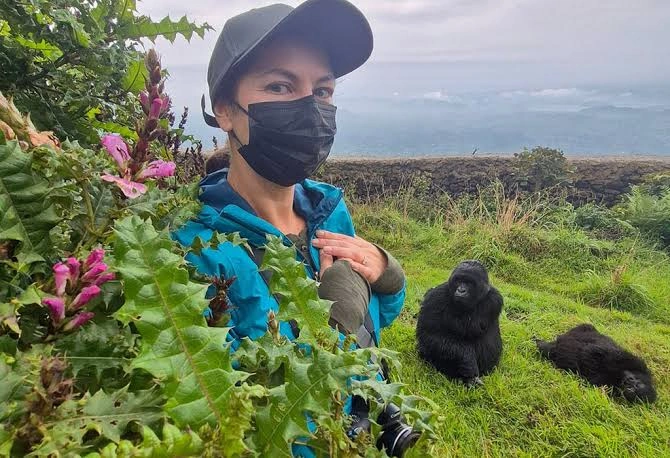
Things to do with Gorilla Trek in Mgahinga. Most travelers book Mgahinga Gorilla National Park for a single reason: to spend an hour with the Nyakagezi gorilla family. Few arrive realizing that Uganda’s smallest national park is also one of its most activity-dense, packed into a compact 33.7 square kilometers at the meeting point of Uganda, Rwanda, and the Democratic Republic of Congo. Beyond the gorilla trek itself, Mgahinga offers golden monkey tracking, three separate volcano hikes, a cultural trail into the history of the forest’s original inhabitants, and birdwatching across bamboo and montane habitats, more than enough to fill several days without ever leaving the park.
At Pick and Transfer Safaris, we regularly build multi-activity Mgahinga itineraries for travelers who want to make the most of a permit-driven trip rather than trekking gorillas and immediately moving on. This guide walks through every major activity available in and around Mgahinga, how to combine them sensibly, and how to fit them into a trip that may already include Bwindi or Rwanda’s Volcanoes National Park.
Popular Mgahinga Activity Packages at a Glance
Before the full activity-by-activity breakdown, here is a quick comparison of itineraries that combine a Mgahinga gorilla trek with the park’s other highlights or a wider Uganda-Rwanda circuit.
| Safari Package | Duration | Highlights |
|---|---|---|
| One-Day Uganda Gorilla Safari from Kigali | 1 Day | Fast cross-border trek, minimal add-ons |
| 2-Day Uganda Gorilla Tour from Kigali | 2 Days | Room for a second activity such as golden monkeys |
| 3-Day Uganda Gorilla Safari from Rwanda | 3 Days | Trek plus a cultural or hiking add-on |
| 3-Day Uganda Gorilla Safari | 3 Days | Adaptable to Bwindi or Mgahinga |
| 2-Day Volcanoes Gorilla Trek from Kigali | 2 Days | Rwanda-side Virunga alternative |
| 5-Day Best of Rwanda Primate Safari | 5 Days | Gorillas and golden monkeys across the Virunga Massif |
| 10-Day Uganda Primates and Wildlife Safari | 10 Days | Mgahinga or Bwindi plus the full Uganda circuit |
Why Mgahinga Rewards More Than Just a Gorilla Trek
Because Mgahinga issues only eight gorilla trekking permits per day for its single habituated family, the Nyakagezi group, many travelers assume it is a quick, single-activity stop compared with Bwindi’s busier, multi-family sectors. In practice, the opposite is often true. Precisely because gorilla trekking here is comparatively brief, treks with this family have at times taken less than two hours round trip, travelers frequently have a free afternoon or an extra day on their hands, and Mgahinga happens to be one of the few gorilla parks in the region with a genuinely full menu of additional activities to fill it.
Our Mgahinga Gorilla National Park destination guide outlines the park’s layout and trekking base at Ntebeko, which also serves as the starting point for every other activity covered in this guide.
Gorilla Trekking: The Main Event
Gorilla trekking remains the centerpiece of any Mgahinga visit and the activity around which everything else is scheduled. Treks begin with an early morning briefing at Ntebeko park headquarters, followed by a hike that can range from as little as thirty minutes to as long as six hours depending on where the Nyakagezi family is feeding that day, with exactly one hour permitted once the family is located. Because Mgahinga offers only this single habituated family, and because the group has, at points in its history, ranged outside Uganda’s section of the Virunga Massif, we always recommend confirming the family’s current location with your operator before finalizing plans built specifically around this park.
Golden Monkey Tracking in the Same Forest
Golden monkey tracking is widely considered the second most popular activity in Mgahinga, and for good reason: it takes place in the same bamboo forest as gorilla trekking, requires a separate but considerably more affordable permit, and involves a noticeably shorter and less demanding hike, typically ranging from thirty minutes to four hours. Trackers follow signs of bamboo feeding and fruit trails to locate a troop of these endangered, strikingly colored primates, found only in the higher-altitude bamboo zones of the Virunga volcanoes, before visitors spend an hour watching them leap between branches, feed, and play. Because it can be scheduled on the same day as a gorilla trek or the following morning, golden monkey tracking is the single easiest activity to add to a standard Mgahinga itinerary.
Hiking Mount Sabinyo: Stand in Three Countries at Once
Of Mgahinga’s three volcanic peaks, Mount Sabinyo offers the single most memorable bonus experience in the park. At 3,669 meters, the hike takes roughly six to eight hours round trip along a steep, sometimes ladder-assisted trail leading to a summit split into three distinct peaks. The name Sabinyo means “old man’s teeth” in the local language, a reference to the jagged silhouette of its worn volcanic peaks, but the real draw is geographic rather than linguistic: the summit sits directly on the tripoint where Uganda, Rwanda, and the Democratic Republic of Congo meet, meaning a hiker can stand with one foot in each of three countries simultaneously, a genuinely rare novelty found in only a handful of places on earth. The Sabinyo Gorge along the route also offers strong birdwatching opportunities, with species such as the Rwenzori turaco and bronze sunbird regularly spotted along the way.
Hiking Mount Gahinga: The Park’s Namesake Volcano
Mount Gahinga, the volcano that lends the park its name, is generally considered the gentlest of the three hikes, at roughly 3,474 meters and a six-hour round trip through lush bamboo forest where forest birds and occasionally monkeys are visible along the trail. Rather than a jagged peak, Gahinga’s summit holds a swampy, water-filled crater surrounded by giant lobelia and other high-altitude vegetation, a distinctly different reward from Sabinyo’s tripoint views or Muhabura’s panoramas, and one that makes for a good introduction to volcano hiking for travelers less confident about tackling the steeper, longer routes.
Hiking Mount Muhabura: The Park’s Highest Peak
Mount Muhabura is both the highest of Mgahinga’s three volcanoes, at 4,127 meters, and the most physically demanding, with a round trip of around eight hours up a consistently steep trail. The reward at the summit is a small crater lake and, on a clear day, sweeping panoramic views that stretch across the wider Virunga range, over Queen Elizabeth National Park toward Lake Edward, and as far as the snow-capped peaks of the Rwenzori Mountains on the horizon. Because of its height and the effort required, Muhabura is generally recommended only for hikers in strong physical condition and with a full day free, making it the most committing of the three volcano hikes but also the most rewarding for those who complete it.
The Batwa Cultural Trail and Garama Cave
Long before Mgahinga became a national park, its forests were home to the Batwa, a hunter-gatherer people who lived among the gorillas and golden monkeys for generations before the park’s creation required them to relocate outside its boundaries. The Batwa Cultural Trail, led by Batwa guides themselves, walks visitors through demonstrations of traditional forest life, including hunting techniques, gathering practices, bamboo craftsmanship, and fire-making by friction, offering a very different, human-centered perspective on the same forest travelers trek through for gorillas and golden monkeys.
The trail typically concludes at Garama Cave, a natural lava cave that once served as a Batwa residence and, according to local history, a place of refuge during periods of conflict between local kingdoms. For travelers interested in the human history of the Virunga region alongside its wildlife, this half-day activity is one of the most worthwhile additions to a Mgahinga itinerary and a meaningful way to support the local community whose ancestors called this forest home.
Birdwatching Across Mgahinga’s Habitats
Mgahinga’s compact size belies its birdlife, with over 250 recorded species across its gorges, bamboo forest, and montane zones, including several Albertine Rift endemics found in few other places on earth. Guided birding walks typically follow the lower forest trails and the approach routes to the volcano hikes, with species such as the Rwenzori turaco and paradise flycatcher among the more commonly sought sightings. Birding is generally combined with another activity, such as the approach to Mount Sabinyo or a golden monkey trek, rather than booked as a fully separate excursion, making it an easy, low-cost addition for travelers with an interest in the park’s smaller residents alongside its primates.
What Makes Mgahinga’s Volcano Hikes Different From a Standard Nature Walk
It is worth understanding upfront how different volcano hiking feels compared with the primate trekking most visitors come to Mgahinga for. Gorilla and golden monkey treks are structured around finding a specific, moving group of animals, so their duration is inherently unpredictable and the hour spent with the animals is the clear centerpiece of the activity. Volcano hikes, by contrast, are fixed-route climbs with a predictable, if demanding, duration, where the reward is the summit itself rather than a wildlife encounter along the way, though Sabinyo’s gorge and Gahinga’s bamboo forest both offer genuine wildlife and birding interest en route.
This distinction matters for planning purposes. A gorilla trek can, in theory, be over within an hour of setting out if the family is feeding close to the trailhead, leaving an unexpectedly free afternoon, whereas a volcano hike, once started, commits a hiker to the better part of a day regardless of conditions encountered along the way. Travelers building a multi-activity Mgahinga itinerary should treat the volcano hikes as the fixed anchors of their schedule and build the more flexible primate treks around them, rather than the other way around.
Choosing Between the Three Volcano Hikes
For travelers who can only fit in one volcano hike during their visit, the choice generally comes down to what kind of reward matters most. Mount Sabinyo offers the single most novel experience in the park, the chance to stand in three countries at once, and suits hikers comfortable with a genuinely steep, ladder-assisted climb. Mount Gahinga suits travelers who want a taste of volcano hiking without the full physical commitment of the other two peaks, rewarding a more moderate six-hour round trip with a distinctive crater swamp rather than a panoramic summit view. Mount Muhabura suits the most ambitious hikers in the group, those willing to commit a full day and considerable physical effort in exchange for the highest vantage point in the park and views that, on a clear day, stretch across several of Uganda’s other major landmarks.
Some multi-day itineraries attempt two of the three hikes on separate days for travelers with enough time and stamina, though attempting all three within a single short visit alongside gorilla and golden monkey trekking is generally not advisable given the cumulative physical toll of back-to-back high-altitude hikes.
Nature Walks and Shorter Forest Trails
For travelers who want to experience Mgahinga’s forest without committing to a full volcano hike, several shorter nature walks around the lower slopes offer a gentler alternative, typically lasting two to three hours and covering areas such as the Sabinyo Gorge or sections of bamboo forest closer to Ntebeko headquarters. These walks are a practical option for travelers recovering from an earlier gorilla trek, those traveling with less experienced hikers in the group, or anyone wanting a lighter activity to pair with a golden monkey trek on the same day without overloading the schedule.
Visiting Lake Mutanda: A Relaxed Add-On Near Kisoro
A short drive from Mgahinga, close to the town of Kisoro, Lake Mutanda offers a genuinely different pace after the physical exertion of trekking and hiking. Framed by views of the Virunga volcanoes reflected across its water, the lake is best explored by a community-run canoe trip, a relaxed way to spend an afternoon between more demanding activities. While not inside the national park itself, Lake Mutanda is close enough to Mgahinga that many operators, including our own team, build in a half-day stop here as a natural breather within a multi-activity itinerary.
The Batwa Story: Why This Trail Matters Beyond Tourism
The Batwa Cultural Trail is worth understanding as more than a cultural add-on to a wildlife-focused trip. The Batwa lived in the forests of the Virunga Massif, including what is now Mgahinga, for generations as hunter-gatherers, maintaining an intimate knowledge of the forest’s plants, animals, and seasonal rhythms long before conservation boundaries were drawn around it. When Mgahinga was gazetted as a protected area, the Batwa were relocated outside the forest they had called home, a transition that fundamentally altered their way of life and left many communities in the surrounding districts among the more economically marginalized in the region.
Tourism revenue from the Batwa Cultural Trail and related community initiatives has become an important, if partial, means of addressing this history, providing income and a platform for the Batwa to share their traditional knowledge directly with visitors rather than having it presented secondhand. Travelers who take the time to engage with the trail’s guides, asking questions and listening to their own account of the forest’s history, tend to describe it as one of the more genuinely moving parts of a Mgahinga visit, distinct from but complementary to the wildlife encounters most people come for.
Combining Mgahinga With Bwindi for a Second Gorilla Trek
Because Mgahinga offers only one habituated gorilla family, travelers wanting a second trek in a genuinely different forest often pair it with Bwindi Impenetrable Forest National Park, roughly a few hours’ drive away and home to considerably more habituated families across four trekking sectors. This combination lets travelers experience two distinct Ugandan gorilla populations, the Virunga Massif family in Mgahinga and one of Bwindi’s separate Bwindi-Sarambwe families, within a single trip, an itinerary style reflected in our broader 3-day Uganda gorilla safari from Rwanda, which can be tailored to include both parks.
Crossing to Rwanda’s Volcanoes National Park
Mgahinga’s position directly on the Rwanda border makes it unusually easy to combine with Rwanda’s side of the same Virunga Massif. Travelers who trek Nyakagezi in Mgahinga can cross into Rwanda within a few hours to visit Volcanoes National Park, which offers a considerably larger roster of habituated gorilla families and its own golden monkey tracking, giving travelers with enough time the chance to compare both countries’ approaches to Virunga Massif trekking on a single trip. Our 2-day Volcanoes gorilla trek from Kigali is a natural extension for travelers approaching from this direction.
How to Combine Multiple Activities in One Visit
A well-paced multi-activity Mgahinga visit typically spreads its highlights across two to three days rather than cramming everything into a single rushed itinerary. A common structure begins with the gorilla trek on the first full day, since permits are the most time-sensitive booking, followed by golden monkey tracking or the Batwa Cultural Trail on day two, and either a volcano hike or a relaxed canoe trip on Lake Mutanda on day three for travelers with the extra time. Because trekking times for both gorillas and golden monkeys vary day to day depending on where the animals are feeding, we generally recommend keeping the schedule flexible around the two primate activities and treating volcano hikes and cultural excursions as the more schedulable, fixed-duration components of the trip.
Photography Across Mgahinga’s Different Activities
Because a multi-activity Mgahinga visit moves between dense forest, open crater summits, and a calm lake, photography needs shift considerably across the trip. Gorilla and golden monkey encounters happen in low forest light, favoring a camera capable of shooting comfortably at higher ISO settings and a moderately fast lens, with flash strictly prohibited around the gorillas in particular. Volcano hikes, by contrast, reward a wide-angle lens for capturing the tripoint views from Sabinyo or the crater swamp atop Gahinga, along with a polarizing filter if conditions allow, since the panoramic shots from Muhabura’s summit are considerably more striking with reduced haze and glare.
A lighter, more compact camera setup is generally more practical for the volcano hikes given the multi-hour duration and elevation gain involved, while the Lake Mutanda canoe excursion and Batwa Cultural Trail allow more relaxed, unhurried photography without the same physical constraints. Packing a dry bag or rain cover for camera equipment is worth doing regardless of season, given Mgahinga’s forest microclimate and the genuine chance of rain even during the drier months.
Physical Fitness and Preparing for Mgahinga’s More Demanding Activities
Because Mgahinga’s activity menu ranges from a potentially brief gorilla trek to an eight-hour volcano climb, it is worth being honest about fitness levels when planning which activities to include. Gorilla and golden monkey trekking, while sometimes steep, are generally manageable for most reasonably active travelers, with porters available to assist on the more difficult sections. The volcano hikes, particularly Sabinyo and Muhabura, demand a genuinely higher level of cardiovascular fitness and hiking experience, given both the elevation gain and the multi-hour duration involved, and travelers with any doubts about their fitness for these specific hikes should discuss this honestly with their operator when planning the itinerary rather than discovering the difficulty partway up the mountain.
Acclimatization also plays a role, since Mgahinga’s volcanoes sit at considerable altitude and travelers arriving directly from sea level sometimes notice mild effects during the more strenuous hikes. Building in at least one lower-intensity day, such as the Batwa Cultural Trail or a Lake Mutanda canoe trip, before attempting Muhabura specifically is a sensible way to let the body adjust before the most demanding activity on the park’s menu.
How Mgahinga’s Activity Range Compares to Other Gorilla Parks
It is worth placing Mgahinga’s activity menu in context against Uganda’s other gorilla trekking destination, Bwindi Impenetrable Forest, and Rwanda’s Volcanoes National Park. Bwindi offers considerably more habituated gorilla families across four sectors, along with its own nature walks and waterfall trails, but does not offer volcano hiking or golden monkey tracking, since it sits outside the Virunga Massif entirely. Rwanda’s Volcanoes National Park shares Mgahinga’s volcanic geography and also offers golden monkey tracking and some of the same peaks from its own side of the border, along with additional cultural experiences such as the Iby’Iwacu Cultural Village, but its larger scale and higher visitor numbers give it a somewhat less exclusive feel than Mgahinga’s smaller, quieter footprint.
This makes Mgahinga something of a middle ground: fewer gorilla families than Bwindi, but a considerably wider range of non-primate activities within the same small park than either Bwindi or, arguably, Rwanda’s side of the Virunga Massif offers in one location. For travelers who value variety within a single park over the sheer number of gorilla families available, this makes Mgahinga a genuinely compelling choice rather than simply a smaller alternative to its neighbors.
Best Time of Year for Mgahinga’s Activities
Gorilla and golden monkey trekking are possible in Mgahinga year-round, since the forest is permanently inhabited, though the two dry seasons, roughly December to February and June to September, bring firmer trails and are generally the most comfortable months for both trekking and the volcano hikes. The wetter months from March to May and October to November bring muddier conditions, particularly on the steeper volcano trails, but noticeably fewer visitors competing for the park’s limited eight daily gorilla permits. Volcano hikes in particular are worth timing for clearer weather where possible, since the summit views that make Sabinyo and Muhabura worthwhile are considerably diminished under heavy cloud cover.
Permit and Activity Costs Overview
A standard gorilla trekking permit in Uganda currently costs around 800 US dollars per person for foreign non-residents, while golden monkey tracking permits are considerably more affordable, making it easy to add without significantly increasing the overall trip budget. Volcano hiking fees, the Batwa Cultural Trail, and standard nature walks each carry their own separate, comparatively modest park fees payable at Ntebeko headquarters, and porters are available for a small additional fee across all of the park’s trekking and hiking activities, well worth hiring both for practical assistance and because porter fees form an important part of local household income around the park.
Where to Stay Near Mgahinga
Accommodation options cluster around Kisoro town and closer to the Ntebeko park entrance, ranging from simple, community-run guesthouses to more comfortable lodges positioned with direct views of the volcanoes. Because a multi-activity Mgahinga visit often means early starts on consecutive days, whether for a gorilla trek followed by a volcano hike, staying close to the park entrance rather than further afield in Kisoro town meaningfully reduces the amount of early-morning transfer time built into each day. We work across a full range of comfort levels and tailor accommodation choices to match each traveler’s budget and the specific mix of activities planned.
Packing for a Multi-Activity Mgahinga Visit
Because a single Mgahinga trip can combine forest trekking, steep volcano hiking, and a relaxed lake excursion, packing needs to cover a wider range of conditions than a standard single-activity gorilla trek. Sturdy, waterproof hiking boots, long trousers tucked into socks, gardening gloves, and a reliable rain jacket remain essential for both gorilla and golden monkey trekking regardless of season. The volcano hikes call for additional layers given the altitude and longer duration, along with plenty of water and energy snacks for the six-to-eight hour round trips up Sabinyo or Muhabura. A lighter change of clothes is worth setting aside specifically for the Lake Mutanda canoe trip or Batwa Cultural Trail, both considerably less demanding than the forest and volcano activities that typically precede them.
Common Mistakes to Avoid When Planning a Multi-Activity Mgahinga Trip
The most frequent mistake is booking only a single night near Mgahinga and assuming the gorilla trek alone will fill the visit, then discovering too late that the park offers considerably more to do than time allows. A second mistake is scheduling a strenuous volcano hike, particularly Muhabura, on the same day as the gorilla trek, without accounting for how physically demanding both activities are individually. A third mistake is assuming all of Mgahinga’s activities can be booked spontaneously on arrival; golden monkey and gorilla permits in particular should be confirmed well in advance, even if volcano hikes and nature walks generally have more flexible, walk-in-friendly availability.
Frequently Asked Questions
Can I do a volcano hike on the same day as my gorilla trek? It is technically possible if the gorilla trek is short, but because trekking times vary unpredictably and volcano hikes themselves take six to eight hours, we generally recommend scheduling them on separate days to avoid an exhausting, poorly paced day.
Do I need a separate permit for golden monkey tracking? Yes, golden monkey tracking requires its own permit, separate from the gorilla trekking permit, though it is considerably more affordable and can usually be booked alongside your gorilla permit through the same operator.
Is the Mount Sabinyo hike safe? The hike involves genuinely steep sections, including ladder-assisted climbs near the summit, and should only be attempted by reasonably fit hikers with proper footwear, though it is a well-established, guided route completed regularly by visitors of varying experience levels.
How much time should I set aside to properly experience Mgahinga? A single gorilla trek can be done in a long day trip, but to properly experience the park’s other activities, golden monkeys, at least one volcano hike, and the Batwa Cultural Trail, we recommend budgeting two to three full days.
Can these activities be combined with a trip to Rwanda or Bwindi? Yes, Mgahinga’s location on the Rwanda border and its proximity to Bwindi make it easy to combine with either, and many of our multi-day itineraries are built specifically around linking Mgahinga’s activities with a second gorilla trek or a Rwanda extension.
Are children allowed to do the volcano hikes or Batwa trail? Uganda Wildlife Authority’s minimum age of fifteen applies specifically to gorilla and golden monkey trekking, primarily to protect the animals from human illness, but does not generally apply to the volcano hikes, nature walks, or the Batwa Cultural Trail, making these activities a practical way to include younger family members who cannot yet join the primate treks.
Is it possible to do Mgahinga as a day trip without staying overnight? A single gorilla trek is achievable as a long day trip from Kisoro or even from across the Rwanda border, but fitting in any of the volcano hikes, the Batwa trail, or golden monkey tracking alongside it in one day is not realistic given how physically demanding and time-consuming each activity is on its own.
What should I do if bad weather affects my planned volcano hike? Rangers at Ntebeko headquarters will generally advise against attempting a summit hike in genuinely dangerous conditions, such as heavy storms, and most itineraries built with a specialist operator include enough flexibility to shift a volcano hike to a different day if the original date is unsuitable, provided the overall trip length allows for it.
Building Flexibility Into a Multi-Activity Mgahinga Itinerary
Given how much Mgahinga’s day-to-day conditions can affect specific activities, from the unpredictable duration of primate treks to weather-dependent volcano summit views, the single most useful planning principle is to avoid scheduling every day back to back with no slack built in. A three or four day visit that includes one clearly designated flexible day, one that can absorb a rescheduled hike, a delayed trek, or simply a chance to rest before the most demanding activity, tends to produce a noticeably smoother experience than a itinerary planned down to the hour with no room to adapt.
This is particularly relevant for travelers combining Mgahinga with a wider Uganda or Rwanda circuit, where a delay here can have knock-on effects for the rest of the trip if the schedule elsewhere is equally tight. Working with an operator who understands these dependencies, and who builds in sensible buffers around Mgahinga’s less predictable activities, is one of the more practical ways to protect the rest of a longer itinerary from a single unlucky trekking day.
Further Reading on Mgahinga and the Wider Virunga Region
Travelers wanting more background on Mgahinga’s gorilla population specifically, alongside the activities covered in this guide, may find this overview of Mgahinga’s gorilla population useful further reading. For travelers combining golden monkey tracking across both sides of the Virunga Massif, this 4-day Rwanda-Uganda golden monkey and gorilla trekking itinerary shows how the activity scales into a longer regional trip, while those approaching from Kigali may find this 2-day Uganda gorilla safari from Kigali and this 3-day Bwindi gorilla safari from Kigali useful for comparing routes into Uganda’s two gorilla populations.
General planning resources, including this Uganda safaris overview, this Rwanda safaris overview, this dedicated 3-day Rwanda gorilla safari itinerary, and this 10-day Uganda-Rwanda combining safari, round out the additional reading worth reviewing when planning how Mgahinga fits into a wider trip. Travelers wanting to see how a Mgahinga stop can anchor a longer regional circuit may also find this Uganda travel overview and this background operator overview useful when comparing how different companies structure similar multi-activity routes.
Why Plan Your Mgahinga Activities With Pick and Transfer Safaris
Because Mgahinga’s activities each depend on different permits, physical demands, and schedules, getting the sequencing right, especially around the gorilla trek’s unpredictable timing, benefits from working with a team that plans the whole visit as one coordinated itinerary rather than booking activities piecemeal. Our team coordinates gorilla, golden monkey, and volcano hiking logistics alongside private vehicle transfers and accommodation across Mgahinga and the wider Uganda-Rwanda border region.
Whether you want a focused gorilla safari, a longer extended multi-activity itinerary, or a trip pairing Mgahinga with Bwindi or Rwanda, our team can tailor the pace and route to your time and interests. Browse our full range of safari packages and destination guides on our destinations page, learn more on our about us page, and when you are ready to start planning, get in touch with our team for a tailored quote.
Things to do with Gorilla Trek in Mgahinga
A gorilla trek alone is reason enough to visit Mgahinga Gorilla National Park, but travelers who stop there miss a park genuinely built for more: golden monkeys in the same bamboo forest, three distinct volcano hikes each with its own reward, a cultural trail into the region’s original inhabitants, and enough birdlife and quieter nature walks to fill whatever time remains. Planning two or three days here rather than a single rushed visit turns a permit-driven stop into one of the more complete wildlife and adventure destinations in Uganda’s entire safari circuit.
If you would like help building your own multi-activity Mgahinga itinerary, our team at Pick and Transfer Safaris is ready to put together a tailored plan around your dates and interests. Explore our full range of safari packages to see how a Mgahinga stop could fit into your own Uganda or East Africa adventure.
7 Days Uganda Safari – One week tour
This 7-day itinerary is the classic one-week introduction to Uganda, covering the country’s three most iconic wildlife experiences: chimpanzee tracking in Kibale Forest National Park, Big Five game drives and a boat cruise in Queen
Tour Details →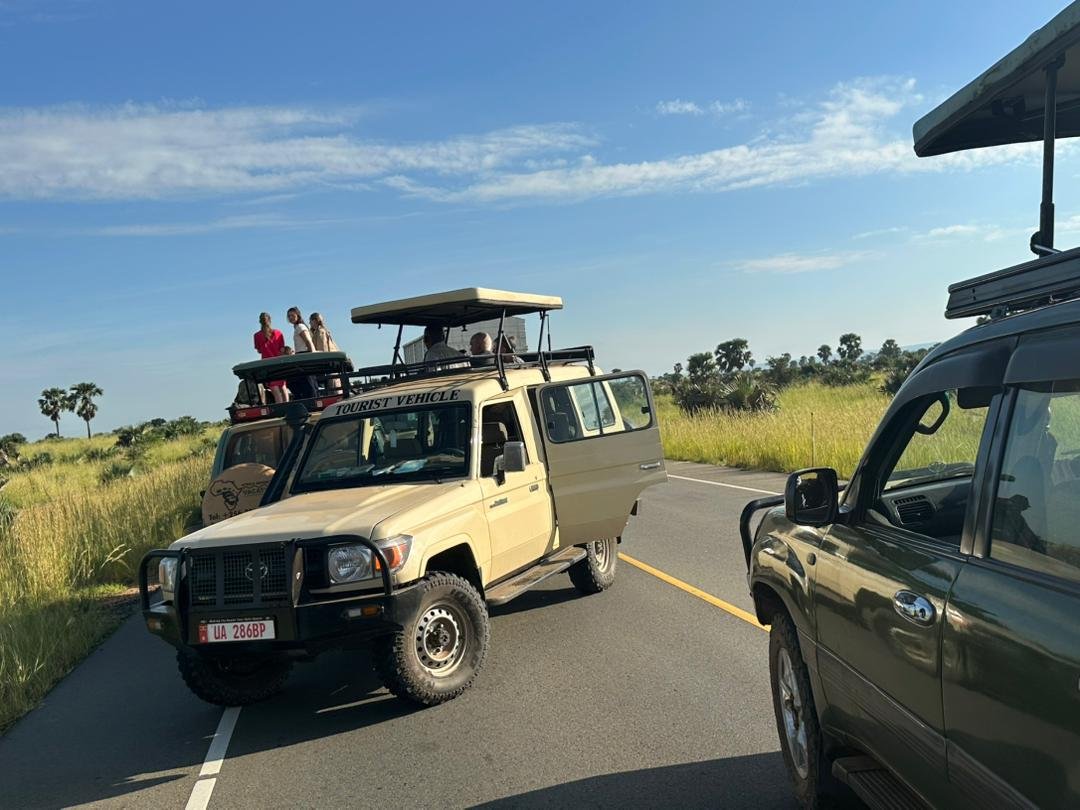
10 Days Uganda Primates and Wildlife
This 10-day Uganda Grand Safari is the most complete Uganda itinerary we offer at Pick and Transfer Safaris. It begins with a scenic northward drive from Entebbe to the vast open plains of Murchison
Tour Details →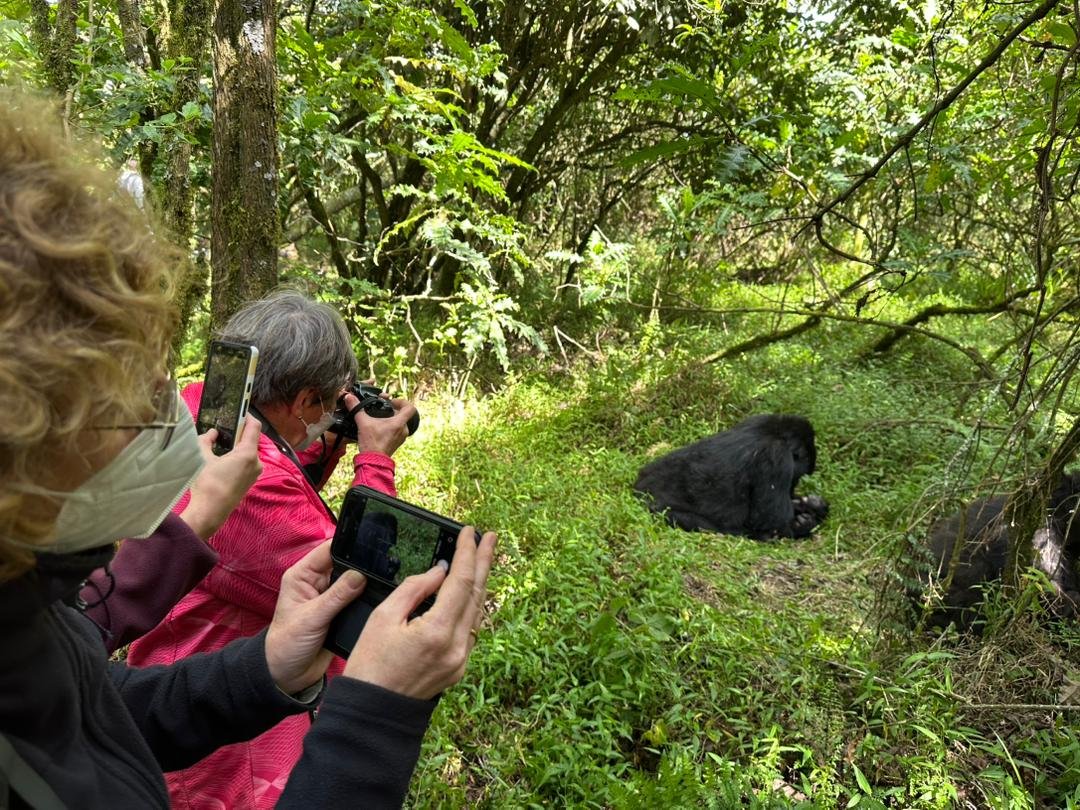
2 Days Uganda Gorilla Tour Starting from Kigali
This is the gentler cousin of our 1-Day Uganda Gorilla Safari Starting from Kigali — same idea, twice the breathing room. Instead of squeezing a 3,000-metre forest trek and two border crossings into a single very long day
Tour Details →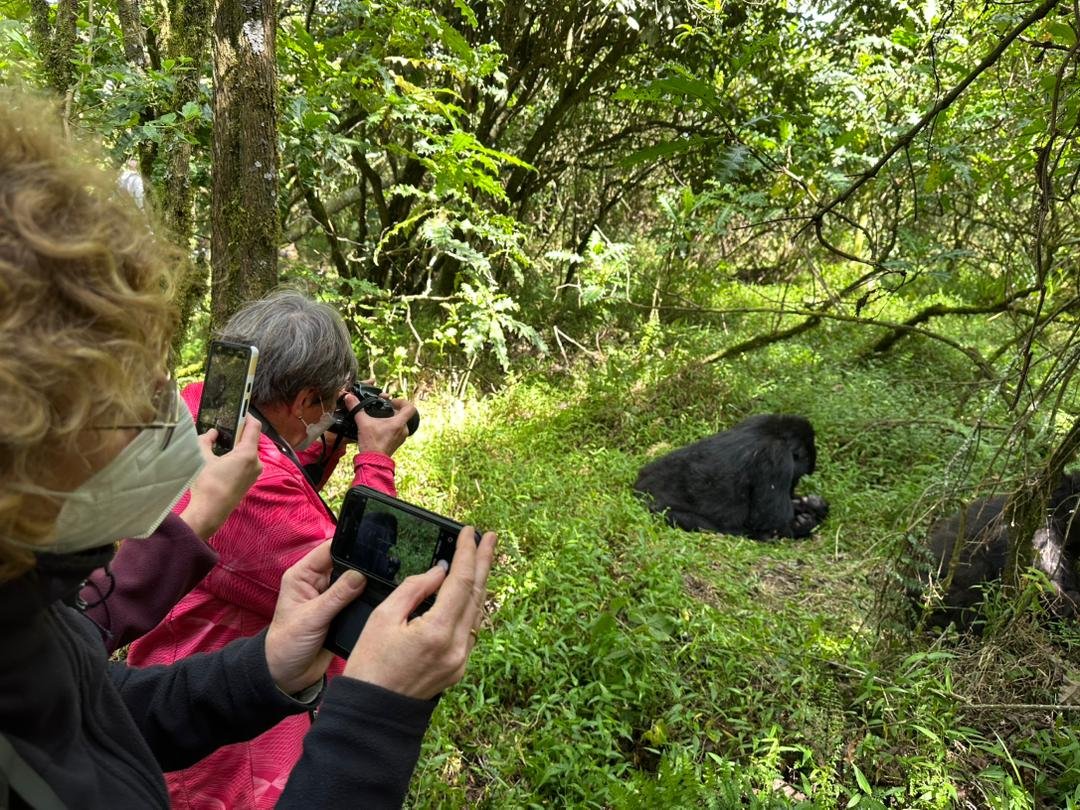
5-Day Uganda Gorilla and Chimpanzee Safari
This itinerary can be combined with a Rwanda extension or a wildlife-focused add-on through Queen Elizabeth National Park — browse our Uganda & Rwanda Safaris and Primate Safaris collections for ideas.
Tour Details →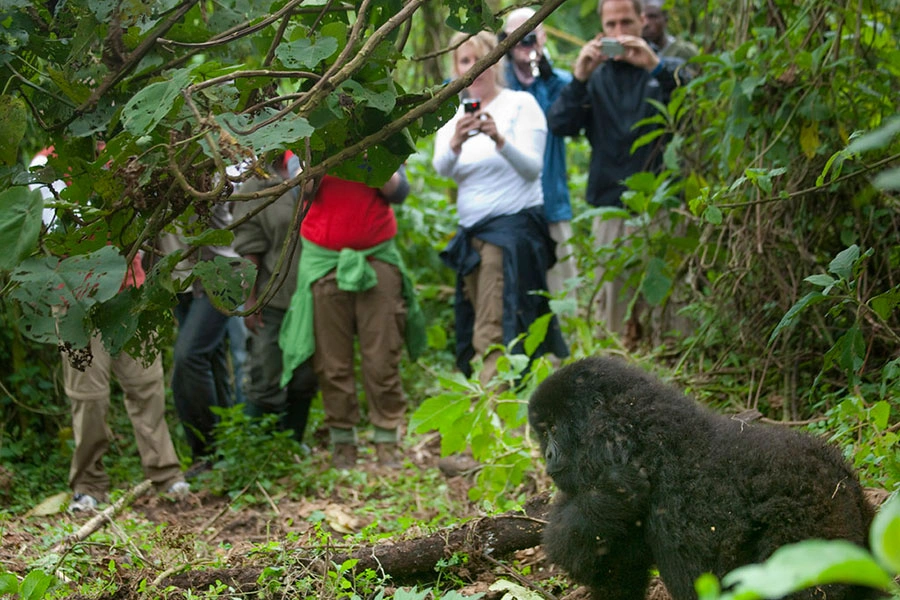
5 Days Rwanda Wildlife and Gorillas
This 5-day itinerary brings together Rwanda’s two flagship wildlife experiences: open savannah game drives and a boat safari in Akagera National Park, followed by a face-to-face encounters
Tour Details →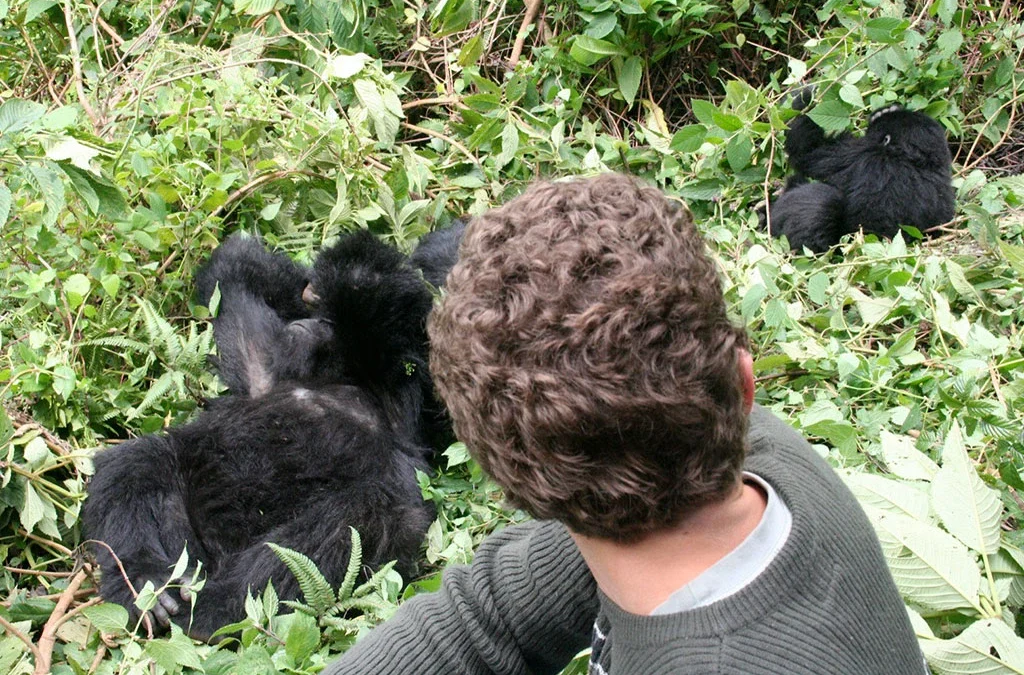
3 Days Uganda Gorilla Safari
For travelers who arrive in Entebbe with a tight schedule and a clear ambition, a 3-day gorilla safari to Bwindi Impenetrable Forest National Park is the most focused and rewarding short trip the country has to offer.
Tour Details →