- LET'S PLAN YOUR SAFARI
- +256 200 921 002
- +256 793 194 703
- info@pickandtransfersafaris.com

Best Places for Chimpanzee Tracking in Uganda
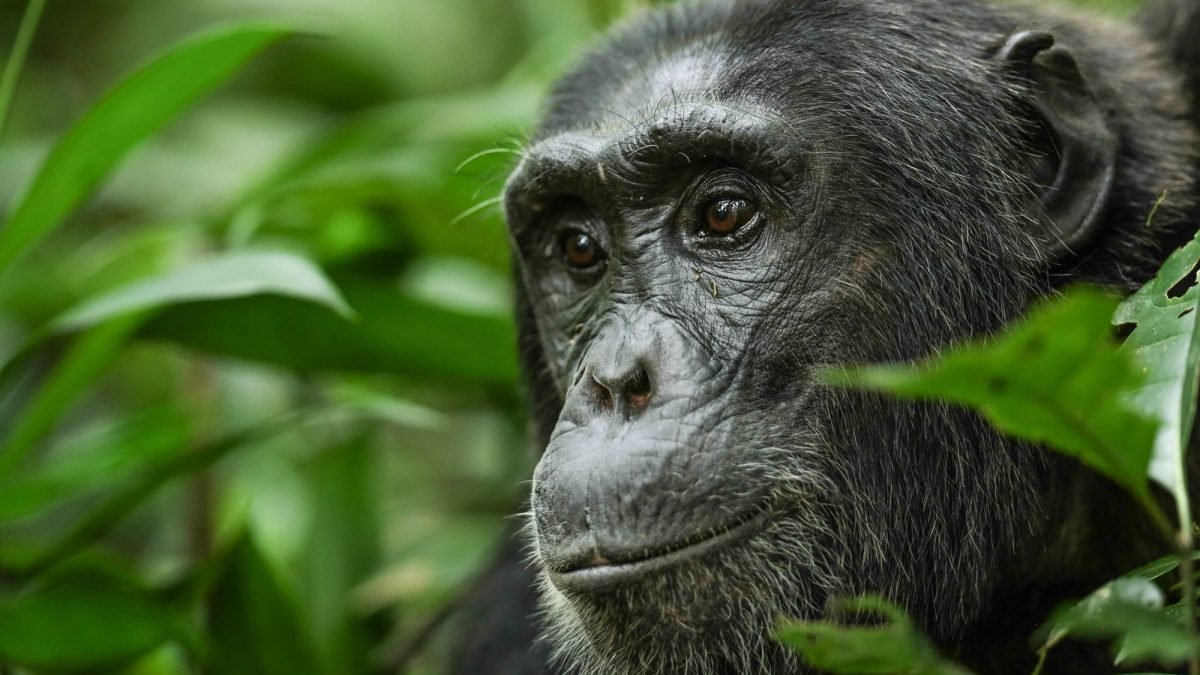
Best Places for Chimpanzee Tracking in Uganda. Uganda holds one of the largest wild chimpanzee populations left on earth, an estimated 5,000 or so individuals spread across a handful of forests, yet most travelers only ever hear about one of them. Kibale Forest National Park dominates the conversation, and for good reason, but it is far from the only place in Uganda to track wild chimpanzees. Queen Elizabeth National Park’s Kyambura Gorge, the vast Budongo Forest near Murchison Falls, the quieter Kalinzu Forest, and Semuliki National Park each offer a genuinely different chimpanzee tracking experience, at different price points, difficulty levels, and odds of success.
At Pick and Transfer Safaris, we route travelers to whichever of these forests actually fits their itinerary and budget, rather than defaulting to Kibale simply because it is the best known. This guide compares Uganda’s real chimpanzee tracking options side by side: what each forest costs, how difficult the trek is, what your odds of a sighting look like, and which one makes sense for your specific trip.
Popular Chimpanzee Tracking Packages at a Glance
Before the full location-by-location breakdown, here is a quick comparison of itineraries built around Uganda’s chimpanzee tracking destinations.
| Safari Package | Duration | Highlights |
|---|---|---|
| 3-Day Chimpanzee Tour in Uganda | 3 Days | Focused Kibale Forest chimpanzee tracking |
| 3-Day Safari to Queen Elizabeth National Park | 3 Days | Can include Kyambura Gorge chimp tracking |
| 3-Day Safari to Murchison Falls | 3 Days | Can include Budongo Forest chimp tracking |
| 5-Day Uganda Gorilla and Chimpanzee Safari | 5 Days | Kibale chimps plus Bwindi gorillas |
| 4-Day Wildlife and Primate Safari | 4 Days | Primates plus Queen Elizabeth game drives |
| 10-Day Uganda Primates and Wildlife Safari | 10 Days | Full circuit covering multiple chimp forests |
| 18-Day Uganda Birding and Wildlife Safari | 18 Days | Adds Budongo and Kalinzu’s forest birding |
Uganda: East Africa’s Premier Chimpanzee Destination
With an estimated chimpanzee population in the thousands spread across its forest reserves and national parks, Uganda is widely regarded as the best country in Africa to track wild chimpanzees, offering considerably more choice of location than neighboring Rwanda, whose chimpanzee tracking is concentrated almost entirely in Nyungwe Forest in the south. What makes Uganda distinctive is not just the number of chimpanzees but the range of experiences on offer: a near-guaranteed, well-organized trek in Kibale, a dramatic gorge-based trek in Queen Elizabeth National Park, a vast, quieter forest experience in Budongo, and considerably more affordable alternatives in Kalinzu and Semuliki for travelers prioritizing budget over odds.
Kibale Forest National Park: Uganda’s Best Chimpanzee Tracking Location
Kibale Forest National Park is, without much argument, Uganda’s premier chimpanzee tracking destination and the benchmark against which every other location on this list is measured. Treks depart from the Kanyanchu Visitor Center and report a sighting success rate above 90 percent, the highest of any chimpanzee tracking site in the country, thanks to a large, well-studied, and thoroughly habituated community. Beyond chimpanzees, Kibale is home to thirteen primate species in total, including colobus monkeys and grey-cheeked mangabeys, making even a single morning’s trek a genuinely rich wildlife experience rather than a single-species hunt.
A standard Kibale chimpanzee permit currently costs around 250 US dollars per person for foreign non-residents, 200 dollars for foreign residents, and a considerably reduced rate in Ugandan shillings for East African citizens, reflecting its position as the premium option on this list. Our 3-day chimpanzee tour in Uganda is built specifically around Kibale for travelers who want the highest possible odds of a strong sighting.
Kibale’s Chimpanzee Habituation Experience
Kibale is also the only location on this list currently offering a chimpanzee habituation experience, allowing a small group of visitors to spend an extended period, considerably longer than the standard one-hour trekking window, alongside a community that researchers are still in the process of habituating to human presence. This experience trades the near-certainty of Kibale’s fully habituated tracking groups for a rawer, less predictable encounter, and is priced at a premium above the standard permit. For travelers who have already trekked chimpanzees once and want a deeper, more research-oriented experience on a return visit, this is the single most distinctive activity Kibale offers over any of Uganda’s other chimp tracking sites.
Kyambura Gorge: The Valley of Apes
Tucked within Queen Elizabeth National Park, Kyambura Gorge offers a chimpanzee tracking experience unlike anywhere else in Uganda, descending into a dramatic, roughly 100-meter-deep riverine gorge cut through the surrounding savannah, nicknamed the Valley of Apes for the chimpanzee community that shelters within its lush, isolated forest floor. Because the gorge sits within the same park as Queen Elizabeth’s classic savannah game drives, it is the single easiest chimp tracking location in Uganda to combine with Big Five wildlife viewing on the very same trip, without a separate detour to a dedicated forest park.
A Kyambura Gorge permit currently costs around 200 US dollars per person for foreign non-residents, positioning it as a notably more affordable alternative to Kibale, though sighting success rates here run somewhat lower than Kibale’s given the gorge’s smaller, more isolated chimpanzee population. Travelers building a Queen Elizabeth-based itinerary through our 3-day safari to Queen Elizabeth National Park can add a Kyambura Gorge trek directly onto their game-drive schedule.
Budongo Forest: East Africa’s Largest Mahogany Forest
Budongo Forest, part of the wider Murchison Falls Conservation Area, is East Africa’s largest mahogany-dominated forest reserve and home to an estimated 800 chimpanzees, the largest single population on this list after accounting for the forest’s overall size. Chimpanzee tracking here typically takes three to four hours and reports roughly an 80 percent sighting success rate, a respectable figure though somewhat below Kibale’s, in exchange for a noticeably quieter, less-visited forest experience and the practical convenience of pairing directly with a Murchison Falls National Park safari.
Budongo’s permit pricing is structured seasonally, generally around 130 US dollars per person for foreign non-residents in peak season and slightly less during the quieter months, with a separate, higher-priced chimpanzee habituation experience also available for travelers wanting a longer encounter. Travelers heading north through our 3-day safari to Murchison Falls can add a Budongo Forest chimp trek en route without a significant detour from the standard route.
Kalinzu Forest: The Budget-Friendly Alternative
Kalinzu Forest Reserve, a roughly 297-square-kilometer forest in western Uganda, sits conveniently close to Queen Elizabeth National Park’s Mweya sector, around forty minutes away, and offers two habituated chimpanzee communities out of an estimated 300 chimpanzees living within the reserve overall. Treks here typically take two to four hours, and while Kalinzu’s sighting success rate is generally considered somewhat lower than Kibale’s, it remains a genuinely worthwhile budget-conscious alternative for travelers already based near Queen Elizabeth who want to add chimpanzee tracking without the cost or detour of a dedicated Kibale visit.
Beyond chimpanzees, Kalinzu is a notable birding destination in its own right, home to sunbirds and the striking great blue turaco, and features waterfall trails along the Palm and Musizi Rivers for travelers wanting to extend their visit with a lighter nature walk after the chimpanzee trek itself.
Semuliki National Park: Uganda’s Least-Visited Chimp Destination
Semuliki National Park, tucked into Uganda’s remote western Rift Valley near the DR Congo border, is home to common chimpanzees within a genuinely different ecological setting from any other location on this list, a lowland tropical rainforest more closely resembling Central Africa’s Congo Basin forests than Uganda’s typical montane primate habitat. Because Semuliki sits well off the standard safari circuit, chimpanzee tracking here is considerably less structured and less frequently offered by mainstream operators than at Kibale, Kyambura, or Budongo, making it more of a specialist option for travelers specifically seeking Uganda’s least-visited corners rather than a reliable, high-probability chimp trekking destination.
Semuliki’s broader appeal lies as much in its unique lowland forest birdlife and its renowned hot springs as in its chimpanzee population specifically, and travelers considering it for chimp tracking should discuss current trekking availability and realistic sighting expectations with their operator well before finalizing plans built specifically around this park.
Ngamba Island Chimpanzee Sanctuary: A Different Kind of Encounter
For travelers who want a guaranteed, close chimpanzee encounter without the physical demands or unpredictability of a forest trek, Ngamba Island Chimpanzee Sanctuary, a short boat ride from Entebbe on Lake Victoria, offers something genuinely different: a sanctuary home to orphaned and rescued chimpanzees living in a protected forest environment rather than a wild, self-sustaining population. This is not a substitute for wild chimpanzee tracking in terms of the experience itself, but it is a worthwhile add-on for travelers with a stopover in Entebbe, particularly those unable to undertake a forest trek for physical reasons, or families with younger children who cannot yet join a standard chimp trekking excursion.
What a Typical Chimpanzee Trek Actually Involves
Regardless of which forest you choose, a chimpanzee trek follows a broadly similar structure. Visitors gather for an early morning briefing at the relevant visitor center, where rangers explain trekking etiquette and divide the group before setting off into the forest behind experienced trackers who follow calls, feeding signs, and fresh trail markers to locate the day’s chimpanzee community. Because chimpanzees are considerably more mobile than gorillas, moving through the canopy and across the forest floor at a faster pace, the trek itself often involves more brisk walking and occasional route changes as trackers respond to the group’s movement in real time.
Once located, standard tracking permits allow one hour with the chimpanzees, observing feeding, grooming, and social behavior, along with the occasional dramatic display, branch-shaking, loud calling, or a chase through the canopy, that chimpanzees are known for and gorillas rarely exhibit. Photography rules are generally more relaxed than for gorilla trekking given the greater distance chimpanzees typically keep from visitors, though guides still ask for reasonable quiet and no flash photography to avoid disturbing the group.
Comparing Uganda’s Chimpanzee Tracking Locations Side by Side
With five genuinely different chimpanzee tracking locations to choose from, a direct comparison helps clarify which one actually fits a given trip.
| Location | Approx. Permit Cost | Sighting Odds | Best For |
|---|---|---|---|
| Kibale Forest | ~$250 (non-resident) | 90%+ | Highest odds, habituation experience |
| Kyambura Gorge | ~$200 (non-resident) | Moderate | Combining with Queen Elizabeth game drives |
| Budongo Forest | ~$130 (peak, non-resident) | ~80% | Combining with Murchison Falls |
| Kalinzu Forest | Budget-priced | Moderate | Budget travelers near Queen Elizabeth |
| Semuliki National Park | Varies | Less predictable | Off-the-beaten-path travelers |
Chimpanzee Tracking Permit Costs Across Uganda
As the comparison above shows, permit pricing varies considerably by location, generally reflecting each site’s sighting reliability and overall visitor infrastructure. Kibale sits at the top of the price range given its consistently high success rate and the additional habituation experience on offer, while Kalinzu and Semuliki sit at the more affordable end, trading somewhat lower sighting certainty for a meaningfully reduced cost. Kyambura Gorge and Budongo Forest fall in between, each offering a reasonable balance of cost and reliability while also functioning as a convenient add-on to a Queen Elizabeth or Murchison Falls itinerary respectively, rather than requiring a dedicated standalone visit the way Kibale generally does.
Sighting Success Rates: Why They Differ So Much Between Locations
The gap in sighting success rates between Kibale’s 90-plus percent and the somewhat lower odds at Kalinzu, Kyambura Gorge, or Semuliki comes down to a combination of factors rather than any single cause. Kibale’s chimpanzee communities have been studied and tracked by researchers for decades longer than most of Uganda’s other sites, giving trackers an unusually deep, long-term familiarity with the group’s ranging patterns and habits. The sheer density of the forest and the size of the habituated community also play a role, since a larger, more thoroughly habituated group is inherently easier to locate reliably than a smaller or more recently habituated one.
This does not mean lower-odds locations are not worth visiting. A roughly 80 percent success rate at Budongo, for instance, still means the large majority of visitors have a successful trek, and the tradeoff often comes with a quieter, less crowded forest experience that many travelers find preferable to Kibale’s comparatively busier visitor center on a peak-season morning. Understanding these odds honestly, rather than assuming every location offers Kibale-level certainty, is simply part of making an informed choice between Uganda’s chimp tracking destinations.
Best Time of Year for Chimpanzee Tracking in Uganda
Chimpanzee tracking is possible across all of Uganda’s forests year-round, since the forests are permanently inhabited, though the two dry seasons, roughly June to September and December to February, bring firmer trails and are generally considered the most comfortable and popular months to trek. The wetter months from March to May and October to November bring muddier forest conditions but noticeably fewer visitors, which can be a genuine advantage at quieter sites such as Kalinzu or Semuliki, where crowding is rarely a concern regardless of season in the first place.
How Chimpanzee Tracking Differs From Gorilla Trekking
Travelers who have already trekked gorillas in Uganda or Rwanda sometimes expect chimpanzee tracking to feel similar, but the two experiences differ in a few meaningful ways. Chimpanzees are considerably more vocal and physically active than gorillas, often moving quickly through the canopy and across the forest floor, calling to one another, and occasionally putting on dramatic branch-shaking displays that ripple through the group, compared with the generally slower, quieter rhythm of a gorilla encounter. Chimpanzee permits are also considerably less expensive than gorilla permits across every location on this list, and daily visitor caps are generally less restrictive, meaning chimp tracking permits are usually easier to book on shorter notice than gorilla trekking permits during peak season.
Combining Chimpanzee Tracking With Gorilla Trekking
Because gorilla trekking and chimpanzee tracking both require dense forest environments but happen in different parks, combining the two is one of the most popular itinerary structures in Uganda. Pairing a Kibale chimp trek with a Bwindi Impenetrable Forest gorilla trek, reflected in our 5-day Uganda gorilla and chimpanzee safari, remains the most common version of this combination, though travelers already routing through Queen Elizabeth or Murchison Falls for gorilla-adjacent wildlife viewing can just as easily add Kyambura Gorge or Budongo Forest to the same trip without a significant detour.
How Many Days Do You Need for Chimpanzee Tracking?
A single, focused chimpanzee trek at any of Uganda’s locations can be completed within a single morning or afternoon, meaning a dedicated chimp tracking trip can realistically be done in as little as 2 to 3 days once travel time to and from the forest is included. Travelers wanting to visit more than one chimp tracking location, or combine chimp tracking with gorilla trekking and Big Five game viewing, should budget closer to 7 to 10 days for a properly paced circuit, as reflected in our broader 10-day Uganda primates and wildlife safari.
Sample Itinerary: Kibale-Focused Chimpanzee Trip
A compact chimpanzee-focused itinerary typically opens with a transfer to the Kibale area, positioning travelers for a morning chimp trek on day two, with an optional afternoon nature walk through nearby Bigodi Wetland Sanctuary for further primate and birding sightings. Travelers wanting to add wildlife viewing on the same trip often continue to Queen Elizabeth National Park for a further day or two of game drives and an optional Kyambura Gorge trek, an itinerary style reflected in our 7-day Uganda one-week tour.
Sample Itinerary: Full Uganda Primates Circuit
For travelers wanting to genuinely compare Uganda’s chimpanzee tracking locations rather than visiting just one, a longer circuit can pair a Kibale trek with a Budongo Forest trek en route to or from Murchison Falls National Park, and a Kyambura Gorge trek within Queen Elizabeth National Park, all within a single well-paced two-week itinerary. This kind of trip naturally overlaps with our broader 18-day Uganda birding and wildlife safari, since several of these forests, Budongo and Kalinzu in particular, are also excellent birding destinations worth the extra time regardless of chimp sighting outcomes.
Other Primates You Might See Alongside Chimpanzees
Because Uganda’s chimp tracking forests are generally rich, multi-species habitats rather than single-species reserves, most treks deliver bonus primate sightings alongside the main event. Kibale in particular is home to thirteen primate species, including black-and-white colobus monkeys, red colobus, grey-cheeked mangabeys, and l’Hoest’s monkeys, any of which might be spotted moving through the canopy during a standard chimp trek. Kalinzu and Budongo similarly host a range of smaller primate species alongside their chimpanzee communities, and Semuliki’s lowland forest setting brings a genuinely different mix of species more typical of Central African rainforest than the rest of Uganda’s primate habitats.
Travelers with a specific interest in primate diversity beyond chimpanzees themselves should mention this to their guide before the trek begins, since experienced trackers are often happy to point out and identify secondary sightings along the route that a less specialized visitor might otherwise walk straight past.
Birdwatching Alongside Chimpanzee Tracking
Several of Uganda’s chimp tracking forests double as outstanding birding destinations, a bonus worth factoring into location choice for travelers with even a casual interest in birdlife. Kalinzu is particularly well regarded among birders for its sunbirds and the striking great blue turaco, while Budongo’s mahogany forest canopy supports a wide range of forest specialists that reward a slower, more observant pace than a standard chimp trek alone would involve. Kibale’s Bigodi Wetland Sanctuary, a short distance from the main trekking area, adds a dedicated wetland birding component that pairs naturally with a morning chimp trek, giving even non-specialist travelers an easy way to extend their forest time with a genuinely different kind of wildlife encounter.
Semuliki, given its unusual lowland rainforest setting, is particularly prized by dedicated birders for species found nowhere else in Uganda, making it a worthwhile stop even for travelers who treat chimpanzee tracking there as a secondary rather than primary activity.
How Weather and Season Affect Each Specific Forest
While the broad dry-and-wet season pattern applies across all five locations, some forests are more sensitive to seasonal conditions than others. Kibale’s well-established, frequently used trails hold up comparatively well even during the wetter months, since heavy foot traffic and consistent maintenance keep the main routes passable. Budongo’s larger, less intensively managed forest can become noticeably muddier and slower to navigate during the rains, extending typical trekking times beyond the standard three to four hours. Kalinzu and Semuliki, given their lower visitor numbers and correspondingly less developed trail infrastructure, are the most weather-sensitive of the five, and travelers planning a visit during the wetter months should discuss current trail conditions with their operator before finalizing plans built around either location.
Where to Stay Near Each Chimpanzee Tracking Location
Accommodation options vary considerably by location, from well-established lodges clustered around Kibale’s Kanyanchu Visitor Center, to properties within Queen Elizabeth National Park positioned to cover both Kyambura Gorge and the park’s savannah game drives, to more limited but genuinely peaceful options near Budongo Forest and the Murchison Falls Conservation Area. Kalinzu and Semuliki, being considerably less developed for tourism, offer fewer accommodation choices, generally simpler lodges or guesthouses in nearby towns rather than forest-edge properties. We work across this full range and tailor accommodation choices to whichever combination of locations your itinerary includes.
Packing and Preparation for Chimpanzee Tracking
Chimpanzee tracking calls for much the same core packing list as gorilla trekking: sturdy, waterproof hiking boots, long trousers tucked into socks, a light long-sleeved shirt, and a reliable rain jacket regardless of season, since Uganda’s forests generate their own microclimate. Because chimpanzees move considerably faster than gorillas and treks can therefore cover more ground at a brisker pace, travelers should be prepared for a somewhat more physically active few hours than a typical gorilla trek, and comfortable, well broken-in footwear matters even more here than usual.
Conservation and Community Impact of Chimpanzee Tracking
Chimpanzee tracking revenue across Uganda’s forests supports habitat protection, anti-poaching patrols, and research into the country’s wild chimpanzee populations, alongside community development programs in the districts surrounding each forest. Because several of these locations, Budongo and Kalinzu in particular, sit within or alongside logging concessions and community-managed forest reserves, tourism revenue plays a particularly direct role in demonstrating the ongoing economic value of keeping these forests standing rather than converting them to other land uses.
Common Mistakes to Avoid When Choosing a Chimp Tracking Location
The most frequent mistake is assuming every chimpanzee tracking location in Uganda offers the same sighting odds as Kibale, then feeling disappointed by a lower success rate at a budget alternative without having been given realistic expectations in advance. A second mistake is choosing a location purely on cost without accounting for how far it sits from the rest of the itinerary, since a cheaper permit at a distant, poorly connected forest can end up costing more in transfer time and logistics than simply visiting Kibale or Kyambura Gorge, which integrate more naturally into standard Uganda routes. A third mistake is booking Kibale permits at the last minute during peak season, since its high success rate and reputation make it the most consistently booked-out chimp tracking site in the country.
Frequently Asked Questions
Which is the best place for chimpanzee tracking in Uganda? Kibale Forest National Park offers the highest sighting success rate, above 90 percent, and the widest range of chimp-related activities, including a habituation experience, making it the best all-around choice for most travelers, though Kyambura Gorge and Budongo Forest are excellent choices for travelers wanting to combine chimp tracking directly with a Queen Elizabeth or Murchison Falls itinerary.
Is Kalinzu Forest worth visiting instead of Kibale? Kalinzu is a genuinely worthwhile budget-friendly alternative, particularly for travelers already based near Queen Elizabeth’s Mweya sector, though its sighting odds are generally considered somewhat lower than Kibale’s, a tradeoff worth weighing against the cost savings.
Can I see chimpanzees without doing a forest trek? Yes, Ngamba Island Chimpanzee Sanctuary near Entebbe offers a guaranteed, close encounter with rescued chimpanzees in a protected sanctuary setting, a practical option for travelers unable to undertake a forest trek or those with a short Entebbe stopover.
How does chimpanzee tracking cost compare to gorilla trekking? Chimpanzee permits are considerably more affordable across every location in this guide than Uganda’s roughly 800 dollar gorilla trekking permit, ranging from around 130 to 250 US dollars depending on location and season.
Can I combine multiple chimp tracking locations on one trip? Yes, and many of our longer itineraries do exactly this, pairing Kibale with Kyambura Gorge or Budongo Forest to let travelers compare Uganda’s different chimpanzee populations and habitats within a single, well-paced circuit.
Is chimpanzee tracking physically harder than gorilla trekking? It can feel more physically demanding in a different way. Chimpanzees move faster and more unpredictably than gorillas, so treks often involve brisker walking and more frequent changes of direction, even though the total distance covered and overall duration are broadly comparable to a standard gorilla trek.
What is the minimum age for chimpanzee tracking? Most locations apply a minimum age similar to gorilla trekking’s fifteen-year threshold, primarily to limit the risk of disease transmission to a species highly susceptible to human illness, though families with younger children can still visit Ngamba Island Chimpanzee Sanctuary, which has no equivalent age restriction.
Do all five locations offer a habituation experience like Kibale’s? No. Kibale is currently the only location on this list offering a dedicated, extended chimpanzee habituation experience, though Budongo Forest also offers its own habituation program at a separate premium price above its standard trekking permit.
Choosing Based on the Rest of Your Itinerary
For many travelers, the most practical way to choose between Uganda’s chimpanzee tracking locations is not to treat the decision in isolation, but to look at which forest fits most naturally into the rest of the itinerary already being planned. A trip built around Queen Elizabeth National Park for its tree-climbing lions and Kazinga Channel cruise gains an easy, low-detour chimp tracking option through Kyambura Gorge, while a Murchison Falls-focused itinerary can add Budongo Forest without meaningfully lengthening the standard route north. Travelers planning a dedicated gorilla trekking trip through Bwindi, meanwhile, most naturally pair it with Kibale given the two parks’ relative proximity within southwestern Uganda.
Only travelers with a specifically primate-focused itinerary, unconstrained by a savannah park or gorilla trekking destination elsewhere in the route, tend to benefit from choosing a chimp tracking location purely on its own merits, in which case Kibale’s superior odds generally make it the sensible default unless a specific interest in Kalinzu’s birding, Budongo’s scale, or Semuliki’s remoteness points elsewhere.
Further Reading on Uganda’s Chimpanzee Tracking Options
Travelers wanting additional background on Uganda’s chimp tracking options may find this 3-day chimpanzee tracking safari itinerary useful further reading. For travelers combining chimp tracking with gorillas and broader wildlife viewing, this 8-day Uganda gorilla, chimpanzee and wildlife safari and this 5-day gorilla and chimpanzee tour in Uganda both show how chimp tracking fits into a wider circuit, while this 7-day amazing gorilla and wildlife safari in Uganda demonstrates a longer version of the same structure.
Travelers interested in Kyambura Gorge specifically alongside Queen Elizabeth’s wildlife may find this 3-day wildlife encounter to Queen Elizabeth National Park useful, while birders considering Budongo or Kalinzu’s forest birdlife alongside chimp tracking may want to review this 7-day birdwatching safari in Uganda. General planning resources, including this Uganda safaris overview, this Uganda travel overview, this practical regional car hire guide, and this background operator overview, round out the additional reading worth reviewing.
Why Plan Your Chimpanzee Tracking With Pick and Transfer Safaris
Because Uganda’s chimpanzee tracking options vary so much in cost, difficulty, and how well they integrate into the rest of a safari route, choosing the right combination for your specific trip benefits from working with a team that knows all five locations firsthand rather than defaulting to whichever forest is best known. Our team coordinates chimpanzee permits alongside gorilla trekking, Big Five game viewing, and private vehicle transfers across Uganda’s full primate circuit.
Whether you want a focused Kibale trek, a Kyambura Gorge add-on to your Queen Elizabeth safari, or a longer circuit comparing multiple forests, our team can tailor the route through our wildlife safari packages and extended safari itineraries. Browse our full range of safari packages and destination guides on our destinations page, learn more on our about us page, and when you are ready to start planning, get in touch with our team for a tailored quote.
Best Places for Chimpanzee Tracking in Uganda
Uganda’s status as East Africa’s premier chimpanzee tracking destination rests on the genuine variety it offers, not just one outstanding forest but five distinct locations, each with its own balance of cost, difficulty, and sighting odds. Kibale remains the benchmark for travelers who want the highest possible chance of a strong encounter, but Kyambura Gorge, Budongo Forest, Kalinzu, and Semuliki each earn their place on this list for travelers whose itinerary, budget, or sense of adventure points them elsewhere.
If you would like help choosing and planning the right chimpanzee tracking location for your own Uganda trip, our team at Pick and Transfer Safaris is ready to build a tailored itinerary around your dates and interests. Explore our full collection of safari packages to see how chimpanzee tracking could fit into your own Uganda adventure.
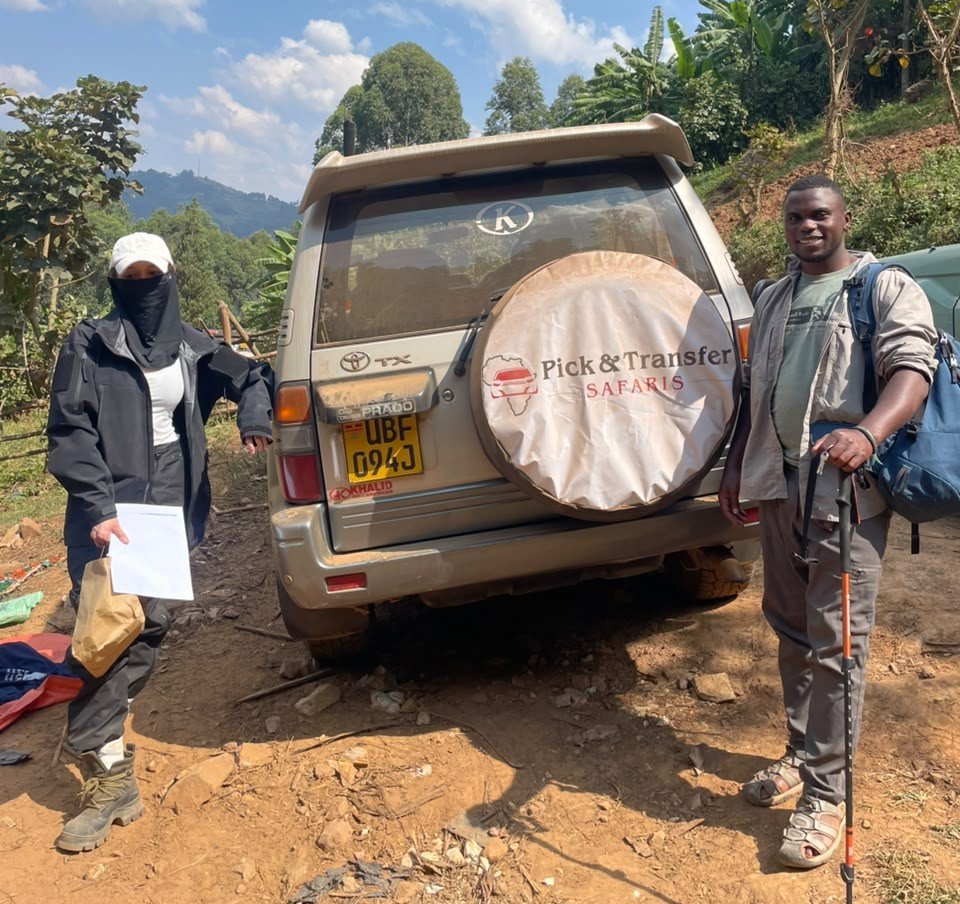
7 Days Uganda Safari – One week tour
This 7-day itinerary is the classic one-week introduction to Uganda, covering the country’s three most iconic wildlife experiences: chimpanzee tracking in Kibale Forest National Park, Big Five game drives and a boat cruise in Queen
Tour Details →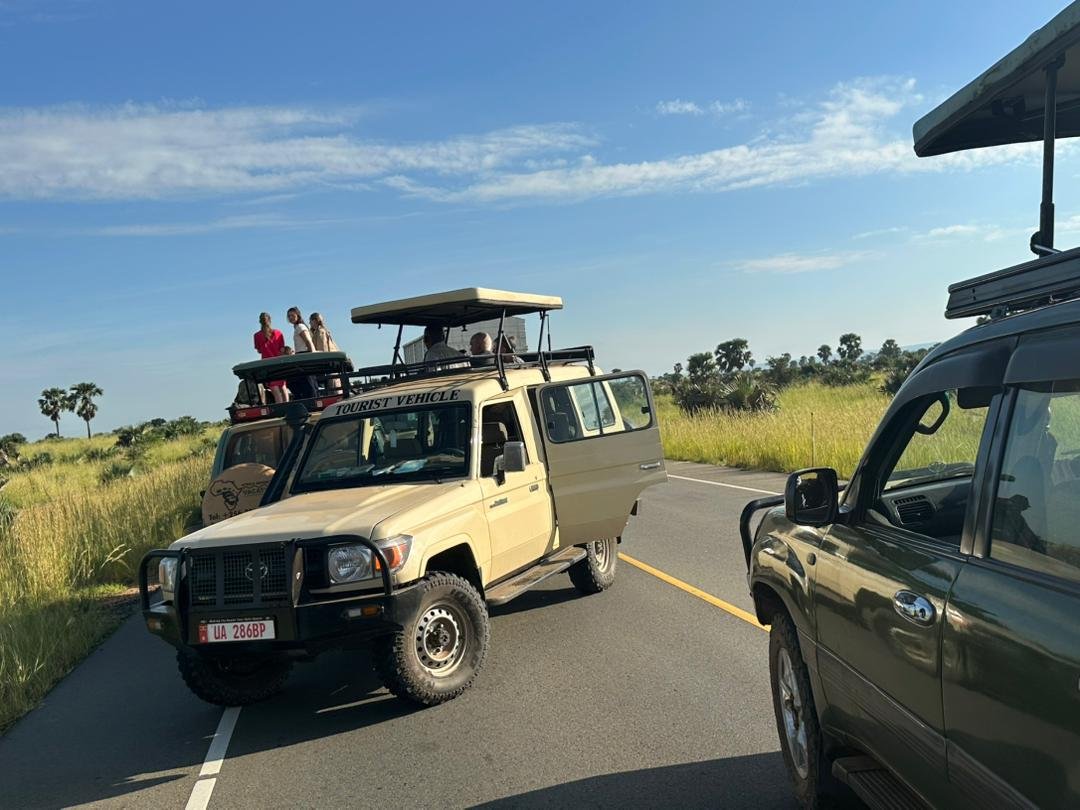
10 Days Uganda Primates and Wildlife
This 10-day Uganda Grand Safari is the most complete Uganda itinerary we offer at Pick and Transfer Safaris. It begins with a scenic northward drive from Entebbe to the vast open plains of Murchison
Tour Details →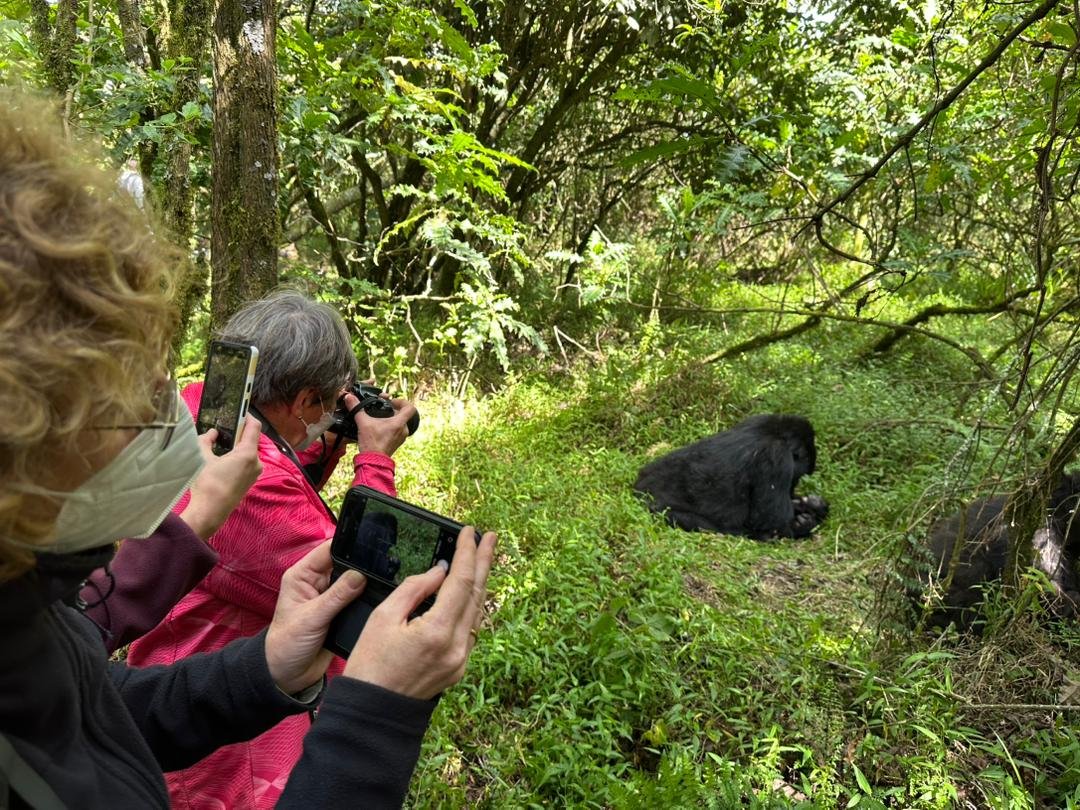
2 Days Uganda Gorilla Tour Starting from Kigali
This is the gentler cousin of our 1-Day Uganda Gorilla Safari Starting from Kigali — same idea, twice the breathing room. Instead of squeezing a 3,000-metre forest trek and two border crossings into a single very long day
Tour Details →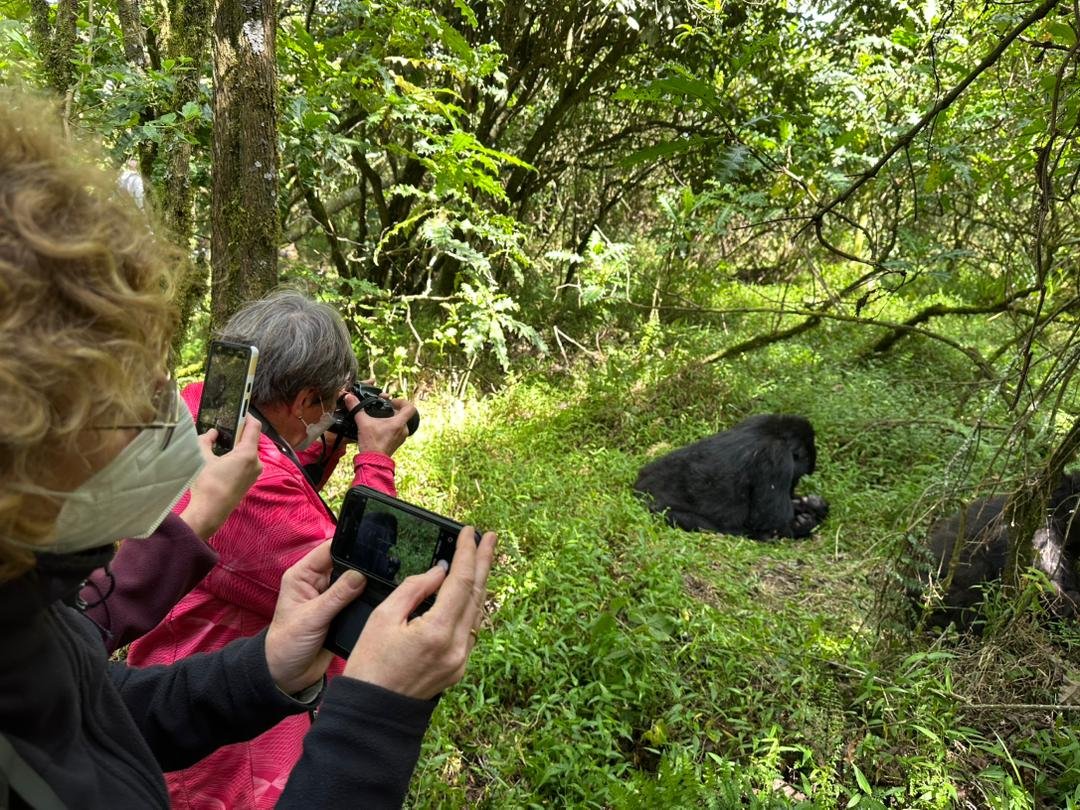
5-Day Uganda Gorilla and Chimpanzee Safari
This itinerary can be combined with a Rwanda extension or a wildlife-focused add-on through Queen Elizabeth National Park — browse our Uganda & Rwanda Safaris and Primate Safaris collections for ideas.
Tour Details →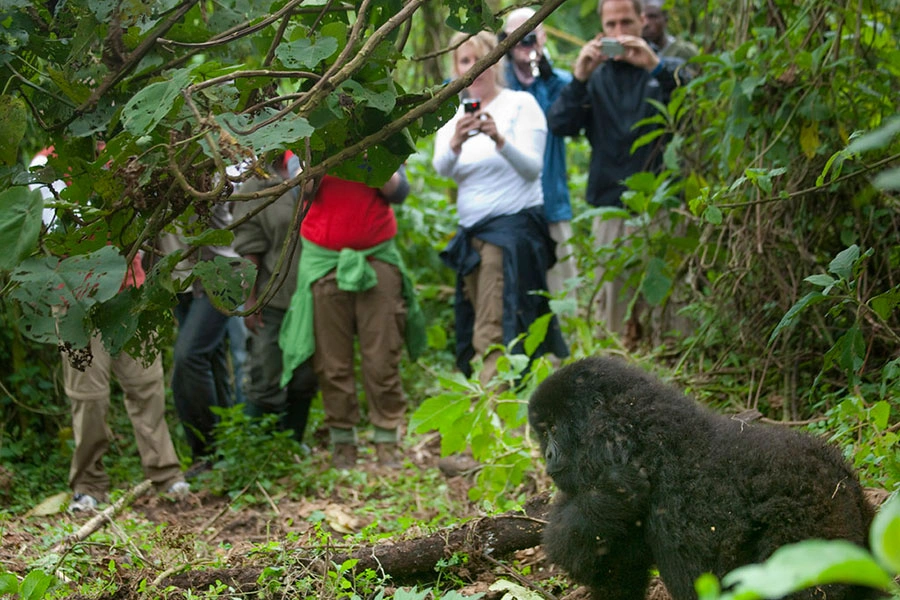
5 Days Rwanda Wildlife and Gorillas
This 5-day itinerary brings together Rwanda’s two flagship wildlife experiences: open savannah game drives and a boat safari in Akagera National Park, followed by a face-to-face encounters
Tour Details →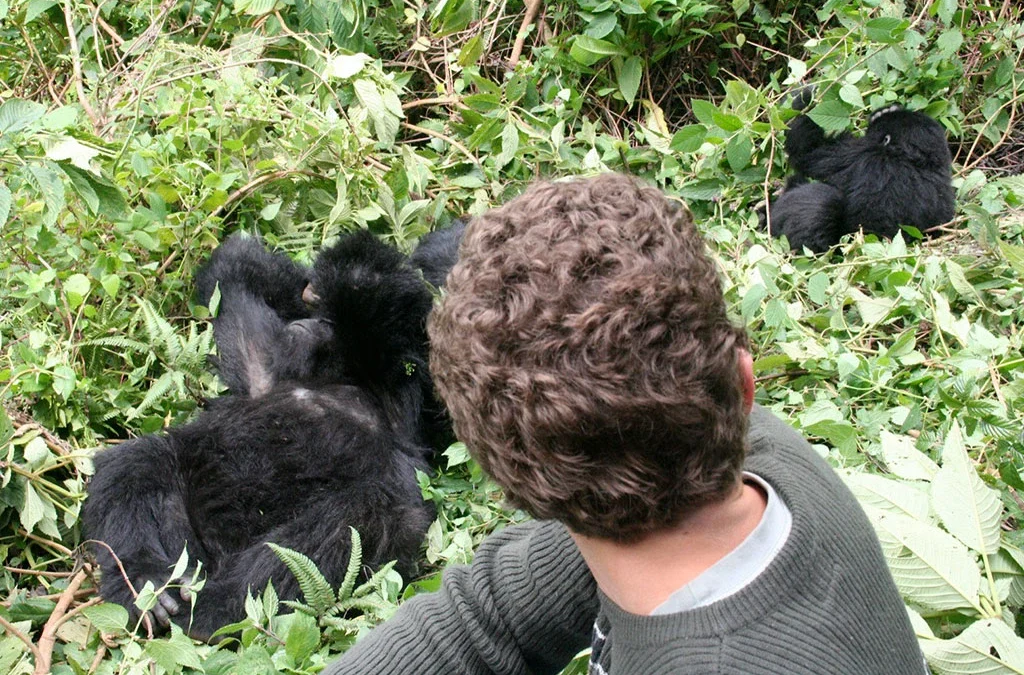
3 Days Uganda Gorilla Safari
For travelers who arrive in Entebbe with a tight schedule and a clear ambition, a 3-day gorilla safari to Bwindi Impenetrable Forest National Park is the most focused and rewarding short trip the country has to offer.
Tour Details →