- LET'S PLAN YOUR SAFARI
- +256 200 921 002
- +256 793 194 703
- info@pickandtransfersafaris.com

5 Days Uganda Tour Gorillas Wildlife and Chimpanzee Tracking
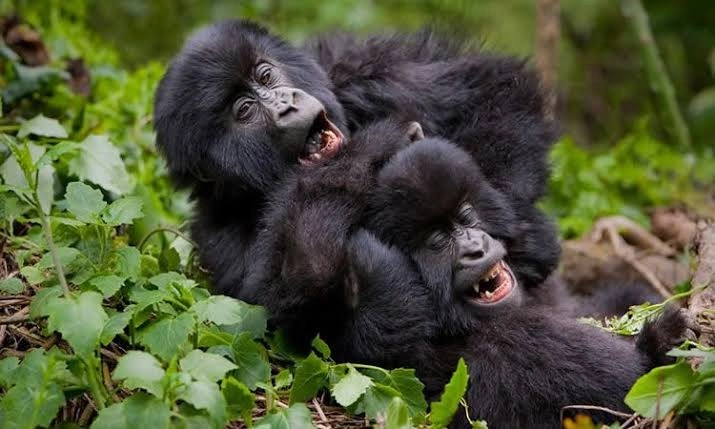
5 Days Uganda Tour Gorillas Wildlife and Chimpanzee Tracking. Five days is the shortest window in which you can genuinely combine all three of Uganda’s headline wildlife experiences — chimpanzee tracking, savannah wildlife viewing, and mountain gorilla trekking — without the trip feeling rushed. This itinerary routes from Kibale Forest to Bwindi Impenetrable Forest through the wildlife-rich Queen Elizabeth corridor, giving you two full primate treks and a genuine game-viewing day in between, all inside a single working week.
This guide covers the day-by-day route, what’s included, current 2026 permit prices, realistic costs, the best time of year to travel, and how this 5-day format compares to shorter and longer alternatives — everything you need to decide if this is the right itinerary for your trip and to book it with confidence.
We’ve laid it out the way we’d brief a guest booking this exact route with us: the day-by-day plan first, then the practical decisions — permits, budget, packing, timing — that matter most when you’re fitting three distinct wildlife experiences into a single five-day window with very little margin for a scheduling mistake.
Why This 5-Day Safari Delivers Gorillas, Wildlife and Chimps in One Trip
Most short Uganda itineraries force a choice: primates or plains game, not both. This route avoids that trade-off by taking advantage of geography — Kibale, Queen Elizabeth and Bwindi sit along one continuous corridor through western Uganda, so the transfer between your two primate-trekking parks doubles as a wildlife-viewing day through the Ishasha sector, famous for its tree-climbing lions, rather than a wasted driving day.
It also works well for travelers with limited leave who still want the full picture. Five days is enough to trek chimpanzees in Kibale, watch for lions, elephants and buffalo through the Queen Elizabeth corridor, and spend a full day trekking mountain gorillas in Bwindi — the three experiences most visitors come to Uganda for — without the longer transfers and extra permit costs of a 7- or 10-day circuit.
Overview: The 5-Day Route
In outline: Entebbe to Kibale Forest National Park, a full day of chimpanzee tracking, a wildlife-viewing transfer through Queen Elizabeth National Park and the Ishasha sector to Bwindi Impenetrable Forest, a full day of gorilla trekking with an optional Batwa cultural visit, then the return journey to Entebbe. This matches the structure of our bookable 5-day Uganda gorilla and chimpanzee safari, and the breakdown below reflects exactly what that itinerary includes.
Day 1: Arrival and Transfer to Kibale Forest National Park
Your driver-guide meets you at Entebbe International Airport for the scenic 6–7 hour drive west to Kibale Forest National Park, passing tea plantations and crater lakes along the way. You’ll check into your lodge in the late afternoon with time to relax before the next day’s trek.
Day 2: Chimpanzee Tracking and Bigodi Wetland Walk
An early start takes you to the Kanyanchu Visitor Centre for chimpanzee tracking, which can last anywhere from 30 minutes to several hours depending on where the community has moved that morning. Kibale holds the highest primate density and diversity in East Africa, and beyond chimpanzees you’re likely to spot red colobus monkeys and some of the forest’s 375-plus recorded bird species, including the striking great blue turaco. The afternoon is spent on a guided walk through the nearby Bigodi Wetland Sanctuary, a gentler, boardwalk-based complement to the morning’s forest trek.
Day 3: Wildlife Drive Through Queen Elizabeth to Bwindi
The 6–8 hour drive south to Bwindi is where this itinerary earns its “wildlife” billing. The route passes through Queen Elizabeth National Park and its Ishasha sector, one of the few places in Africa where lions regularly climb into fig and acacia trees, along with good chances of spotting elephants, buffalo and large herds of Uganda kob along the roadside plains. Unlike a dedicated game-drive day, this is wildlife viewing built into the transfer itself — genuinely rewarding, though sightings are never guaranteed on any single pass through the park.
By late afternoon you’ll arrive in the southwestern highlands often nicknamed the “Switzerland of Uganda,” checking into a lodge at the edge of Bwindi Impenetrable Forest — the exact sector (Buhoma, Ruhija, Rushaga or Nkuringo) depends on which gorilla family you’re assigned to track the next morning.
Day 4: Mountain Gorilla Trekking and Batwa Cultural Experience
This is the trip’s centerpiece. Trekking groups are capped at eight visitors per habituated gorilla family, and the hike itself can range from a gentle walk to several hours through montane forest, followed by a closely guided hour in the gorillas’ presence. Many guests spend the afternoon on an optional Batwa cultural experience, learning traditional forest knowledge and customs from the indigenous community that once called this forest home — a meaningful complement to the morning’s wildlife encounter.
Chimpanzee Tracking vs Gorilla Trekking: What’s the Difference
Guests often ask how the two primate treks compare, since this itinerary includes both back to back. Chimpanzee tracking in Kibale tends to be more active and social — chimps move through the canopy in groups, vocalize frequently, and a good sighting often means watching a community interact for twenty or thirty minutes rather than a single still encounter. Trek duration is generally more predictable, and success rates are very high thanks to Kibale’s long-habituated community.
Gorilla trekking in Bwindi is a different kind of experience: quieter, more physically demanding to reach, and built around a single, tightly regulated hour with one family once you’ve found them. Many guests describe chimp tracking as the more energetic, entertaining morning and gorilla trekking as the more profound, emotionally memorable one — which is exactly why this itinerary places them a day apart rather than trying to compress both into the same visit.
Day 5: Return Journey to Entebbe
The final day covers the return transfer to Kampala or Entebbe, roughly 8–9 hours by road, often with a stop at the Equator crossing near Kayabwe for photos. Travelers with tighter flight connections can also ask about a domestic flight option from an airstrip near Bwindi to shorten this final leg.
What’s Included and What’s Not
A standard package for this itinerary includes both the gorilla and chimpanzee trekking permits, the guided Bigodi Wetland walk, the Batwa cultural experience, a private 4×4 vehicle with an English-speaking driver-guide, four nights of accommodation, meals as listed per day, and drinking water. International flights, visa fees, travel insurance, tips, alcoholic beverages and optional upgrades are not included and should be budgeted separately.
Full current pricing and availability for this exact route are listed on our 5-day Uganda gorilla and chimpanzee safari page, or you can request a tailored quote through our contact us page.
Gorilla and Chimpanzee Permit Costs for 2026
As of 2026, a Bwindi gorilla trekking permit costs USD 800 per person for foreign non-residents, and a Kibale chimpanzee tracking permit costs approximately USD 250 per person. Both are issued by the Uganda Wildlife Authority and cover park entry, ranger-guides and trackers. Together, these two permits typically account for the single largest fixed cost of this itinerary, which is why they’re almost always quoted and booked as early as possible, well ahead of your travel dates.
How Much Does This 5-Day Safari Cost
Total package pricing for this itinerary typically starts from around USD 2,400 per person for mid-range accommodation, private transport and both permits included, though exact pricing varies by group size, season and lodge tier. Because permits make up a large, fixed share of the total, the difference between a budget and luxury version of this trip comes down mainly to accommodation and whether you’re traveling privately or as part of a shared group vehicle — group travel generally lowers the per-person cost of the vehicle and guide without affecting permit pricing at all.
Porters at both Kibale and Bwindi are hired locally and paid separately, typically USD 15–20 per trek. It’s worth budgeting for one even if you feel fit enough to manage without help — the fee supports the local community directly and is one of the most tangible ways this trip benefits the people living alongside the parks you’re visiting.
Best Time of Year for This Itinerary
This route runs year-round, but the two dry seasons — December to February and June to September — offer the most reliable trekking conditions in both Kibale and Bwindi, along with better wildlife visibility through the Ishasha corridor on Day 3. The wetter months, March to May and October to November, bring lush scenery, quieter parks and lower lodge rates, with muddier trails but still very rewarding treks for flexible travelers.
How Physically Demanding Is This Trip
The chimpanzee trek in Kibale is a moderate two- to three-hour forest walk on relatively even terrain, well suited to most fitness levels. Gorilla trekking in Bwindi is the more demanding day, with variable duration and terrain depending on the gorilla family’s location that morning, but porters are available at the trailhead to carry daypacks and assist on steep or muddy sections, making the trek achievable for most reasonably active travelers.
Accommodation Options
This itinerary is typically run at mid-range accommodation — comfortable en-suite lodges near both Kibale and Bwindi with good food and reliable hot water — though budget guesthouses and luxury tented camps are both available on request. You can review sample inclusions across our gorilla safaris and wildlife safaris pages before choosing a tier for your dates.
What to Pack
Pack waterproof hiking boots and gardening-style gloves for both forest treks, neutral-colored clothing (avoid bright colors and camouflage), a lightweight rain jacket, a wide-brimmed hat, high-SPF sunscreen, insect repellent, a daypack, and binoculars for the Ishasha wildlife drive on Day 3. A soft-sided duffel bag is strongly preferred over a hard suitcase, since vehicle luggage space is limited across a route with three separate lodge changes in five days.
Photography Tips for the Ishasha Wildlife Drive
Tree-climbing lions in Ishasha are usually spotted resting in the lower branches of fig or sausage trees during the warmest hours of the day, so a transfer that passes through around midday often has better odds than an early-morning crossing. A 200–400mm zoom lens covers most sightings well, since vehicles keep a respectful distance from resting lions and grazing herds.
Keep your camera out and ready rather than packed away during this stretch of the drive, since sightings happen suddenly and close to the road. For the forest treks in Kibale and Bwindi, a wider-aperture lens and higher ISO settings help compensate for the low canopy light, and gorilla trekking days come with a strict no-flash rule, so fast glass matters more than reach once you’re inside the forest itself.
Comparing This 5-Day Itinerary to Other Uganda Safari Lengths
If five days is more time than you have, our 3-day chimpanzee tour in Uganda or 3-day Uganda gorilla safari isolate a single primate trek if you’d rather focus on one experience. If you have more time available, our 7-day Uganda safari one-week tour adds dedicated Queen Elizabeth game-drive days and a Kazinga Channel boat cruise on top of this same backbone, and our 10-day Uganda primates and wildlife safari extends further to include Murchison Falls National Park.
It’s also worth comparing this route against similar packages from other established operators before booking. Kenlink Tours’ 5-day Uganda gorilla and chimpanzee safari and 5-day gorilla trekking safari from Kigali to Uganda follow closely related routes and are useful benchmarks for pricing and pacing, and their 7-day gorillas, chimps and golden monkeys safari is a useful reference if you’re weighing whether the extra two days and a dedicated wildlife day are worth adding to your own trip.
Choosing the Right Operator
Because this itinerary bundles two separate permits with several multi-hour transfers in a tight five-day window, it rewards an operator with genuine experience sequencing both treks correctly — a delay on either permit has a much bigger knock-on effect on a 5-day trip than on a longer itinerary with more buffer days. Ask any operator you’re comparing exactly how many gorilla and chimp permits they hold for your specific dates before paying a deposit.
Established regional operators such as Kenlink Tours, which has run scheduled departures across Uganda, Rwanda, Kenya and Tanzania since 2010, are a reasonable point of comparison when you’re evaluating how a new or smaller operator’s pricing and inclusions stack up. Kenlink Tours’ Uganda safaris listing and about us page are a reasonable example of the kind of operating history worth checking before committing to any company handling a permit-heavy itinerary like this one.
Extending the Route
If your schedule opens up after booking, this 5-day itinerary is an easy foundation to extend. Adding two or three days lets you build in a dedicated Queen Elizabeth game-drive day and Kazinga Channel boat cruise rather than only passing through the park on Day 3, or continue north to Murchison Falls National Park for a second boat cruise and different big-game terrain, following the same route as our 3-day safari to Murchison Falls.
Travelers who’d rather add a second country than extra days in Uganda can also route this itinerary into Rwanda for a golden monkey trek at Mgahinga Gorilla National Park, browsing our full Uganda-Rwanda safaris or wider extended safaris for longer combined options. For comparison, Kenlink’s 10-day Rwanda-Uganda safari shows how a similar core route scales up into a two-country trip.
Group and Scheduled Departure Options
This itinerary runs as both a private departure and, for travelers who’d rather share the cost of the vehicle, as part of scheduled group tours. Kenlink Tours’ group tours and scheduled departure safaris pages are worth reviewing for fixed-date group formats if you’re comparing options, and self-drive travelers researching vehicle rental terms for other legs of a longer trip can check Kenlink’s car hire page or our own partner service.
Frequently Asked Questions About This 5-Day Safari
Is 5 days enough for gorillas, wildlife and chimps in Uganda? Yes — this itinerary is specifically built around that combination, using the Kibale-to-Bwindi transfer through Queen Elizabeth’s Ishasha sector as the wildlife-viewing component rather than adding a separate dedicated game-drive day.
How is this different from the 7-day itinerary? The 7-day version adds one to two full days of dedicated Queen Elizabeth game drives and a Kazinga Channel boat cruise, rather than viewing wildlife only as part of the Day 3 transfer. See our 7-day Uganda safari one-week tour for that fuller version.
How much does the total trip cost? Package pricing for this itinerary typically starts from around USD 2,400 per person at mid-range accommodation, with the two permits (USD 800 and USD 250) making up the largest fixed portion of that total.
Will I definitely see the tree-climbing lions on Day 3? Sightings are common in the Ishasha sector but never guaranteed, since these are wild, free-roaming animals. Most guests do spot lions or other wildlife along this stretch, but it’s a bonus of the route rather than a scheduled encounter.
Can I do this trip with children? Chimp tracking and the Ishasha wildlife drive are generally suitable for children, but the Uganda Wildlife Authority sets a minimum age of 15 for gorilla trekking, so families with younger children usually adjust the itinerary accordingly.
Is this itinerary better as a private trip or a group departure? Both work well. A group departure lowers the per-person vehicle and guide cost, while a private trip gives you full control over the daily schedule — permits and pricing are largely the same either way, so the choice usually comes down to budget and how much flexibility you value.
Do I need to be very fit for this itinerary? Reasonable fitness helps on gorilla trekking day specifically, but porters are available throughout, and both the wildlife drive and chimp trek are accessible to most moderately active travelers regardless of age.
5 Days Uganda Tour Gorillas Wildlife and Chimpanzee Tracking
This 5-day itinerary is the most time-efficient way to experience Uganda’s three signature wildlife encounters in one trip: a forest walk with habituated chimpanzees, a genuine chance at tree-climbing lions and savannah game along the Ishasha corridor, and a face-to-face encounter with mountain gorillas in Bwindi. For travelers with a single working week to spend in Uganda, it remains one of the best-value itineraries we run.
Ready to book this itinerary? View full pricing and dates on our 5-day Uganda gorilla and chimpanzee safari page, learn more about us, or contact us today to reserve your gorilla and chimpanzee permits.
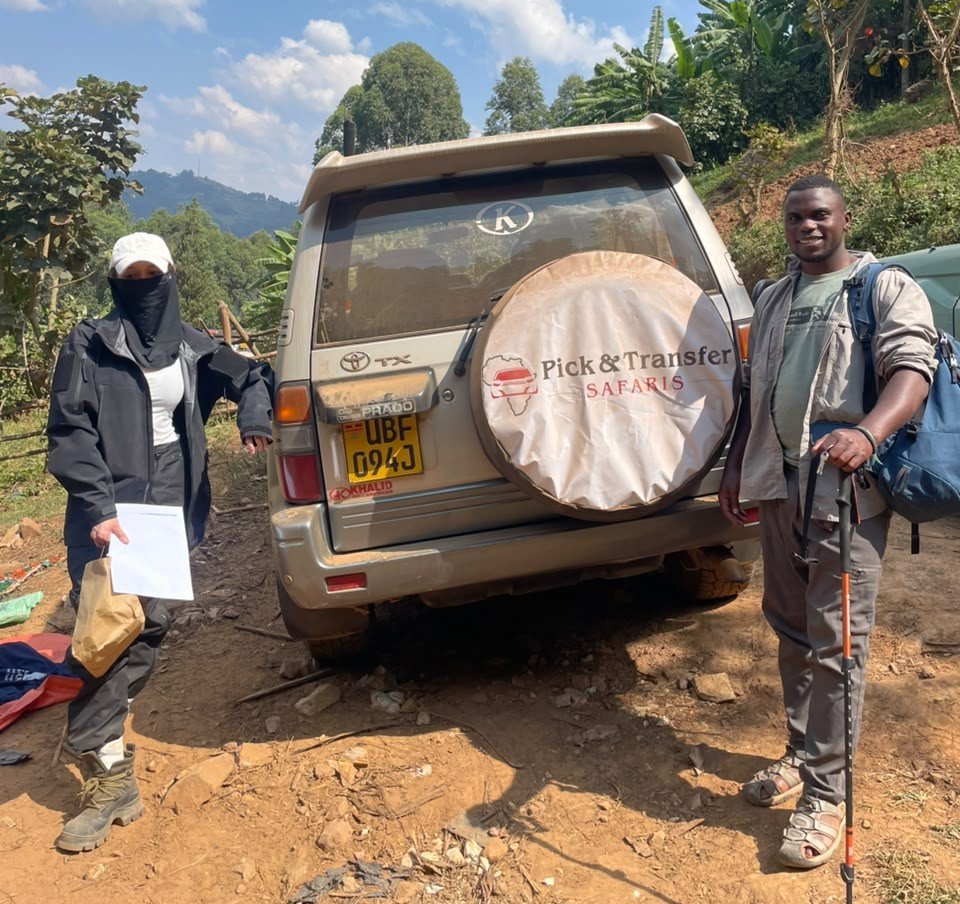
7 Days Uganda Safari – One week tour
This 7-day itinerary is the classic one-week introduction to Uganda, covering the country’s three most iconic wildlife experiences: chimpanzee tracking in Kibale Forest National Park, Big Five game drives and a boat cruise in Queen
Tour Details →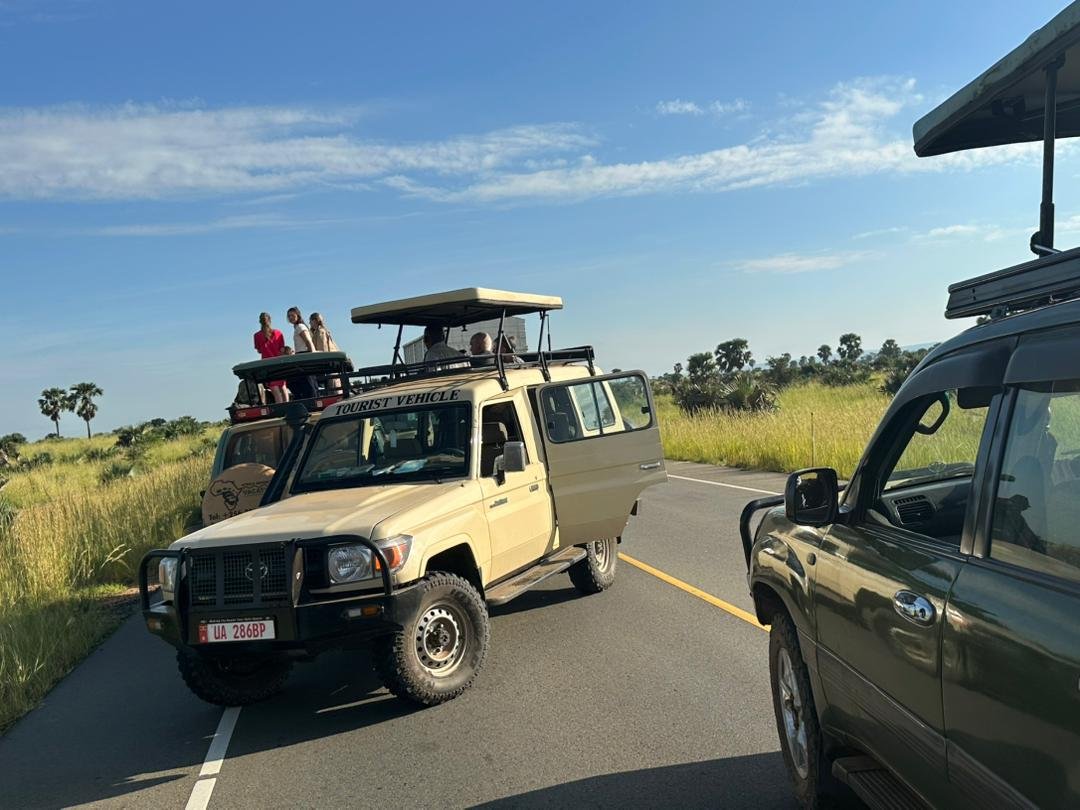
10 Days Uganda Primates and Wildlife
This 10-day Uganda Grand Safari is the most complete Uganda itinerary we offer at Pick and Transfer Safaris. It begins with a scenic northward drive from Entebbe to the vast open plains of Murchison
Tour Details →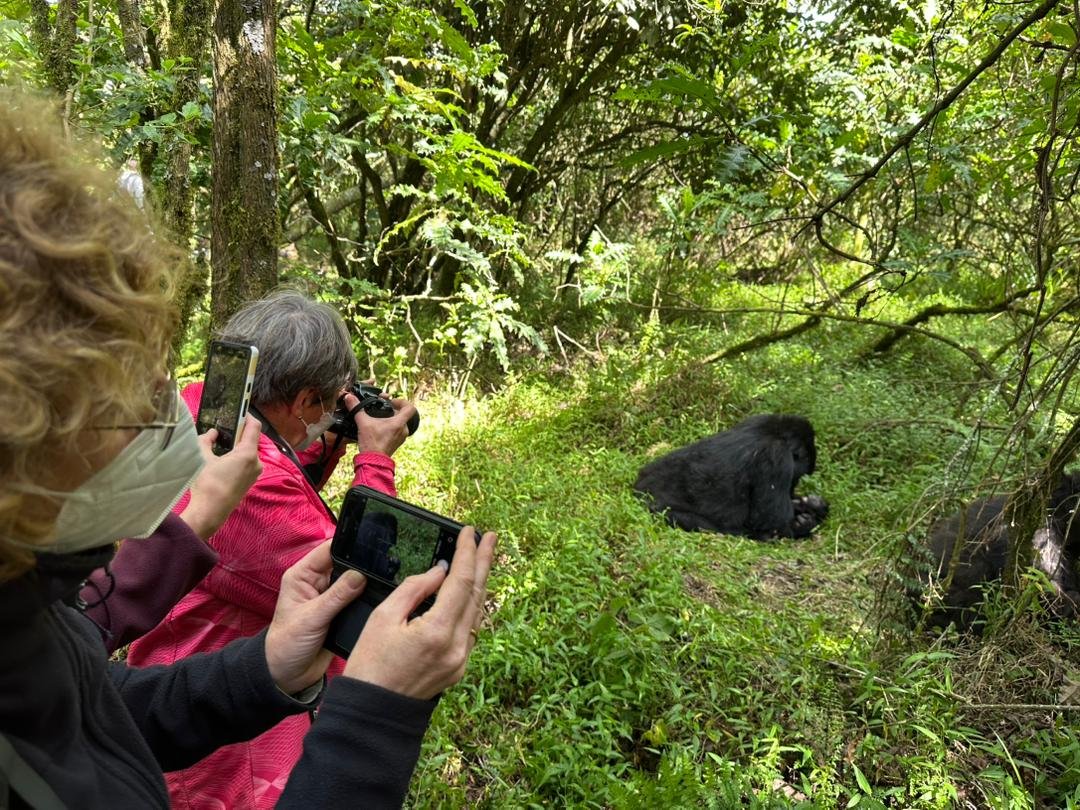
2 Days Uganda Gorilla Tour Starting from Kigali
This is the gentler cousin of our 1-Day Uganda Gorilla Safari Starting from Kigali — same idea, twice the breathing room. Instead of squeezing a 3,000-metre forest trek and two border crossings into a single very long day
Tour Details →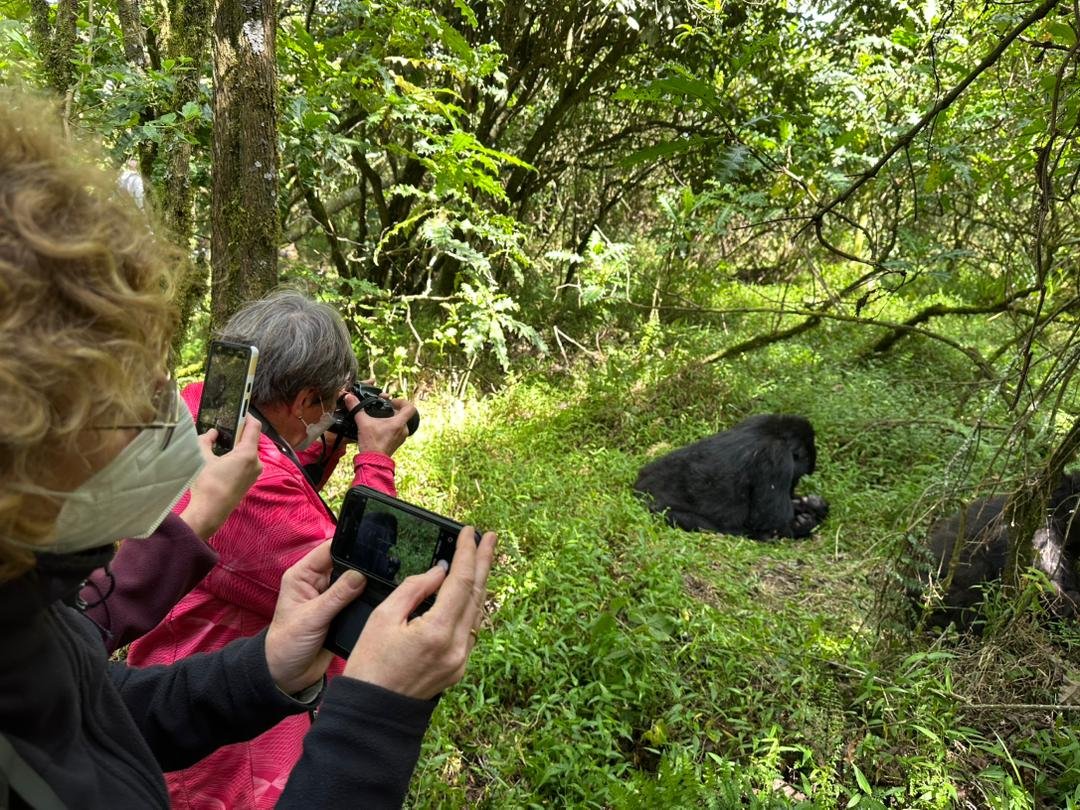
5-Day Uganda Gorilla and Chimpanzee Safari
This itinerary can be combined with a Rwanda extension or a wildlife-focused add-on through Queen Elizabeth National Park — browse our Uganda & Rwanda Safaris and Primate Safaris collections for ideas.
Tour Details →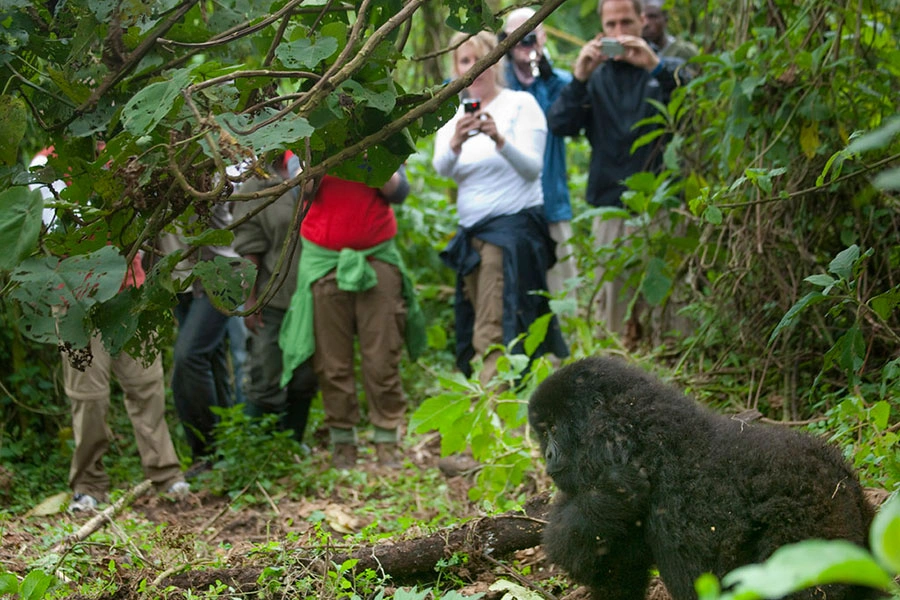
5 Days Rwanda Wildlife and Gorillas
This 5-day itinerary brings together Rwanda’s two flagship wildlife experiences: open savannah game drives and a boat safari in Akagera National Park, followed by a face-to-face encounters
Tour Details →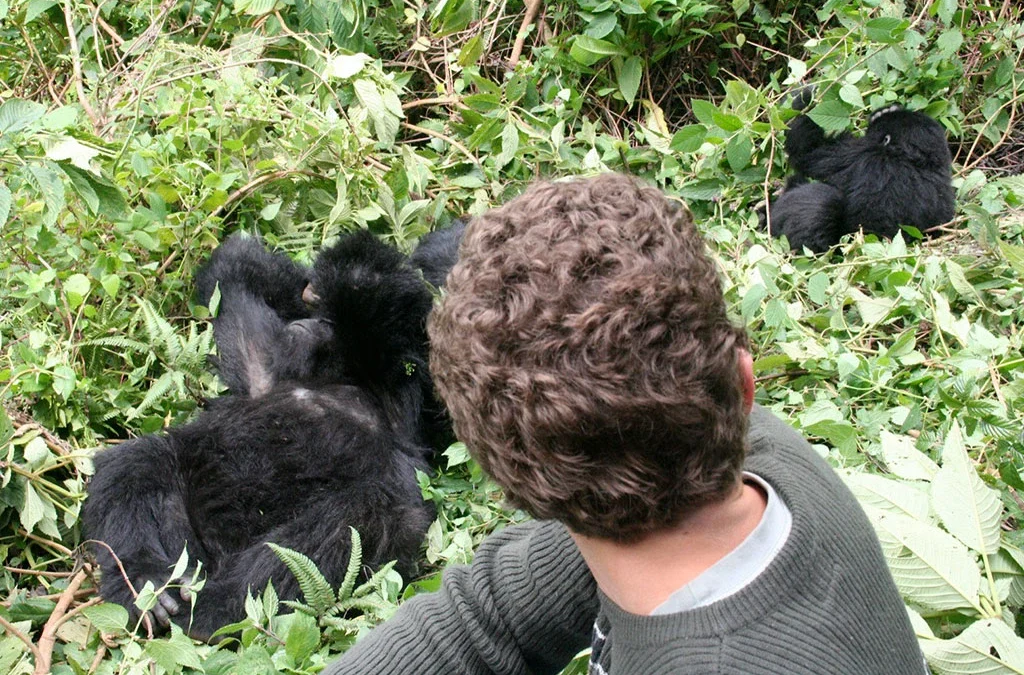
3 Days Uganda Gorilla Safari
For travelers who arrive in Entebbe with a tight schedule and a clear ambition, a 3-day gorilla safari to Bwindi Impenetrable Forest National Park is the most focused and rewarding short trip the country has to offer.
Tour Details →